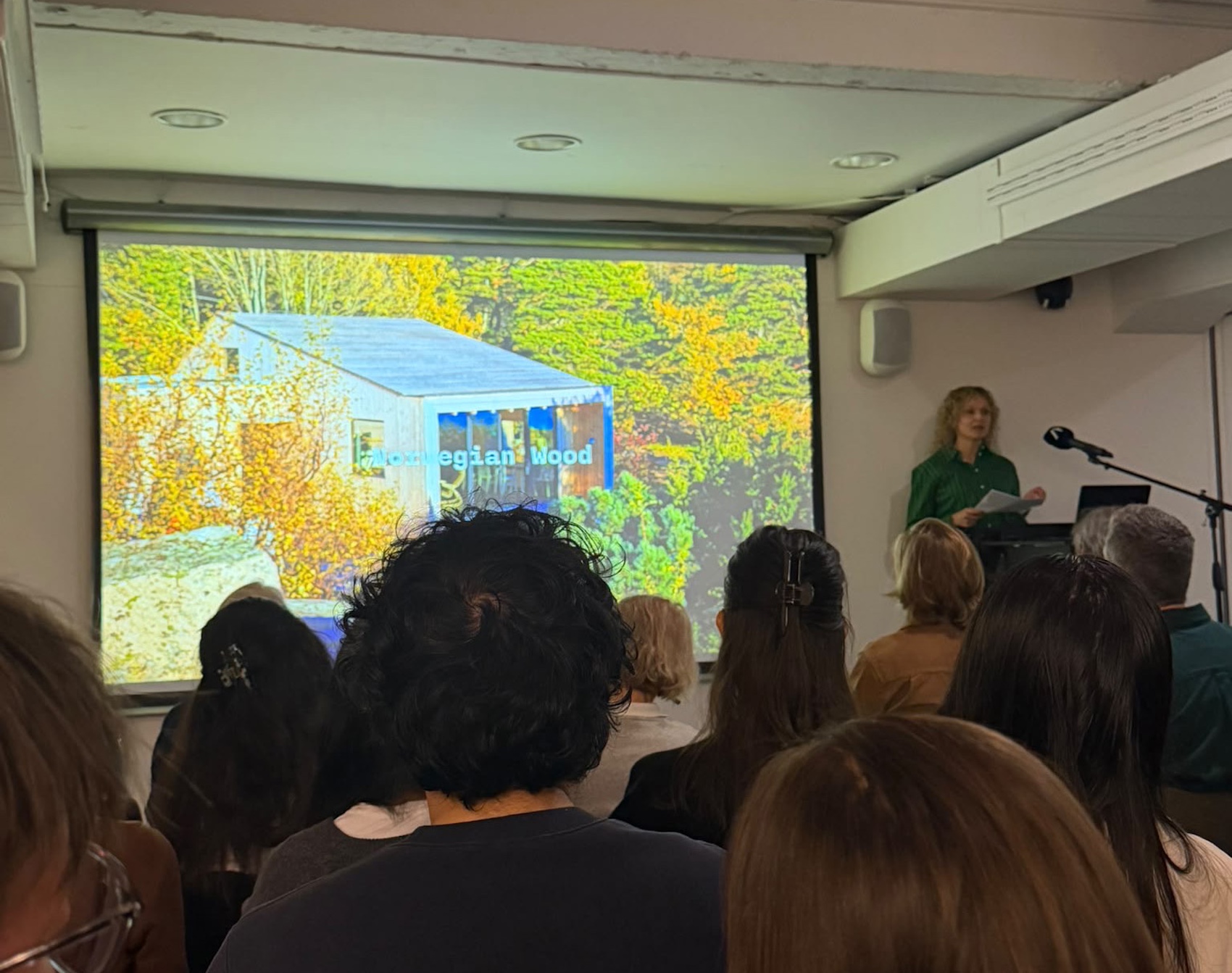
Architects, engineers, designers and researchers came together at Regenerative Design 2026 to explore bamboo’s potential as a mainstream low-carbon construction material, and the challenges of bringing it into wider use in the UK.
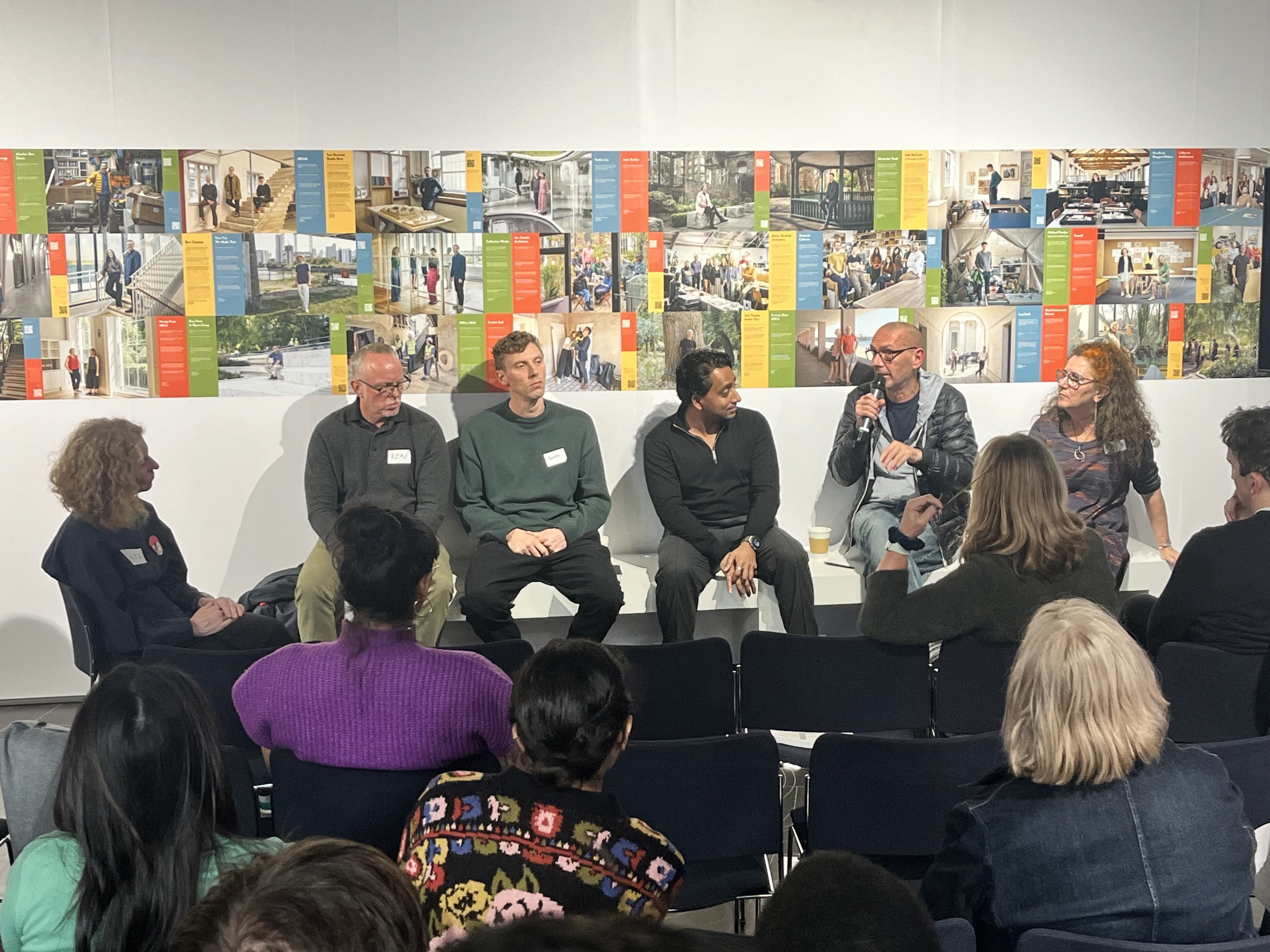
Left to right: Kate Cheyne, Head of the University of Westminster School of Architecture and Cities chairs, Ken Downing, James Marr, Ananya Singhal, Neil Thomas, Orit Azaz.
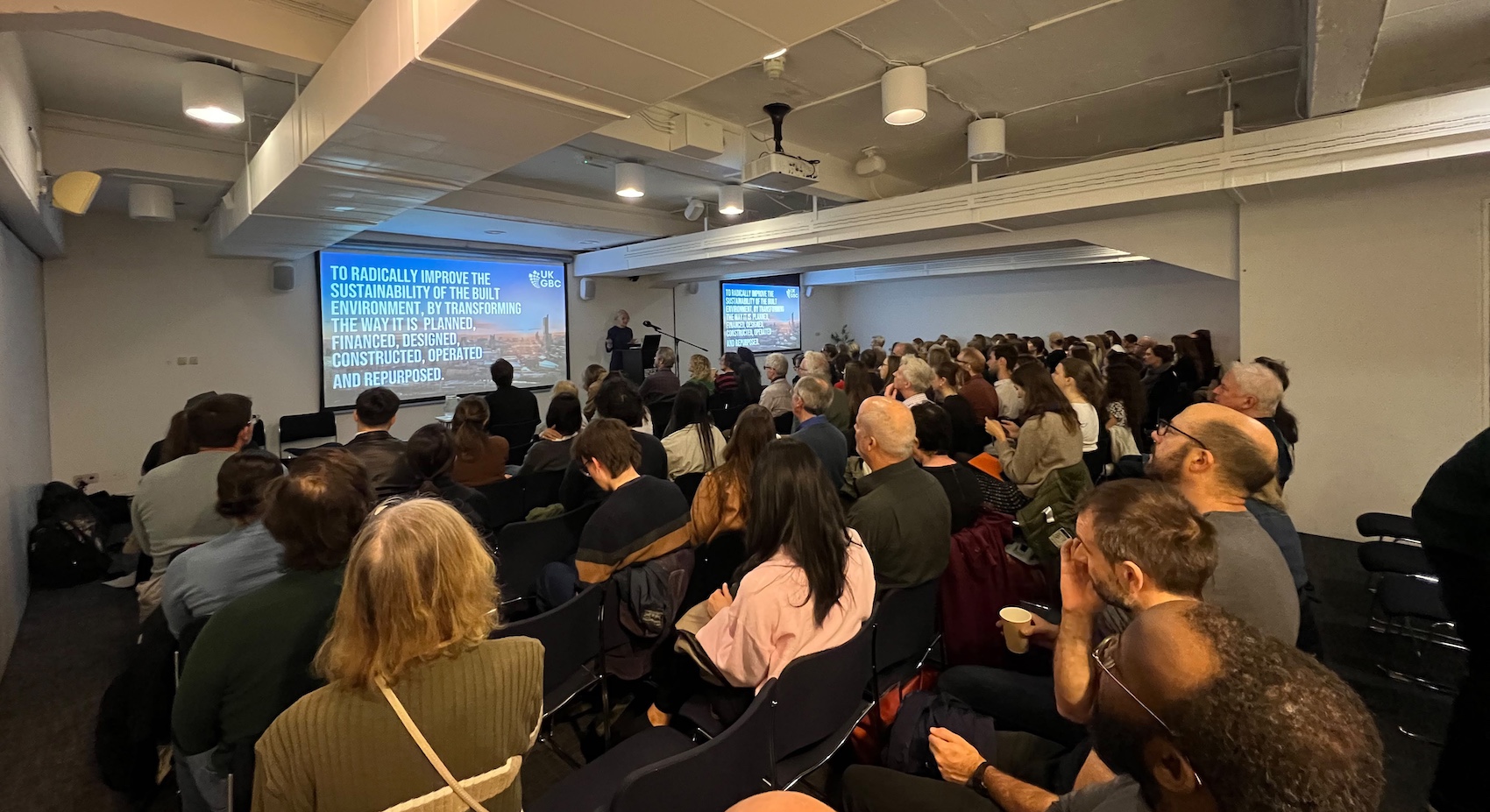
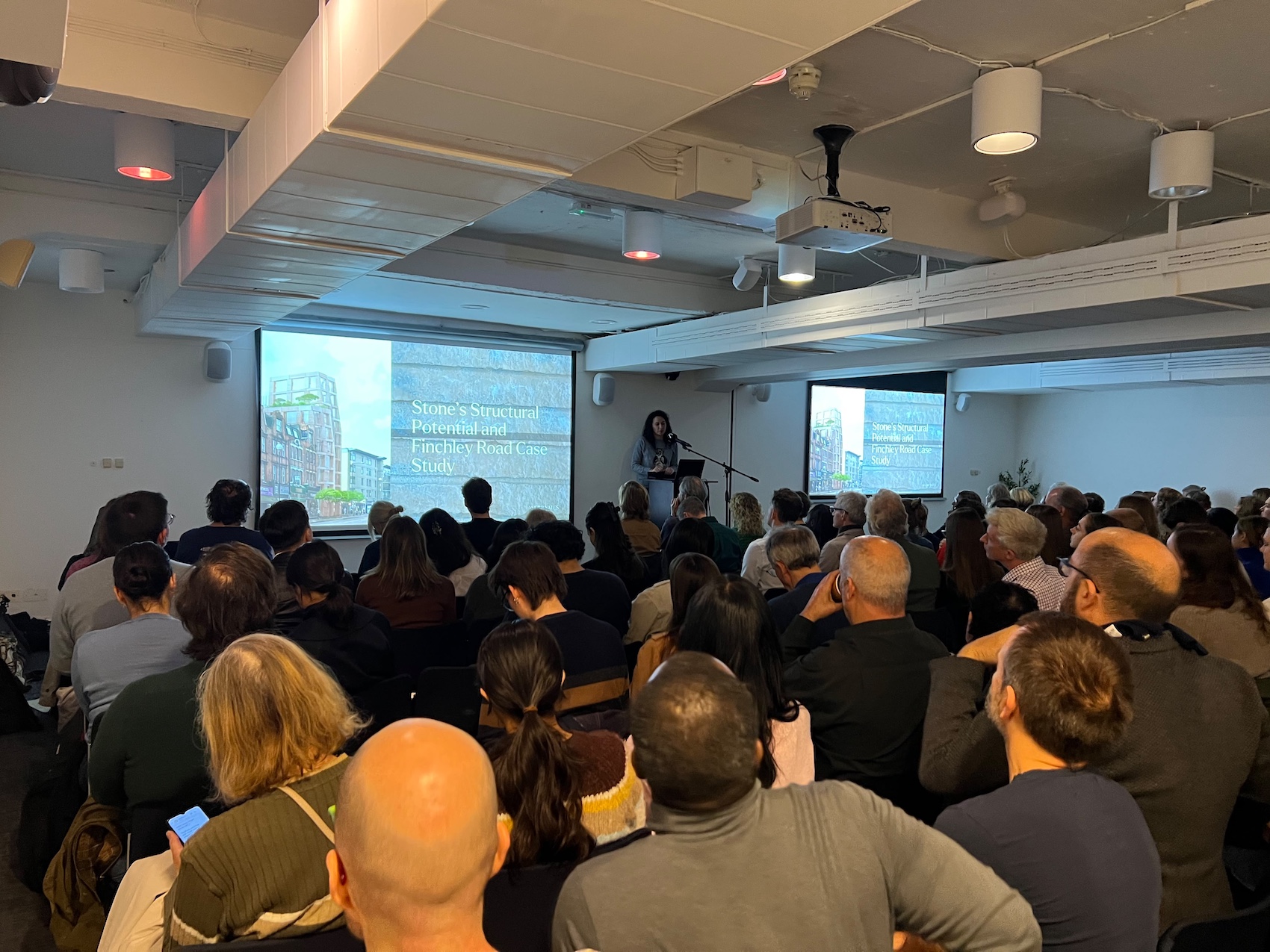
Hosted by Atelier One, the Bamboo in the UK Group and the University of Westminster, Why bamboo? brought together six speakers to examine the material’s structural properties, practical applications and potential contribution to regenerative design.
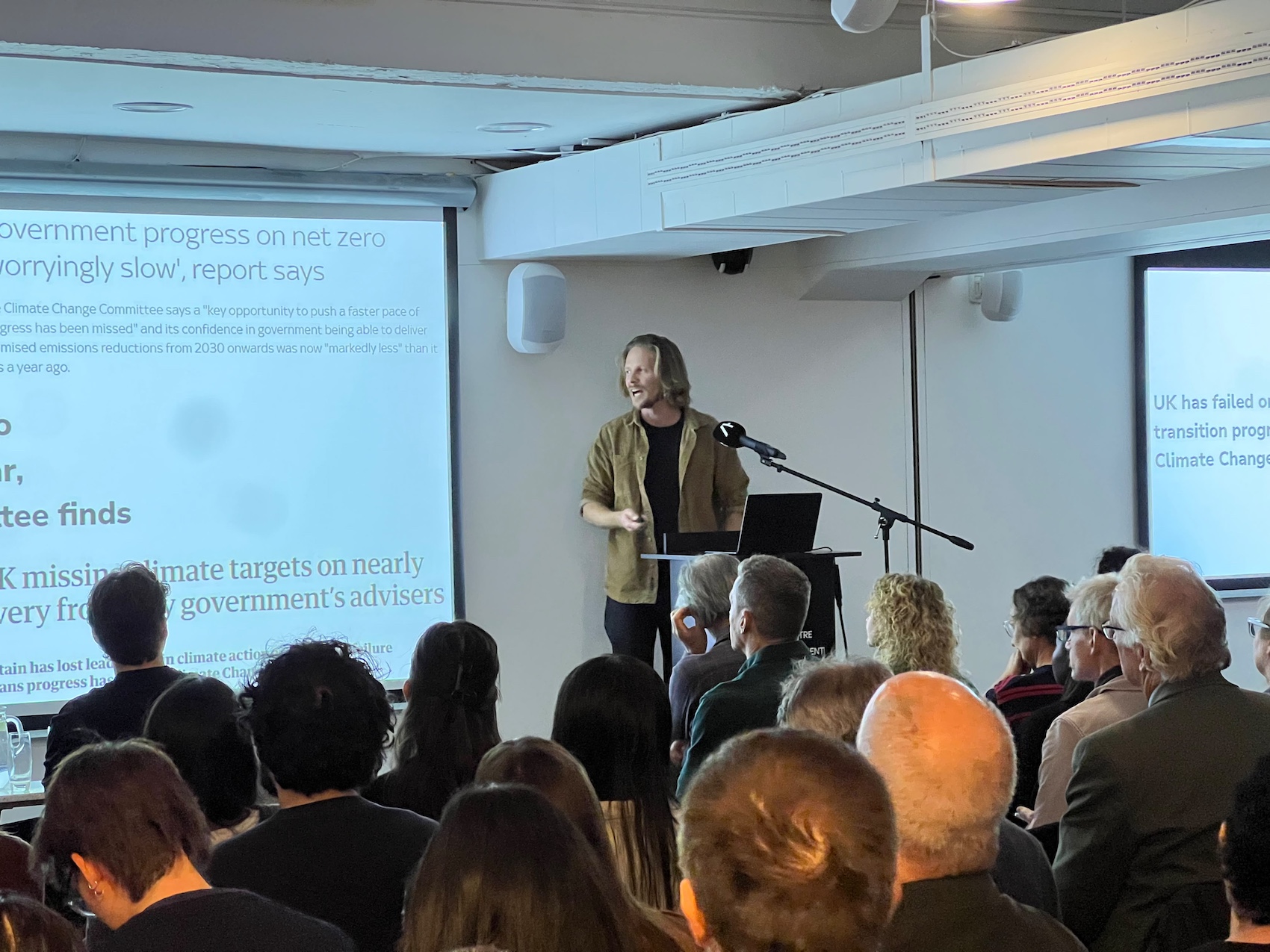
Chris Matthews, Atelier One, began by outlining the environmental case for bamboo, arguing that rising demand for low-carbon construction materials will exceed the capacity of sustainably managed forests to supply timber. He explained how bamboo’s rapid growth, strength and lightweight properties make it an attractive complementary material, highlighting Atelier One’s work on the award-winning Green School Gymnasium in Bali. Matthews summed it up, saying “If you were to make a natural material to be as efficient as possible for structural use, bamboo is the material you would choose,” before welcoming the first speaker, Orit Azaz.
Orit Azaz, Imagine Bamboo
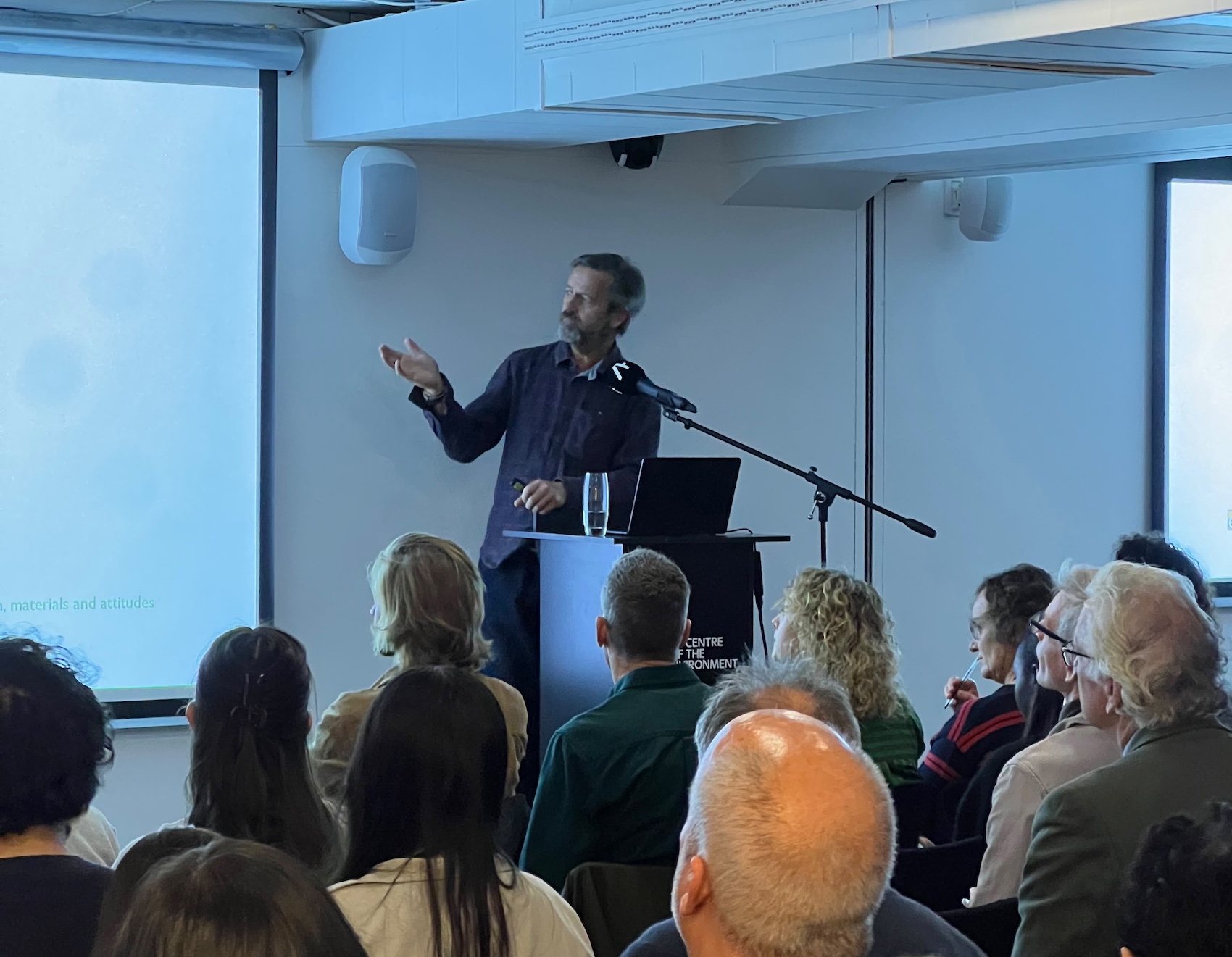
Orit Azaz is a theatre director and founder of Imagine Bamboo. She’s also the director of Don’t Know Projects, a group established for people from all walks of life who get together to agree on an inquiry and set themselves the challenge of finding out as much as they can on that topic. One such enquiry was bamboo leading, Azaz to Thomas, and eventually the development of Imagine Bamboo, a collaborative initiative bringing together artists, engineers, makers and communities to explore the material through experimentation and public participation. Beginning with a 40-metre bamboo arch constructed for the Birmingham 2022 Commonwealth Games cultural programme, the project has expanded into exhibitions, performances, community workshops and the Bamboo in the UK Group. Azaz emphasised the importance of hands-on experimentation in developing new skills and attitudes towards materials, describing bamboo as an accessible way to encourage people to question what they build with and how.
Ken Downing of UK Bamboo Supplies
Drawing on extensive experience supplying bamboo products, Downing offered the manufacturers perspective, exploring the material’s growing commercial applications, from flooring, furniture and interiors to cladding and prefabricated building components. He highlighted the increasing availability of engineered bamboo products and the need for architects and specifiers to understand their performance and practical advantages. While acknowledging challenges around cost, certification and familiarity, he argued that adoption could begin with smaller applications, allowing confidence and demand to develop before bamboo is used more widely in construction.
James Marr, Bamboo Bicycle Club
Marr kicked off with the brilliant fact that in the 1800s, bamboo bicycles could be purchased less than a ten minute walk away from our location at The Building Centre. Marr went on to demonstrate how bamboo’s properties combine structural performance with accessible, hands-on making. Through Bamboo Bicycle Club, more than 4,000 people have learned to build bicycles, with training programmes extending into schools, universities and prisons. He discussed bamboo’s natural vibration-damping properties, alongside emerging applications in electric bicycles and locally manufactured components. For Marr, the material’s greatest potential lies not simply in replacing conventional products, but in making engineering and fabrication more accessible, helping people develop practical skills through making.
Neil Thomas, Atelier One
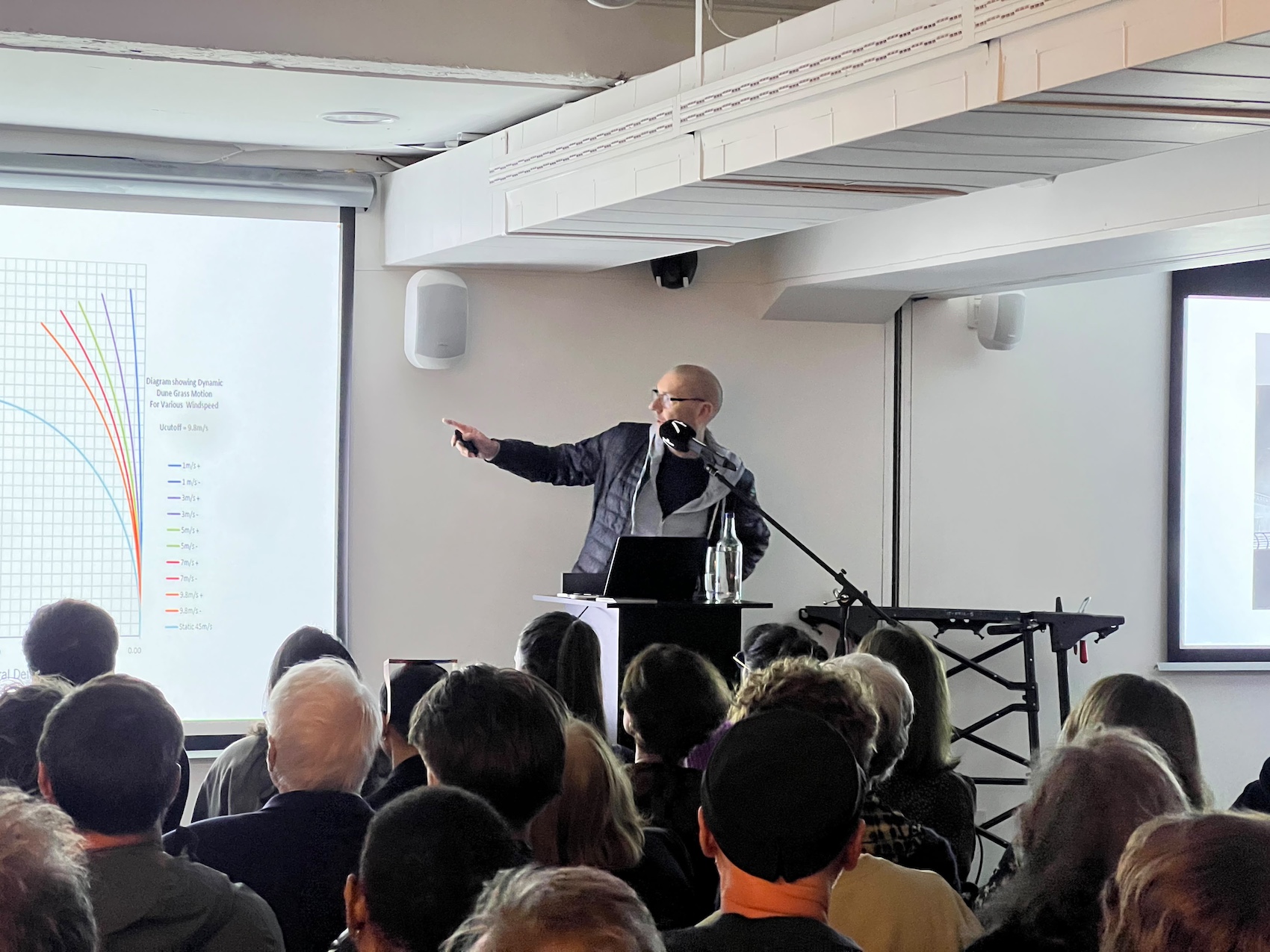
Neil Thomas concluded the presentations by examining bamboo’s potential to address housing shortages and support industrialised construction. He presented modular bamboo housing developed in Mexico, alongside new connection systems designed to accommodate the natural variability of bamboo poles. He also explored engineered bamboo, composite materials and opportunities for larger structures. Thomas argued that bamboo should complement rather than replace timber, but stressed the importance of overcoming regulatory barriers and demonstrating its practicality through real projects. His central question was simple: “Why aren’t we doing this?”
Ananya Singhal, Studio Saar
Ananya Singhal presented the Pangolin Pavilion, developed with Atelier One for the London Design Festival. Constructed using bamboo and traditional Indian craft techniques, the installation combined colonial-era police shield forms with knups, woven rain shields from Meghalaya, exploring contrasting ideas of suppression and protection. Singhal described how the pavilion brought together Indian craftsmanship and contemporary structural engineering, demonstrating bamboo’s potential to create expressive temporary structures while communicating stories about culture, history and the natural world.
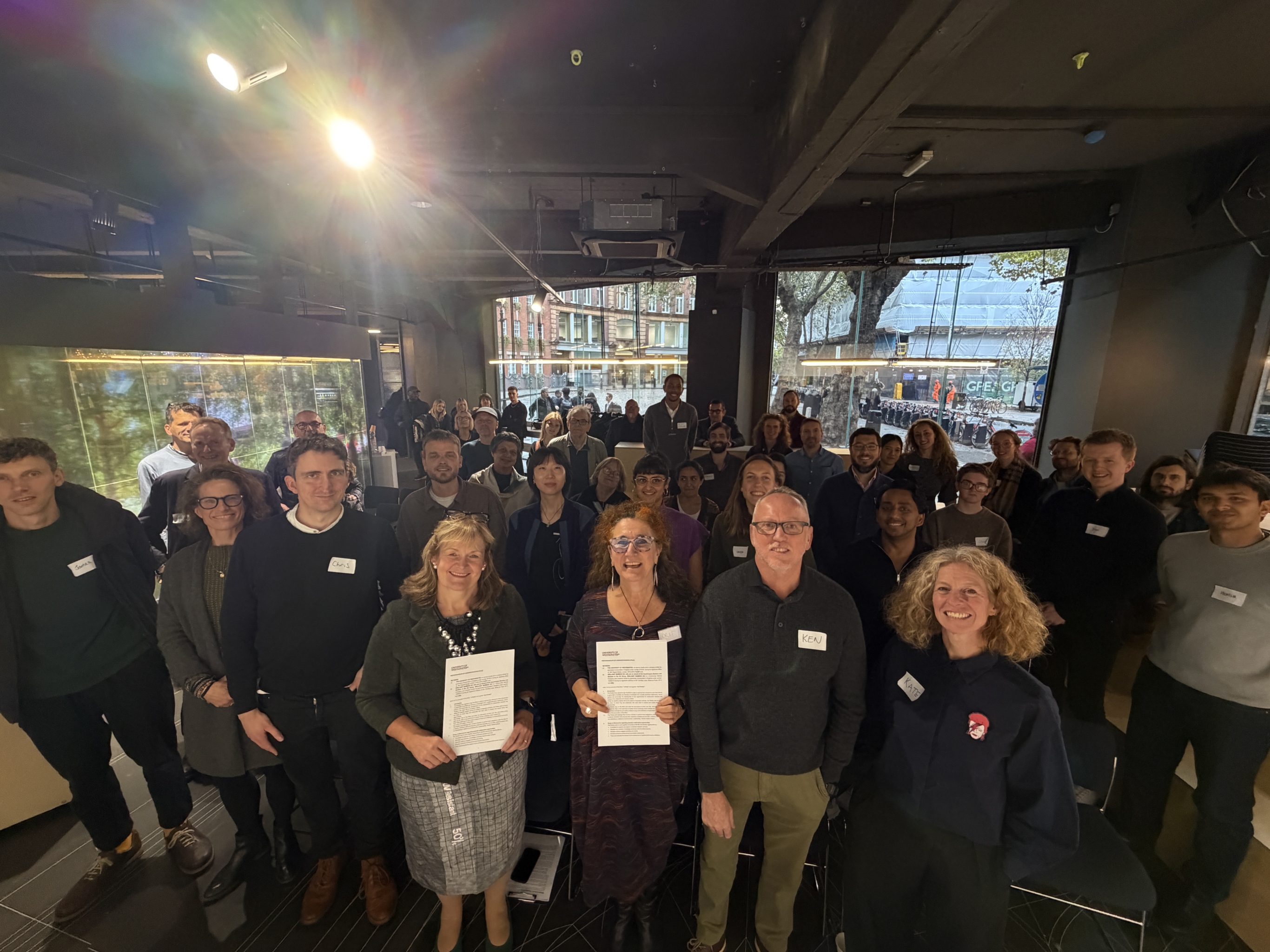
Catherine Dormor and Orit Azaz hold their signed memorandum of understanding between the University of Westminster and Bamboo in the UK Group.

Launched by Architecture Today, Regenerative Design 2026 is a month-long programme of exhibitions and events that takes place at the Building Centre throughout October 2026.
Specifying natural and sustainable materials was delivered in partnership with HG Matthews.