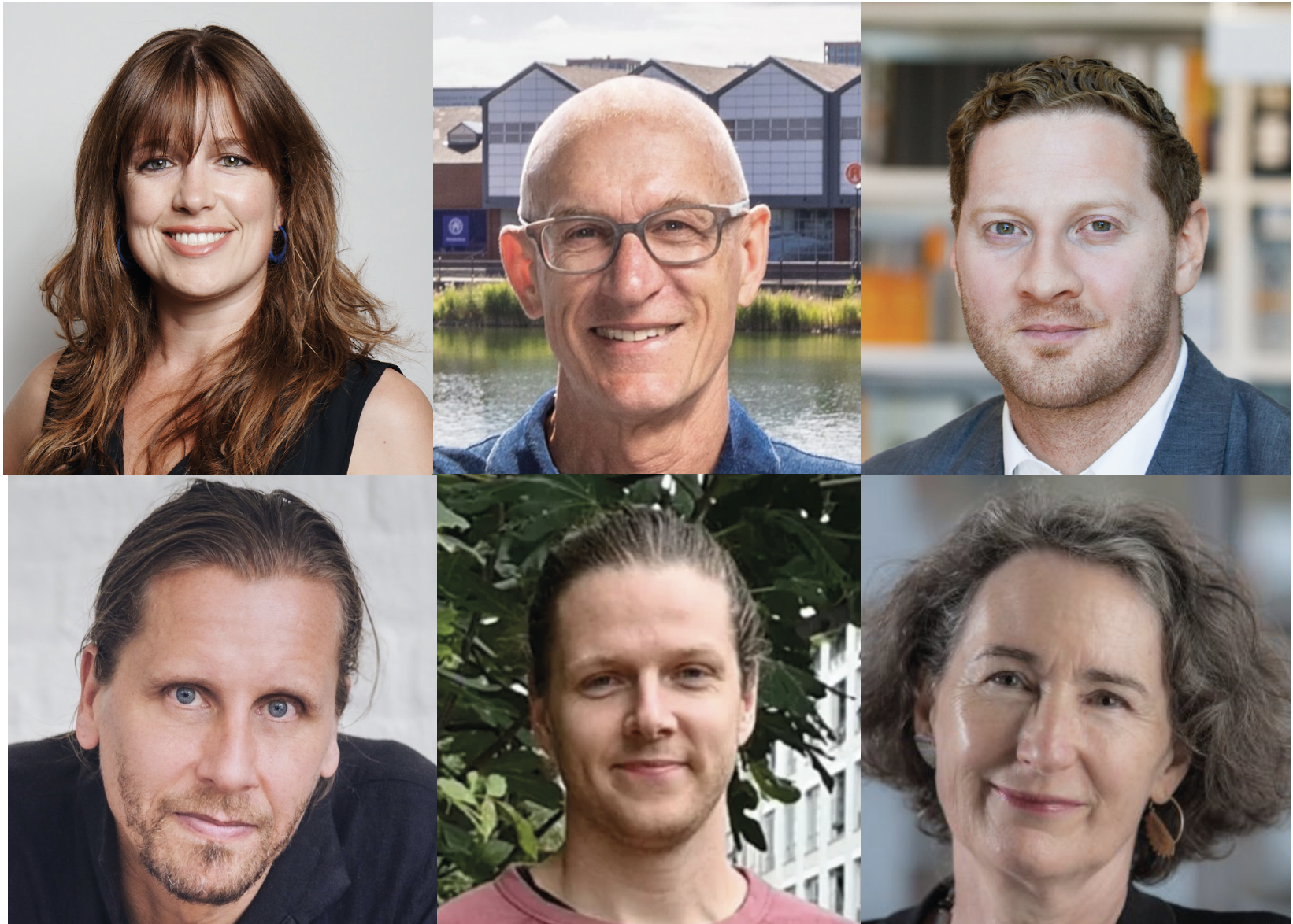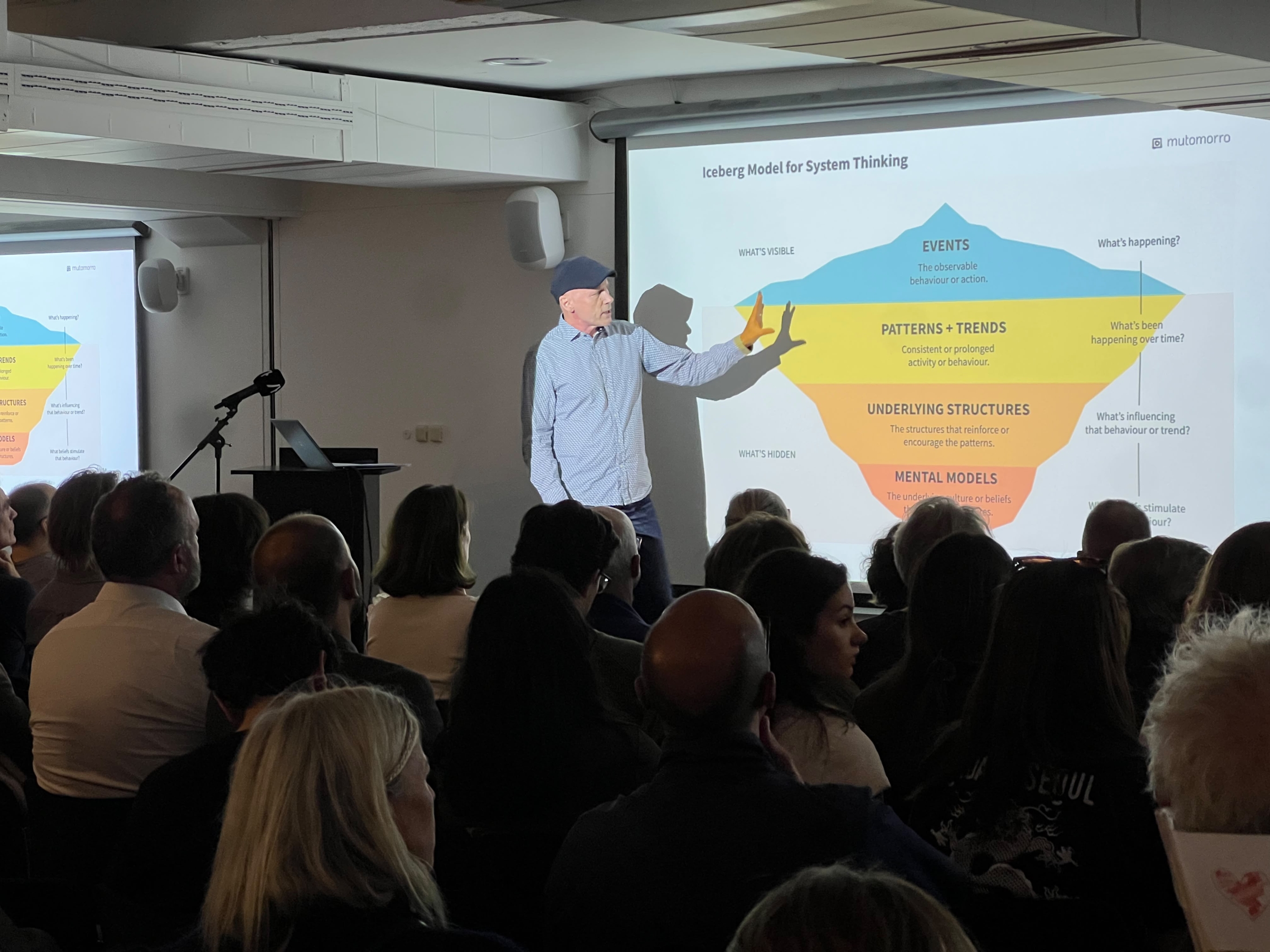
From earth and structural stone to timber, straw and circular construction, architects, engineers and materials specialists explored the opportunities and challenges of specifying natural and sustainable materials at Regenerative Design 2026. Watch all six presentations from the Regenerative Design 26 seminar.
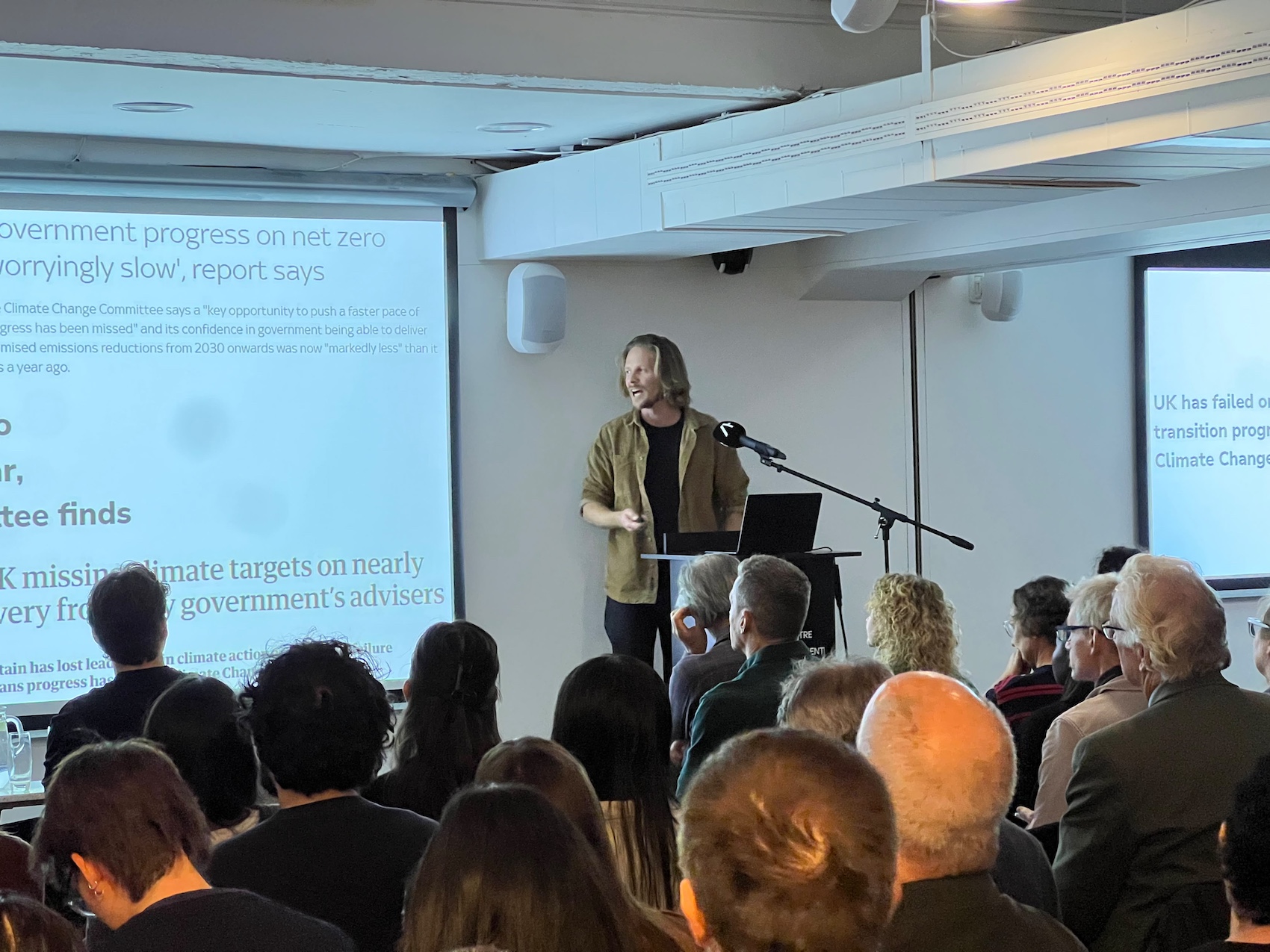
How can natural and sustainable construction materials become a mainstream choice for the building industry? What barriers need to be overcome, and how can architects and engineers work with manufacturers, suppliers and clients to deliver buildings with lower environmental impacts?
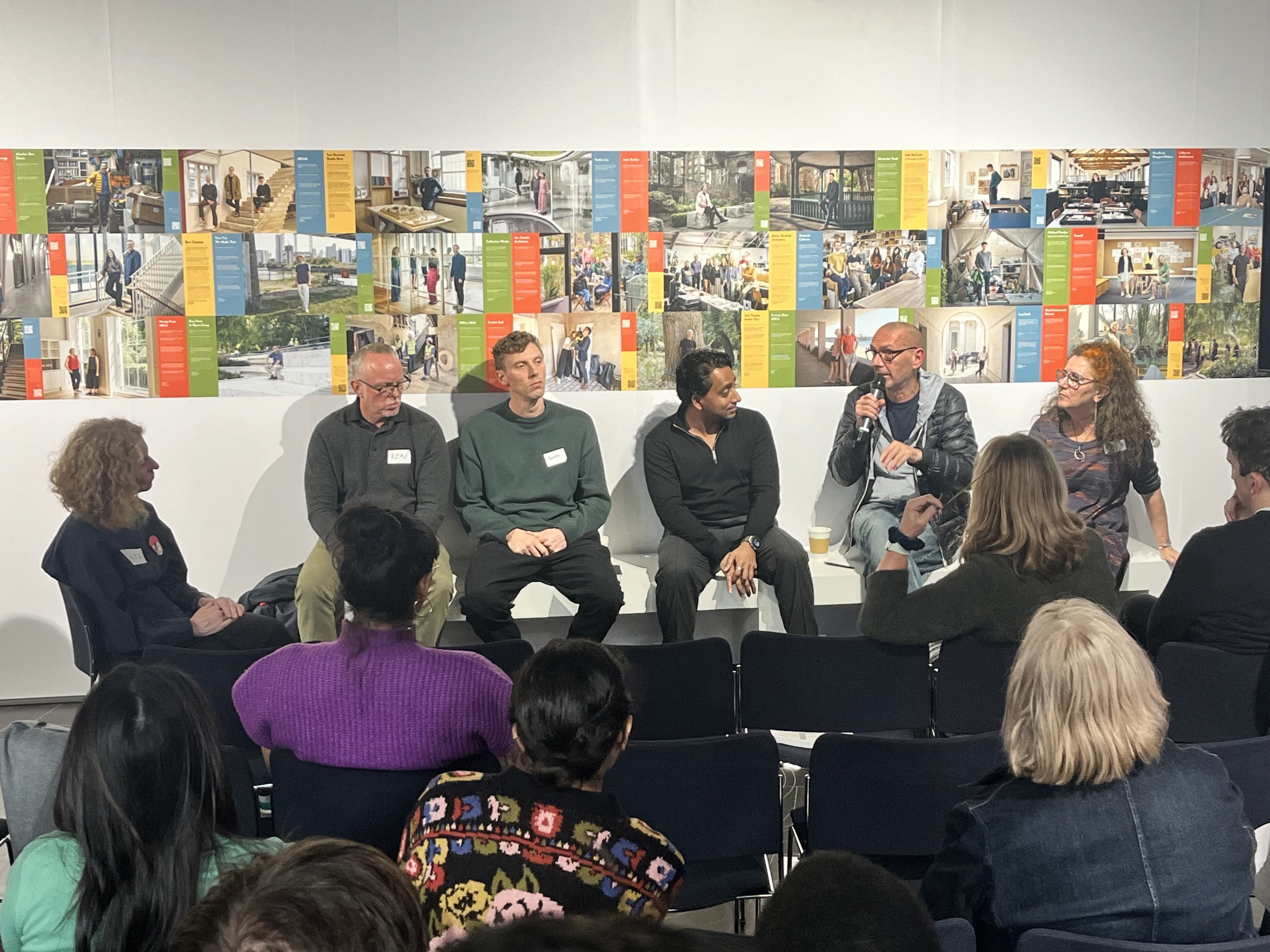
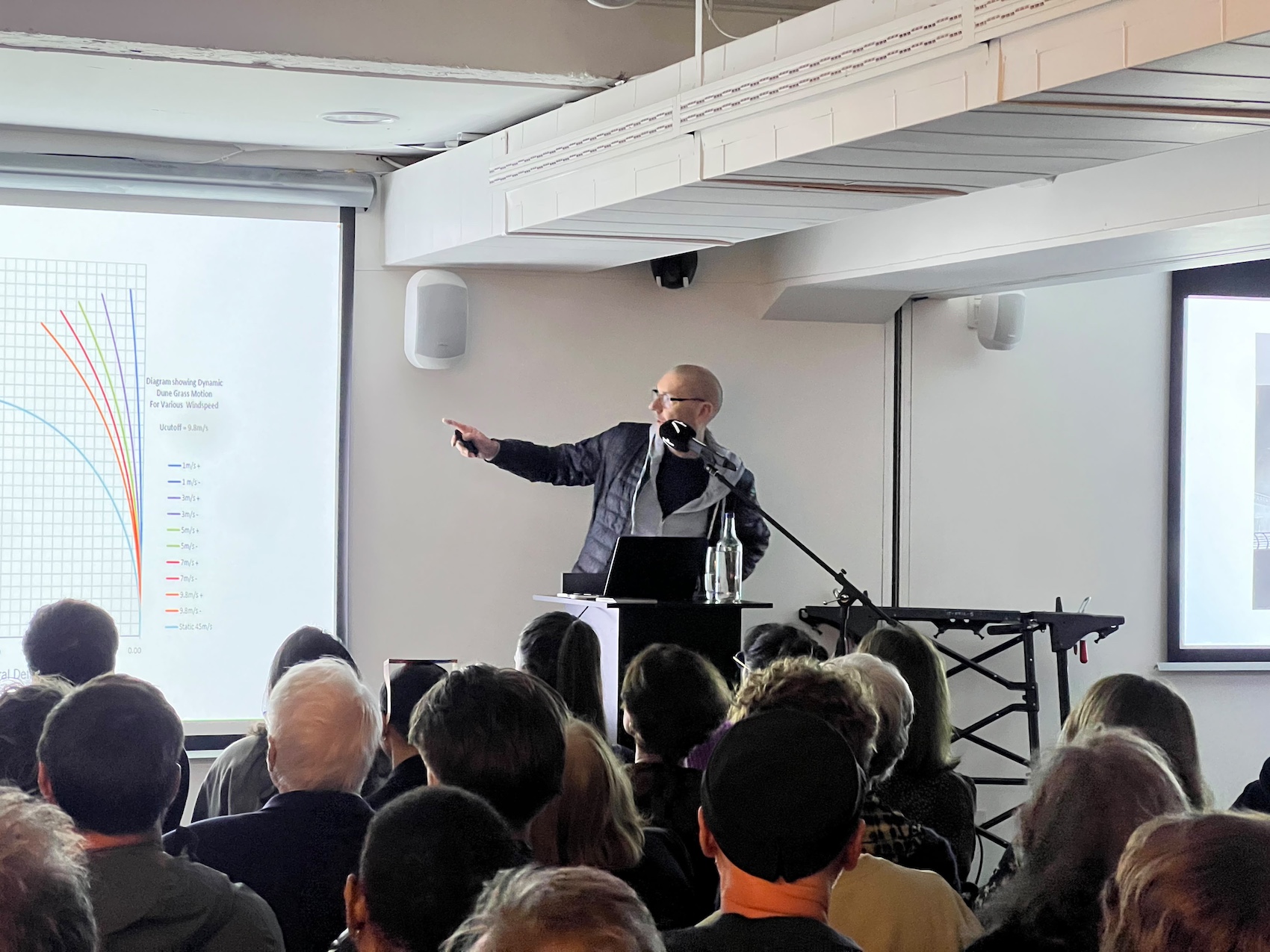
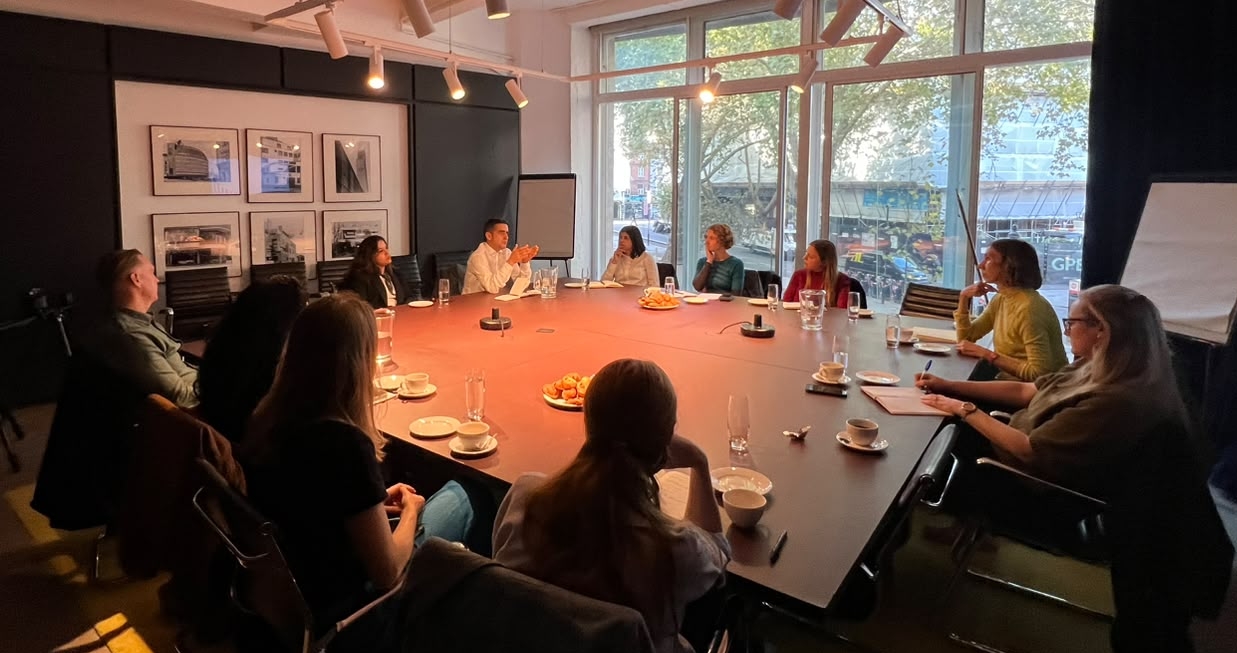
These questions were at the heart of Specifying natural and sustainable materials, an Architecture Today seminar held on 20 October at the Building Centre in London, as part of Regenerative Design 2026. Delivered in partnership with HG Matthews, the event brought together architects, engineers and materials specialists to share practical experience, applied research and case studies demonstrating how natural materials can be used in contemporary construction.
Chaired by Anna Hollyman, Co-Director of Policy and Industry Intelligence at the UK Green Building Council (UKGBC), the session explored the environmental, technical and commercial considerations involved in specifying materials such as earth, stone, timber and straw. Discussions addressed embodied carbon, circularity and resource efficiency, alongside challenges relating to cost, certification, regulatory compliance, skills and supply chain capacity.
Across six presentations, speakers examined the potential of natural materials to transform construction, from innovative structural systems to practical lessons from completed projects. Together, they highlighted the importance of collaboration, technical understanding and industry-wide change in moving towards a more regenerative built environment.
Watch the presentations
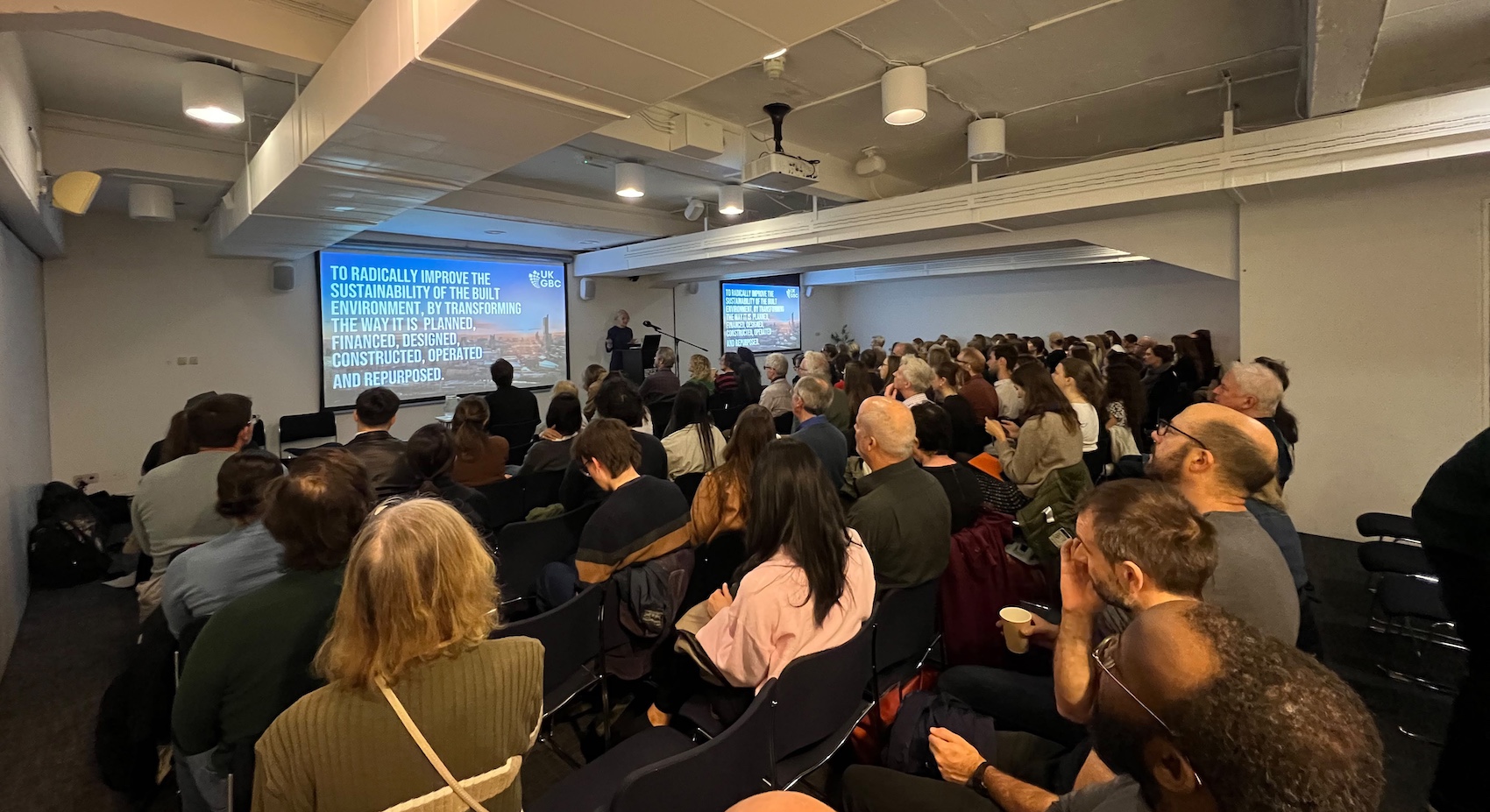
Anna Hollyman, UKGBC – Driving systemic change
Anna Hollyman opened the seminar by outlining the environmental impacts of conventional construction and the policy, procurement and industry changes needed to accelerate the adoption of natural and sustainable materials. Her presentation explored the importance of addressing systemic barriers, from certification and insurance to supply chain development and skills.
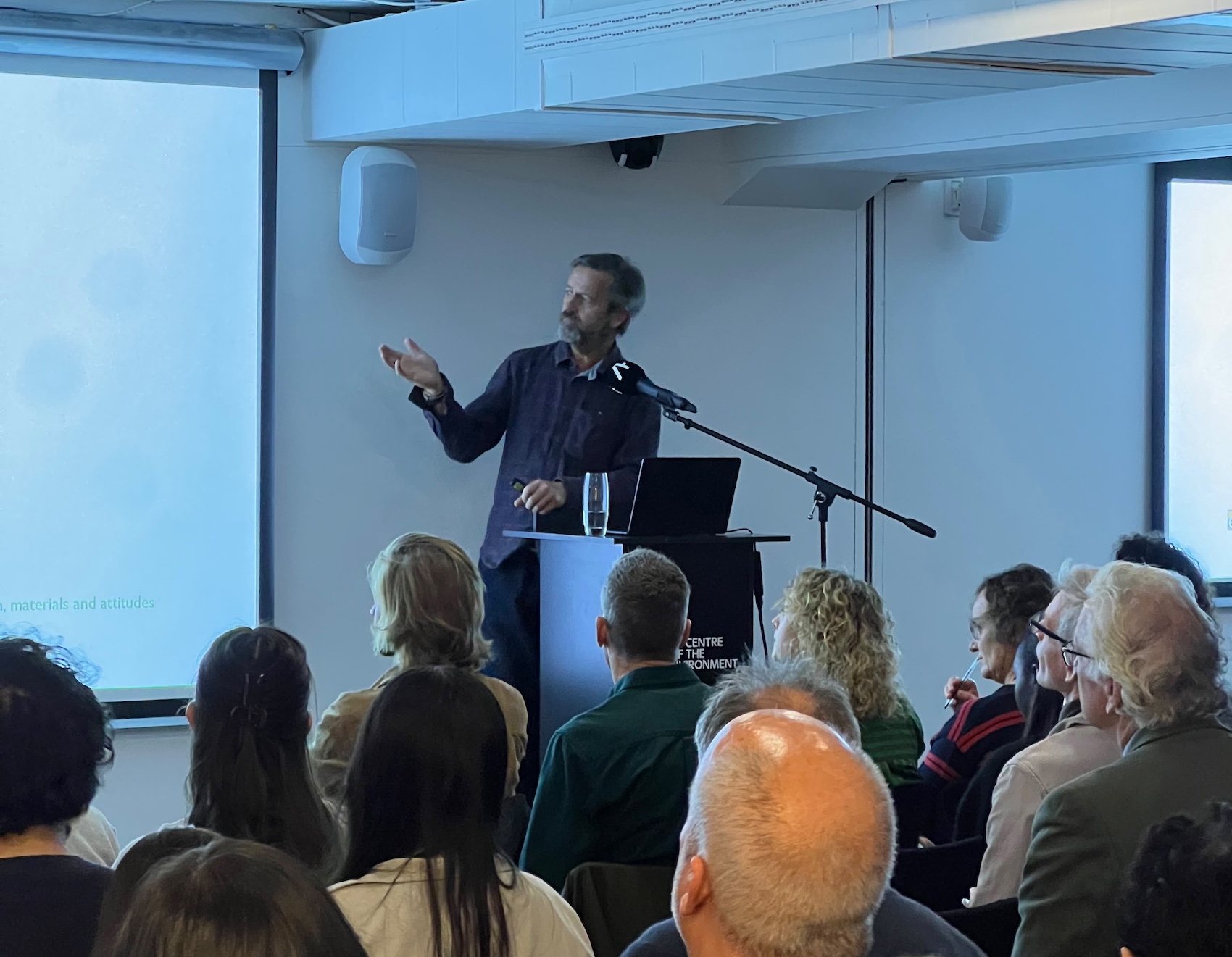
Rowland Keable, Rammed Earth Consulting – The potential of earth
Rowland Keable explored the opportunities presented by earth as an abundant, low-impact and circular construction material. Drawing on built examples, he demonstrated how techniques including rammed earth, compressed earth blocks and clay-based products can make productive use of locally available and excavated materials.
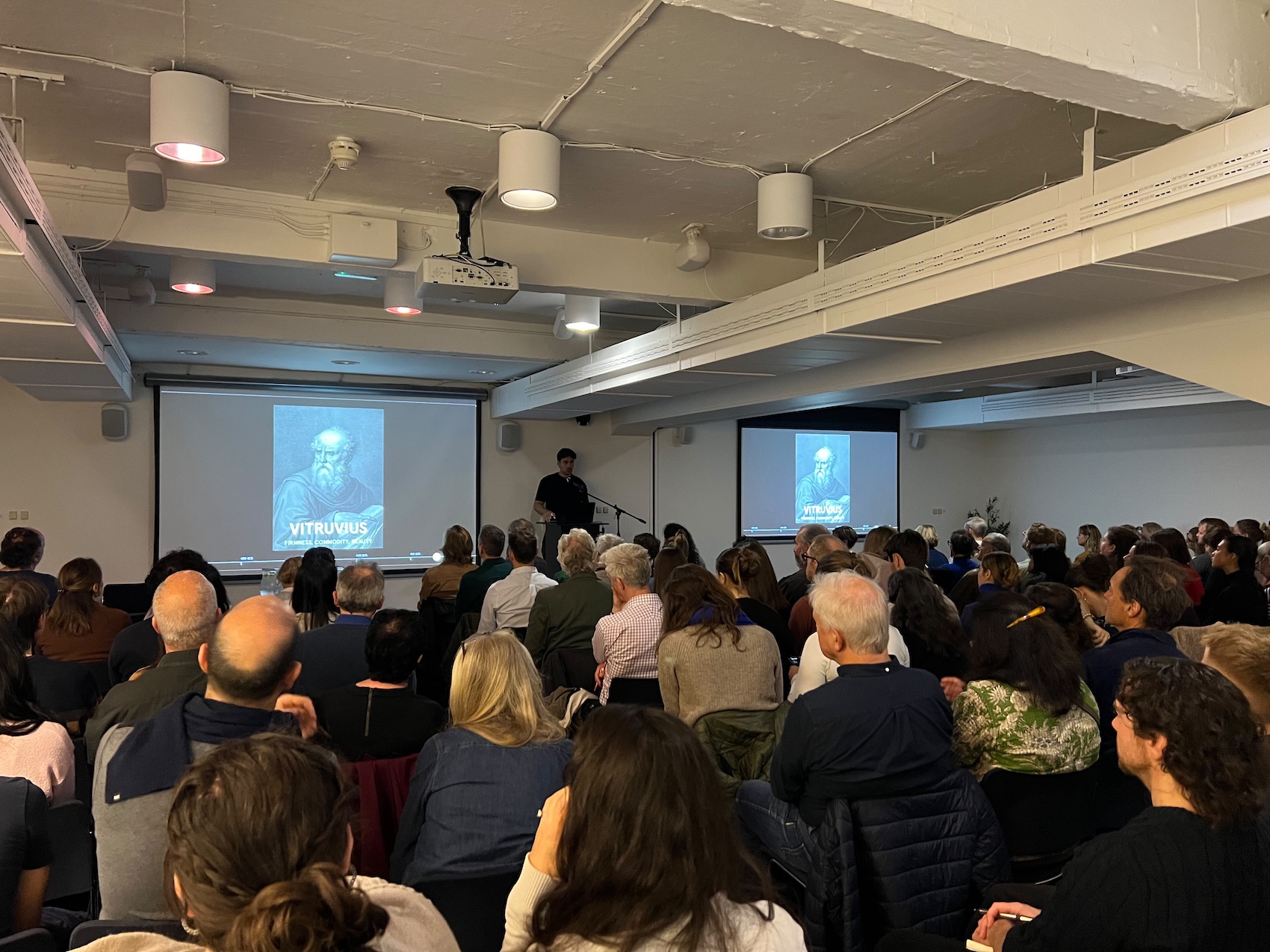
Jordan Panayi, Groupwork – Building with structural stone
Jordan Panayi examined how natural stone and timber can provide alternatives to carbon-intensive structural systems. Drawing on Groupwork’s projects and ongoing research, he explored the use of minimally processed stone as a loadbearing material, alongside innovations in hybrid construction, post-tensioning and designing for future reuse.
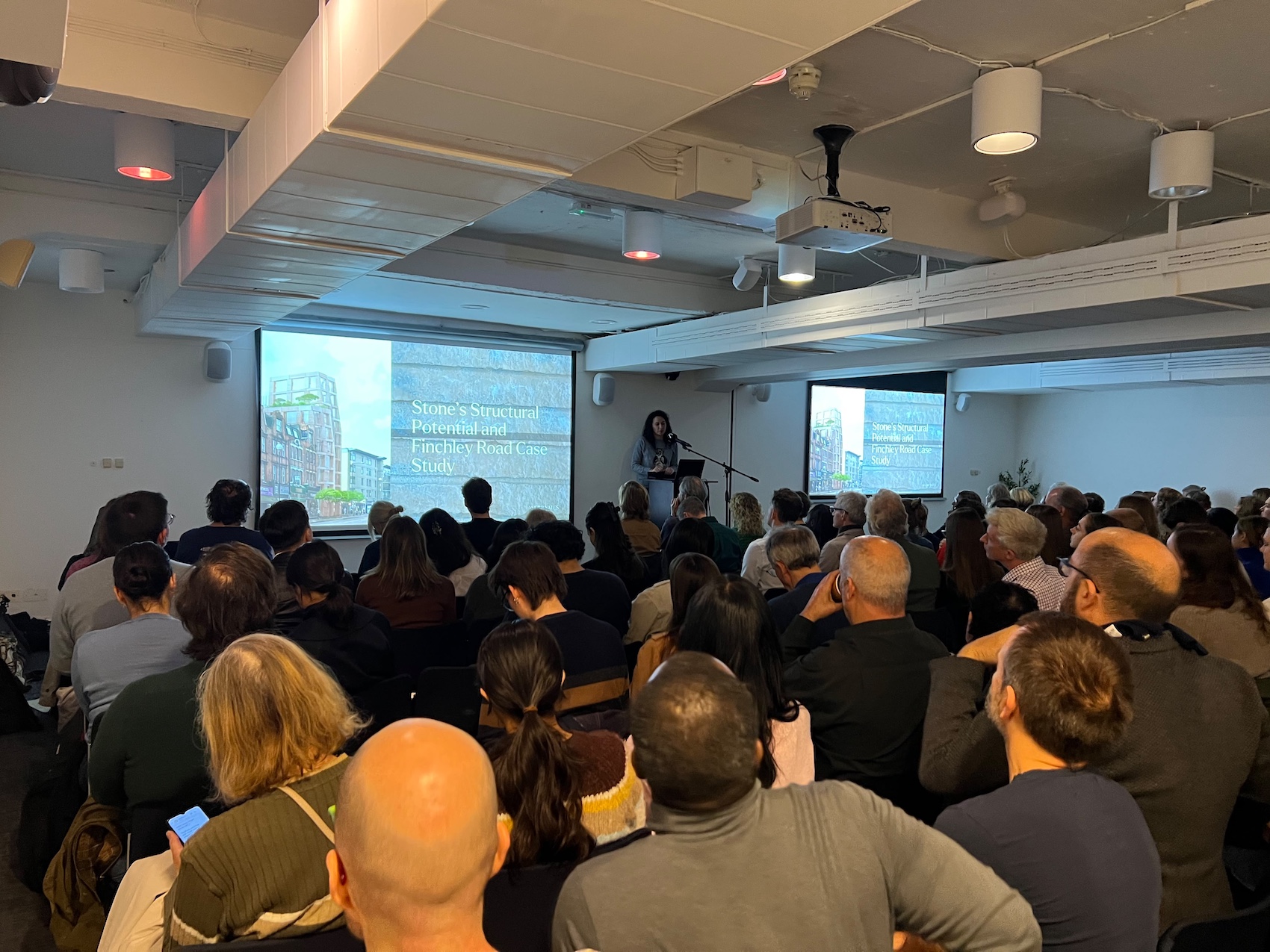
Eleonora Regni, Webb Yates Engineers – Engineering with stone
Eleonora Regni explored the engineering principles behind structural stone construction and its potential to reduce embodied carbon. Using the Finchley Road development as a case study, she examined the technical challenges and opportunities of designing with stone, including structural connections, material performance and construction sequencing.
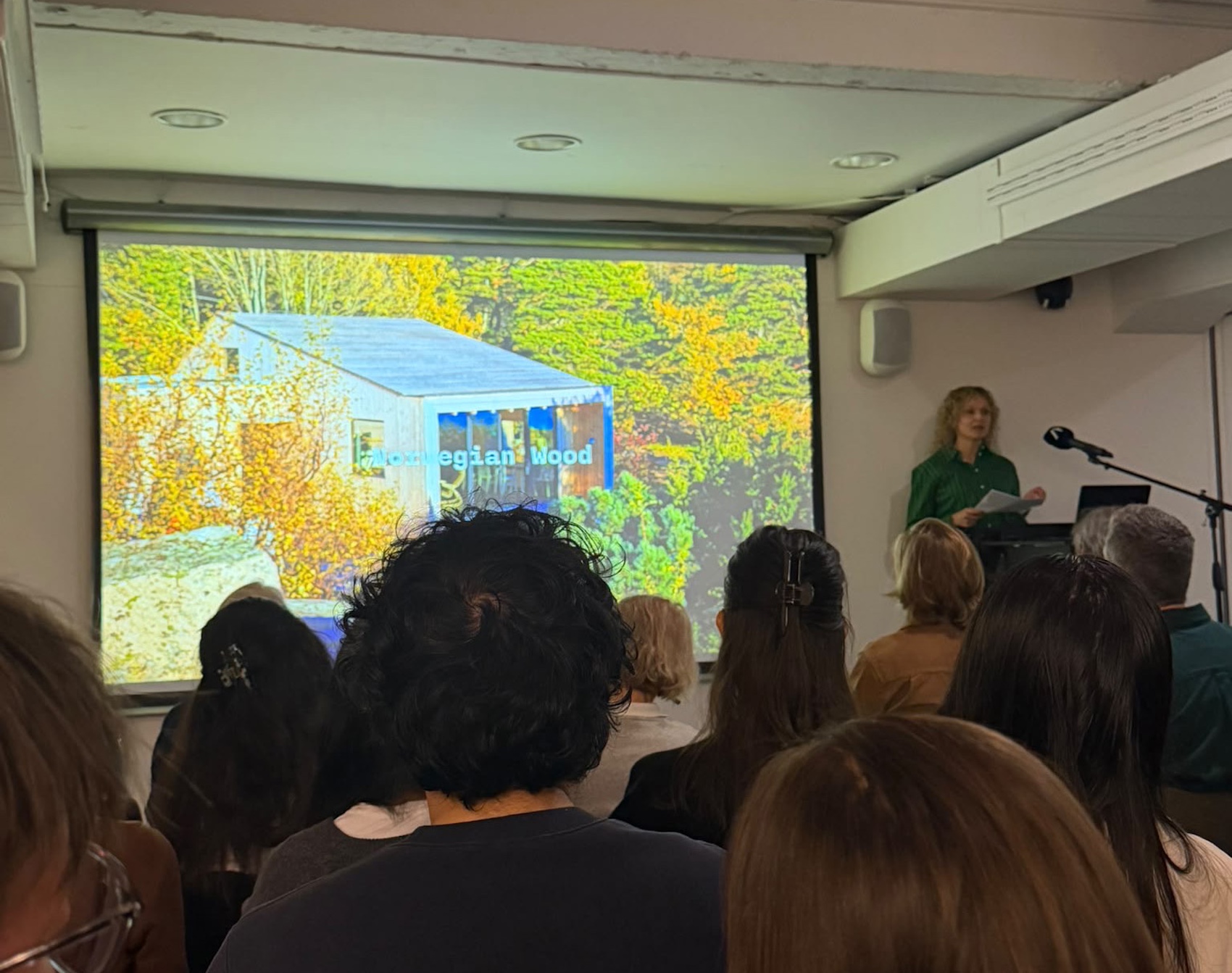
Siri Zanelli, Collective Works – Making natural materials work in practice
Siri Zanelli discussed the practical realities of specifying natural materials, drawing on projects in the UK and Norway. Her presentation considered how architects can navigate regulatory, financial and technical challenges while communicating the environmental, health and wellbeing benefits of natural construction to clients and contractors.
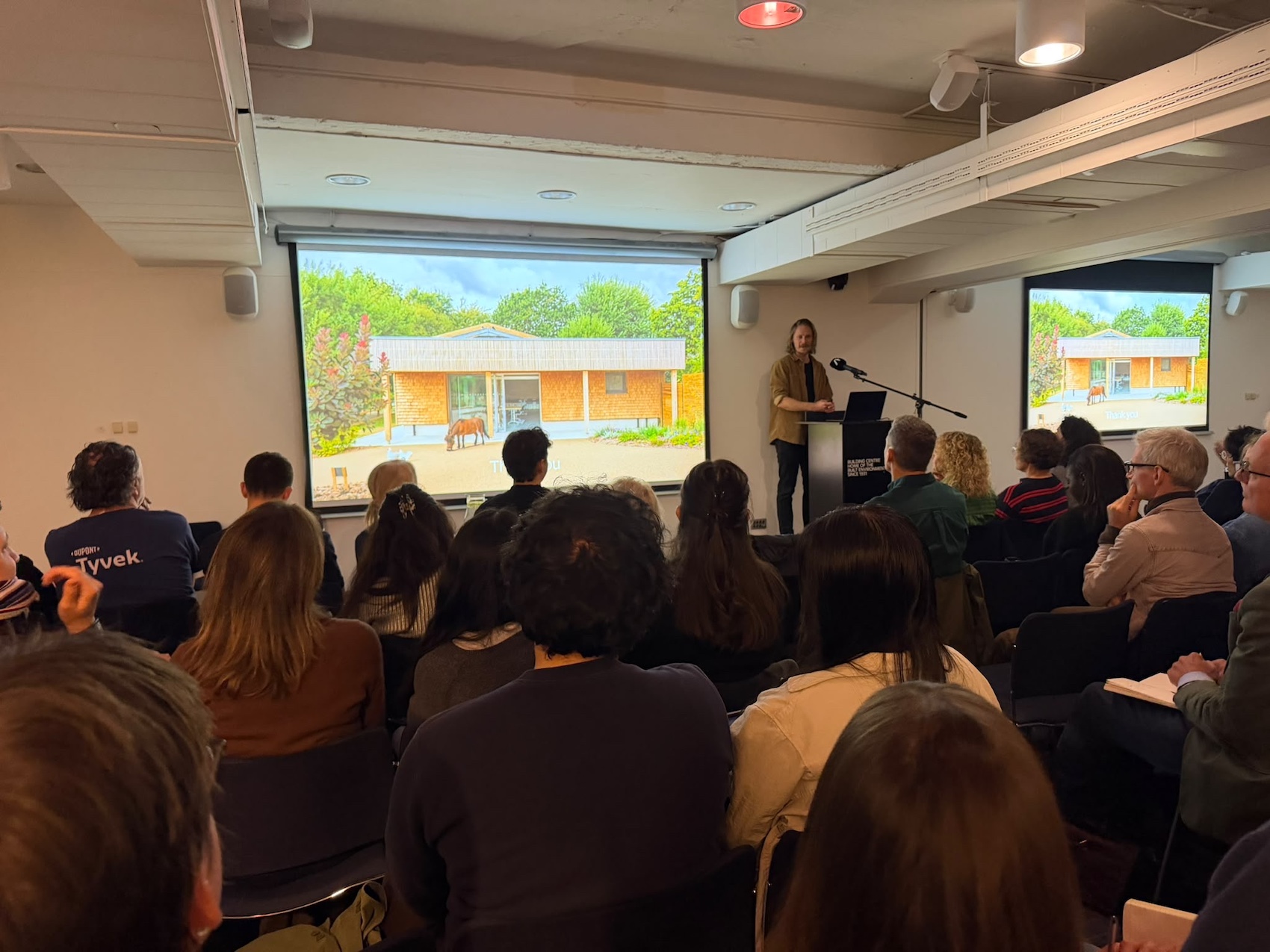
Lee Fox, BakerBrown Studio – Putting circular construction into practice
Lee Fox shared lessons from Bradbury Den, an education building for Chailey Heritage Foundation in East Sussex. The project demonstrates how existing structures, straw bale walls, locally sourced earth blocks and reclaimed resources can be combined to deliver a building informed by circular construction principles, even within a constrained budget.
Specifying natural and sustainable materials was delivered by Architecture Today in partnership with HG Matthews as part of Regenerative Design 2026, a month-long programme of exhibitions and events at the Building Centre in London throughout October 2026.