The conversion of a historic rye mill in Boršov nad Vltavou, Czech Republic, by mar.s architects brings together restored silos, new residential buildings and a redefined public square to create a distinctive, mixed-use riverside community.
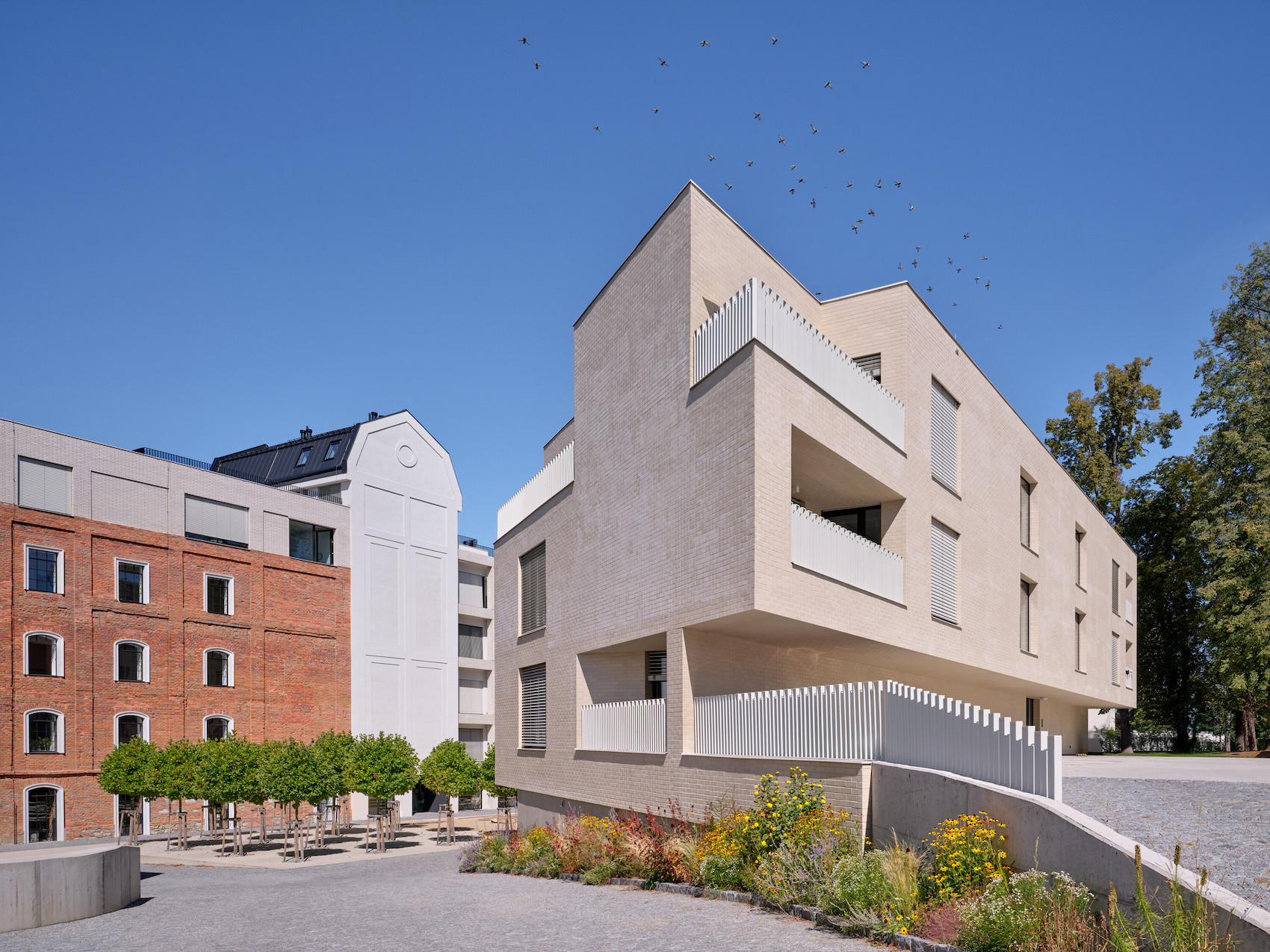
mar.s architects has converted a former Rye Mill in Boršov nad Vltavou, Czech Republic, into a vibrant residential complex, bringing new life to a site shaped by nearly two centuries of industrial activity. Situated beside the River Vltava, the project retains the character of the original mill buildings while introducing new residential structures, public spaces and landscape connections that re-establish the complex as a living part of the town.
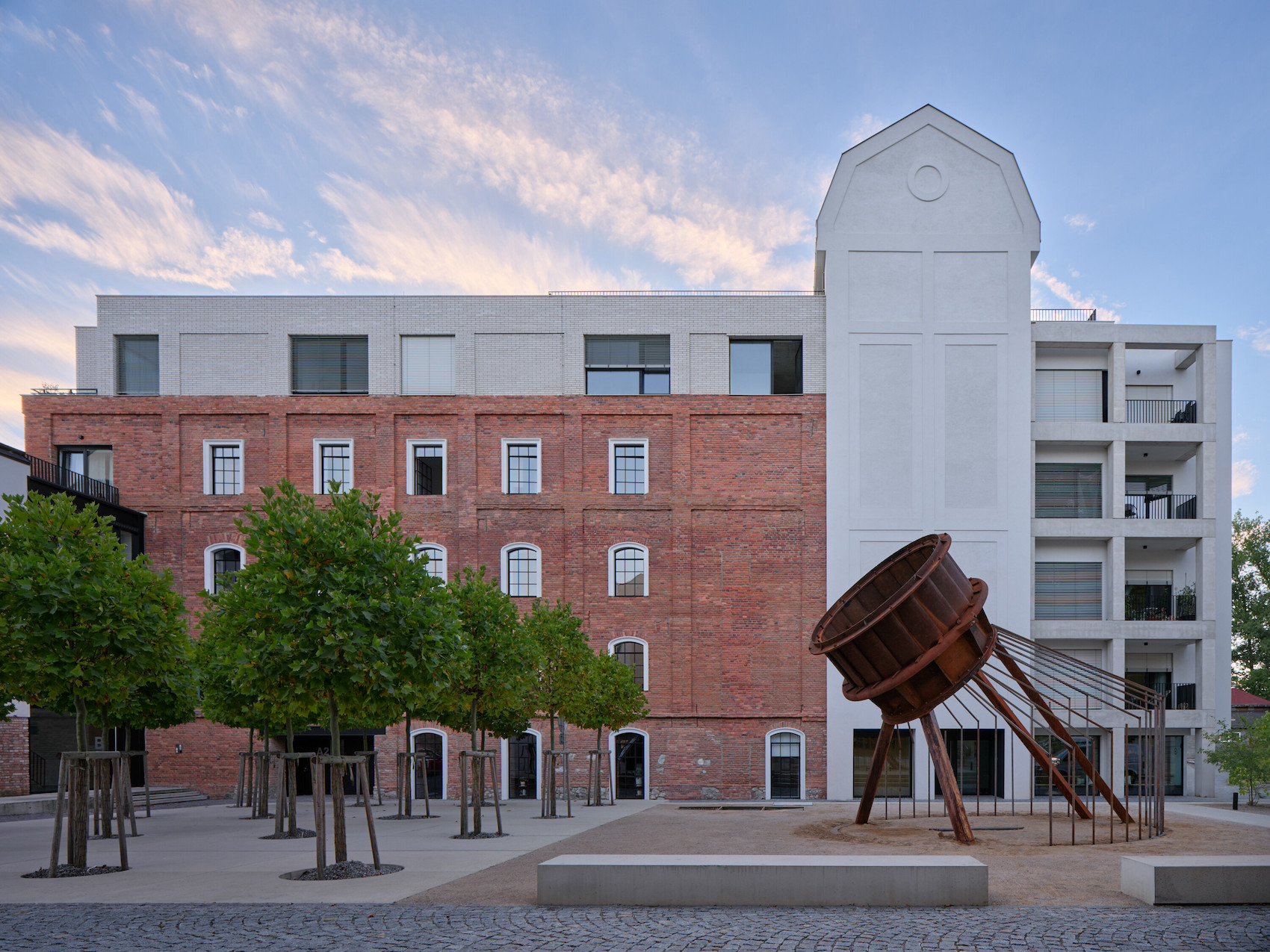
The site has a layered history. For generations, grain processing and power generation defined its identity, with water from the Vltava driving first a mill wheel and later turbines that produced electricity. The dominant structure is a five-storey brick silo dating from the late 19th century, later expanded with concrete silos and administrative buildings. Opposite the complex stands a 17th century Baroque castle, reinforcing the historic significance of the setting.
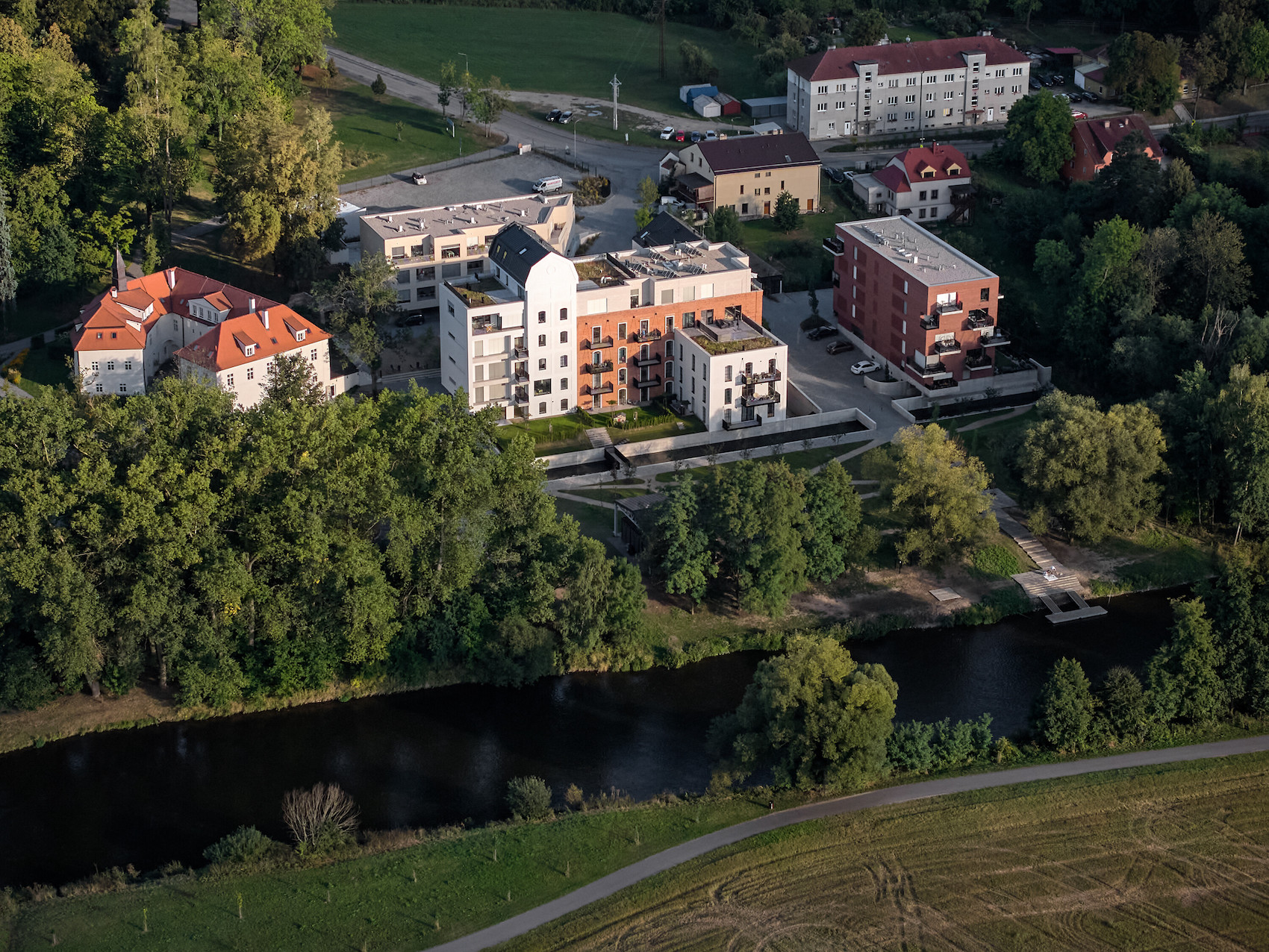
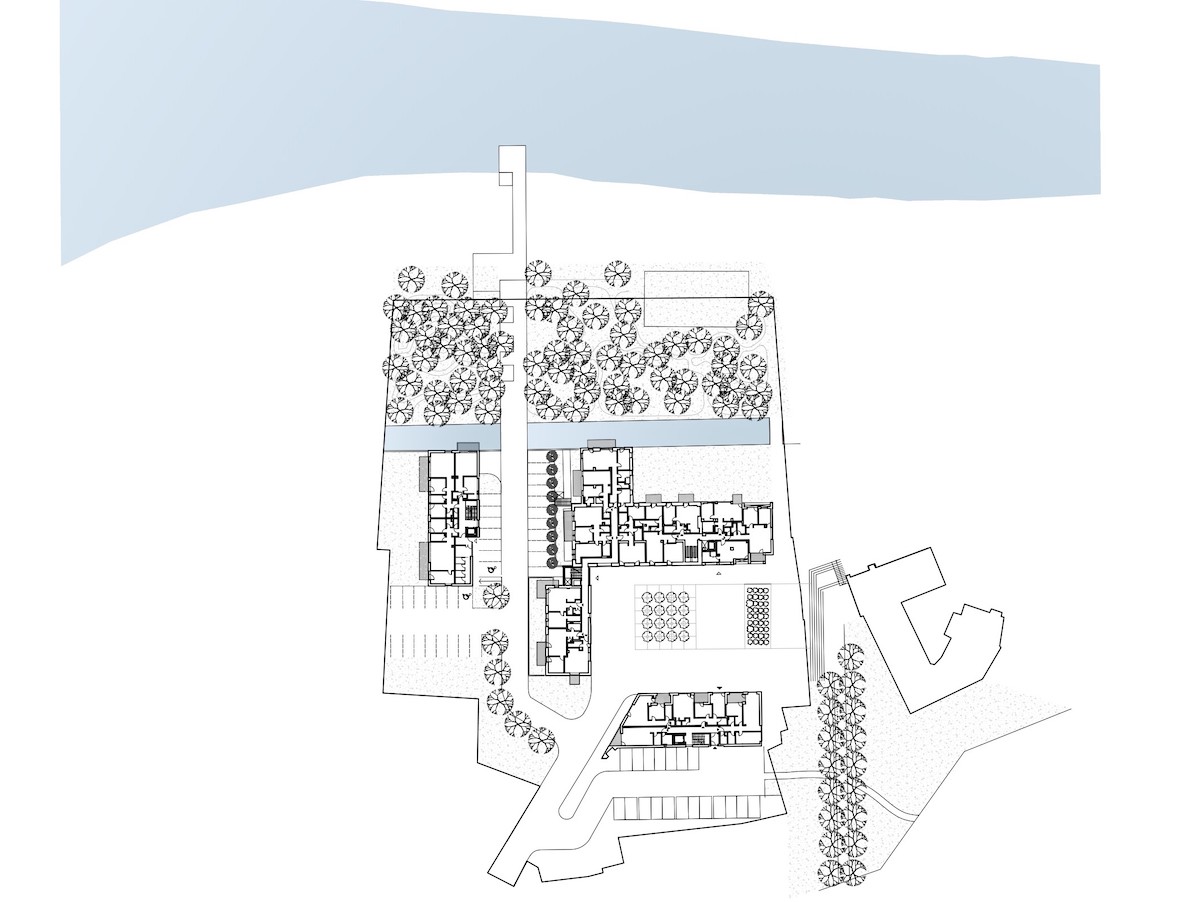
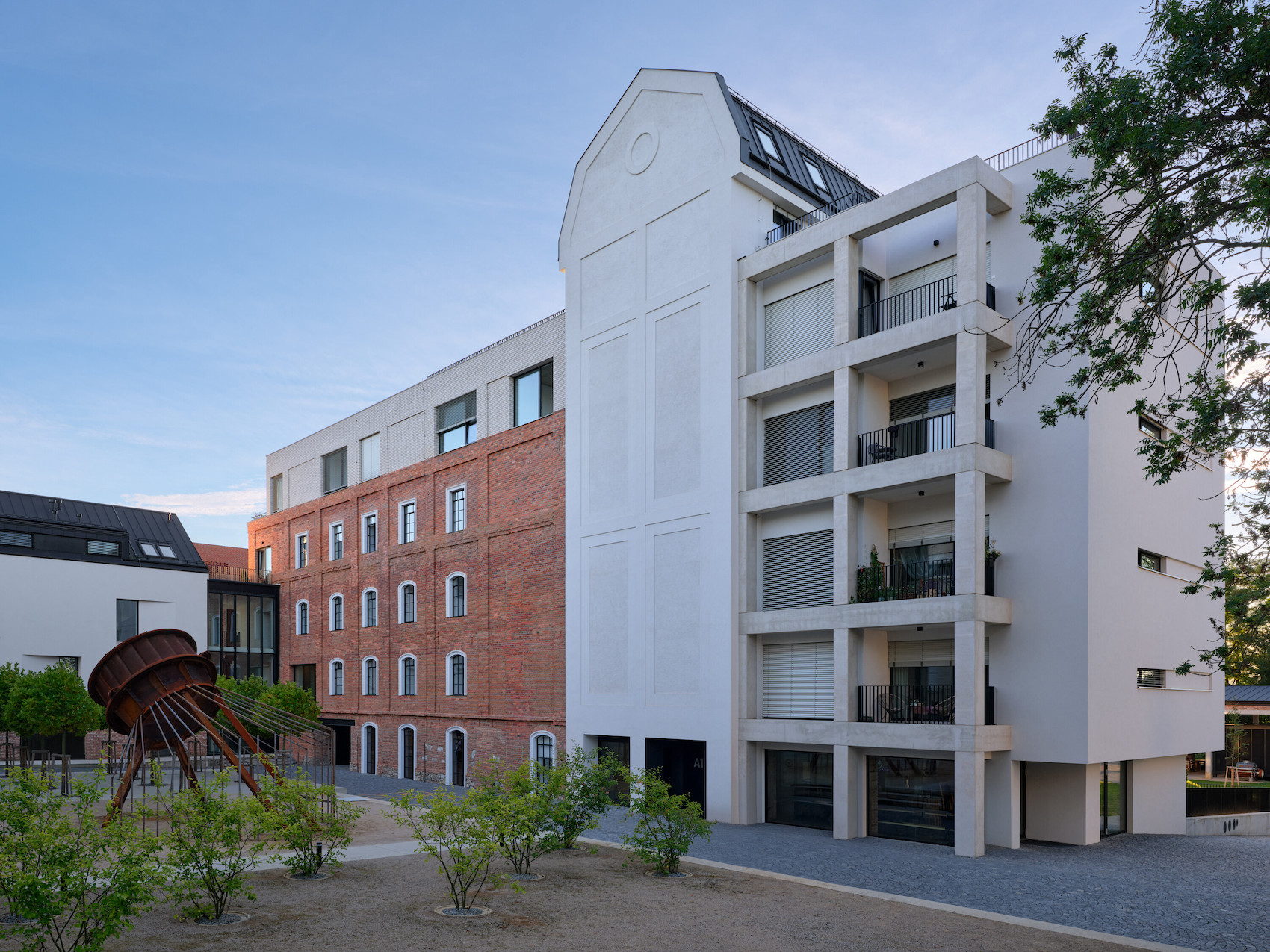
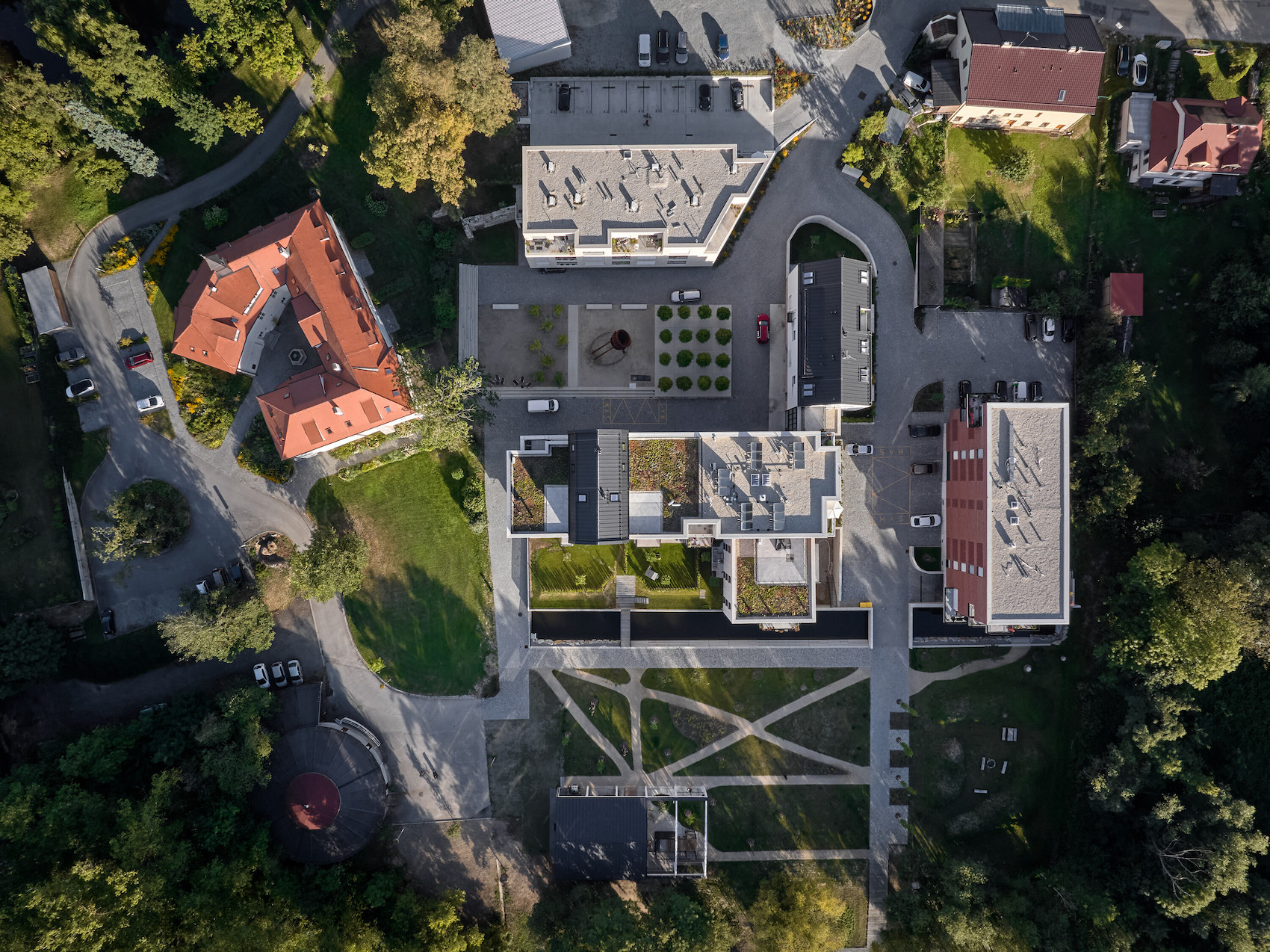
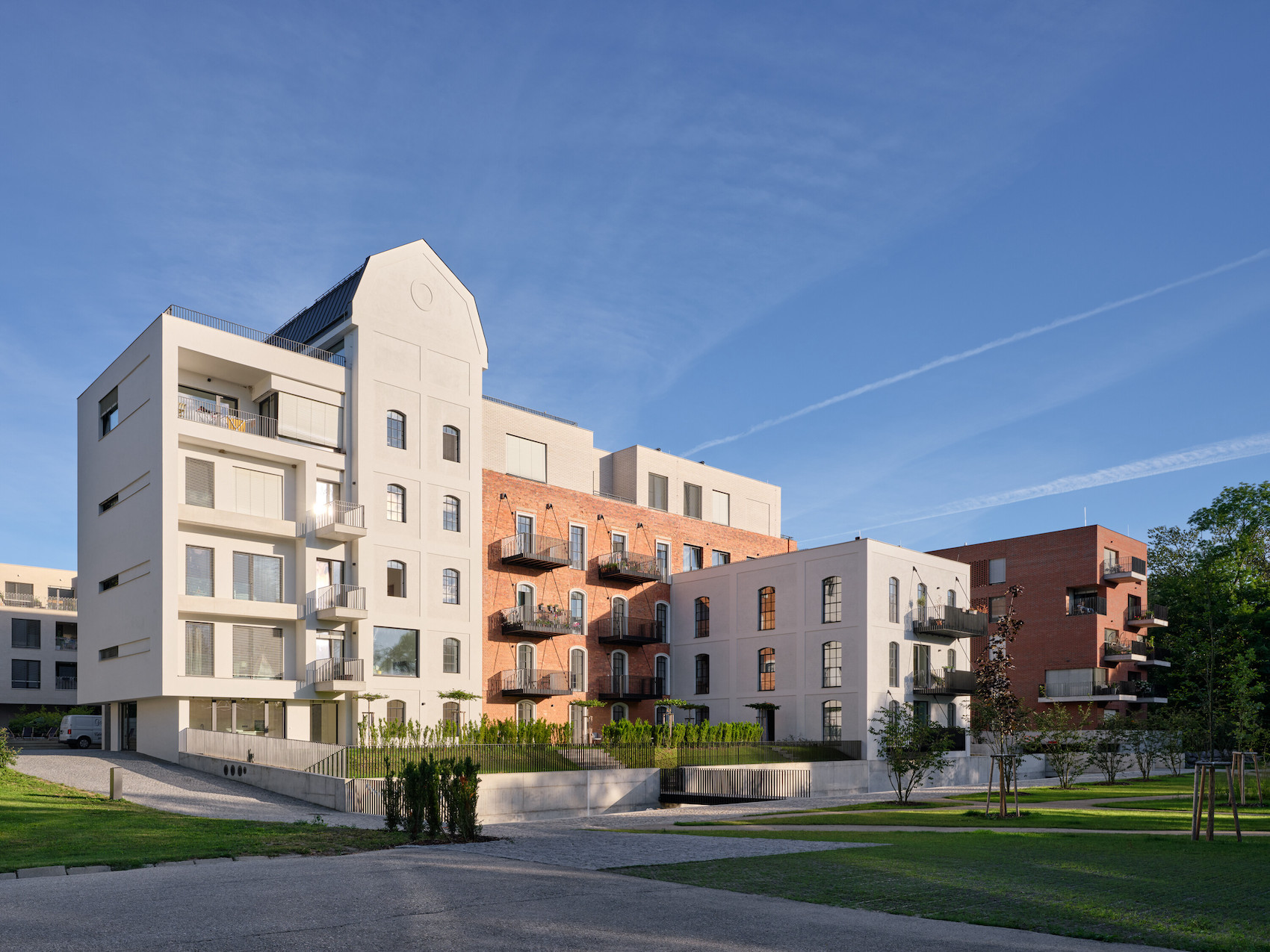
The new development comprises four principal architectural volumes: two restored historic buildings and two new residential structures. In total, 83 apartments ranging from 45 to 150 square metres have been created, providing a mix of layouts from compact one-bedroom units to larger family dwellings. A café at ground level activates the central square, strengthening the relationship between the development and the surrounding community.
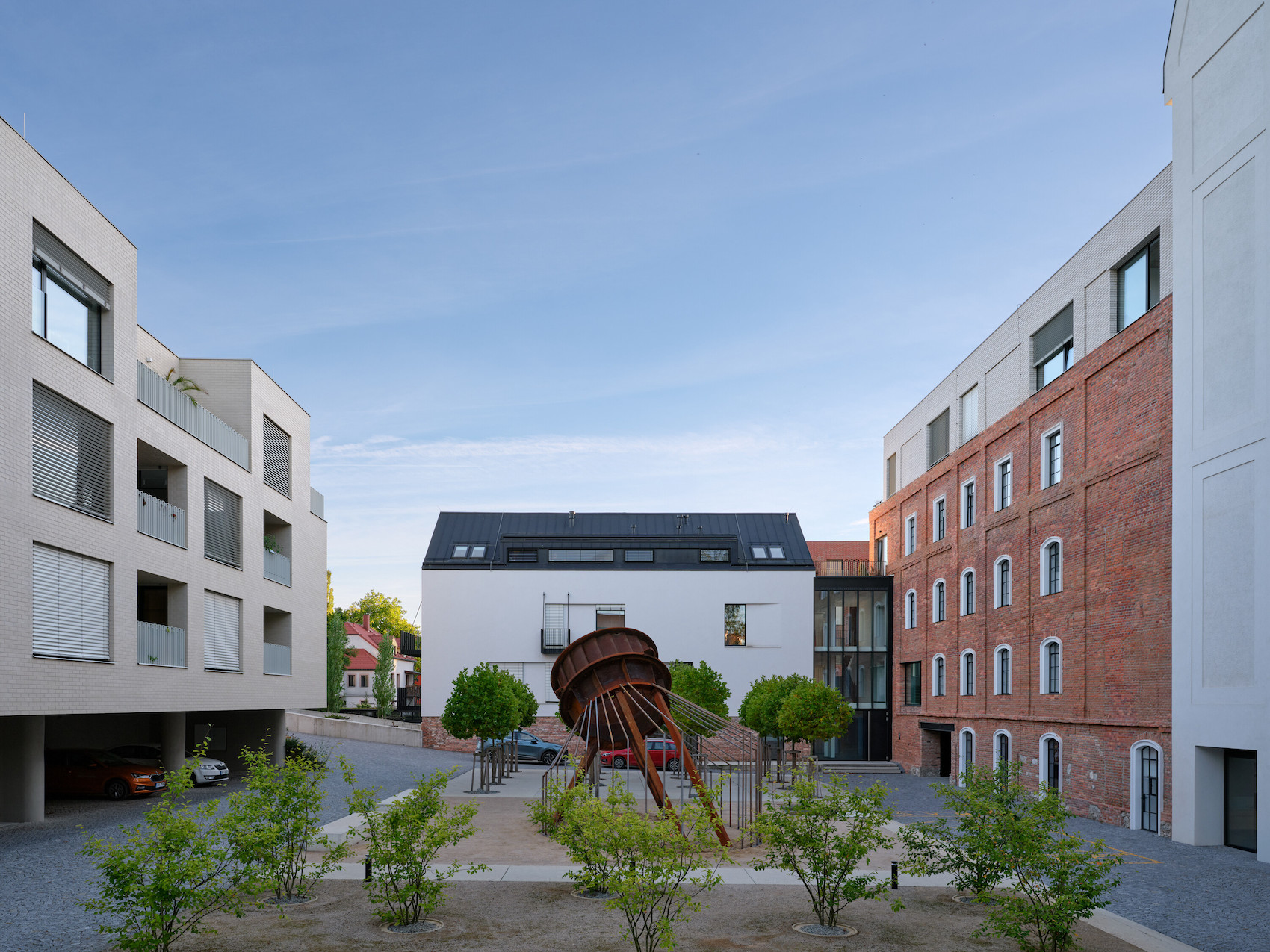
A key urban move was the completion of the previously open sided U-shaped complex with a new three-storey residential building. This intervention defines a landscaped square oriented toward the castle and structured around a generous staircase. At its centre stands a recovered turbine, rediscovered in the filled-in water channel and reintroduced as a reminder of the site’s industrial past.
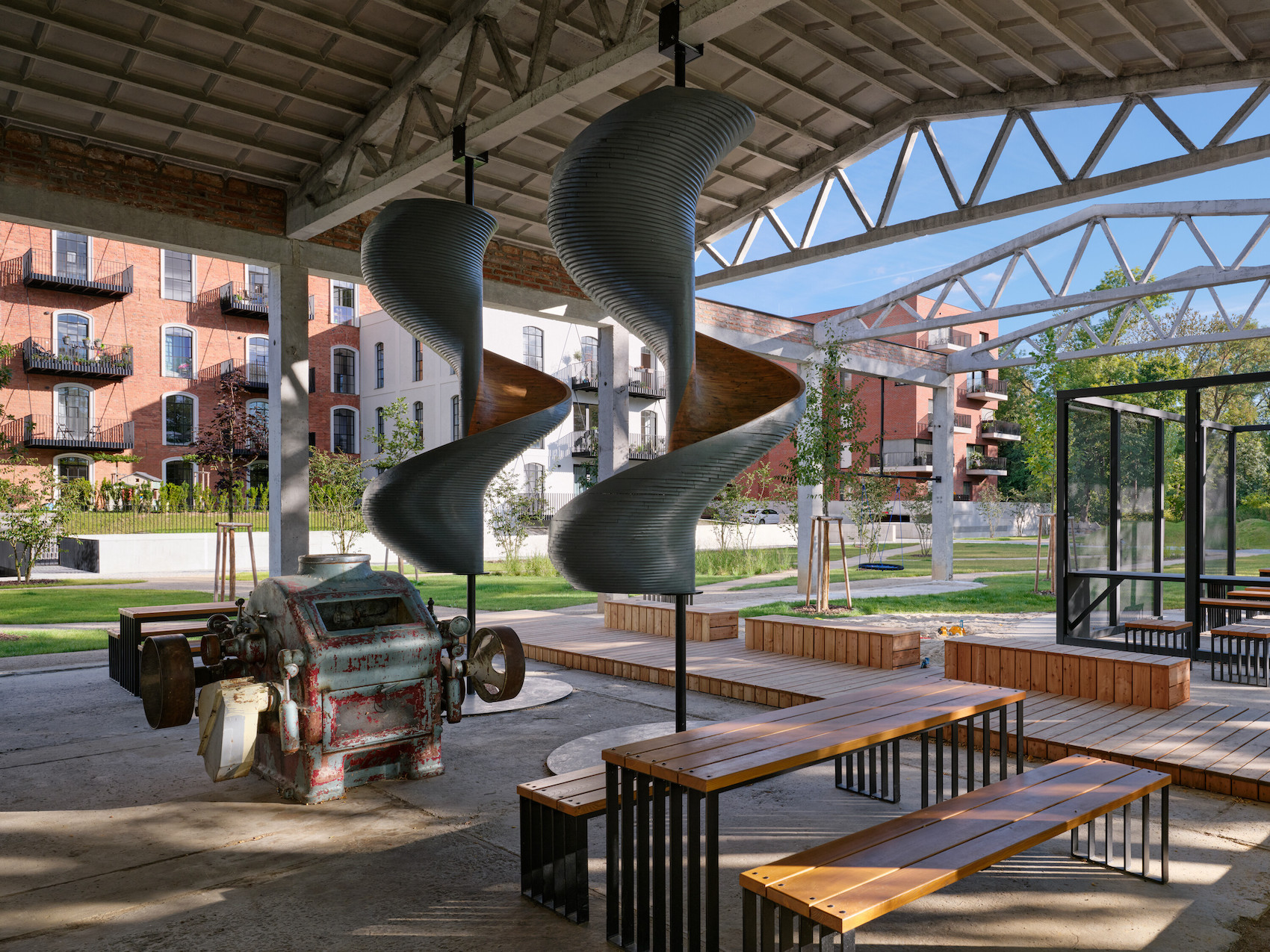
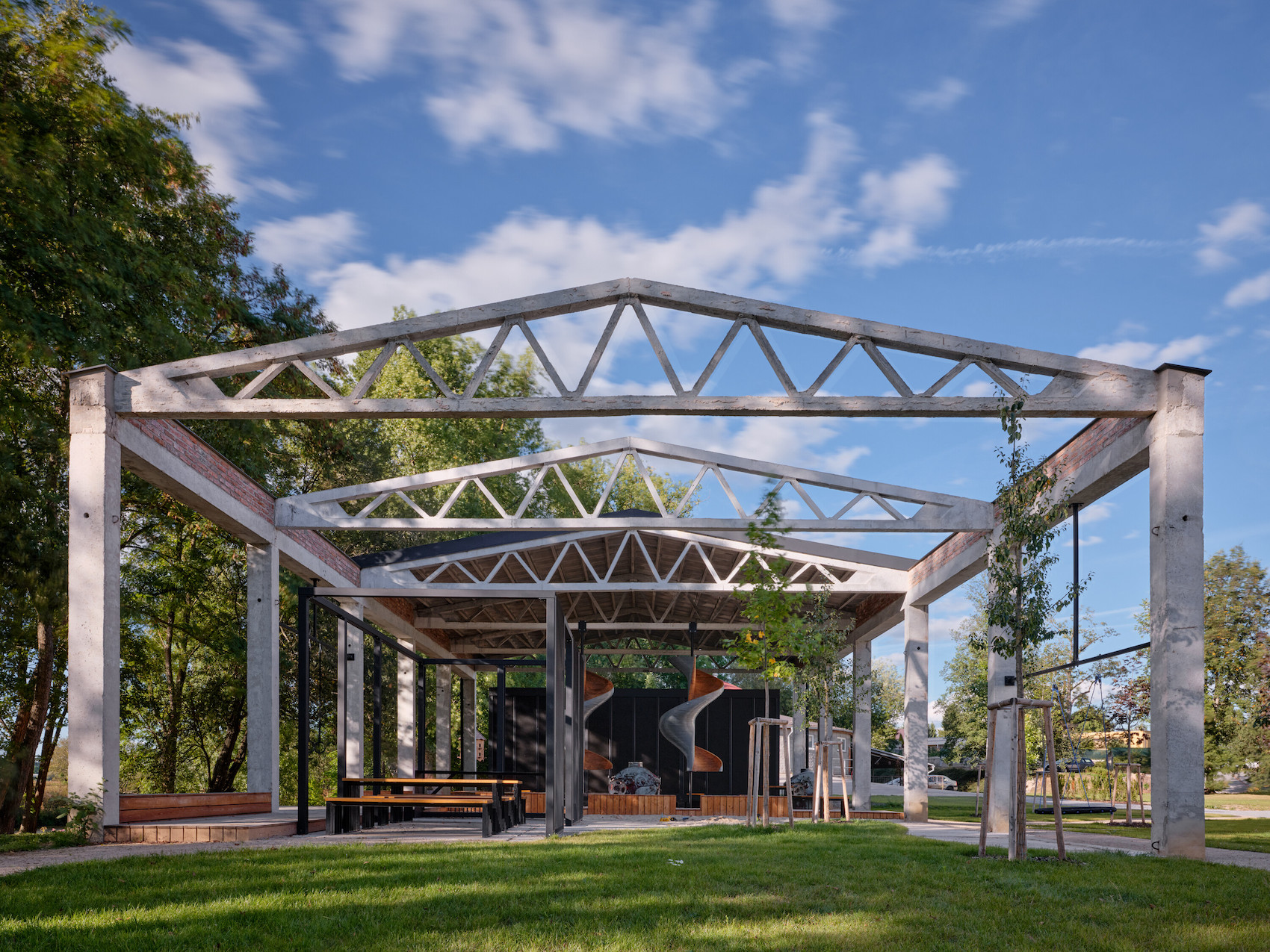
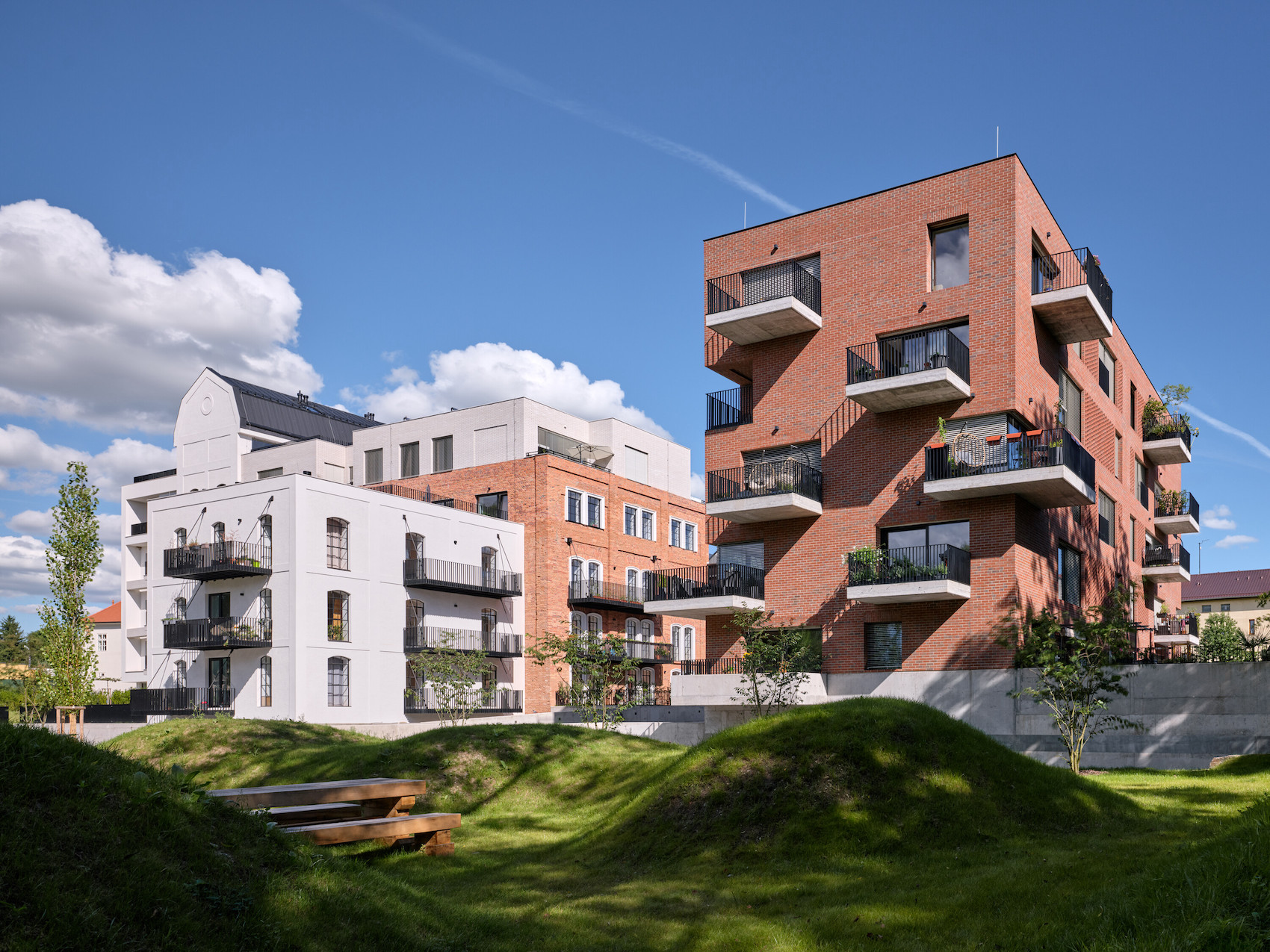
Connections to the river have also been restored. The historic water channel has been reopened and a new bridge links the complex to a riverside park, while a former garage has been adapted as a small gallery displaying industrial artefacts.
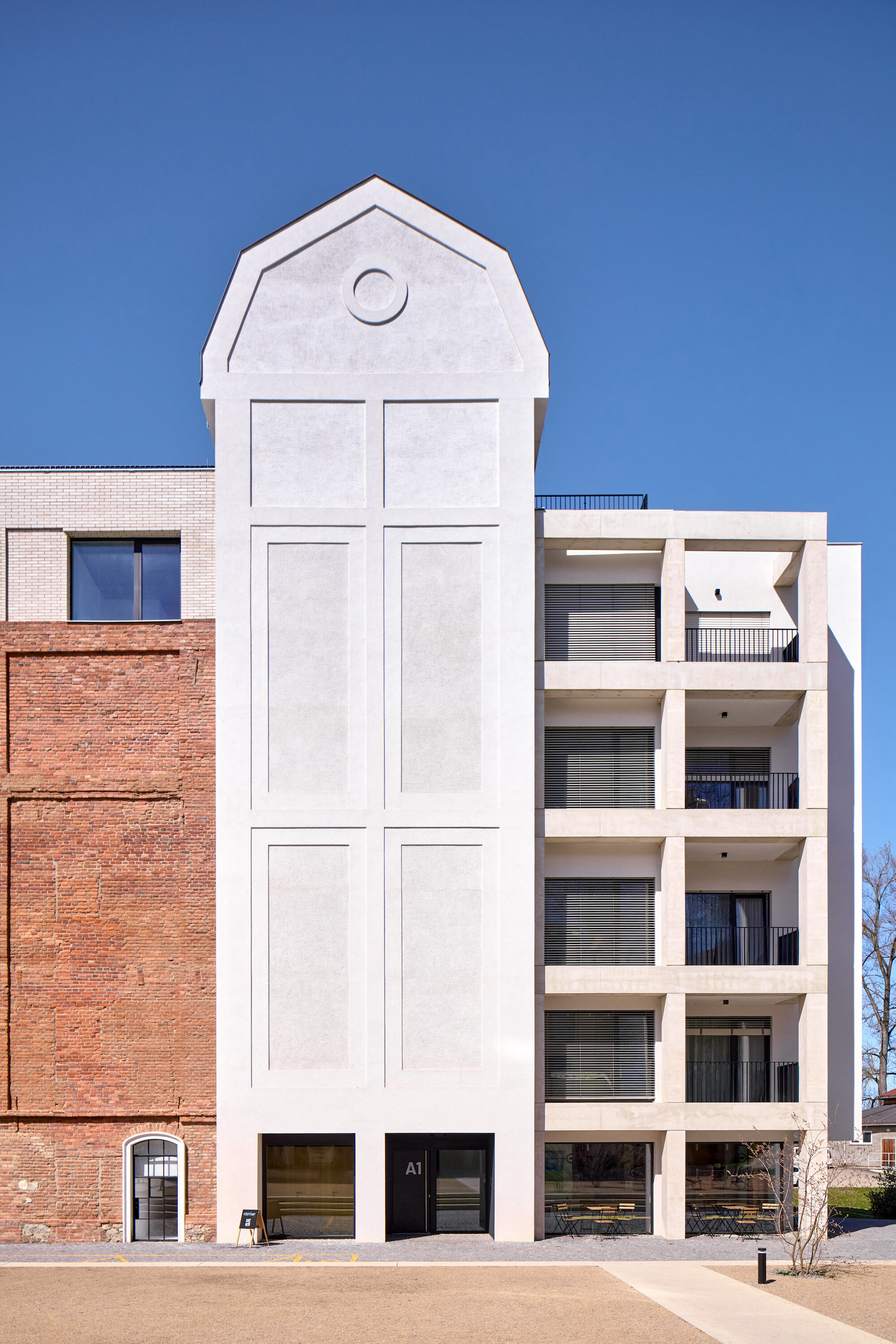
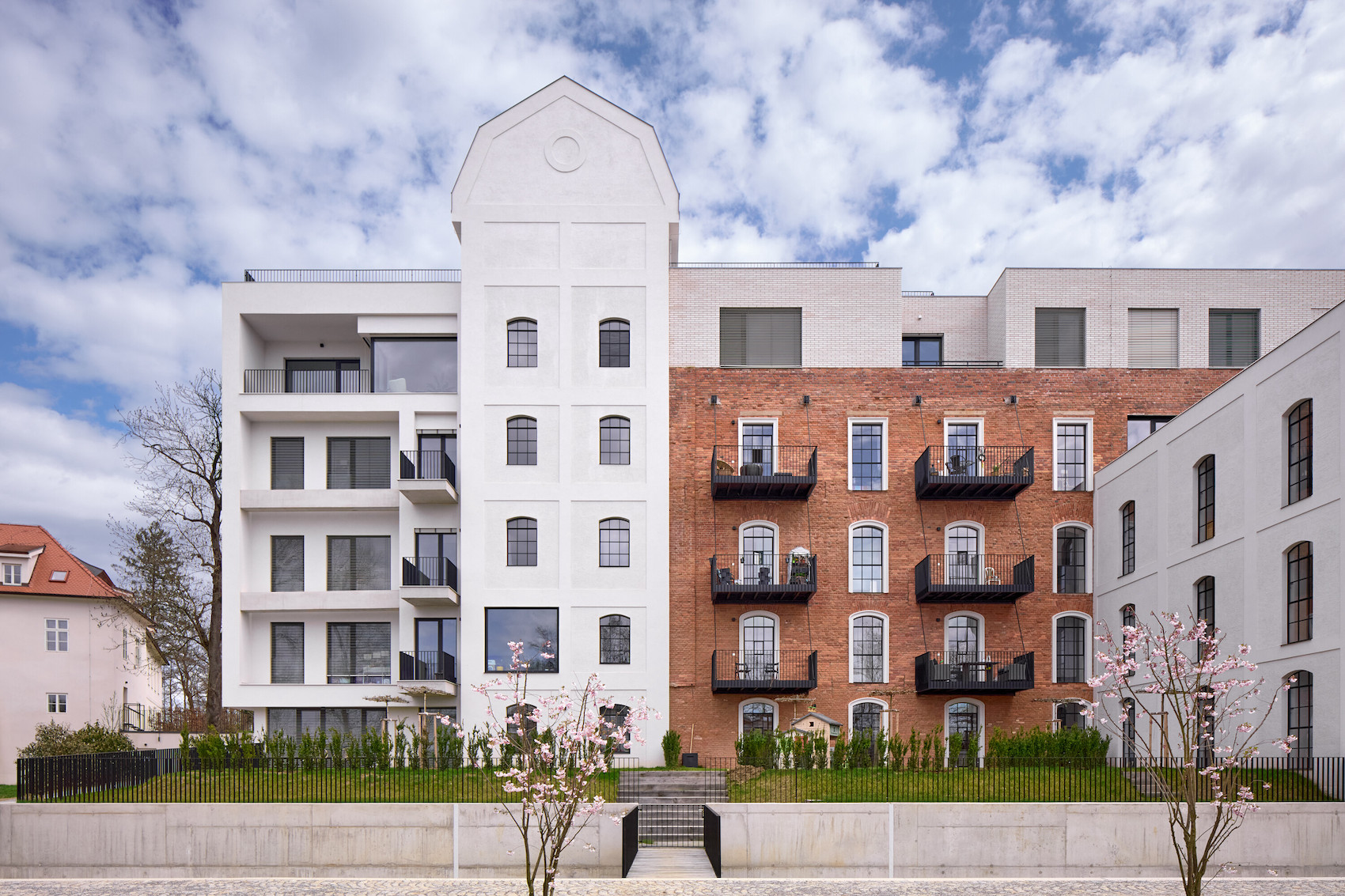
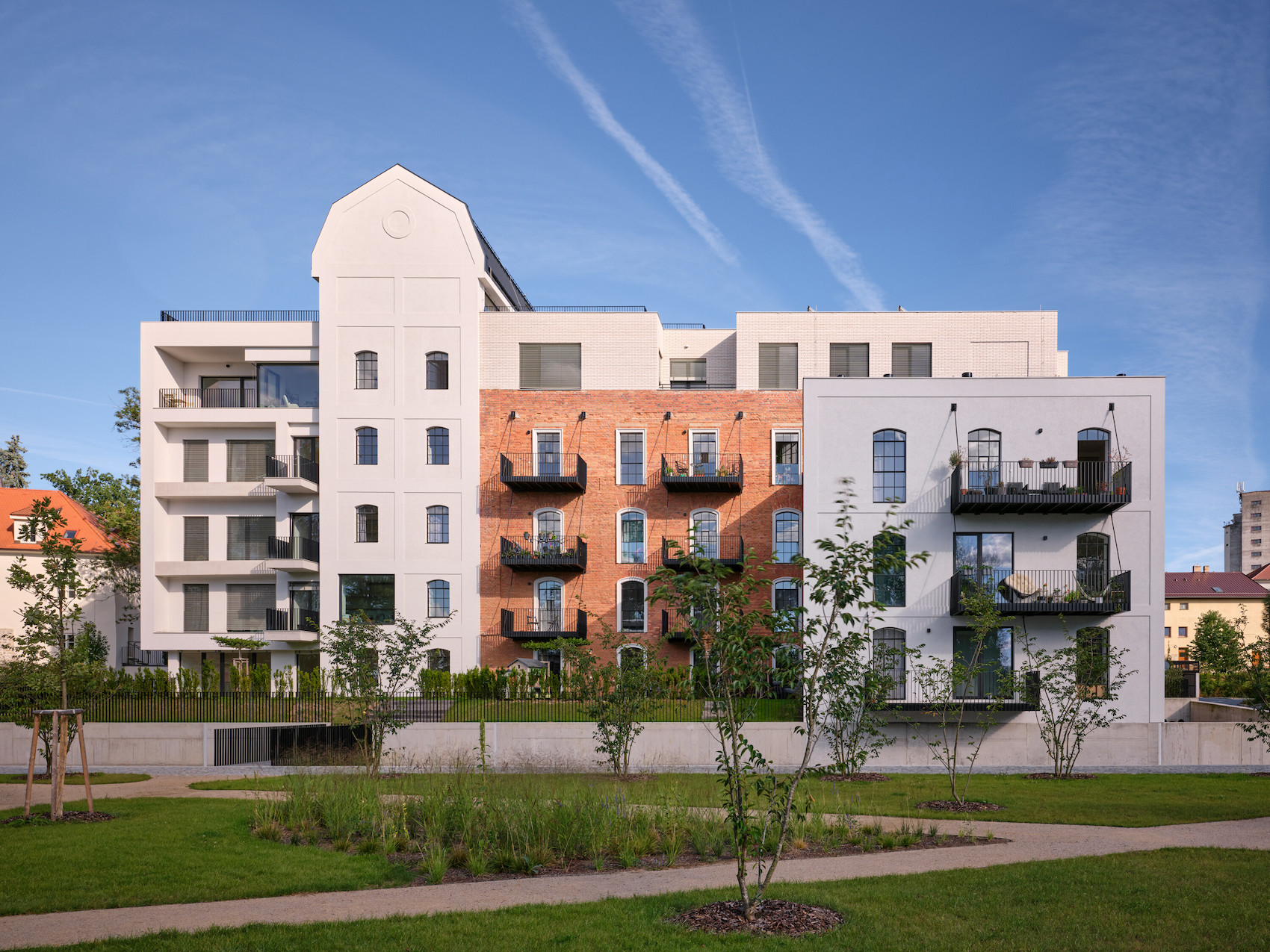
Within the historic buildings, the architectural strategy emphasises retention and clarity of intervention. The five-storey silo has been stripped back to exposed brick, with later accretions removed and a recessed rooftop extension in light brick added above. Industrial-style window frames and black steel balconies reinforce the building’s character, while the central tower now contains a duplex apartment crowned by a reinforced concrete roof structure with terraces and panoramic views.
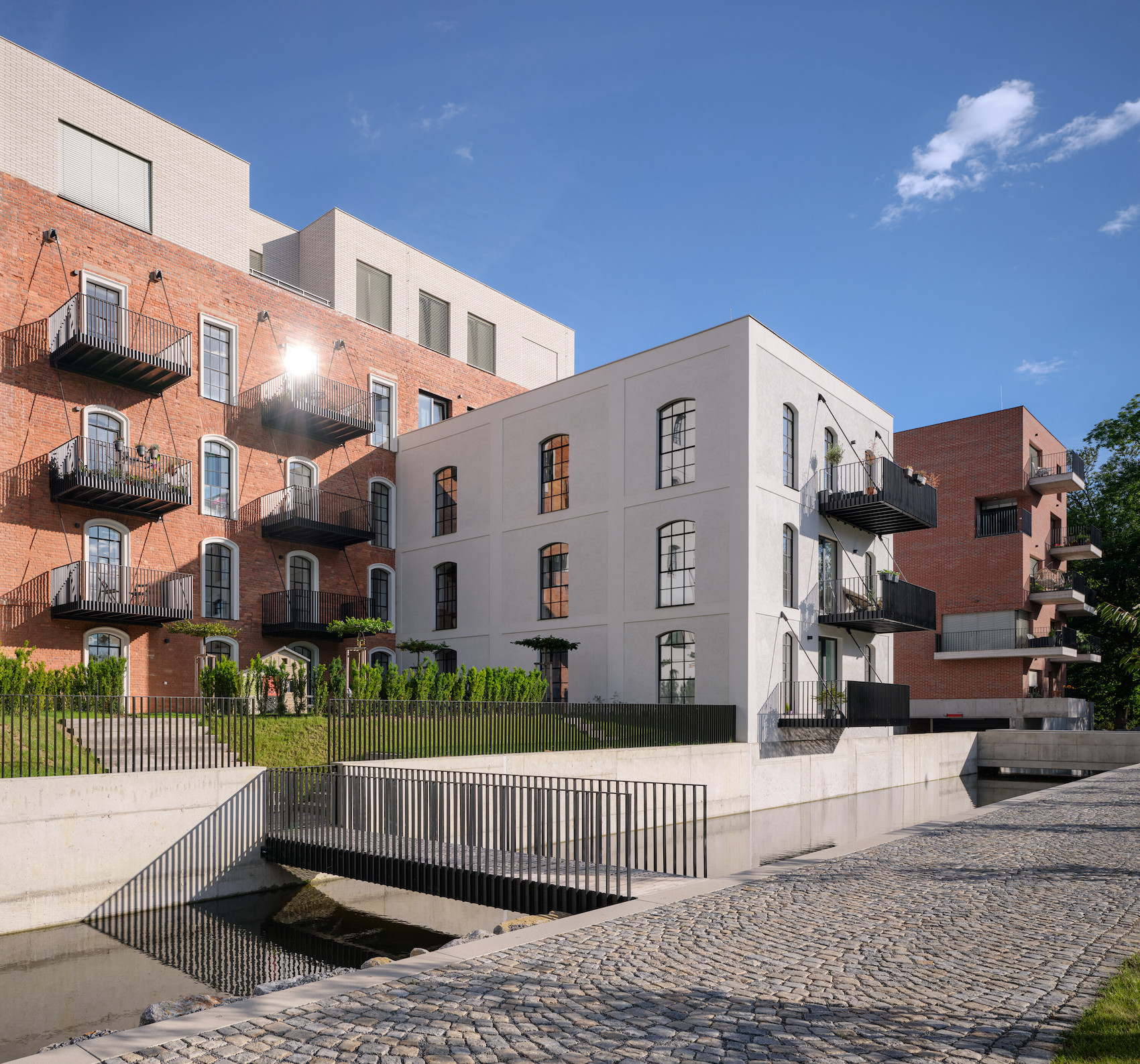
The former administrative building has been reconfigured as apartments, finished with a new brick plinth and light plaster façade. A contemporary glazed circulation core connects the historic structures, clearly expressing the distinction between old and new while improving accessibility.
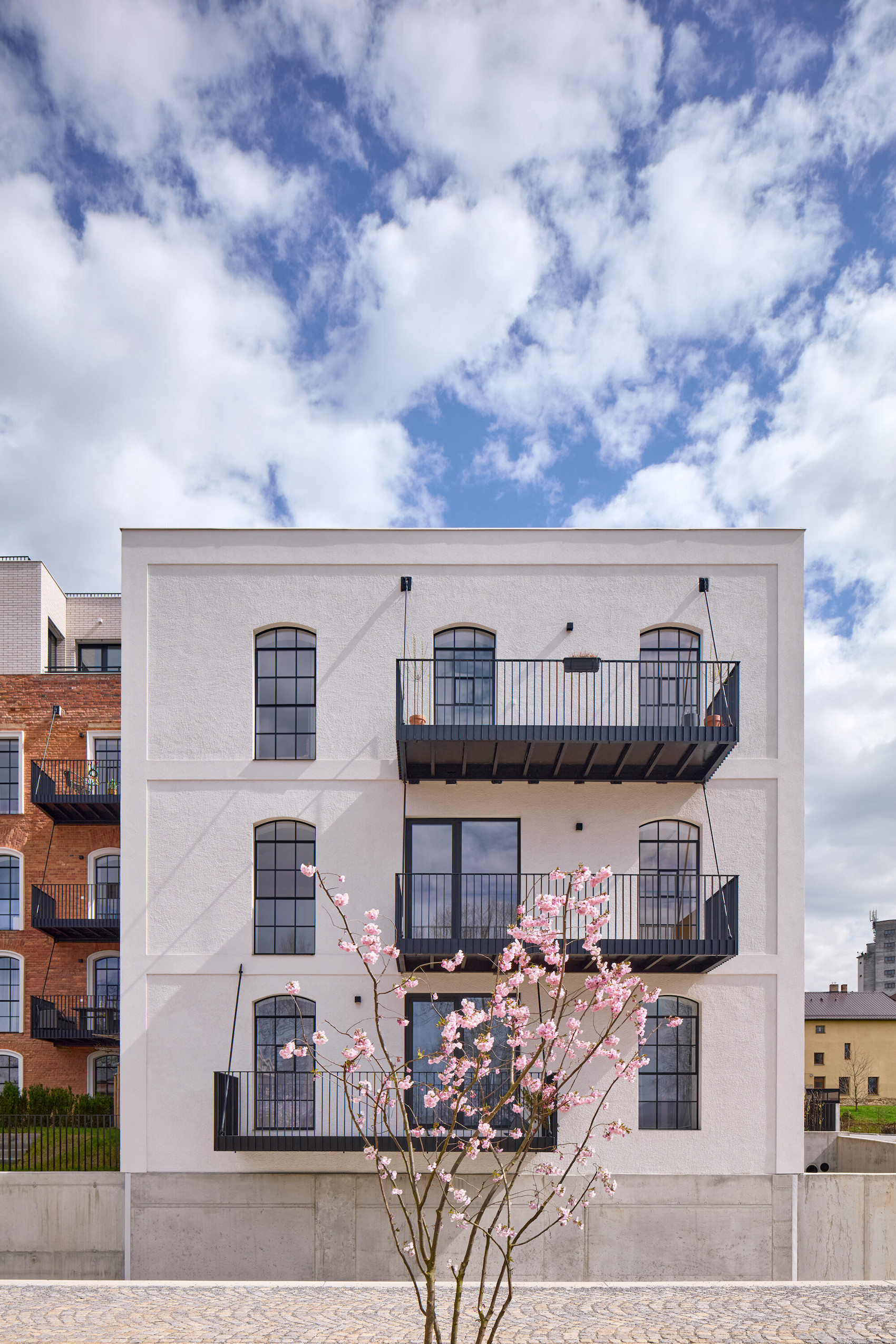
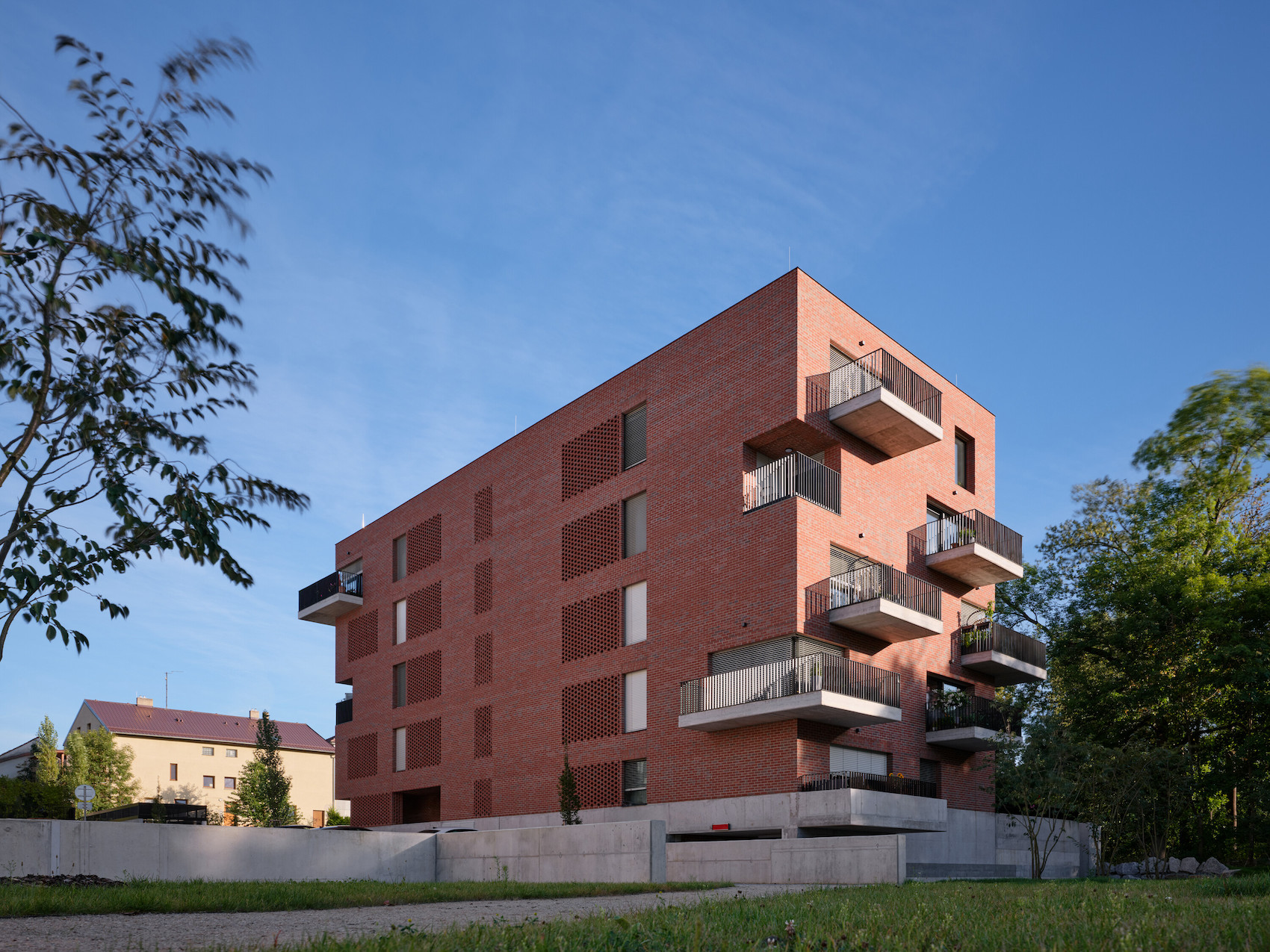
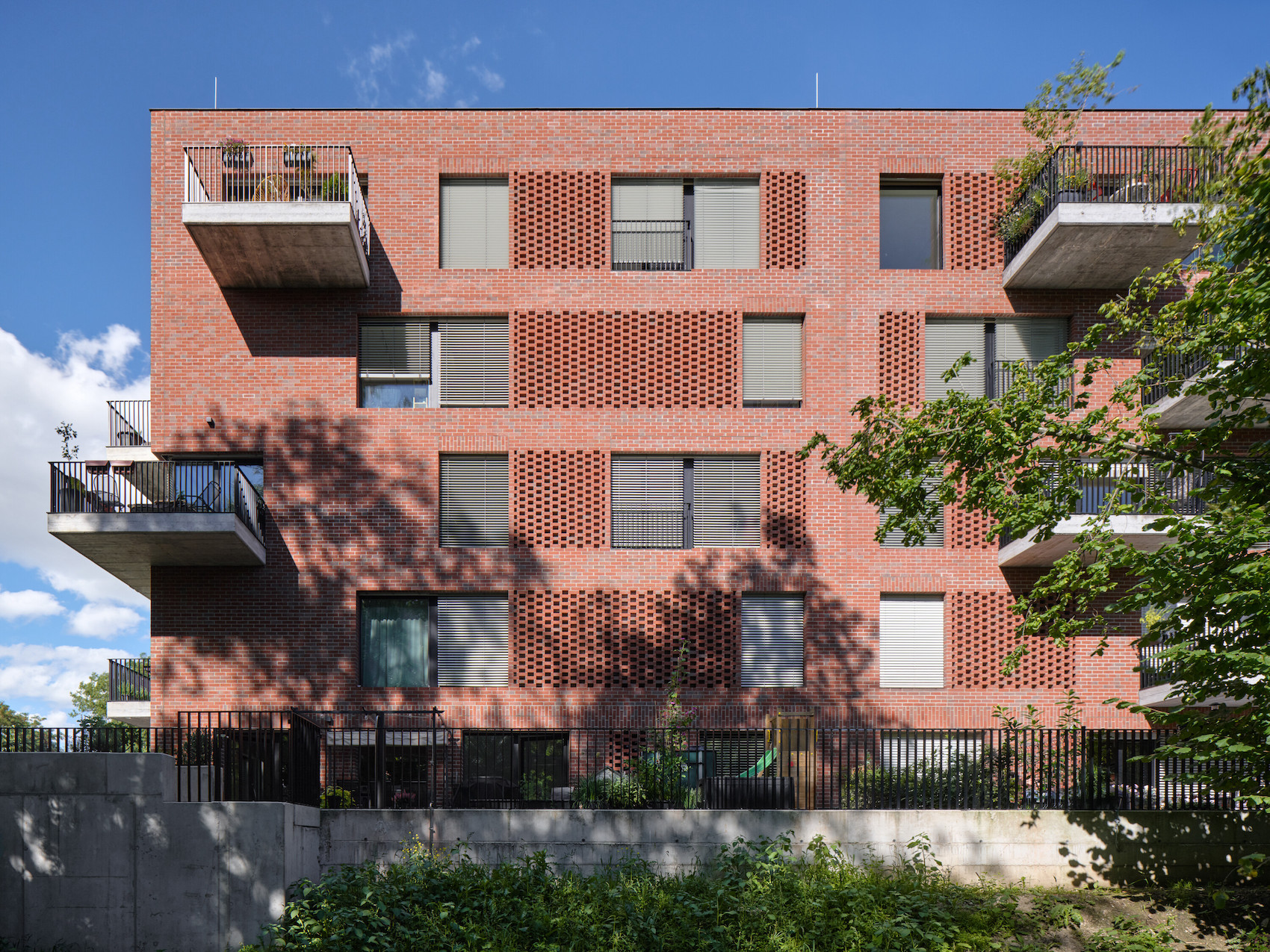
The two new buildings adopt contrasting but complementary architectural languages. One, enclosing the square, is a three-storey volume in light brick with white metal detailing, deliberately differentiated from the historic fabric. The other, positioned along the river and water channel, is a five-storey brick building whose regular façade and large openings establish a strong visual relationship with the landscape.
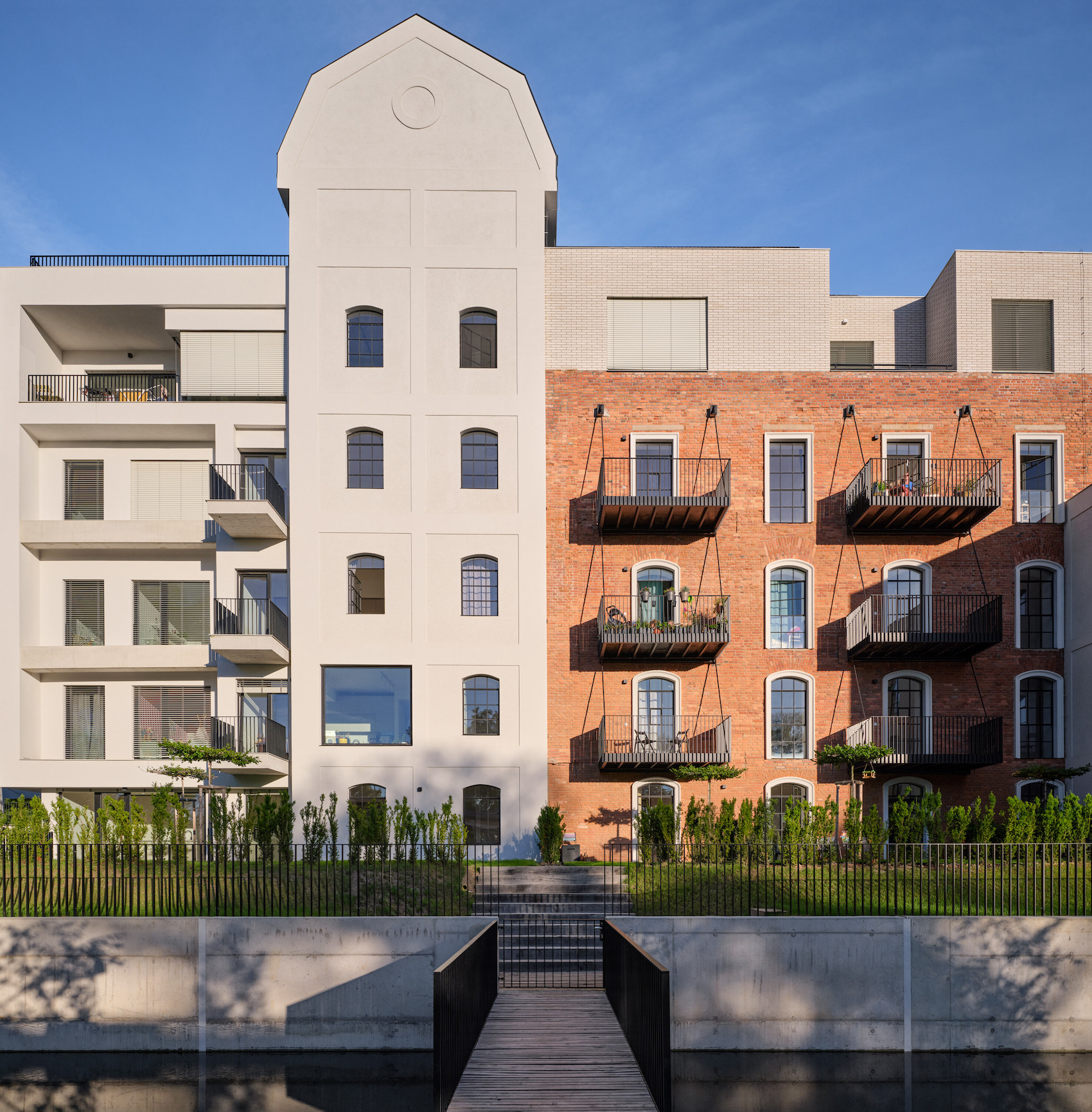
Reuse of the existing structures formed the foundation of the environmental strategy. Structural interventions were substantial, including the replacement of deteriorated timber elements with reinforced concrete slabs and the removal of redundant concrete silo bins, fragments of which have been retained as interior features. Green roofs and a rainwater management system further support the ecological performance of the scheme, supplying water to the restored channel.
Additional images