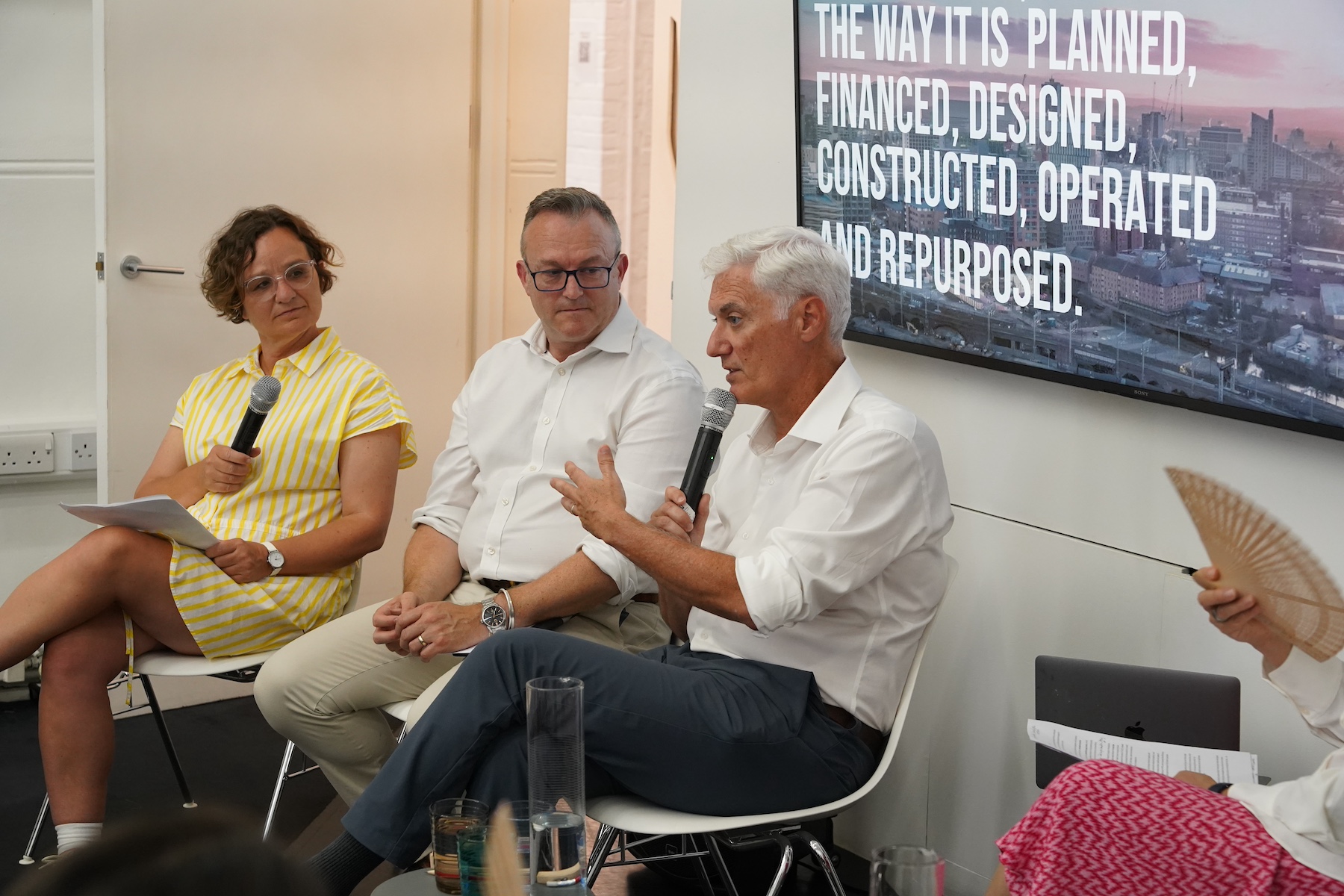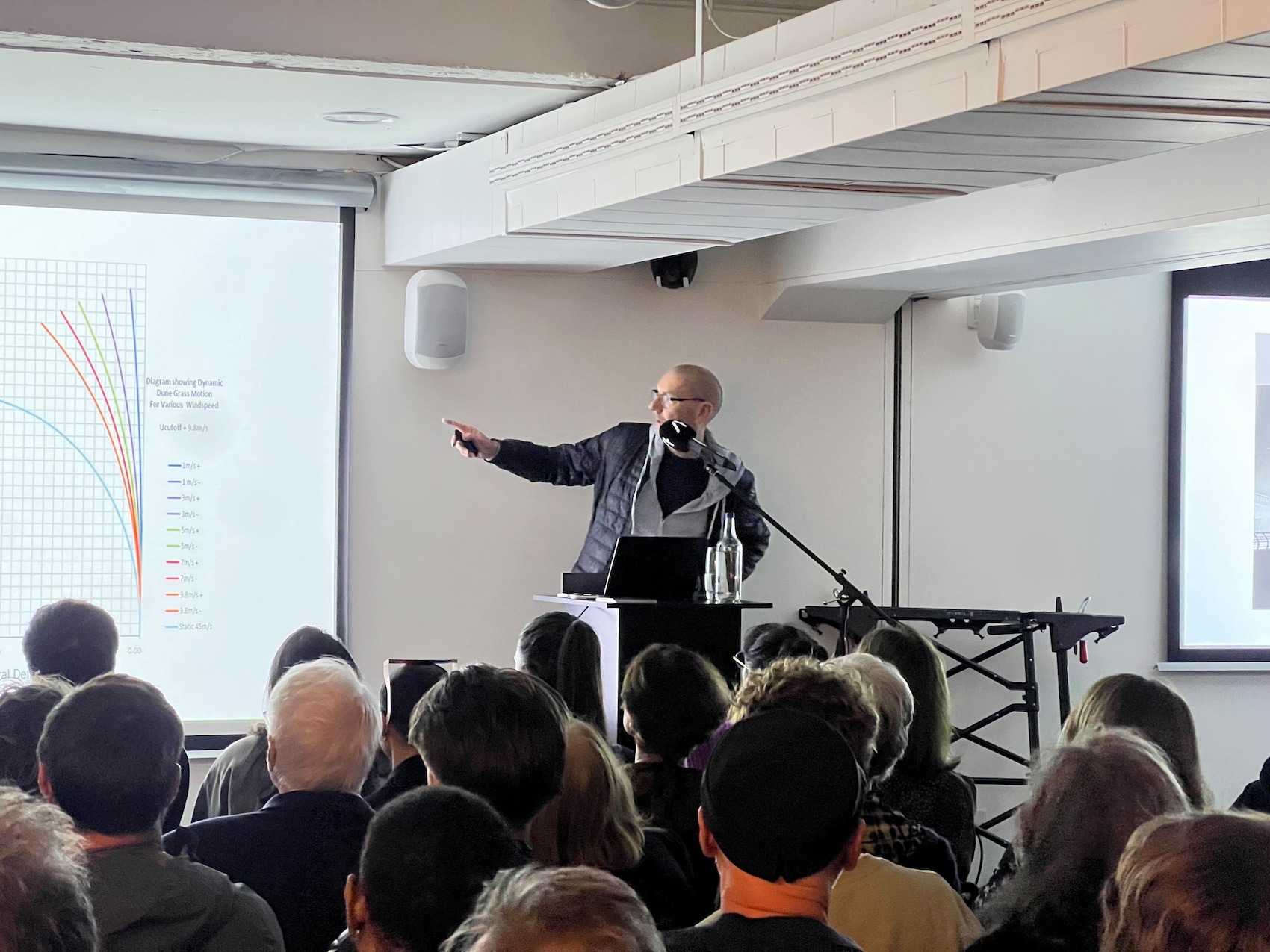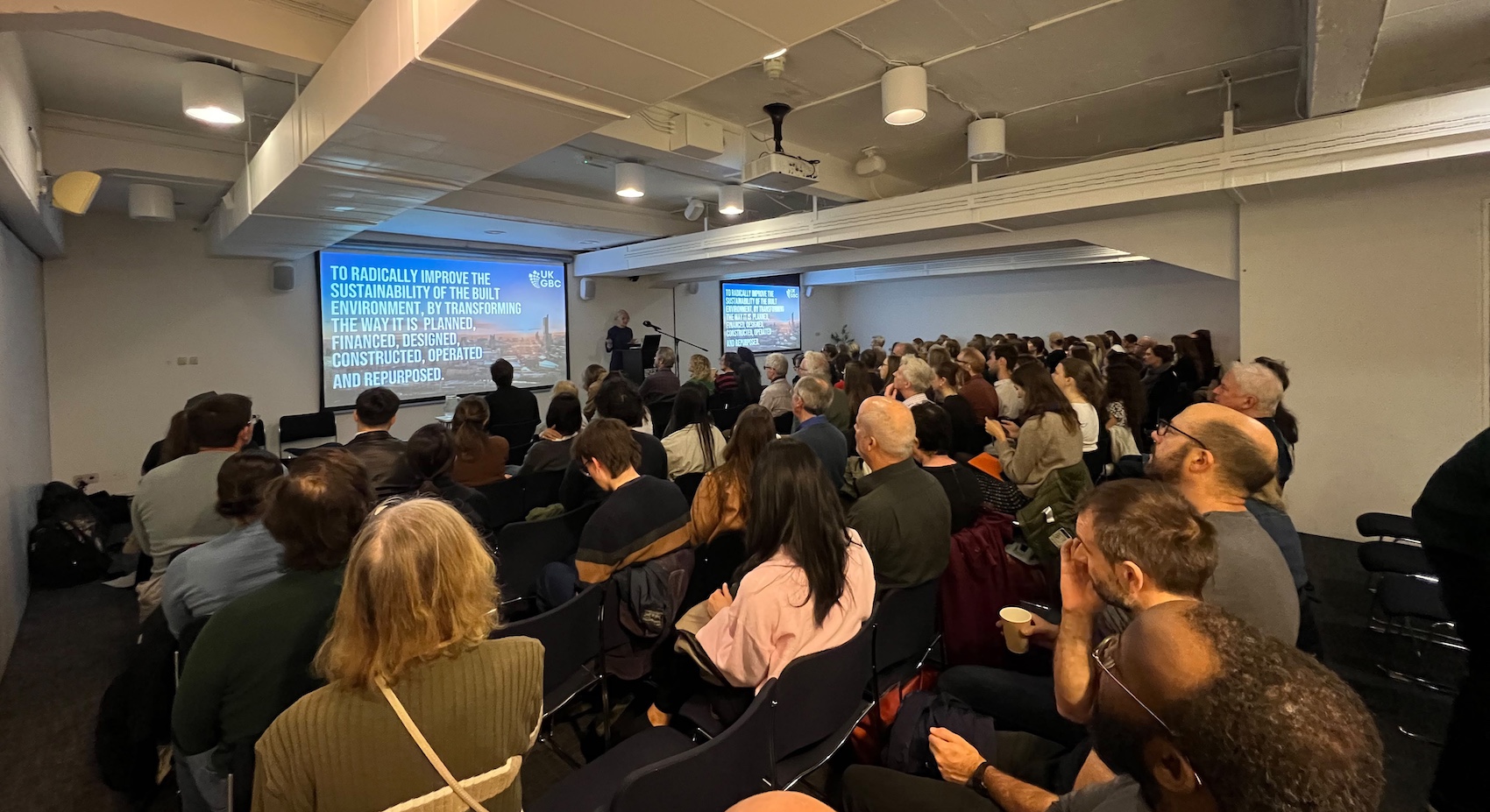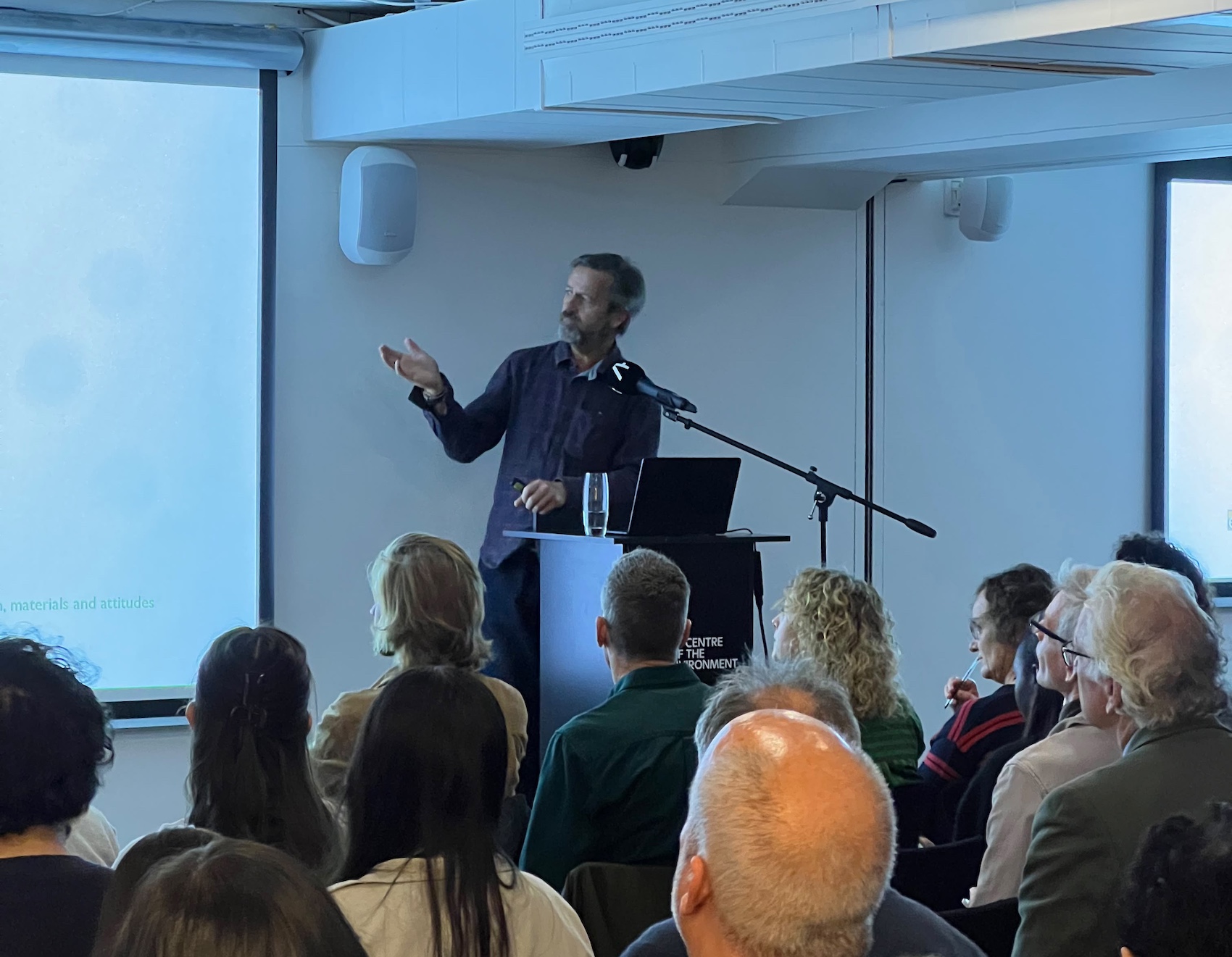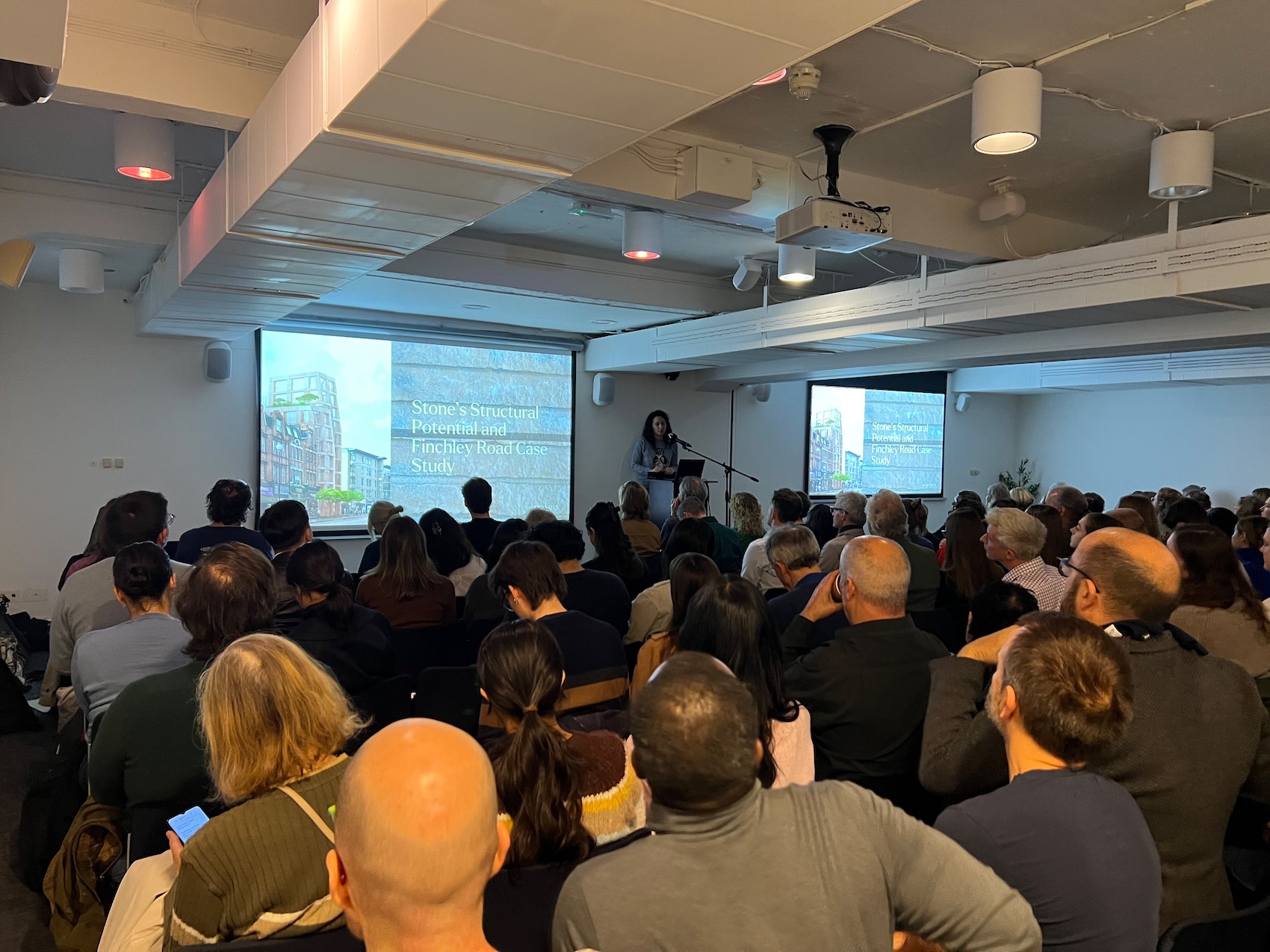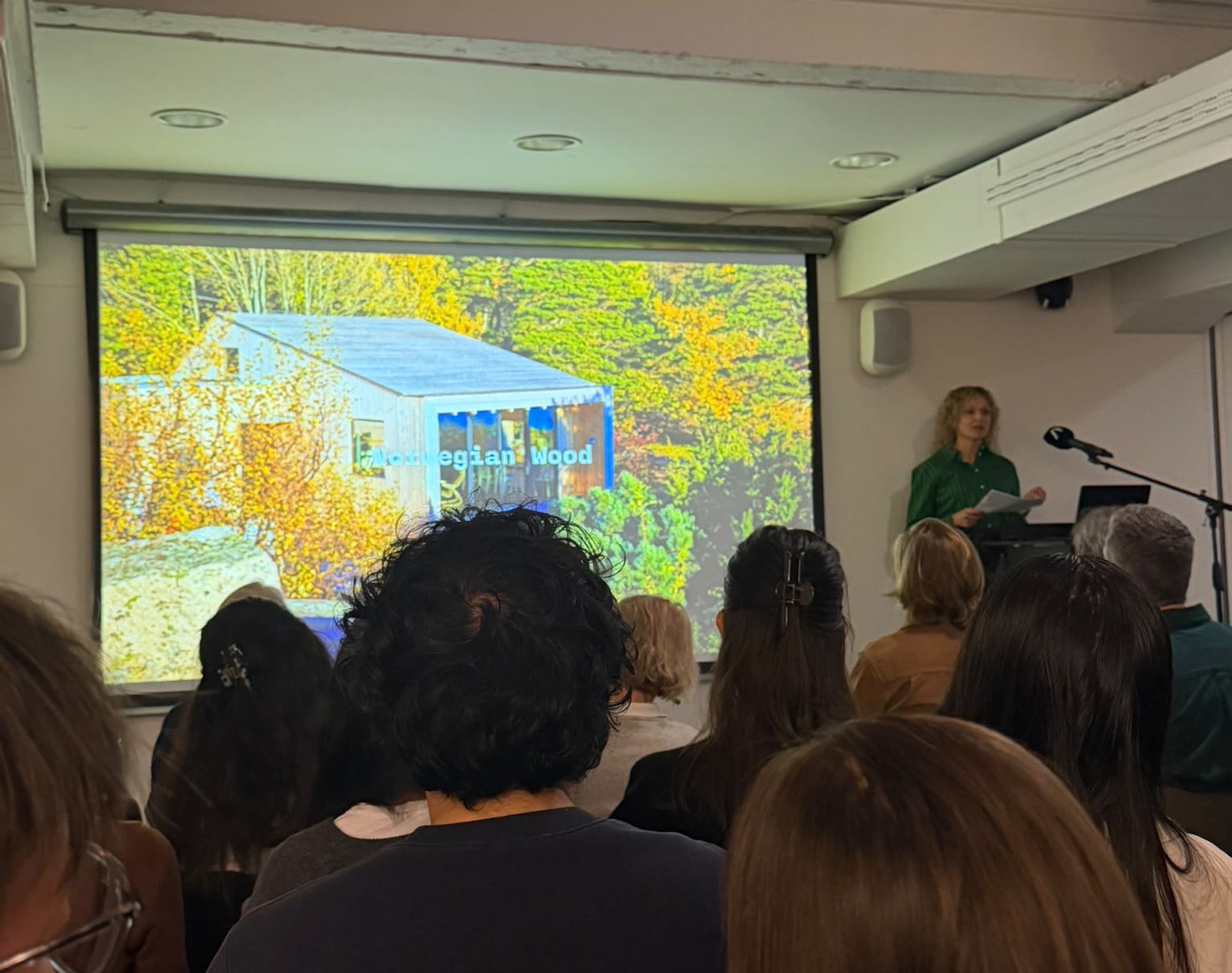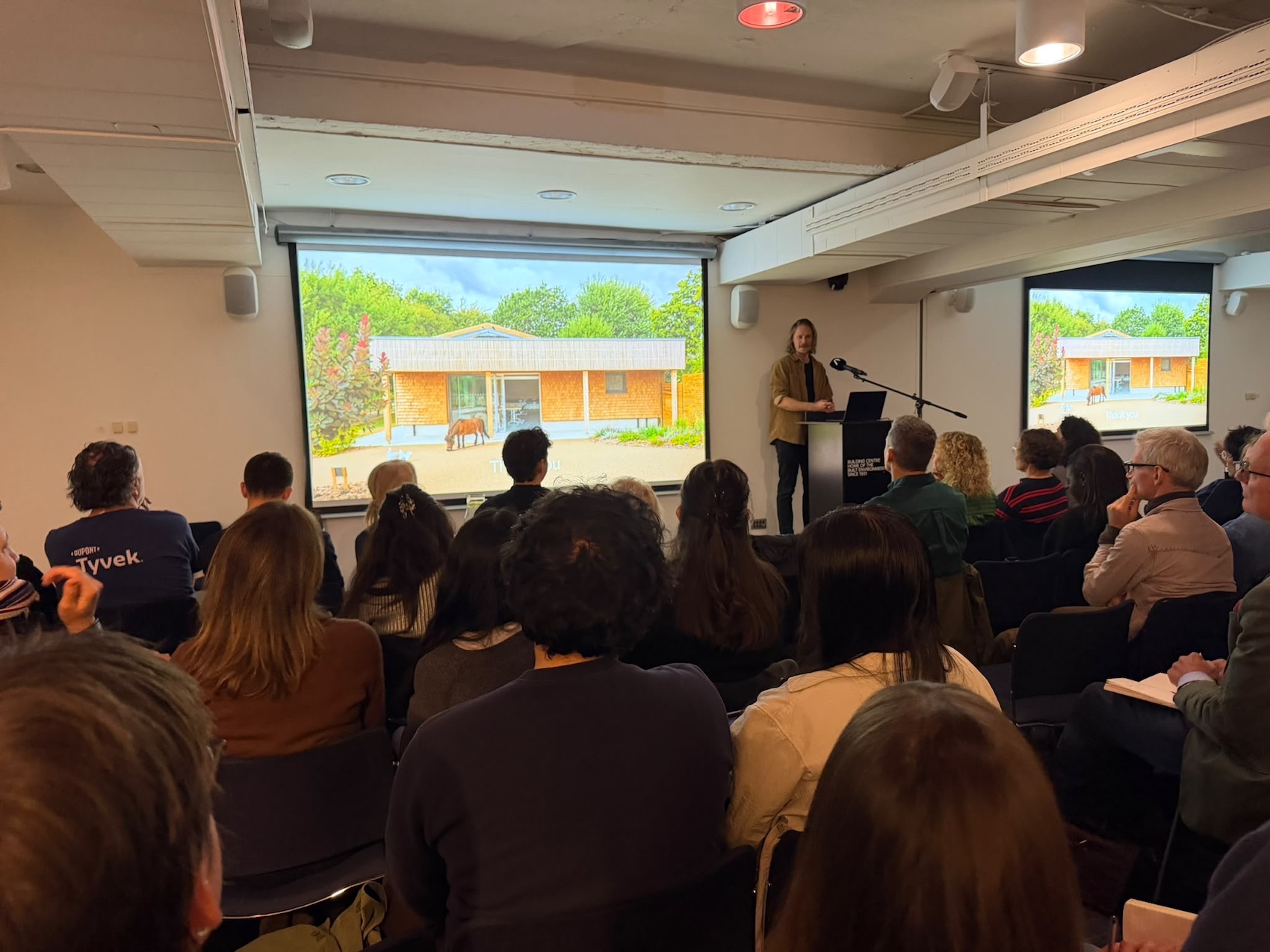
Holcim hosted a panel discussion to explore the challenges involved in delivering intelligent solutions to the housing shortage in the UK and worldwide at the Zaha Hadid Foundation on June 23rd as part of London Festival of Architecture.
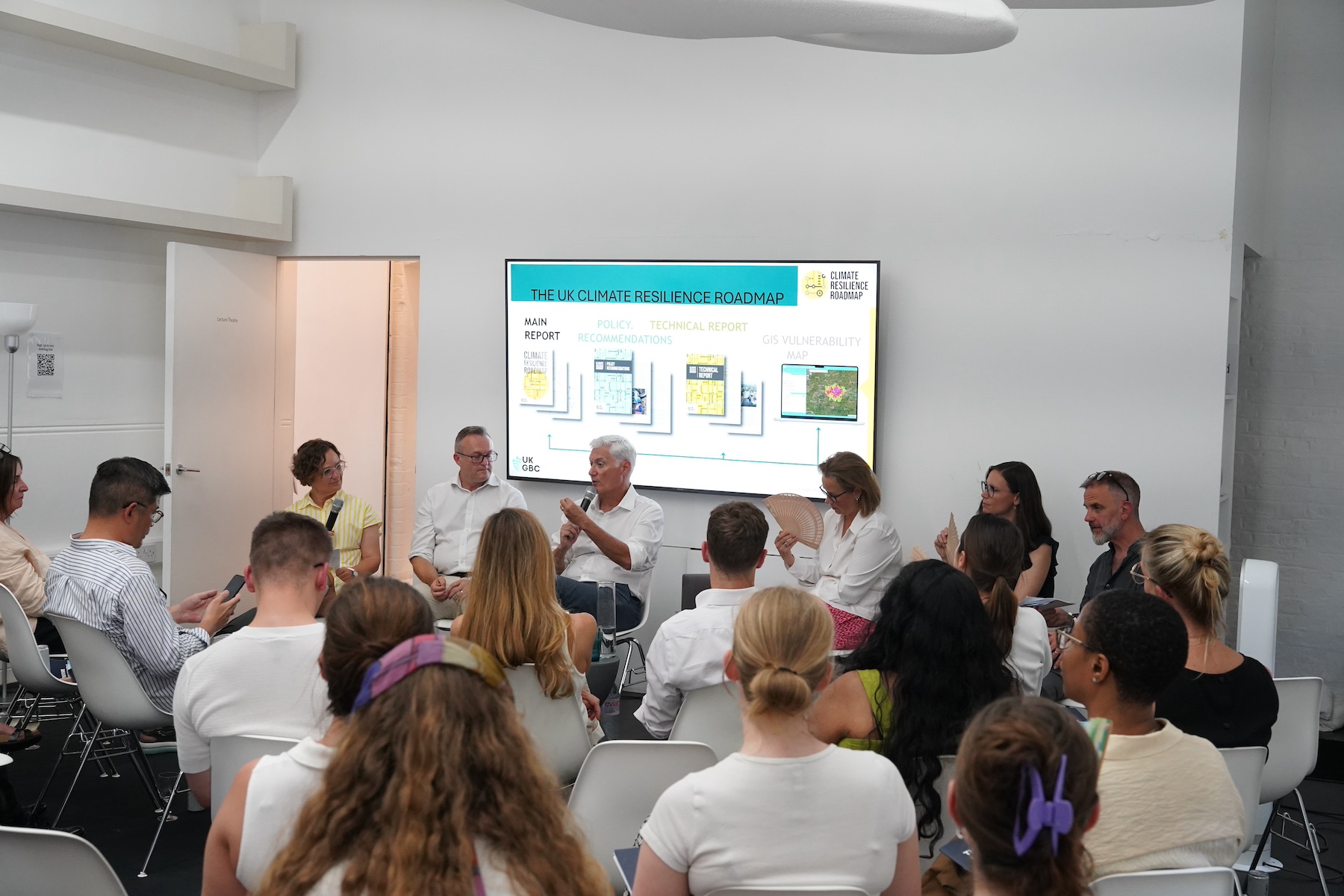
Chaired by Architecture Today Editor Isabel Allen the panel included Edelio Bermejo, Holcim’s Head of R&D, Tracy Meller, Senior Director at RSHP, Richard Ellis, Director of Sustainability at Peabody, Elisa Sartori, Associate Director At Webb Yates Engineers and Simon McWhirter, Chief Executive at UK Green Building Council.
The event kicked off with a discussion about the failure of successive governments to make meaningful progress on the challenge of delivering the volume and, crucially the quality, of housing required.
Ellis argued that, in the absence of strong public sector leadership, the pace of change is increasingly set by the finance and insurance sectors, setting an inherently conservative agenda, which has a knock-on impact on innovation across the sector. Investment is channelled towards tried-and-tested delivery models, and lacks the sophistication to factor in the commercial, social and environmental cost and value of these systems over the longer term.

The fact that housing associations assume long-term ownership of the housing they build makes them uniquely positioned to factor in the long-term value advantage of projects that yield long-term advantages in terms of running costs, maintenance and the health and wellbeing of their residents. But the bulk of the industry is still wedded to a finance system that favours a ‘build-it-and-bold’ mentality that aims to build a cut-price product and to sell it off immediately for the highest possible cost.
Bermejo pointed to successful models of partnership working between manufacturers and housing associations to deliver residential projects that move the dial in terms of environmental performance – an example being Recygenie outside Paris, a 220-unit housing complex delivered with social housing provider Sequens, which is made entirely of recycled materials.
Ellis acknowledged that there are numerous examples of this kind of successful partnership working but that they remain as scattered ‘pockets of good practice’. For Ellis, the key challenge is shifting the mindset vast majority of players who are neither leading nor lagging; operating a policy of ‘business as usual’ in the absence of clear incentives or direction to change course.
With a change of attitude the financial sector could act as a catalyst to pull ‘the lazy middle’ along to an extent that could connect and scale individual pockets of innovation. The end-game is a move from bilateral decision-making to systems thinking; with a move from isolated projects to interconnected system-wide change.
Meller echoed this sentiment, stressing RSHP’s disappointment as the disconnect between the wealth of innovative testbed projects that have been delivered by practices like RSHP in recent decades, and the quality of housing delivery as a whole. While prestigious firms have been relatively successful in attracting visionary clients, projects designed as pilot schemes have tended to remain as isolated projects.
Sartori discussed the role of the engineer in delivering solutions, acknowledging the paradox involved in applying sophisticated engineering intelligence to a sector where logistical and commercial constraints demand simplicity and repetition. For Sartori, a key responsibility is managing the tension between embodied and operational carbon and steering clients away from ever-more complex systems that are costly in both financial and environmental terms and are likely to cause problems in the longer term in terms of adaptability, recyclability and re-use.

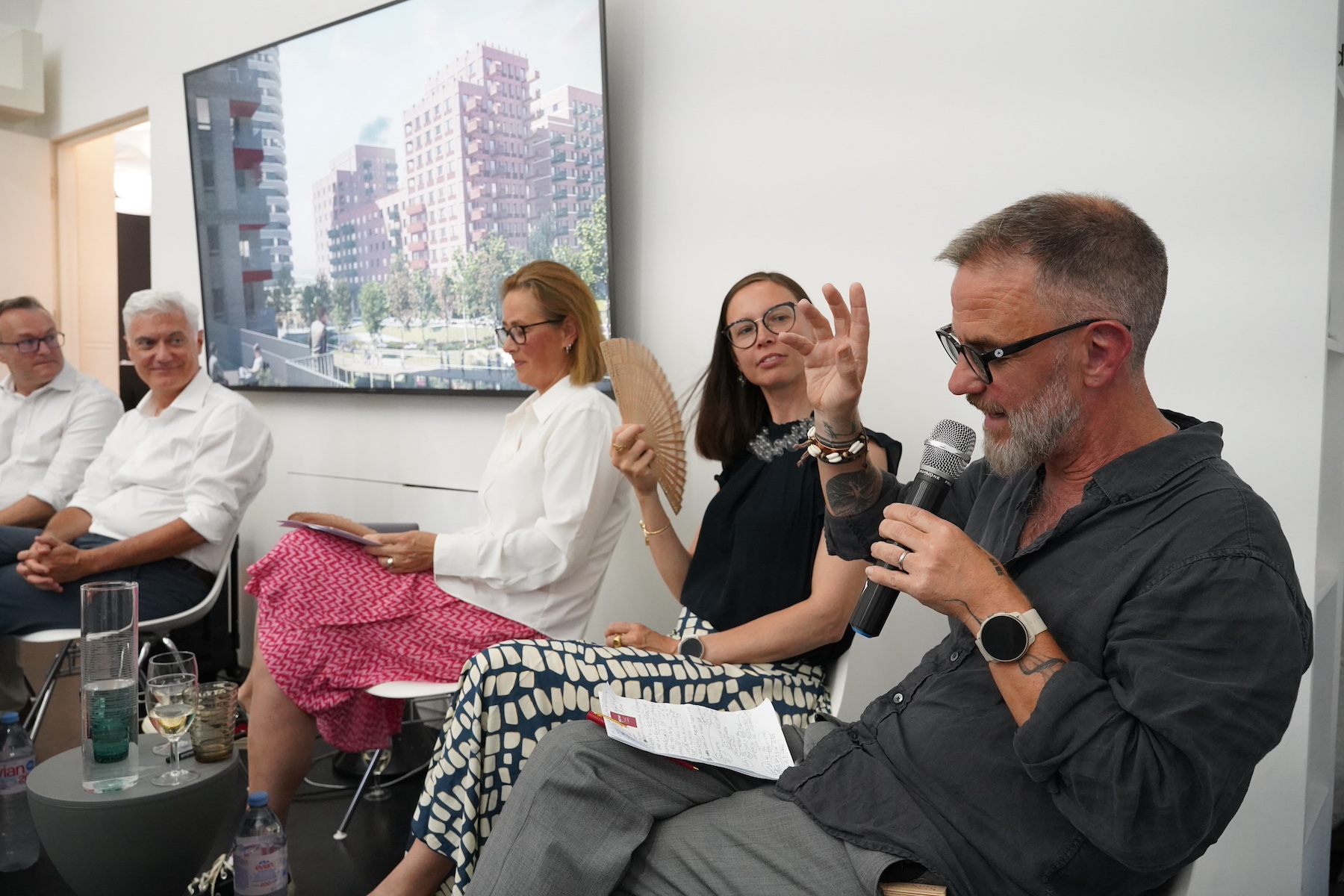
McWhirter reiterated the need for systems change, outlining the vital work UKGBC is doing to encourage a joint-up approach to housing delivery, referring to ‘driving market collaborations’ as the organisation’s superpower.
Questions from the audience focused on the desirability and feasibility of establishing a new public sector body with a clear remit not just for delivering housing but for driving regenerative solutions and innovation. This discussion picked up on a general consensus that organisations across the sector – from UKGBC’s work on driving cross sector consensus and collaboration to Holcim’s work in supporting innovation and entrepreneurship – are stepping in to provide leadership where successive governments have failed to deliver the leadership that’s needed to deliver systemic change.
Given the fundamental mismatch between the timescales involved in housing delivery and the short term focus of government’s with an eye on the next election it’s perhaps unrealistic to imagine this might change.
Panel participants
Isabel Allen
Editor, Architecture Today, and panel chair
Edelio Bermejo
Head of R&D, Holcim
Tracey Meller
Senior Director, RSHP
Richard Ellis
Director of Sustainability, Peabody
Elisa Sartori
Associate Director, Webb Yates Engineers
Simon McWhirter
Chief Executive, UK Green Building Council
More images