Templeton Ford’s debut project is a carefully crafted house in West Sussex that draws on local materials, vernacular forms and passive environmental design.
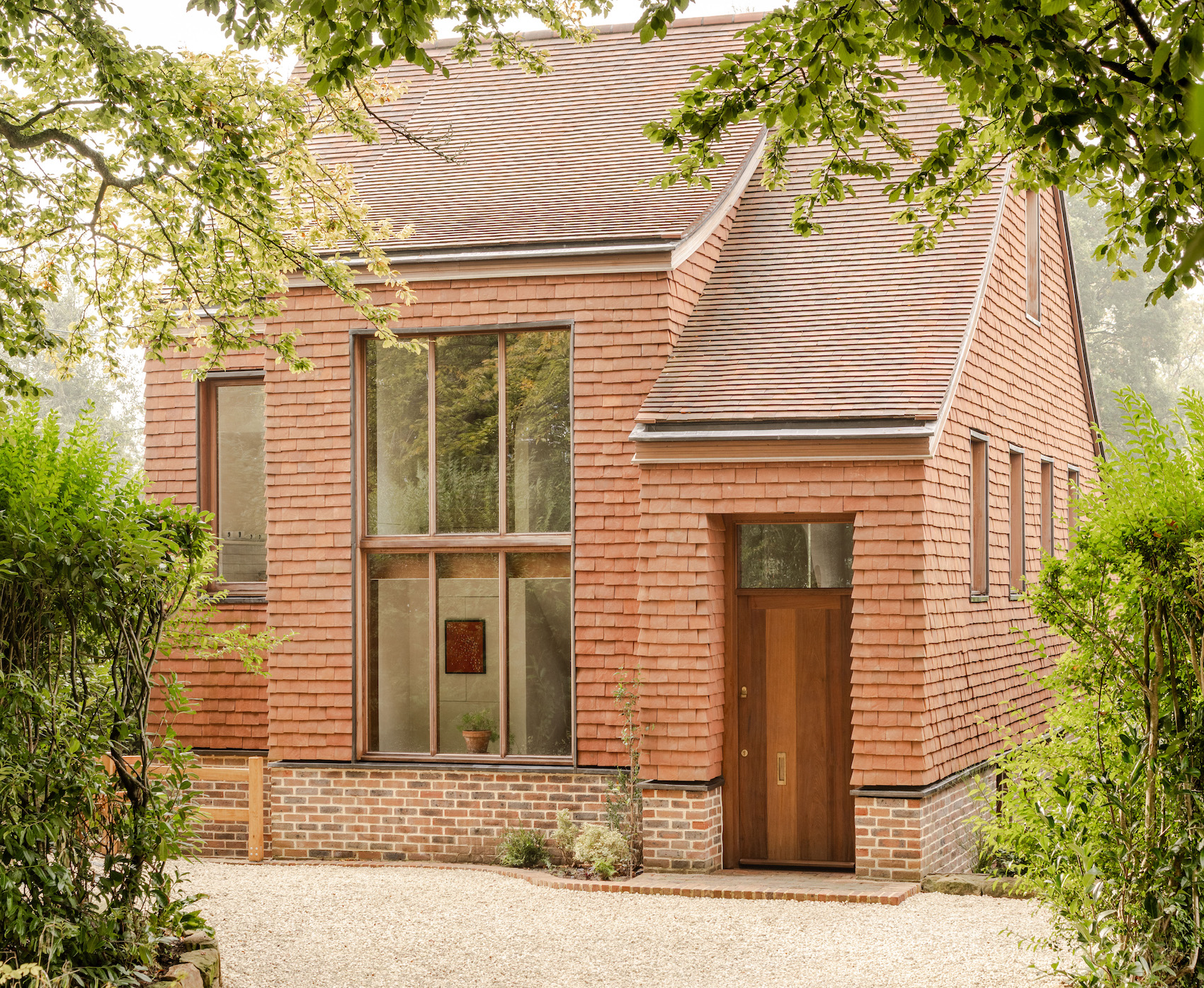
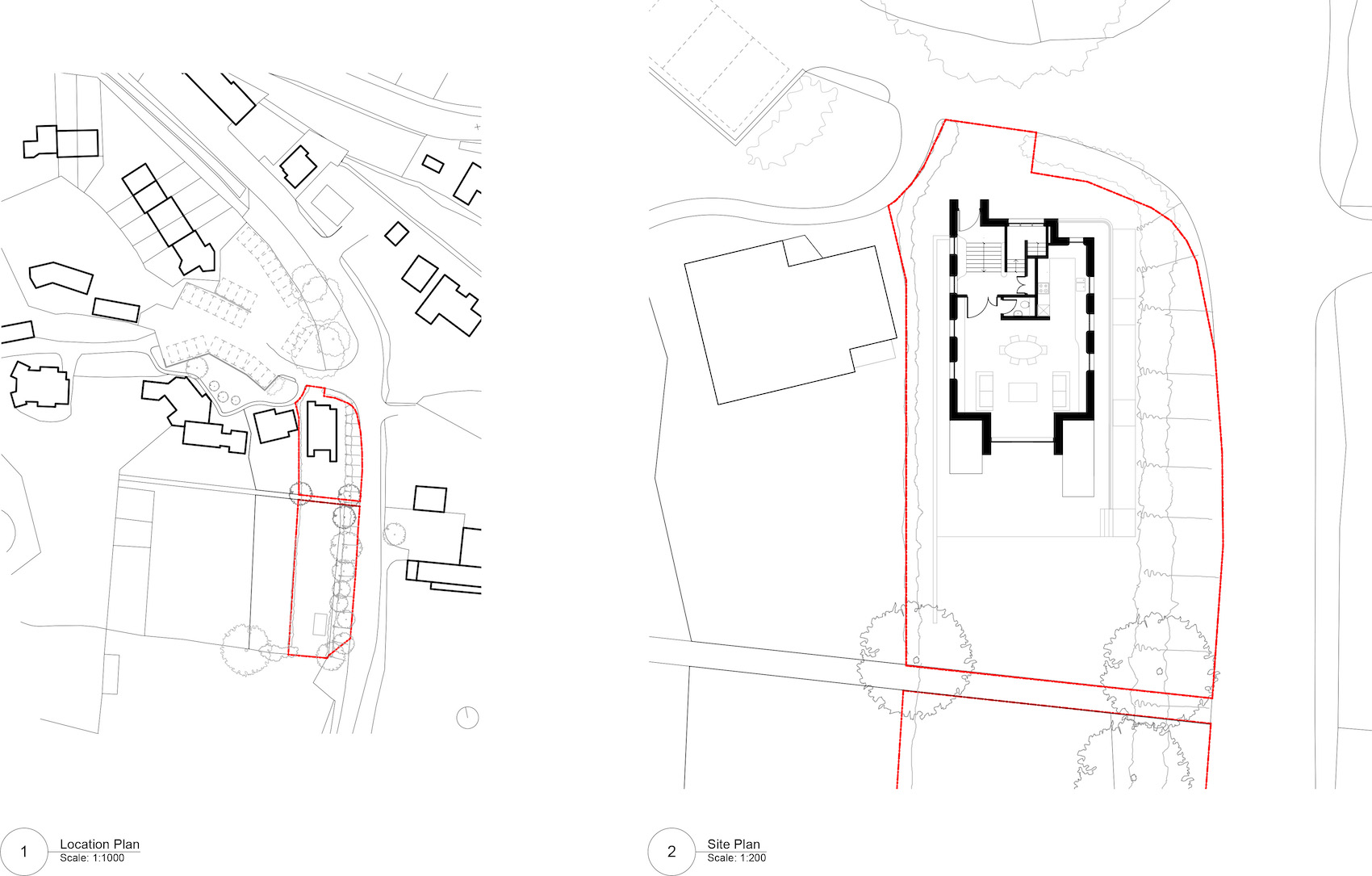
Templeton Ford has completed its first built project: a three-bedroom house in the West Sussex village of West Hoathly. Shortlisted for the 2025 Manser Medal, Clay Rise is a contextual response to the site’s topography, local building traditions, and the evolving needs of multigenerational living.
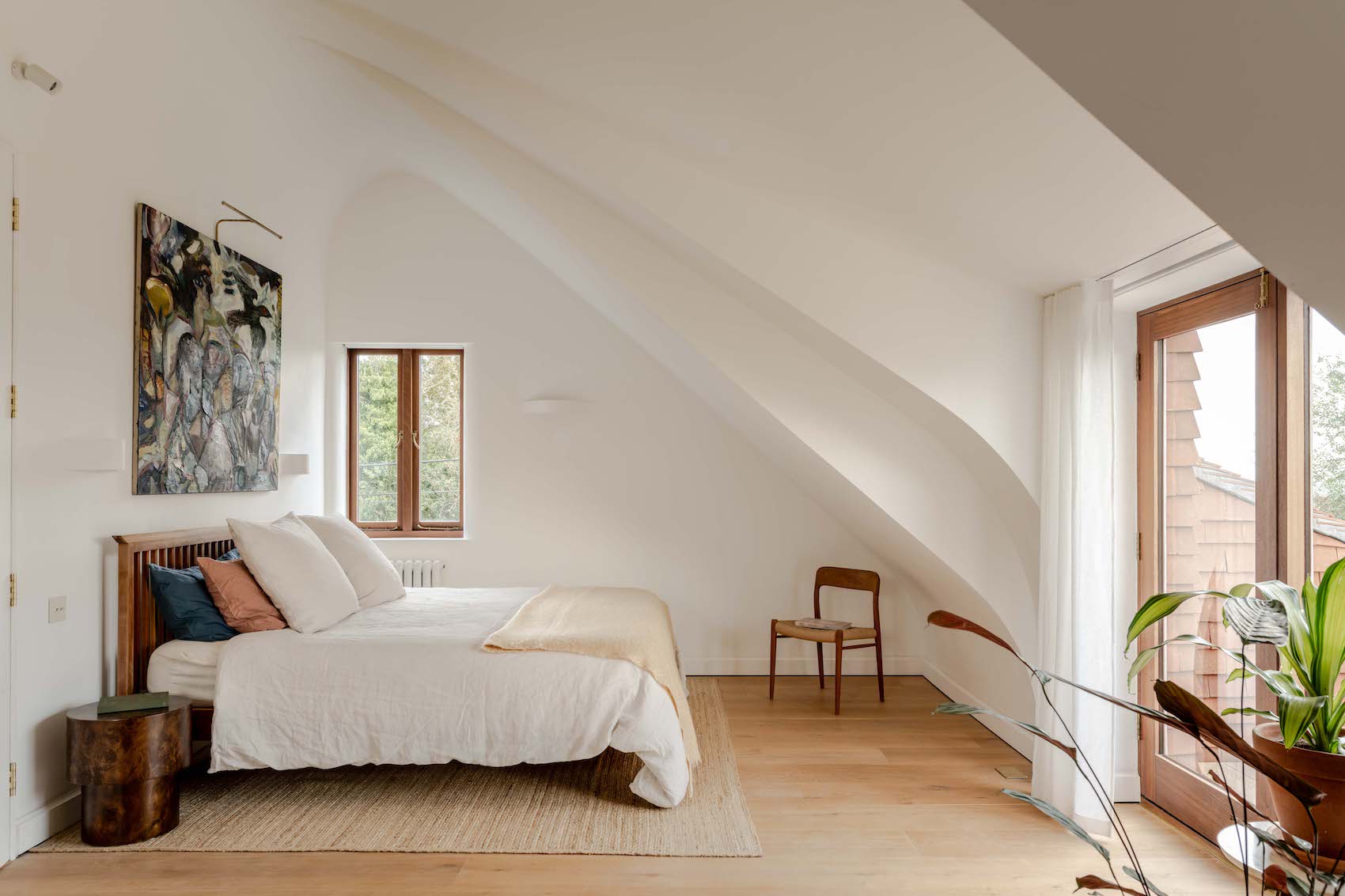
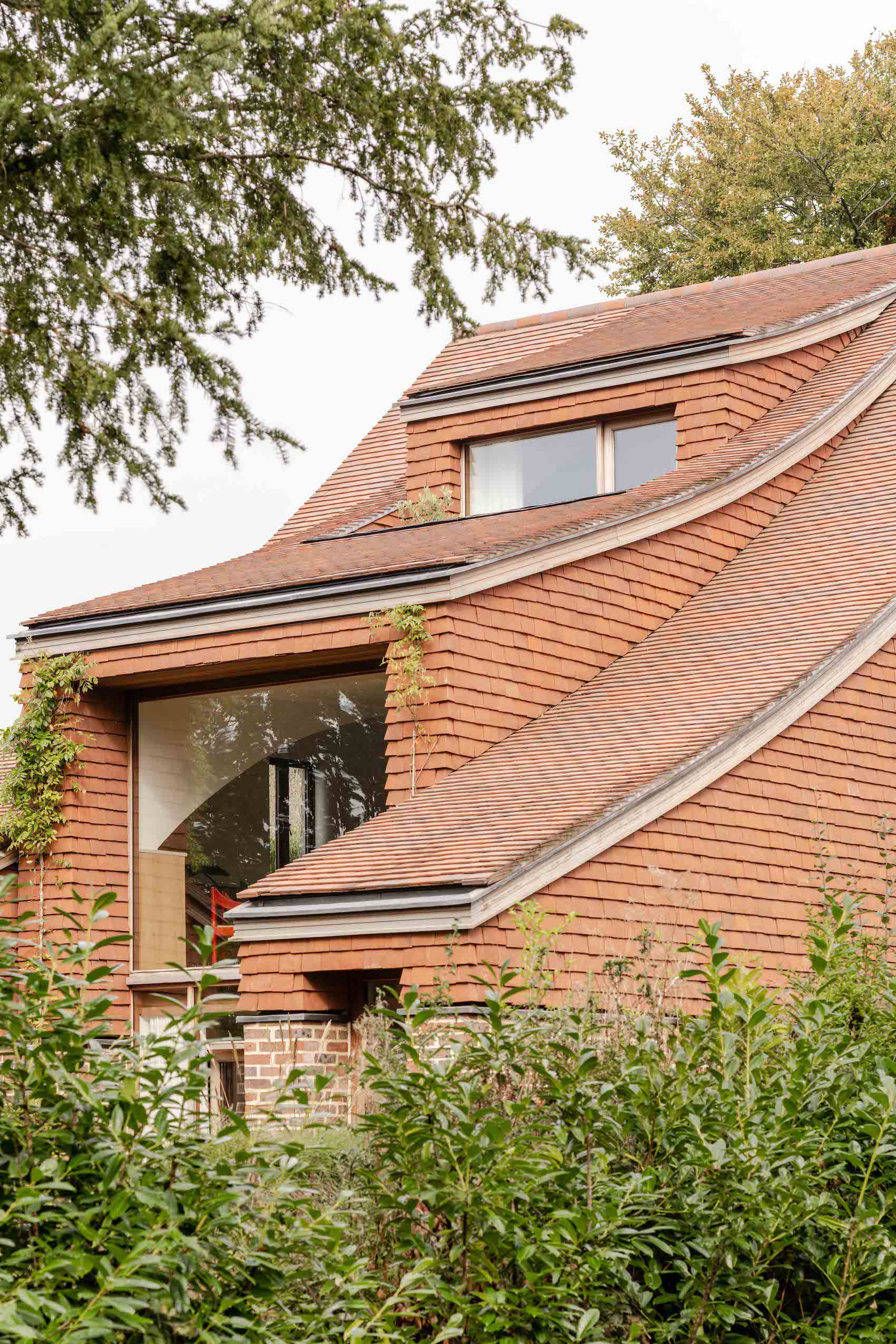
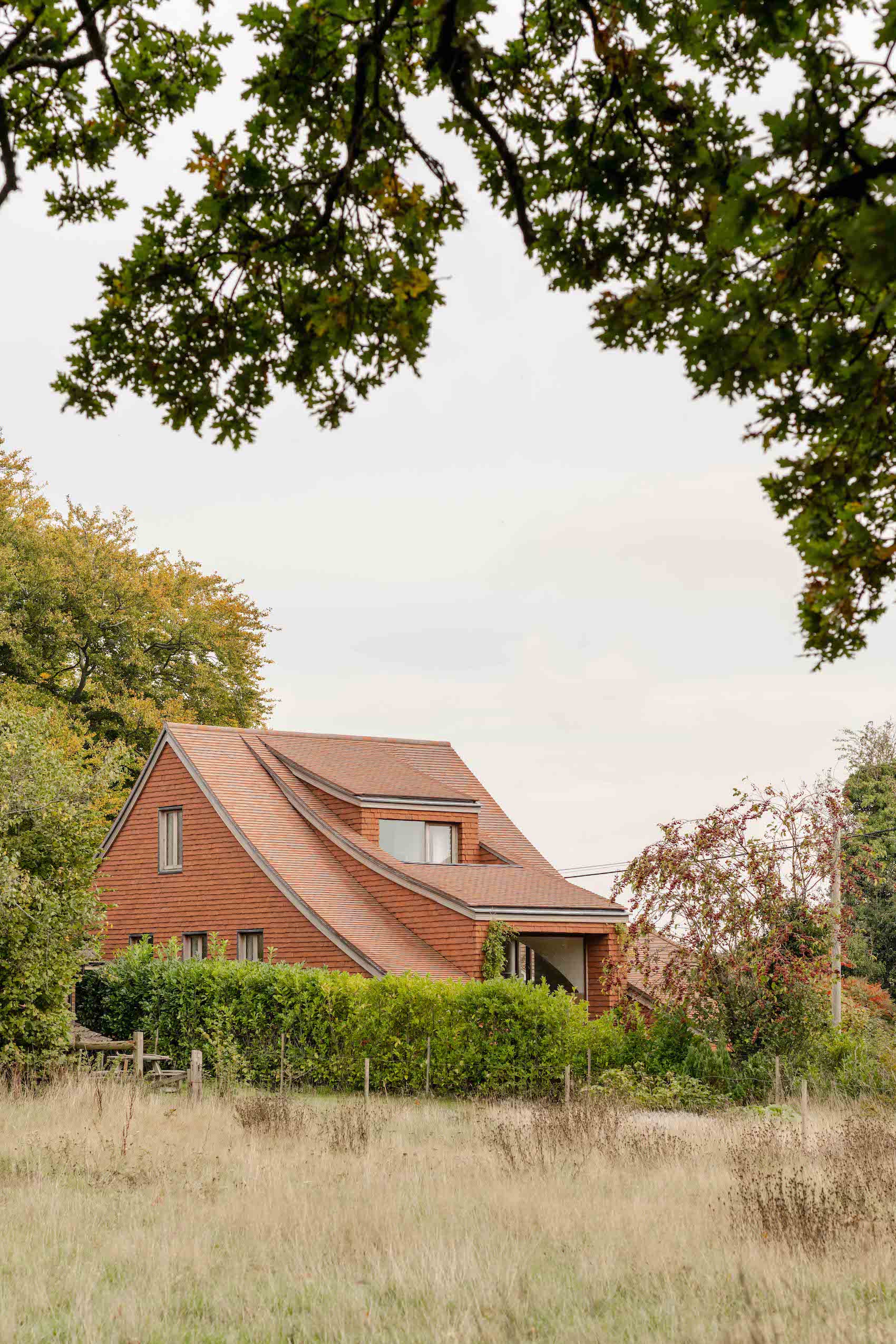
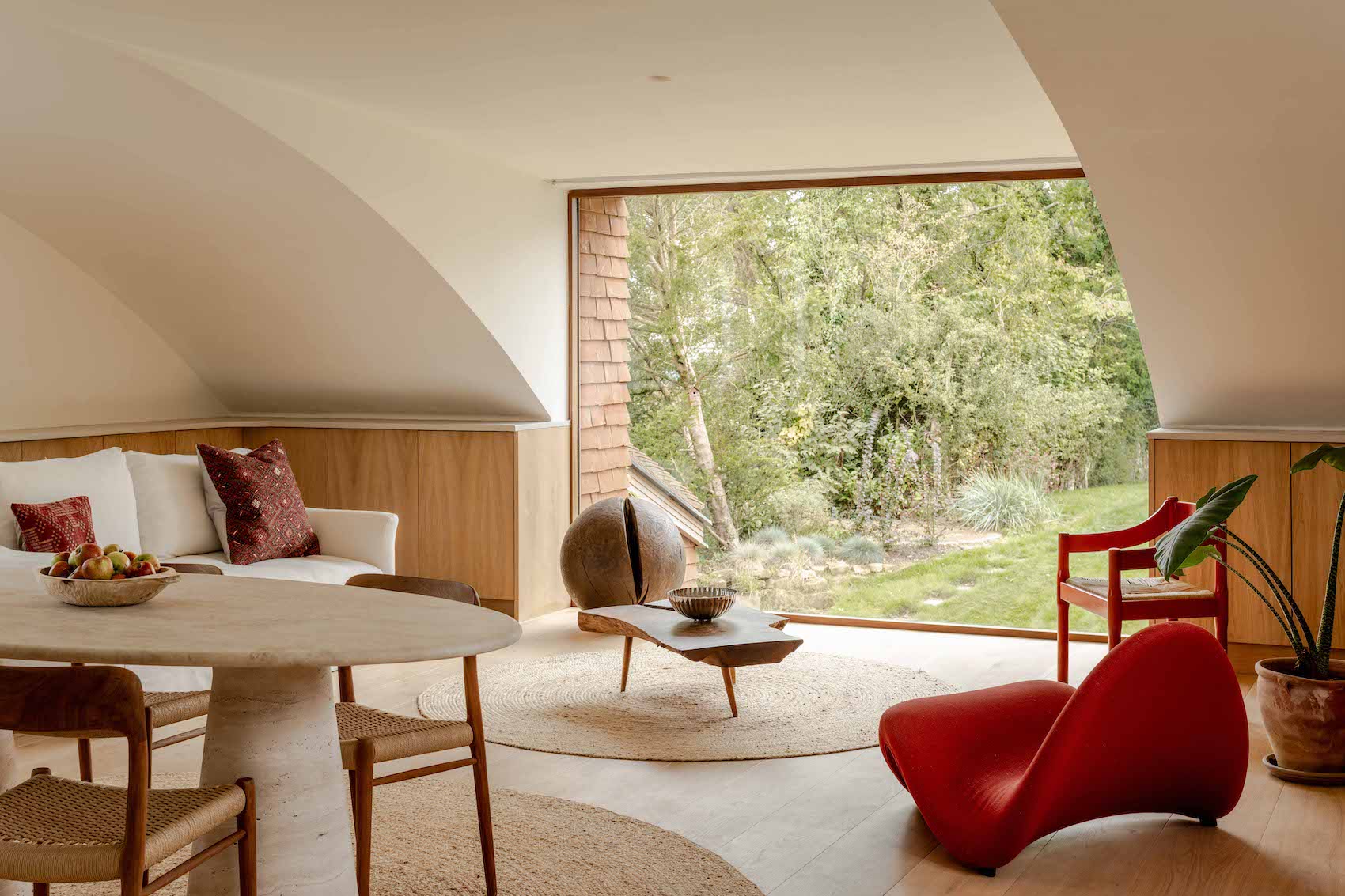
The house is located adjacent to architect Andre Templeton Ford’s childhood home and is intended to reflect the practice’s ethos of craftsmanship, materiality and place. Rooted in the regional vernacular, its handmade brick skin and red clay-tiled roof evoke the surrounding cottages. The sculptural form is defined by a tiered, curving roofline that wraps over and down the building, framing views toward neighbouring fields and the South Downs.
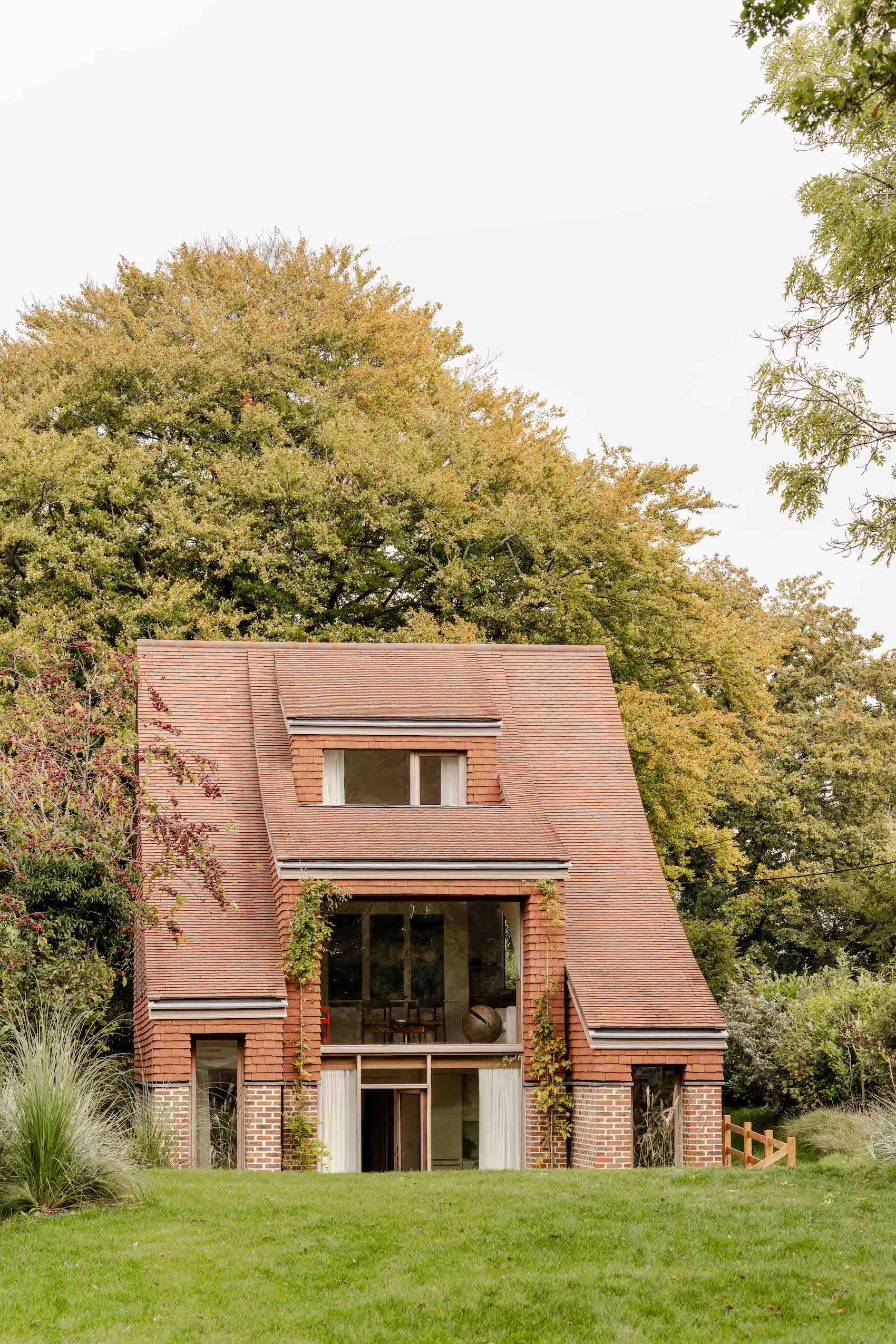
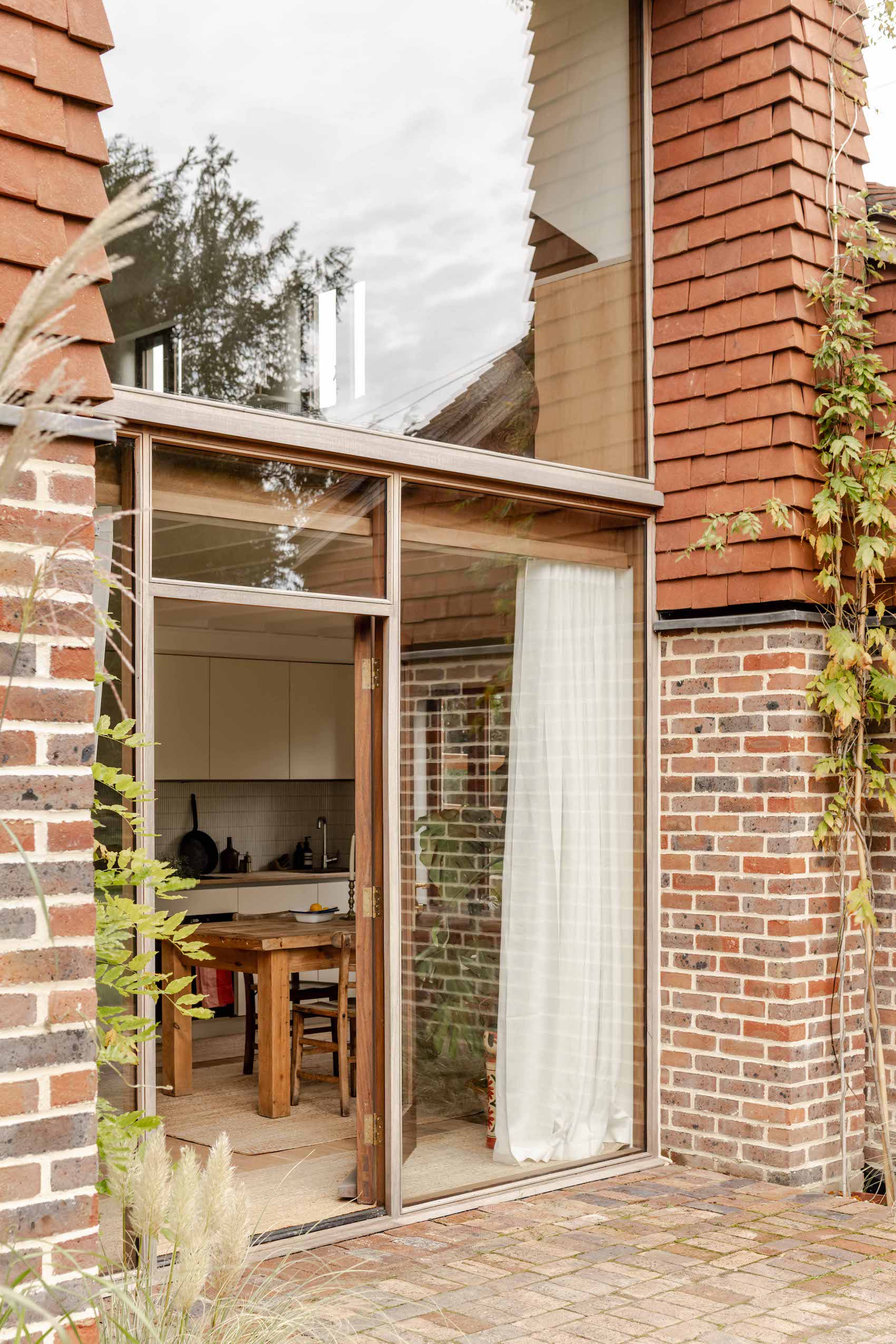
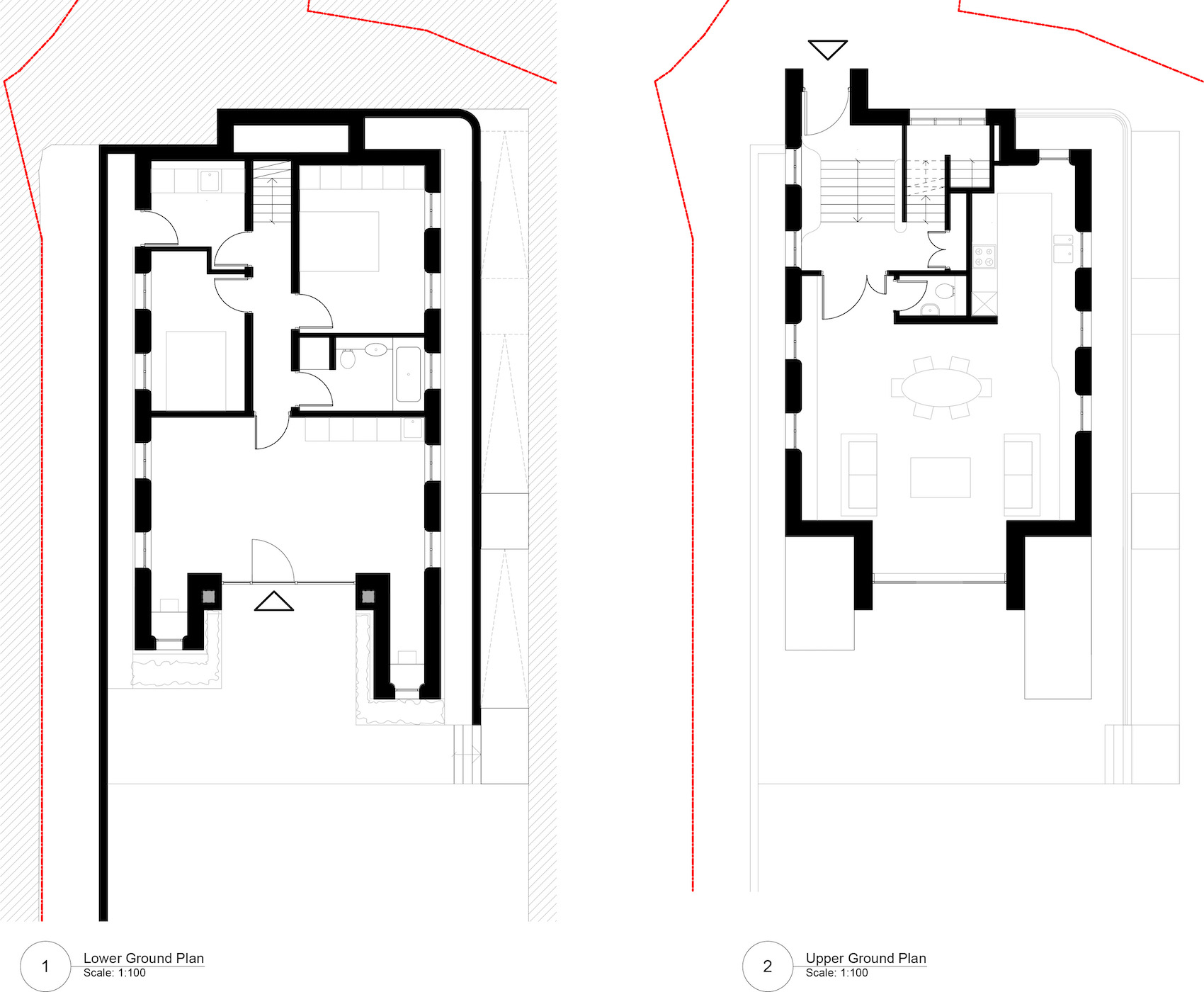
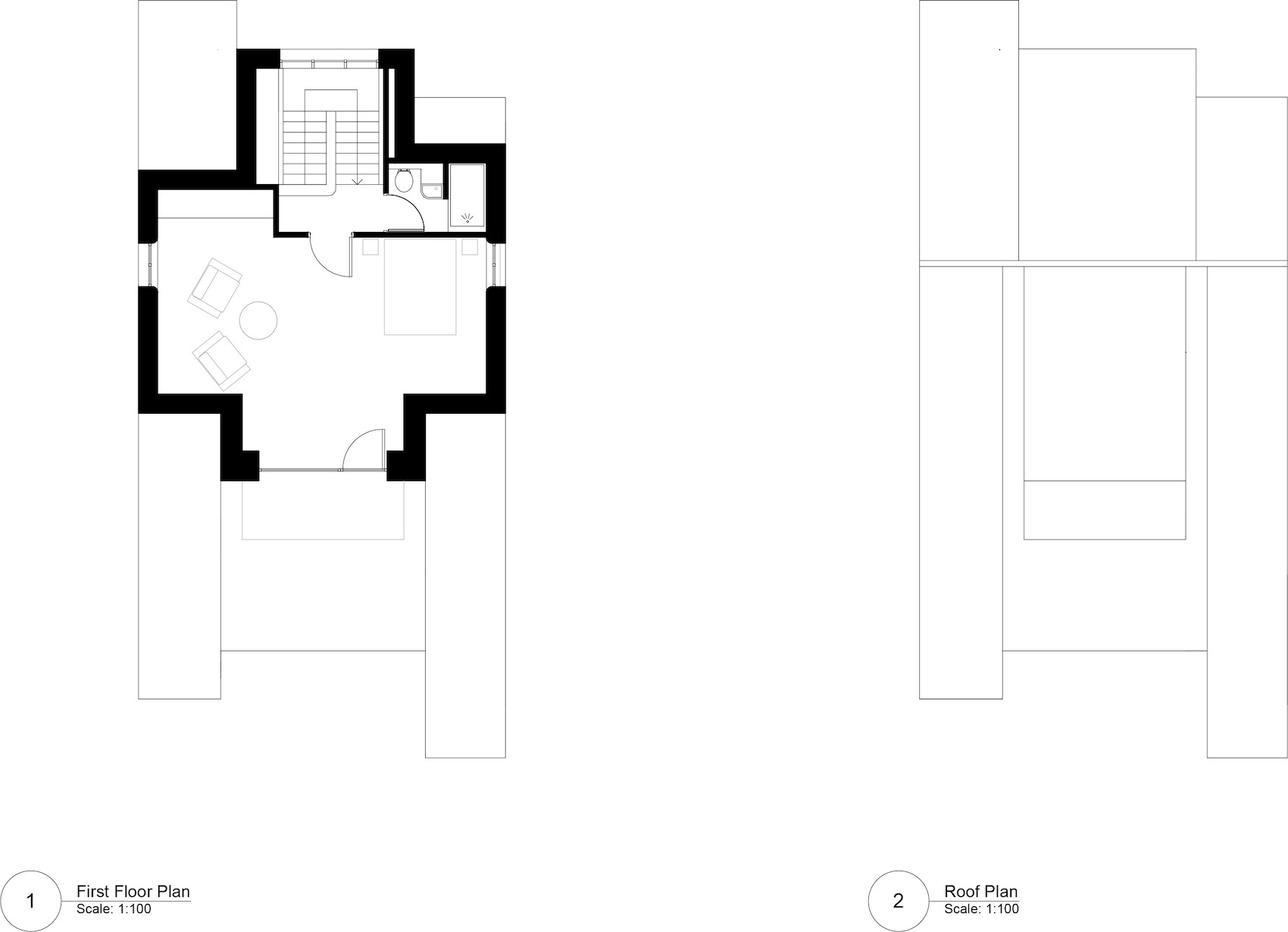
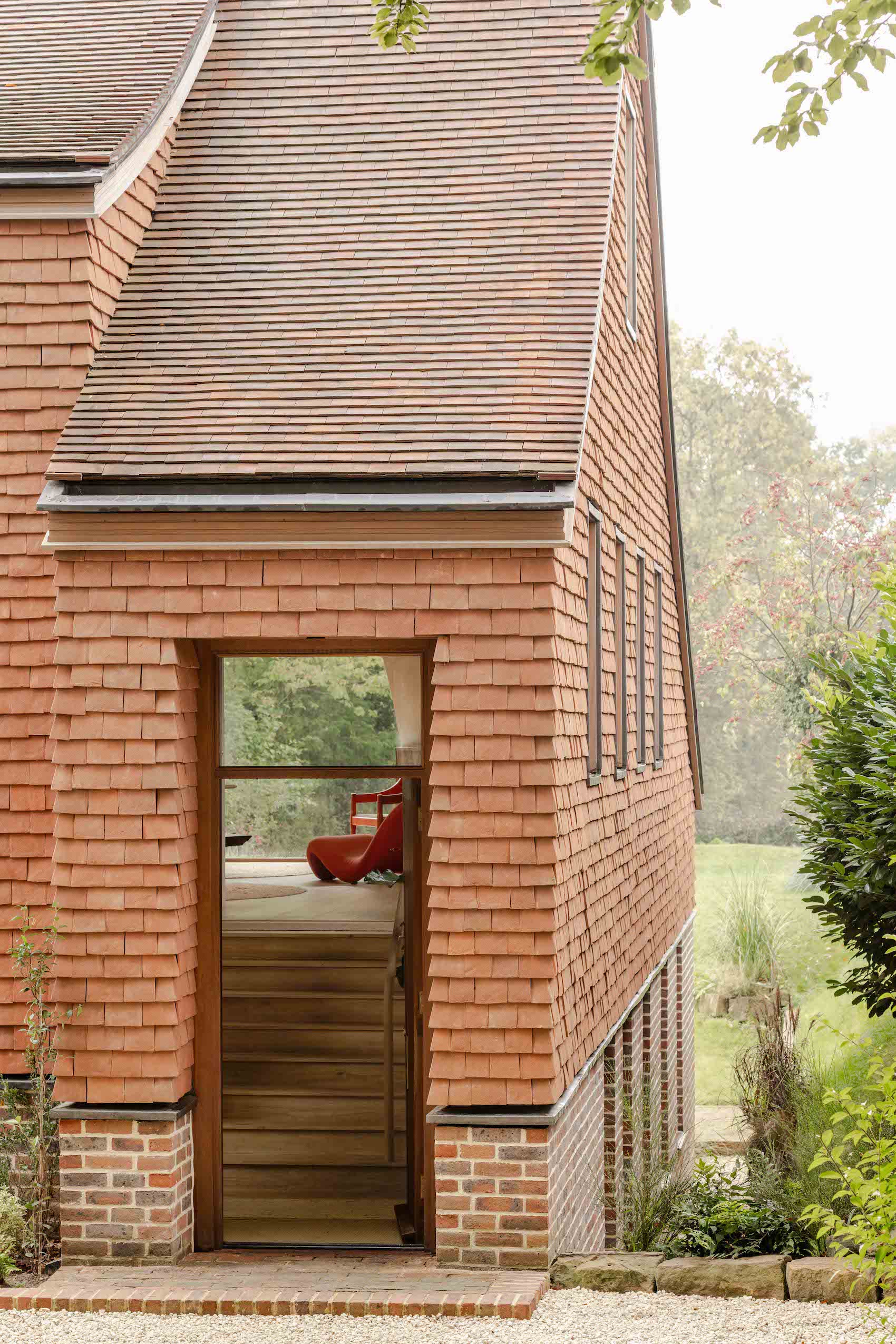
Built using a prefabricated panelised timber-frame system, the structure was erected in just two weeks. Bricks made from site-excavated clay form a continuous skin above a red clay-tile datum. The building is partially embedded into the hillside, with a split-level floor plan creating a two-storey volume at the front and a three-storey profile at the rear. This provides dual-aspect spaces internally, and a dramatic external form that rises from the natural slope of the site.
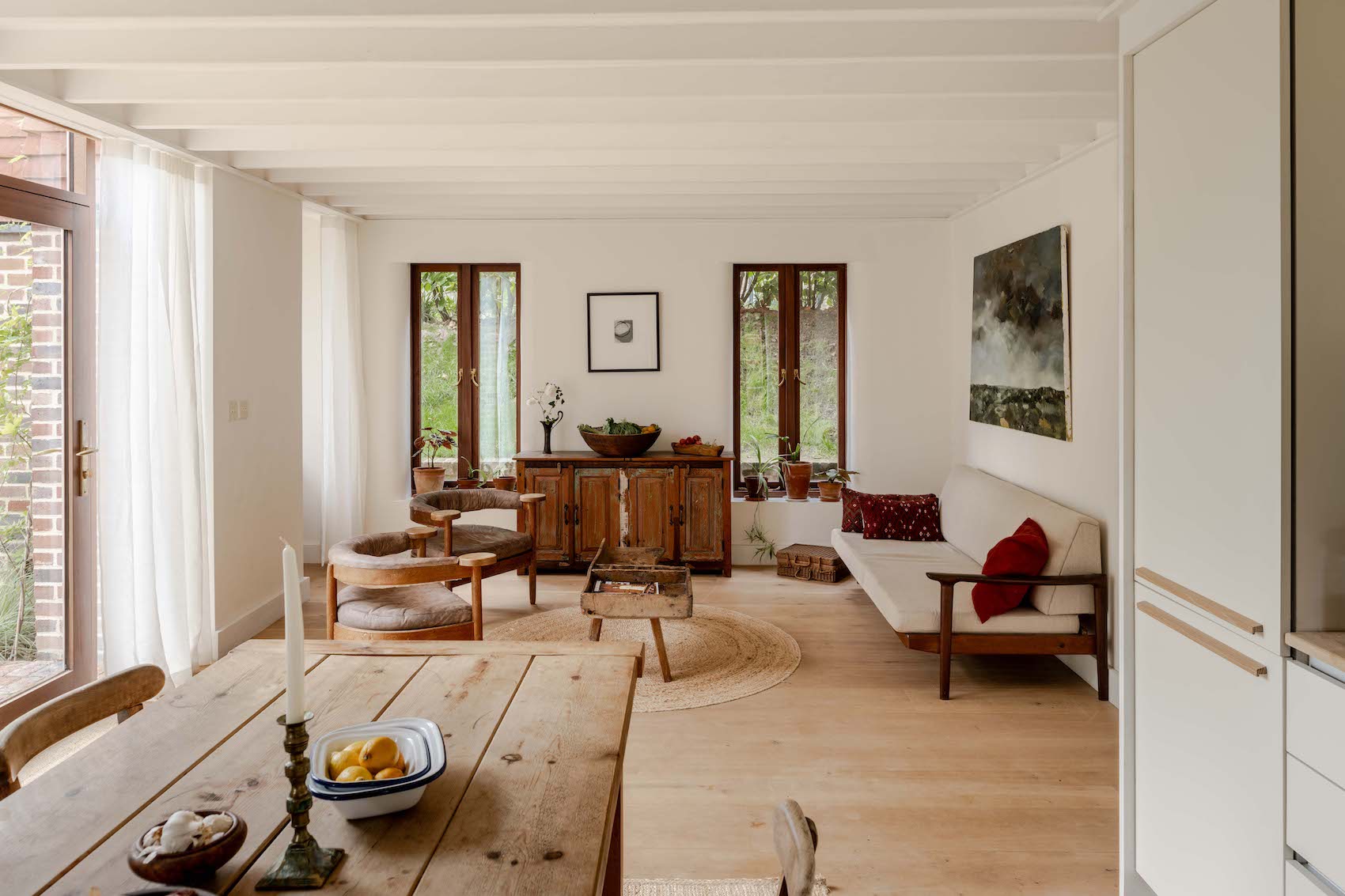
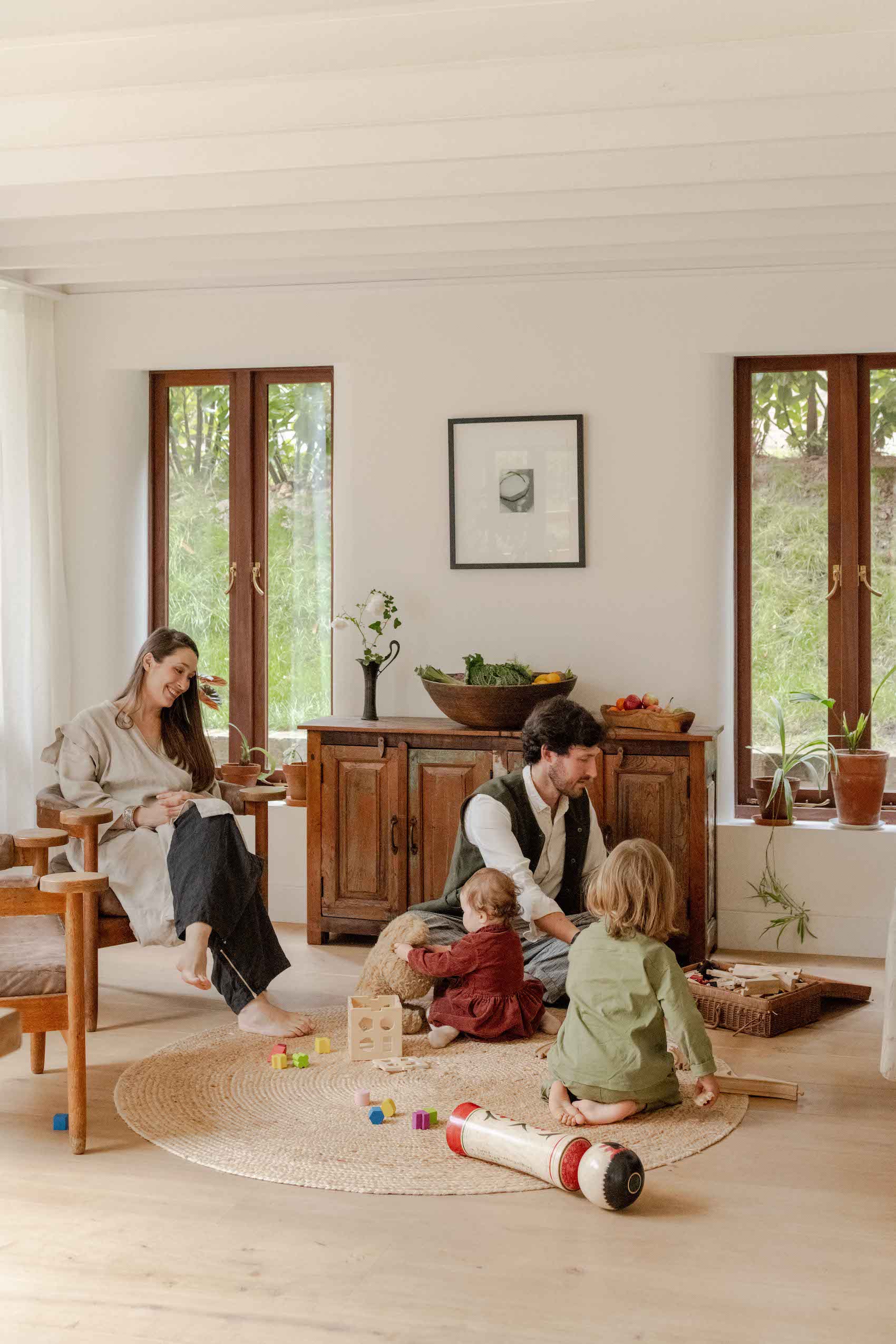
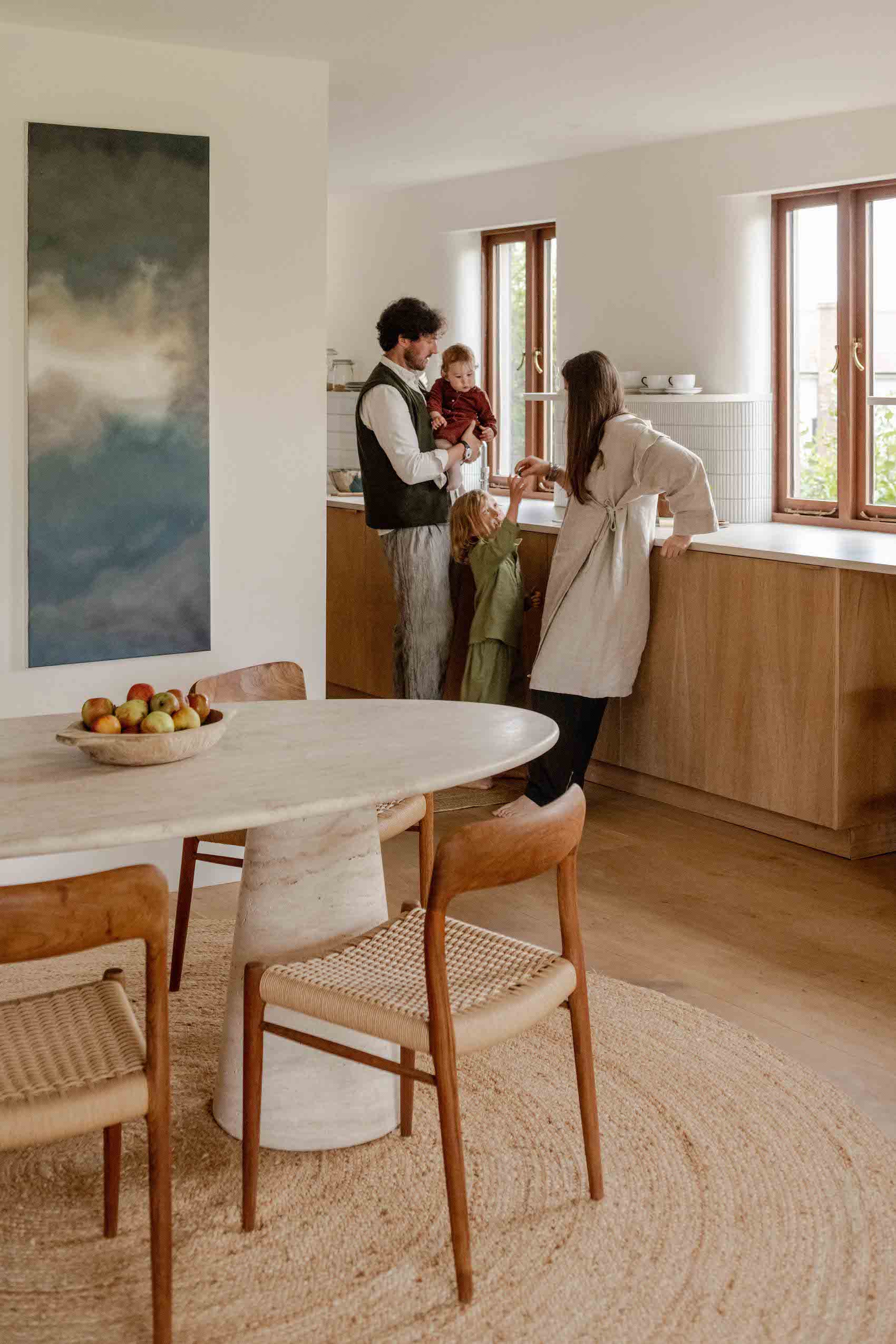
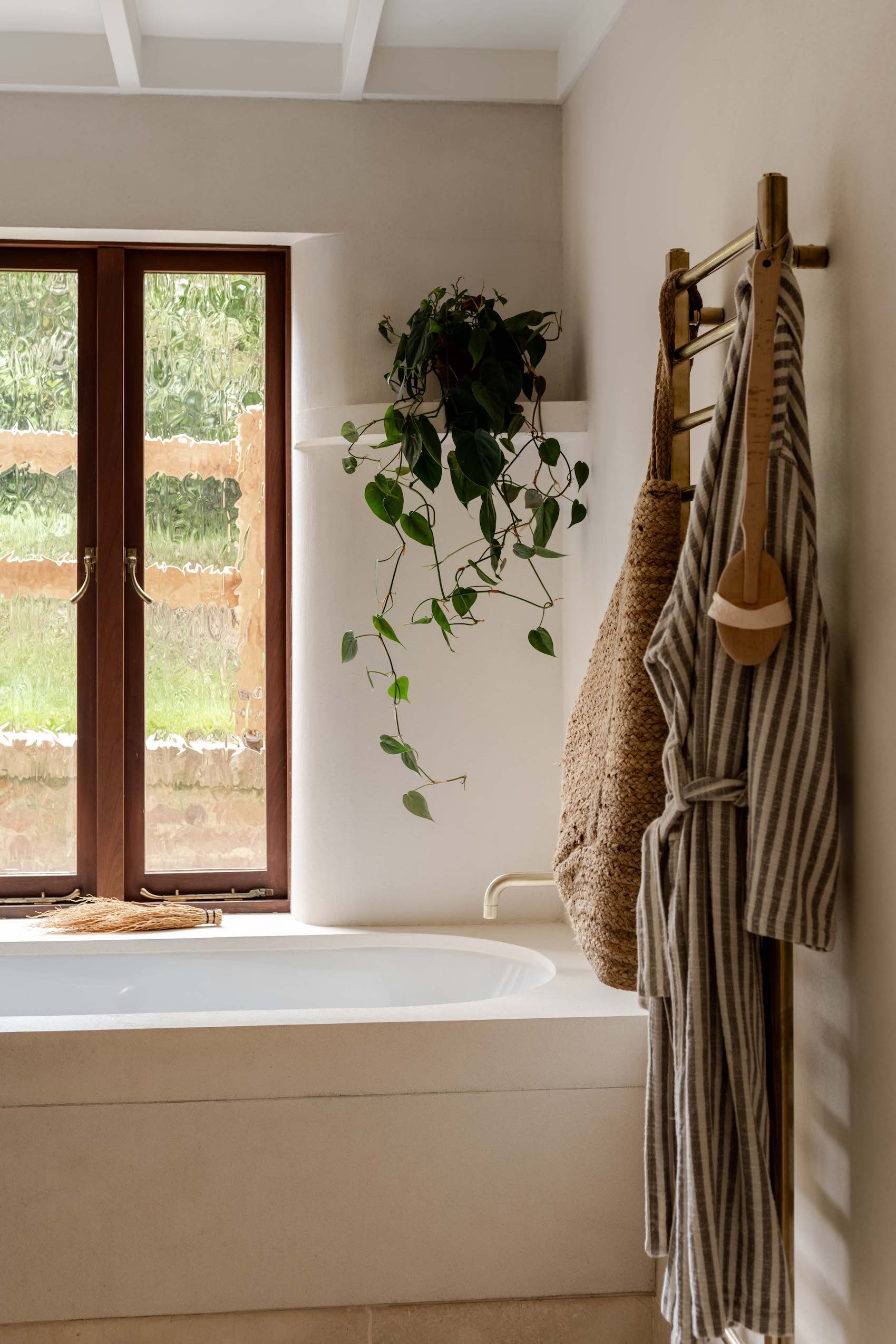
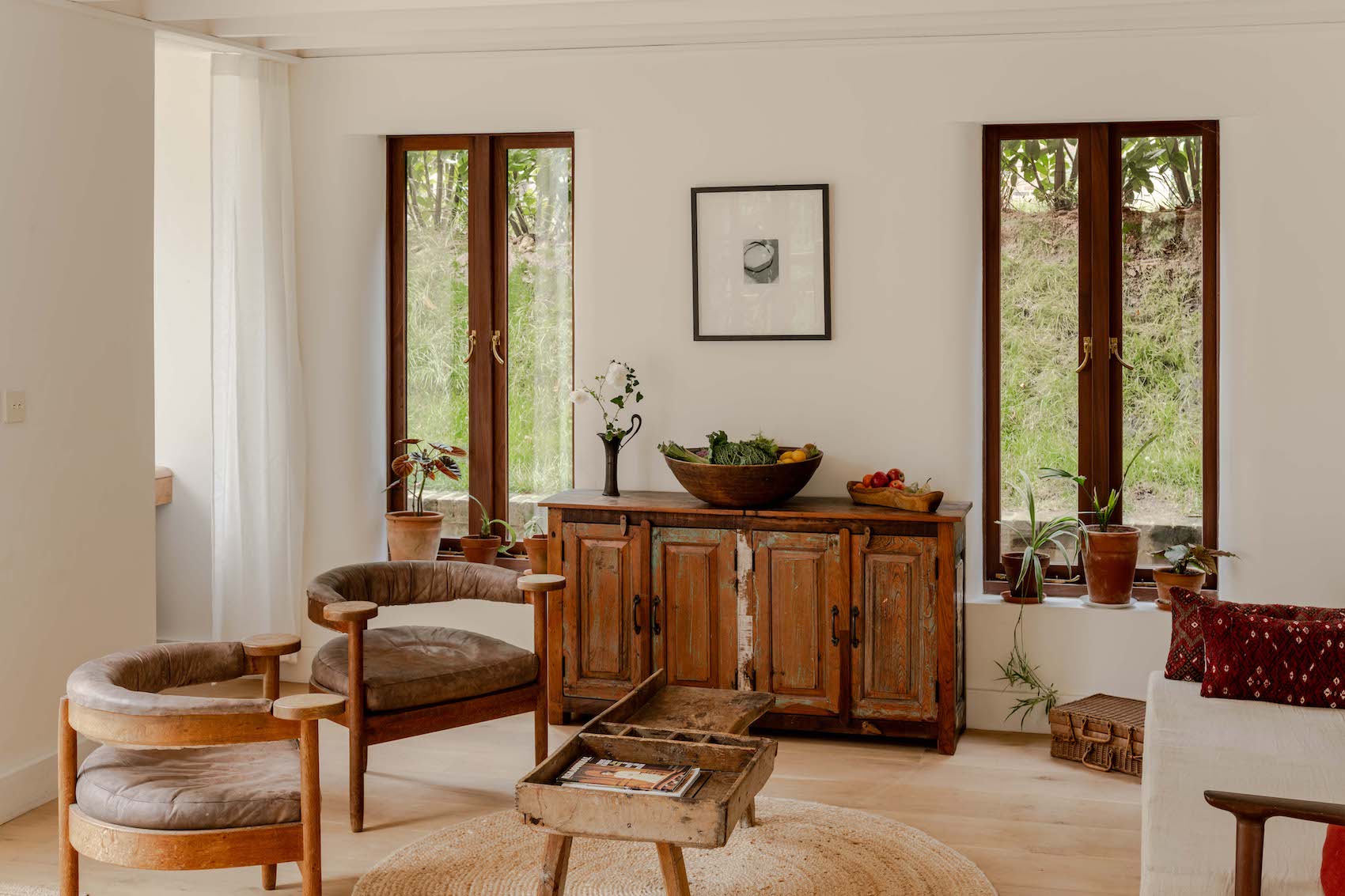
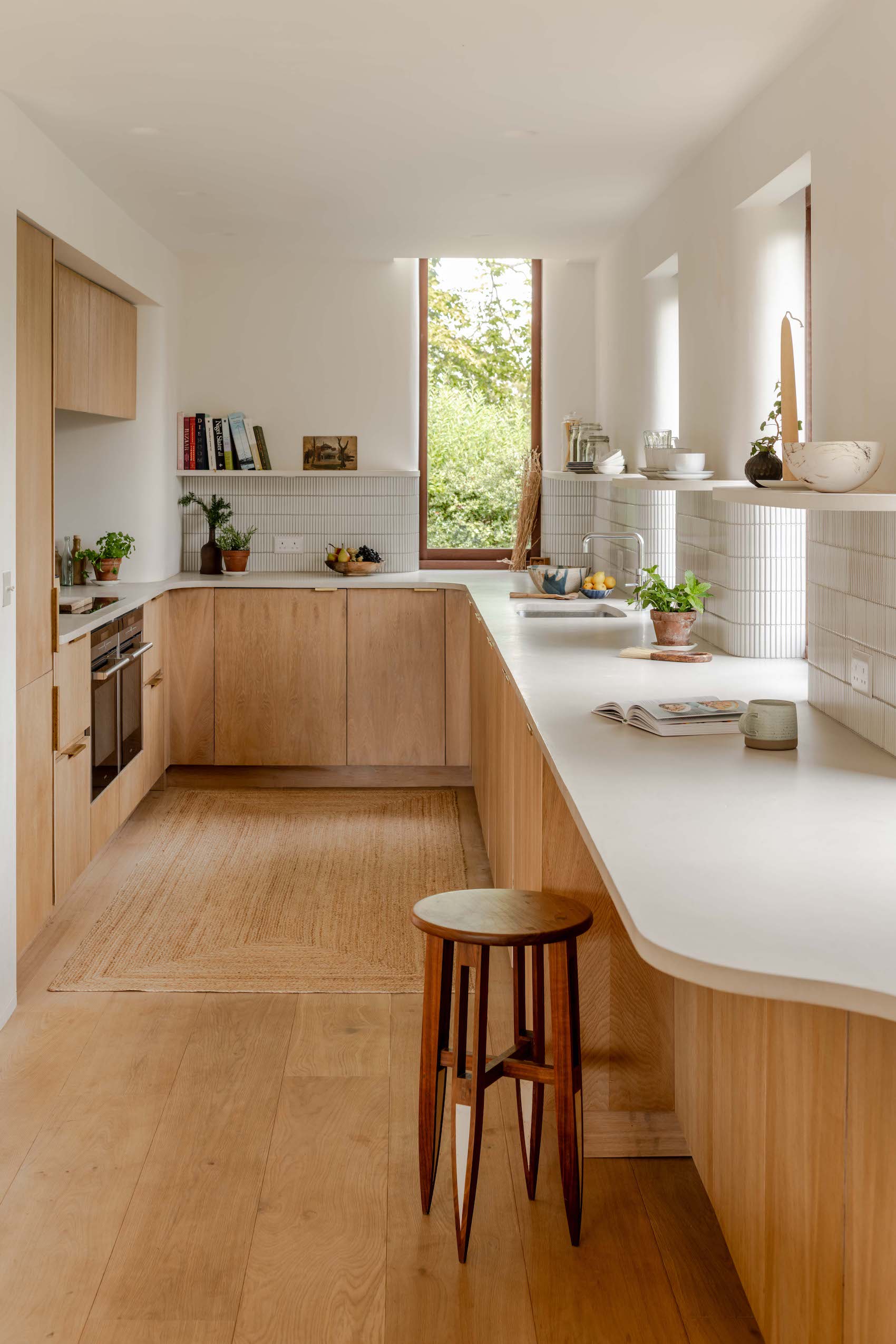
The ground-floor plan includes a self-contained two-bedroom apartment, while the upper levels house the main living spaces and a large primary bedroom suite, which can be subdivided. A curved CNC-cut stair finished in lime plaster serves as a focal point, rising through the house and echoing the roof geometry. Lime plastered walls, exposed stone and timber floors, deep-set sapele window reveals and hand-finished joinery create a calm, tactile interior palette.
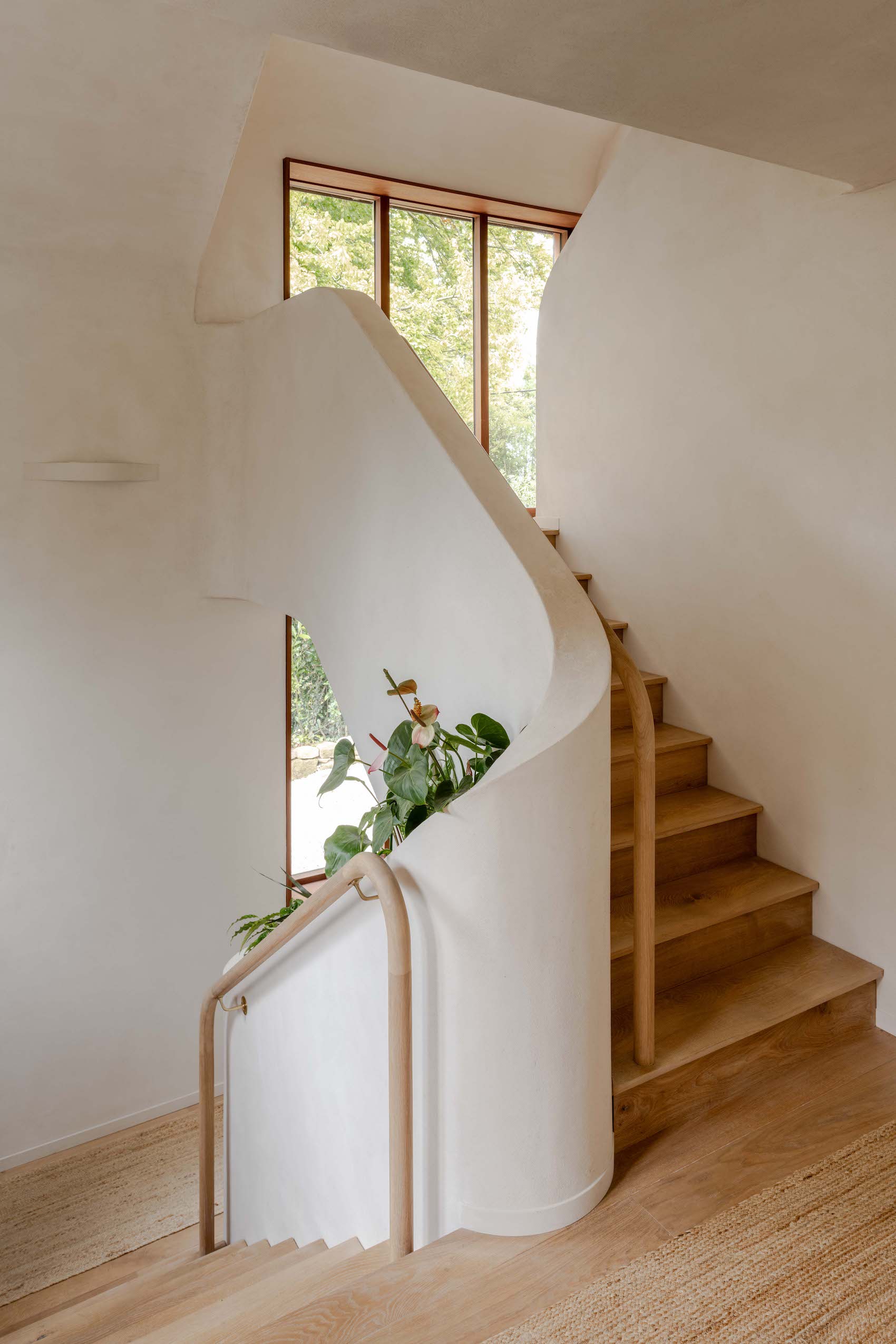
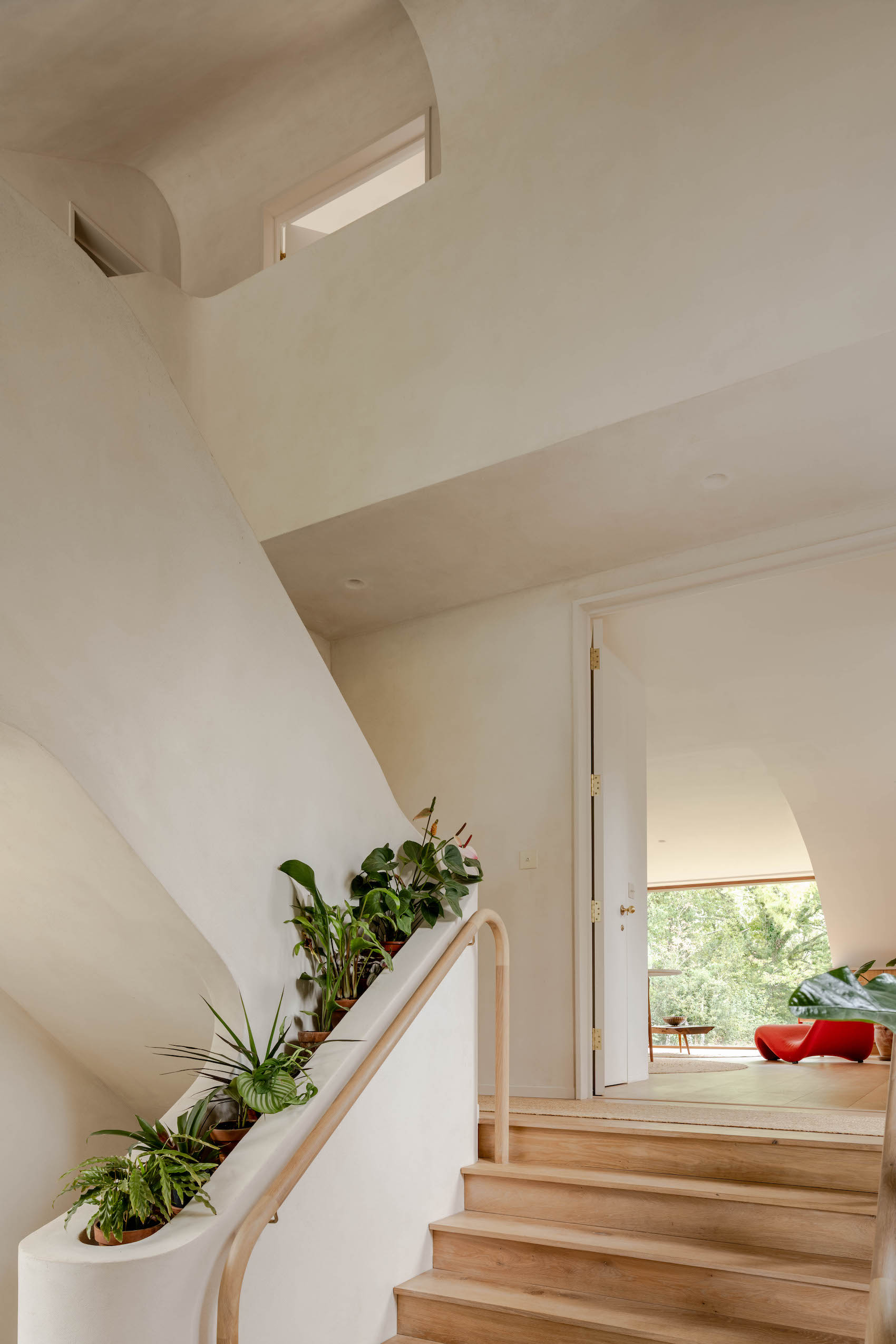
The building is passively oriented for solar gain, with a deep, south-facing window and east-west cross ventilation. A central stair void acts as a thermal chimney to moderate internal temperatures, supported by an air source heat pump, high levels of insulation, and double glazing. Materials were reused wherever possible, including off-cuts from the timber frame and reclaimed kitchen fittings.
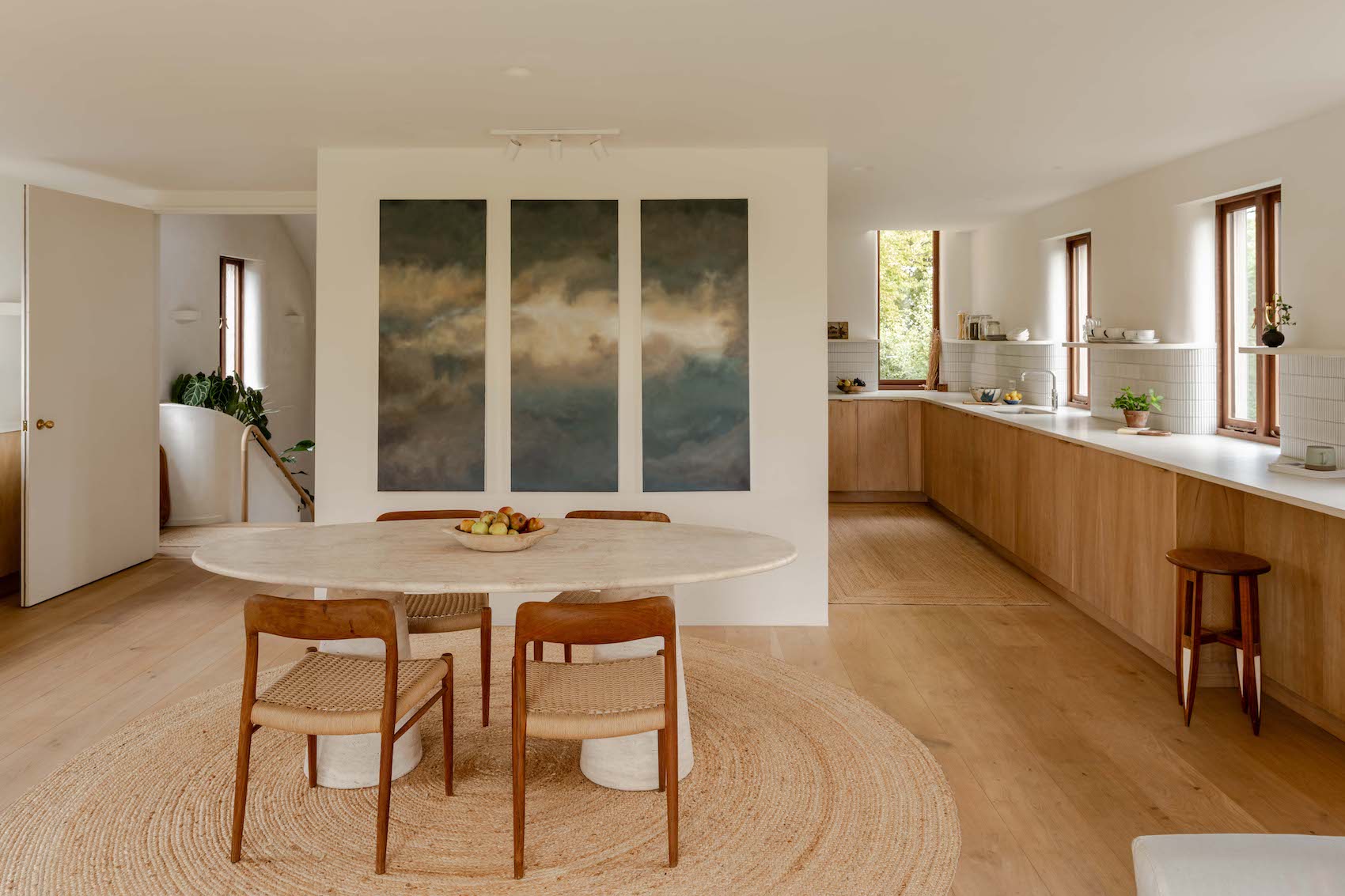
Services, structure and partitions have all been designed to enable future reconfiguration. The practice sees this as integral to the project’s sustainability, ensuring adaption over time to accommodate carers, lodgers, or changing family needs.
“Clay Rise is a versatile family home that has allowed us to explore ideas that we’ve been collecting for many years,” comments Andre Ford, Founding Director of Templeton Ford. “We sought to produce a home that is entirely of its place, through a deep understanding of its context and local craft traditions.”
Credits
Architect
Templeton Ford
Structural engineer
ADEPT Consulting
M&E consultant
Wells Sustainability
QS
Liberty QS
Main contractor
Andre Ford/Self Build
Clients
Andre and Jessica Templeton Ford
Additional images