Milient explores how architectural practices can respond more effectively when project pipelines become unpredictable, and how the latest version of its Project Flow platform is designed to support that shift.
In association with
Paused projects are no longer unusual. Delays, scope changes and stop-start delivery have become part of everyday practice.
For most firms, the challenge isn’t whether disruption happens. It’s how quickly they can respond when it does.
In project-based work, volatility is structural. Pipelines shift, programmes move, and work that once felt certain becomes conditional. The practices that cope best aren’t those that avoid change, but those that are set up to deal with it.
When projects change, the real impact is often hidden
When a project pauses or shifts, the visible delay is only part of the story. The less visible effects tend to be more serious.
Revenue expected this quarter slips into the next, creating pressure on cash flow. Costs continue while billable work slows, quietly eroding margin. Teams can end up in limbo – neither fully utilised nor available for other work. And restarting a project often brings its own hidden costs, from re-briefing to remobilisation.
These effects rarely happen in isolation. They build over time, and they’re often only fully understood after the impact has already been felt.
The real issue isn’t the pipeline – it’s decision lag
Most practices aren’t under-planned. They’re under-informed when conditions change.
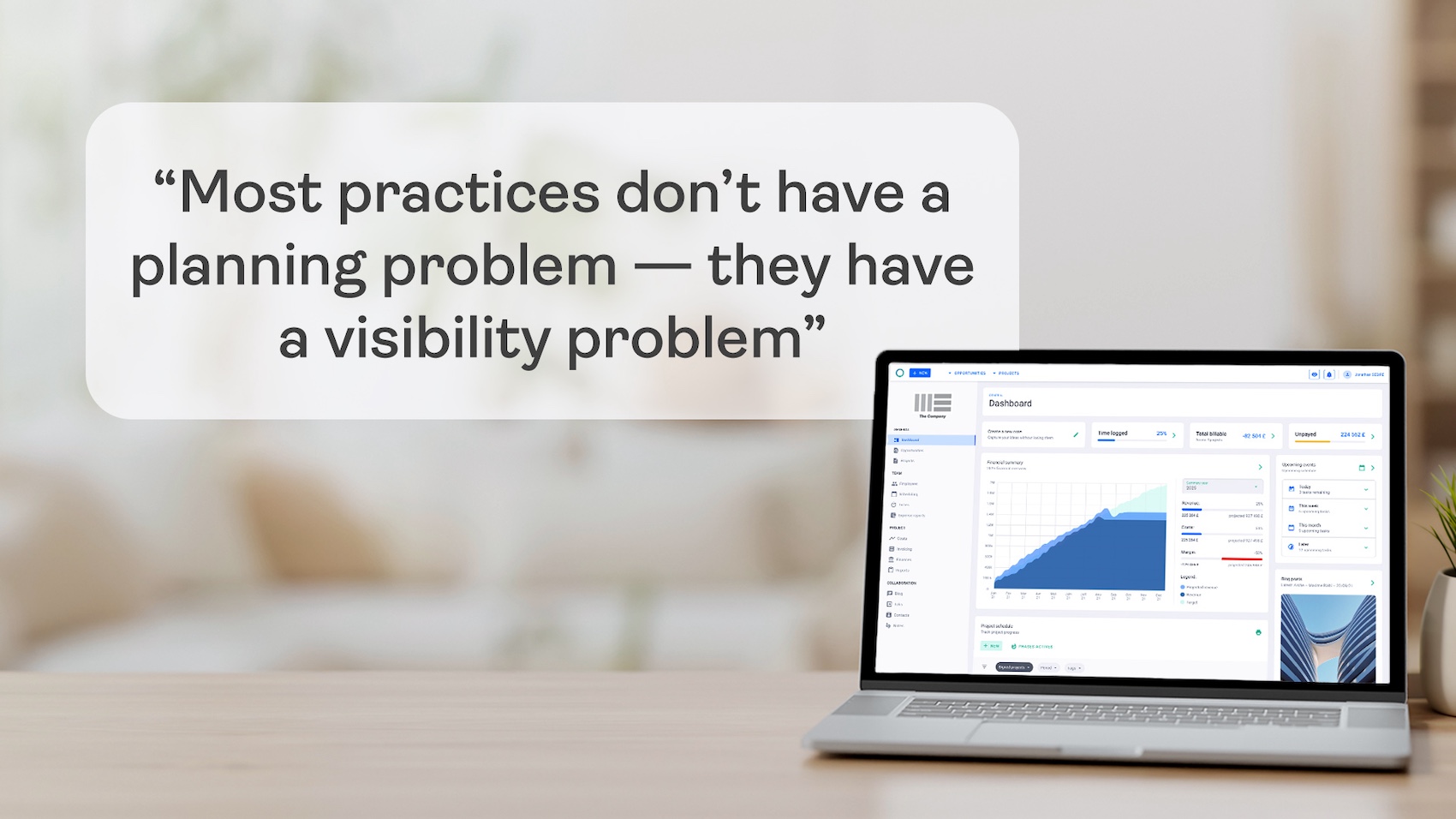
“Most practices don’t have a planning problem — they have a visibility problem. By the time the impact of a change is clear, the opportunity to respond early has often already gone,” says Jules Olivier, Head of Product at Milient.
Information is often fragmented — spread across project plans, resourcing tools and financial systems — making it difficult to form a clear picture quickly. As a result, the commercial impact of change is often only understood weeks later. Teams are moved reactively rather than proactively, and decisions are made under pressure, with little time to consider alternatives.
In this context, speed of understanding becomes a competitive advantage. The longer it takes to see what’s happening, the harder it is to respond effectively.
What resilient practices do differently
Practices that manage this well don’t rely on a single fix. They build capability across several areas.
They put commercial safeguards in place, using contracts and financial controls to limit exposure when scope or timing shifts. They are clearer about risk allocation, agreeing upfront who carries the cost of delays or changes. They maintain disciplined planning cycles, regularly reviewing forecasts and surfacing issues early.
Crucially, they create connected visibility across pipeline, people and finance so decisions are made with the full picture in view.
Turning information into action
When work changes, leaders don’t need more data. They need answers.
- Which revenue is now at risk?
- What fees will move, and when?
- Which teams are exposed?
- What can be reallocated?
- What does this mean for forecast and margin?
The quality of the response depends on how quickly these questions can be answered.
“What matters isn’t having more data — it’s being able to connect it quickly enough to make a decision,” says Olivier.
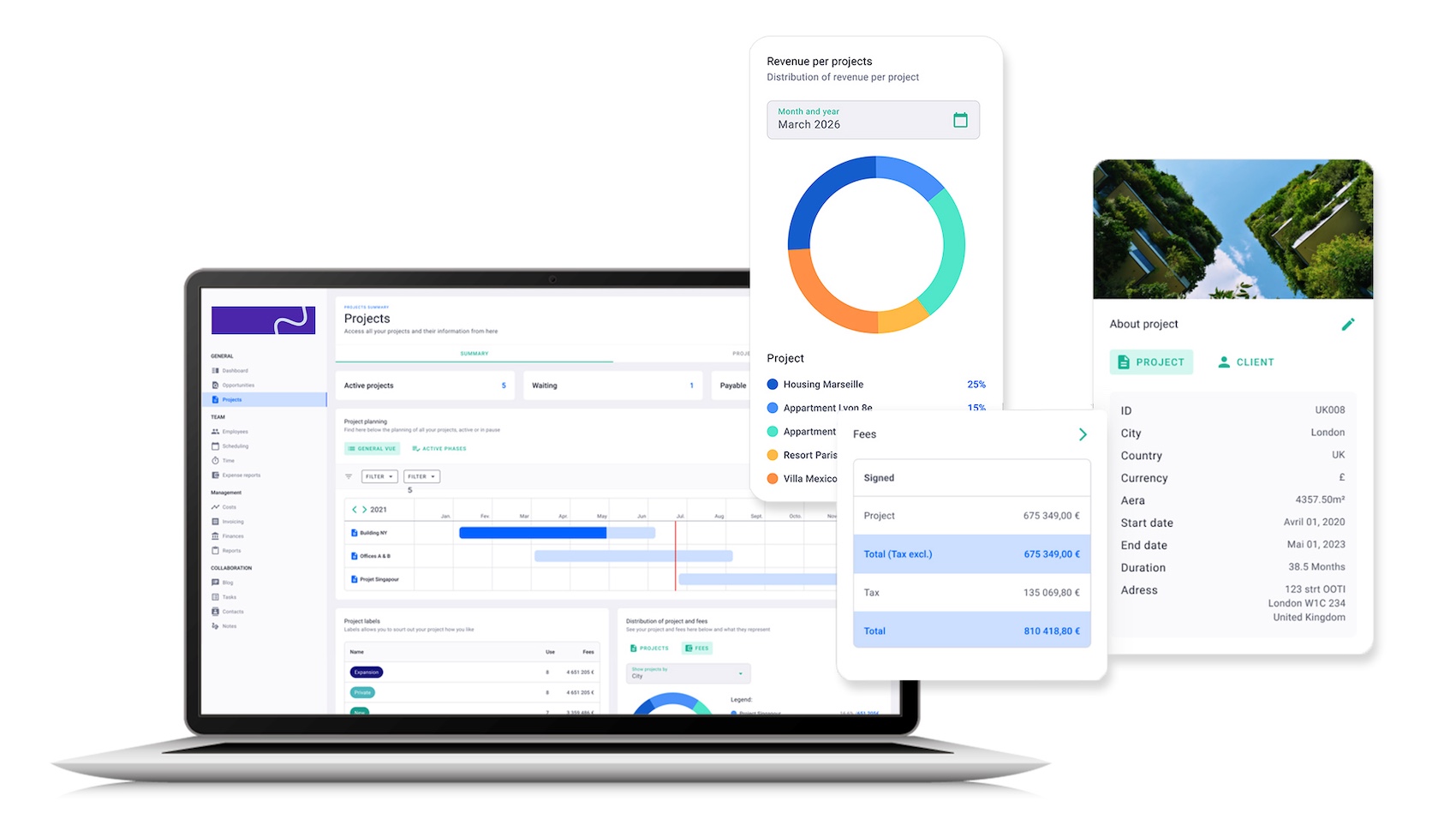
Platforms like Milient support this by bringing together project, resource and financial data in one place, helping practices move from fragmented information to clear, timely insight.

Reducing the gap between change and response
The goal isn’t to eliminate uncertainty. That isn’t realistic in project-based work.
The goal is to reduce the gap between a change and a well-informed response.
Practices that can see earlier, understand faster and act with confidence are better placed to protect both delivery and commercial performance. In an environment where change is constant, resilience isn’t just about absorbing disruption — it’s about responding to it better.
About Milient
Milient provides project management software designed specifically for architecture and engineering practices, helping teams plan resources, manage projects and maintain financial control.
Contact Details
Curious about how Milient could support your practice? Explore the latest version of Milient Project Flow – designed to help practices stay in control when projects move.
Click here to find out more.