Jonathan Tuckey, Catarina Kohut, Emma Carroll and Fraser Biggins discuss how the practice’s approach to materiality is shaped by reuse, site-derived materials, and close collaboration with craftspeople and makers.
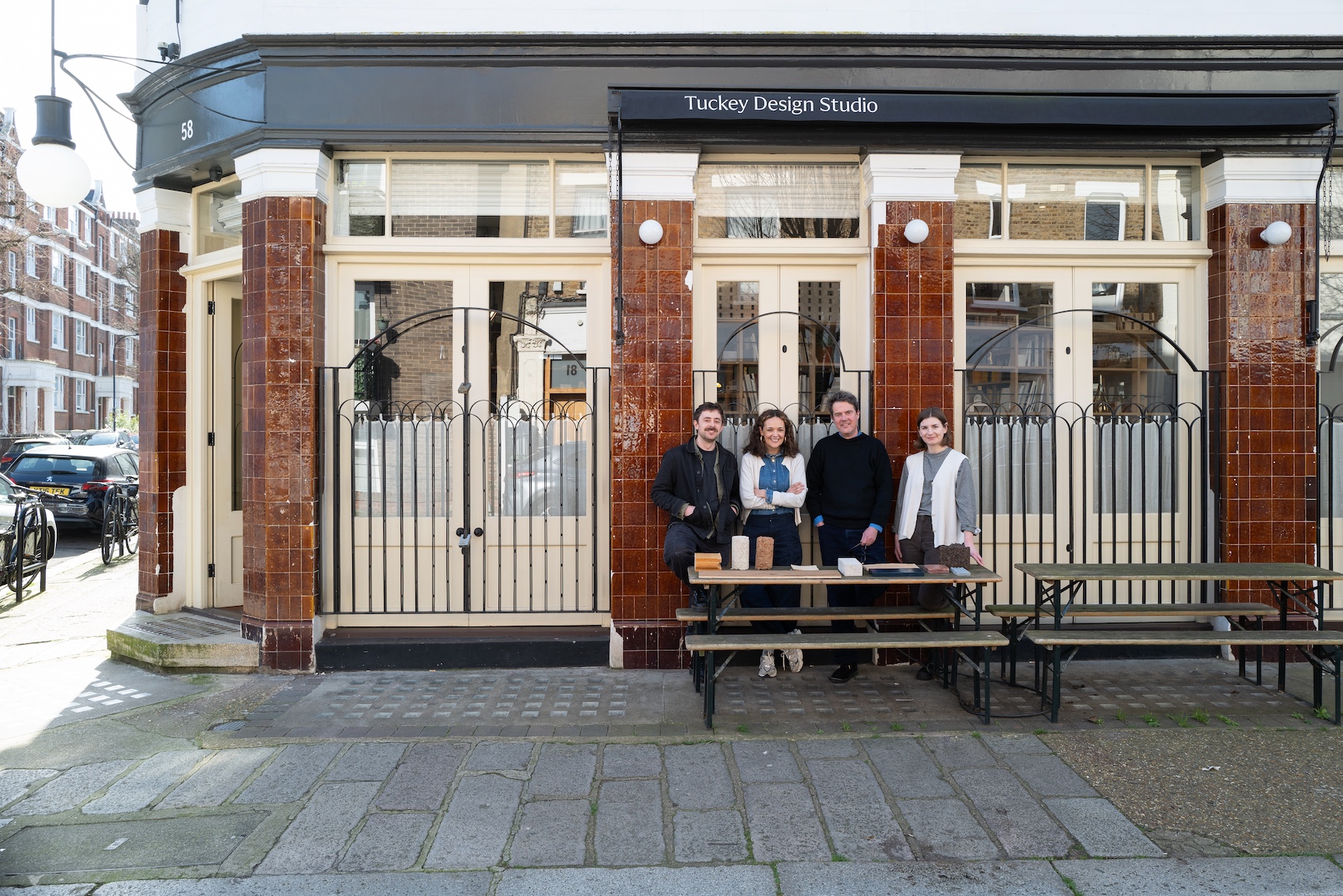
Architect Fraser Biggins, senior associate Catarina Kohut, director Jonathan Tuckey, and architect Emma Carroll pictured outside Tuckey Design Studio’s London office.
Located in a converted West London pub, Tuckey Design Studio (formerly Jonathan Tuckey Design) was founded in 1999 on the principle of reuse. Unsurprisingly, much of the practice’s portfolio involves the transformation of historic or previously used buildings, where the starting point is to retain, repair and work with what is already there. Existing materials are understood not simply as construction elements but as carriers of history, craft and embodied energy. Where new materials are introduced they are typically natural, locally-sourced, and carefully detailed. But whether the practice is working on a retrofit or new-build project, the aim is the same: to create architecture that is valued by the people that use it, adaptable, and capable of enduring over time. Material decisions are therefore closely linked to longevity, storytelling and environmental responsibility, as director Jonathan Tuckey, senior associate Catarina Kohut, and architects Emma Carroll and Fraser Biggins explain.
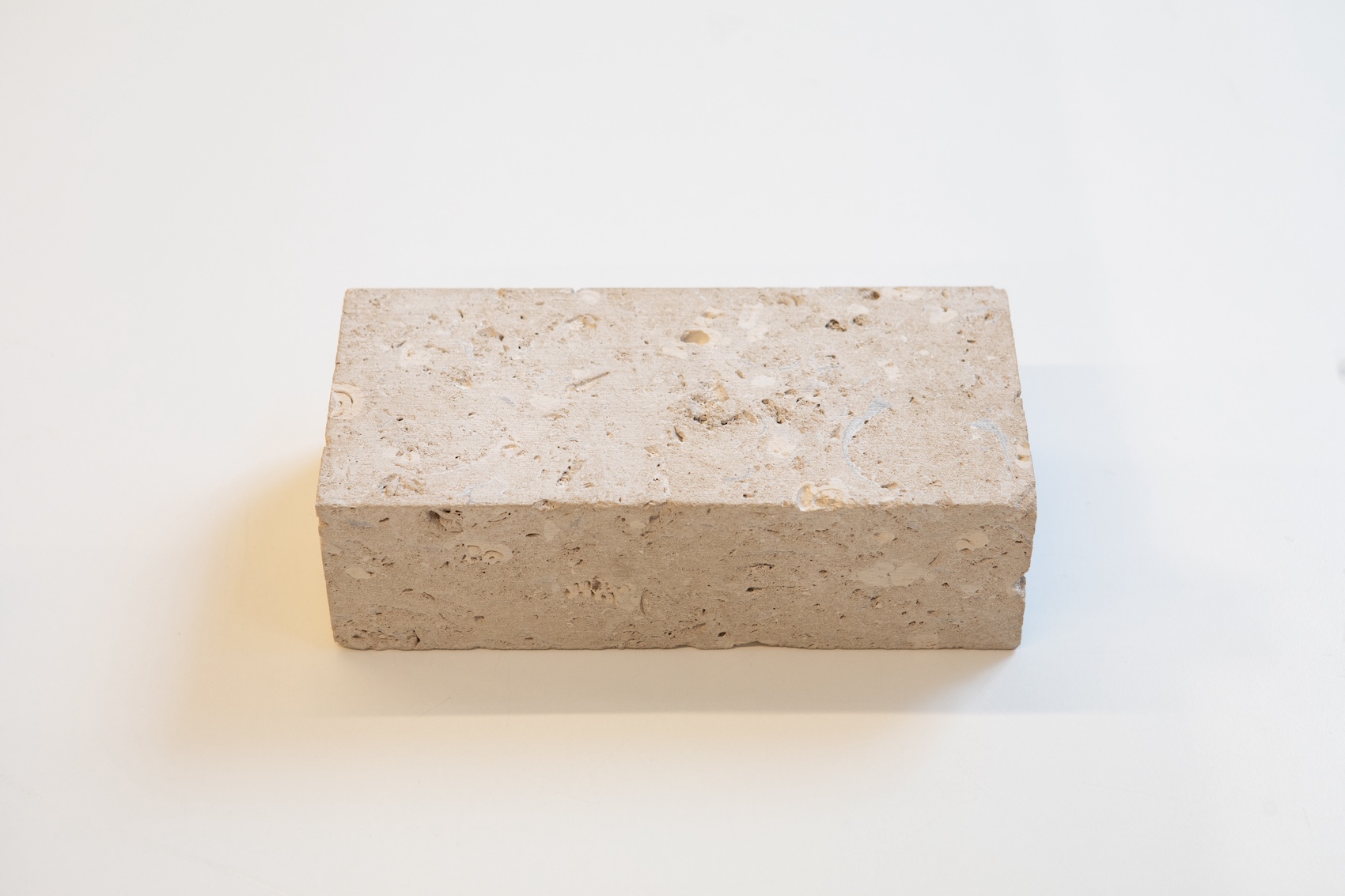
Stone brick by Albion Stone. “We explored whether the tectonic logic of brick construction could be translated into stone. By cutting limestone into brick-sized units we referenced traditional masonry while subtly shifting the material language on a listed house extension in London.”
How is the materials library organised?
Catarina Kohut The library is located in our basement and is organised into two main sections. One vault is focused on interior design materials, so you’ll find hardware, fabrics, rugs, curtain samples and colour swatches there. The other vault is organised in a more architectural way, by material type. If you’re looking for tiles there will be a set of drawers with tiles. If you’re looking for stone or timber samples, they have their own places as well.
How do you ensure that the library remains up to date and relevant?
Catarina Kohut From time to time we do a spring clean, reviewing what we have and deciding what should stay. There’s also feedback from projects. If we find that something didn’t work very well or wasn’t as robust as expected, that might be a reason for removing it. At the same time if a material has been particularly successful we might order more samples in different colours or finishes.
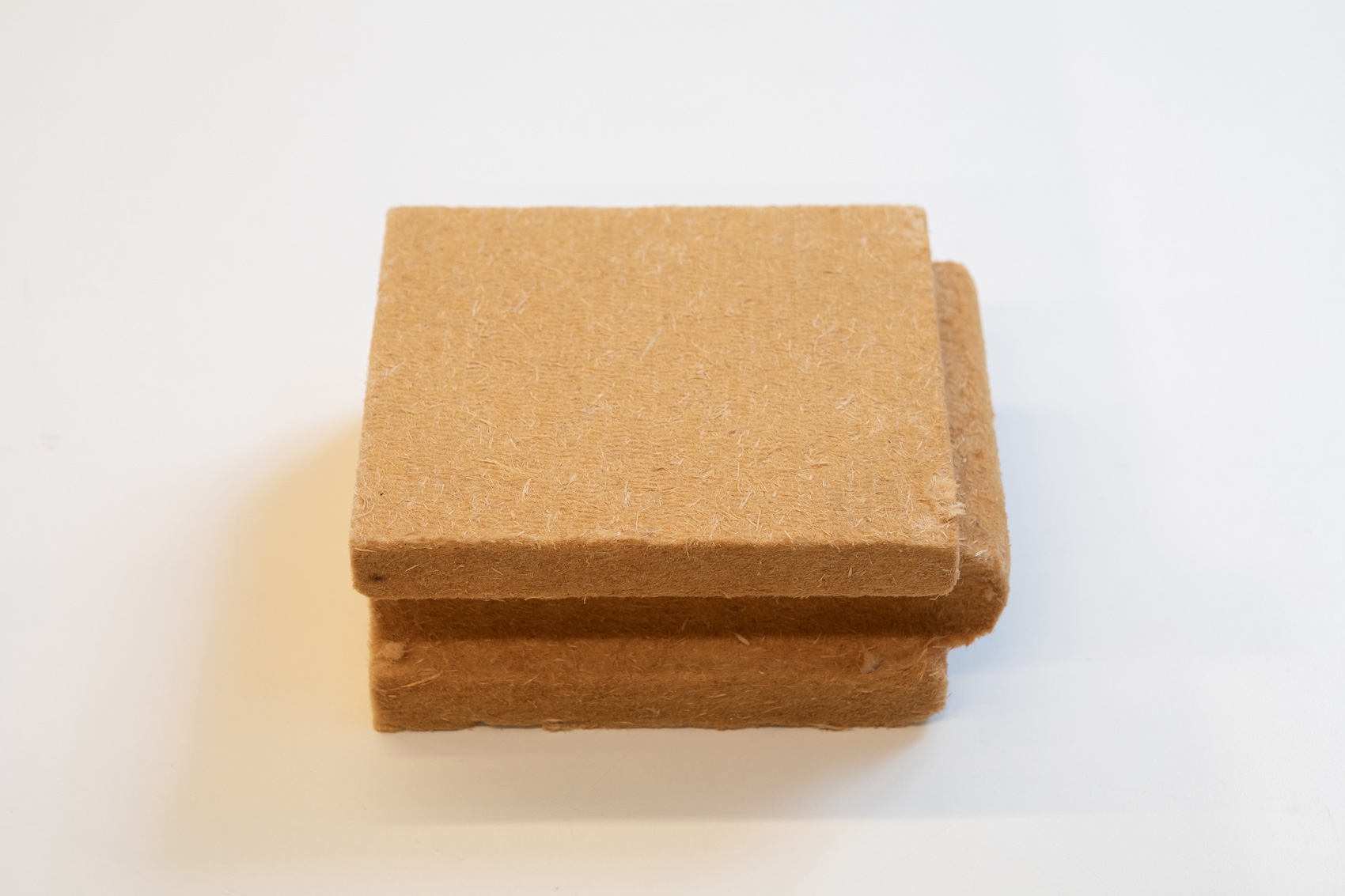
Wood fibre insulation by Steico. “This natural wood fibre insulation is one of our preferred methods for insulating solid walls. It avoids the use of petrochemical-based products and allows buildings to remain breathable while improving thermal performance.”
How do you share feedback if something hasn’t worked? Is there a system for that?
Catarina Kohut A lot of that happens through conversation; we’re a very talkative office! We do have supplier contacts where there might be notes saying that something worked really well or not so well. But generally it’s quite informal. It’s about being in the same room and sharing experiences.
Fraser Biggins There’s also a longer-term dimension to this. Sometimes the most useful feedback comes five or ten years after a project is finished. It’s not always about how the material looked when it was installed. It’s about going back later and understanding how it aged and what maintenance it required. That’s something we’ve been trying to do more often recently; revisiting projects and reflecting on how the materials have performed over time.
Jonathan Tuckey Another thing about the library is that over the years we’ve been consciously purging materials from it. Sometimes we inherit a whole set of samples that might look interesting but aren’t actually good materials. If something sits in the library there’s always the risk that someone will pull it out and say, “I love this, let’s use it everywhere.” So occasionally we go through the drawers and ask ourselves whether something really deserves to be there. The library shouldn’t be a collection of things that are just ‘nice’, it should contain materials that we actually believe in using.
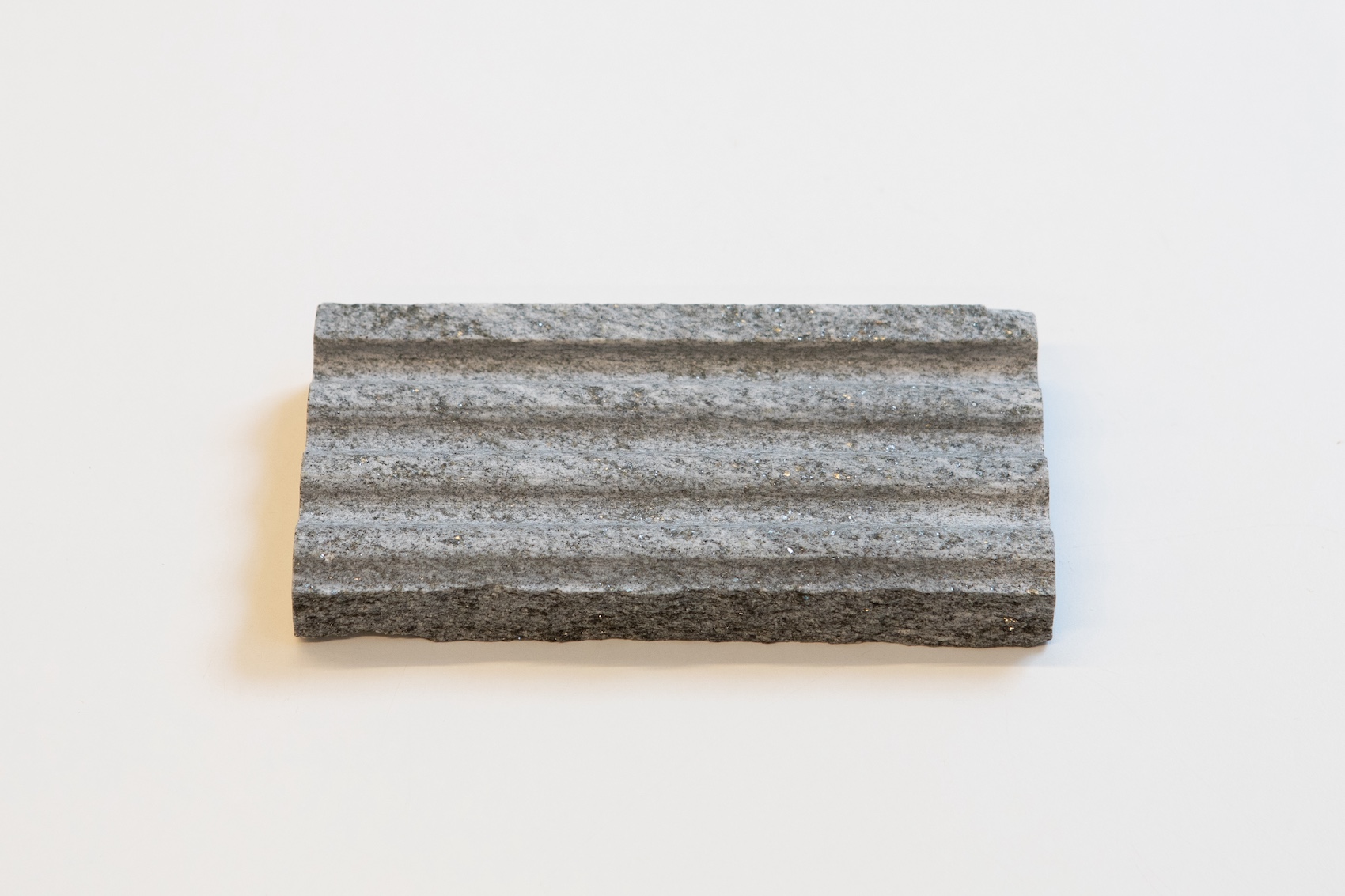
Fluted Luserna stone panel by De Giambattista. “Luserna stone contains quartz crystals that catch the light beautifully. By carving it with a fluted finish we were able to soften its appearance and create shadow lines that helped it sit comfortably alongside older surfaces on a residential project in Lombardy.”
How do you evaluate materials in terms of longevity, maintenance and life-cycle impact?
Fraser Biggins The practice tends to work with natural materials, and for us longevity doesn’t necessarily mean that the material stays exactly the same as when it was first installed. We’re interested in materials that can age well and develop patina. They should tolerate life, weather and change. It’s less about a specification that guarantees something for a certain number of years and more about understanding how a material behaves over time. We also think about repair cycles. Porcelain tiles are a good example of something that’s very difficult to repair once it chips. Materials like stone or timber, by contrast, have long traditions of repair and replacement. More recently we’ve been thinking about how materials are fixed in place. If they can be demounted, they may have a second life after our project.
Catarina Kohut And of course keeping what is already there is often the best solution, because it has already proven its worth.
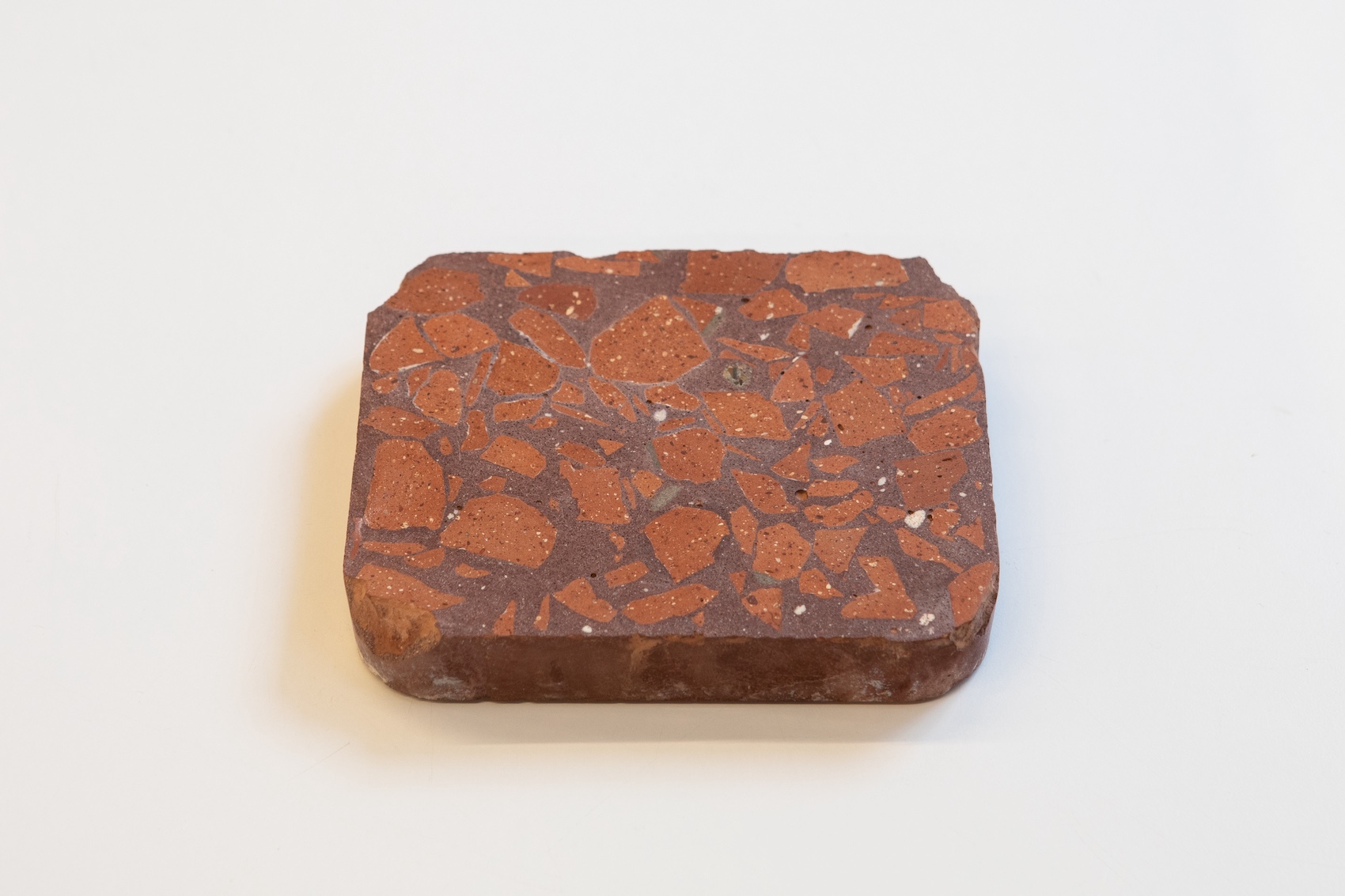
Terrazzo by Niche Polished Concrete. “This terrazzo incorporates crushed terracotta tiles, brick fragments and clay roof tiles salvaged from the site. Recasting them into a polished surface allowed the building’s history to remain visible within the finished architecture.”
Have digital tools or databases changed the way you research and specify materials?
Emma Carroll Digital tools tend to support the way we already work rather than completely changing it. When we’re selecting materials we’re always thinking about the context they’re going into. From experience we often have a sense of what might work in a particular location. What digital tools allow us to do now is measure those decisions more objectively. Increasingly we’re using software to analyse environmental impact, carbon or performance, particularly in the early design stages. But we’re not led by these tools alone
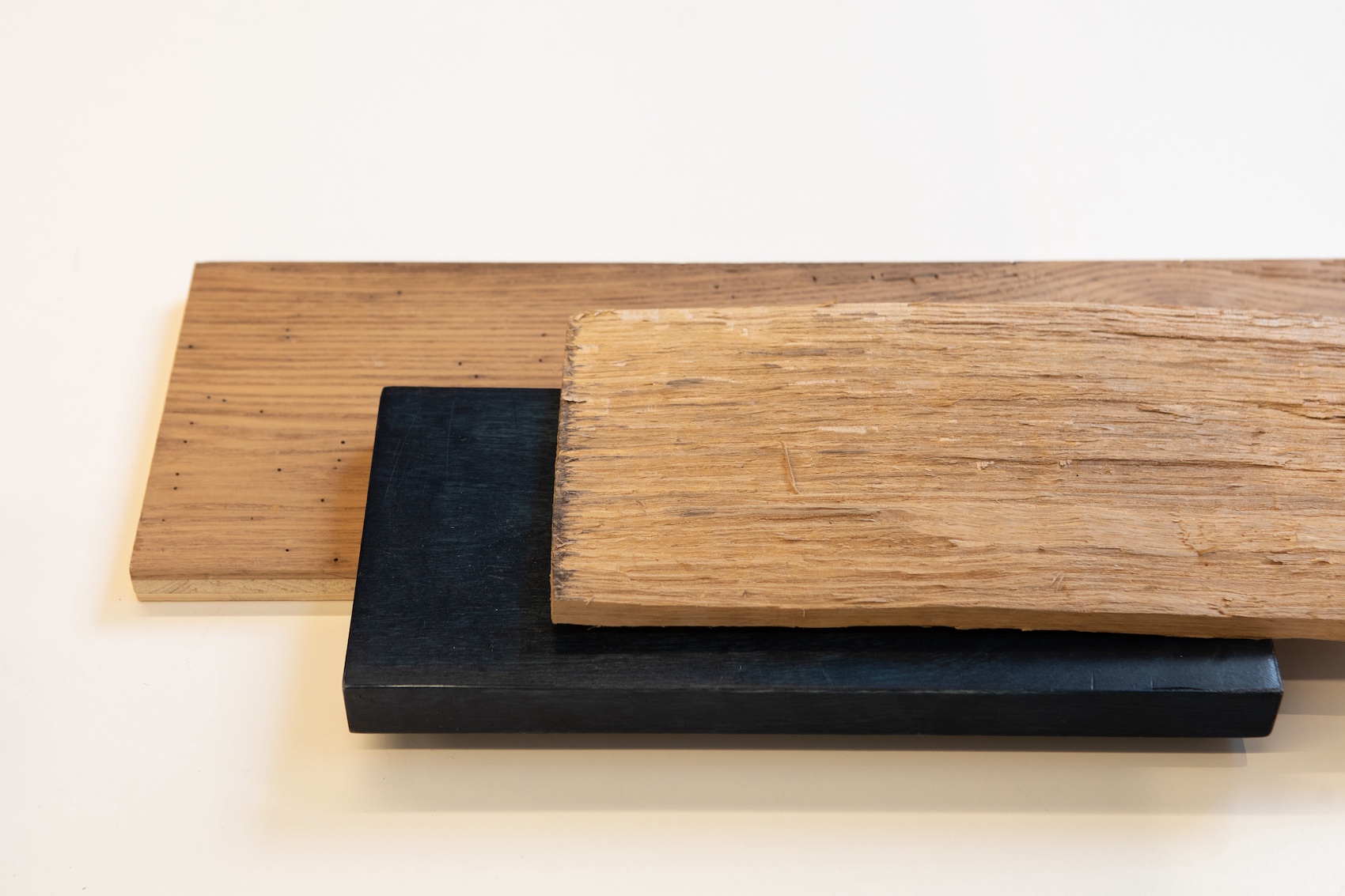
Oak roofing shakes, thermally treated oak, and thermally treated and painted chestnut panel by Pozzi. We often explore multiple timber species and finishes within a single project. The variety of grains, colours and treatments allows timber to express different characters while retaining its warmth and tactility.”
Your work often involves adapting or reusing existing buildings. How does that influence your material selection strategies at the outset of a project?
Emma Carroll The starting point is always the building itself. When we visit a site we survey what’s there and try to understand the character of the materials that already exist. Reusing those materials is not only good from a carbon perspective, it also enriches the story of the building. At Rammed Earth House in Wiltshire, for example, some of the colour in the rammed earth walls comes from crushed bricks that were part of a building that previously occupied the site. You can see small fragments of orange and know that those came from a chimney that stood on the site. It adds another layer of meaning to the project.
Jonathan Tuckey Hollingbourne House is another good example.
Emma Carroll Yes, that’s a timber-framed house renovation in Kent that’s currently nearing completion. The clients disliked the existing terracotta floor tiles, particularly the dark grout which made them look dirty. But the tiles themselves were robust natural materials, so we looked at ways of reintegrating them rather than discarding them. The solution was to crush them up and relay them as terrazzo ‘rugs’ in different parts of the house, such as under the dining table, beneath the kitchen island, and in other key spaces. Also incorporated into the terrazzo mix are pieces of brick that were removed from the façade when we created a larger window opening; damaged clay roof tiles; and even an old granite kitchen worktop.
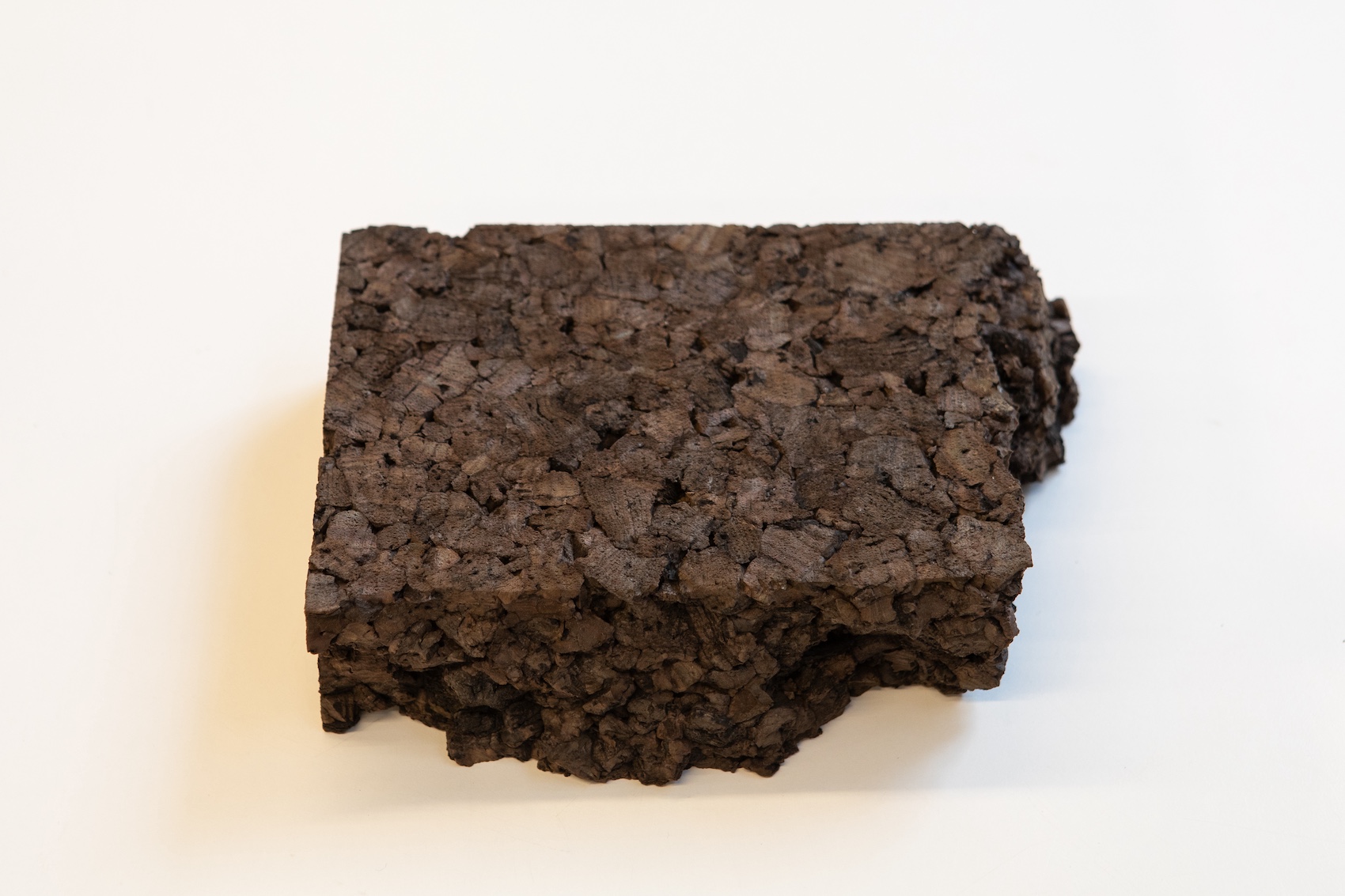
Cork cladding by Amorim. “This expanded cork product is made in Portugal using compressed cork granules. It provides insulation, weather resistance and a distinctive tactile surface that we are interested to see develop patina over time.”
Jonathan Tuckey What’s lovely is that the clients now love the story. The thing they originally hated has become one of the most meaningful parts of the project.
Emma Carroll Another example is the original timber floor. This comprised wide oak boards with traditional nails, which the clients disliked because they were forever catching their socks on them! Instead of discarding the boards, we lifted them up, removed the nails and turned them into the kitchen cabinets in the same room. Working loosely with joiner Sebastian Cox, we kept the nail holes visible so you can still read how the boards were originally fixed. It’s about adapting what’s there rather than completely replacing it.
Catarina Kohut We try to carry out an extensive material audit when we first arrive on site. Sometimes materials aren’t sustainable in themselves, but they’re already there. It would be wasteful to discard them simply because they don’t fit a preconceived idea of what the project should be. We try to keep an open mind and record everything that’s present before making decisions.
Emma Carroll On our winery project, which we are currently working on and is based around a converted grain store in West Sussex, we documented all the site materials and looked for ways to reuse them. The building has a slender concrete frame and precast panels dividing the bays. To make the winery work those panels will need to be removed, but instead of discarding them we are going to use them as the base for a new building within the existing one. That inner structure will be made from straw-clay blocks and the reclaimed panels will provide the base that they sit on.
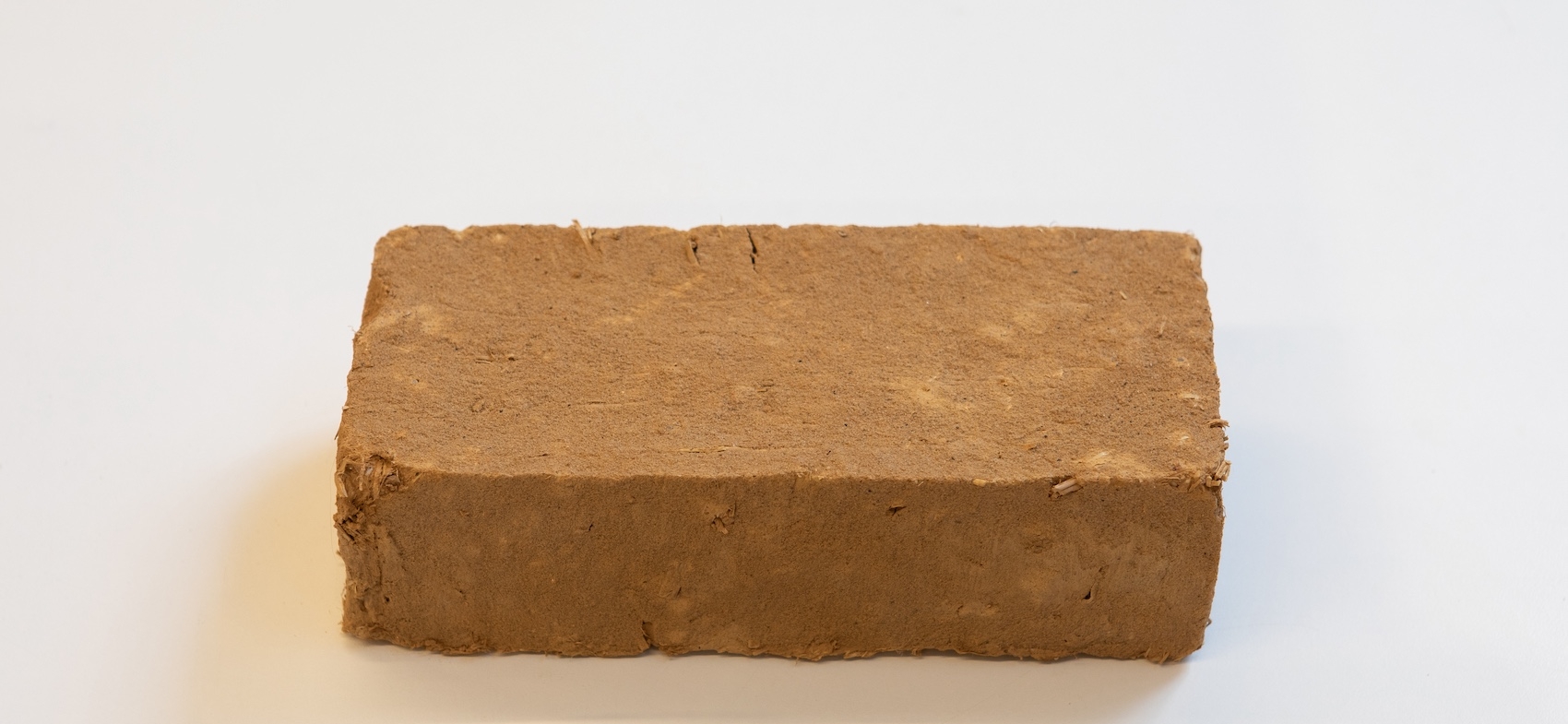
Strocks by HG Matthews. “These compressed straw-clay blocks combine structural capacity with thermal mass. On our Titch Hill project in West Sussex, they will be made using straw from the surrounding agricultural estate, reinforcing the building’s connection to its landscape.”
How do you decide what to preserve and when to intervene with new materials?
Catarina Kohut Our immediate reaction is to keep anything that is in good condition. We often inherit materials that would be extremely expensive to recreate. Sometimes they’re not perfect, though. On our London office, for example, the tiles on the façade were covered by later additions. When we uncovered them they were more worn than the newer tiles that had covered them, but we embraced those imperfections. On a residential project at Lake Como we inherited beautiful Luserna stone steps, but the risers were finished in simple plasterboard. Instead of replacing everything we added new Luserna stone-faced risers with a fluted finish. The old and new stone elements are centuries apart but they complement each other perfectly.
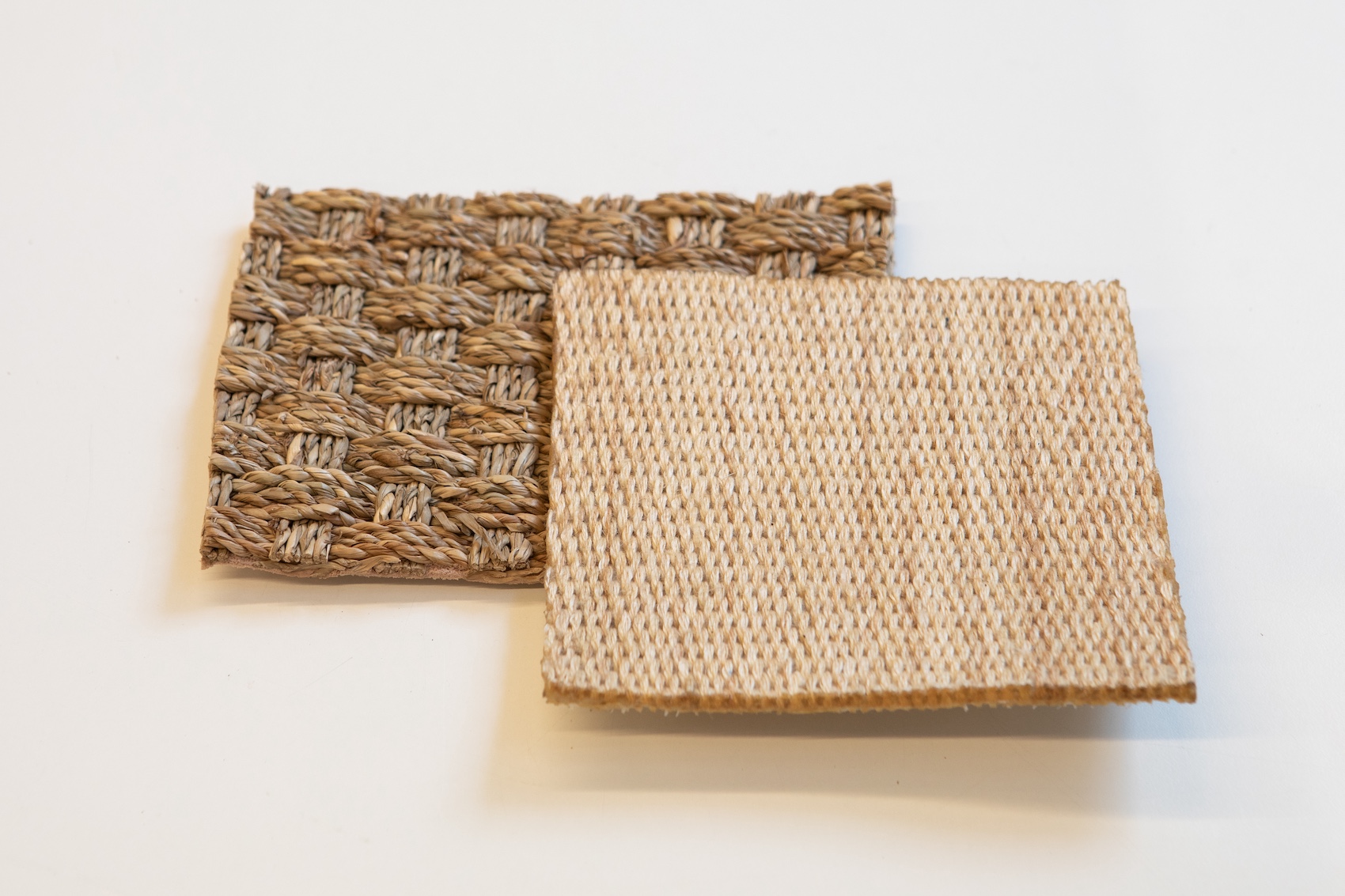
Natural fibre floor coverings by Kersaint Cobb and Elitis. “We try to introduce natural fibres into our interior designs wherever possible. Linen and seagrass bring softness, tactility and warmth, providing a natural counterpoint to harder architectural surfaces.”
How do you know when something should stand out and when it should remain in the background?
Catarina Kohut It’s a balance that comes with experience. Sometimes a new intervention should clearly express its own time. Other times it’s better for it to blend into the building so that it feels like part of a continuous story.
Jonathan Tuckey One of the most wasteful things in architecture is changing taste. Buildings are often demolished because their style falls out of fashion, not because they’ve stopped working. The Wachthuus project in Switzerland is a good example. This was a large, uninspiring, military hut perched above the village of Andermatt that we converted into a ski lodge and restaurant. The hut had brown asbestos cladding that both we and the client disliked. The instinct was to remove it, but it still had decades of life left. Instead we painted the shutters with bright patterns that draw your eye and respond to the movement of skiers outside. The cladding is still there, but now you hardly notice it.
To what extent do local materials and construction traditions inform your work?
Catarina Kohut Local traditions have a strong influence. You can’t approach a project in Italy the same way you’d approach one in Austria. Each place has its own crafts, materials and construction methods. In Italy, for example, there is an extraordinary tradition of stone craftsmanship. Working with those skills allows new elements to feel completely integrated into historic buildings.
Fraser Biggins In Austria timber construction is deeply embedded in the culture. On a residential refurbishment project in Tyrol we worked with Alpine stone pine, which has a long tradition in local buildings. It has a distinctive smell and is associated with domestic interiors. That project was approached through the idea of what an imaginary farmer might have built. Every material decision was filtered through that lens.
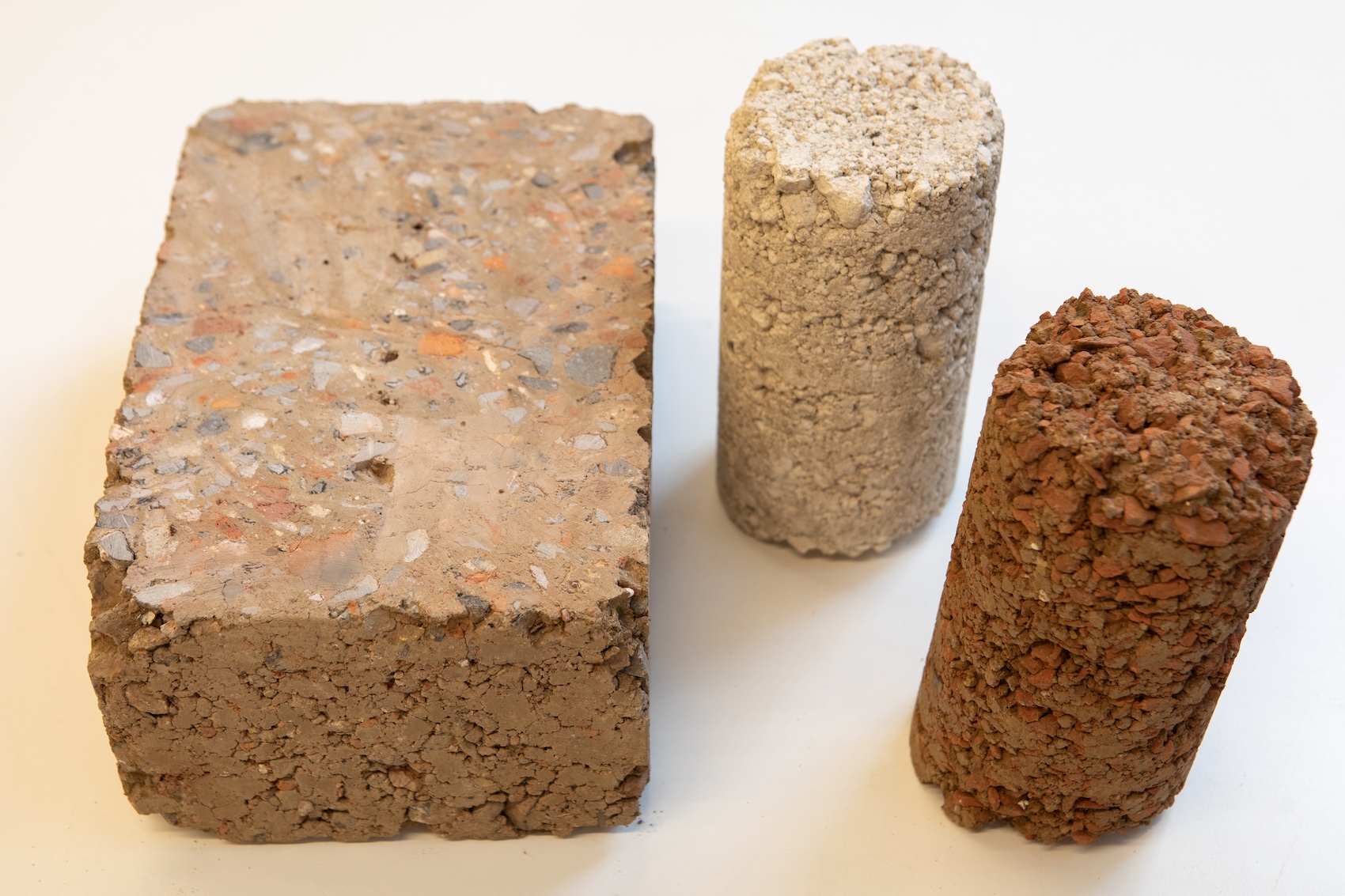
Soil cores. “These samples reveal the colours and textures that exist beneath the surface of our sites. Studying the earth in this way helps us understand how it might be reused in construction, from rammed earth walls to plasters and mortars.”
Timber is one of your go-to materials. What do you particularly like about it?
Fraser Biggins Timber is incredibly versatile. It connects projects to local traditions and can be finished in so many different ways. It also has strong potential for reuse. Unlike many engineered products, solid timber can often be reworked and reused multiple times.
Jonathan Tuckey We draw inspiration from buildings like the Katsura Imperial Villa in Kyoto, Japan, which is constructed entirely from timber but incredibly rich because of the variety of species and finishes used. Rather than using a single timber everywhere, we like to work with multiple species that each have different qualities.
Emma Carroll Detailing is also very important. If timber elements are glued together permanently they can’t be dismantled and reused later. Mechanical connections make future reuse possible.
Do you collaborate directly with craftspeople or specialist manufacturers?
Emma Carroll Very much so. Rammed Earth House is probably the clearest example of that kind of collaboration. The main contractor and subcontractors were fantastic, but there were also around a dozen different joiners working on individual components throughout the house. One particularly interesting element was the staircase. We had set ourselves quite a challenging brief: a cantilevered timber stair supported from a single central post, slightly offset from the rammed earth wall so that light could fall behind it from the circular opening above. We had modelled it digitally, but there were still questions about how it would actually be made and assembled.
That’s when we worked with a maker called Robert Lynch, who brought an enormous amount to the process. The final stair is made from a central post with cantilevered beams locking into it, with the treads bearing onto one another until the final step. Robert carved the pieces by hand, leaving subtle chisel marks on the surface, and even his maker’s marks on the underside of the treads. It’s something we could never have designed alone; it comes directly from the craft process.
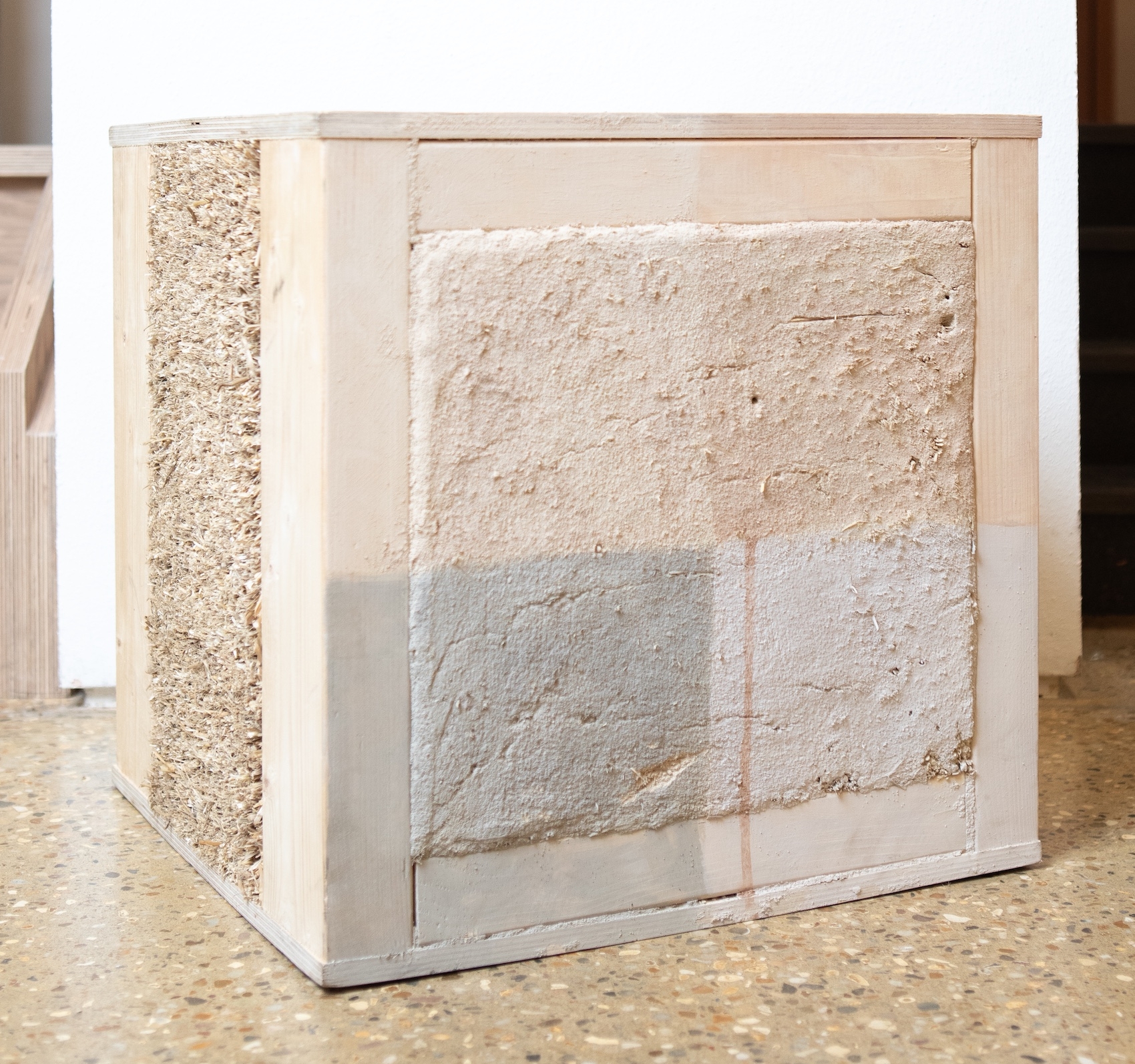
Straw bale panel by EcoCocon. “Straw bales provide excellent insulation and can be finished with a variety of clay plaster textures. We are currently exploring how different plaster thicknesses reveal flecks of straw and create subtle variations in surface character.”
How important are making, prototyping and testing?
Fraser Biggins It’s definitely something we value a lot. With Rammed Earth House, for example, we did a series of test samples to refine the mix of crushed brick and clay in order to get the colours right. More generally, when we’re working with natural or site-based materials there’s often no established specification, so prototyping becomes essential. It also helps us understand the making process itself. Sometimes we’ll build one-to-one-scale mock-ups during enabling works on site. That allows us to test junctions, material finishes and details, but it also helps communicate the overall vision to the client and the contractor.
Finally, is there a material that you think architects overlook?
Catarina Kohut Perhaps the most overlooked material is simply what already exists on site. Too often we see existing materials as waste rather than resources. Learning to see the potential in those materials is one of the most important changes architects can make.