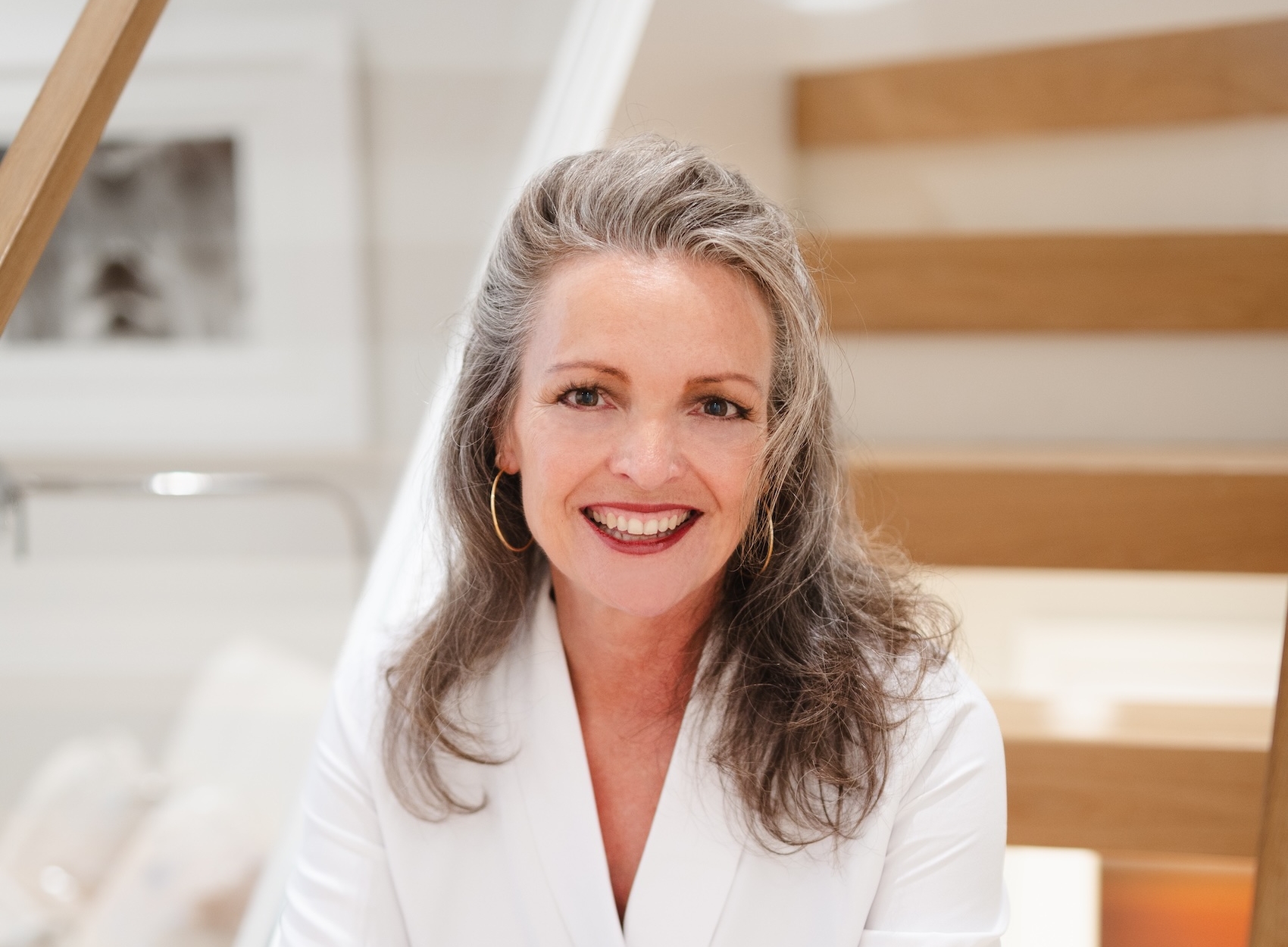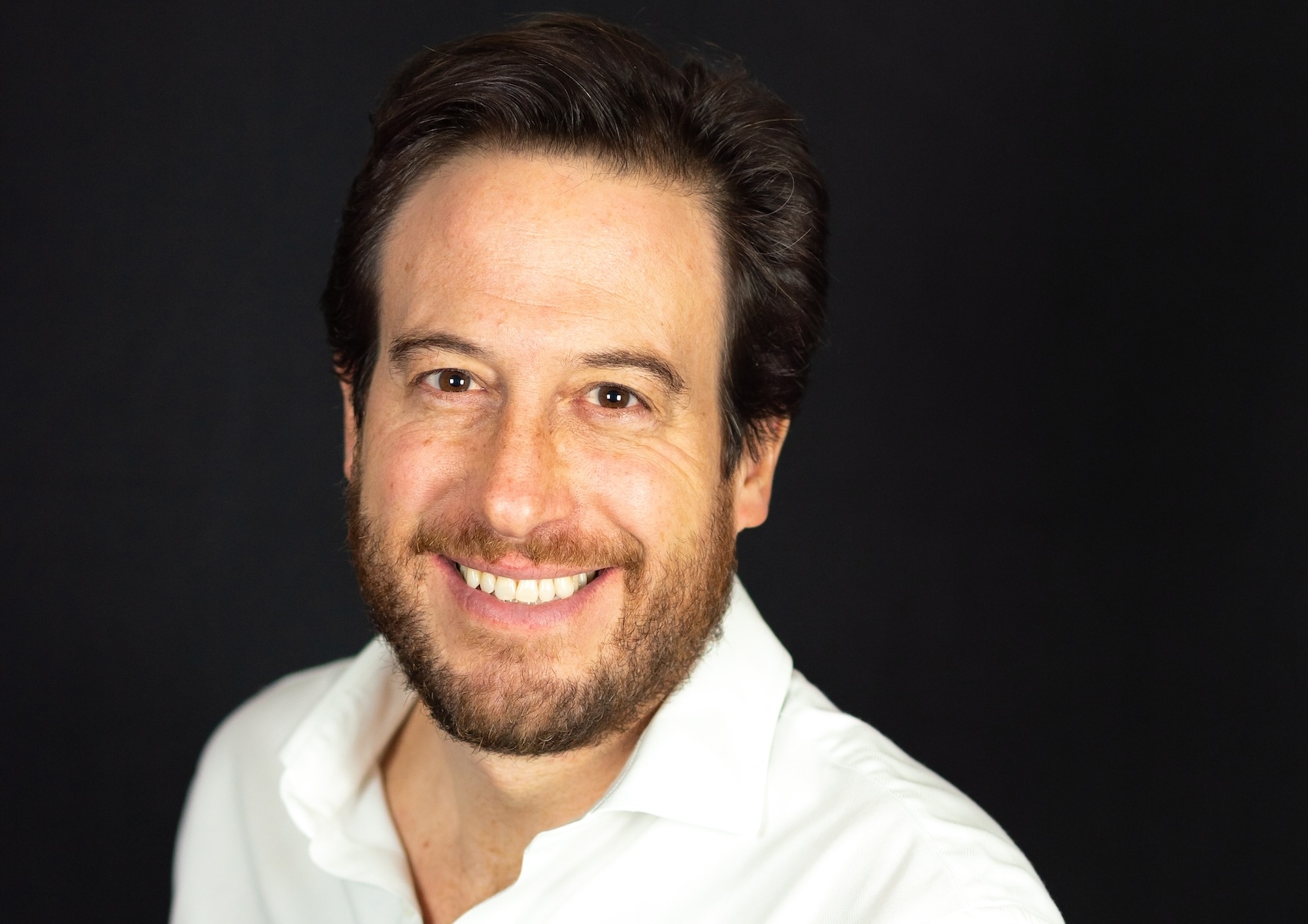
Based in rural Donegal, but shaped by decades of life and work across Europe, Sosie Pasparakis and Ronan Friel reflect on listening as a design tool, the quiet intelligence of a rural practice, and how memory, landscape and craft meet in projects that sit lightly and thoughtfully in their landscape.
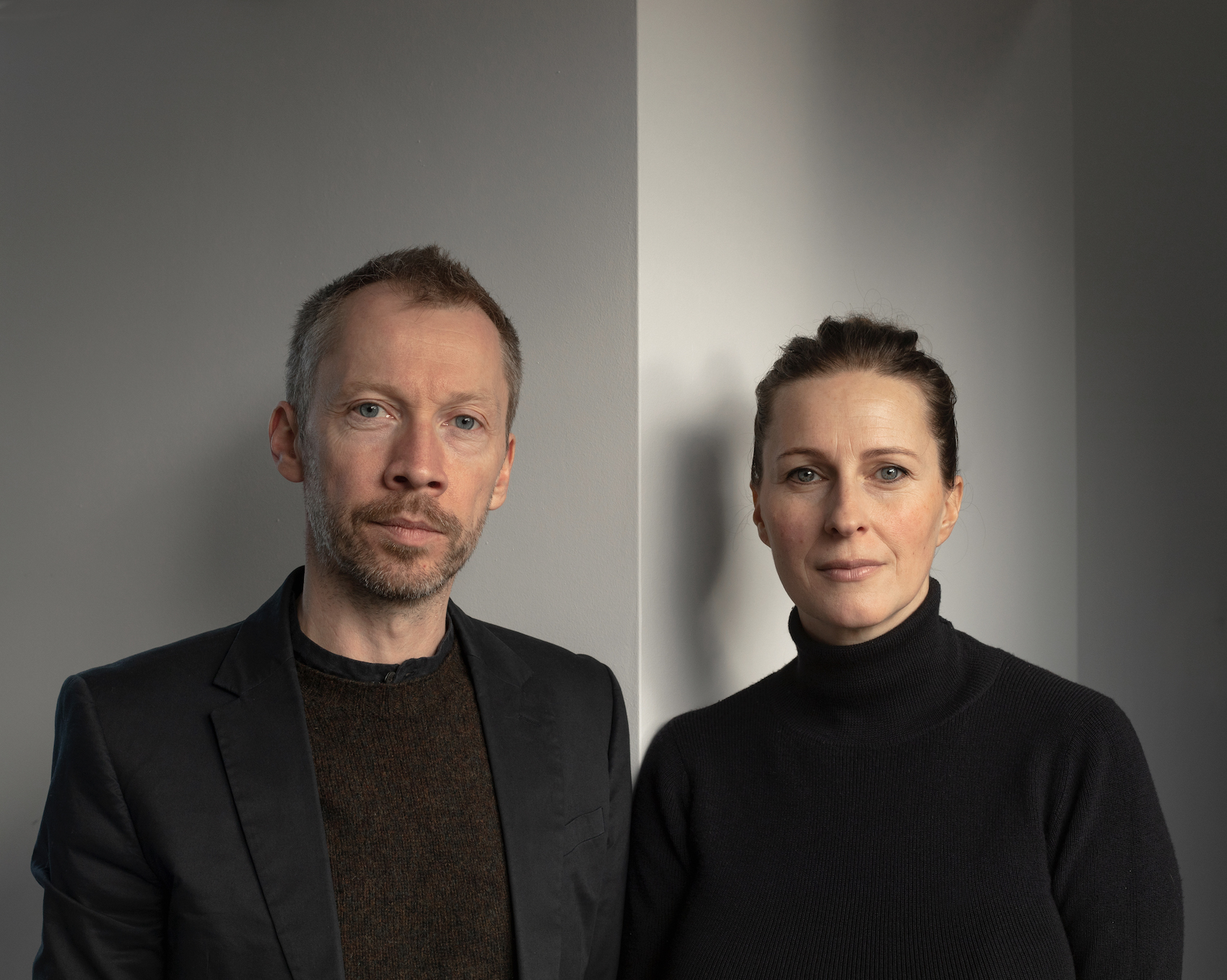
How would you describe Pasparakis Friel as a practice, and what kinds of projects interest you?
Whilst the practice is relatively new, it is the synthesis of 20 years abroad, our last seven years in Donegal, and, most interestingly to us, where we are going next. As we grow the practice and new people join us, we enjoy their involvement and the direction we are moving in.
People interest us as much as projects. To find a client or collaborator who share a passion and commitment to creating considered architecture is hugely important to us. We also seek out, and are offered, opportunities to work in idyllic rural and coastal landscapes and often within intriguing historic structures.
You’ve said projects begin with listening. What’s the very first question you ask?
It starts as a conversation, understanding common interests: books, nature, film, music, family… not necessarily architecture or the project in the first instance, but ultimately the things that we collectively want to imbue the project with a sense of. We’re always interested in how the characters or communities can play a central role in shaping their future home or place.
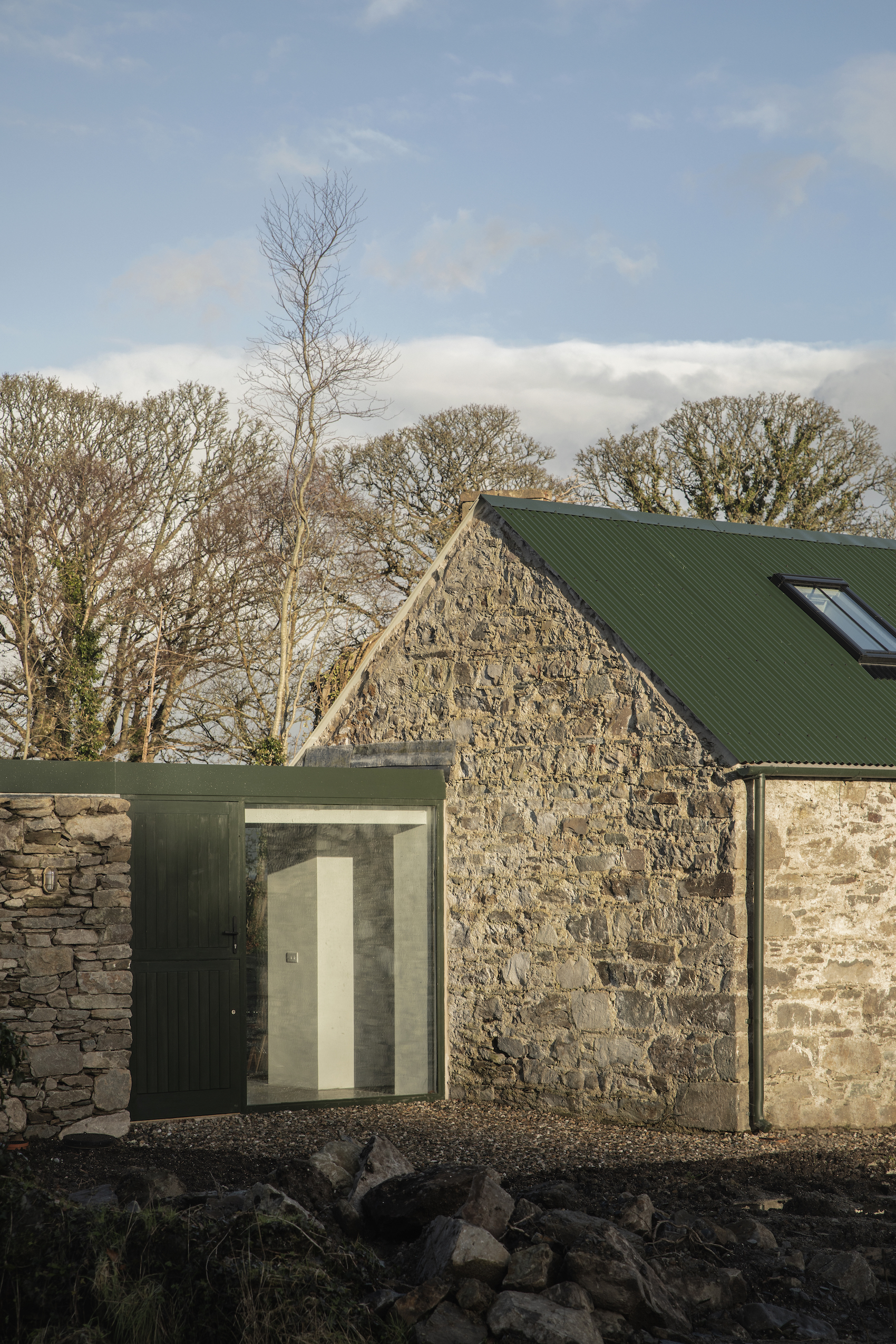
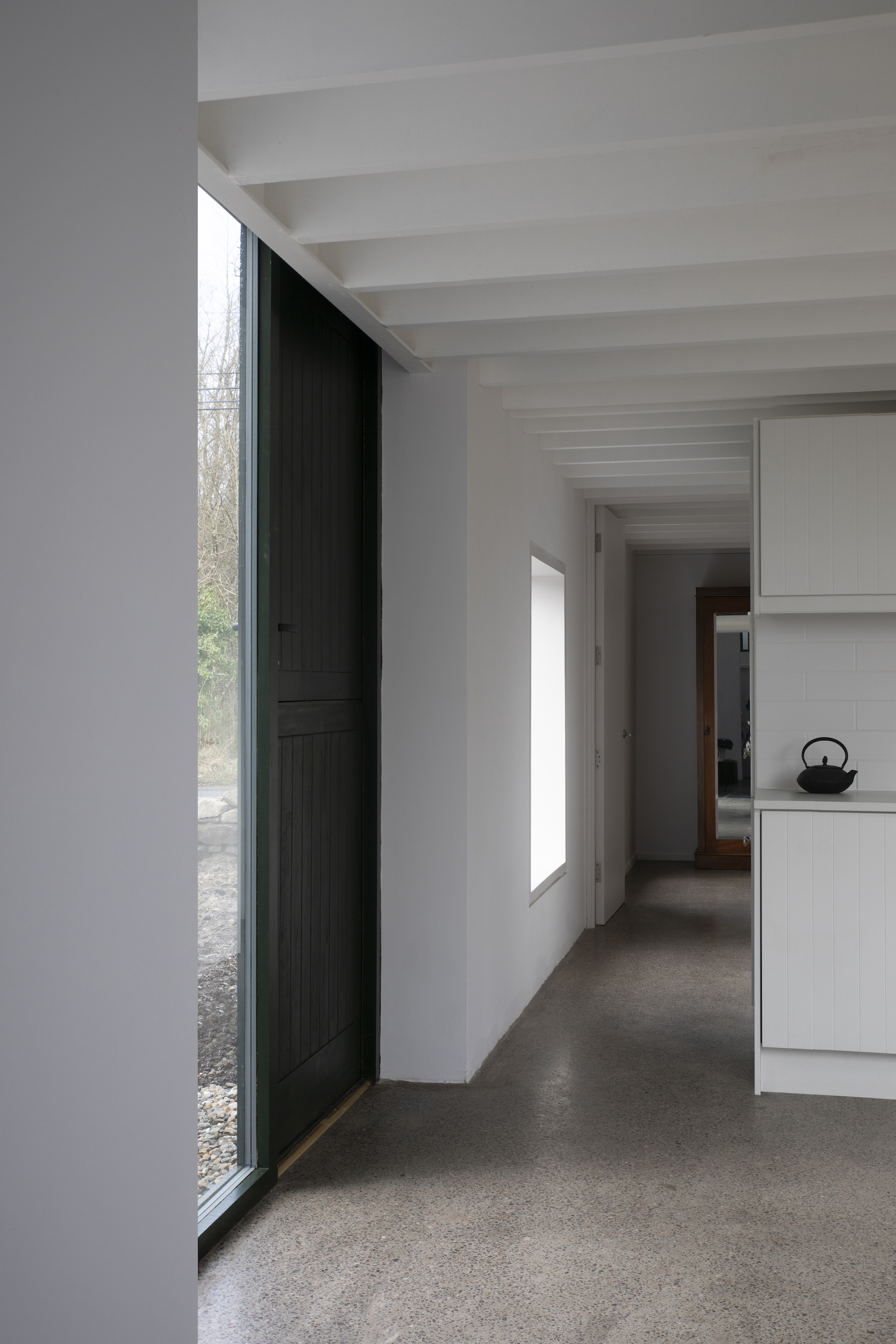
Saltpans Cottage by Pasparakis Friel is a restoration project with a new build extension, nestled within ruins and a wild landscape.
Where do you get your best work done? Is there a place or ritual that clears the head?
Our studio sits on a mezzanine with elevated views over one of Ireland’s glacial fjords, which provides a constantly shifting backdrop to the working day. We often take to quiet country roads or the local beach for walking meetings. If we need a different kind of escape, we tend to turn to books – we’re both a little literature-obsessed at the moment – or spend time planting trees and building dry-stone walls in our garden.
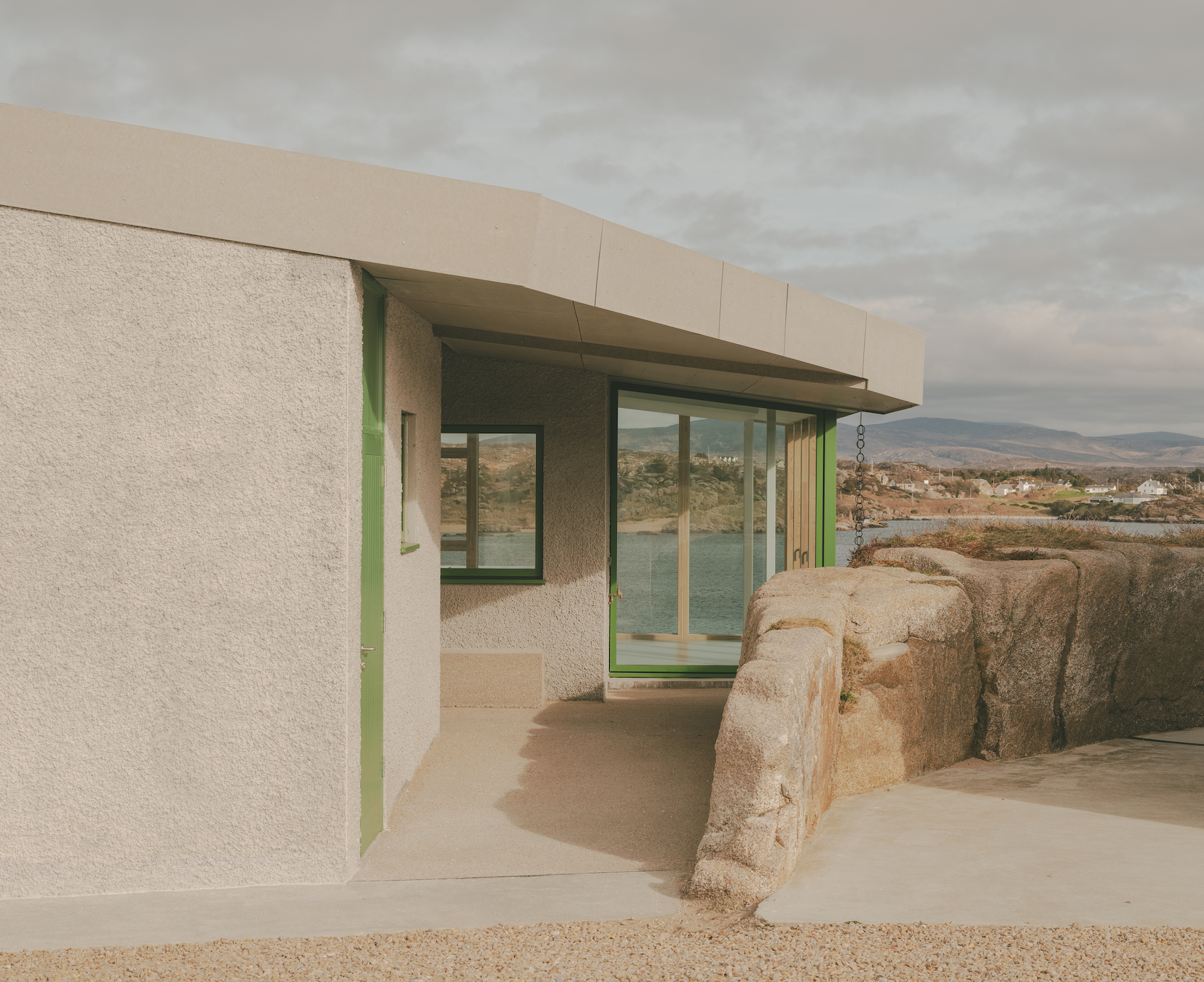
Cruit Island house sits on top of a craggy cliff, a short walk from the sea in all directions.
How does your practice’s rural environment influence your work and how might this influence a project in an urban setting?
We lived in cities (London, Graz, Heidelberg, New York) for almost twenty years prior to ‘moving to the country’. Seminal projects that we worked on in those places stay with us in the work that we develop today. Rural life facilitates more time and space to focus and reflect. We’re passionate about urban projects. Town centre regeneration plans have formed a significant part of our focus over the last few years. We’ve proposed projects which blend urbanity and rurality: how Irish towns can better connect to their often underutilised landscape and heritage assets.
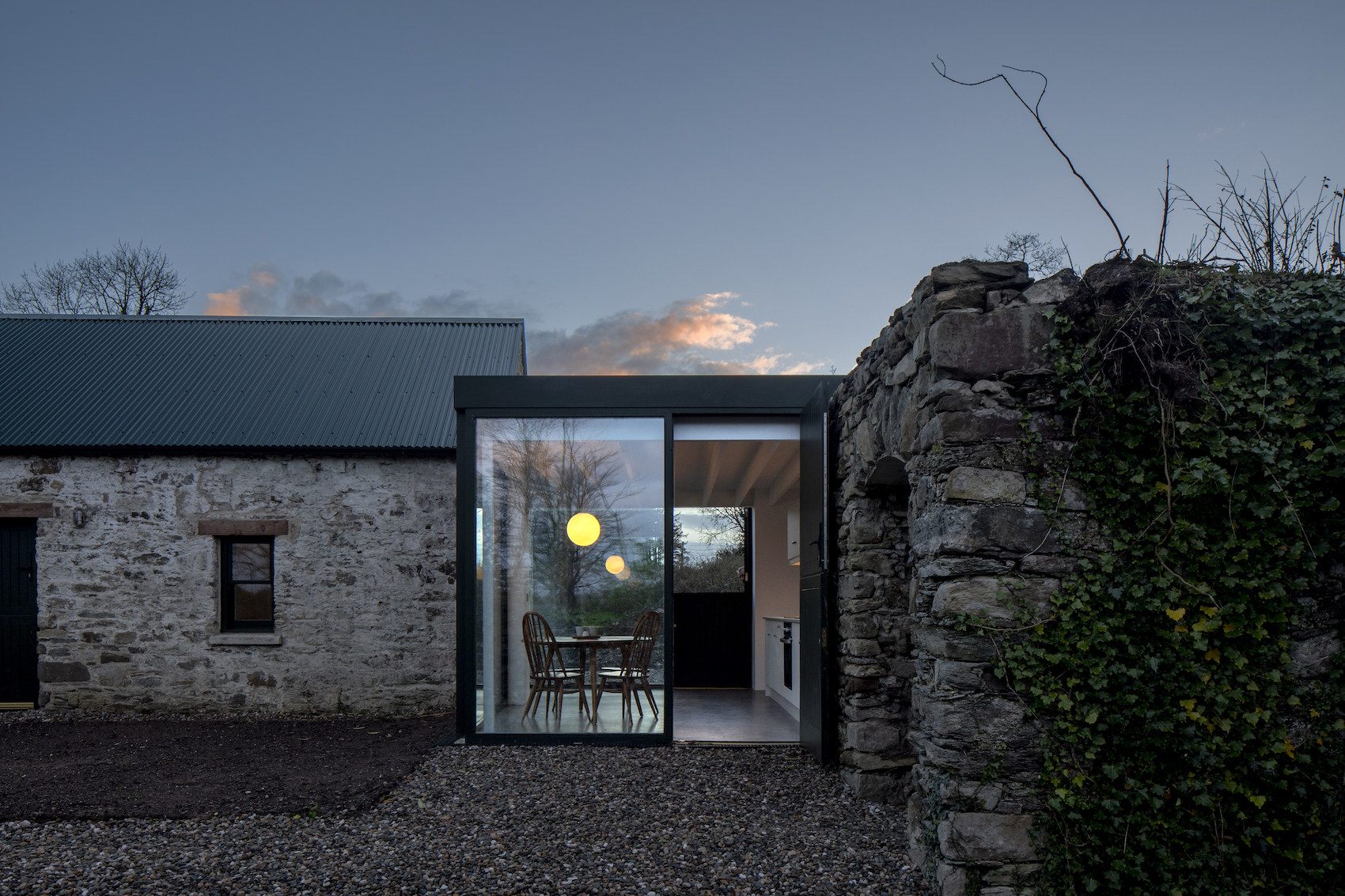
The contemporary extension to Saltpans Cottage in rural Ireland.
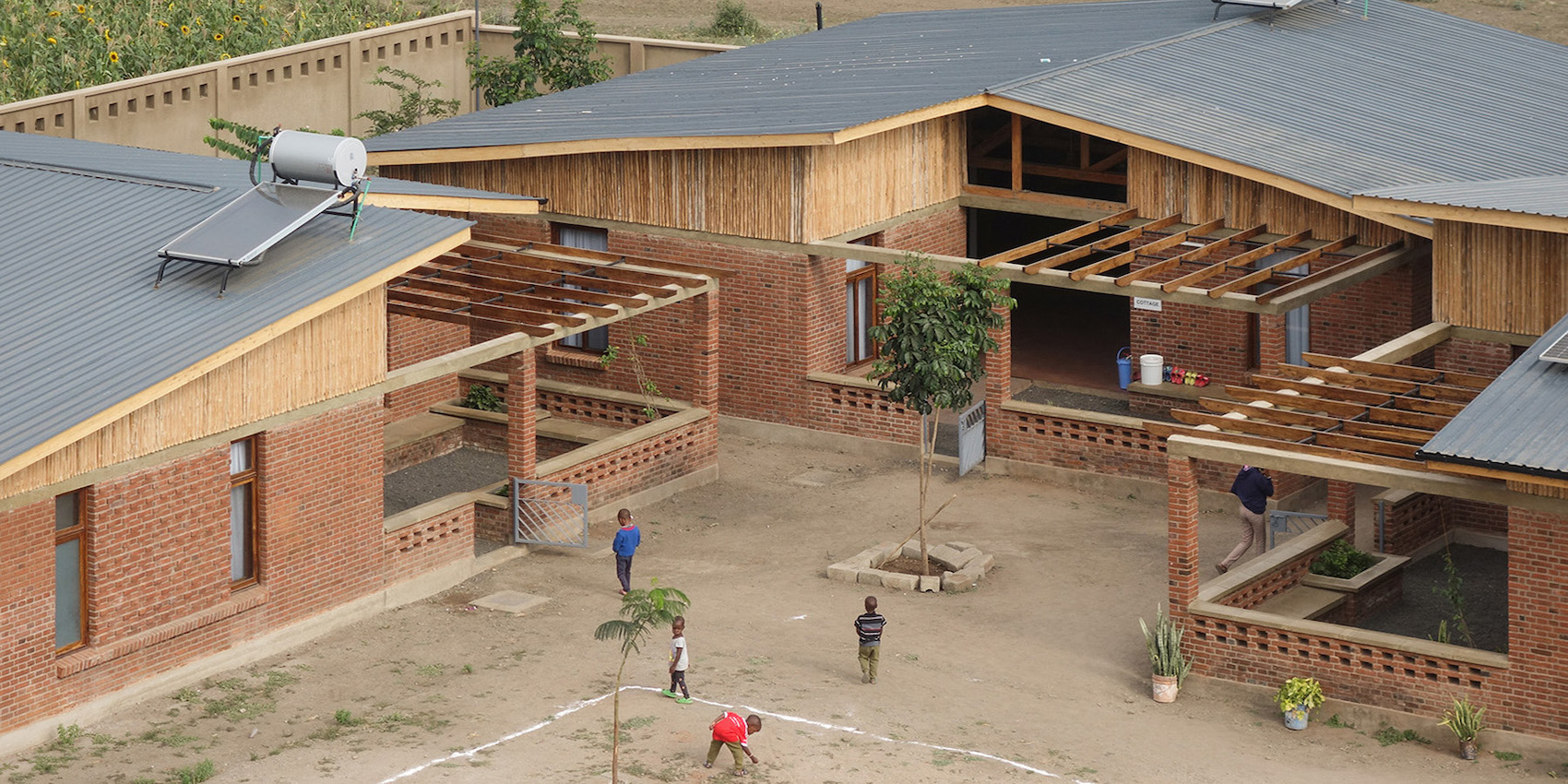
It’s a real spectrum of scale and typology. We are leading a multi disciplinary study into an urban/landscape regeneration and how a small Irish Gaeltacht village at the foothill of Donegal’s tallest mountain can become its base camp. The study encompasses a vast idyllic landscape of glens and mountains and is a combination of landscape, urban and rural design alongside socio economic and cultural considerations. Under construction is a first phase redevelopment of a Country House Hotel; combining interior design and a series of ordered glulam timber extensions. Phase 2 will include a ‘great hall’ within an existing walled garden. Conserving and extending vernacular buildings remains a staple and precious component of our day to day work and one which puts into often idyllic bucolic landscapes.
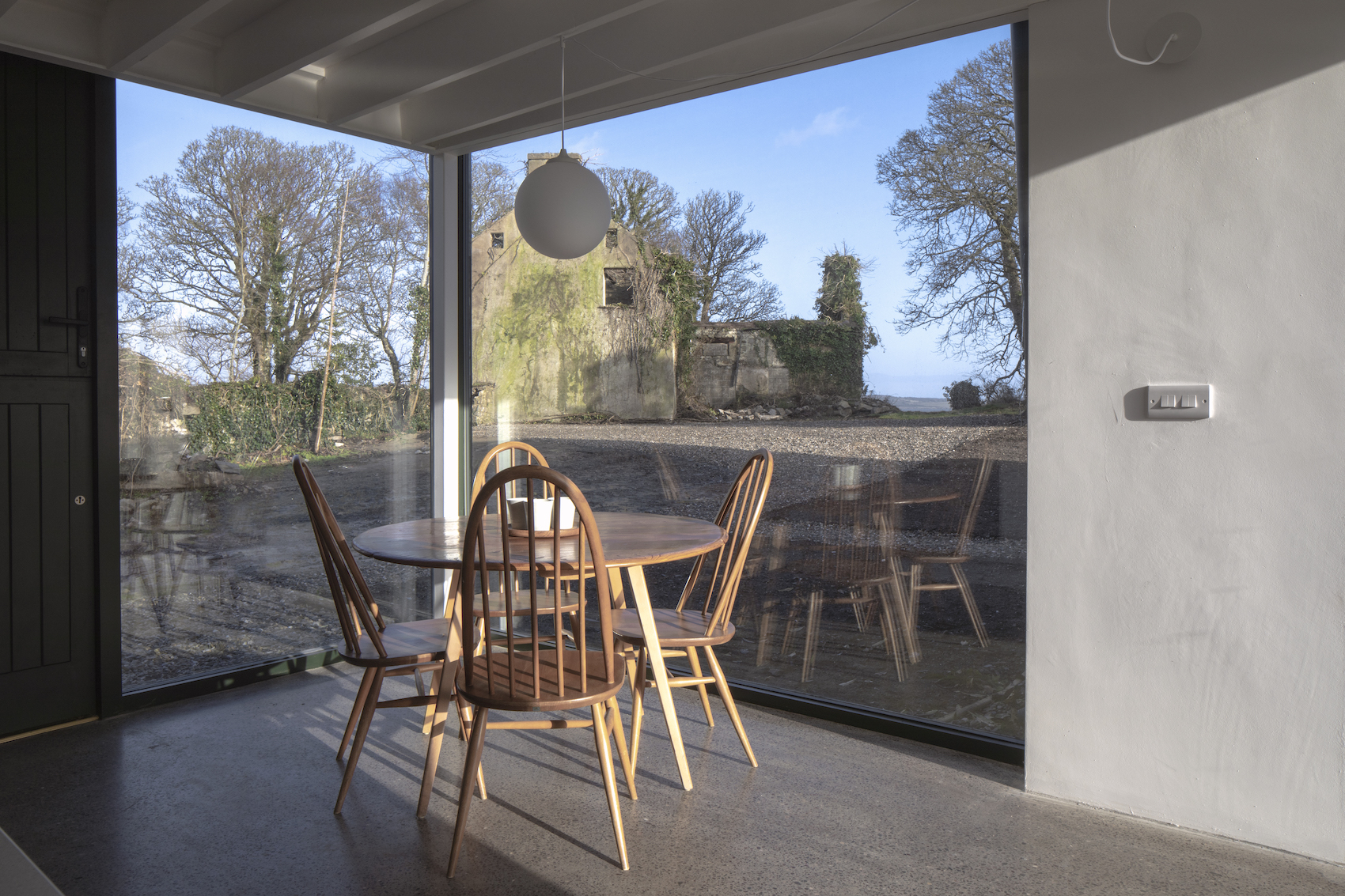
View of the ruins surrounding Saltpans Cottage.
Thank you! Early designs for Cruit Island were informed by a reaction to the landscape and the client brief rather than precedents. There were certain fixed parameters that we used to mould the house around; two beautiful rock outcrops, a view, and a sense that the house should nestle into the site. Sixty years of the family’s prior occupation of the site had established a strong connection to the landscape and an inherent nostalgia. Thereafter we looked to local vernacular structures; their use of colour and texture, how they shouldered the prevailing wind and embraced patina.
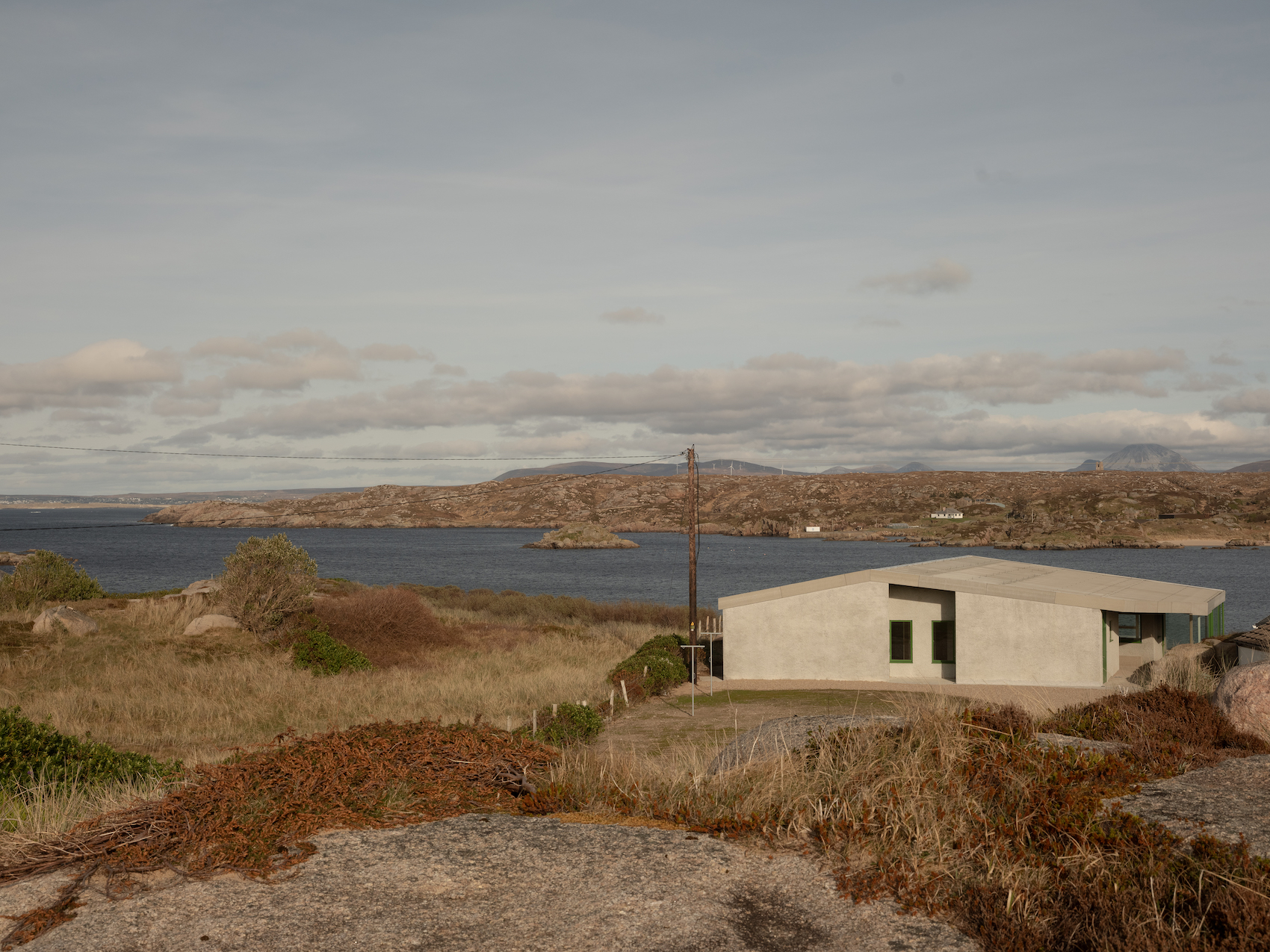
Cruit Island house nestled between two rocky granite outcrops.
At surface level it’s often pragmatic; is it an appropriate tonal and textural fit for the context? Can we afford it? Will the builder build it well? Will it perform and endure in this climate? Underlying that we’re continually seeking ways to experiment with construction techniques. Right now we are working on a number of glulam timber frame structures and enjoying that. We built our own home a few years ago and used it as a test bed for techniques, products, materials and craftspeople that we could then potentially use on other projects in the future; insulated foundations, light gauge steel construction, pre fabricated panels overclad with metal and timber cladding.