Inside Lamu Old Town’s pro bono regeneration project: Ellen Flood from John McAslan + Partners on mapping a UNESCO Swahili settlement, restoring the ‘Spanish House’ and working alongside the Friends of Lamu Cultural Heritage.
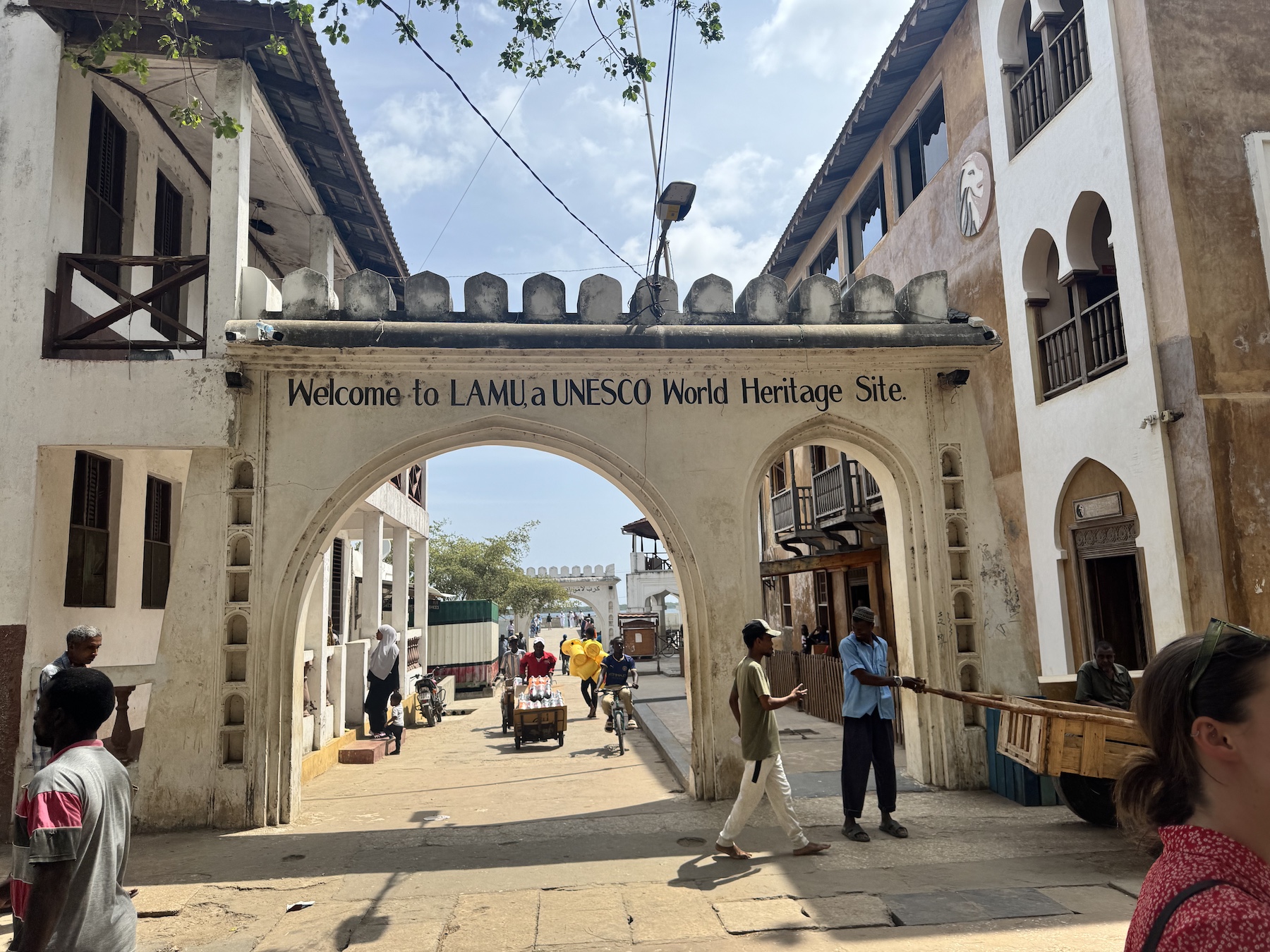
Welcome arch to Lamu Old Town, a UNESCO World Heritage Site on Kenya’s northern coast.
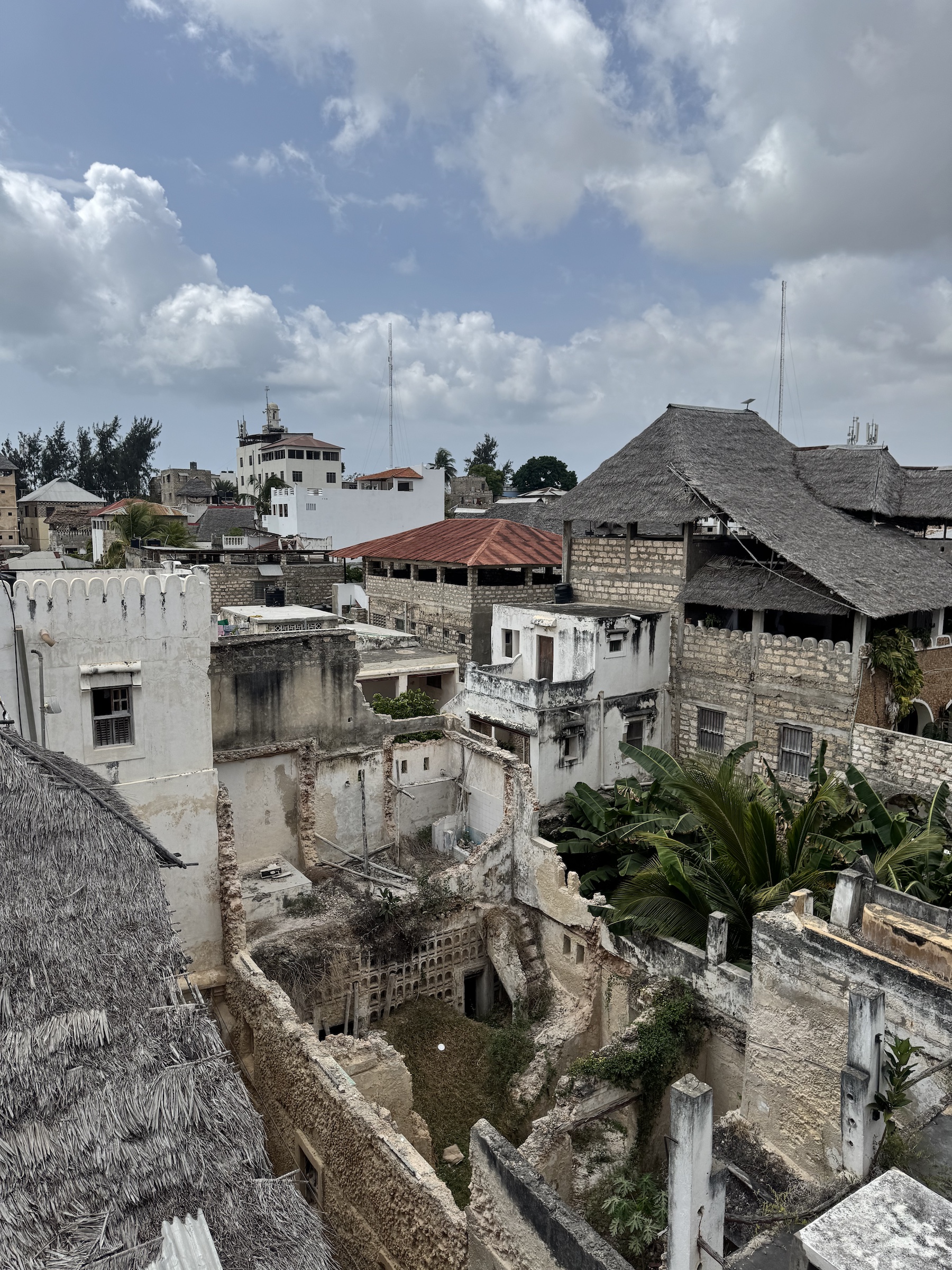
Lamu Old Town, on Kenya’s northern coast, is the oldest and best-preserved Swahili settlement in East Africa, continuously inhabited for over 700 years and inscribed as a UNESCO World Heritage Site in 2001. But its coral-stone houses, carved doors and narrow streets are under increasing strain, from collapsing buildings and unclear property ownership to climate change and a shrinking supply of traditional materials.
Earlier this year, John McAslan + Partners sent a small team – including architect Ellen Flood – to Lamu on a pro bono basis, working alongside the New York-based Cultural Heritage Finance Alliance (CHIFA) and the local community group Friends of Lamu Cultural Heritage. Their task: to map the Old Town, identify priority interventions, and develop a pilot restoration project for a single historic house. We spoke to Flood about what they found, why a property known as the ‘Spanish House’ became the focus of the pilot, and what happens next.
How did John McAslan + Partners first get involved in Lamu?
It was a pro bono initiative rather than an ongoing commission. We were approached by the Cultural Heritage Finance Alliance, a New York-based not-for-profit, to help kick off a development there. Gary Hattem, the founder of CHIFA, is good friends with John McAslan, our founder – they run in the same circles. CHIFA wanted some junior architects to come on board and help, essentially to provide a skill set they were lacking on the ground. John happily spared three of us to go over and assist, because the local team already had deep knowledge of the place – they just didn’t have architects to help with idea development, drawings and the initial concept phase.
What is CHIFA’s main objective in Lamu?
They’re a heritage finance company trying to do heritage regeneration projects. They identify special places that have potential to do better but need some assistance along the way – essentially a cultural heritage regeneration initiative. They are in the process of trying to purchase some land in Lamu to kick off the wider regeneration project, and our trip was intended to assist with that.
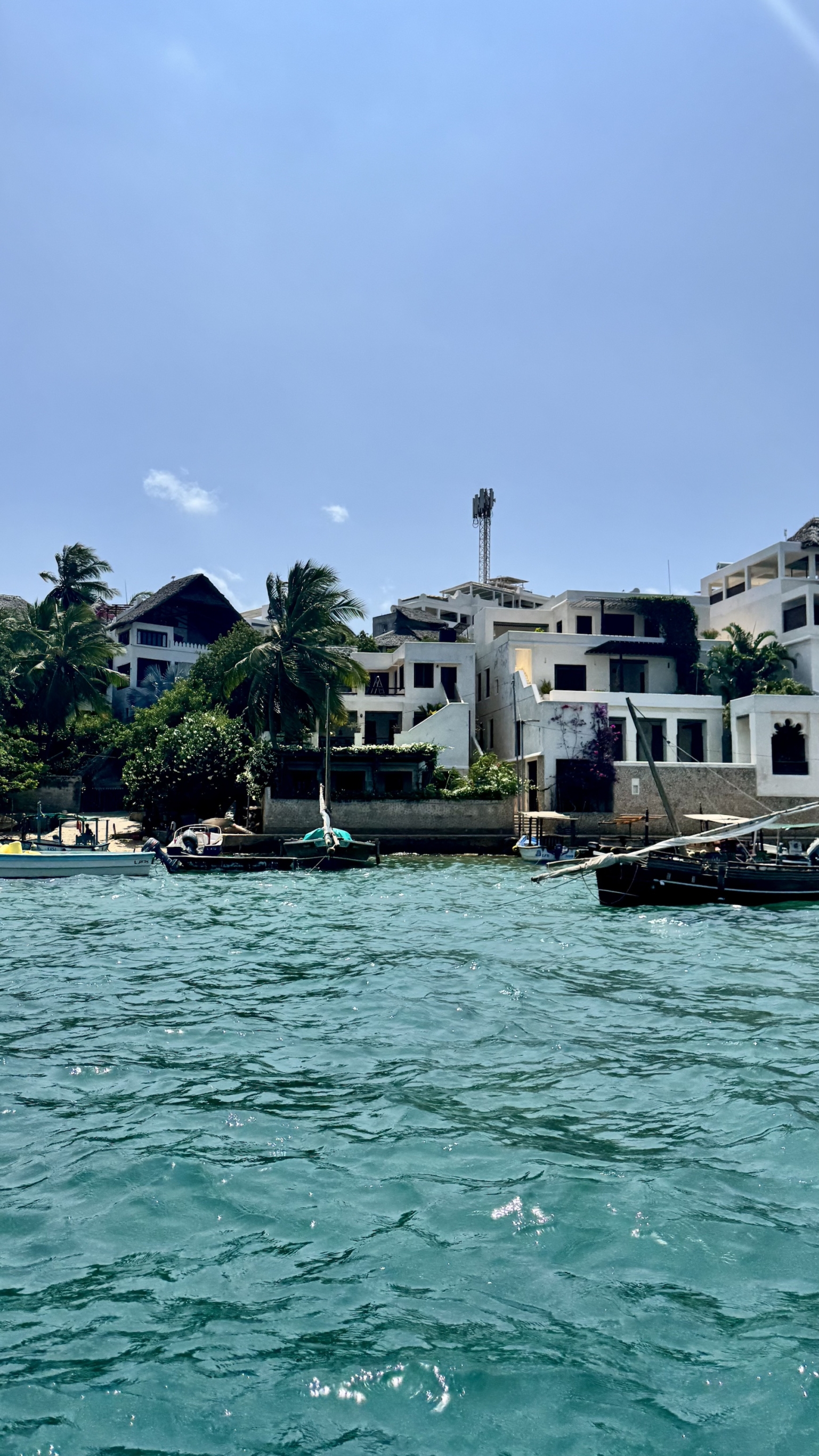
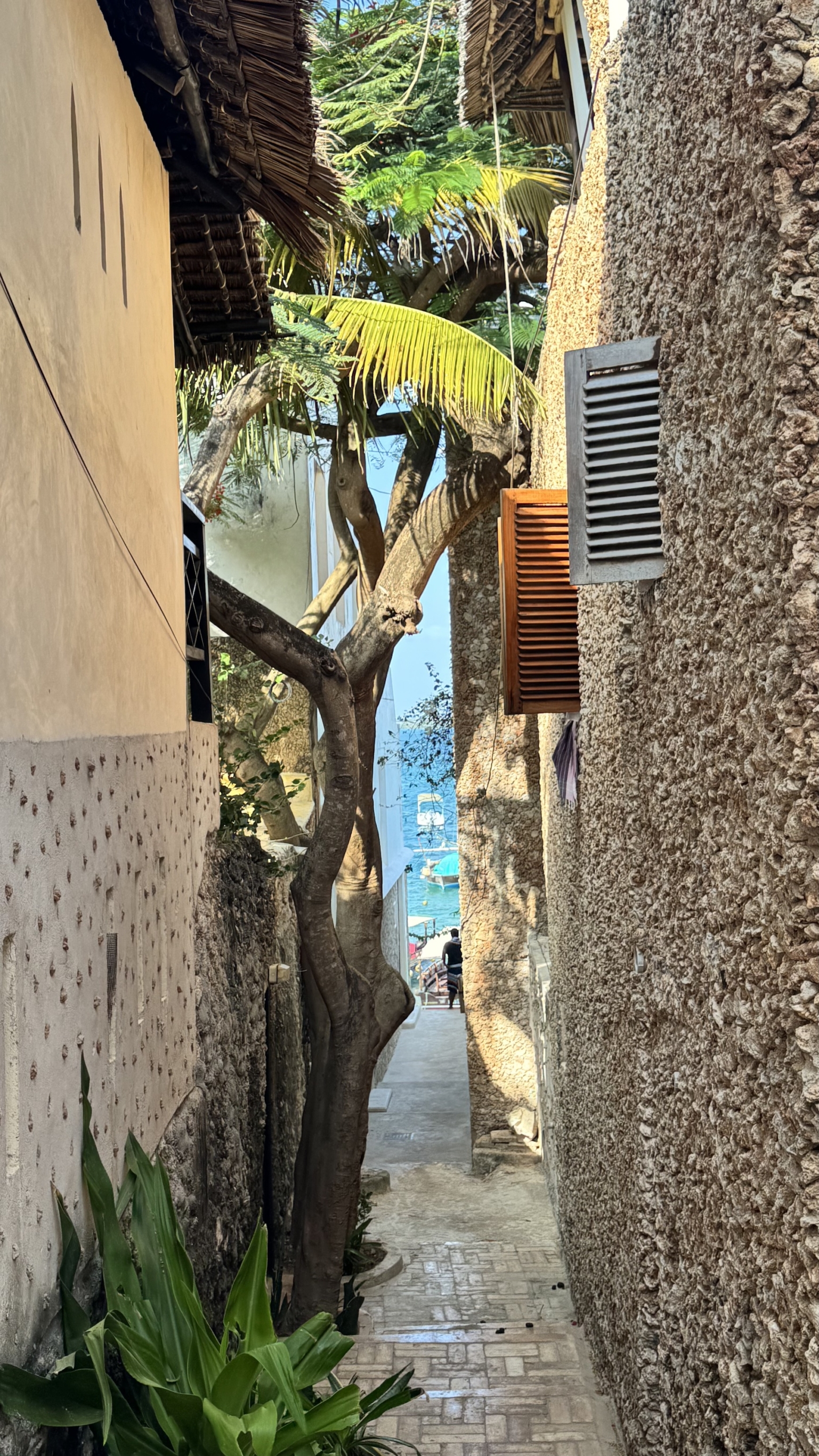
Shela town accessed by boat.
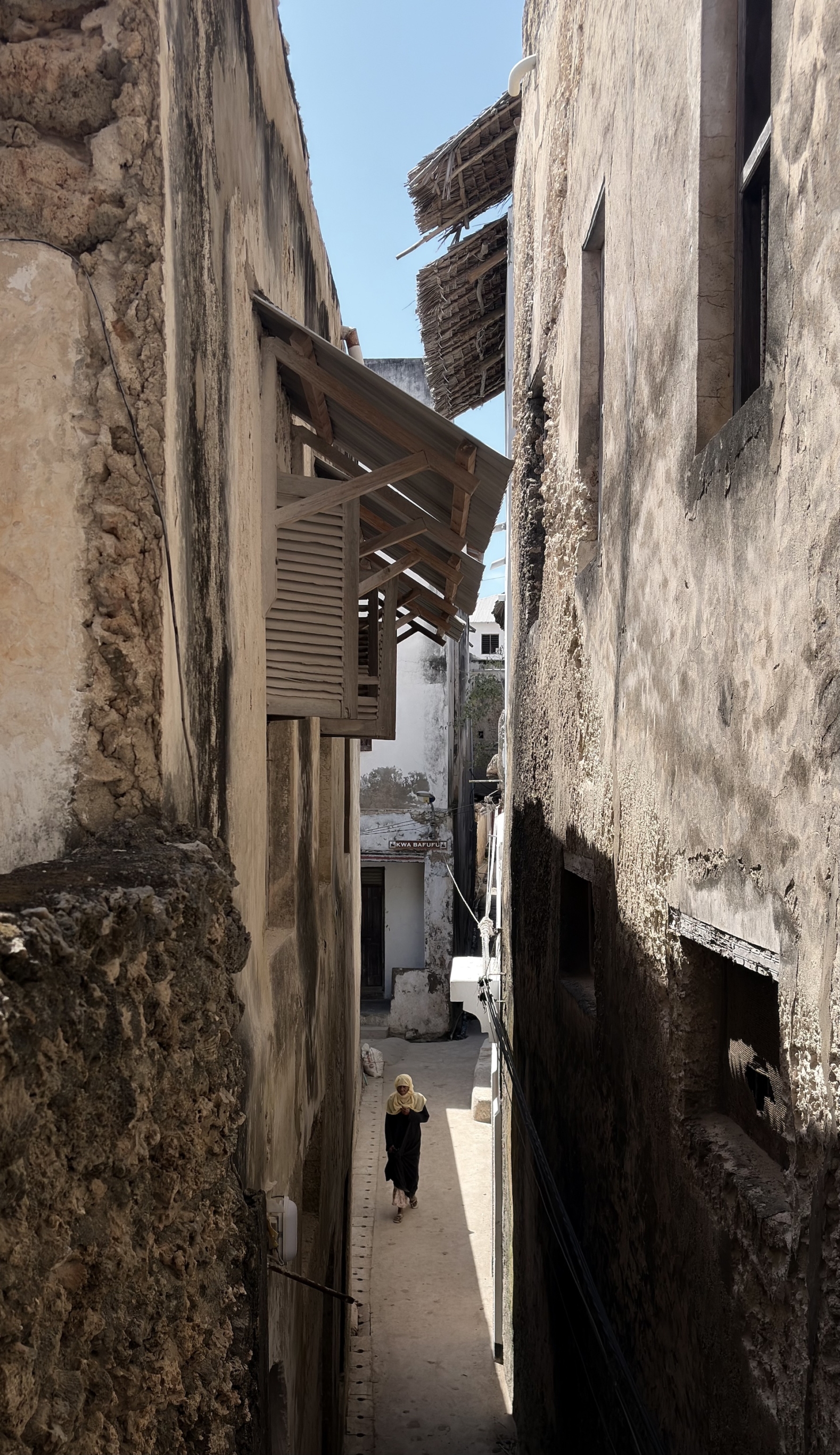
Old Stone Town tight streets provide shading from the harsh temperatures.
What did you identify as the main challenges facing the Old Town?
The biggest challenge is a lack of resource. They still very much build the way they did 600 years ago – with coral, mangrove poles and other natural materials – and they don’t want to build with concrete. But they’re running out of the resources to continue building that way with any longevity, and there’s an ongoing discussion locally about how to maintain and preserve their methods while still modernising enough to sustain the town. They have local trades, but if they want to grow tourism – which they do – a lot of the infrastructure simply isn’t built for it.
Property ownership is also a major hurdle. Many buildings are family-owned and have passed through so many generations that securing land or clear ownership is genuinely difficult – that’s one of the biggest obstacles to getting any restoration project moving.
You also worked on a ‘circuit of visitation’ – what problem was that solving?
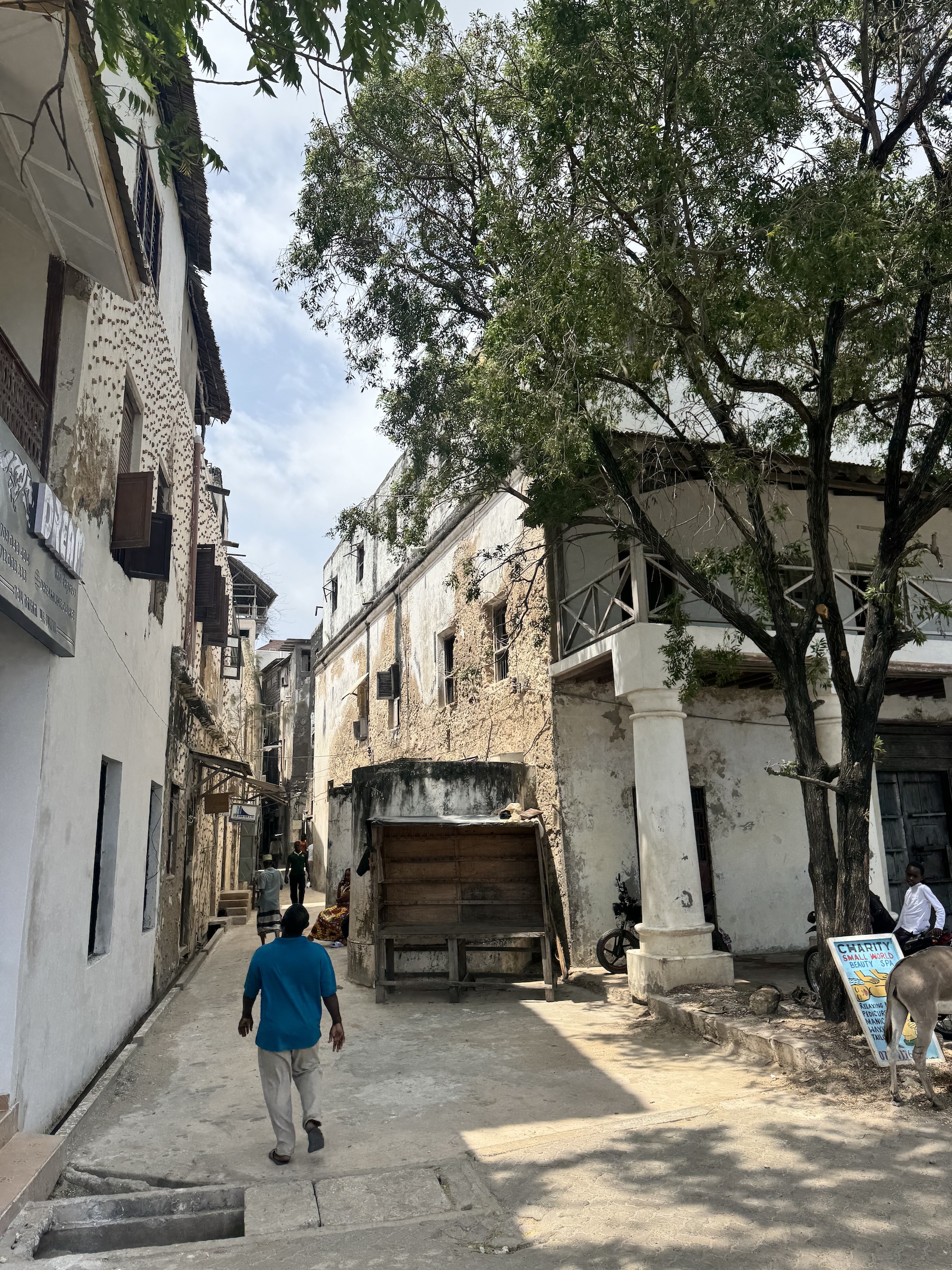
One of the reasons we were brought in was to help map the town. If you arrive in Lamu, you don’t really know where to go or what to do – there’s not a lot of exposure or good publicity, and the town itself doesn’t have the skills in-house to build a tourist map. We did a walking tour over a couple of days to understand the cultural buildings and identify places of significance worth highlighting. They have an incredible culture to display, but they don’t know how to communicate it to people. So we looked at developing something that helps guide visitors around and pinpoint places worth seeing – partly to spread footfall beyond the seafront and into areas like the back streets, which are equally rich but get overlooked.
What was it like being on the ground there – how did the community respond to you?
Honestly, it’s one of the most welcoming communities I’ve ever witnessed. Almost every single person you walked past would say, “Welcome to Lamu, we’re so happy to have you here.” We learned that one of their sayings is that anyone who visits becomes one of their people. So rather than feeling like an intrusion, it was really a case of “please come and see – we’re so proud to show you what we have.” There wasn’t a lot of tourism there, and the kindness and compassion they showed us was honestly beautiful.
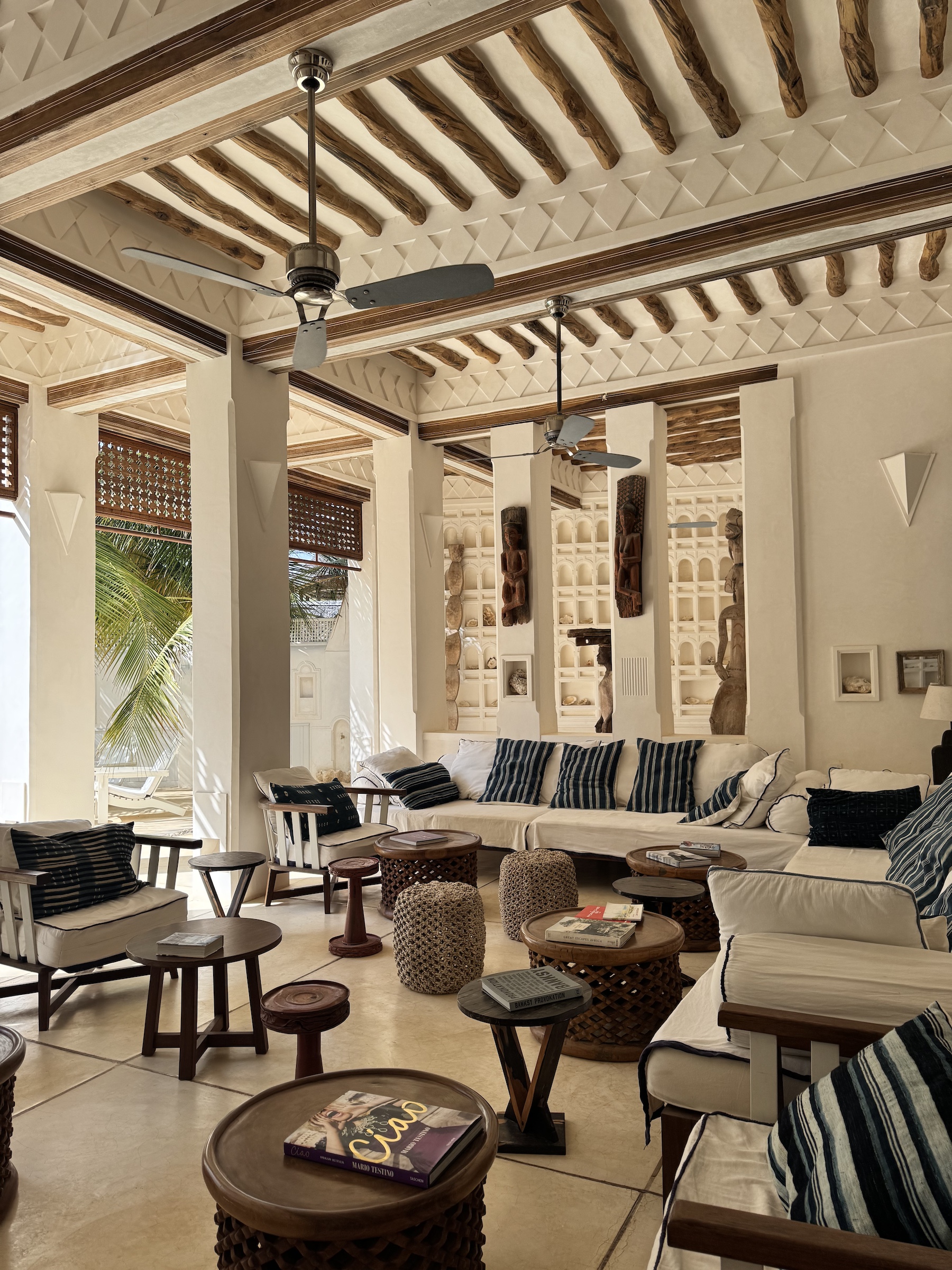
A local example of a restored Swahili home in Shela.
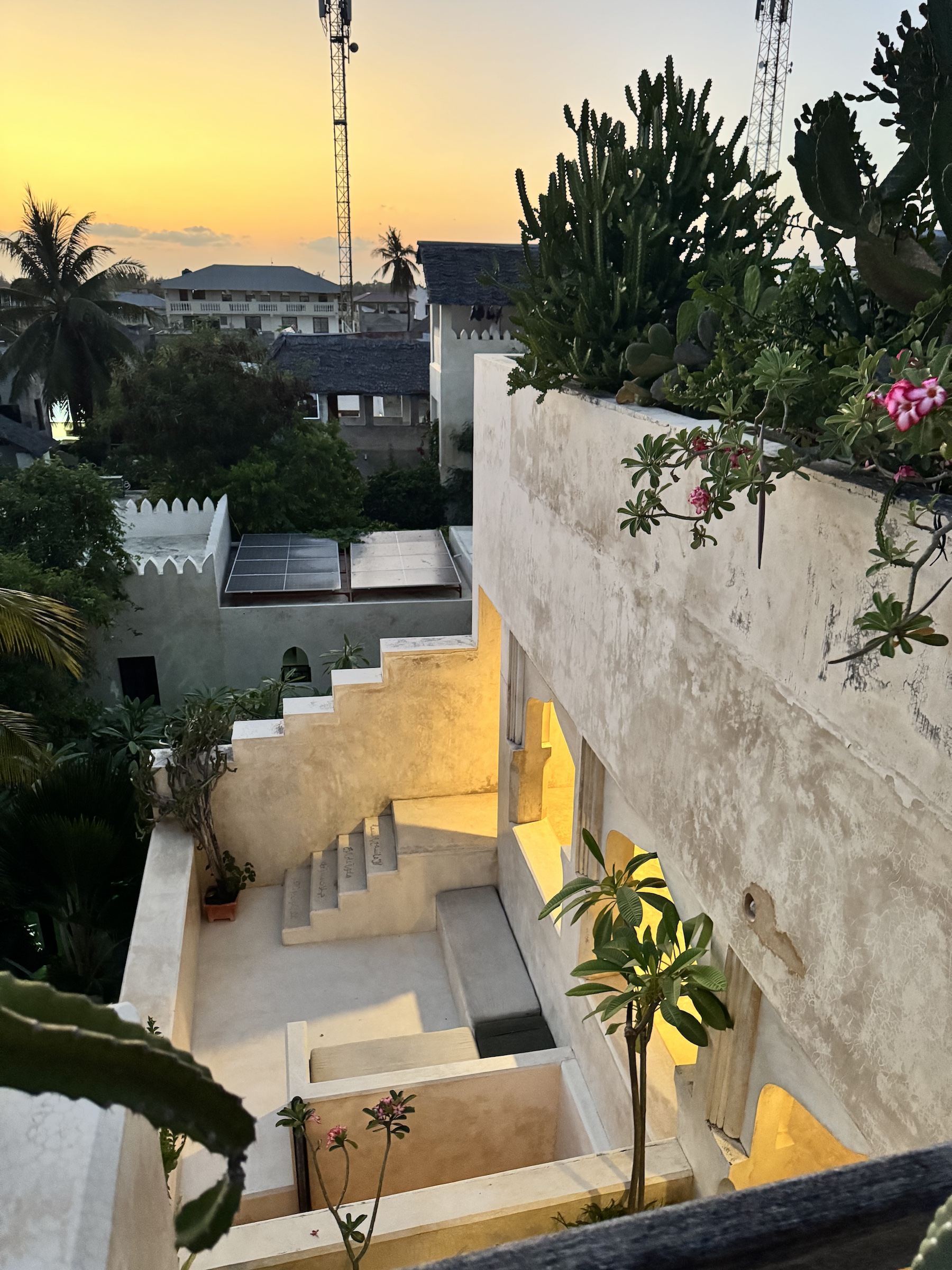
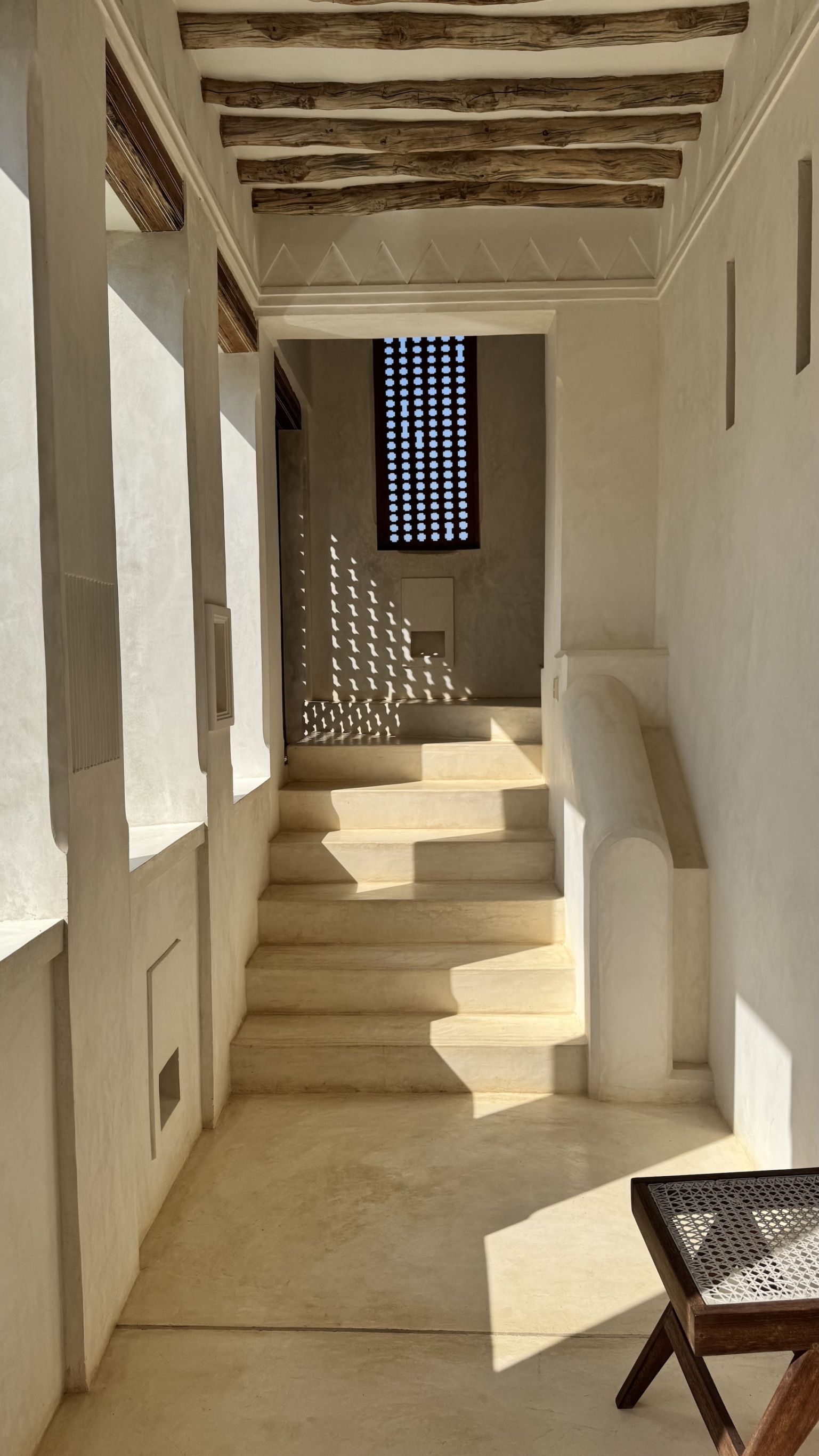
Open terraces allow for slow dwelling spaces in the home.
What do public realm improvements look like in practice?
Honestly, nighttime street lighting is a big one – at night it’s very quiet and very dark, and as someone who doesn’t know the place, walking around after dark can feel a little uneasy because you have no idea where you are. Seafront shading is another. It’s a very hot place, and the seafront would be one of the most appealing areas to activate, but there’s no shading at all – whether through vegetation or built structures. There aren’t many places to simply dwell, sit and take it in. Even something as simple as updated paving can be used to direct movement and create pathways. These are minor changes, but they’d have a really big impact on activating that seafront.
How do people get around the Old Town, and how does that affect the plans?
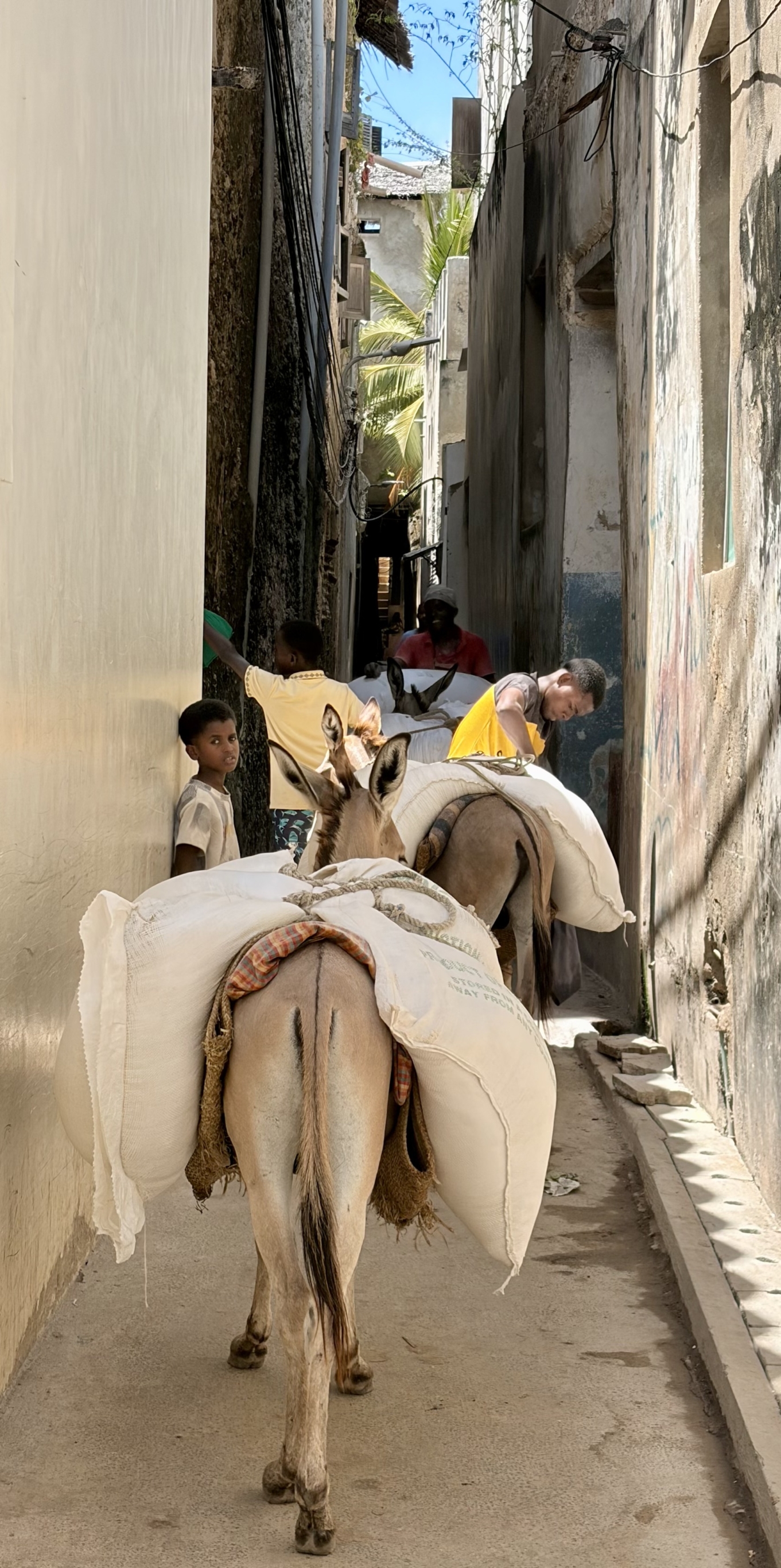
It’s pedestrian and donkey only – motorbikes are technically illegal, even though no one really enforces it. The donkeys know their way around the narrow pathways instinctively; you’ll see them either carrying people or hauling building materials in big double-sided sacks, or pulling small carts for heavier loads like lime bricks. Interestingly, because there’s a slight incline through the Old Town, steps were recently added to the paths to deter motorbikes – but it’s actually thrown the donkeys off, because they’re used to flat surfaces and don’t know how to navigate steps. So it’s been something of a backward step in one respect, given how heavily the town relies on them to move goods around.
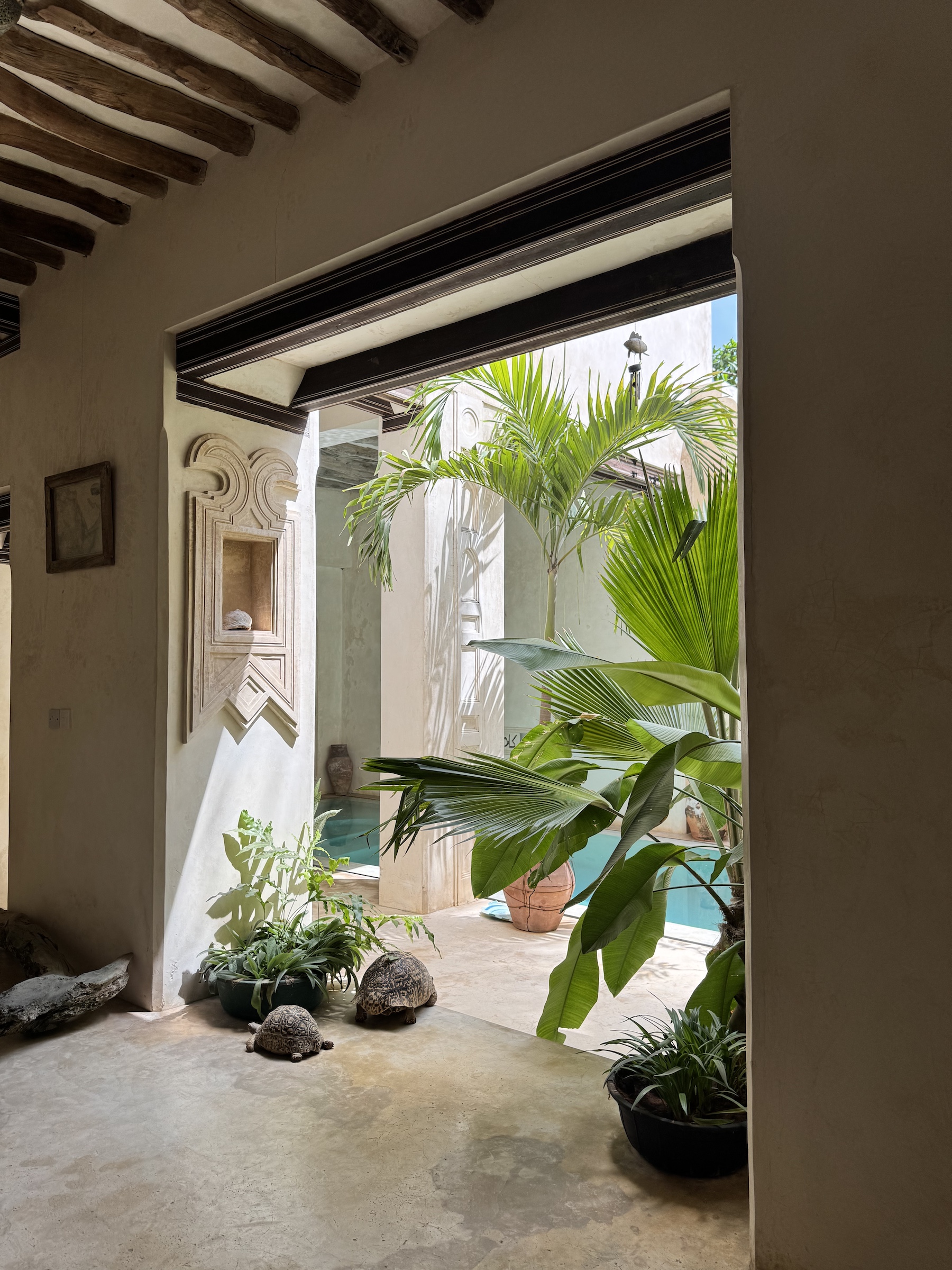
Restored mangrove lintels and plaster carvings.
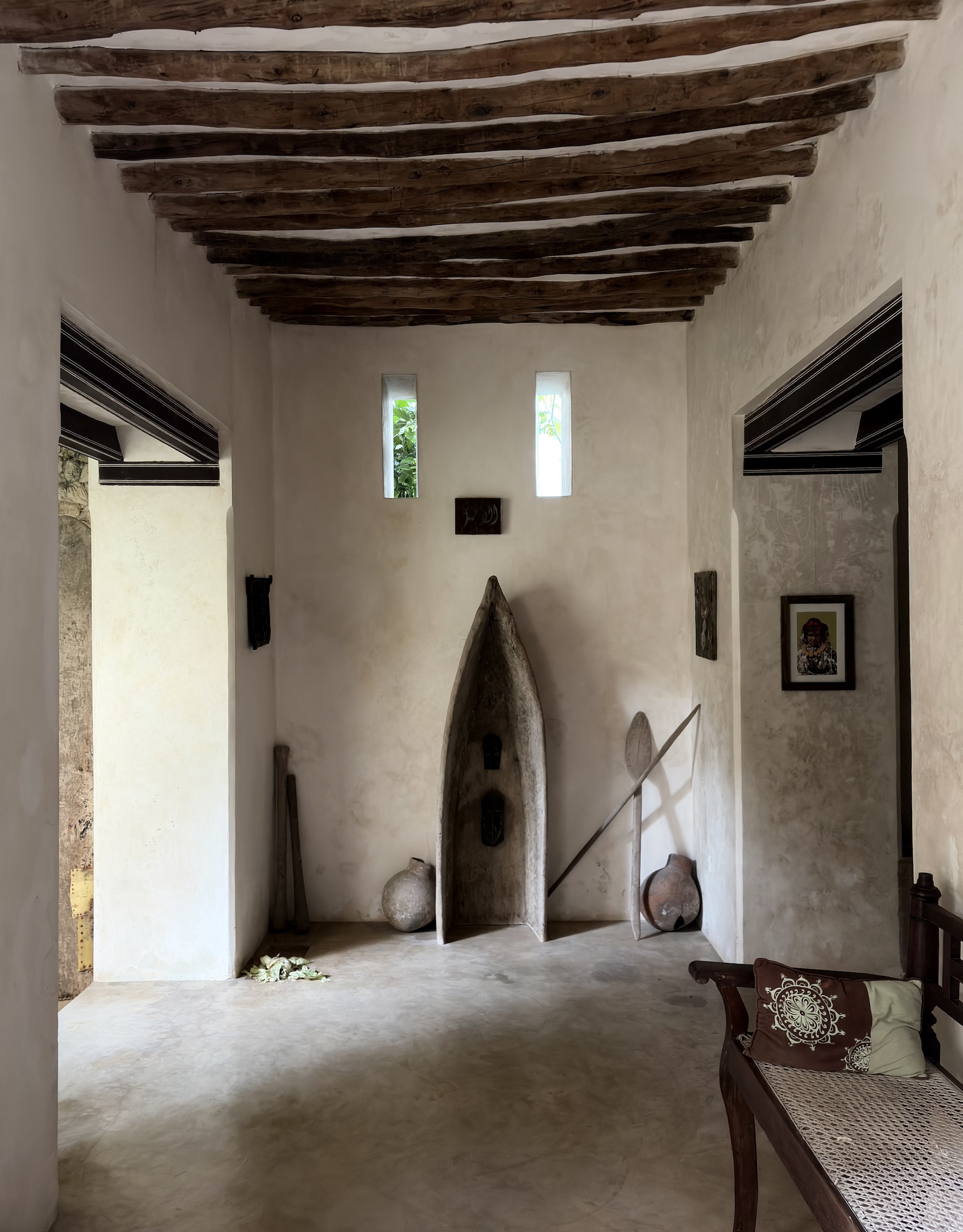
Tell us about the ‘Spanish House’ – why did it become the focus of the pilot project?
One of the main benefits was that we had direct access to the owner – land ownership in Lamu is a difficult situation, with most properties passed down through generations of family lineage, but this house only had one owner, which made it far easier to look into purchasing. Character-wise, it was also in the best condition of any house we saw: it had room for improvement, but it wasn’t structurally unsafe or completely run down. It reflected everything that Swahili vernacular architecture is trying to portray, the moment you walked in. And then there was the commercial benefit – whatever we did had to stay modest and in keeping with the local vernacular, but it also needed to generate some return, whether through extra accommodation to rent out or a ground-floor community space. It offered the best balance of staying authentic while still being able to fund itself.
How many buildings did you survey before settling on that one?
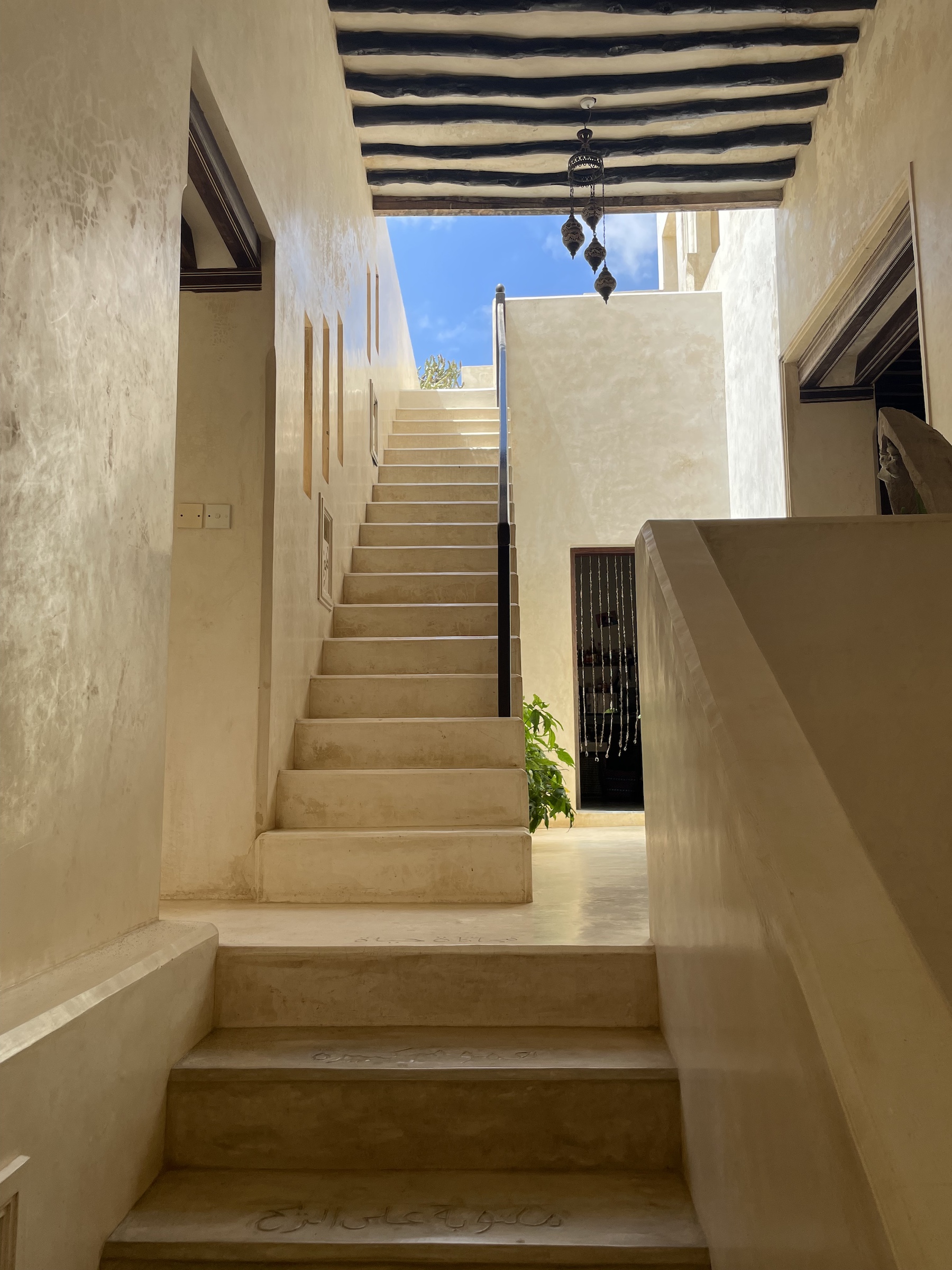
We looked at around 15 different properties, with the benefit of local people on the ground hosting us and giving us access we wouldn’t normally have had. Almost everyone unanimously agreed the Spanish House had the most character – it was almost as if it had been left in time. You could feel how it would have been lived in a hundred years ago. A lot of the other houses we saw were in a much more ruined state, with the ornate detailing – the carved wood and plasterwork – either washed away or stripped out entirely. This one still had its original carvings largely intact, so it offered the best reflection of that character with the least amount of intervention needed.
Is the intention to restore other buildings as well?
Yes – the idea is to use the Spanish House almost as a demonstrator, to get local approval and reassure the community that we’re there to help, not hinder. If that’s successful, we’d move on to three or four other shortlisted properties. It will be a long-term process, though, because securing land or ownership is the hardest part here – they simply don’t have the formal processes in place that we’d expect elsewhere, and properties are very much family-owned, often split across many descendants. That’s one of the biggest hurdles. This one was comparatively easy, but it will still be a slow process – unless owners see enough benefit to be more open to selling.
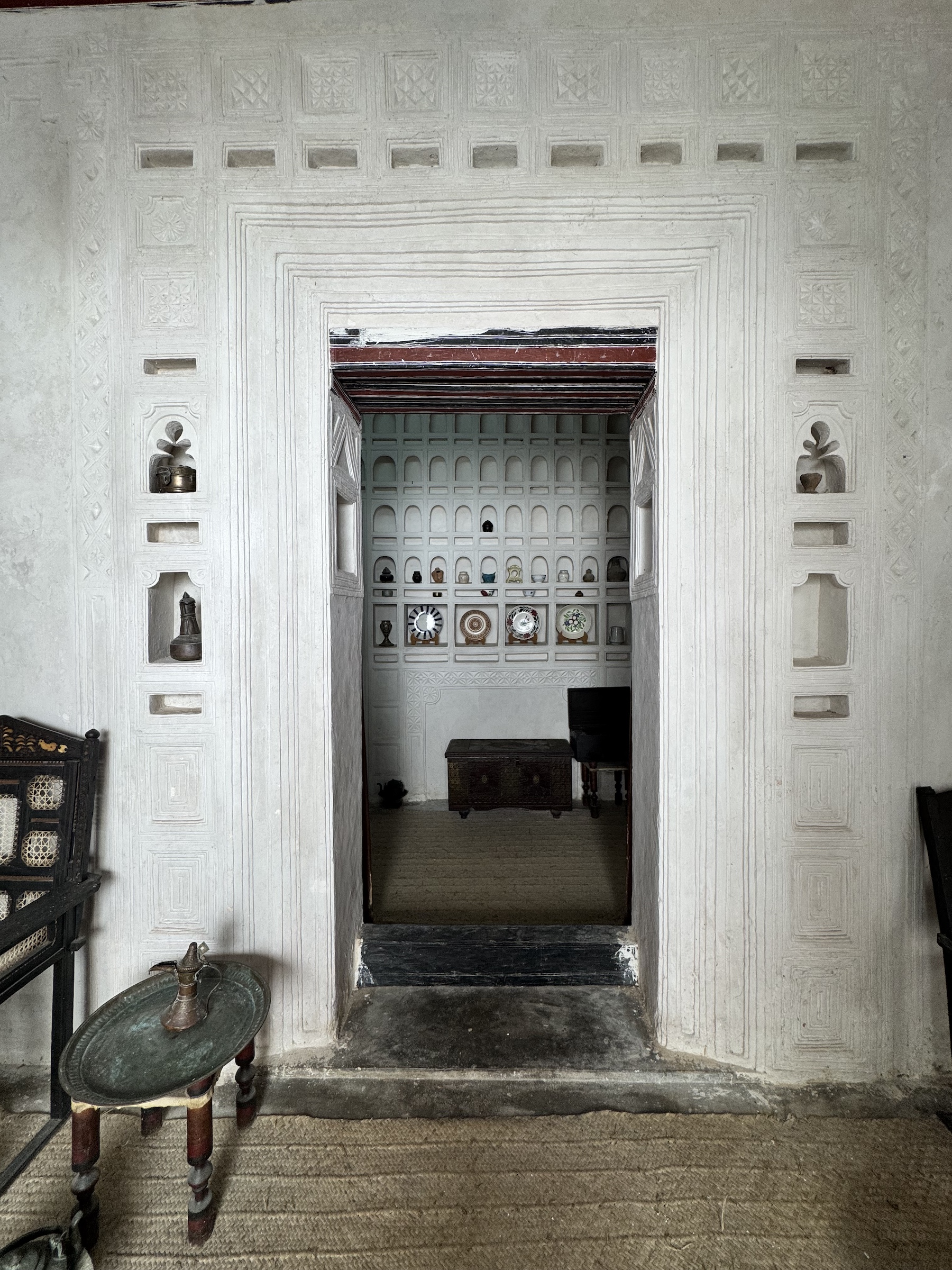
Original Swahili home plaster carvings.
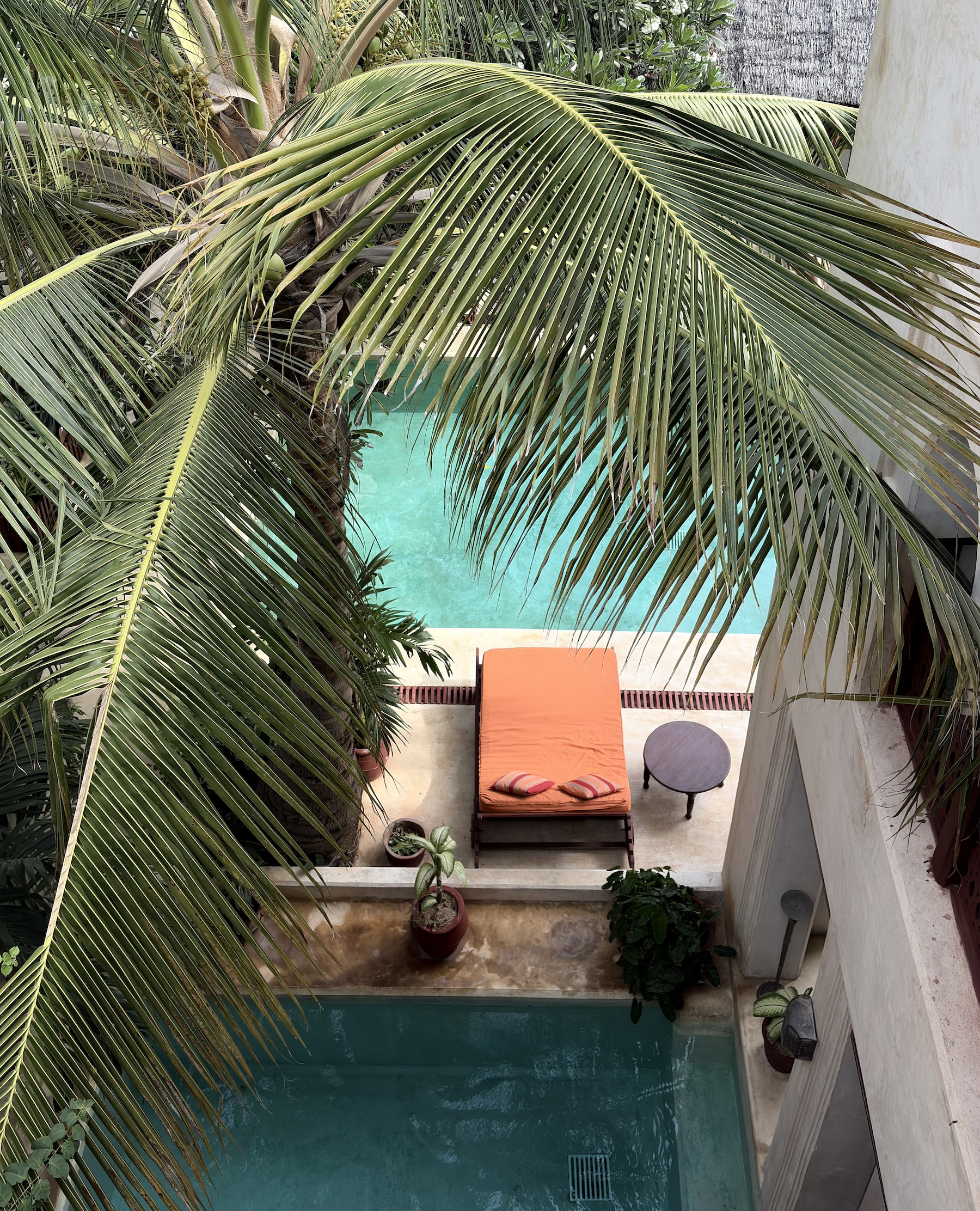
Lamu House – Boutique accommodation in Old Town Lamu.
What would count as a quick, easy win for the project?
For us – or really for the people funding it – I think it’s places that provide more community dwelling space. One of the biggest things I noticed in Lamu was the sense of community, their pride, and how much they love social gathering. So providing places with a bit more amenity, a little more hygienic, but that continue to facilitate community gathering rather than just coming in and imposing something like a high-end hotel, is what we’re looking for most. There needs to be a real balance between giving back to the community and serving visitors. If a building is renovated but locals can still use and enjoy it, that’s probably the biggest win.
What’s the plan for the Kinooni Street cluster?
Kinooni is one of the districts towards the back of the Old Town – somewhere you’d struggle to find if you arrived on the seafront with no local knowledge. It’s a really gorgeous place that once hosted marketplaces, and it has a lovely mix of original and redeveloped homes, along with small local vendors, stores and restaurants. It’s already a relatively activated district, but it’s missing exposure – nobody really goes there. So we looked at how to add a bit more amenity, whether through community gardens, an additional cafe, or more accommodation, as a way to draw people down there and get those back streets activated as much as the seafront. The potential is already there; it just needs that extra bit of help, which is something we can provide relatively easily from our side.
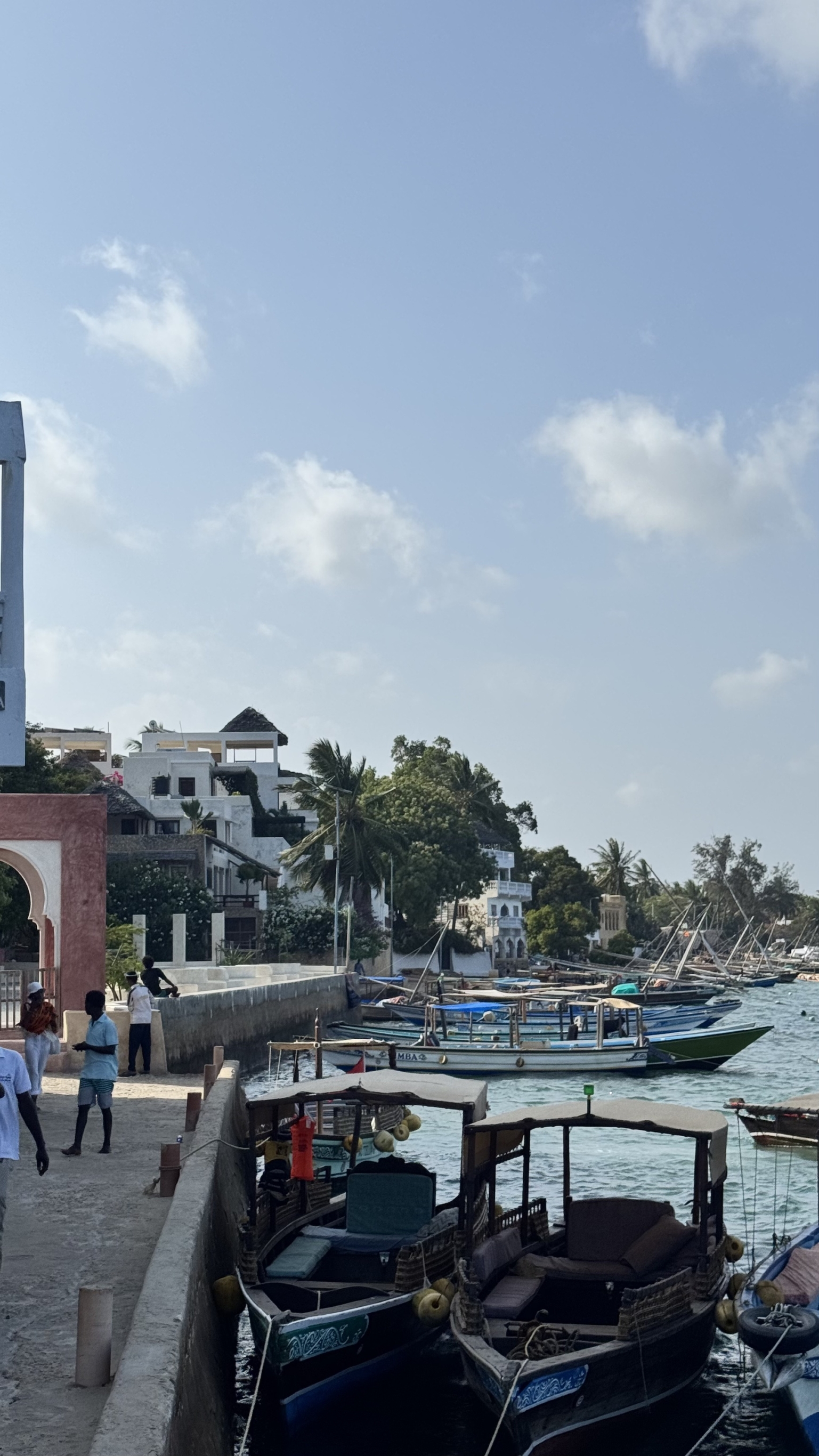
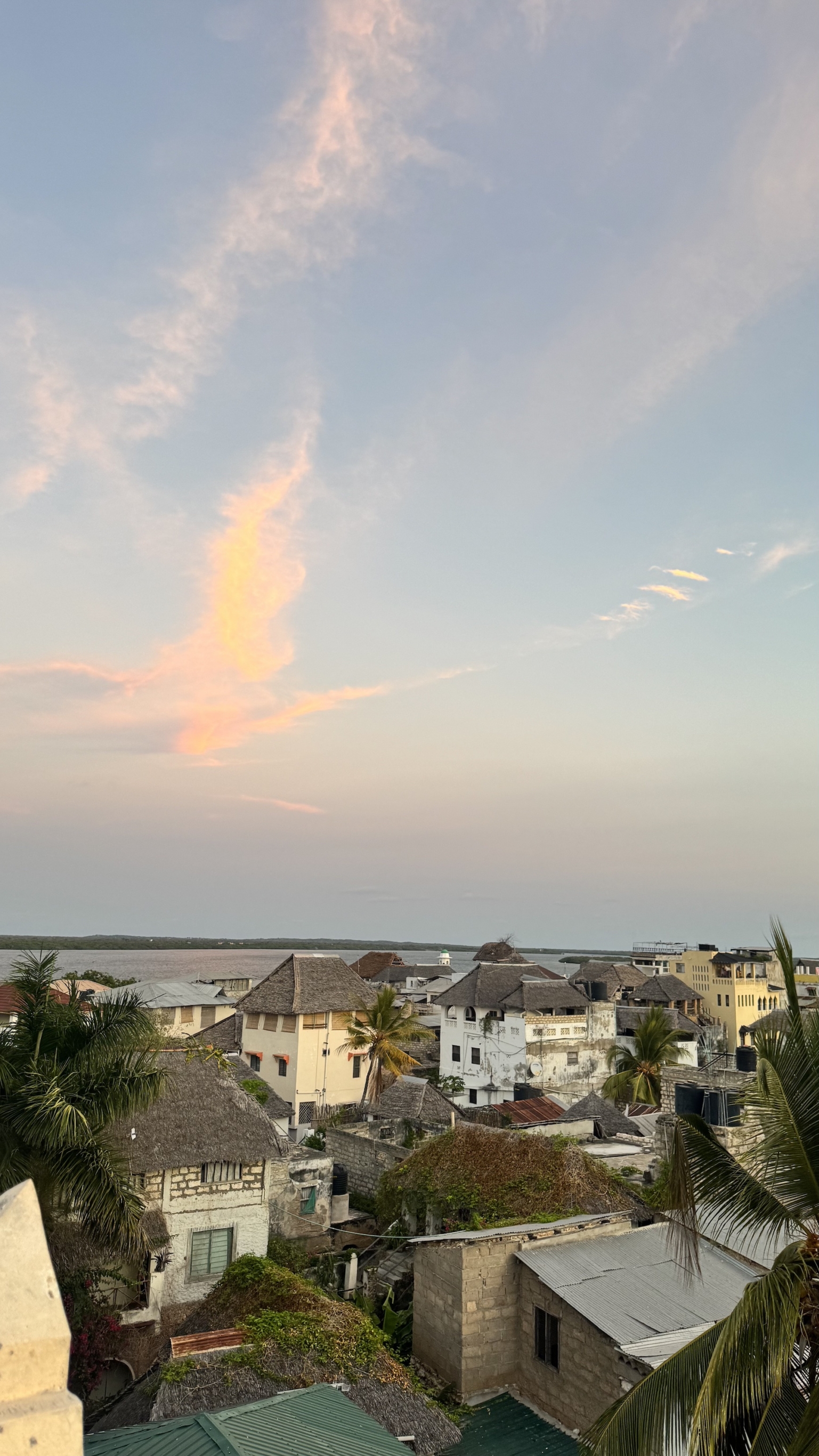
Shela seafront looking up to Old Town Lamu.
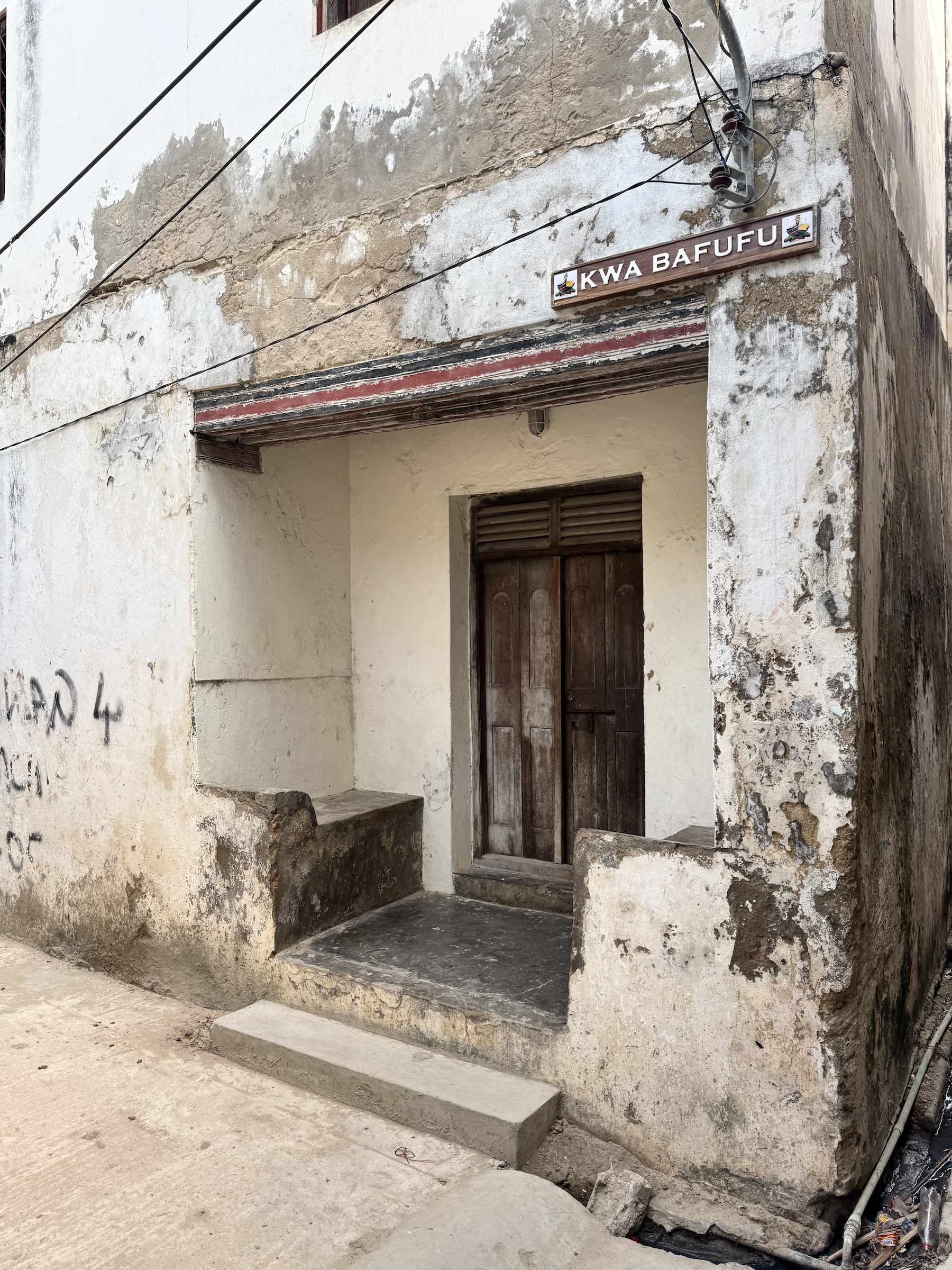
Example of an original ‘baraza’, Swahili home entry reception area.
How have local residents shaped the plans so far?
We worked closely with a group called Friends of Lamu Cultural Heritage – around six of them – on a daily basis. They showed us around, but they were also a direct line to the wider community, almost like a participatory design process. They were surveying and gauging what people wanted, partly to reassure the community that we were there to help, not impose. If we suggested something and they felt it wasn’t something the community needed, they’d reject it outright. So we had a small group of locals we dealt with daily, who were also a genuine voice for the wider community – everyone in town knew we were there, which was quite something to experience.
Was the World Monuments Fund involved at all?
Yes – one of their representatives, Stephen Battle, joined us out there. CHIFA already had a relationship with him, and he happened to be in Eastern Africa at the time, so he came to understand what we were trying to achieve and look at how to take it into the circles he works in to find funding and investment opportunities. So you had several parties with different end goals – CHIFA, John McAslan + Partners, the World Monuments Fund, and Friends of Lamu – all exploring the place together to arrive at a cohesive vision to present to the community.
What’s the timeline from here – what’s the first tangible thing that will happen in Lamu as a result of this work?
The intention is for the Spanish House to be redeveloped first and become a community asset, once the land is secured. The concept design is essentially ready – it just needs the green light on the property itself, at which point it can be handed to local architects and builders to deliver. Unfortunately there’s a lot of red tape involved, mostly around the ownership issues we mentioned earlier, but once that logistical side is resolved, the physical building work itself isn’t expected to be a problem.
Finally – what’s the one thing from your time in Lamu that has stuck with you most?
Honestly, it’s the community. The sense of belonging was the most special thing I’ve experienced. I’ve travelled a lot, and I’ve never come across a community so tight-knit and so welcoming. It was really special.
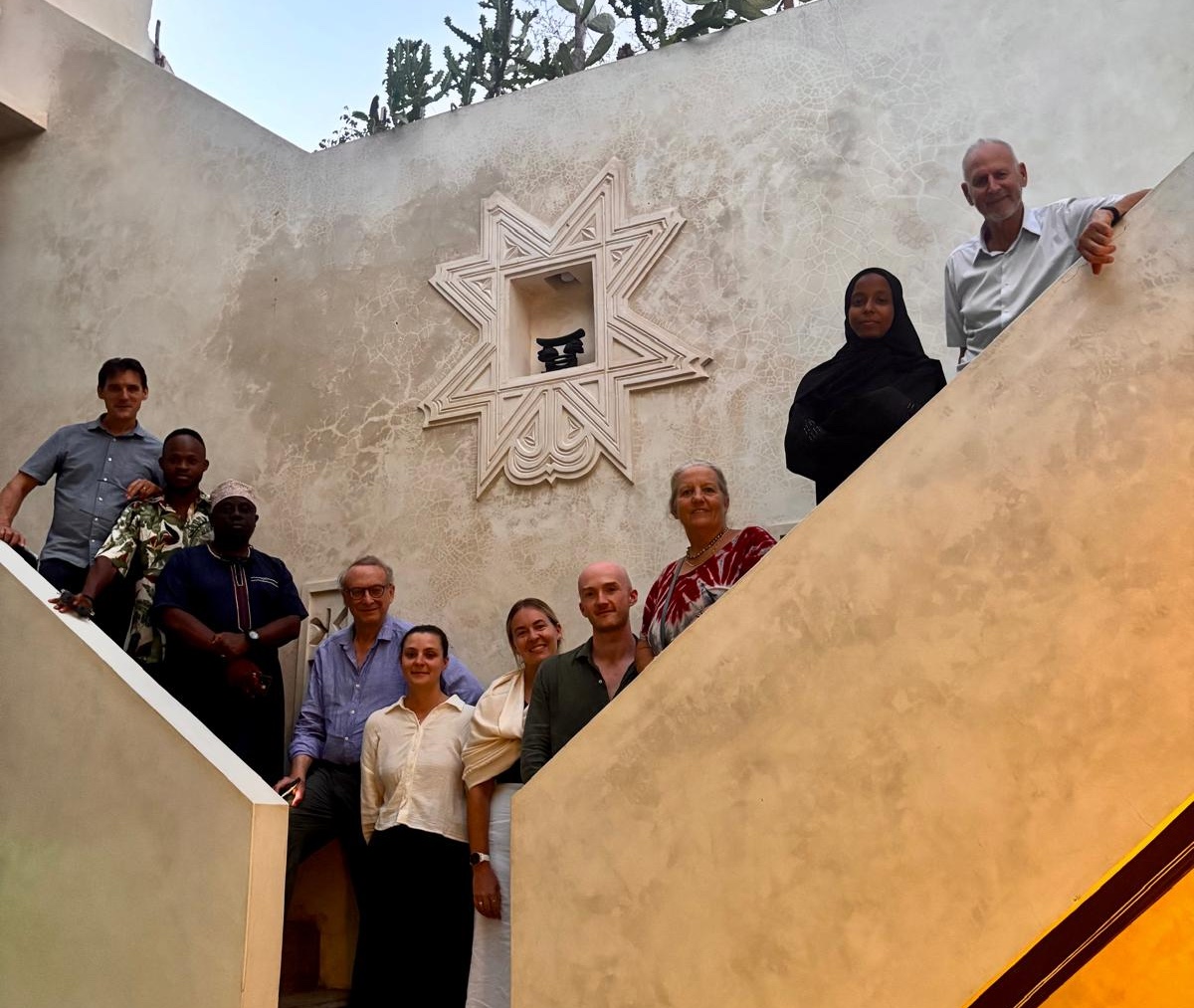
The Lamu project team.
Credits
Architect John McAslan + Partners
Funder / Initiator Cultural Heritage Finance Alliance (CHIFA)
Community partner Friends of Lamu Cultural Heritage
Advisory support World Monuments Fund
More pictures