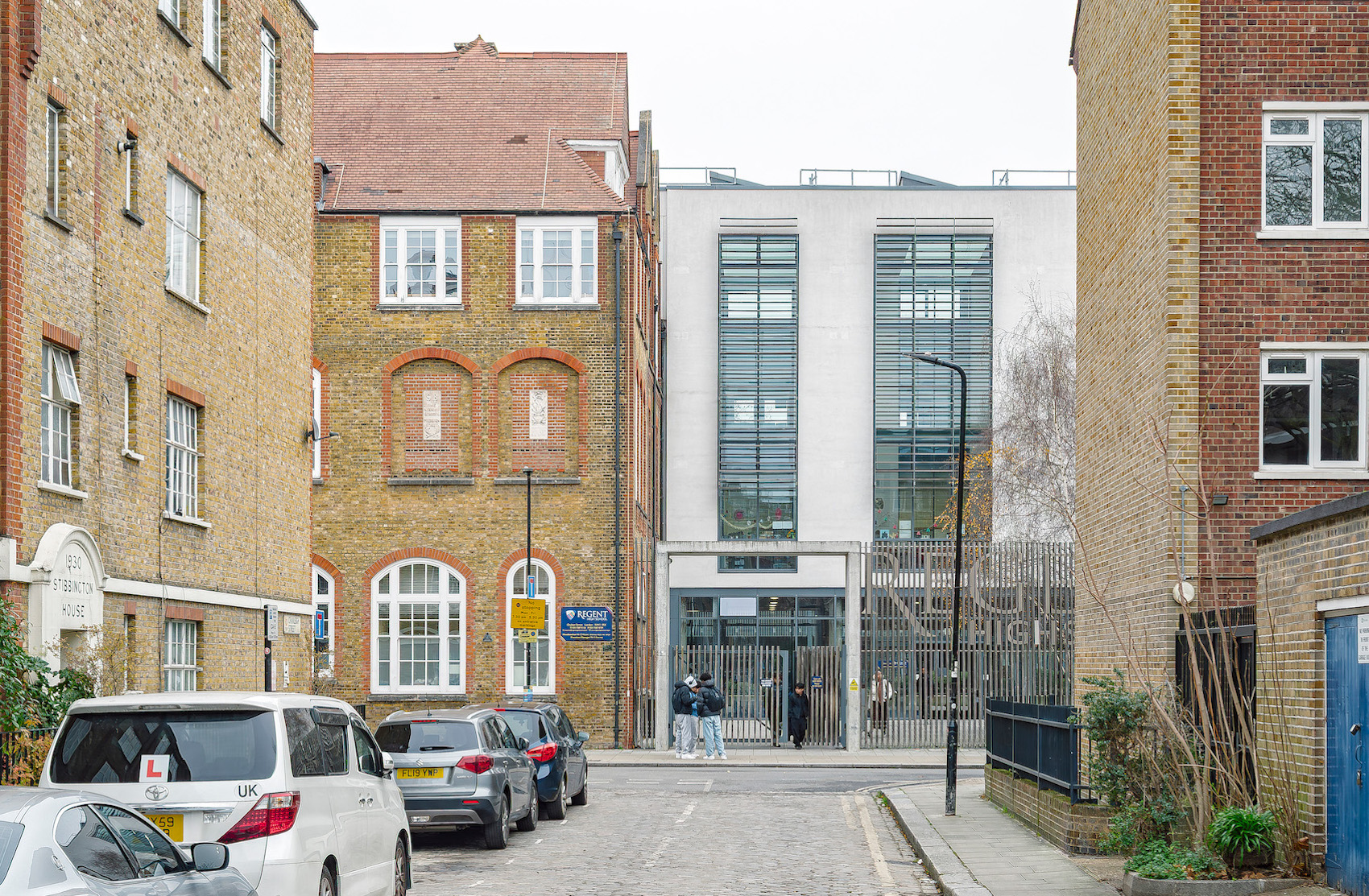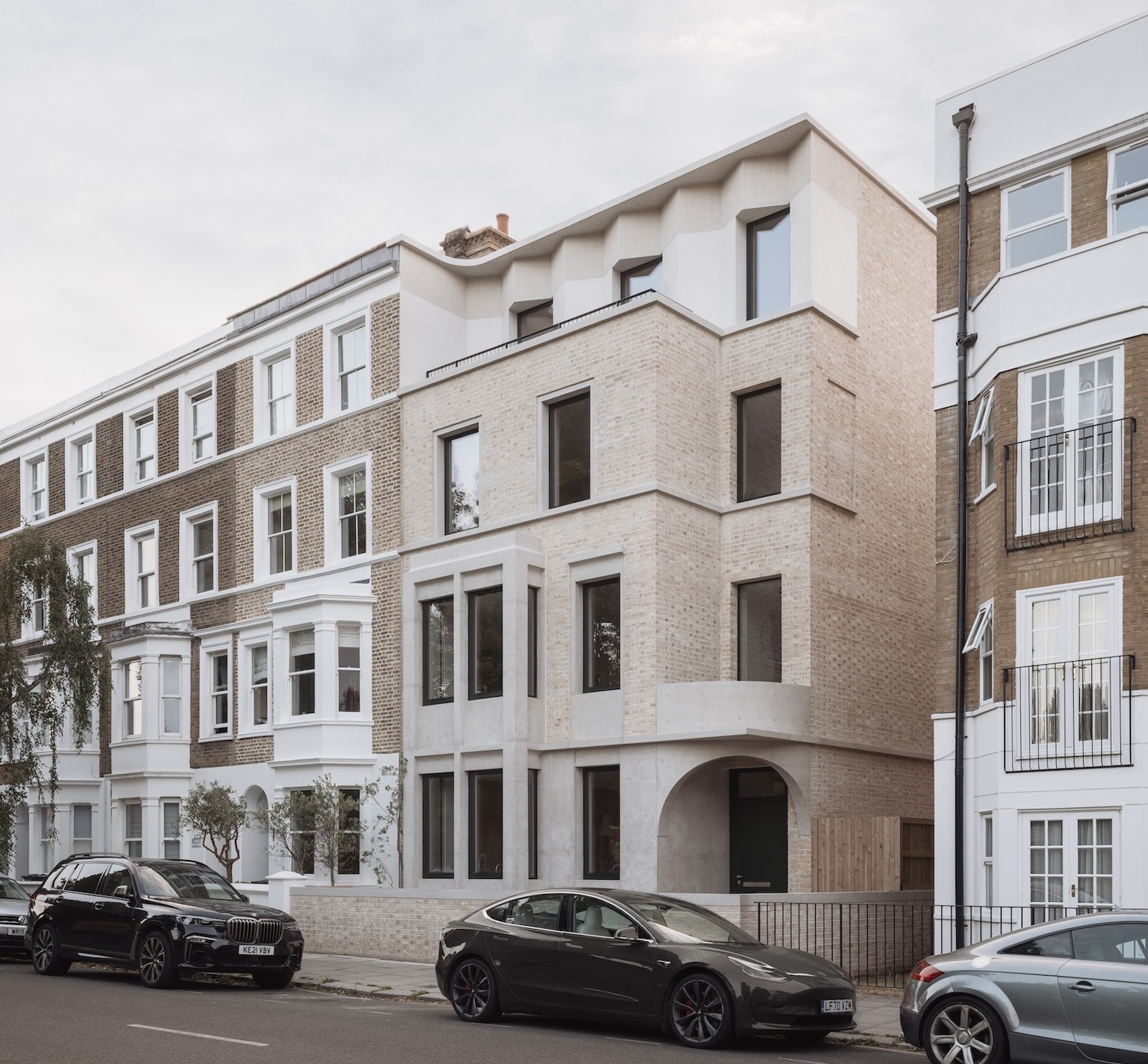
Carmen Wochner explains how the practice’s carefully curated materials library blends product inspiration and tactility with a desire to educate and inform.
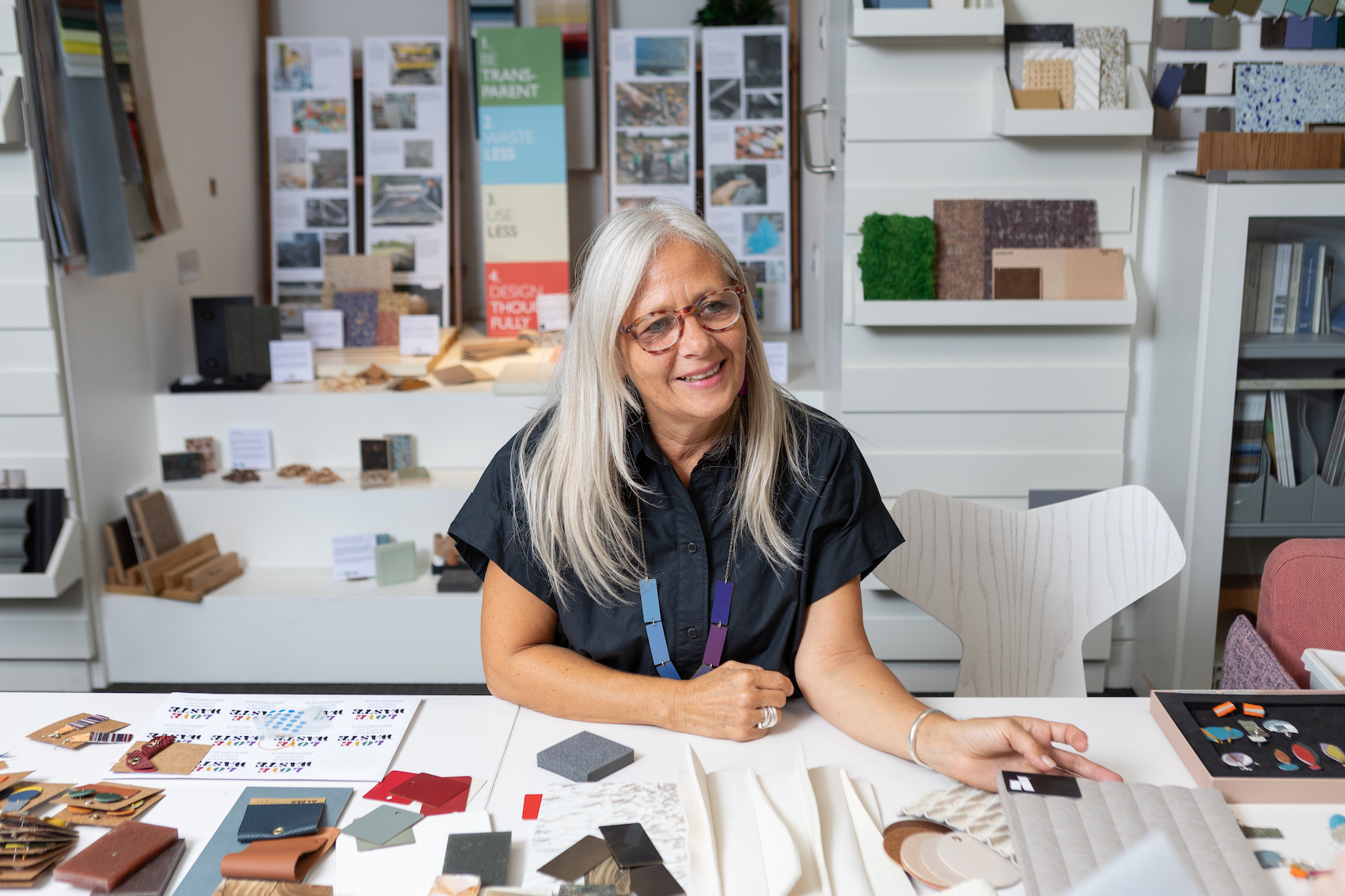
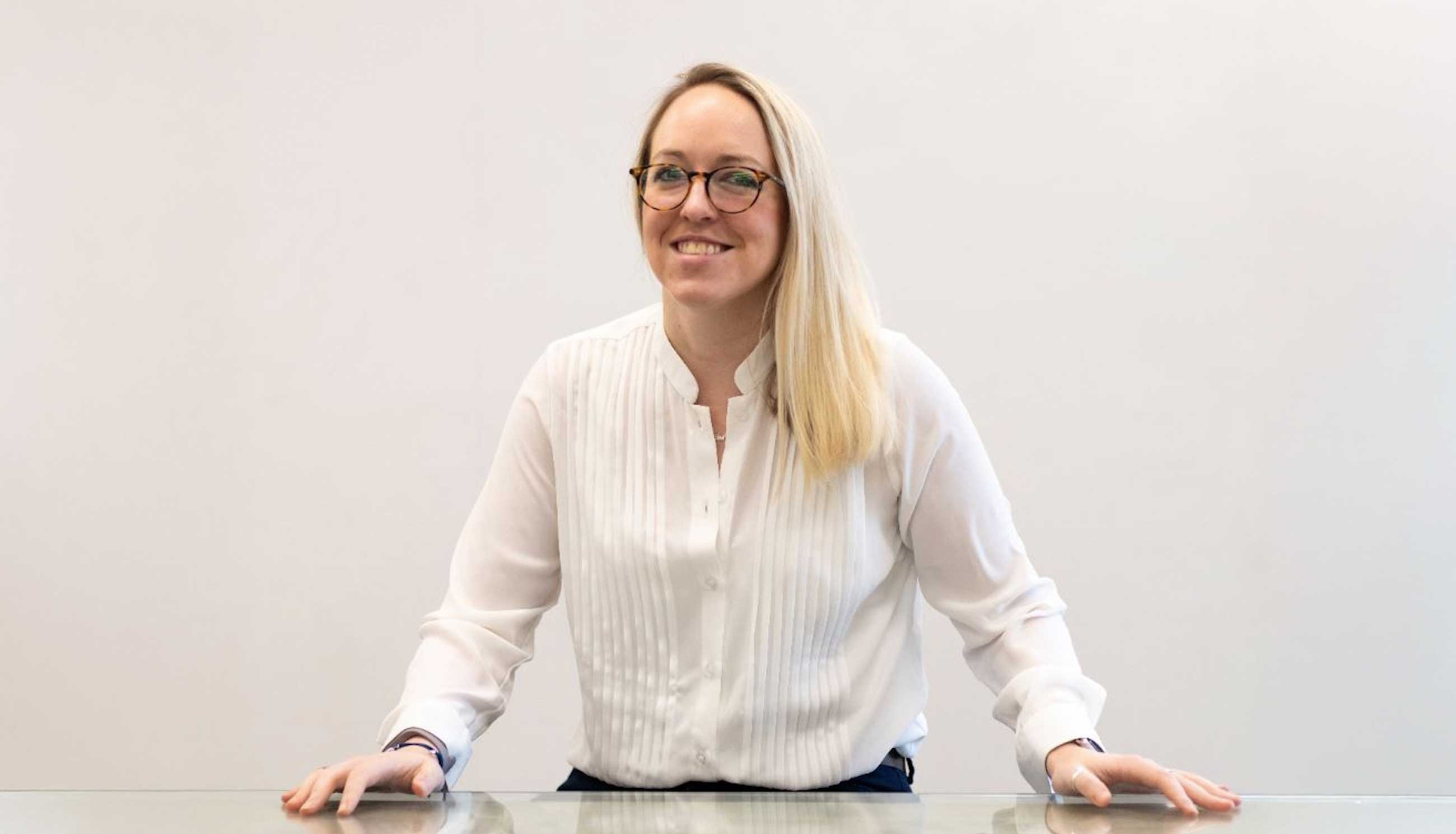
Information Manager and Materials Researcher Carmen Wochner manages the materials library in the practice’s London office.
Carmen Wochner, information manager and sustainable materials researcher at tp bennett, took over the management of the materials library in 2023, bringing her enthusiasm, style and ethics to the 10-person sustainability team that influences the environmental direction of the 450-strong practice. From monthly newsletters to craft workshops that get staff creating jewellery from waste samples, tp bennett’s library teaches practices how to manage overflowing material libraries, without losing the benefits of tactile engagement with samples.
How have attitudes changed towards the materials library in the two years since you took over?
We accumulate so much stuff and it piles up on the designers’ desks. The first thing I changed was setting up a reliable system for returning samples to suppliers. There are various drop off points around the studio for tiles, fabrics, bricks, or whatever the material is, where the designers can leave their samples once they are finished with them. We probably now return 70 to 80 percent on a regular basis. Of course it depends on the supplier. That 20 to 30 percent is often down to a supplier saying “Oh you can throw it away, it’s been discontinued”, and that’s when I start collecting them for our workshops.
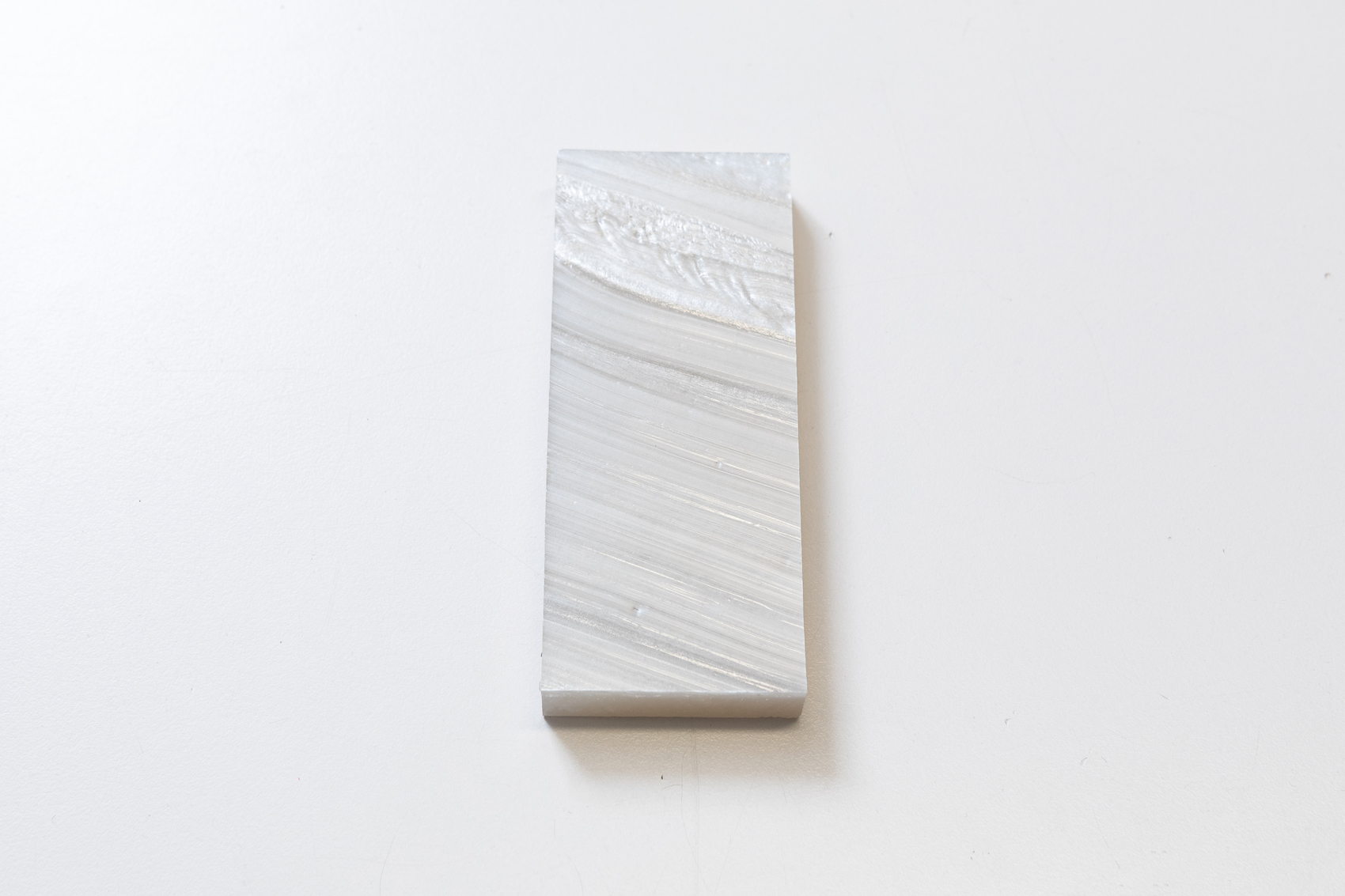
Mother of Pearl by Plasticiet is made from recycled car headlights and is hand-shaped by in-house artisans. “Someone wanted
to use marble for a reception desk, and I suggested using this instead. When lit from behind, it has this wonderful shiny glow.”
The workshops seem to have really taken off. How did they start and what do they look like?
When I arrived at tp bennett and saw all these wonderful textures and colours lying around, it was almost instinctive that I made something from them. I then thought, I’m in a building that is full of creative people, why don’t I ask them to join me? So I decided to start running jewellery making workshops for staff, just for a few hours after work, and they love it! Having designers interact with materials in this way; creatively and through touch, adds another layer to their relationship with them – the idea being that this positively informs their design decisions. It’s a lot nicer to cut, sew and fold natural fibres then synthetic ones, so why would you want to live and work amongst the latter?
It really speaks to the designers’ natural instinct when they begin a project – to sketch and experiment – and the workshops are a way to get sustainable materials into the design conversation as early as possible. I’ve done three workshops for tp bennett now, one at Ravensbourne University and another for an education programme at the RIBA, and I’m consistently surprised by the outcome. It’s a very simple idea, but the product is something completely different and incredibly beautiful. When you see the jewellery now, it would never occur to you that these materials would otherwise have been discarded.
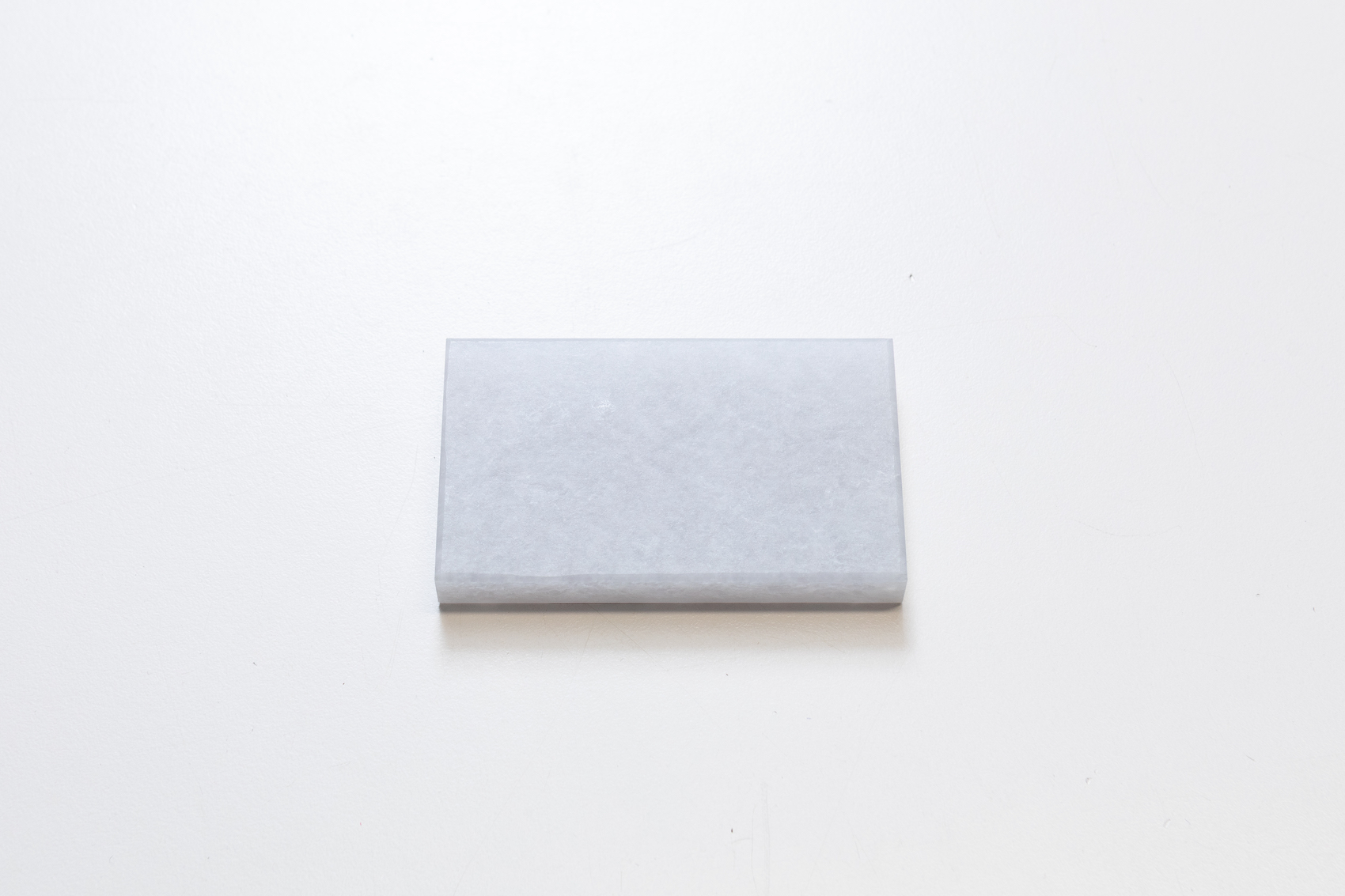
Grey Mist by Smile Materials. “Sometimes designers will pull out materials based on appearance and texture, so it’s great when we can find something like this that meets that part of the brief but is made from 100% recycled and recyclable PET.”
Are you able to draw a connection between the material library workshops and the architects opting for a more sustainable design process?
Yes, but this is also down to several other aspects of the way we run the materials library here. I write a monthly newsletter which only features sustainable materials. This might include an interview with a supplier, or the introduction of a new bio-based material to the library, and this really gets people engaged.
Do you have a method for offering the best alternative in terms of non-sustainable materials?
Well, firstly I always provide a sustainable alternative. I’ll give the designer the samples that match their specification, but then will provide relevant recycled options perhaps, or sometimes just throw in an exciting new bio-based product. This is exactly what happened in one case, where we were able to use a material made from recycled car headlights for a large counter top in an office space, instead of marble. Moments like this prove that a client’s perspective can shift completely when faced with a sustainable alternative.
We’re so obsessed with materials like marble being perfect, which shouldn’t be the case, but what’s great about this recycled alternative is that you can manipulate it until it is. You then get a final product that isn’t thrown out because it’s slightly the wrong shade or has speckles. You can also feel the fibres on the counter top, for example, so it’s not trying to be anything else.
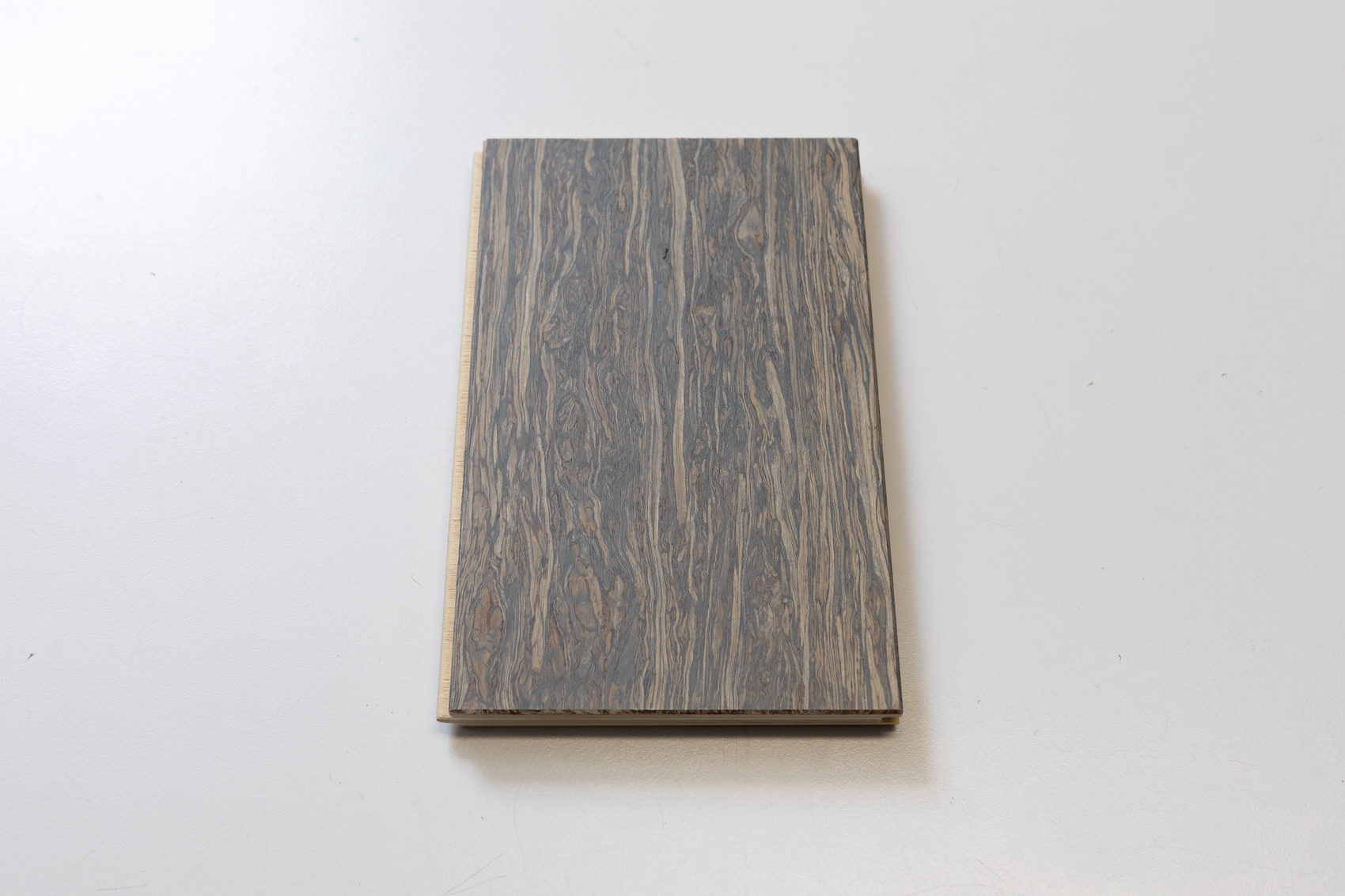
HempWood produces organic hemp-based wood substitutes using hemp fibres and protein- based glue. “Although hemp is a difficult material to get into buildings due to fire regulations, there are some really great products being developed.”
What is your relationship like with suppliers?
The practice has an open dialogue with suppliers. It’s very much a two way conversation. I recently challenged one to think about the foam normally used in furniture, and they’ve come back to me with a knitted fabric solution that acts like a soft trampoline.
How do you curate the library? And does being a designer yourself influence the way you do this?
We change the display frequently based on different themes – often in accordance with the newsletter, but mainly to introduce different ideas to the practice and to just have fun with it. In January the theme was the Pantone colour of the year, so we had all sorts of different materials with various uses on display, all the same ‘Mocha Mousse’ colour.
The next month we had a focus on acoustic materials, and the month after carpet tiles! So really the aim is to just continue inspiring the designers. This is another benefit of coming from a design background. I understand how the designers respond to visual things, and want to speak to that aspect of the process. When you see something, and can hold it in your hands, you can get really excited about it! And we try to encourage that interaction not just with the architects but with the clients too.
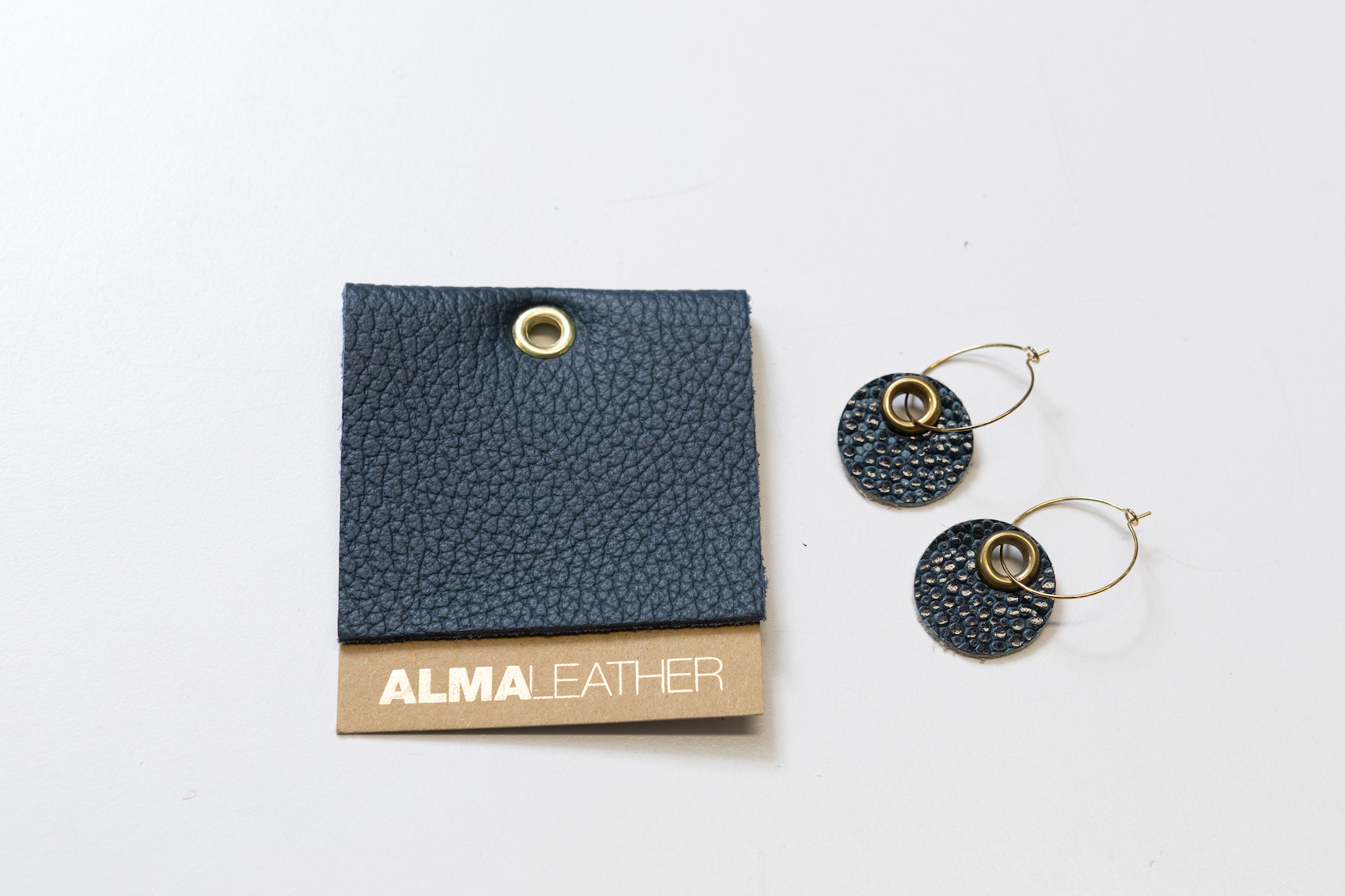
Earings made from Alma leather sample. “You’re giving things a second life,” says Wochner of her waste material workshop. “The designers sit there with the materials for two or three hours, see how they feel, and decide what to use. By the end, I’m always surprised by what they’ve made. Someone always uses the material in a way I hadn’t thought of.”
Do you feel as though your management of the materials library has influenced the broader sustainability of the practice?
From my perspective, I hope the biggest influence of the material library and the workshops has been to encourage the practice to think about materials in a more natural, tactile way, on a more regular basis. Thinking before you throw something away enables one to see the beauty in the waste. Waste is not just waste, but the potential to become something else, something beautiful and useful.
You seem to have made many changes to the sustainability culture at tp bennett since joining. So what’s the next step for the materials library?
While we have an extensive physical library, we also have a digital one, which the sustainability team has been working on for a while called ‘AD Lib’. It began with a push to get suppliers to upload their products to it, with sustainability certificates and specifications, and that’s growing all the time.
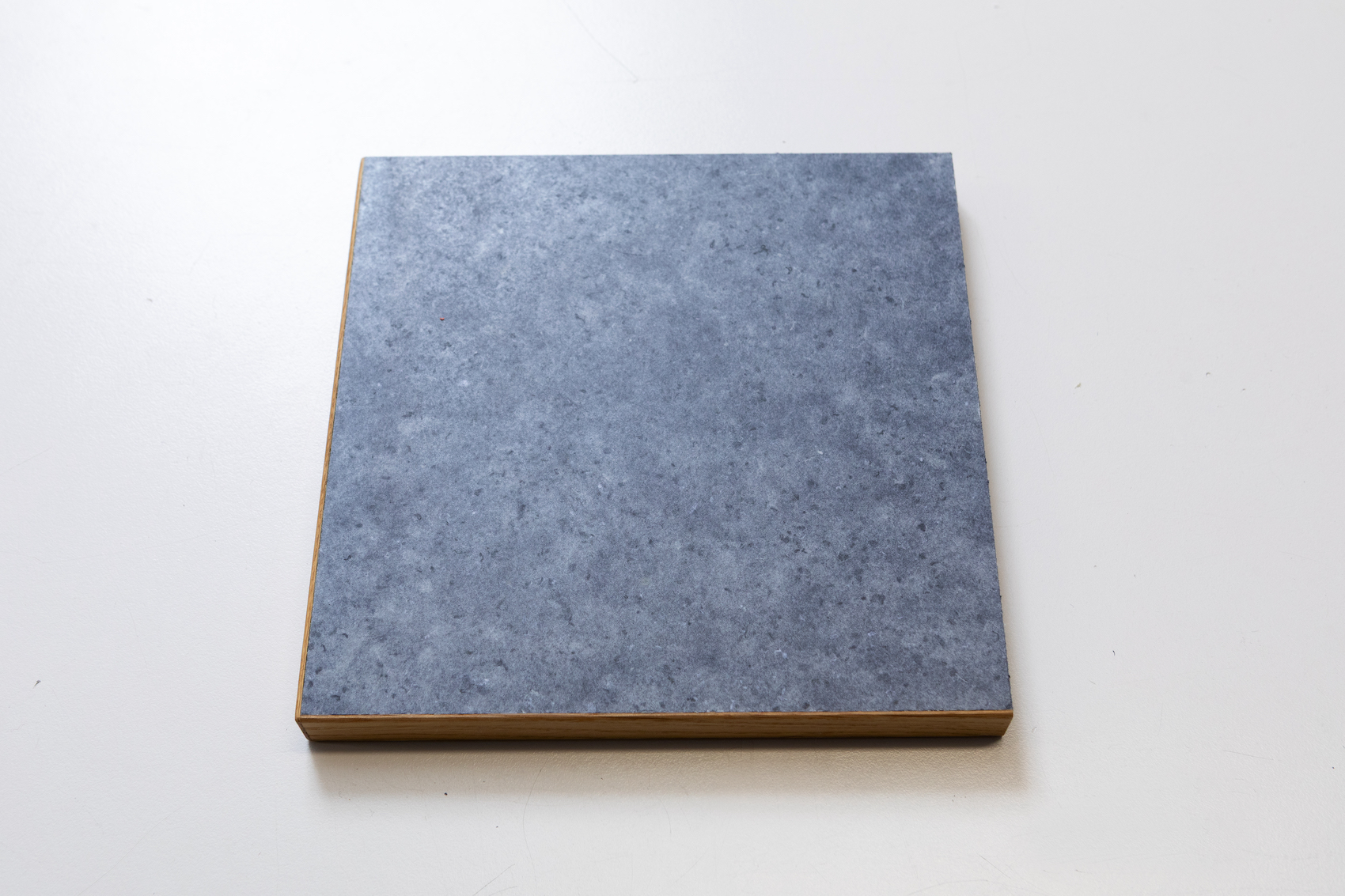
Kvadrat Really’s Textile Tabletop. “These tabletops are made from recycled end-of-life textiles and offcuts, and I think they are utterly beautiful. I get really excited by them— they look different, and there’s a reason for that.”
The next step has been to connect the physical with the digital. The idea isn’t to lose that tactile quality of material selection, but it means that you can filter through all these materials virtually, while also being informed on which materials we already have physical samples of in the building. Designers then know which materials they can come and look at, hold in their hands, take to client meetings, and which we would need to order in. We are now in the process of setting up a QR code system that tags each sample with an online profile, to begin streamlining things.
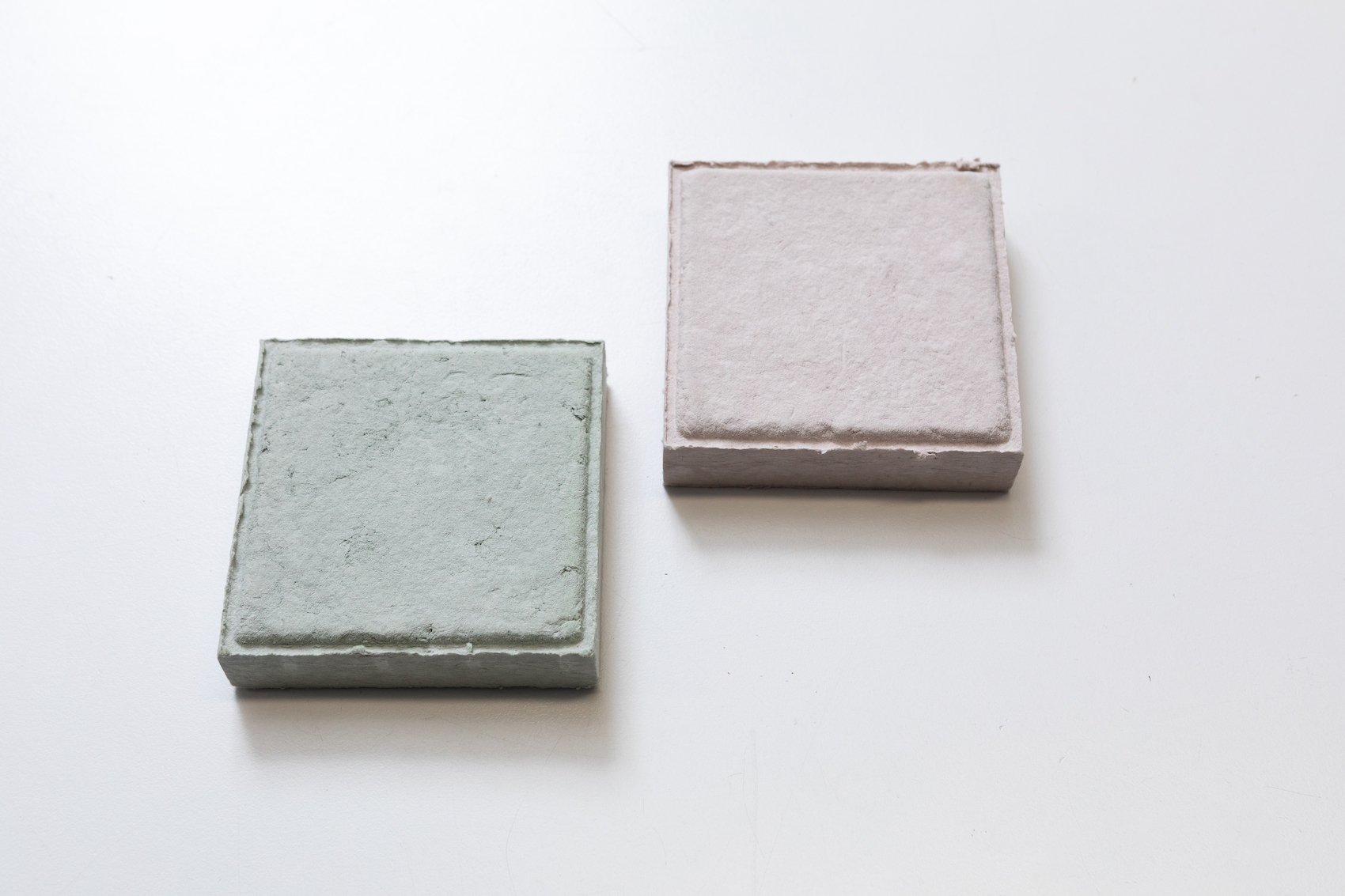
Impact Acoustic’s Archisonic Cotton is made from natural raw materials, using by-product cotton cellulose as a binder. “These are pressed cotton acoustic panels that we’ve used in several projects.”
At the moment, I would say we have everything. Which is amazing. Often designers will come over on the off chance and say, “I never expected you to have this!” But that becomes very difficult to manage. There’s no doubt that once it is set up, it will be the most sustainable way of running a materials library. If someone hasn’t brought a sample back, for example, we will know exactly where and when it was last used. This will allow us to track it down, preventing aimless ordering of new samples when the old one shows up a week later! We will have far less surplus, be able to send samples back with ease, and ensure we only get things that we really need. At the moment AD Lib is only an internal resource and is working really well, but we are looking at plans to open source it soon.
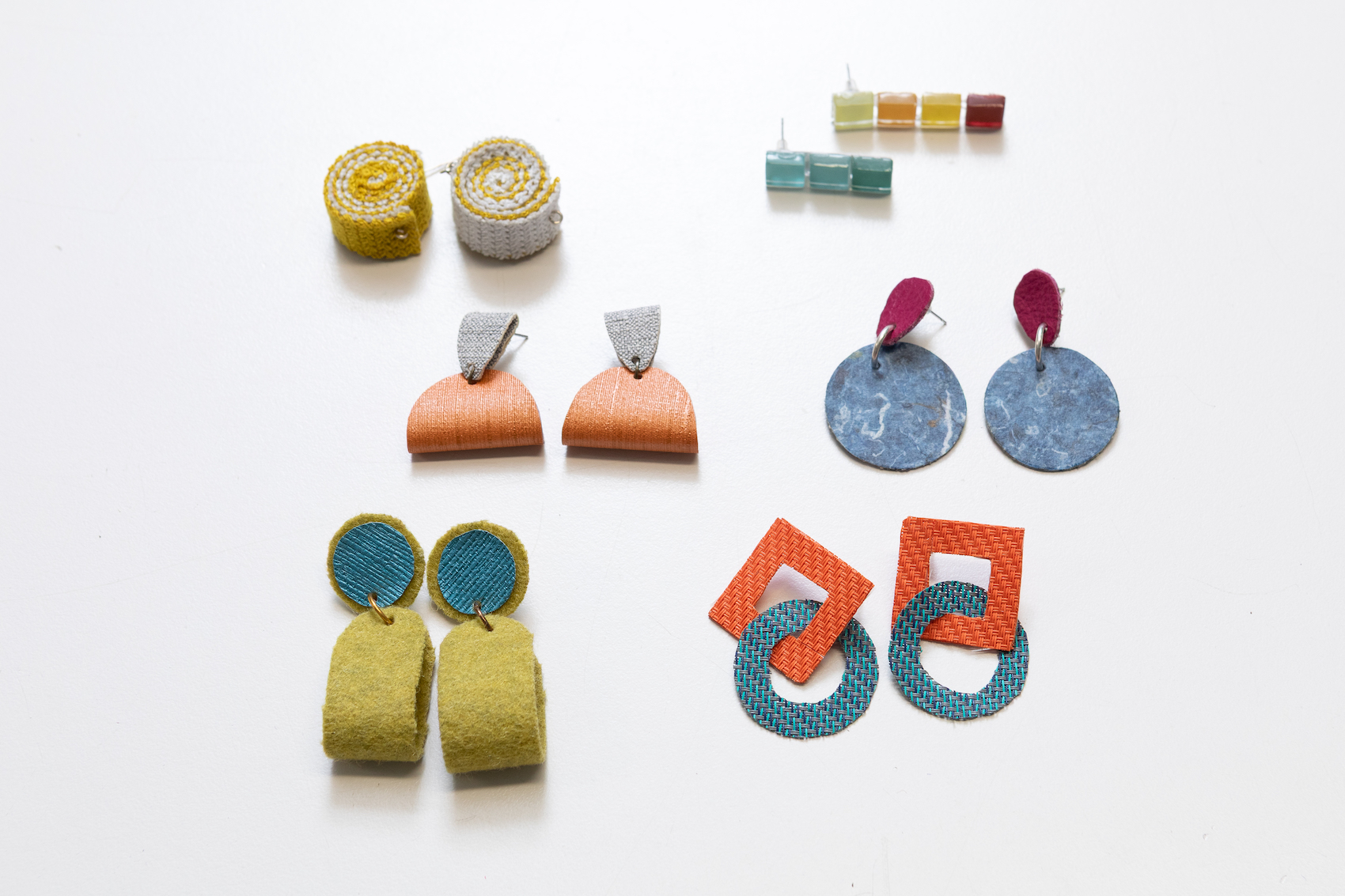
A variety of waste off-cuts the staff at tp bennet have turned into earrings. “Your product is not sexy enough if sustainability is not considered!” says Wochner, who is drawn to materials she refers to as “forever materials”. These are products that are sustainable and durable but with a life beyond their primary uses.
Most practices struggle to stay on top of a materials library that is bursting at the seams. Where do you suggest they begin?
You have to begin by collecting everything together and categorising. Start with a list of all your suppliers: their addresses and contact details. And then you obviously want to separate all your materials by classification. All the carpets, all the fabrics, all the stone. Then you want to separate these further; for example there’s composite stone, solid surfaces etc etc. It really is a librarian’s job! And even then you haven’t even started with the research…