Sheppard Robson has transformed Manchester’s Grade II-listed Pall Mall from an ageing post-war office block into a high-performance workplace, carefully reconstructing its Modernist façade while introducing new public spaces, flexible interiors and a fabric-first retrofit strategy.
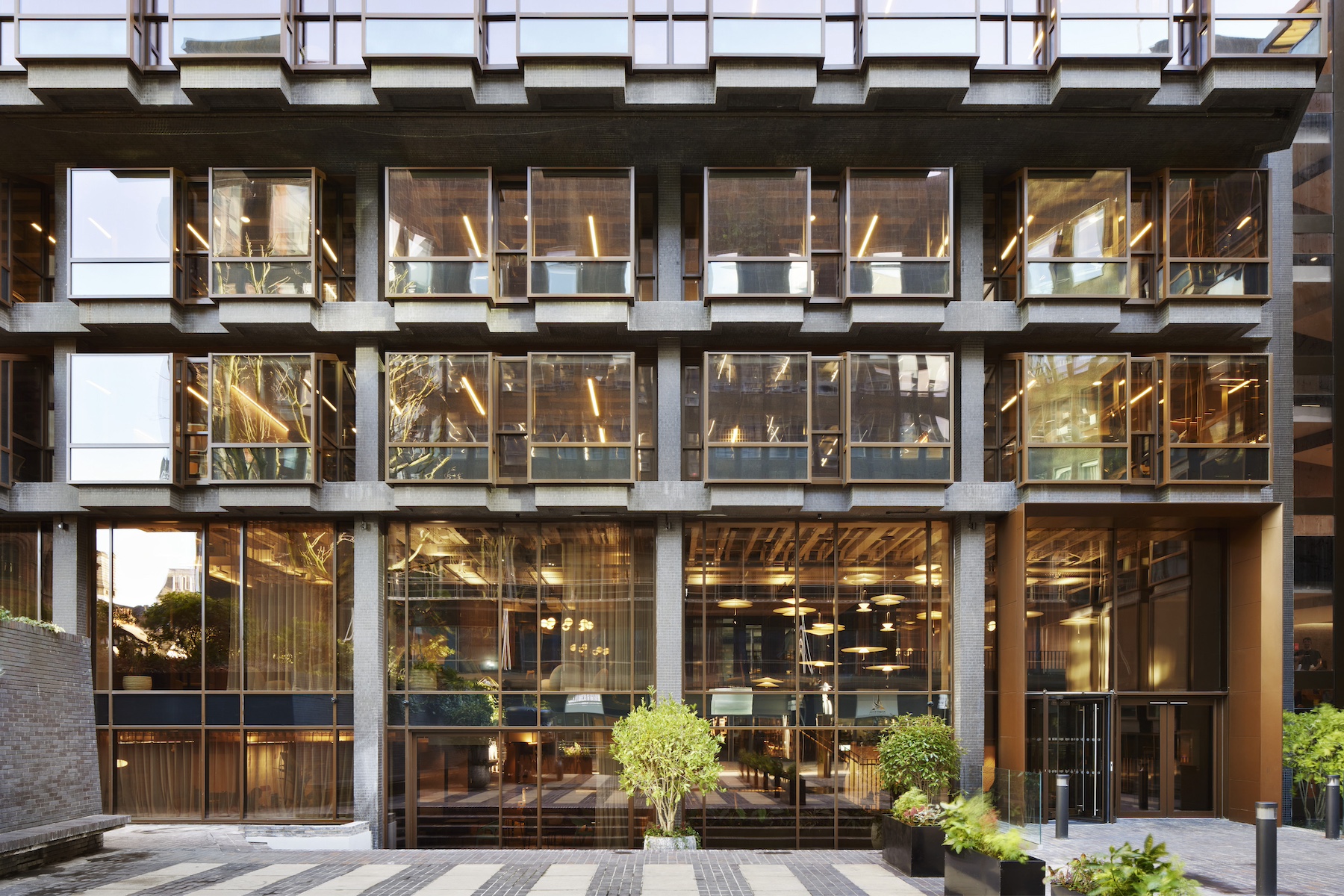
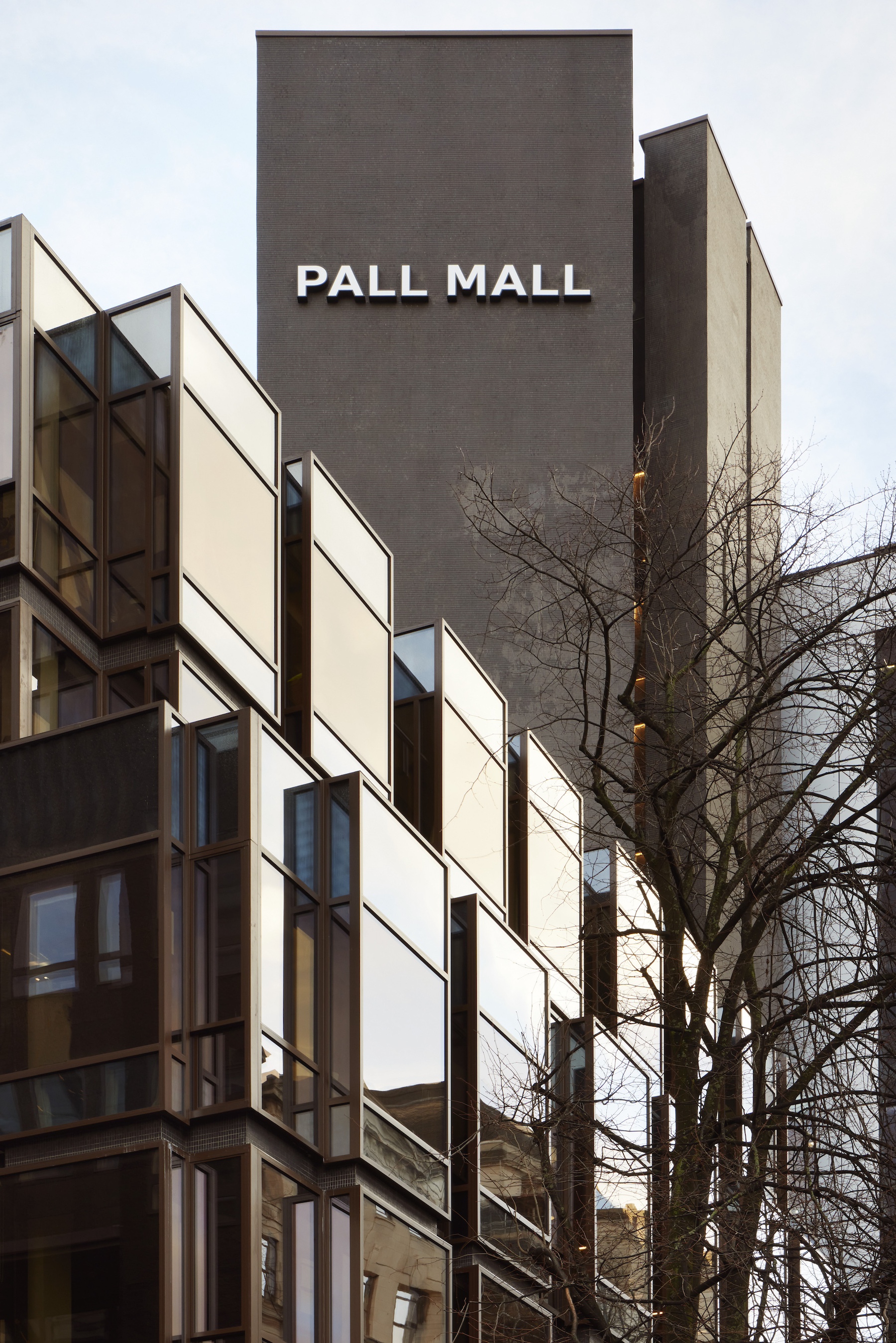
Sheppard Robson has completed the extensive refurbishment of Pall Mall, a Grade II-listed office building in Manchester city centre, transforming the 1960s landmark into a contemporary workplace while retaining the architectural character that secured its protected status. Delivered for Bruntwood SciTech, the 85,000-square-foot redevelopment repositions the previously underperforming building as a new destination for innovation-led businesses, reconnecting it with the surrounding streets through the creation of a new public square and reconfigured entrance.
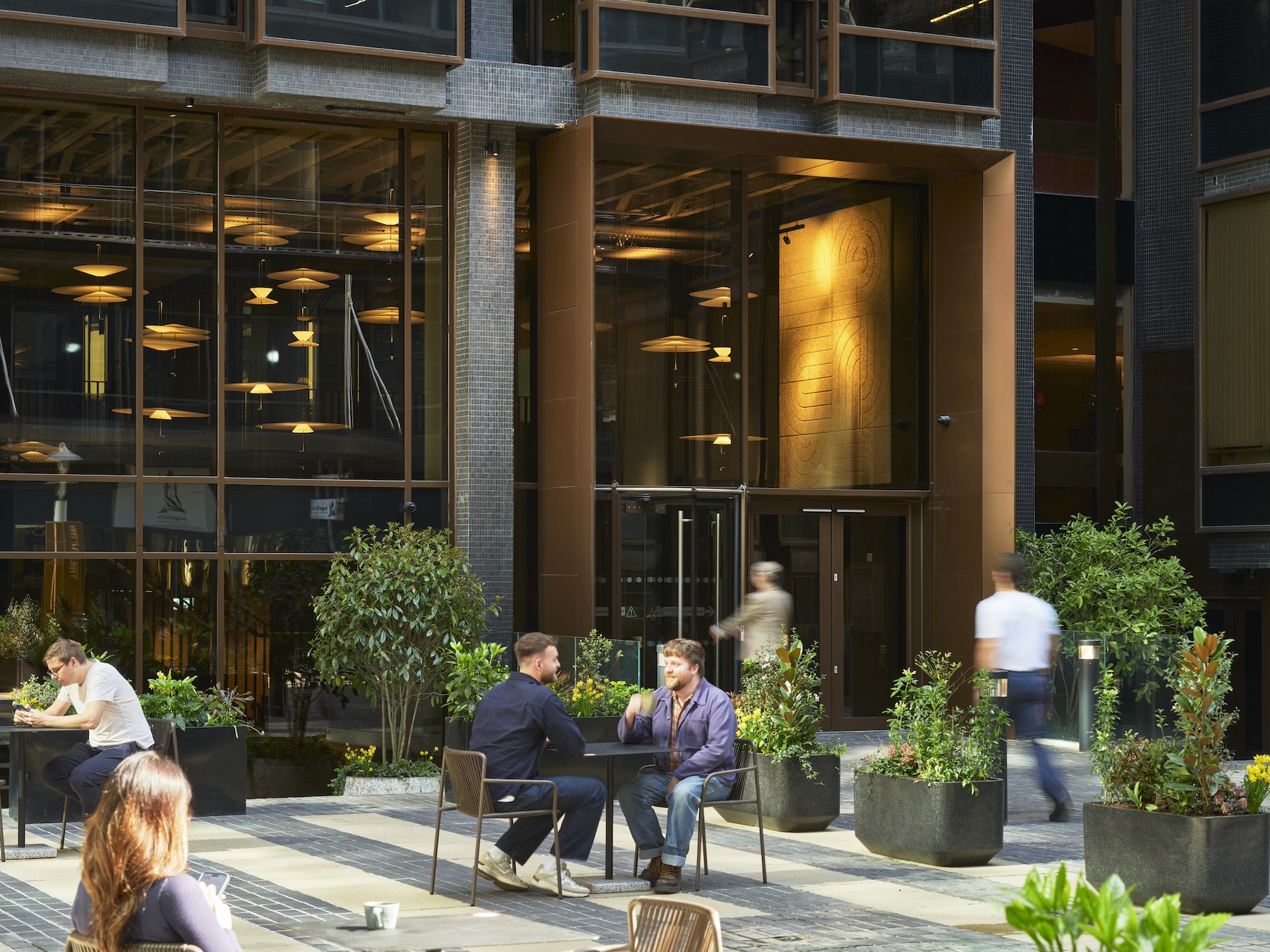
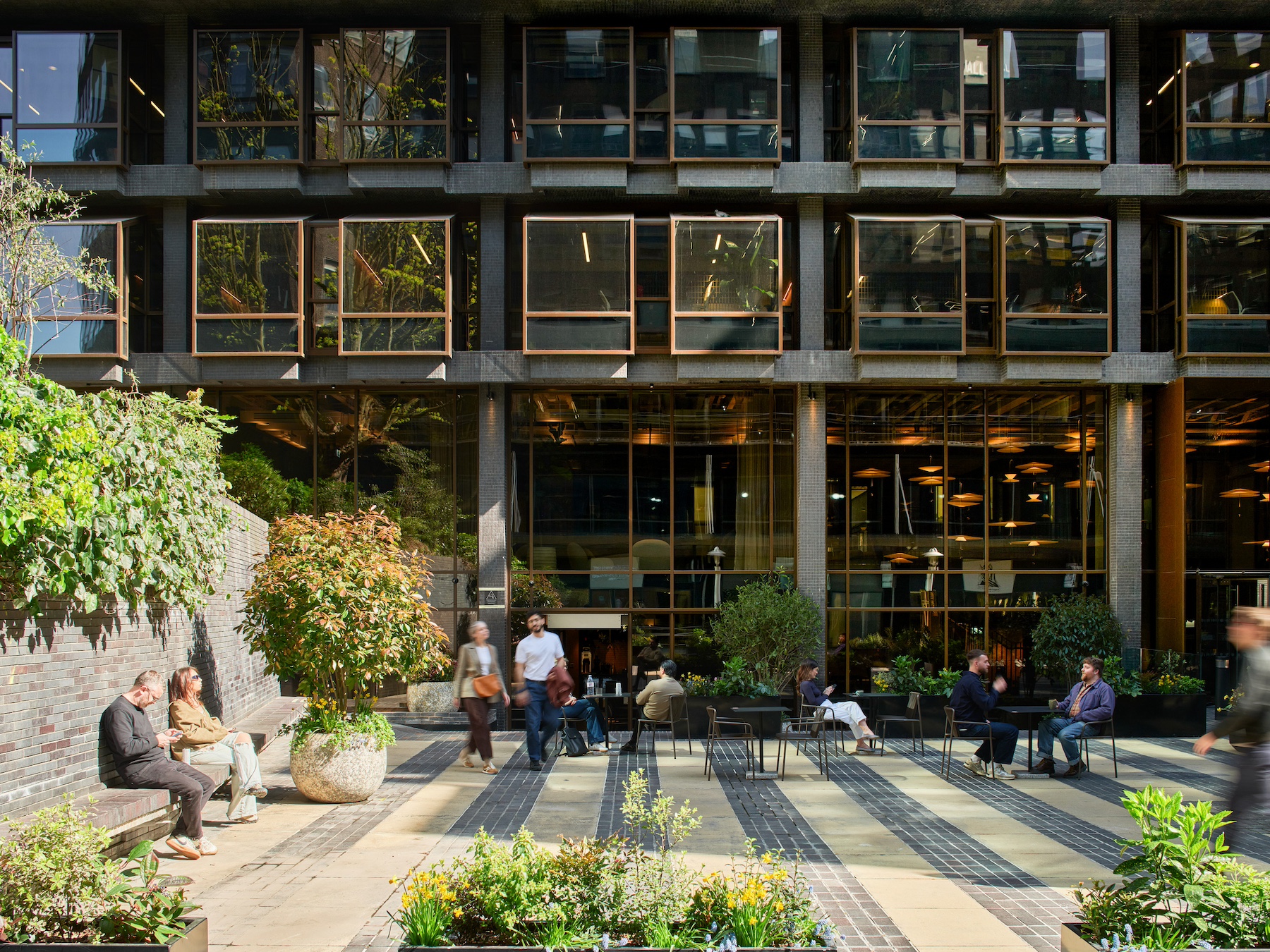
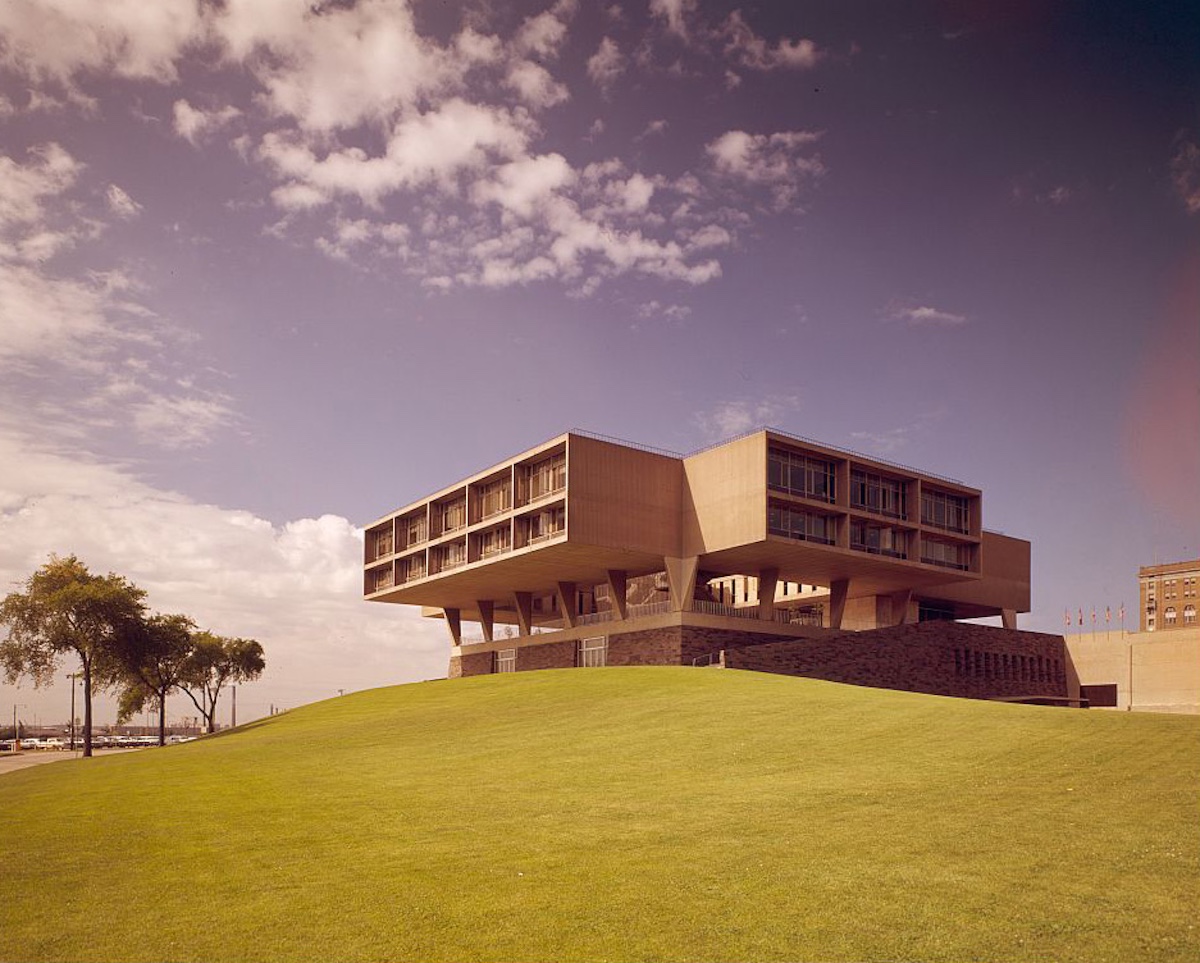
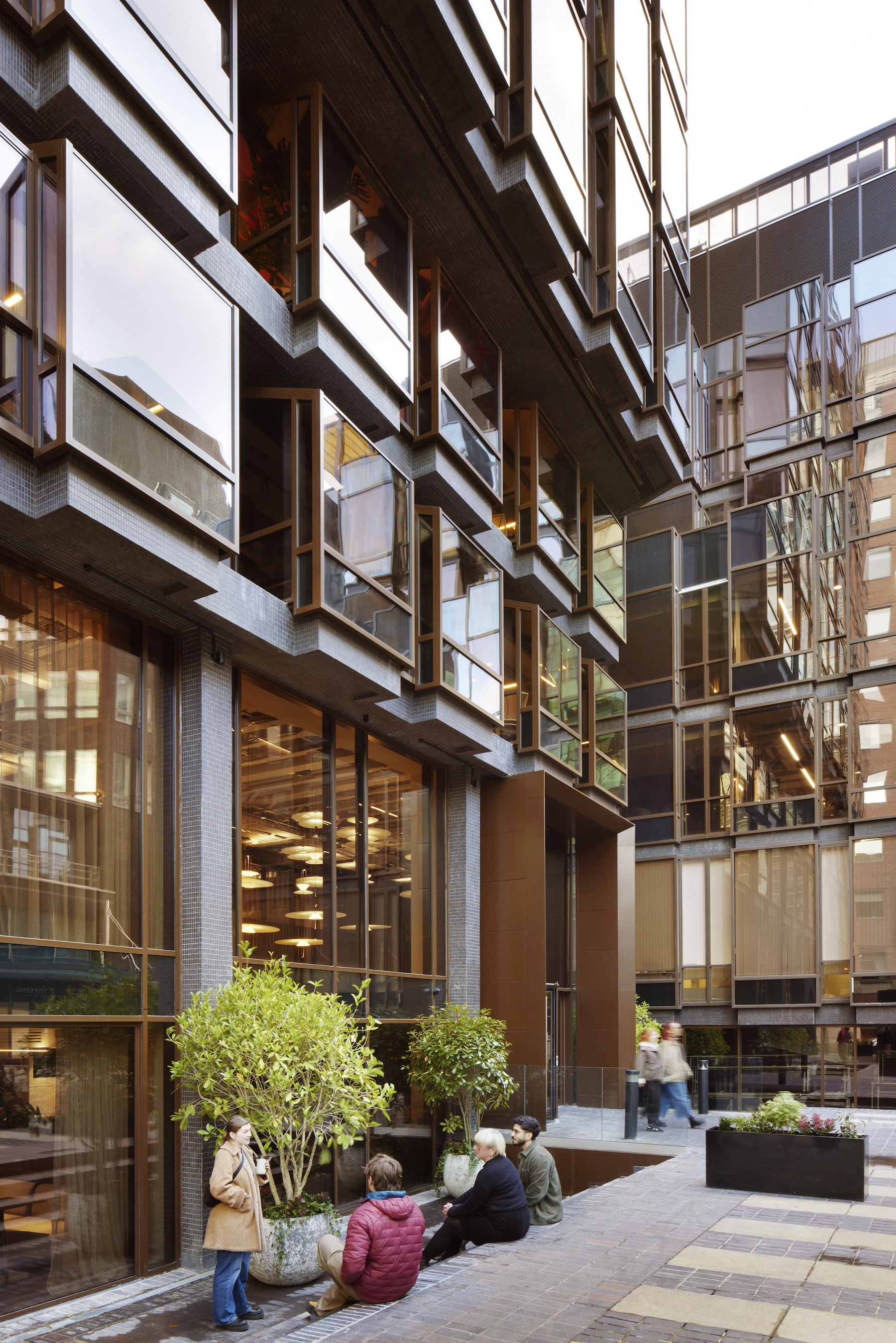
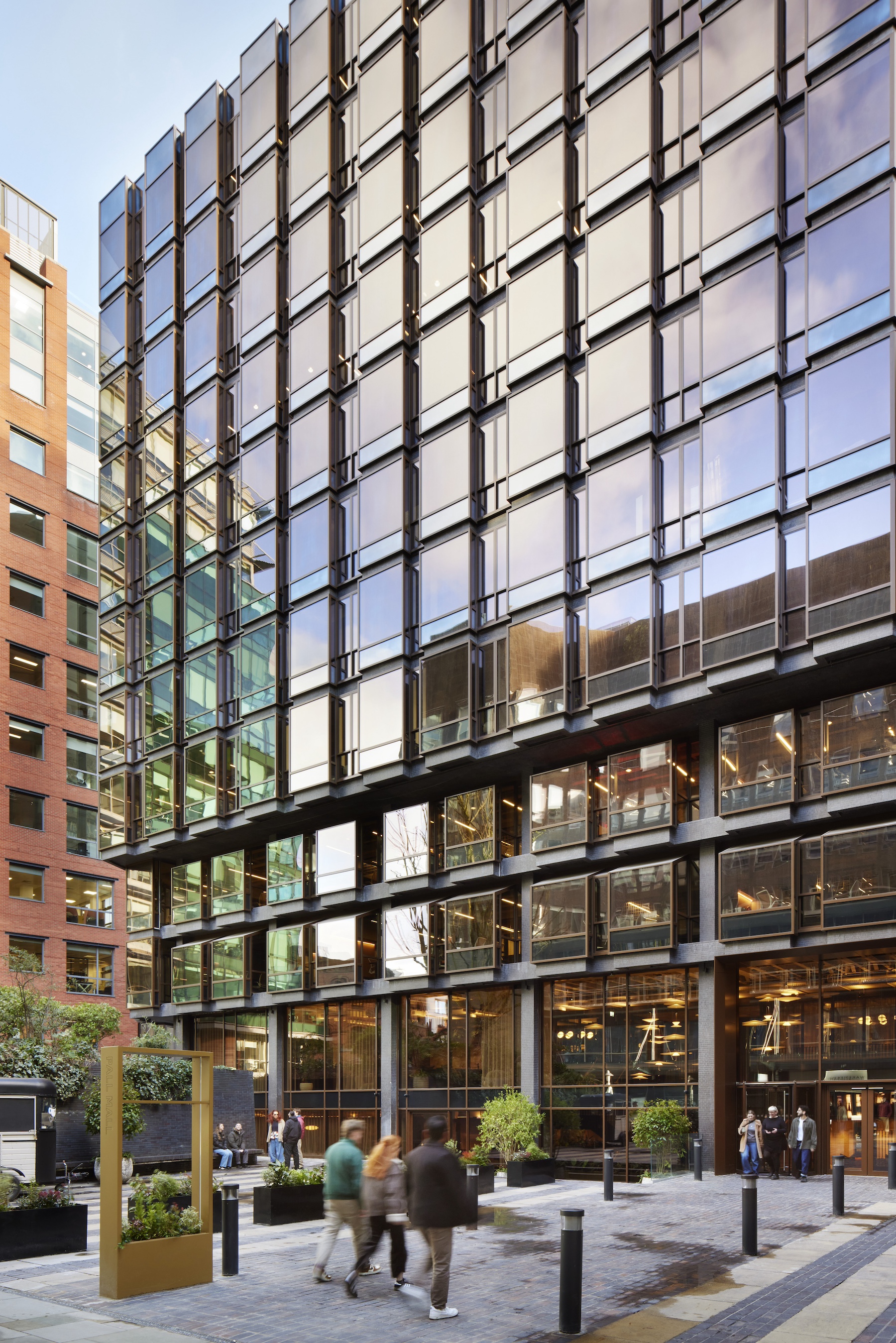
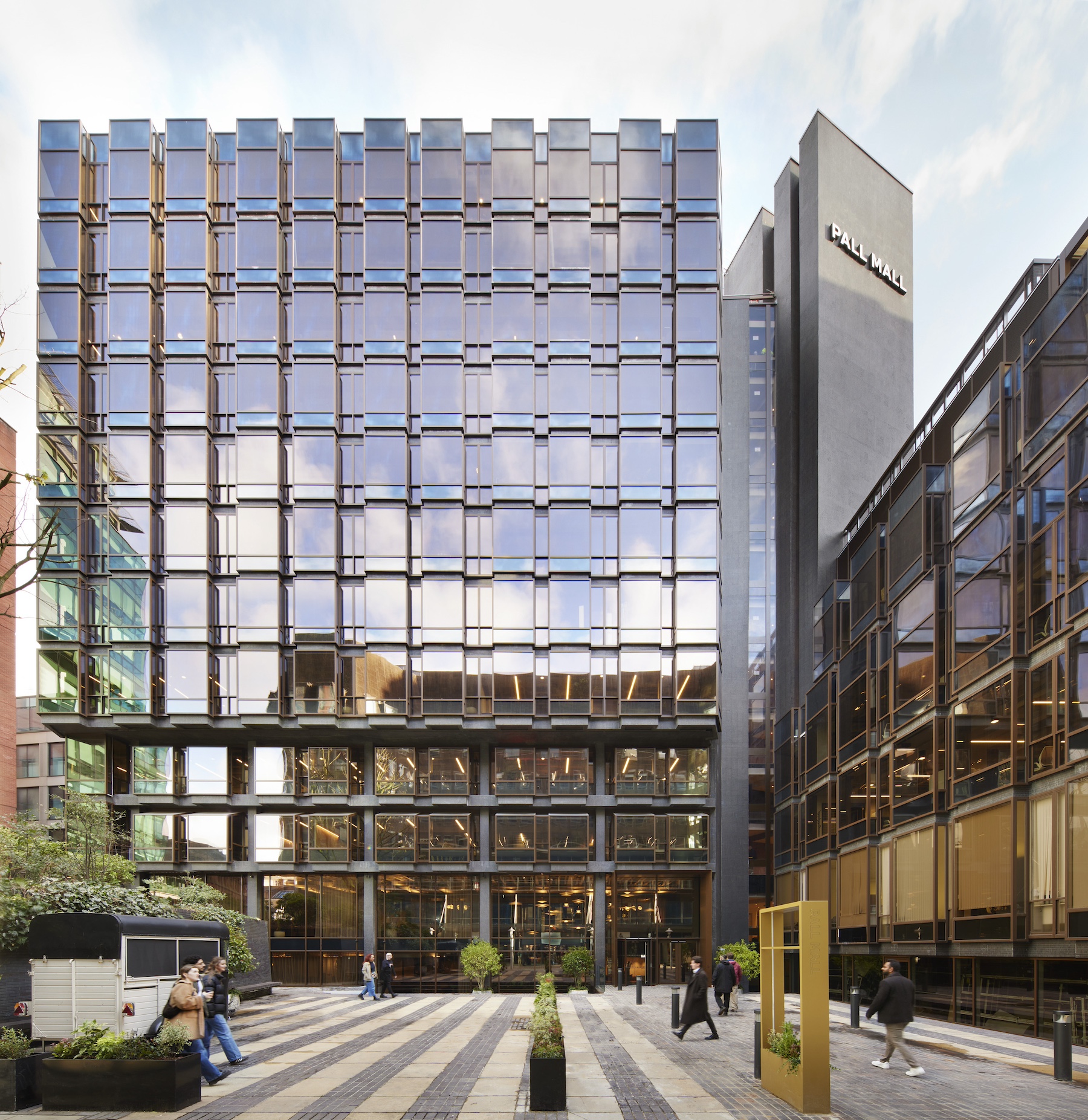
Occupying a city block bounded by King Street, Marsden Street, Pall Mall and Brown Street, the building was originally designed by Brett, Pollen & Teggin and completed in 1968. Sheppard Robson has shifted the principal entrance away from Pall Mall to the centre of the site, establishing a new civic focus in the form of Pollen Square, named after the practice responsible for the original design. Two-storey glazing and a generous portal entrance look to strengthen the relationship between the building and the public realm, while making the reception and ground-floor workspaces visible from the square.
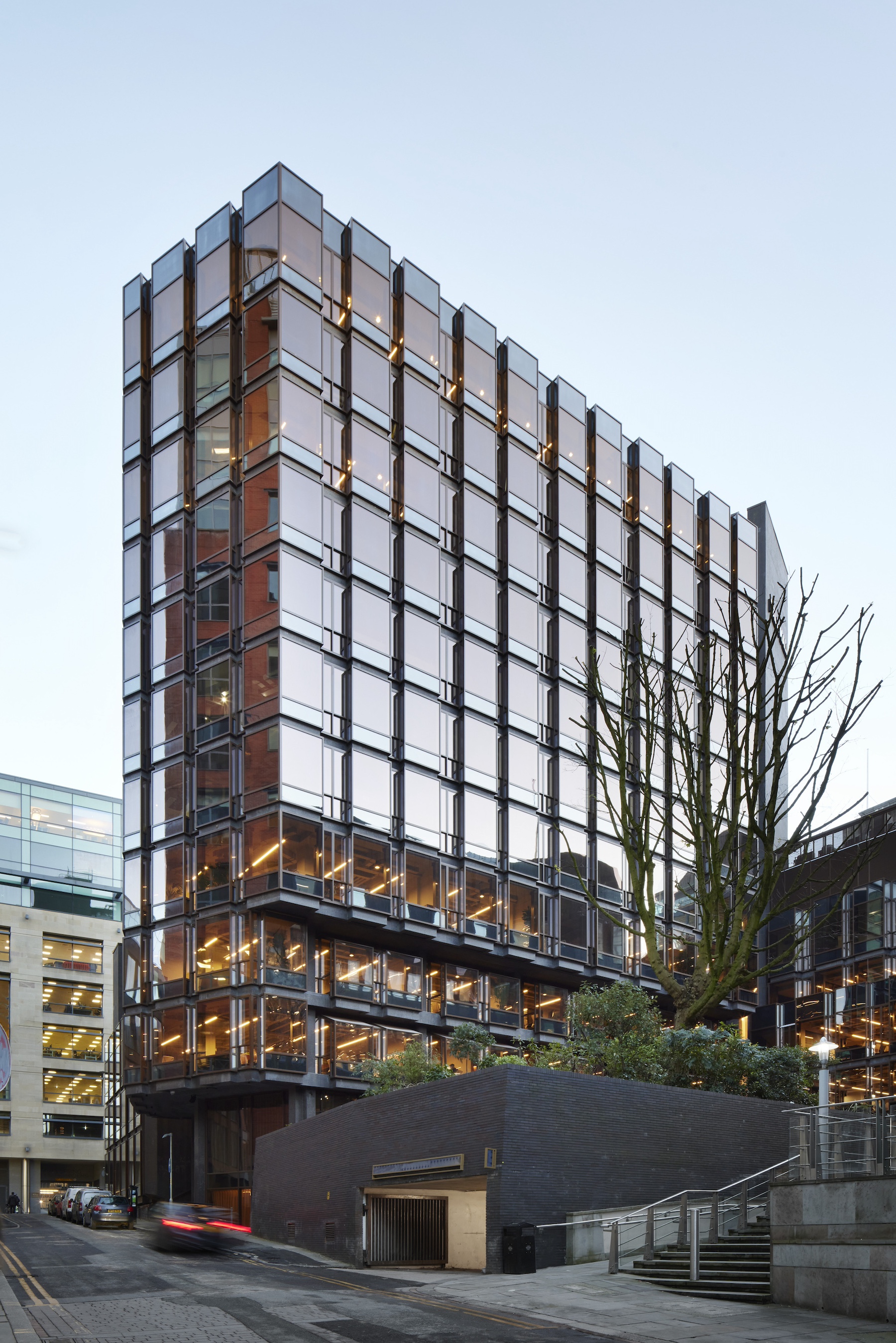
The project has been recognised by the UK Green Building Council as a national exemplar of deep retrofit within a listed commercial building. Rather than replacing the structure, work was concentrated on upgrading its environmental performance while preserving its defining architectural qualities. A detailed programme of investigation allowed the existing fabric to be assessed before interventions were developed, ensuring that conservation objectives and commercial viability could be balanced throughout the design process.
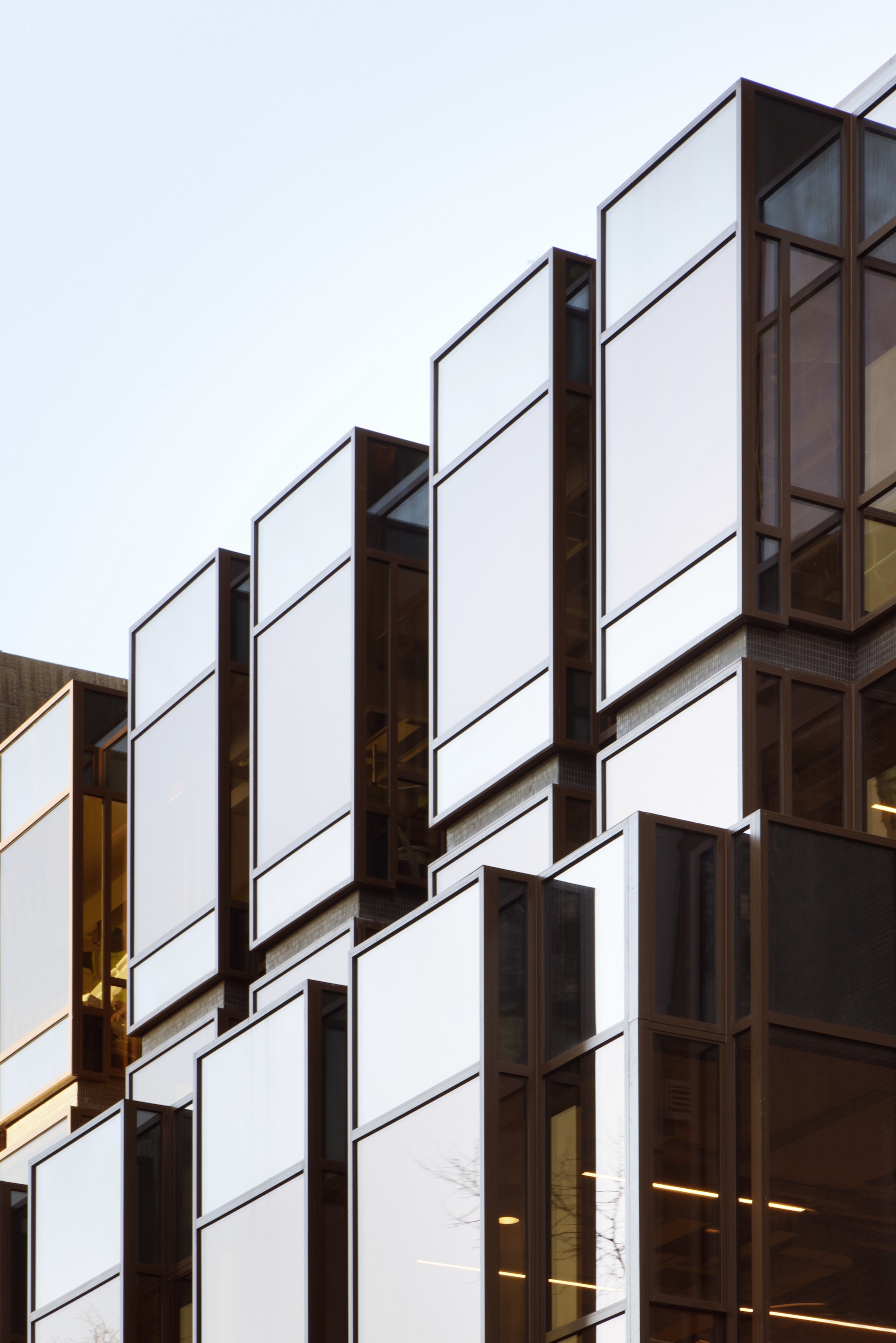
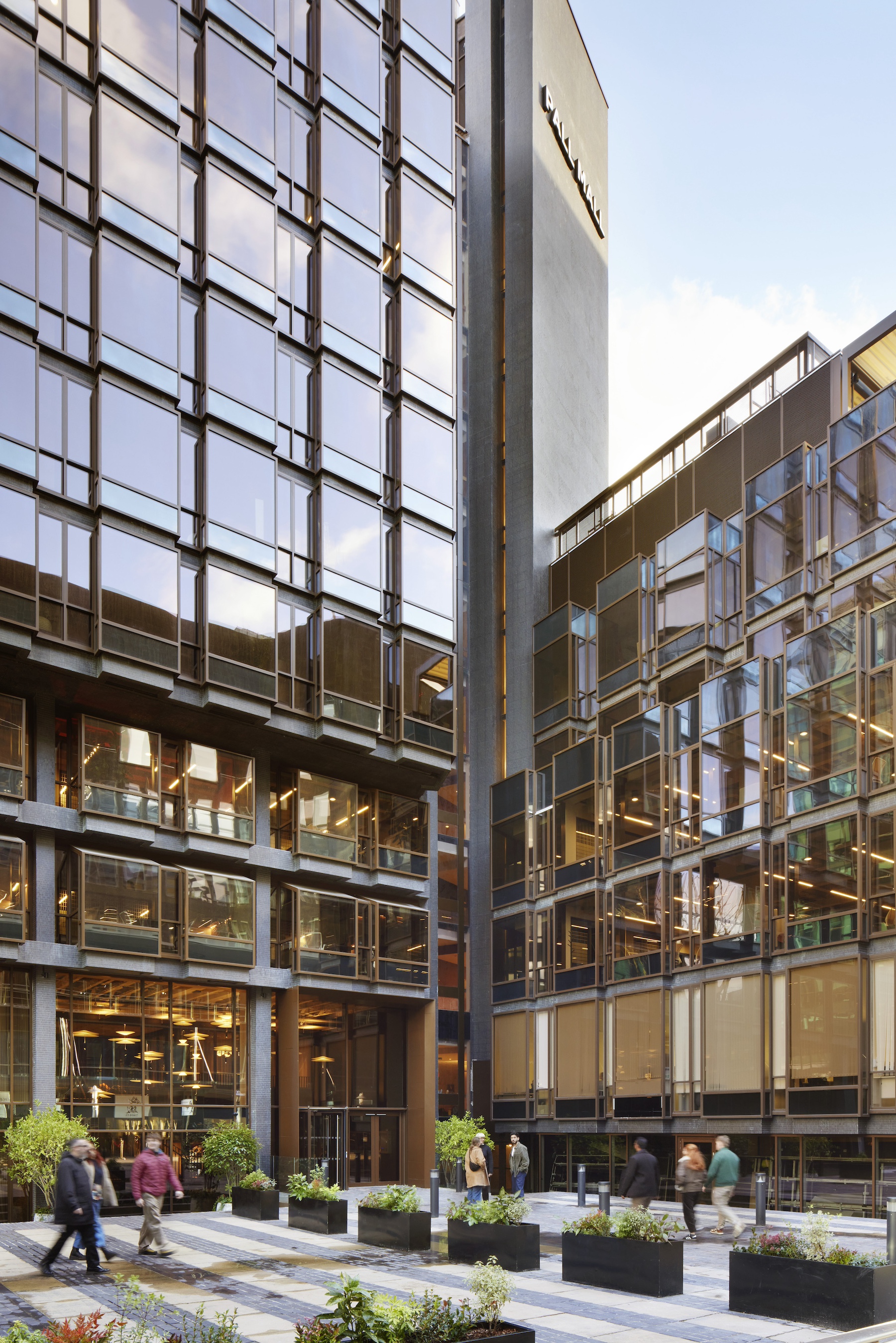
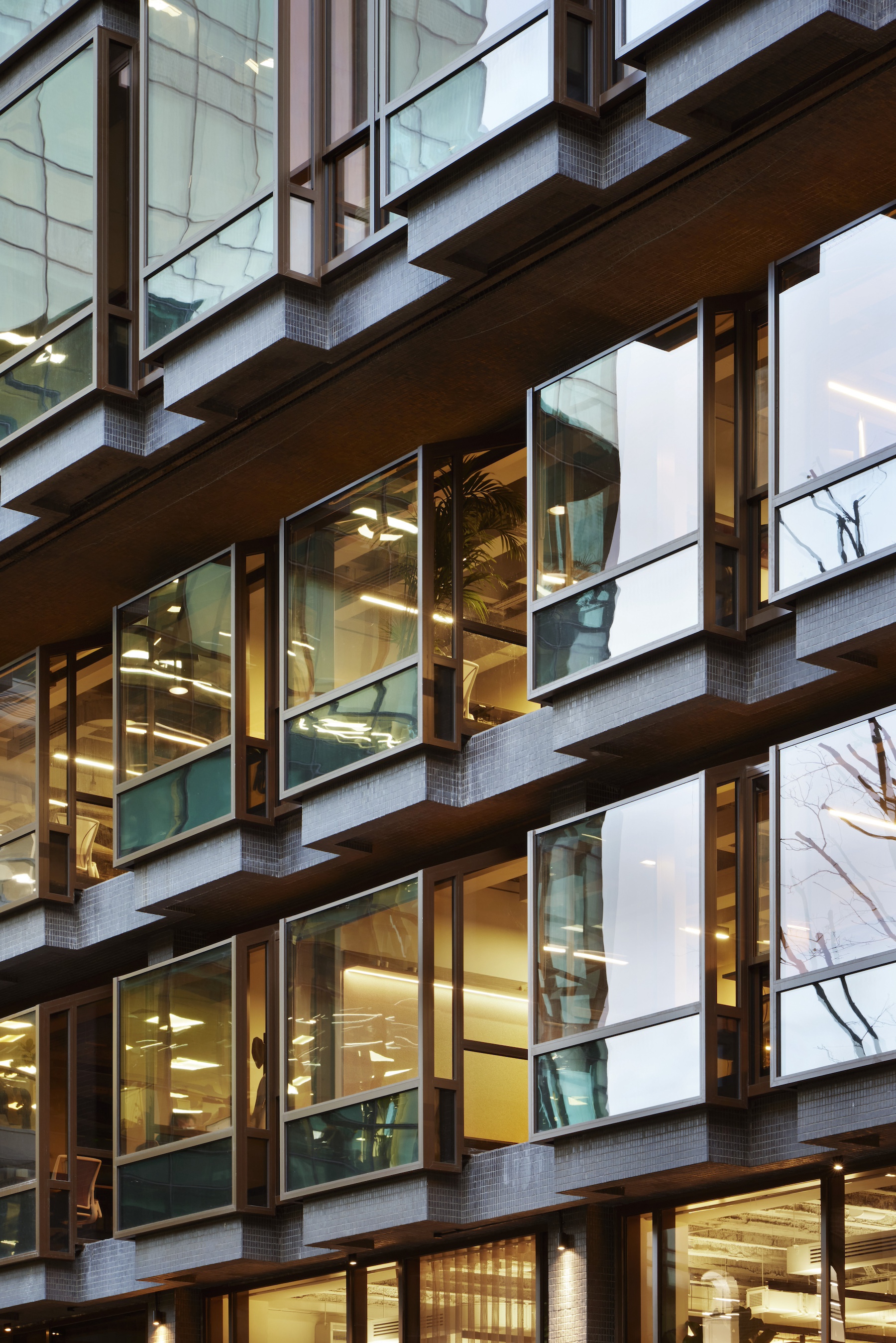
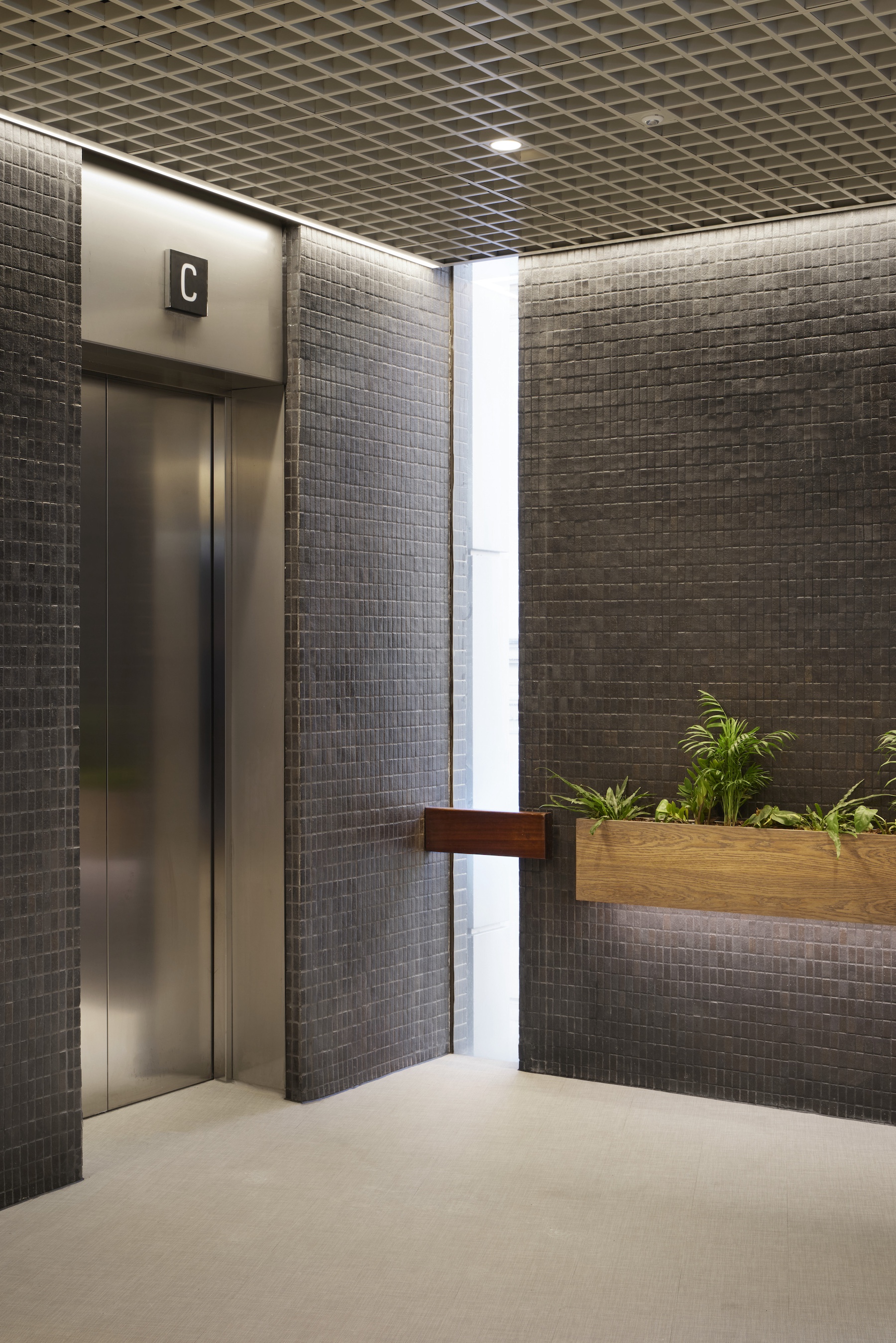
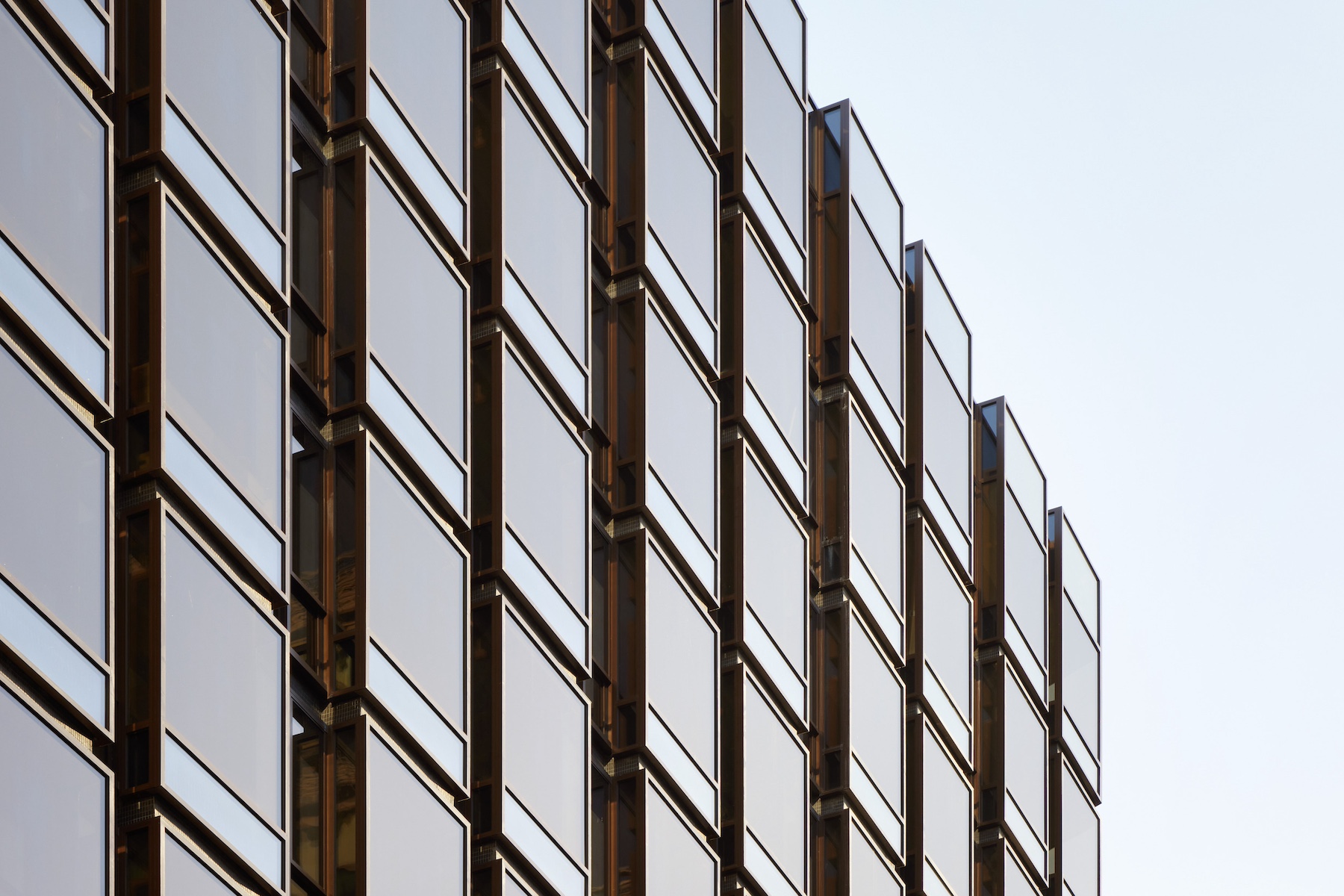
One of the project’s most technically demanding aspects was the replacement of the entire listed curtain wall. The project evolved through an assessment of eight different conservation strategies, ranging from minimal intervention to complete replacement, with each option modelled, costed and reviewed alongside Manchester City Council, Historic England and The Twentieth Century Society. The final solution recreates 93 per cent of the original cladding, faithfully reproducing the building’s distinctive projecting bronze-glazed façade while significantly improving thermal performance and airtightness. Original mosaics and retained windows have been restored wherever possible, while replacement elements were developed through full-scale mock-ups to ensure that the refined detailing remained true to the original architecture.
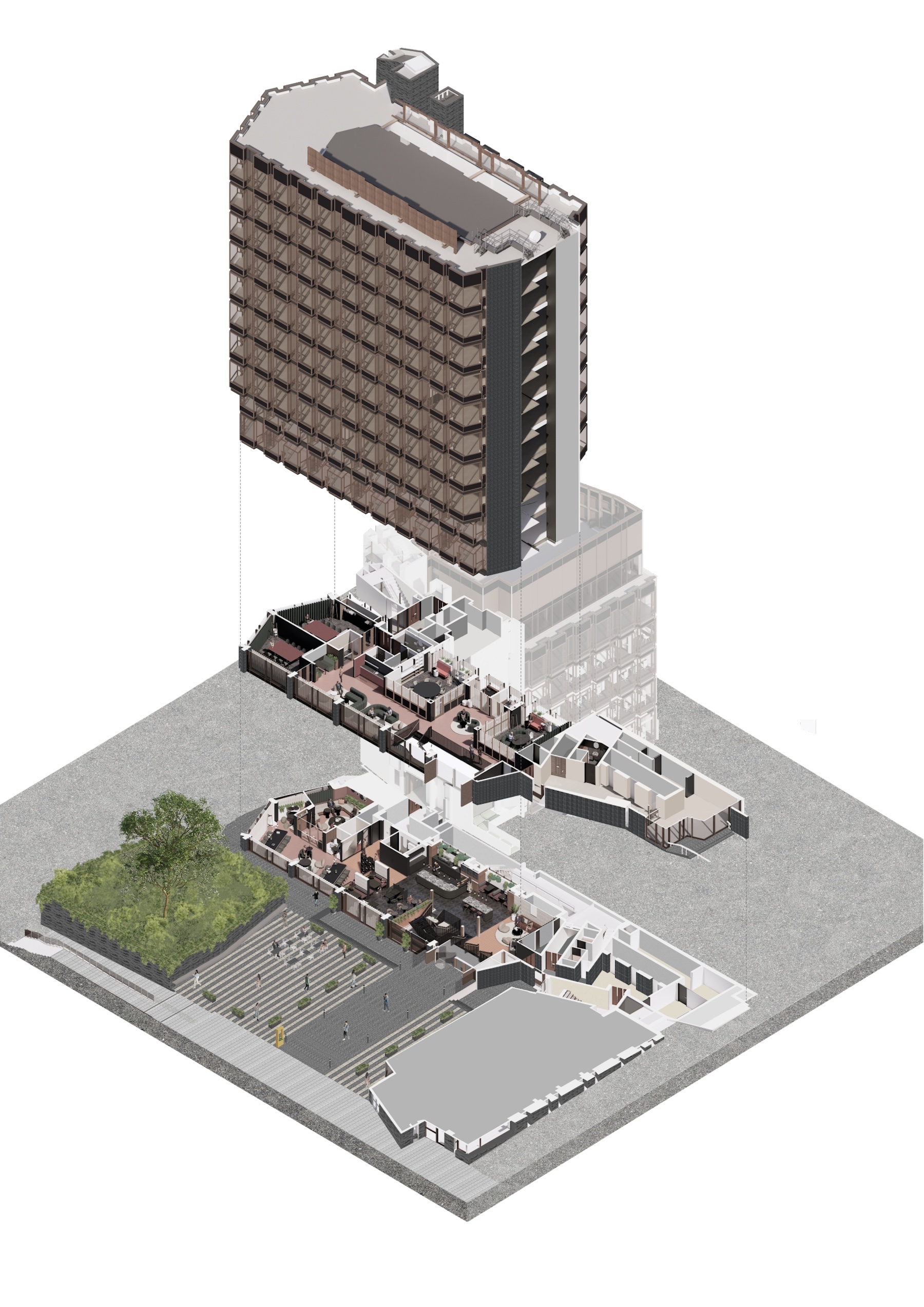
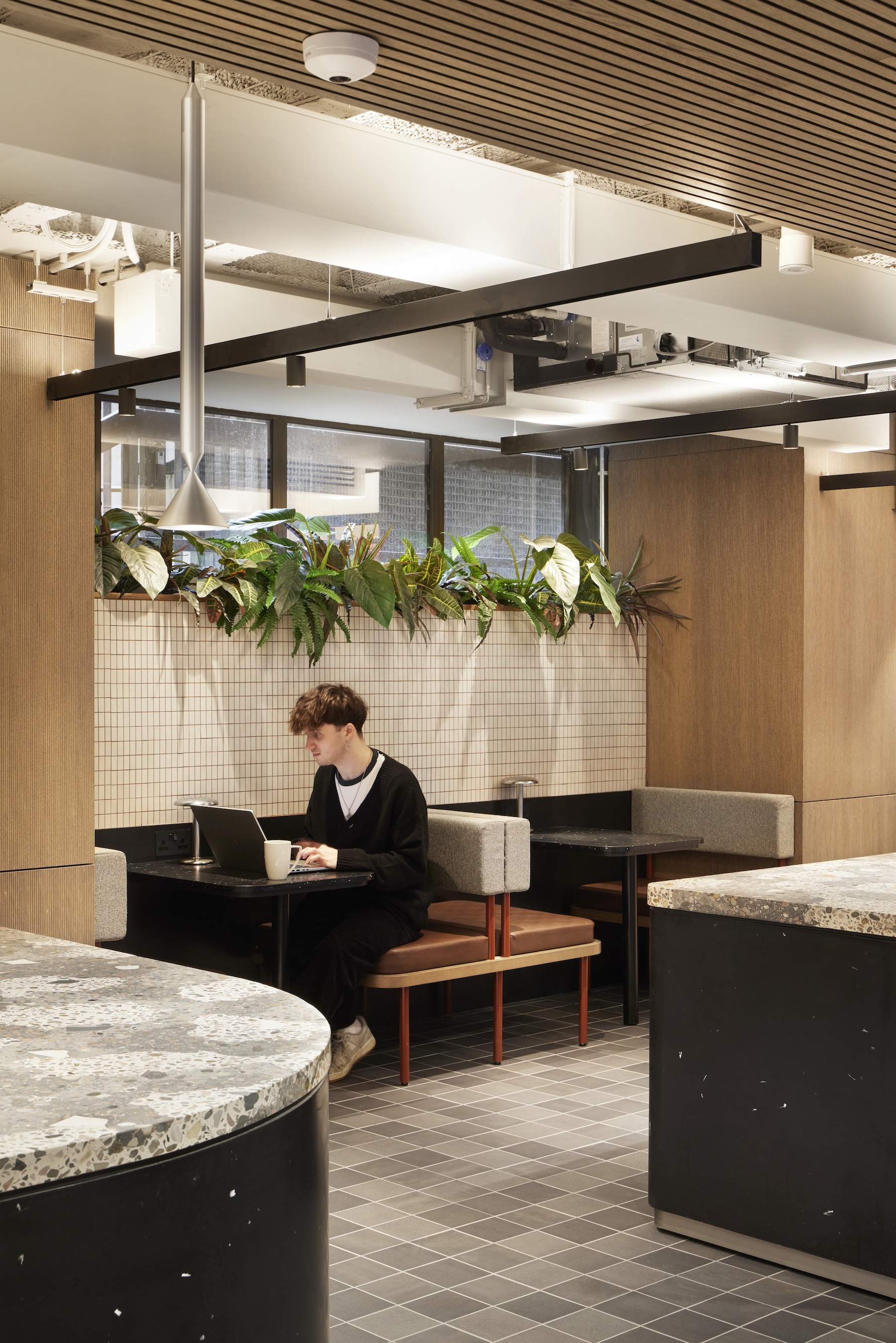
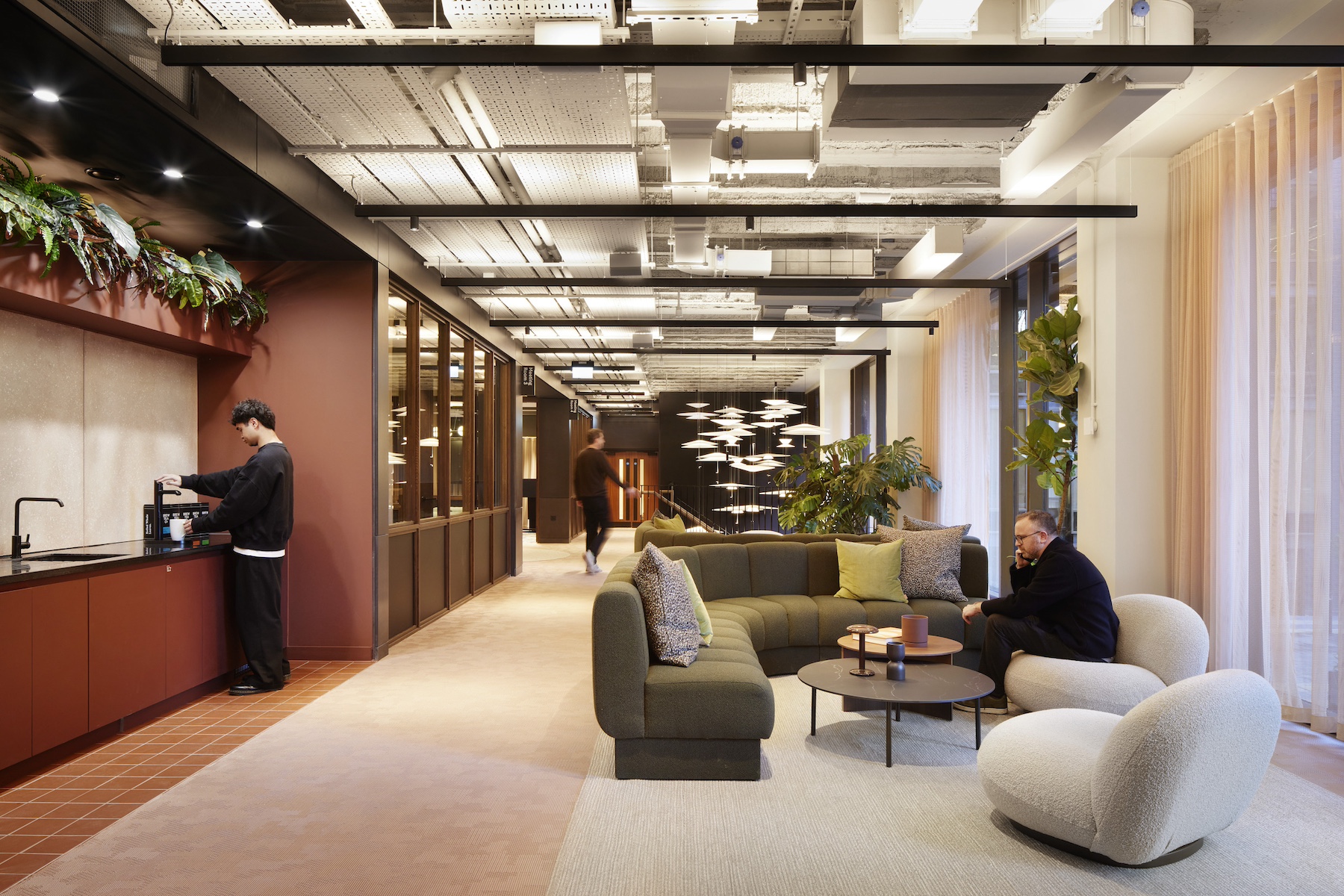
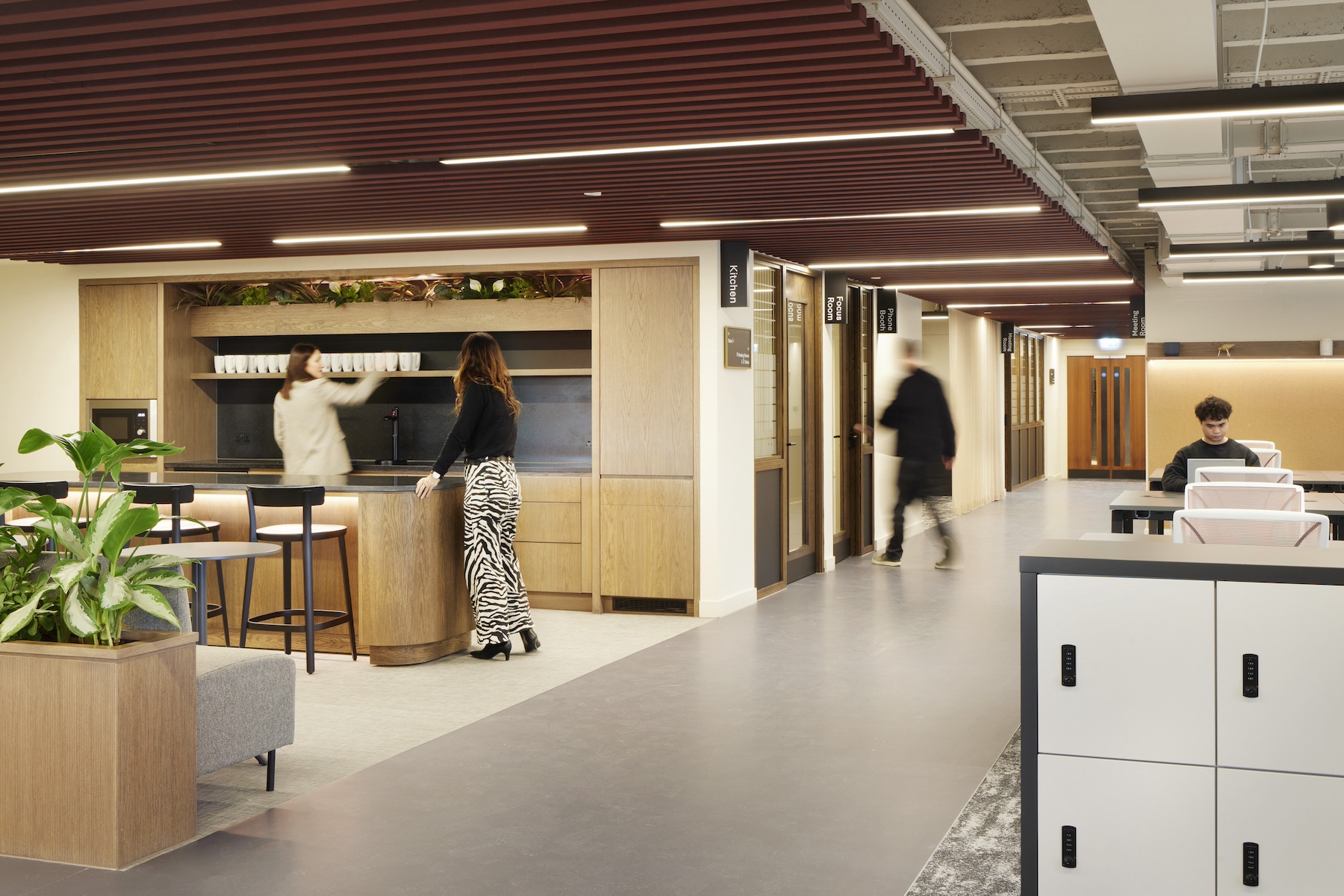
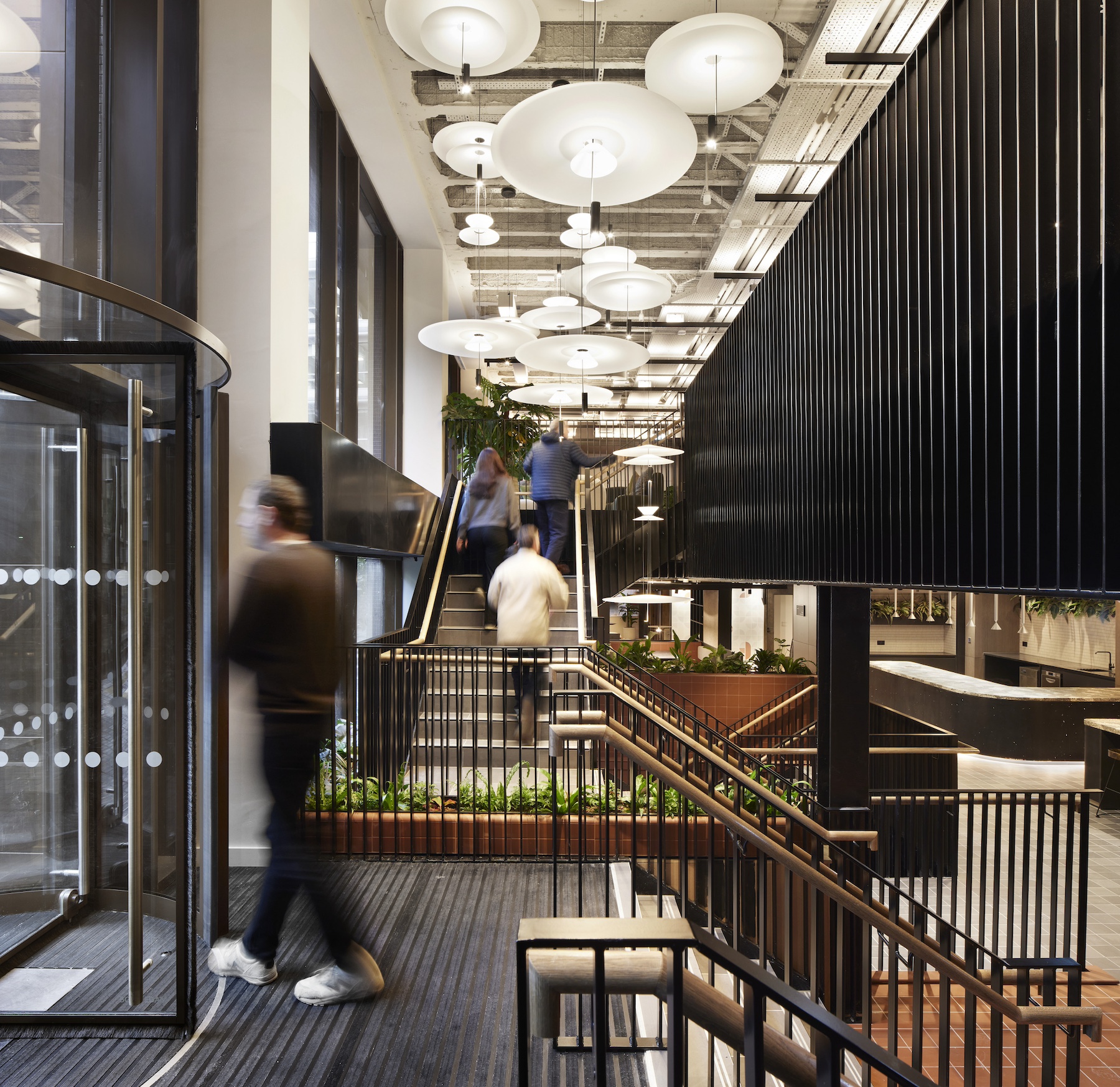
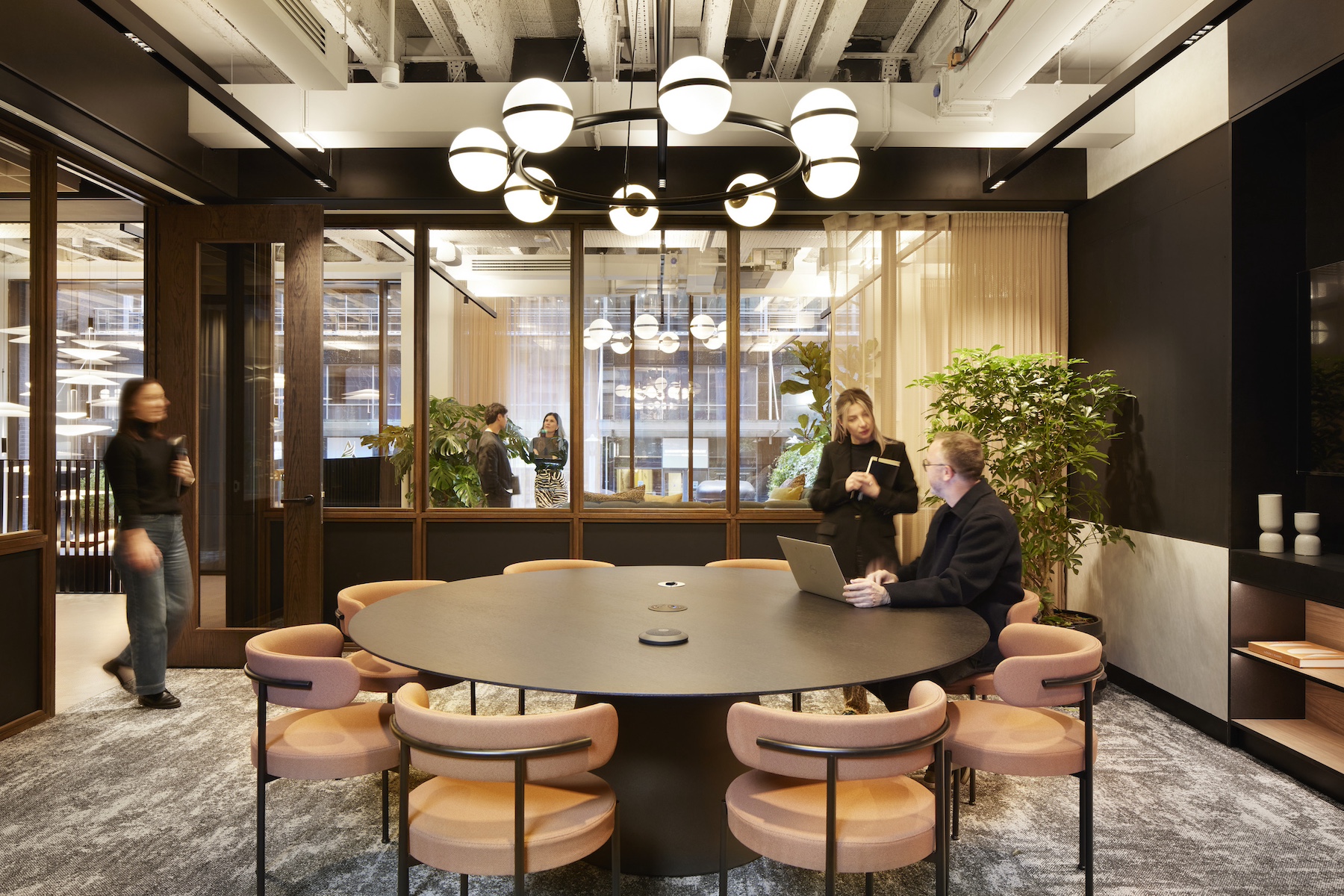
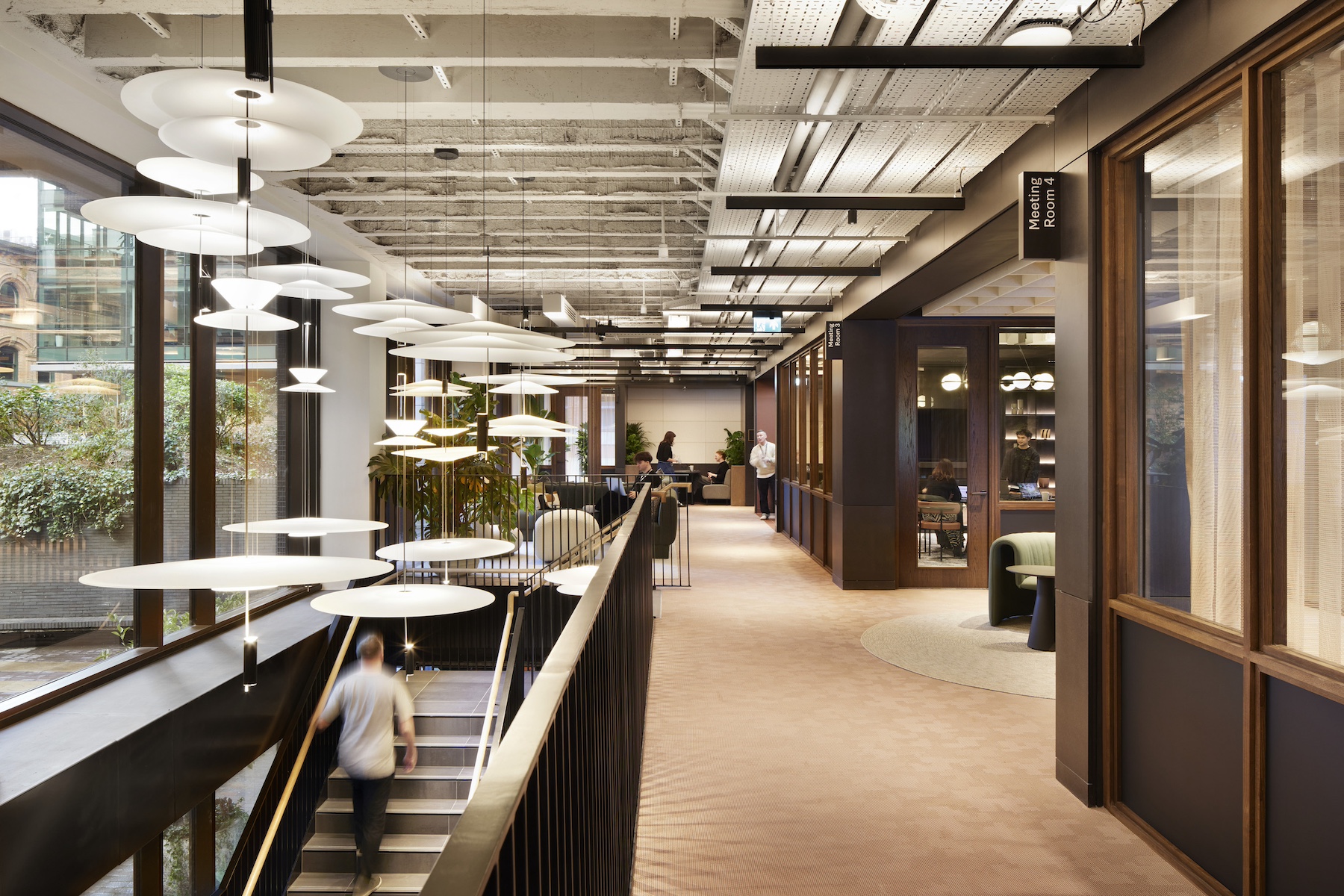
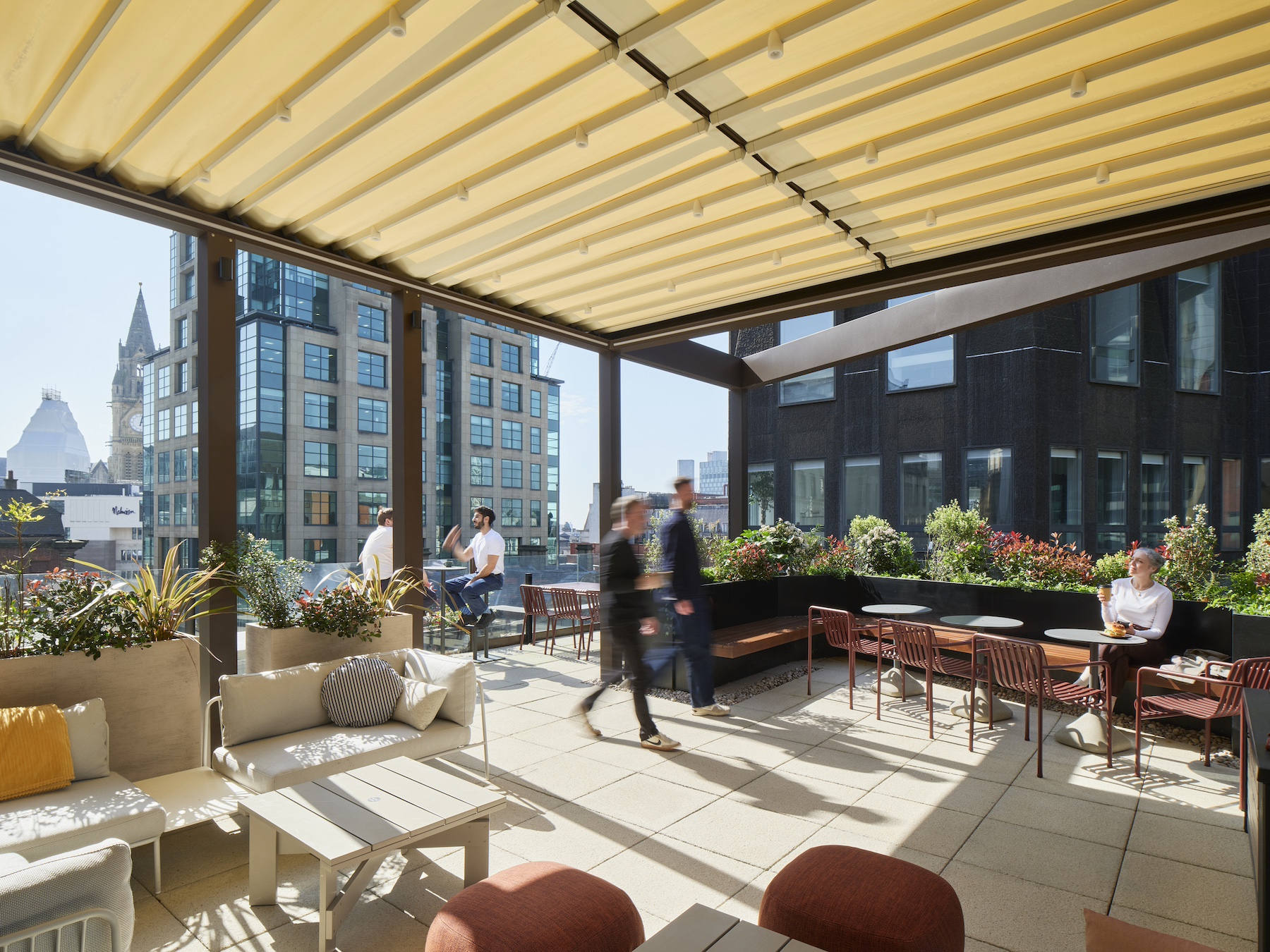
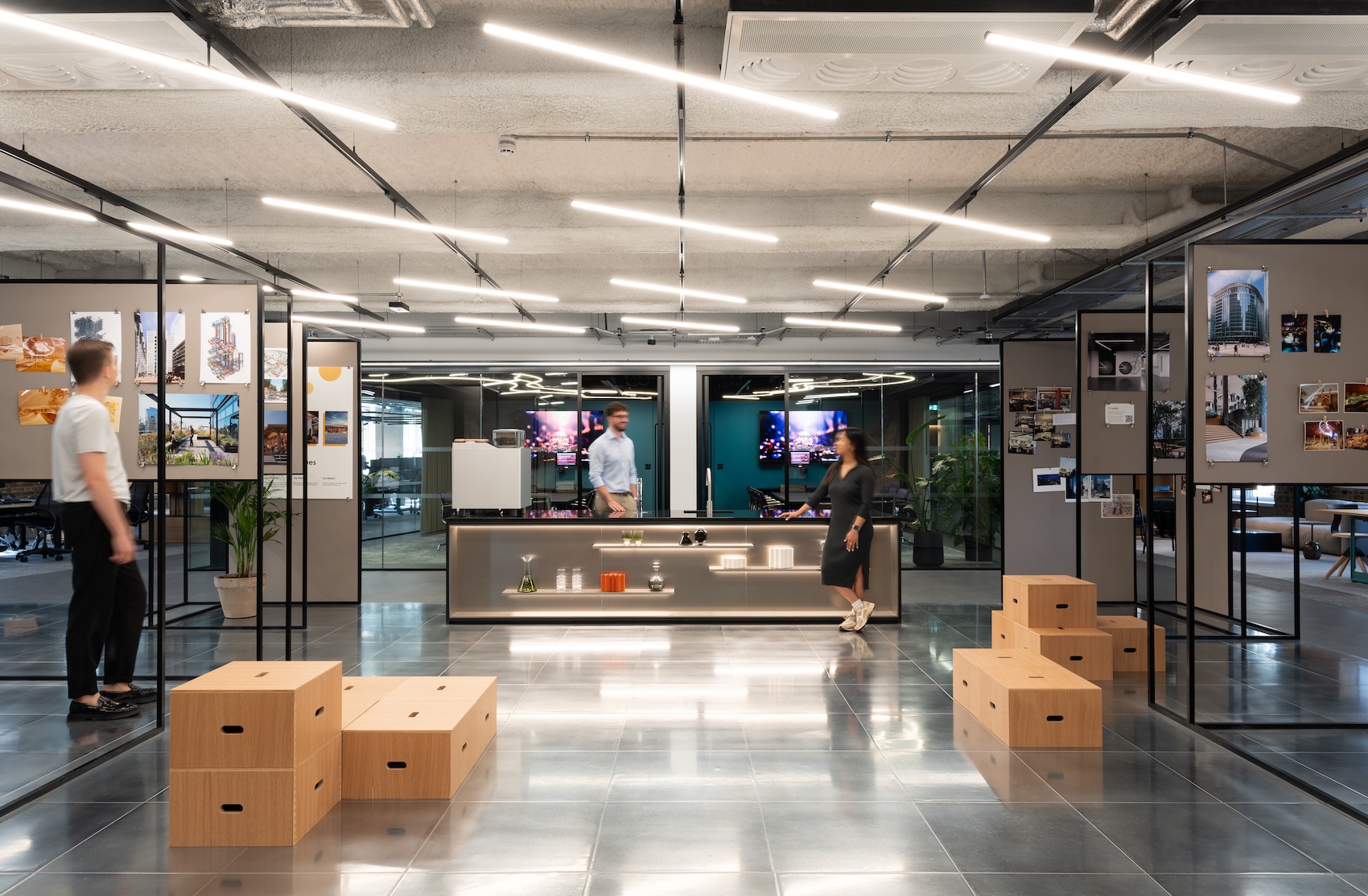
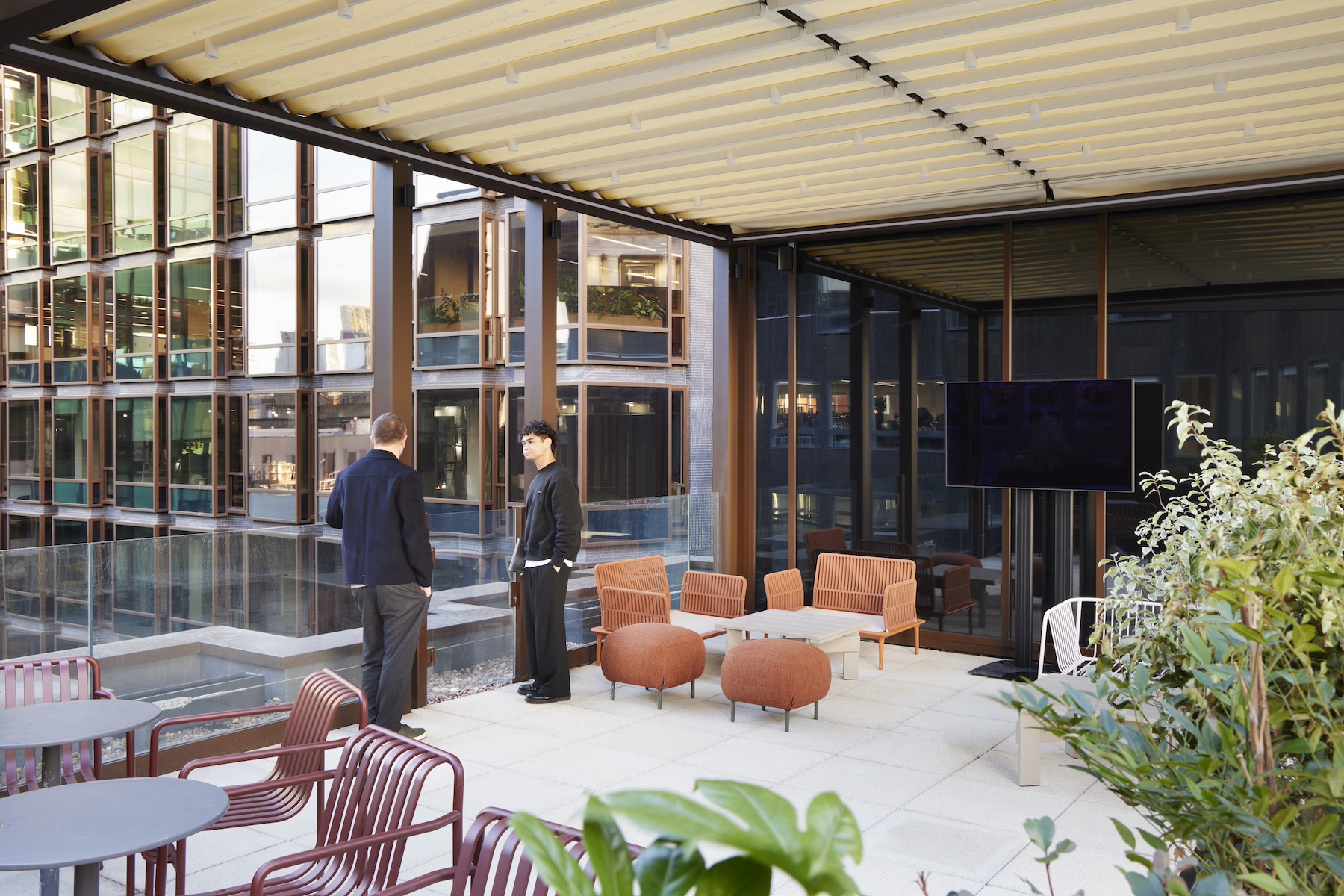
Internally, the refurbishment builds on the building’s Modernist character while adapting it for contemporary patterns of work. Working alongside ID:SR (Sheppard Robson’s in-house interior design studio), the architects have introduced a hospitality-led reception alongside a range of shared amenities, including a café, wellness studio, gym, cycle facilities and changing rooms. Flexible workspaces accommodate businesses ranging from small start-ups to larger organisations, with layouts designed to evolve over time without requiring extensive future strip-out. Meeting rooms, presentation spaces, coworking areas and rooftop terraces overlooking Manchester’s historic commercial core provide a variety of settings for collaboration and events.
Environmental performance was addressed through a comprehensive fabric-first strategy developed with Ramboll. Improvements to insulation, glazing, ventilation, air leakage and building services are complemented by air-source heat pumps, daylight-responsive lighting and enhanced energy monitoring.
Material selection throughout the interiors was similarly informed by carbon reduction, with existing finishes being retained where practical. Recycled and reclaimed furniture has been incorporated, and locally produced materials, including terrazzo manufactured from crushed recycled brick and slate, have been employed to reinforce the project’s emphasis on reuse. Carbon assessments also informed decisions to favour timber partition systems over aluminium alternatives and linoleum in place of carpet where appropriate, contributing to an anticipated reduction in embodied carbon of more than 40 per cent compared with a conventional office fit-out.
“Pall Mall is a building with deep roots in Manchester’s business identity, and this transformation brings it into the future whilst carefully preserving its heritage. This project has combined the building’s distinctive post-war architecture with the kind of sustainable, high-performance design today’s innovation-led businesses need from their workspaces,” said client Alex Edwards, sustainability director for Bruntwood SciTech.
“Today, Pall Mall stands as an innovation hub that will draw B Corps and ambitious companies looking for more than just an office to Manchester city centre’s thriving business ecosystem. As a key milestone in our commitment to creating sustainable, future-focused workspaces that support innovation-led growth in our cities, it will serve as a blueprint for how a fabric-first approach can help heritage buildings realise their full potential in a modern, low-carbon economy.”
“Post-war buildings like Pall Mall were the most innovative of their era, pioneering open-plan working. However, over five decades later, the building’s systems are at the end of their lives, and the systems used are no longer available. Unlike Victorian buildings, where we understand how to refurbish stone, lead, and timber, with mid-century buildings the industry is still learning how to retrofit them sensitively,” Alex Smith, partner at Sheppard Robson.
“This led to a painstaking process of sustainable renewal, repositioning a stranded asset for the long-term by creating a modern, sustainable workplace that understands and respects the original architectural integrity of the building.”
Marie Leyland, partner at ID:SR Sheppard Robson, added: “Efficiency was a driving force for the project, but so was creating spaces that would attract people. Our approach matched performance with personality, using the character and grit of the existing buildings to create a range of amenities and modern workplaces that act as a magnet for talent.”
Credits
Client
Bruntwood SciTech
Architect
Sheppard Robson
Interior designer
ID:SR Sheppard Robson
Structural engineer
DW Consulting
MEP/sustainability/energy
Ramboll
Main contractor
Dragonfly Contracts
Façade contractor
Quest Solutions
Project manager/cost consultant
Bruntwood SciTech
Planning consultant
Deloitte
Heritage consultant
Levrant
More pictures