Jonathan Lowy, Operational Marketing Manager at VM Building Solutions, has produced a School of Specification module exploring the use of zinc in roofing and façade applications. Here, he discusses the material’s performance and aesthetic qualities, as well as key specification considerations.
What makes zinc an attractive material for roofing and façade applications?
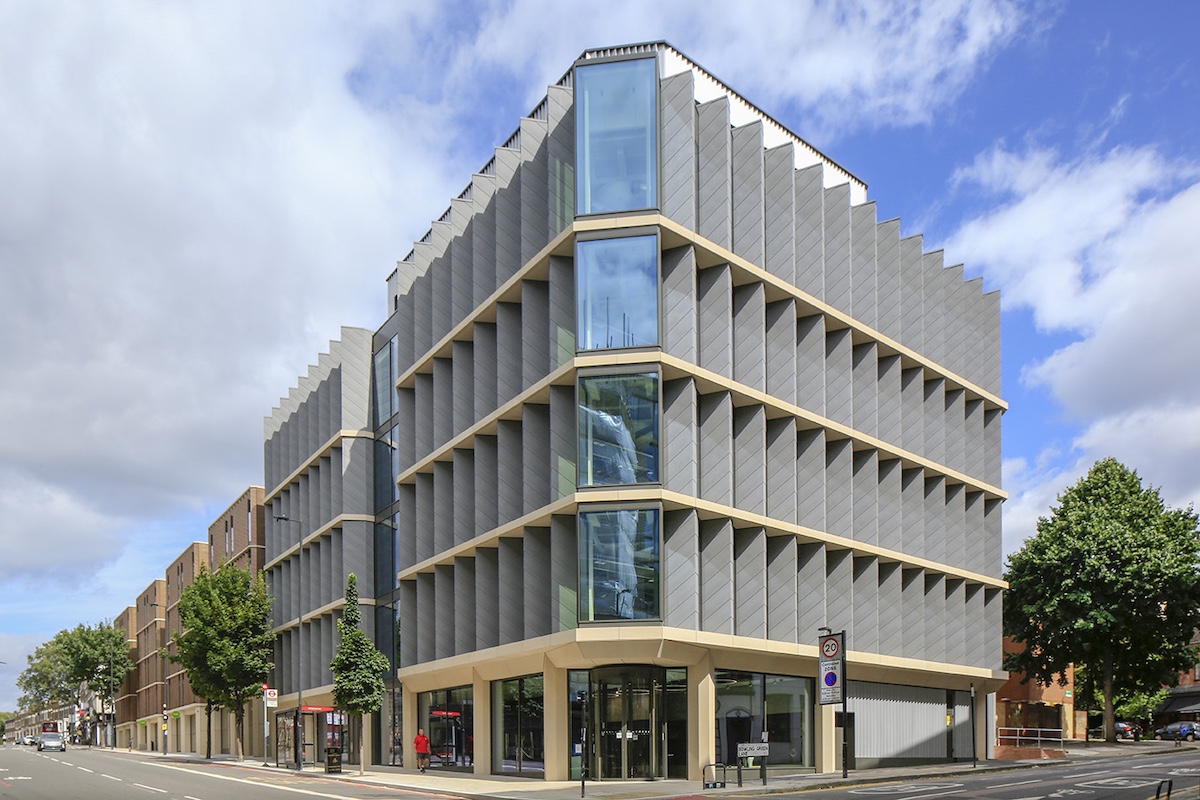
Zinc has been used to protect and enhance buildings for more than 150 years, thanks to its durability, longevity and distinctive appearance. VMZINC has been manufacturing zinc products since 1837 and today offers an extended range of pre-patinated finishes alongside a wide choice of roofing and façade systems, giving architects greater design flexibility. Low-maintenance requirements and proven durability are further advantages for building owners, with a 100-year service life indicated on BRE Environmental Product Declarations (EPDs).
How can architects use different zinc finishes to achieve specific architectural outcomes?
Until 1978, only natural mill-finish zinc was widely available, but today architects can choose from 10 pre-weathered finishes alongside the traditional natural option. While zinc is synonymous with the iconic grey rooftops of Paris, the material is available in a variety of tones, including the engraved Azengar finish, giving architects greater scope to achieve different visual effects. The Pigmento range further expands these design possibilities by combining the natural texture of zinc with a subtle wash of colour.
Zinc has been used to protect and enhance buildings for more than 150 years”
What are the principal roofing and façade systems available in zinc, and how do they differ?
In the UK and Ireland the most commonly used roofing system is the 25mm-high standing seam panel. For more traditional architectural styles, the batten cap system, which closely resembles the appearance of lead roll, is also a popular option. Standing seam systems are frequently used on façades and could be described as a ‘roof on a wall’. There are also zinc rainscreen systems available, with interlocking panels among the most popular options. Combining recessed reveal joints with 1mm-thick zinc panels, these systems can create a smooth, continuous metal plane across the building façade.
What are the key specification considerations when designing a zinc roof or façade?
Getting the substrate correct is fundamental especially for roofing. Both traditional cold/vented roofs and warm/non-vented roofs are possible. When designing warm roofs it is very important to follow manufacturer recommendations for all layers above the roof structure. As far as façades are concerned, it is important to choose the right system for the desired aesthetic, joint type, and panel orientation and flatness.
What common mistakes should architects avoid when specifying zinc?
Correct system and substrate choice are vital. It is also important to use a specialist contractor. VMZINC works with almost 150 specialist contractors across the UK and Ireland, of which almost half are VMZINC@WORK partners who are able to provide a 50-year material warranty. Specifying an approved contractor helps ensure the system is installed correctly, maximising long- term performance and durability, so the building envelope can continue protecting future generations.
Join Jonathan Lowy to learn more about zinc as a building envelope:
www.schoolofspecification.co. uk/courses/zinc-as-a-building-envelope