Hillarys explores how designers use natural and artificial light, alongside blinds and window treatments, to shape atmosphere, define space and create more adaptable residential interiors.
In association with
Lighting is integral to the atmosphere of a house. It creates drama, highlights focal points, and brings warmth to both large and small spaces, transforming a house into a home. It’s a versatile design tool, too, helping designers unite individual elements for interiors that feel cohesive and authentic. To understand more about the role of lighting, we’ve explored some of the different ways designers use it to create atmosphere.
Creating pools of light
While there’s always space for ambient lighting, which provides the overall illumination of a space (like the central ceiling light), pools of light are essential for delivering a sense of atmosphere.
In kitchen lighting, for instance, LED fixtures positioned beneath cabinets work to illuminate counters. This delivers focused task lighting without dominating the entire room, maintaining a cosy, laid-back vibe while providing essential functionality.
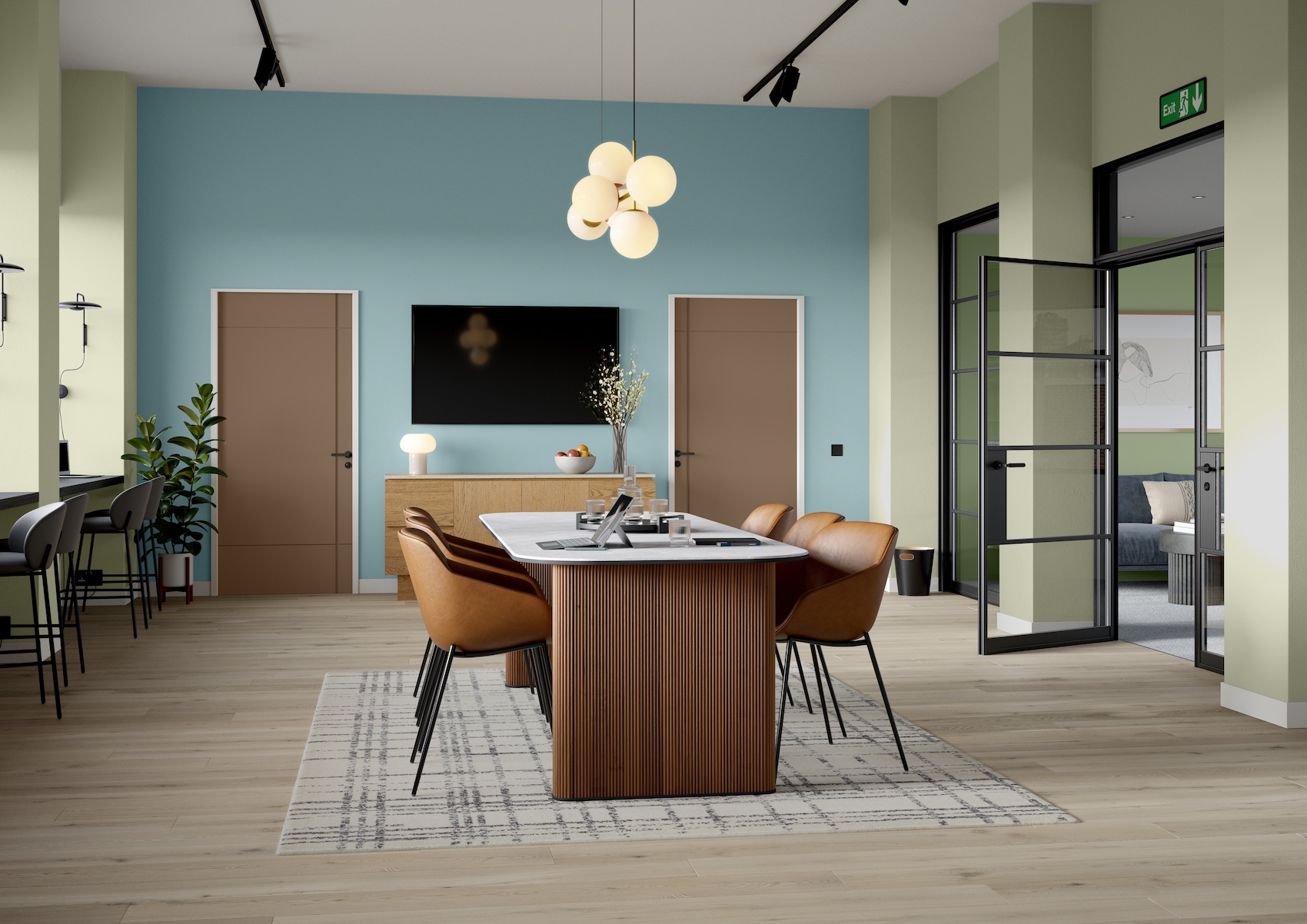
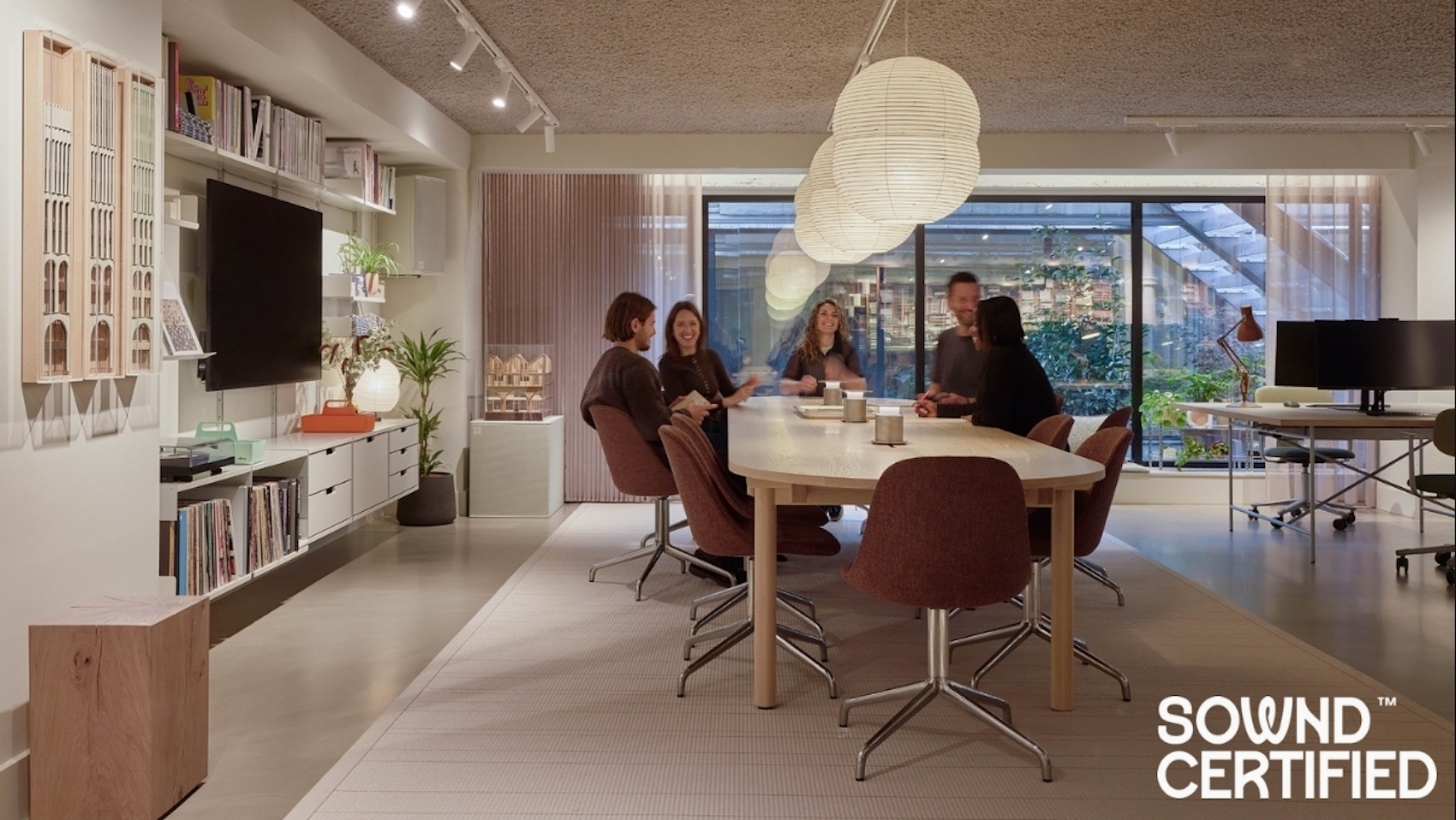
For large spaces, like open-plan living rooms, pools of light can also be used to create zones. Pendant lighting over a dining table delivers an intimate, social atmosphere that’s ideal for hosting dinners, while a warmly-lit lamp by a sofa highlights the area for relaxing.
This use of purposeful, focused lighting brings life to a home. It dictates the flow of the space and, when done well, makes transitioning from one area to another feel seamless.
Adding options for blackouts
An essential way in which interior designers create atmosphere through lighting is by removing it. This may sound counterintuitive, but it works.
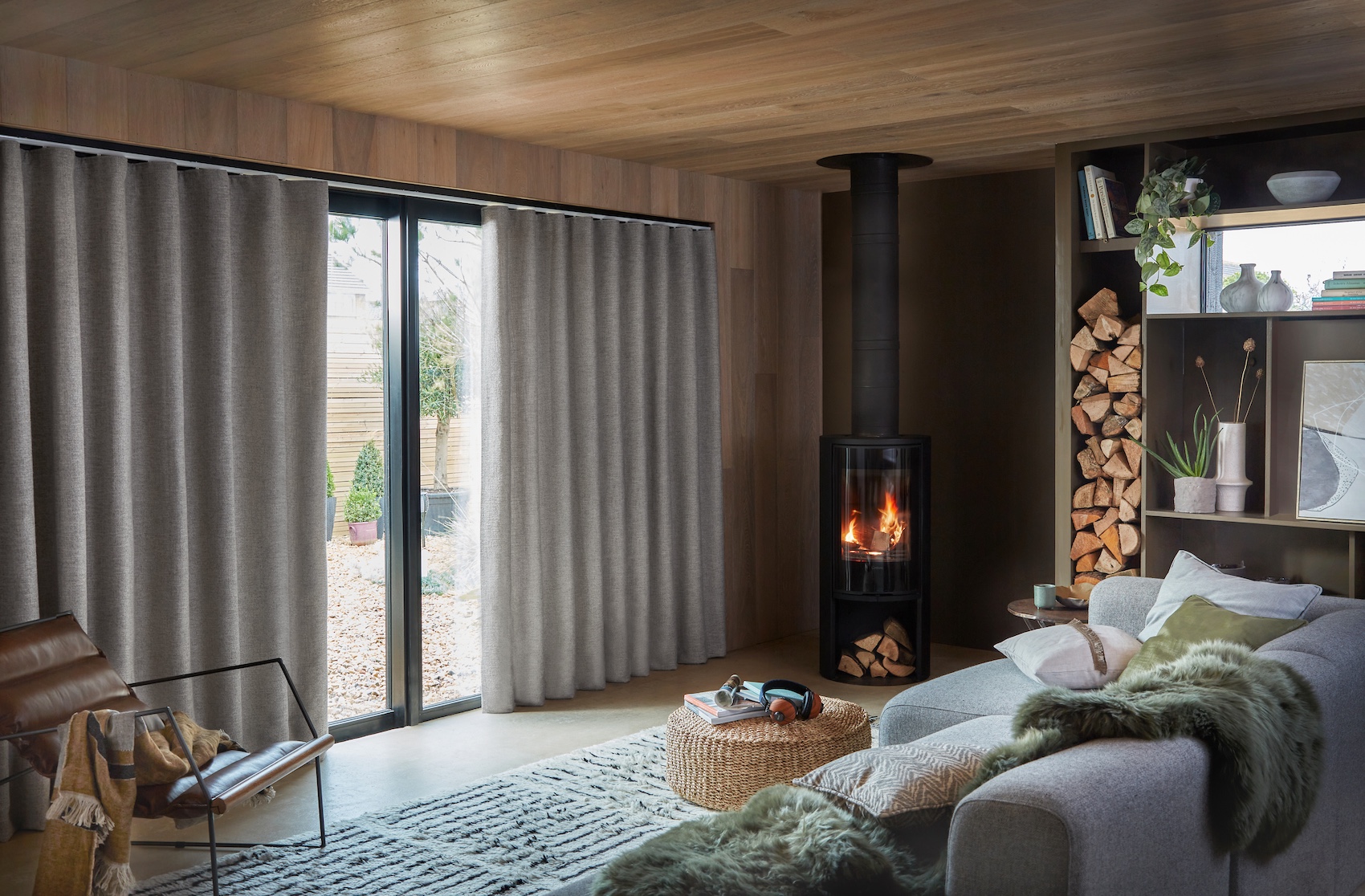
By adding made-to-measure blinds in blackout fabric, designers give homeowners more control over the lighting in their home, regardless of the time of day. They can shut out natural light when they want to, plunging their home into darkness and letting the interior lighting take over.
This is especially useful in rooms with TVs, where designers use blackout window dressings to create a more cinematic experience. It’s also ideal in bedrooms, helping curate a relaxing atmosphere that encourages deeper, higher-quality rest.
For a luxurious touch, designers can opt for electronically controlled blinds. This gives homeowners seamless control over the light in their space, blending beautiful design with high-end functionality.
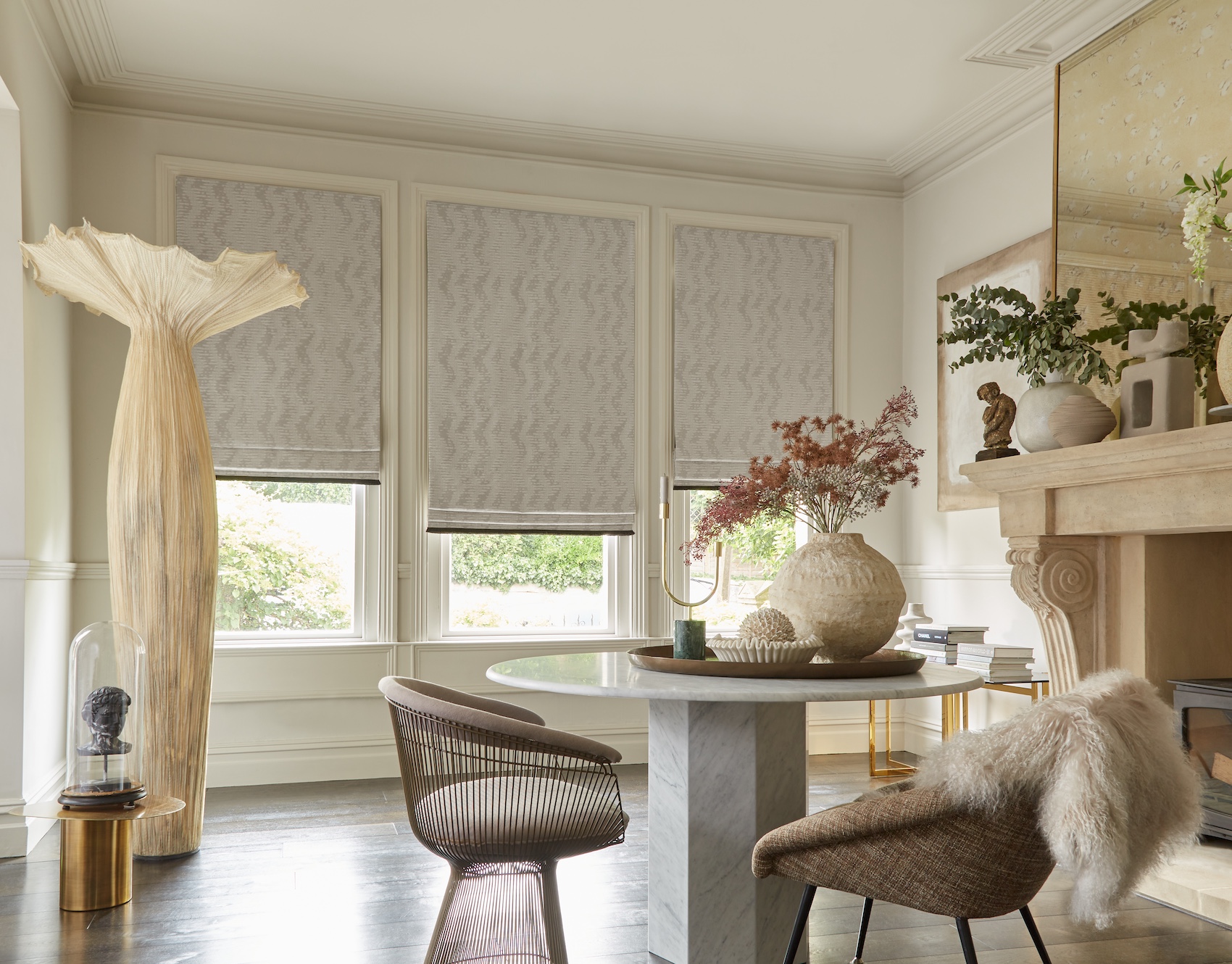
Dramatic floor lighting
Interior designers have many lighting tricks up their sleeves. One that’s seen a fair amount of popularity recently is the use of well-placed floor lighting. By adding lights at – or just above – floor level, designers can enhance a sense of drama and luxury in a home, transforming the atmosphere with one simple upgrade. It feels bold, artistic, and intimate, with an undeniable modern aesthetic that’s perfectly suited to large, open-plan homes.
But, floor lighting isn’t just about making a statement. By directing floor lights upwards, they draw the eye up and elongate vertical walls, creating a greater sense of height and space. They have a unique ability to make a room feel both more open and more cosy at the same time, particularly when warm light bulbs are used.
This is also an ideal lighting fixture for highlighting natural textures in a space. Light washing softly across timber flooring or cool stone, for instance, enhances their appearance and works to emphasise the overall aesthetic and atmosphere of the home.
Dimmable light bulbs
A cornerstone of atmospheric lighting is dimmable bulbs. From bedrooms to living spaces, these bring enhanced control over the feel and function of rooms, helping tailor the mood to personal preference for human-centric lighting. In bedroom lighting, for example, a dimmable ceiling light and wall sconces are a popular choice.
When getting ready, homeowners can turn the lights to full brightness, allowing full visibility as they navigate wardrobes and check their appearance in mirrors. In the evening, they can dim the lights to create a feeling of rest and relaxation, completely altering how the space feels with a simple switch.
This is essential for designing homes that transition to suit the moods of the homeowner. Rather than building a space that dictates the atmosphere, dimmable lighting allows the homeowner to take control.
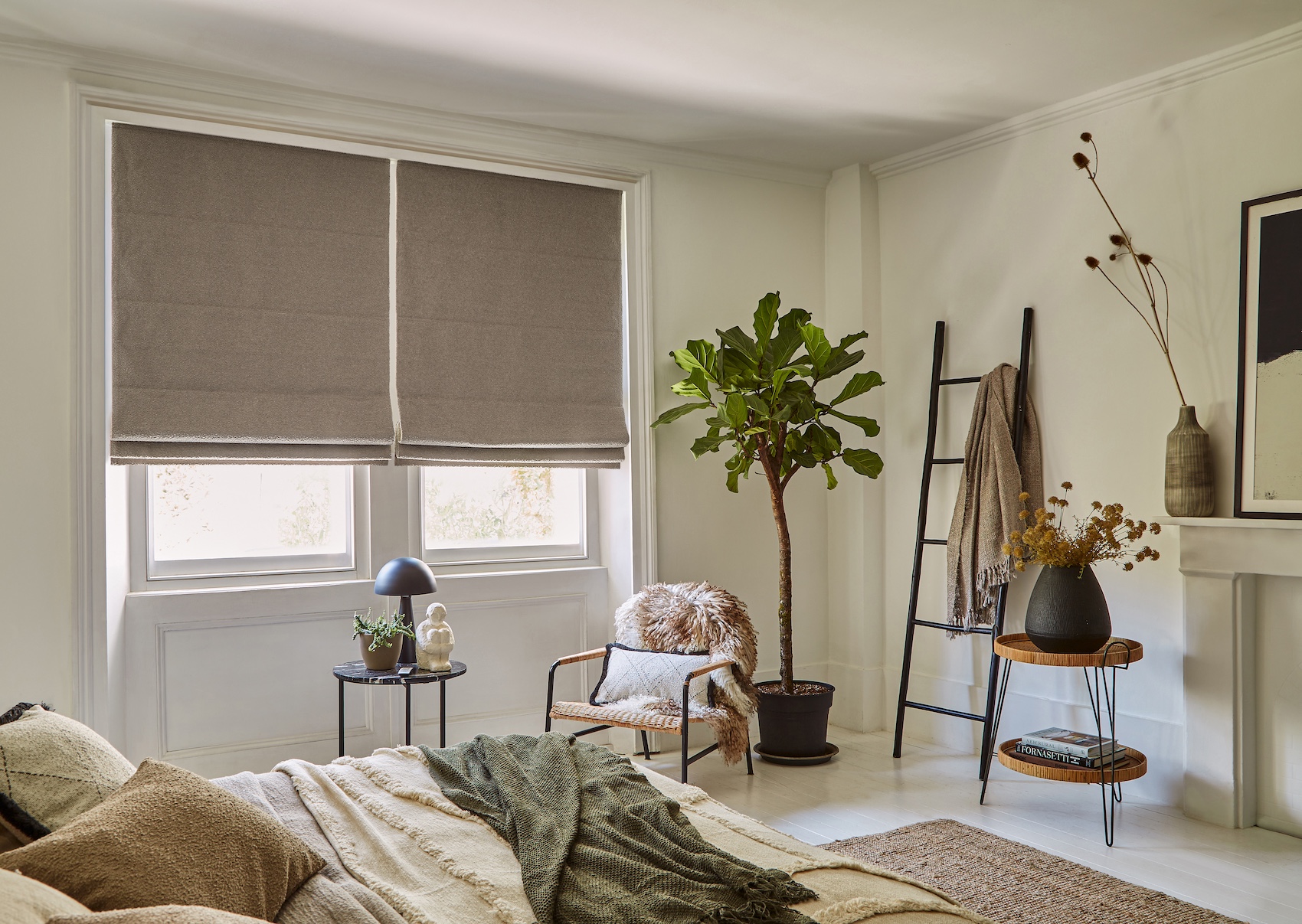
Cool and warm lighting
The colour temperature of a light can completely transform how a room feels, influencing everything from comfort levels to the perception of space. This makes it an integral part of the design process, and one that shouldn’t be overlooked.
Warm lighting, which features softer yellow and amber tones, is commonly used in living rooms, bedrooms, and dining spaces. It evokes a welcoming, homely feeling, with a gentle glow that’s undeniably cosy. Designers also use warm lighting to soften harsher textures, creating contrasts that add character to interiors.
Cool lighting, on the other hand, produces bright white or blue tones that feel crisp and clean. They bring energy to a space as well as function, and are popular in kitchens, bathrooms, and home offices.
Thanks to modern smart technology, designers can now install lighting that switches between cool and warm tones. Just as with blackout blinds and dimmable bulbs, this hands control over to the homeowners to dictate how the mood of their home changes throughout the day.
Choosing aesthetics carefully
Placement, intensity, and tone all play a vital role in dictating atmosphere, but so too does the aesthetic of the light fixture itself.
In spaces intended for relaxation, for instance, soft materials and warm colours are essential. A bedside lamp with a linen shade, for instance, is far cosier than a metal or glass lamp, helping reflect the desired mood of the room. If the aesthetic is more modern and sleek, however, metal and glass can work well, provided they’re paired with warm lighting temperatures and a few softer accents. A glass lamp in a warm, orange tone with curved detailing is an ideal solution that brings both comfort and a clean aesthetic.
The scale and shape of a fixture can also alter how a room feels. Large statement pendants are confident and opulent, while smaller, understated fittings deliver a calm and uncluttered space to relax in.
Final thoughts
Lighting is often mistaken for a purely functional aspect of interior design, but the reality is very different. From changing the lighting tone to fixture placement and aesthetic, each detail can completely transform the feel of the space, helping designers bring depth and life to their vision.
Contact Details
Click here for more information on Hillarys click here.
For more interior design insights and news, read the latest on the Architecture Today website.