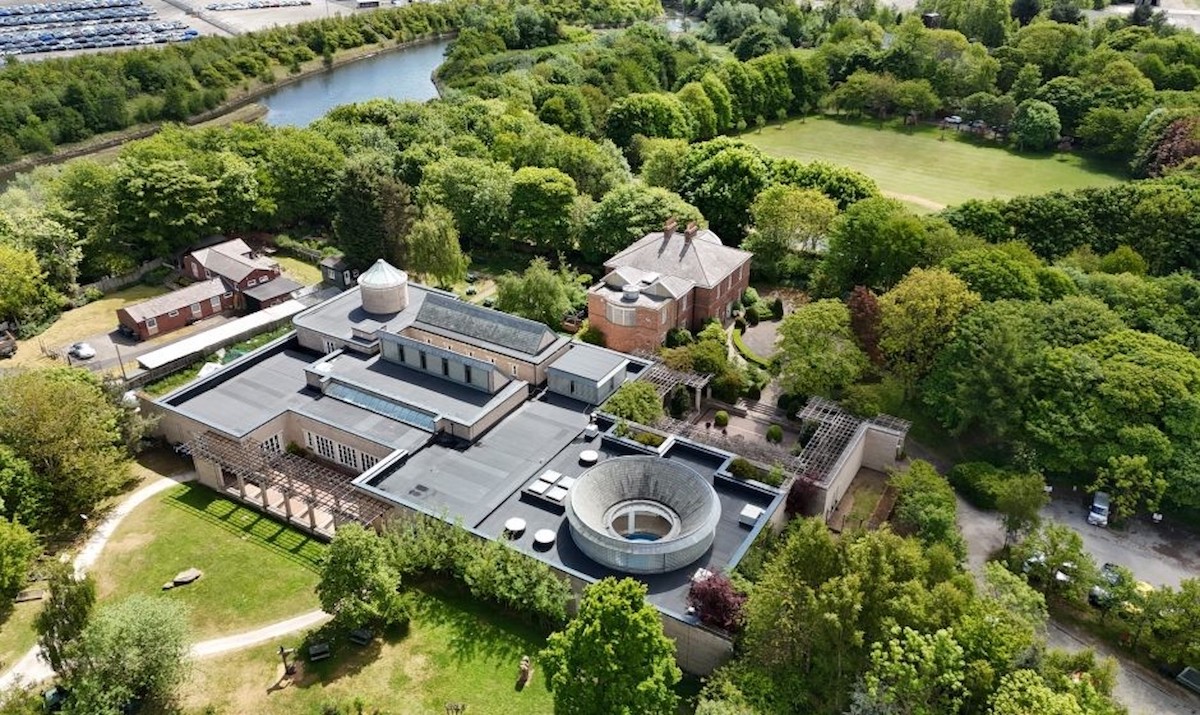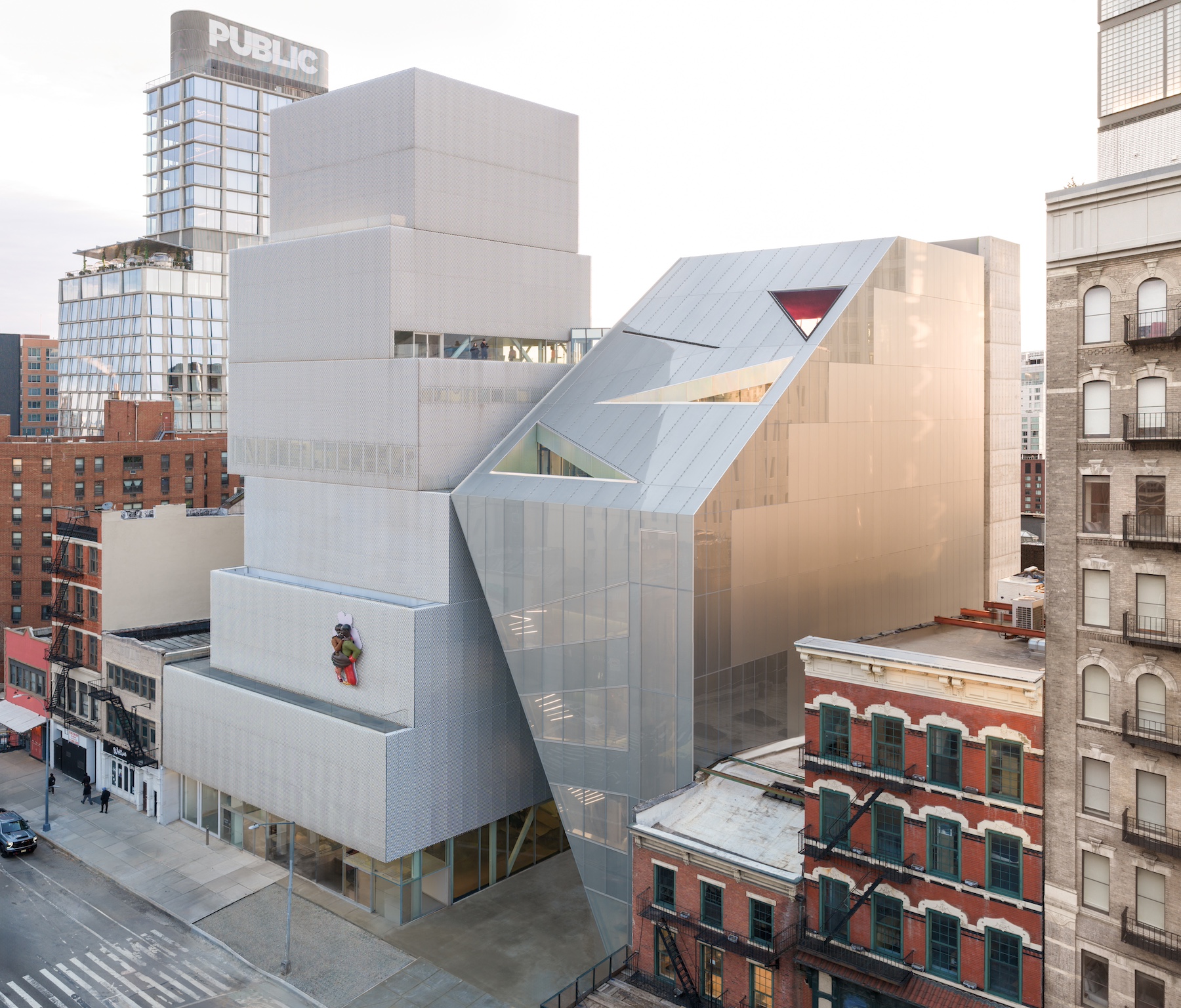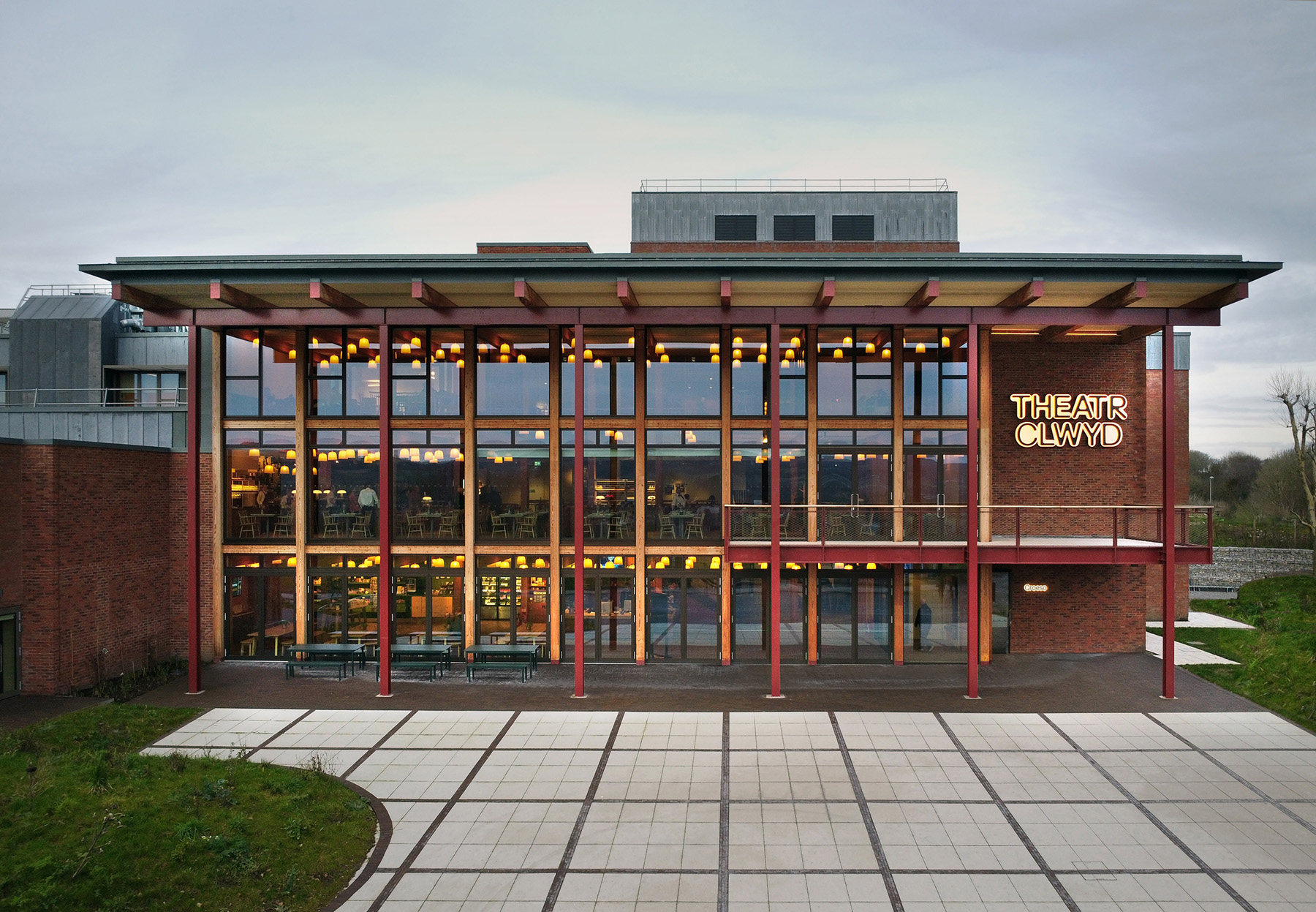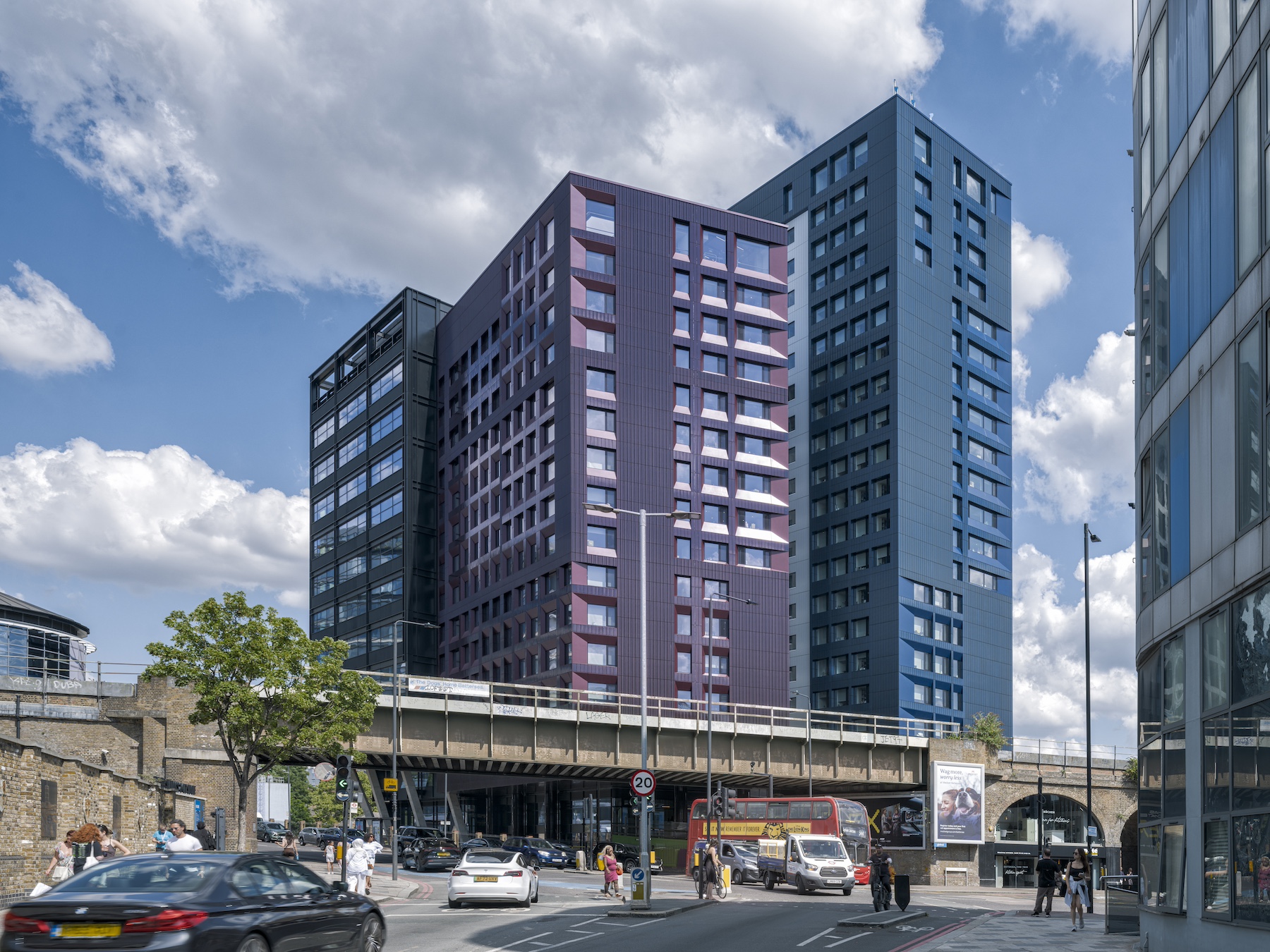
wwwienerberger explores why colour remains the primary driver in brick selection, and how architects are balancing visual identity with durability and embodied carbon in today’s evolving specification landscape.
In association with
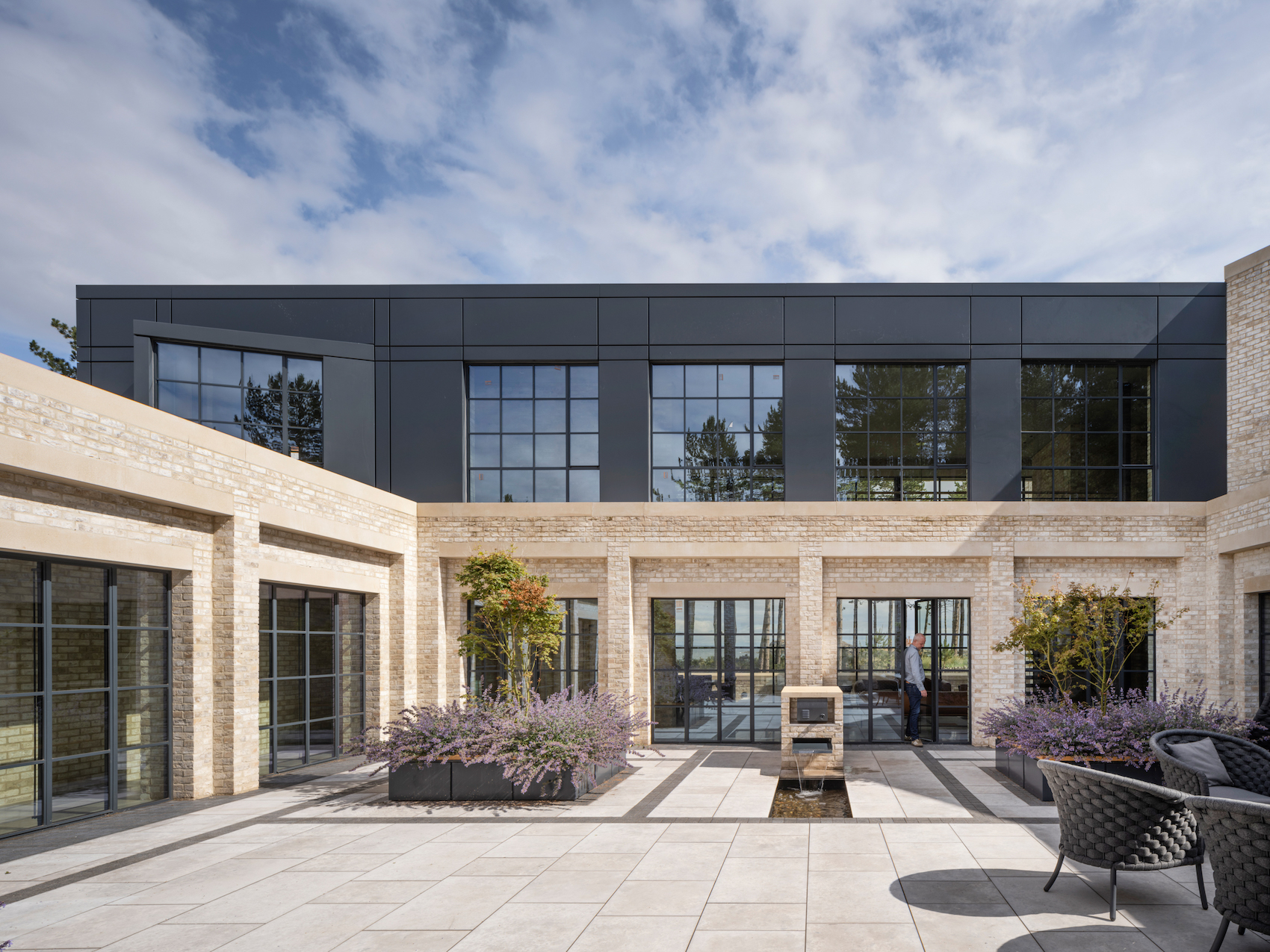
In an era increasingly shaped by performance metrics, regulatory pressure and carbon accounting, it would be easy to assume that aesthetics had slipped down the list of architectural priorities. Yet new research from wienerberger UK & Ireland exploring how architects specify brick, suggests otherwise.
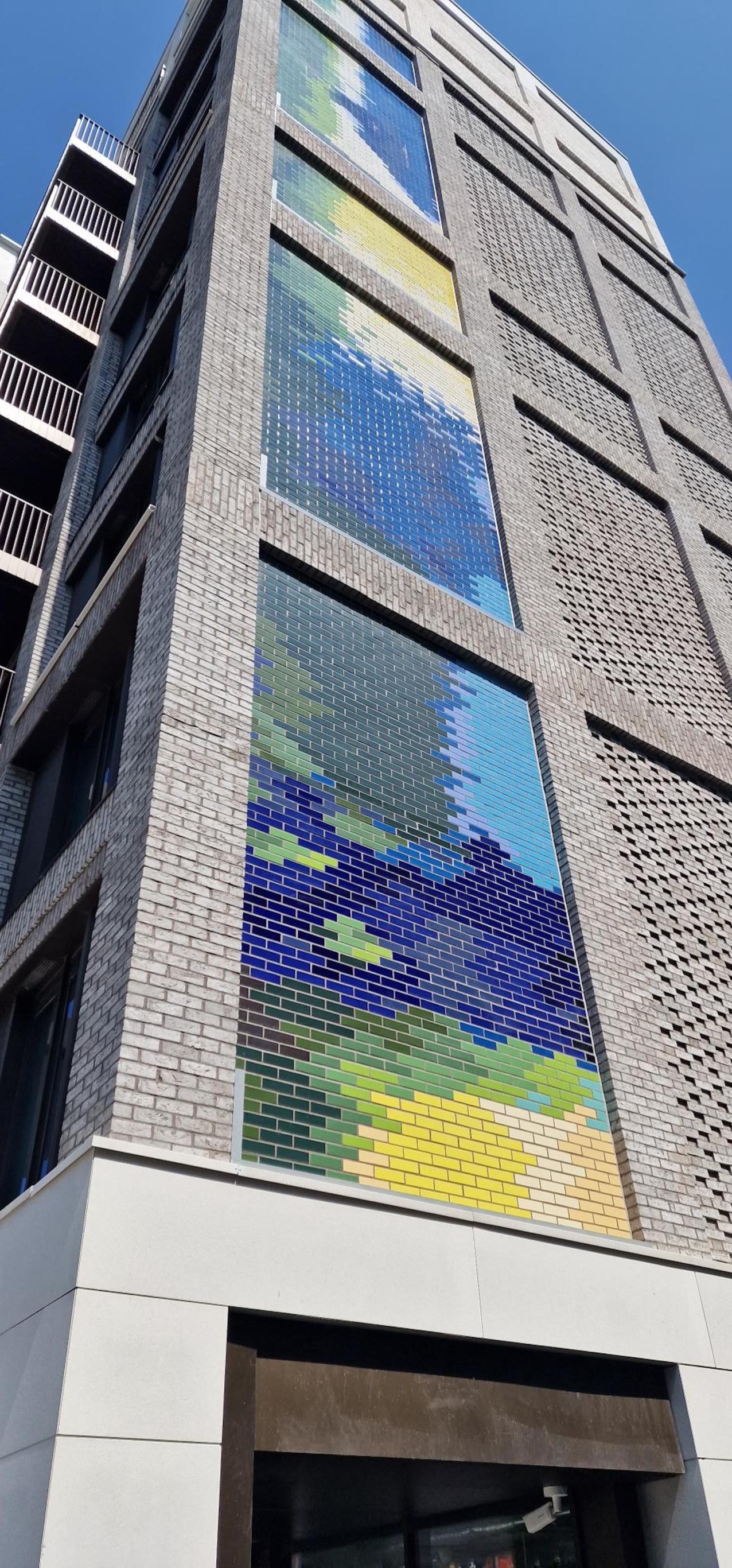
According to a recent survey of architects, two-thirds (66 per cent) say that colour is the most important attribute when selecting a brick. Despite advances in manufacturing technology, improved sustainability credentials and enhanced technical performance, it is colour – and the character it lends to a building – that remains the decisive factor in specification.
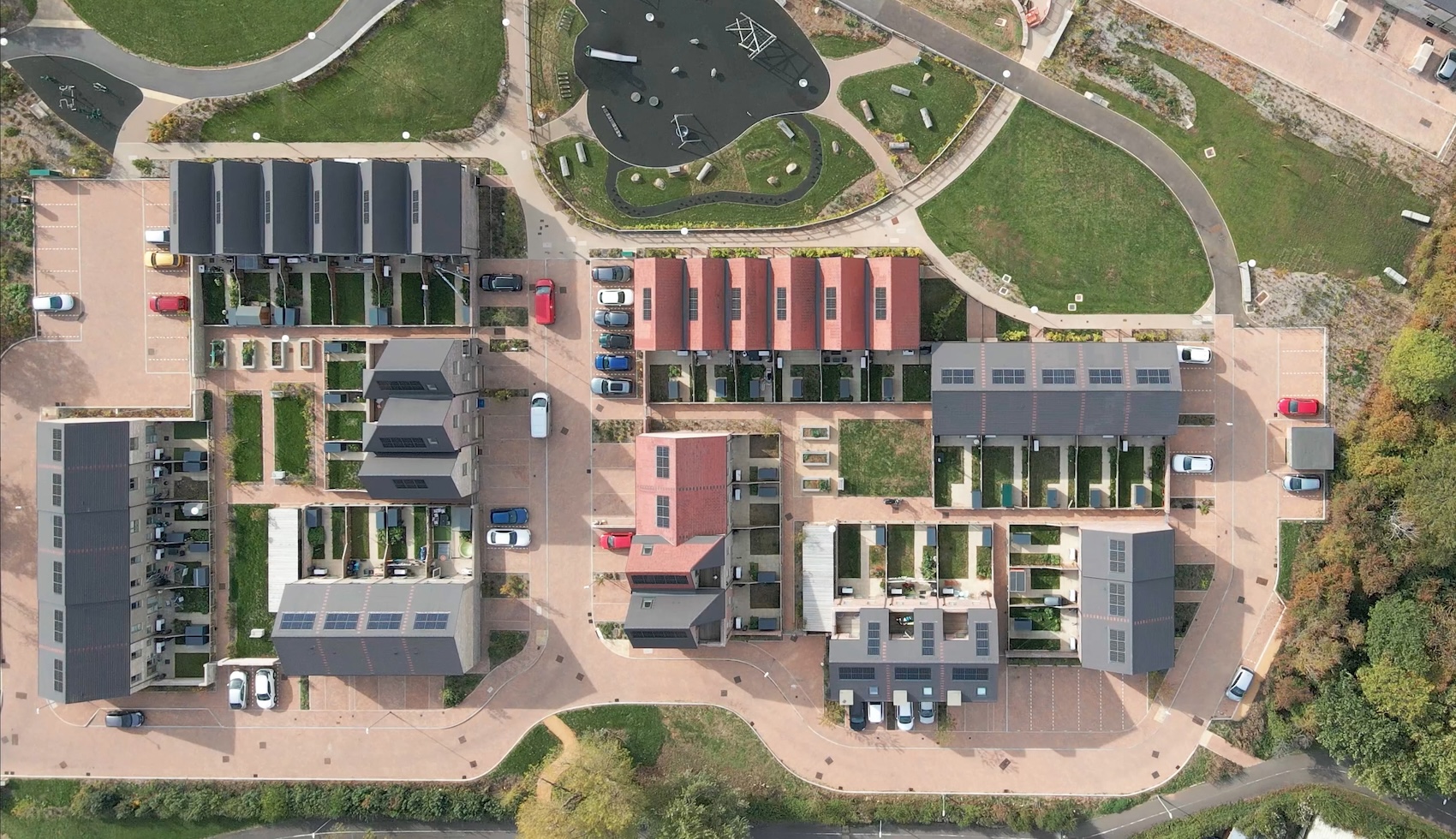
This finding underlines brick’s enduring role as a contextual material. More than just a building material, brick is an important visual component, helping new buildings establish a relationship with their surroundings. Architects continue to rely on colour to respond sensitively to local character, planning expectations and historic character, while still delivering modern architecture.
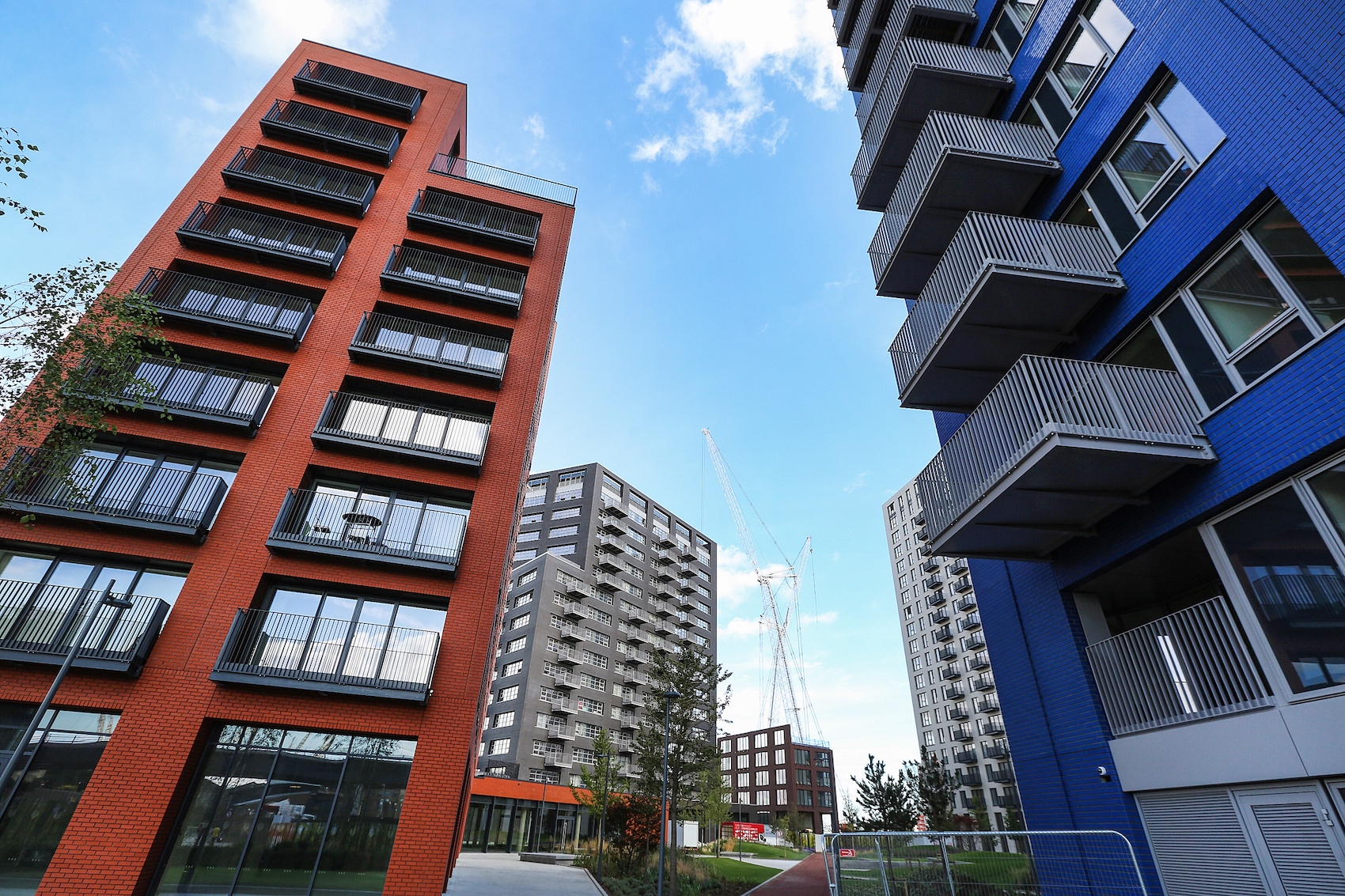
Context, character and visual identity
Brick’s association with place is one of its defining qualities. Across the UK and Ireland, regional variations in brick colour help to define local identity – from soft yellows and buffs to deep reds and rich browns. Selecting the right colour is therefore as much about storytelling as it is about compliance.
The survey results suggest that architects are acutely aware of this responsibility. Colour choice influences not only how a building is perceived at completion, but how it weathers, ages and integrates over time. In dense urban environments and sensitive locations, the right tonal balance can help schemes gain planning support and community acceptance, reinforcing colour’s importance beyond purely aesthetic considerations.
Durability leads sustainability thinking
While colour tops the list overall, sustainability remains a central concern in material specification. When asked to identify the most important sustainability factor in brick selection, more than 60 per cent of architects cited durability.
This emphasis reflects a broader shift in architectural thinking towards whole-life performance. Durability is increasingly recognised as one of the most effective ways to reduce a building’s environmental impact. Materials that last longer, require less maintenance and age gracefully help minimise the need for repair, replacement and additional resource use over time.
In this context, durability is not seen as separate from sustainability but integral to it. Architects are looking beyond short-term gains, favouring materials that support resilience, adaptability and long-term value – both environmentally and economically.
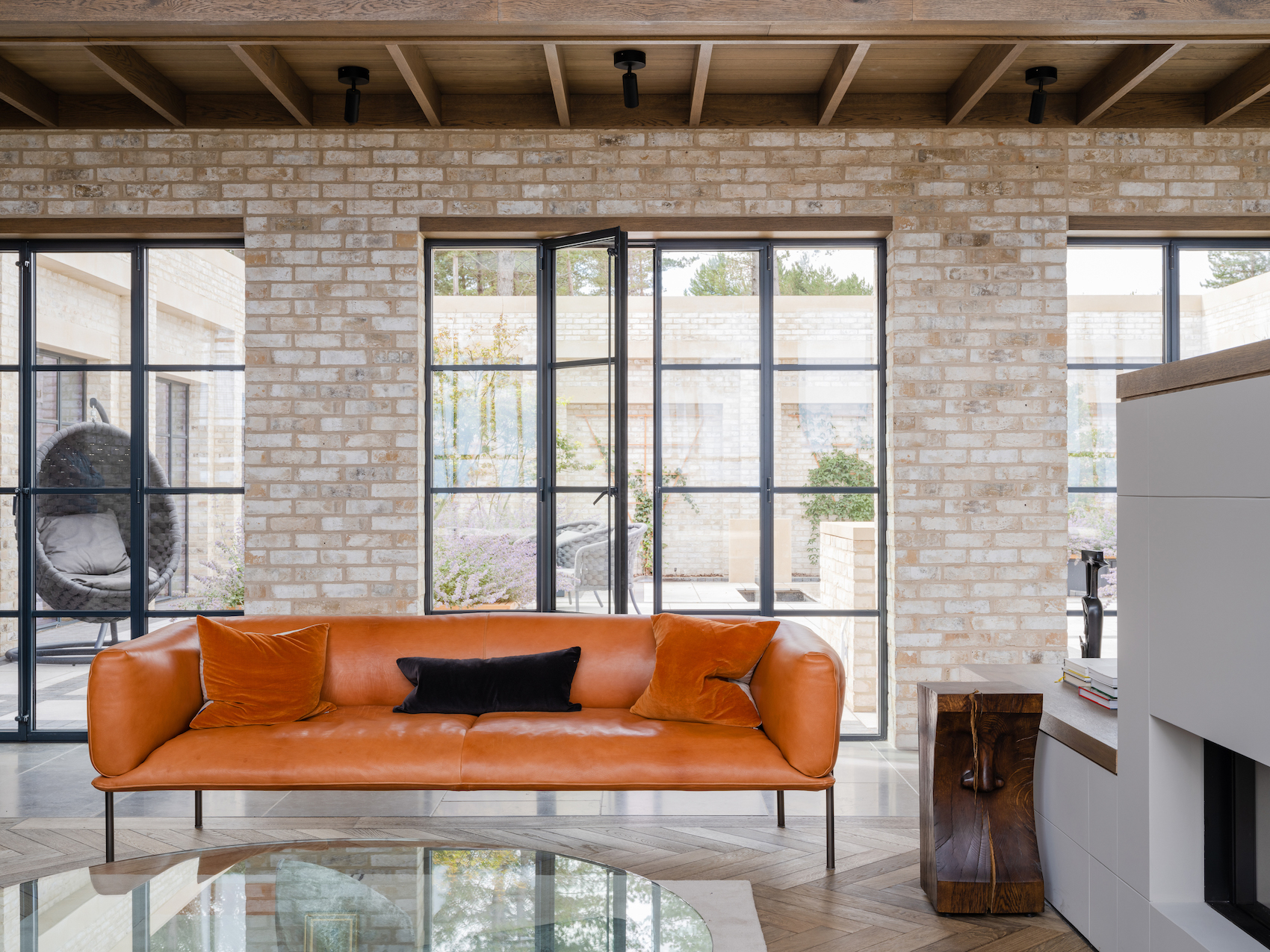
Embodied carbon remains a key consideration
Embodied carbon emerged as the second most important sustainability factor, highlighting its growing prominence within specification decisions. As awareness of upfront carbon emissions increases, architects are under pressure to make informed choices early in the design process.
However, the survey suggests that embodied carbon is rarely considered in isolation. Instead, it is weighed alongside durability, performance and aesthetic suitability. This balanced approach reflects the reality of practice, where sustainability goals must align with design intent, regulatory demands and client expectations.
Rather than chasing a single metric, architects appear to be adopting a more holistic view – recognising that a material’s long-term contribution to a building’s performance can be just as important as its initial carbon footprint.
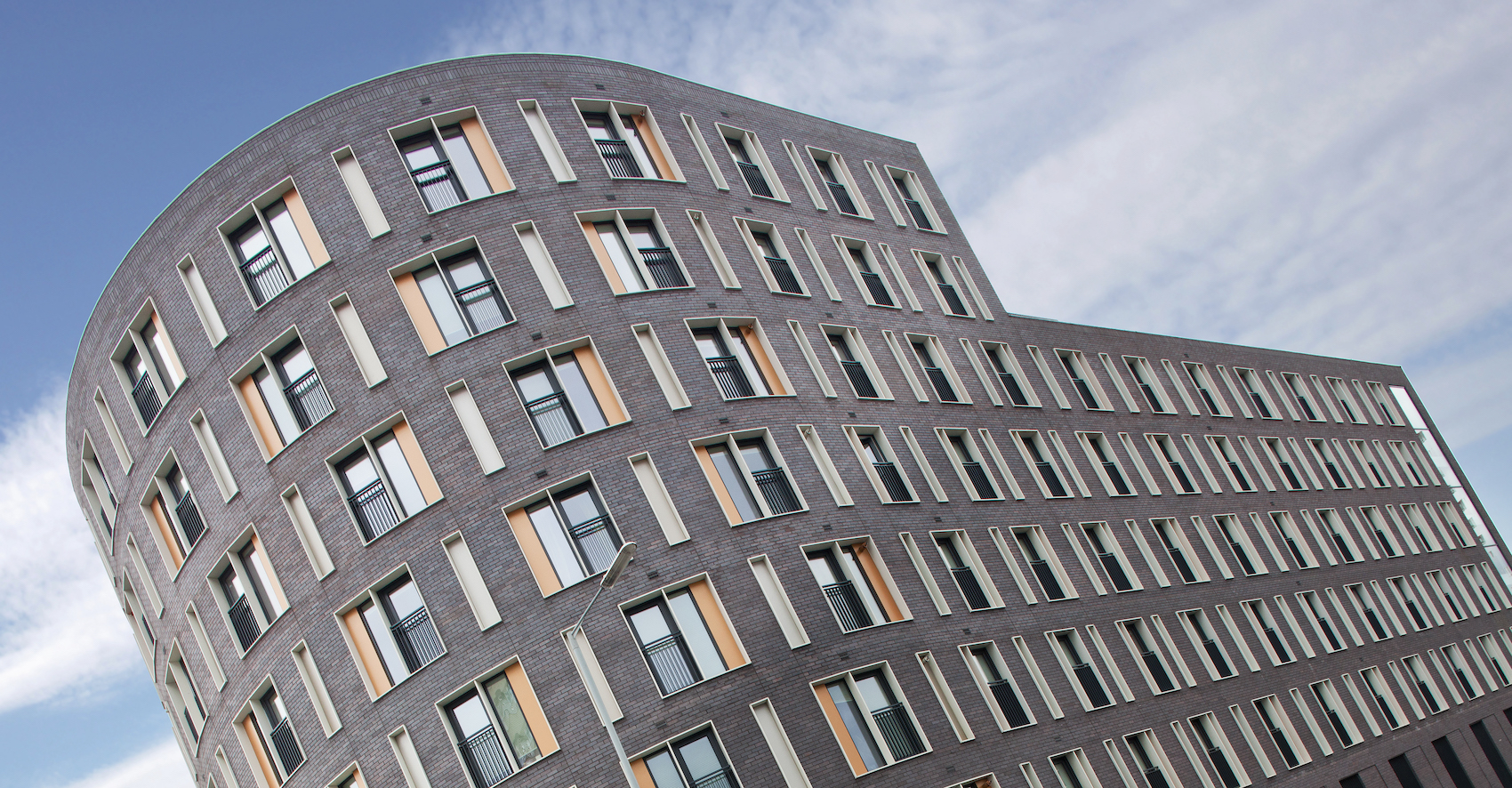
Less choice, more clarity
One of the more striking findings from the survey is architects’ clear preference for clarity when it comes to product selection. Half of respondents said they would like to choose from to five brick options within a single range, a further 35 per cent preferred 6-10 options – reinforcing the importance of curated, well-structured collections rather than extensive product lists.
In an industry often faced with overwhelming product ranges, this signals a desire for confidence rather than abundance. Too many options can slow decision-making, complicate approvals and increase the risk of specification changes later in the project.
Architects appear to favour ranges that provide clear differentiation, reliable availability and the flexibility to explore wider options where needed. Thoughtful curation allows design teams to focus on quality, performance and detailing rather than navigating excessive choice.
Despite increasing digital tools, physical samples remain fundamental to specification, with over 80 per cent of architects saying they always or often request samples before making a final decision. This highlights the continued importance of material authenticity and real-world evaluation in architectural design.
A balanced approach to specification
Taken together, the findings paint a picture of a profession balancing tradition with transformation. Colour remains central to brick selection, reinforcing the material’s cultural and contextual significance. At the same time, durability and embodied carbon are shaping a more informed and responsible approach to sustainability.
Perhaps most telling is the desire for simplicity – a reminder that good design is often supported by clear, confident choices rather than endless alternatives. For manufacturers and specifiers alike, the message is clear: architects are looking for materials that combine visual quality, long-term performance and straightforward selection.
In a changing construction landscape, brick continues to prove its relevance within modern architecture – not by reinventing itself entirely, but by responding thoughtfully to what architects value most.
Contact Details
For more information, please visit the wienerberger website.