Three practices involved in the Regenerative Architecture Index joined Architecture Today and UK Architects Declare at Futurebuild 2026 to explore what regenerative architecture looks like in practice today.
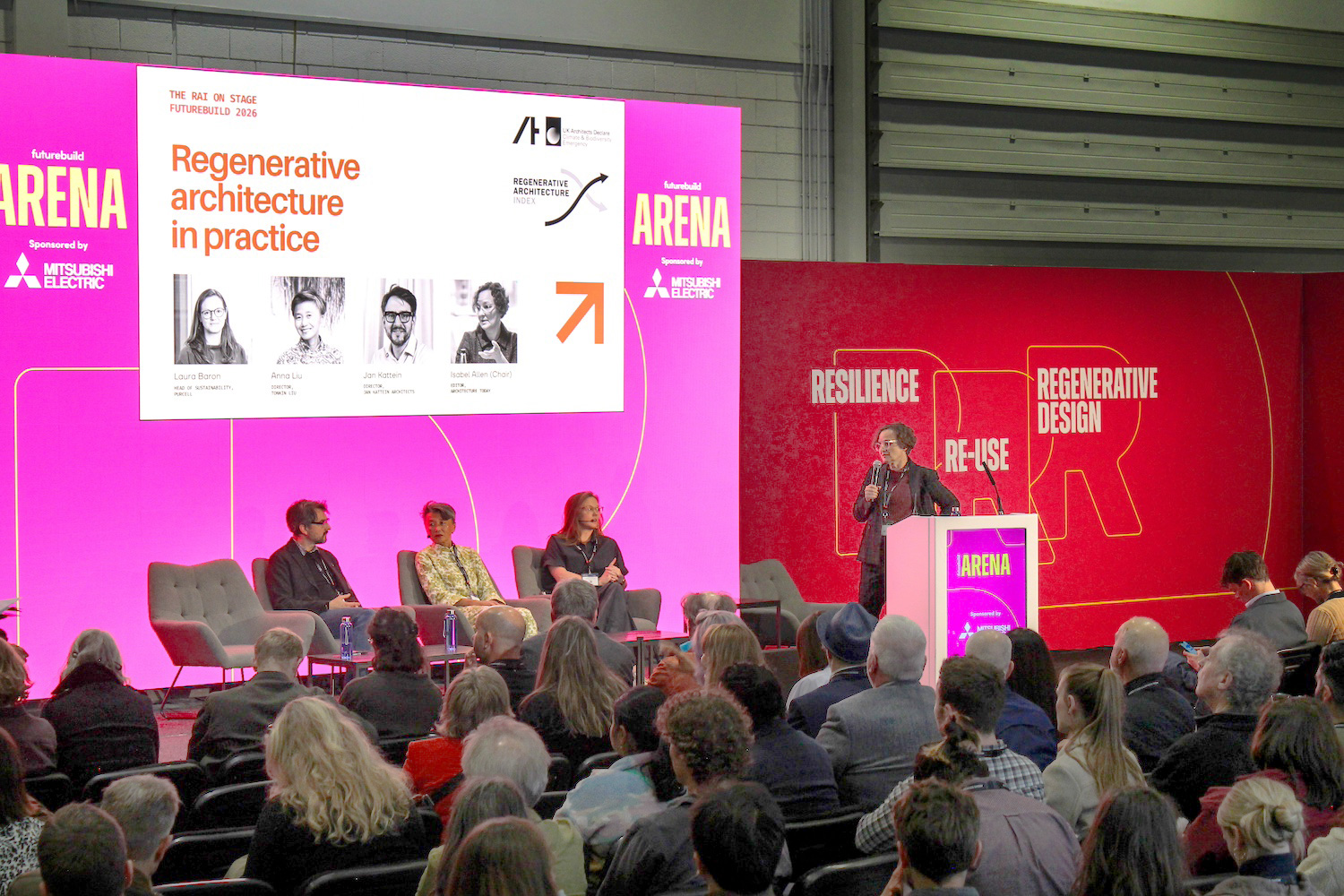
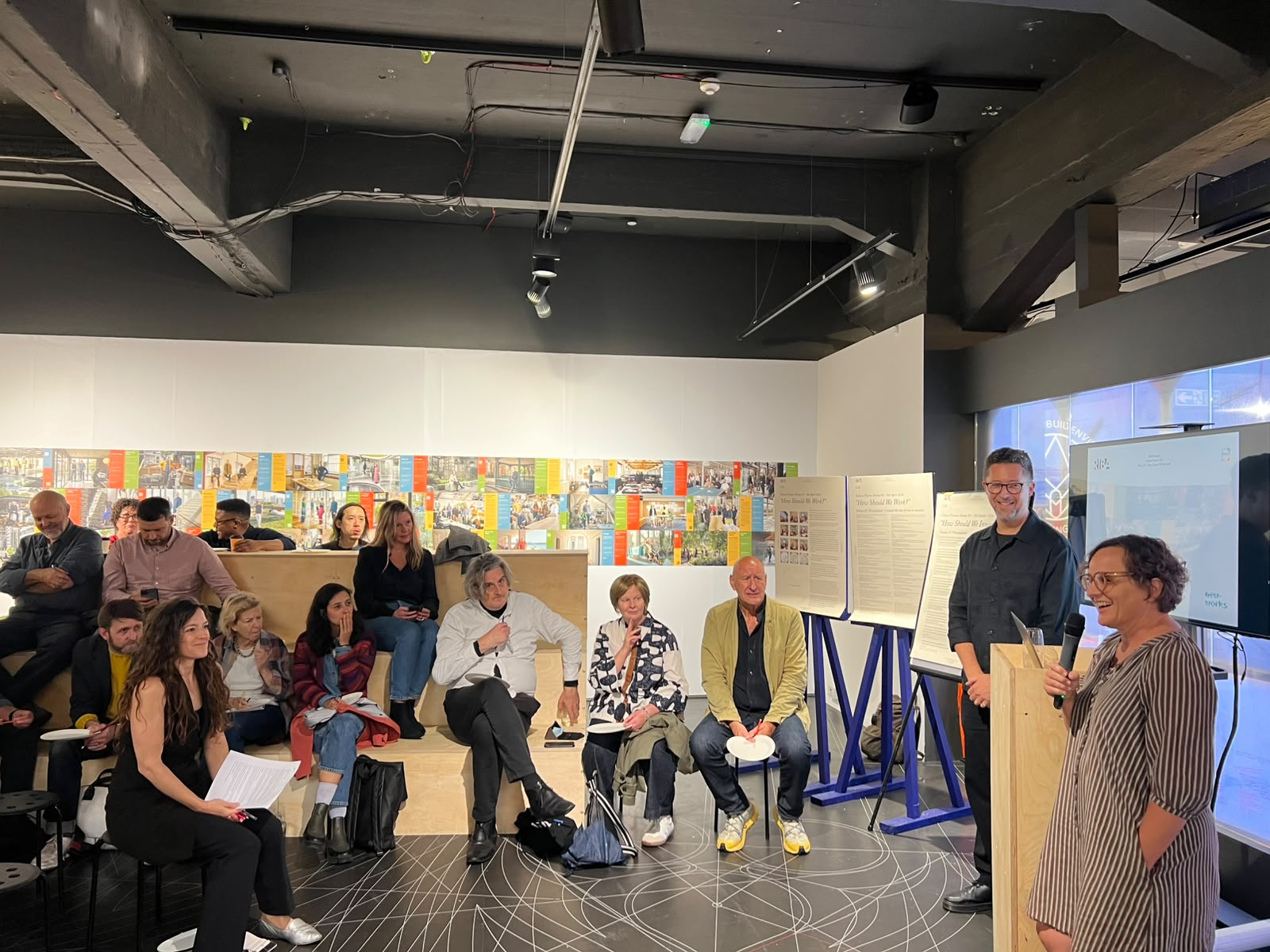
AT Editor Isabel Allen introducing Futurebuild 2026: Regenerative architecture in practice.
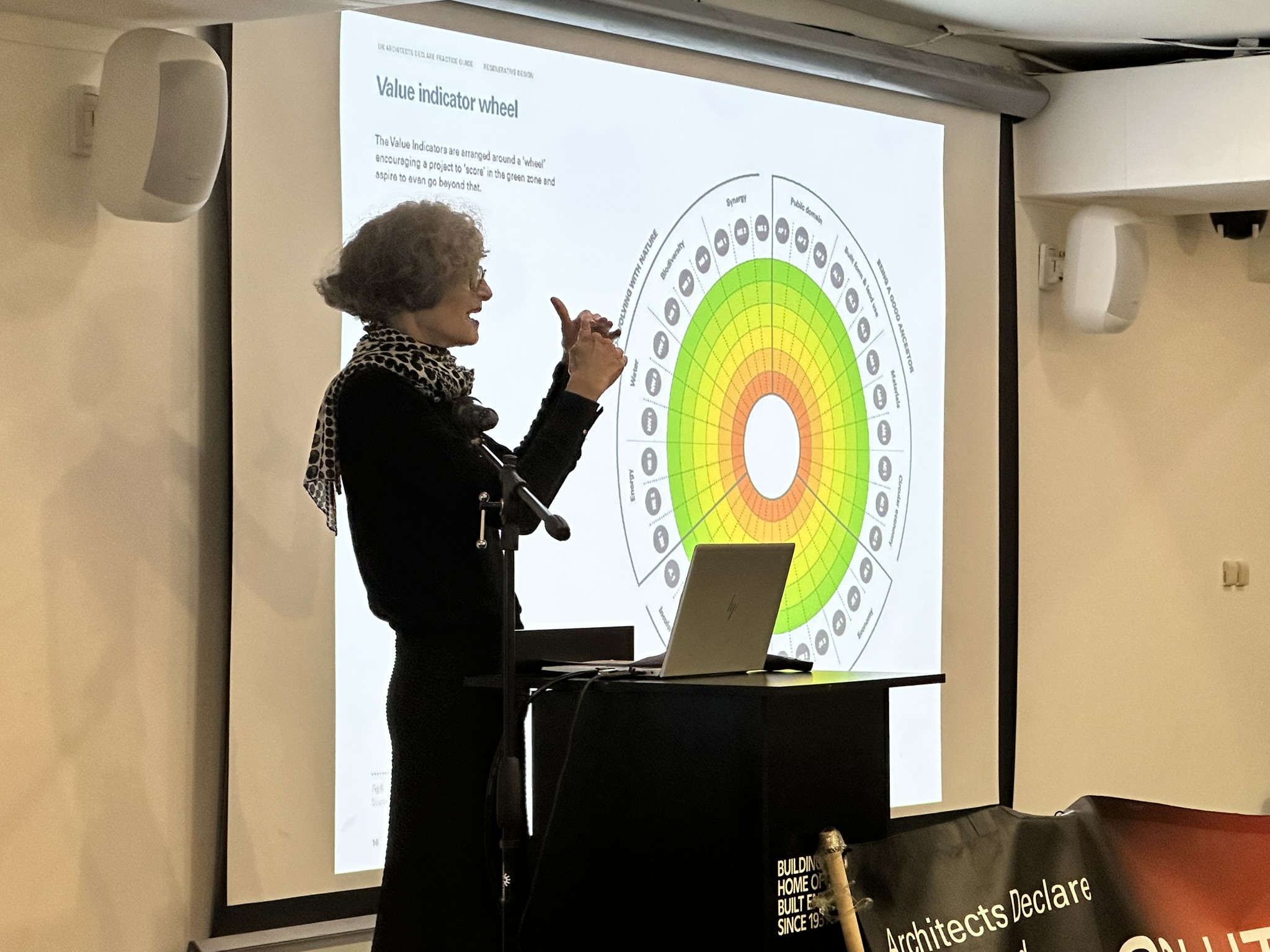
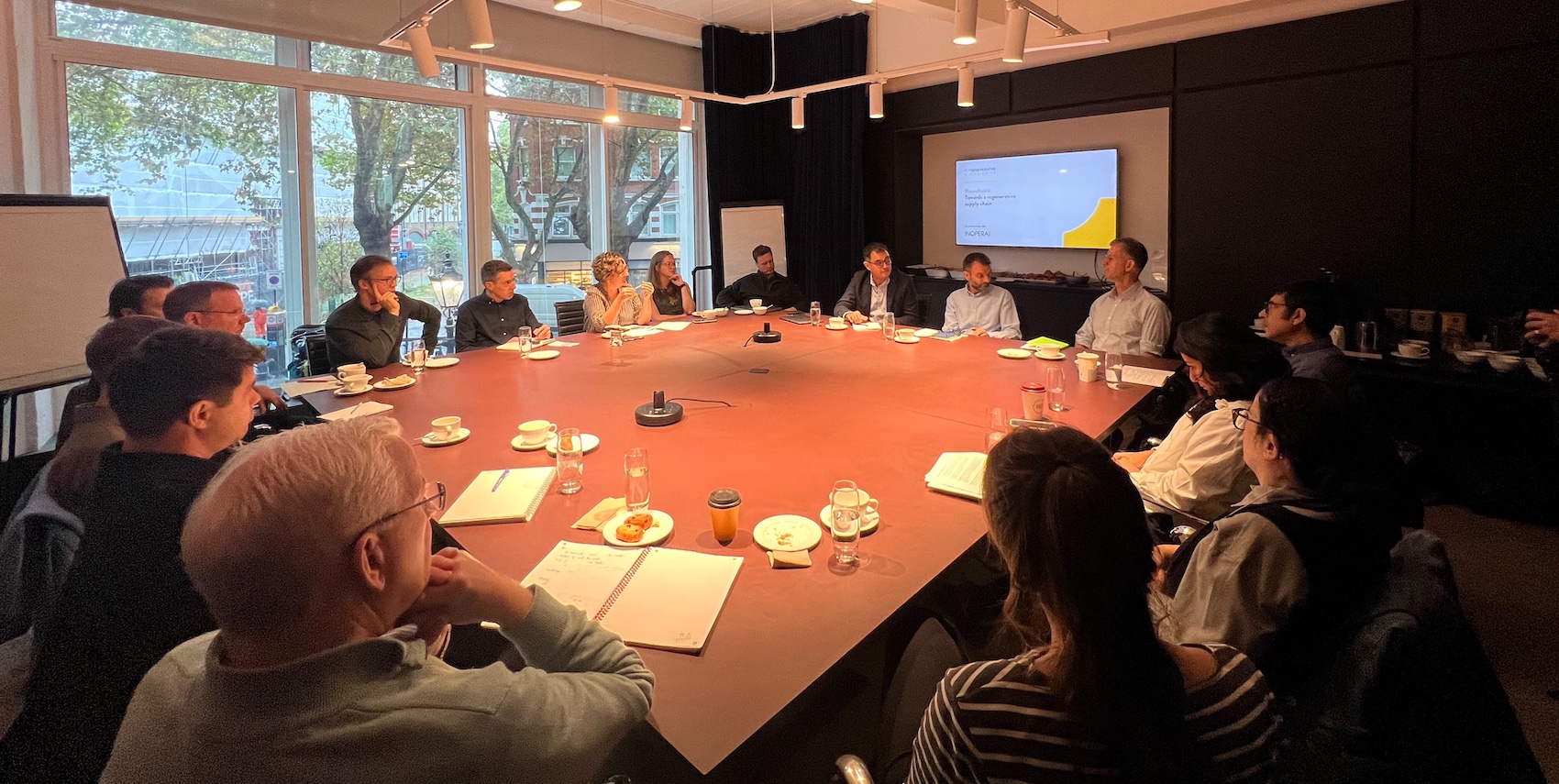
At this year’s Futurebuild, Architecture Today and UK Architects Declare brought together three practices involved in the Regenerative Architecture Index (RAI) to explore what regenerative architecture looks like in practice today. Chaired by Isabel Allen, Editor of Architecture Today, the session moved between ecology, custodianship and social justice, offering three distinct but interconnected perspectives on regeneration.
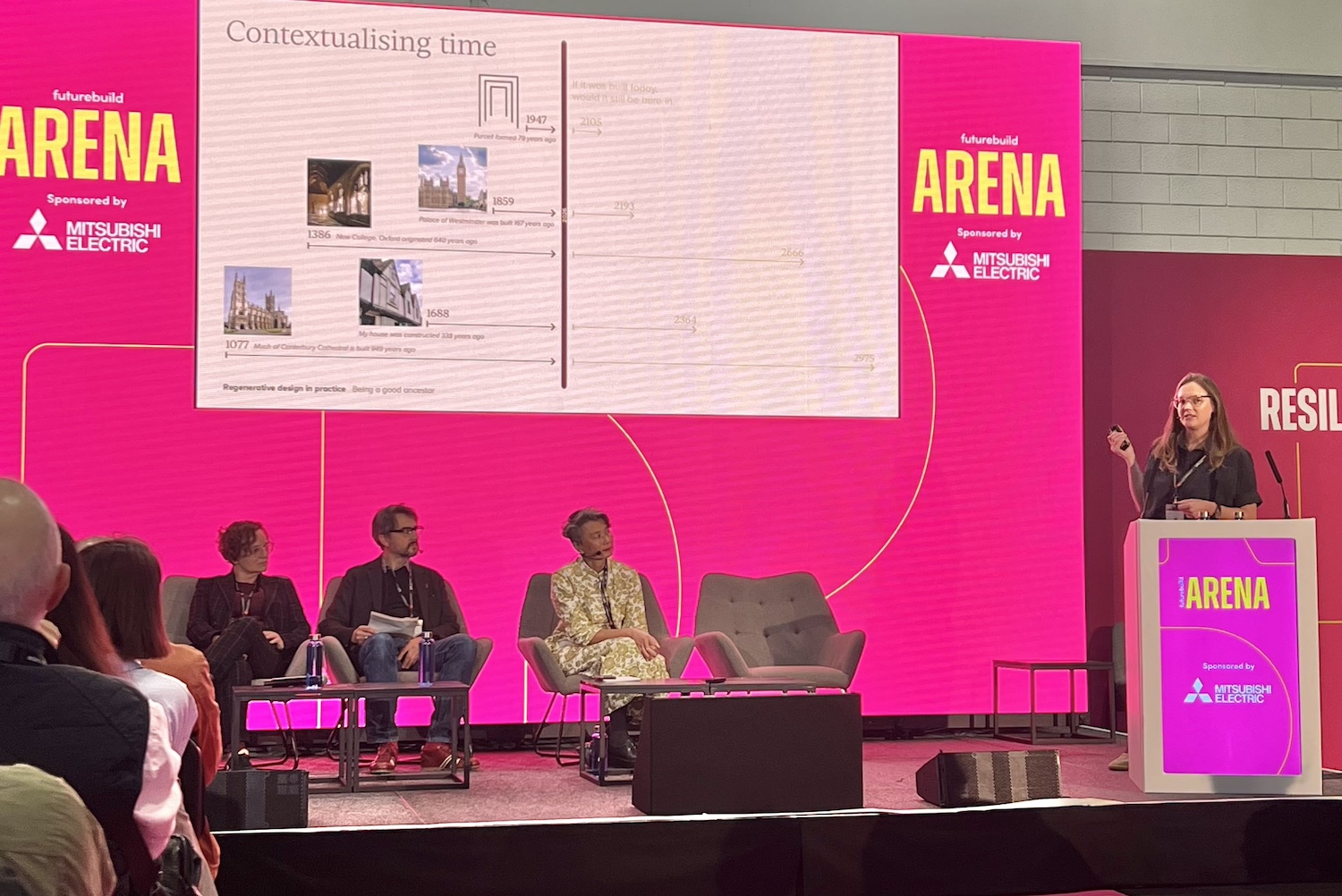
Laura Baron, Head of Sustainability, Purcell.
Opening the session, Laura Baron, Head of Sustainability at Purcell, framed regenerative design through the lens of time. Asking the audience to consider humanity’s place within the wider history of the planet, she noted that if Earth’s existence were compressed into a 24-hour clock, humans would have occupied just 77 seconds of it. Against this backdrop, Baron argued that architecture must think beyond short-term economic cycles and immediate operational pressures.
“We need to think like cathedrals,” she said. “What we build today can have centuries of impact.”
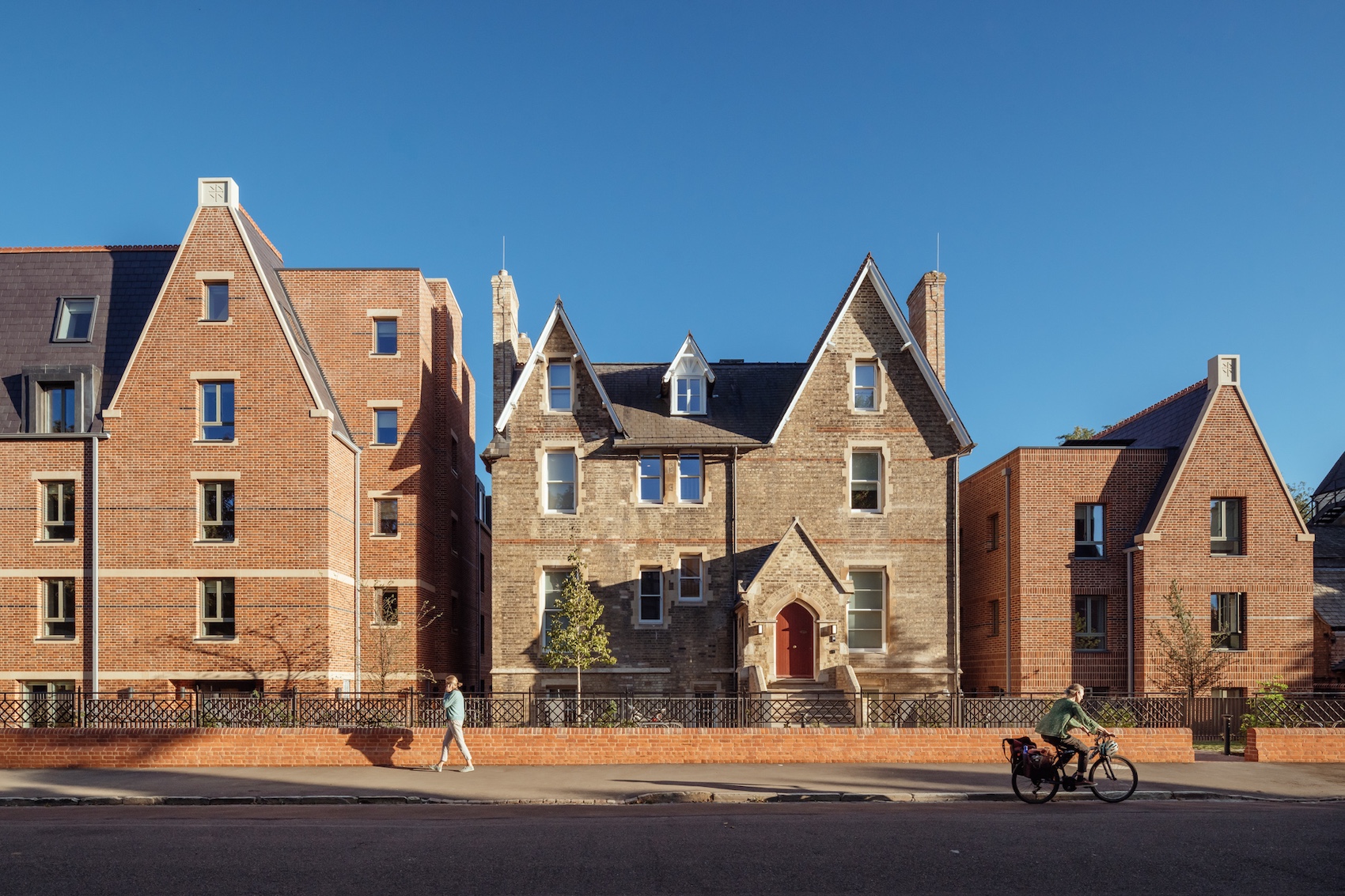
Her presentation explored the idea of being “a good ancestor”, positioning long-term stewardship as a core architectural responsibility at a moment defined by climate risk, heritage pressures and economic constraint. Drawing on Purcell’s experience in heritage and retrofit, Baron suggested that regenerative practice is fundamentally about custodianship: understanding buildings not as isolated projects, but as part of much longer cultural and environmental timelines.
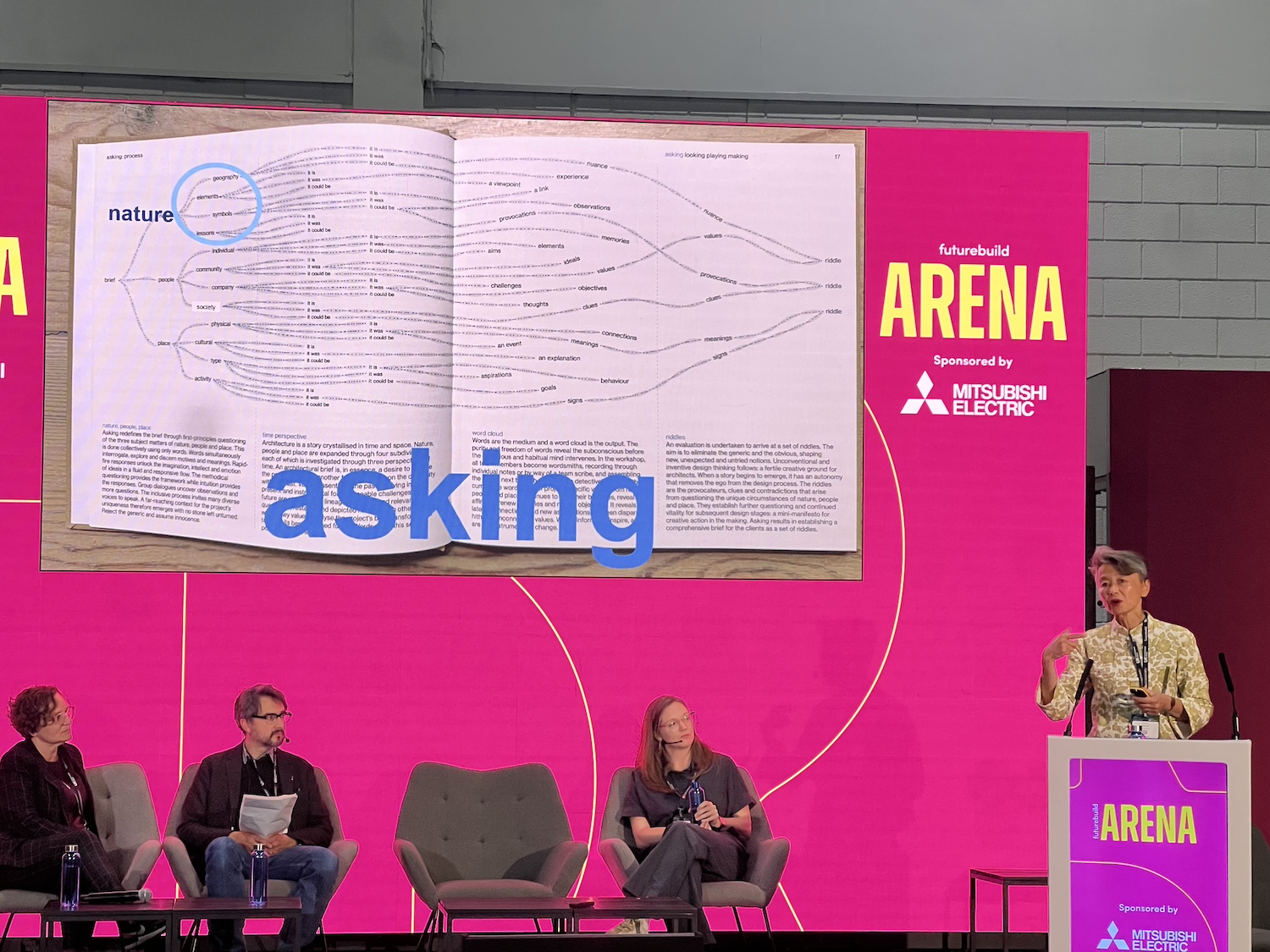
Anna Liu, Director, Tonkin Liu.
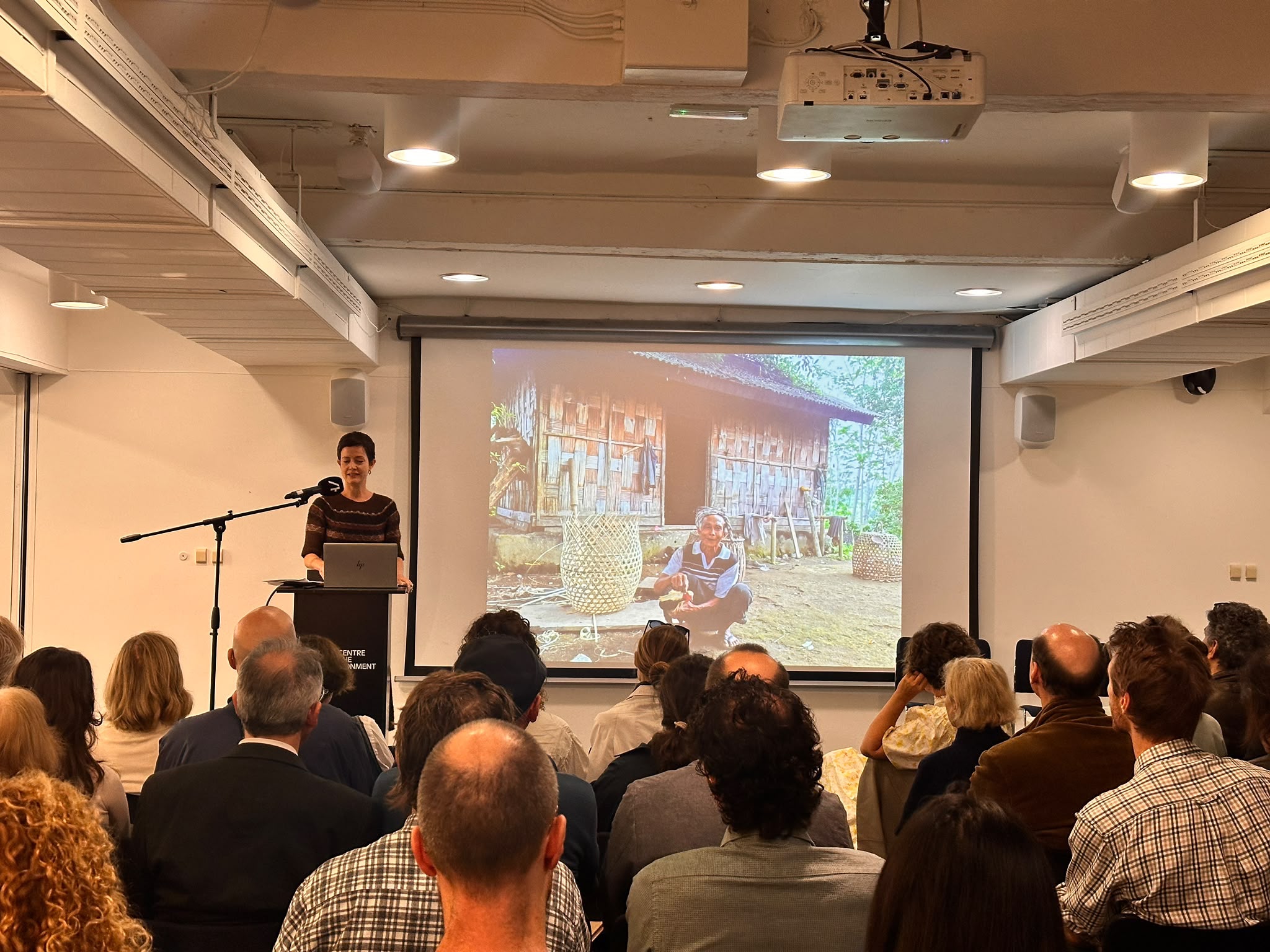
From there, Anna Liu, Director of Tonkin Liu, shifted the conversation towards the relationship between human and natural systems. Her talk, “Co-evolving with nature”, explored how architecture might move beyond mitigating environmental harm to actively working with ecological processes and cycles.
Rather than beginning with buildings themselves, Liu focused on the importance of asking the right questions at briefing stage. How can projects acknowledge seasonal change, biodiversity, maintenance cycles and patterns of human occupation from the outset? How can architecture support a deeper sense of connection between people and the natural world?
“Humans need cycles, that sense of time,” she argued. “It’s grounding.”
Liu’s presentation suggested that regenerative architecture depends as much on mindset and process as on technical solutions, requiring designers to see natural systems not as constraints to overcome, but as active collaborators in shaping space and experience.
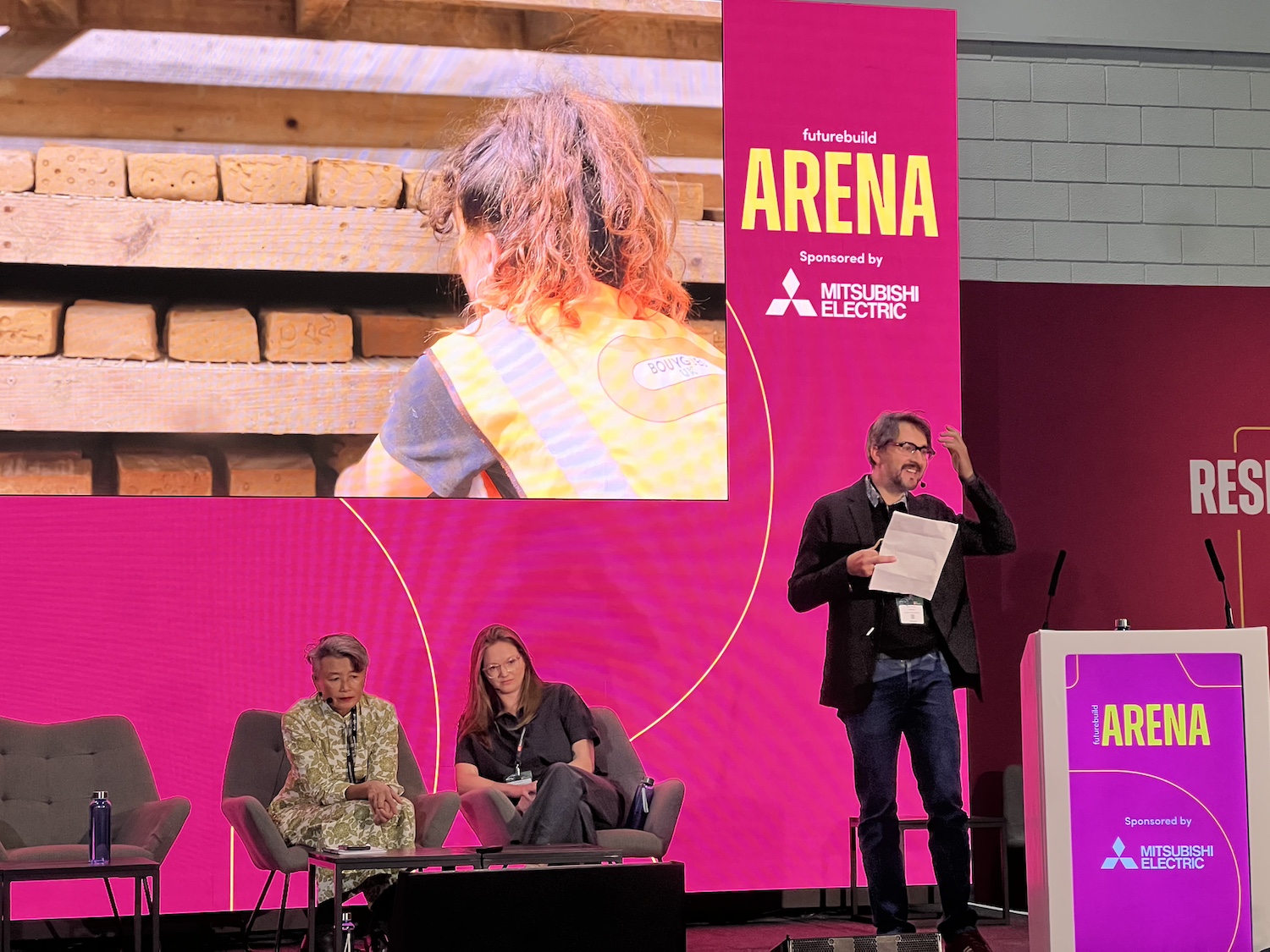
Jan Kattein, Director, Jan Kattein Architects.
Closing the session, Jan Kattein, Director of Jan Kattein Architects, brought a strongly social dimension to the discussion, arguing passionately for the importance of creating “just space” for people. Regeneration, he suggested, must be understood not only as an environmental act, but also as a social one.
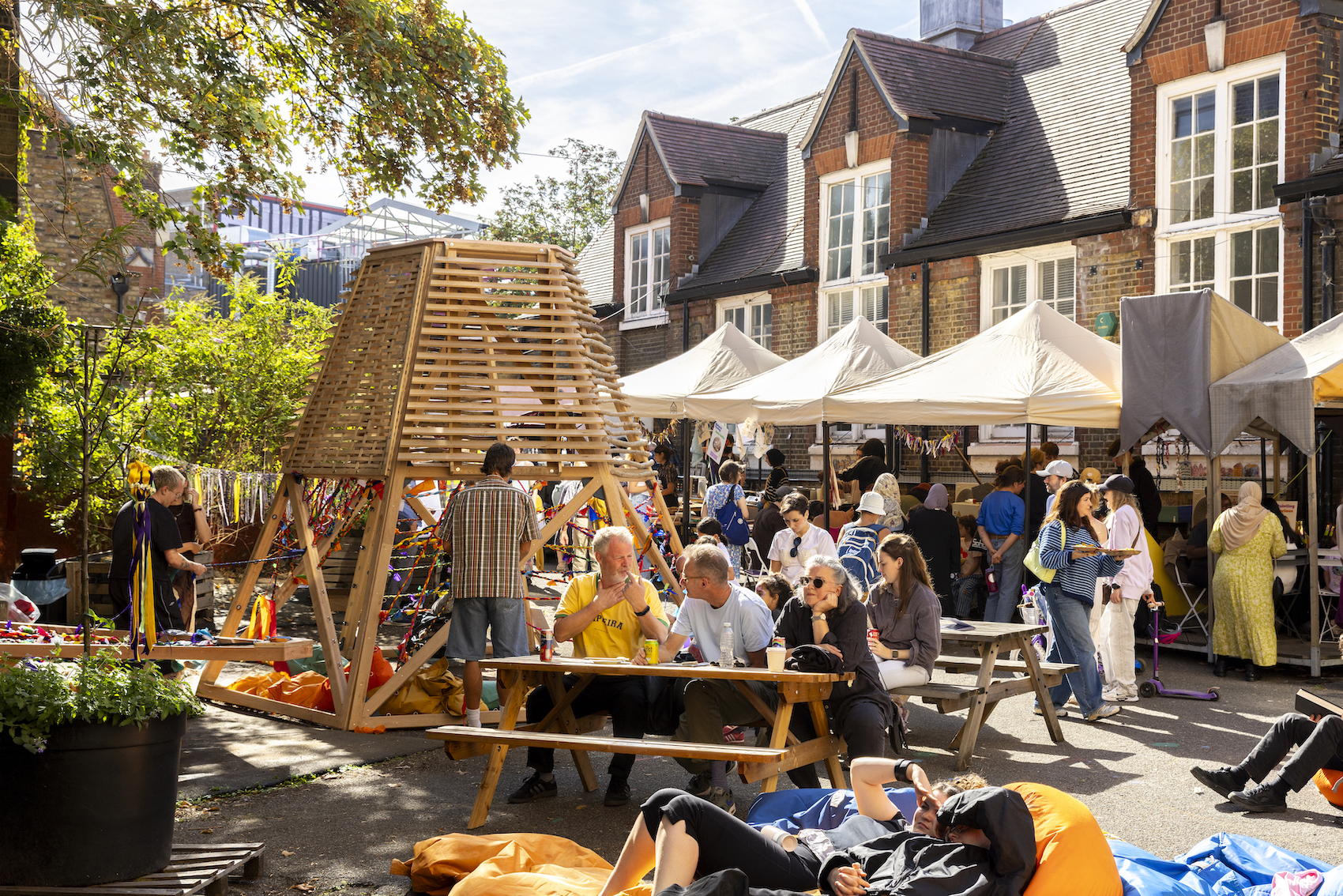
Referencing projects including the Triangle Ecology Garden in King’s Cross, Kattein highlighted how community-led spaces can foster relationships, confidence and long-term ownership. Crucially, he stressed that the process of creating these environments can itself become an act of placemaking.
“The solution is not always a building,” he noted.
In an industry often focused on finished objects, Kattein’s presentation served as a reminder that participation, stewardship and social infrastructure can matter just as much as architecture itself.
Taken together, the three talks demonstrated the breadth of thinking currently shaping regenerative practice: from long-term custodianship and ecological reciprocity to participation and social justice. While each speaker approached regeneration from a different perspective, all three shared a common belief that architecture must think beyond individual buildings towards the longer-term systems, relationships and responsibilities that shape the built environment.