Prague-based No Architects transform a derelict homestead in the Ora Mountains into a robust and playful retreat, proposing a contemporary model for resistant and environmental design in challenging climates.
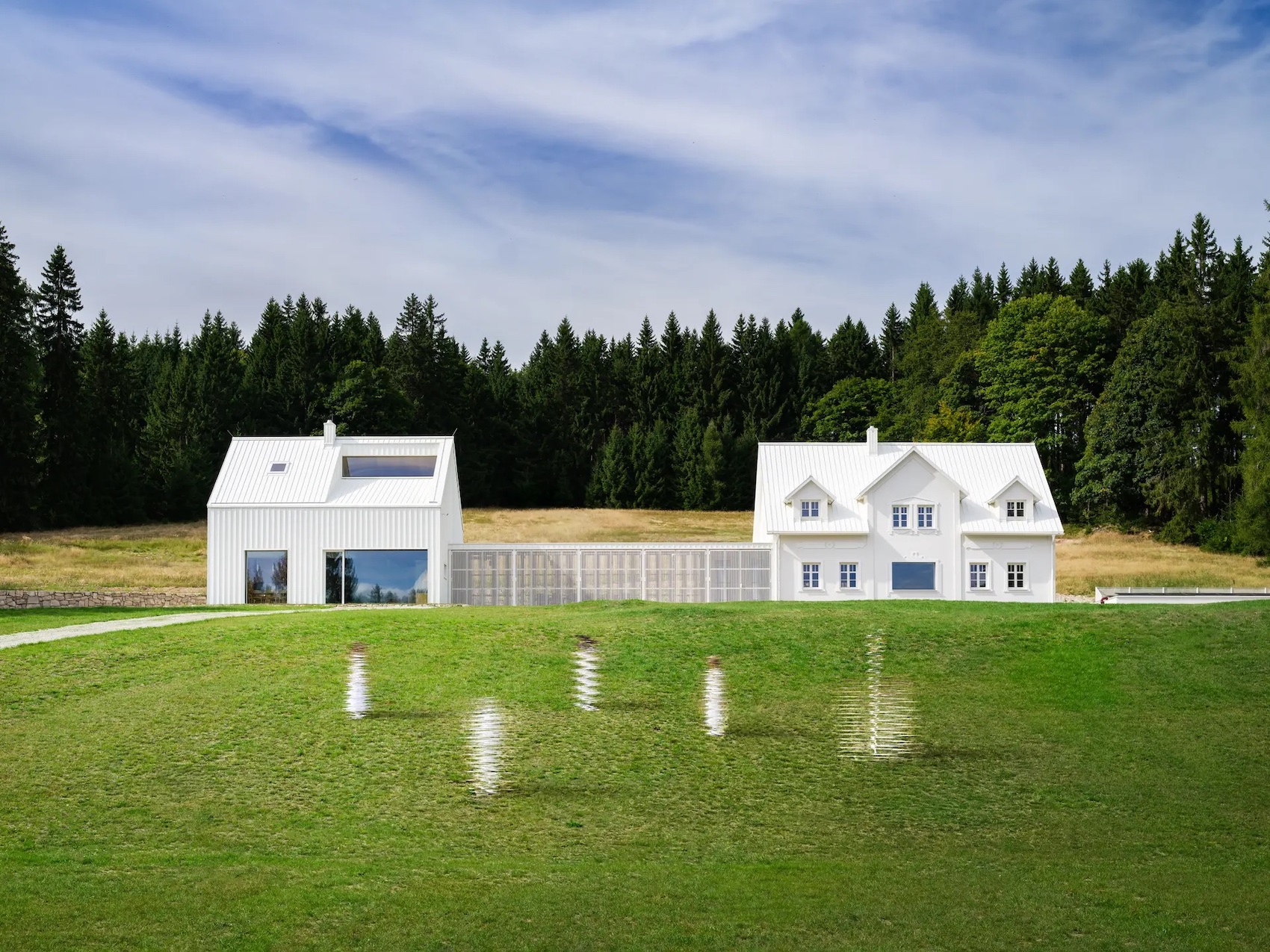
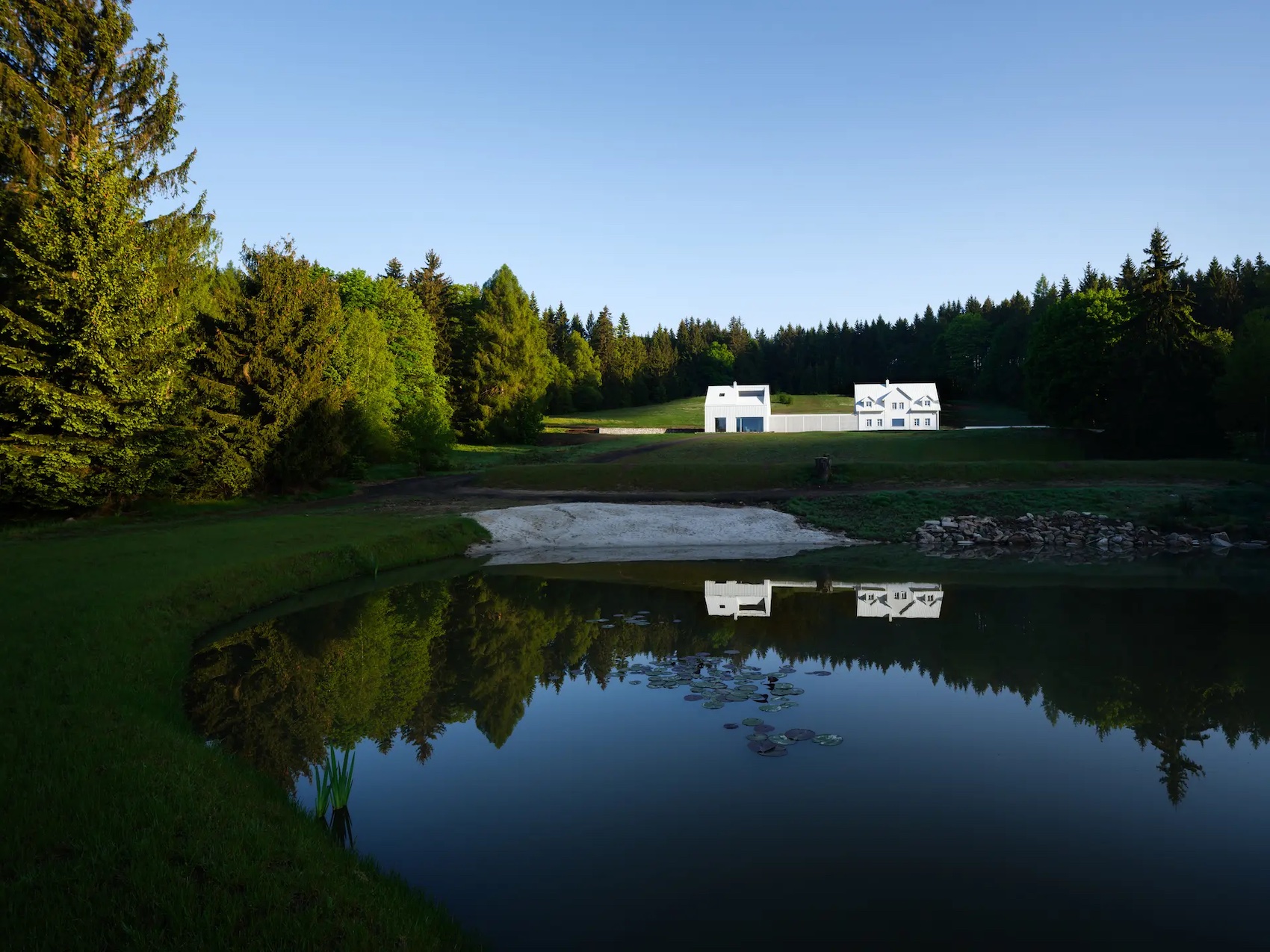
Located in the Czech Republic’s Ora Mountains near the Polish border, this mountain retreat reworks a former Sudetenland homestead into year-round accommodation for families and summer camps. The project responds to the layered history of the region, where the post-war expulsion of the German-speaking population left entire settlements abandoned, reshaping both the physical and cultural landscape.
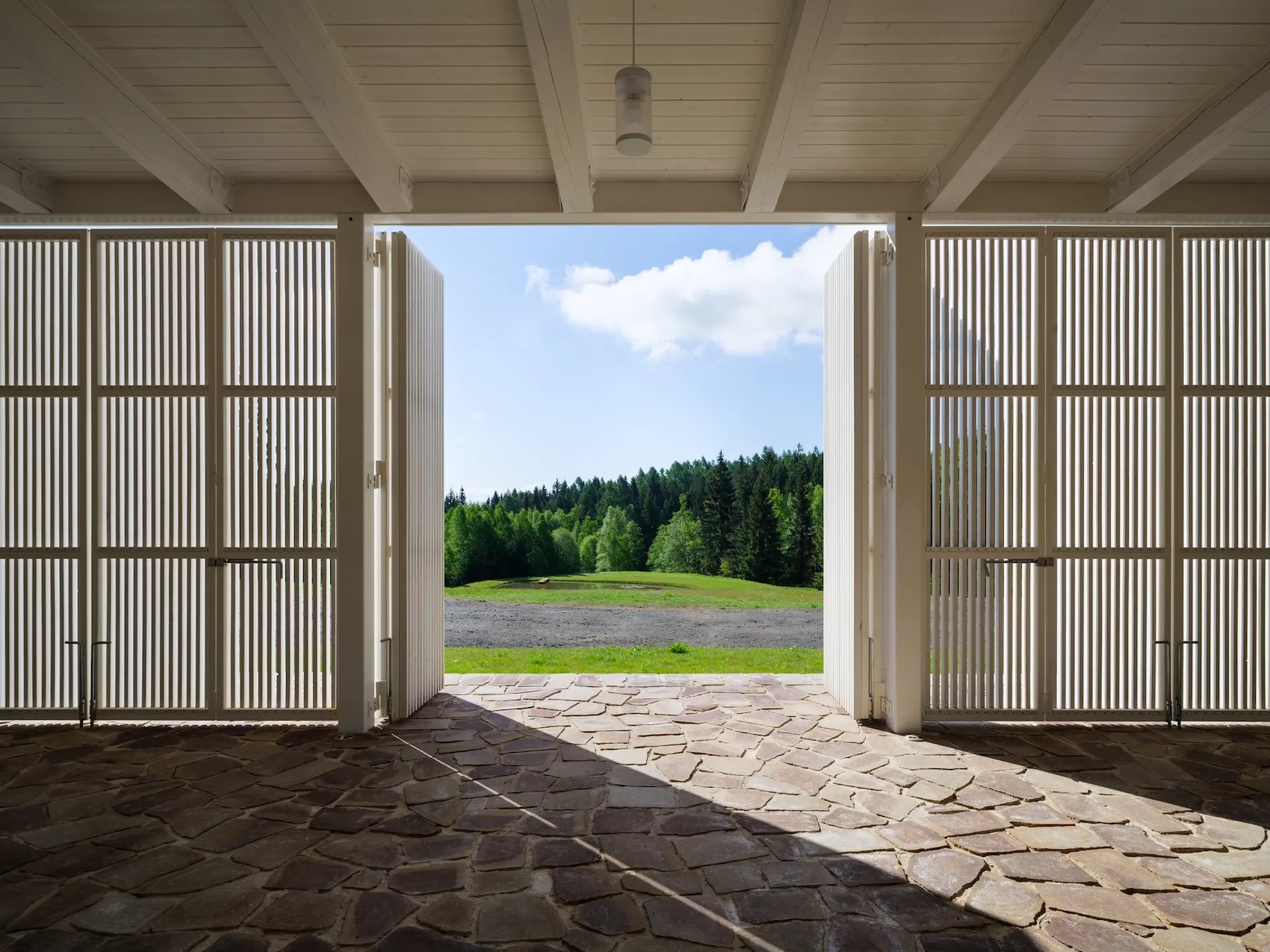
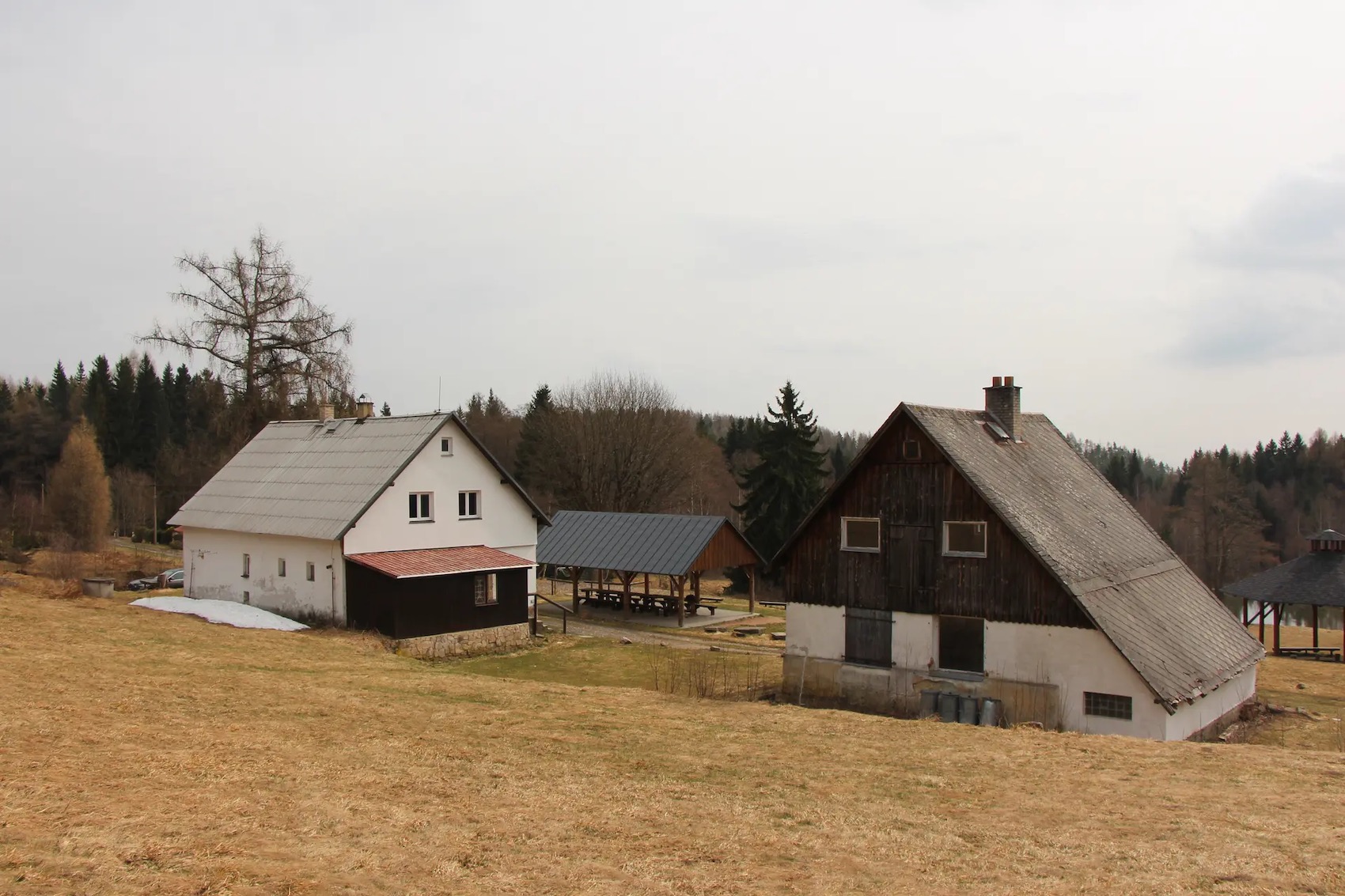
The scheme is based on a typical mountain dwelling that, following decades of ad hoc occupation and alteration, had deteriorated. Over time, a collection of sheds, shelters and recreational buildings accumulated around the original structure as the site evolved into a small ski club complex.
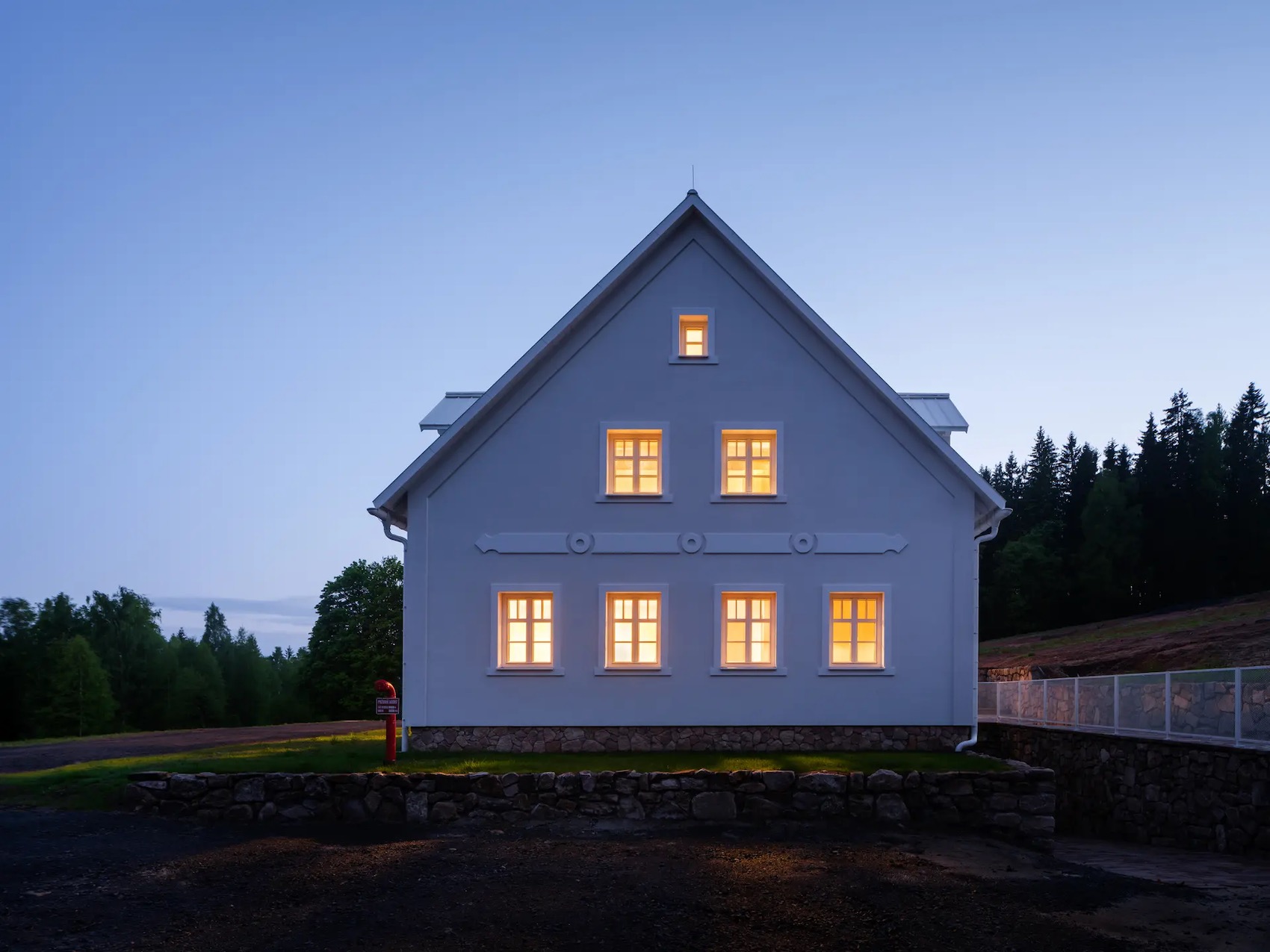
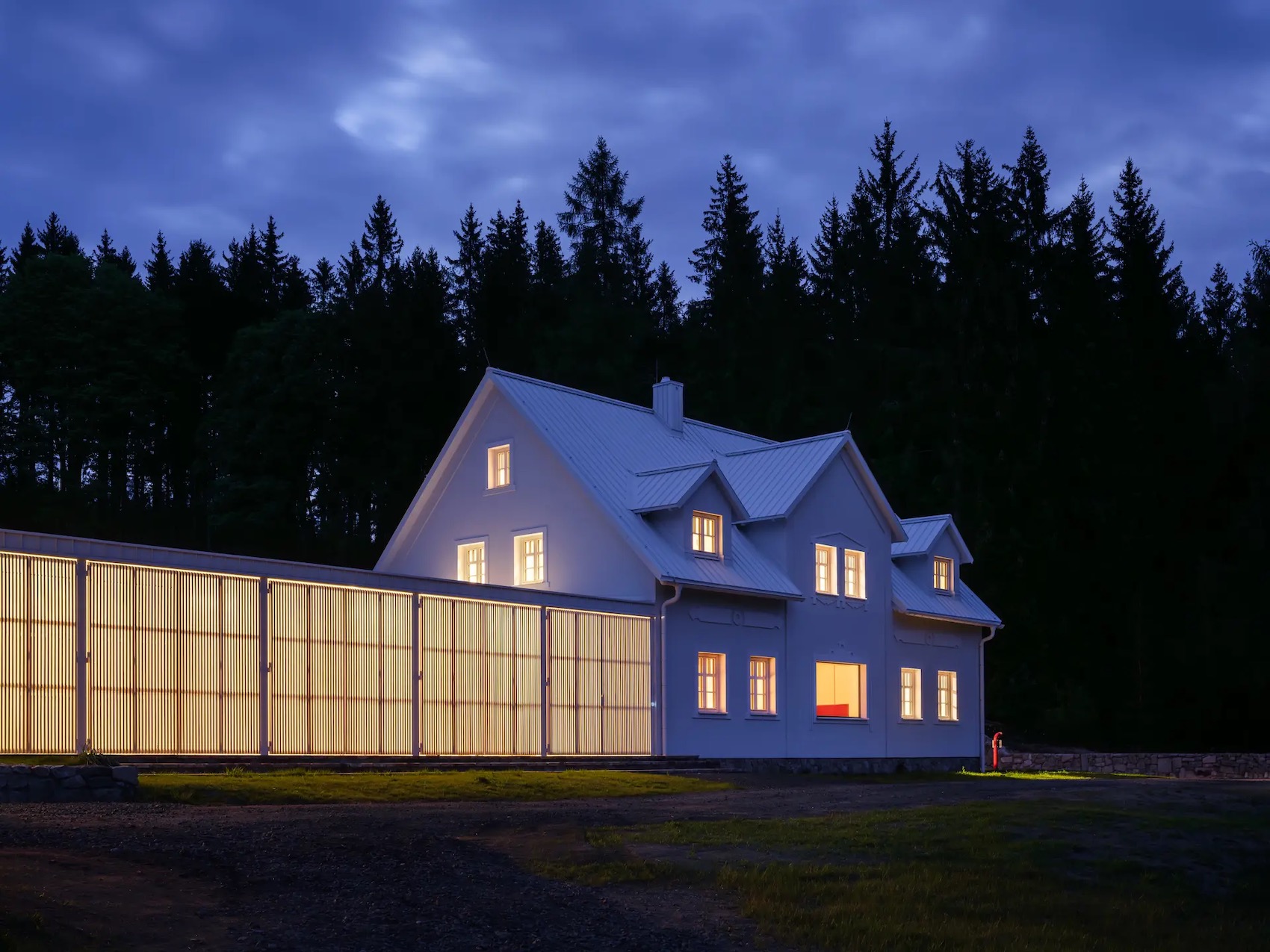
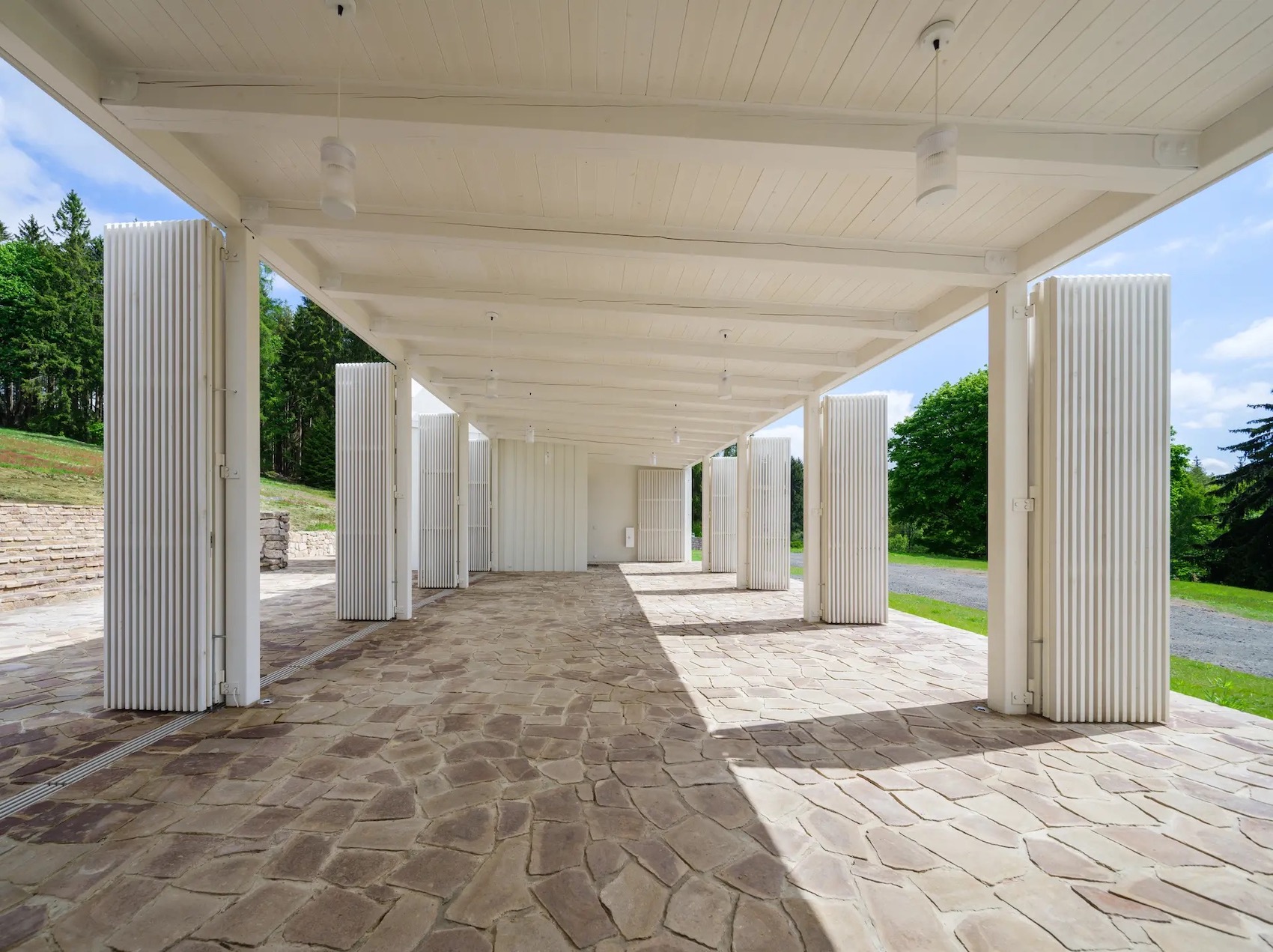
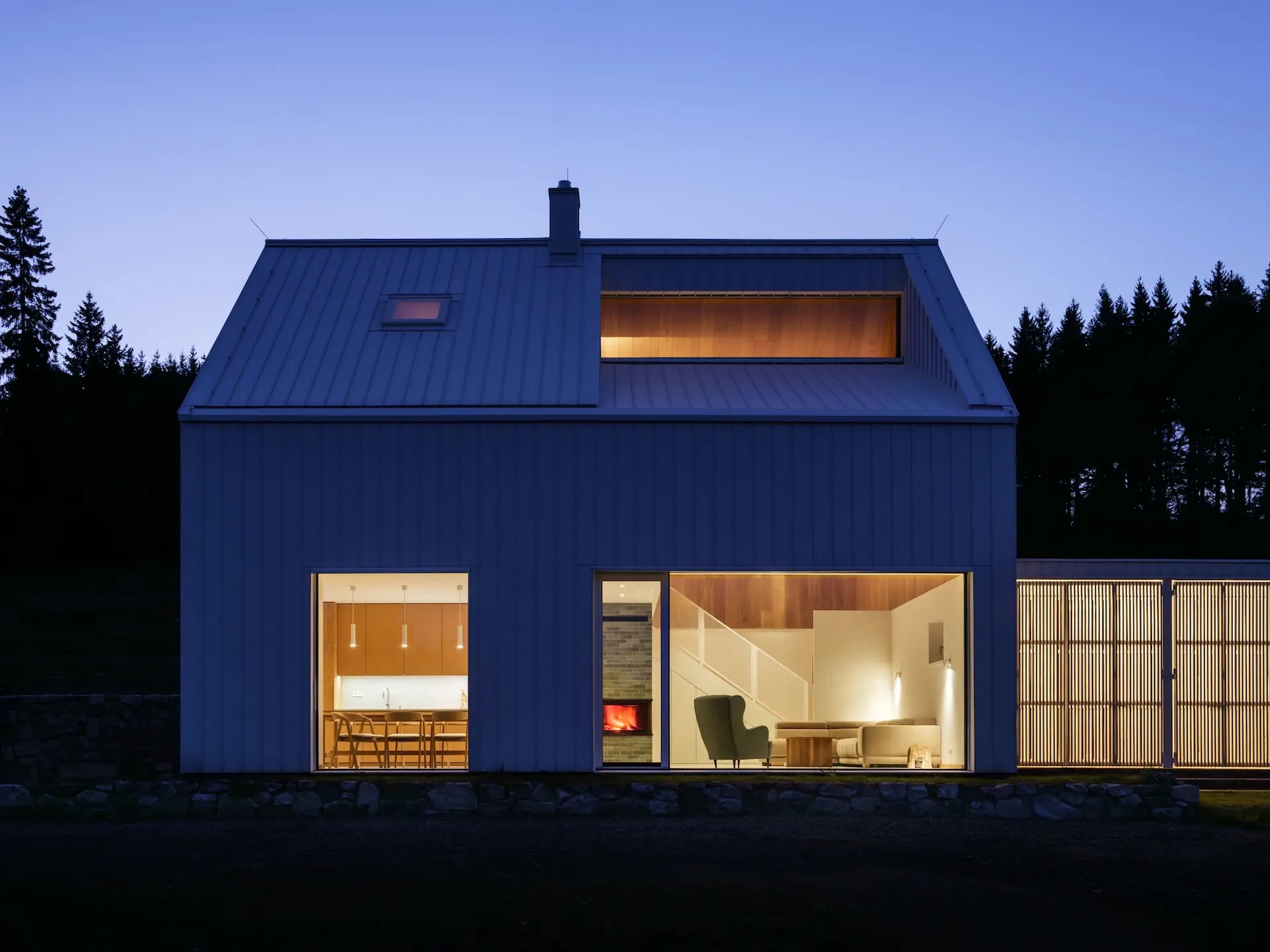
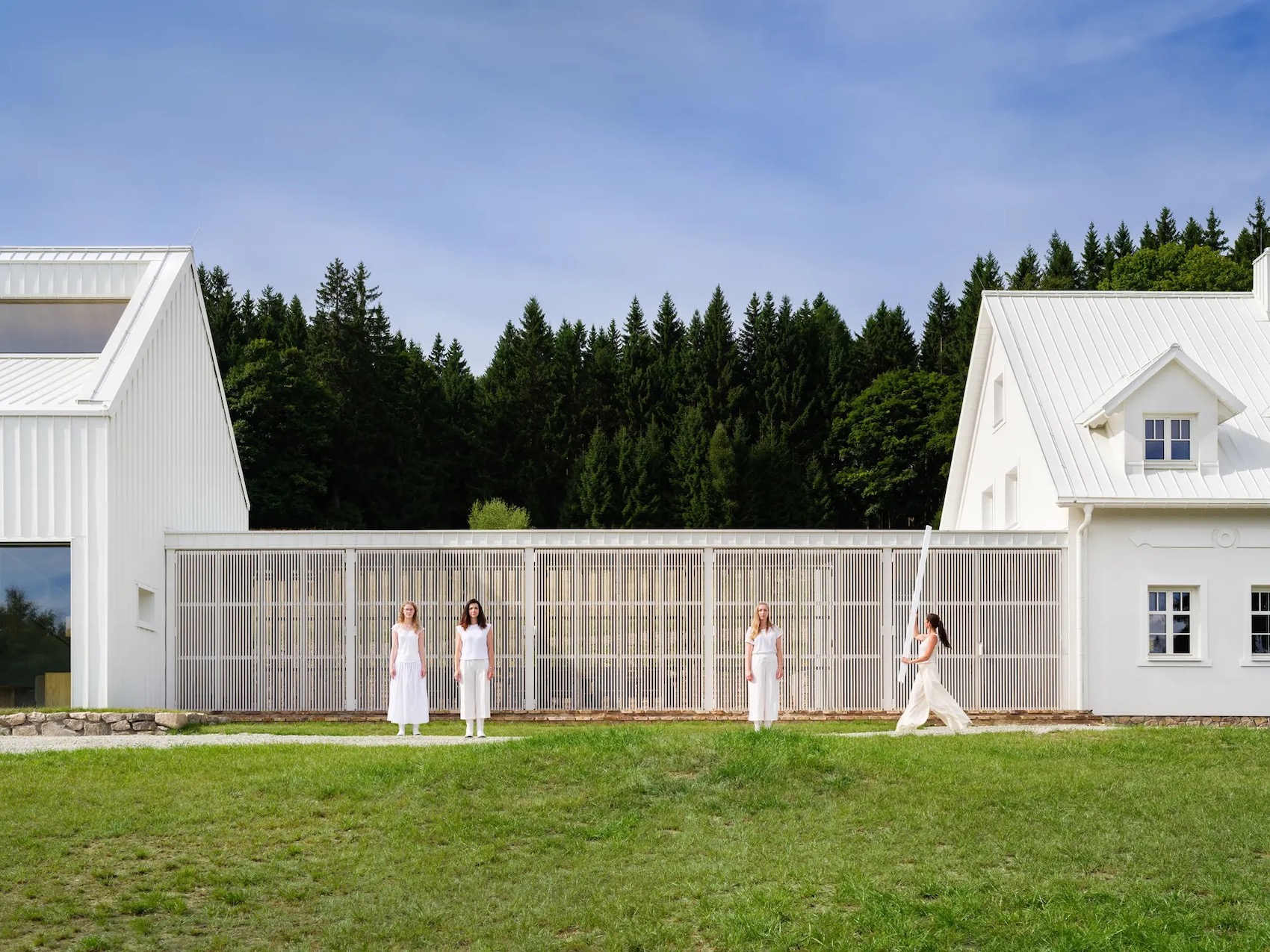
Prague-based practice, No Architects, began by removing these fragmented additions and consolidating the complex into a single composition. The retained building is paired with a new build, connected beneath a continuous roof that unifies old and new elements into a single form. A white steel roof caps the original house before extending across the new accommodation block. This use of white continues throughout the project, from façades to gravel pathways, establishing a deliberate contrast with the darker palette often associated with mountain architecture.
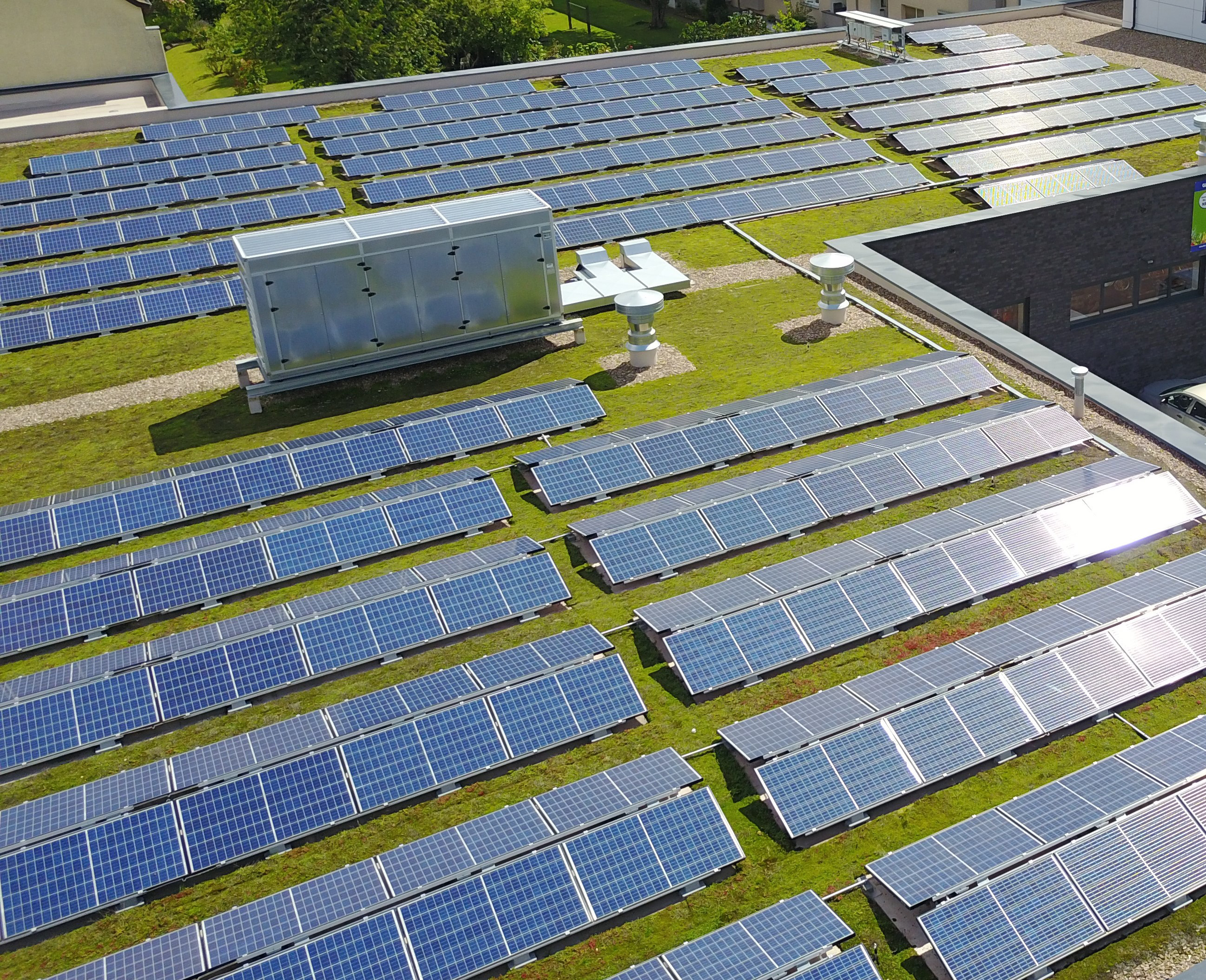
Situated approximately 900 metres above sea level, the site experiences long winters, frequent snowfall, heavy rainfall and strong prevailing winds. In response, the building has been designed with a highly self-sufficient environmental strategy. Heating is provided through a ground-source system connected to collectors buried beneath the surrounding meadow, using stored thermal energy from the landscape to heat both the buildings and water supply. Electricity is generated via photovoltaic panels installed on the green roof of a partially sunken ancillary structure. Water is sourced from a newly drilled well and treated on site through a root-based filtration system. Additional resilience measures include an underground fire-water reservoir designed to support both the complex and adjacent woodland in the event of fire.
Material choices emphasise longevity and resistance to harsh weather conditions: the windows are secured with iron frames and reinforced glazing, while stone recovered from the demolished structures forms the base of the new structure.
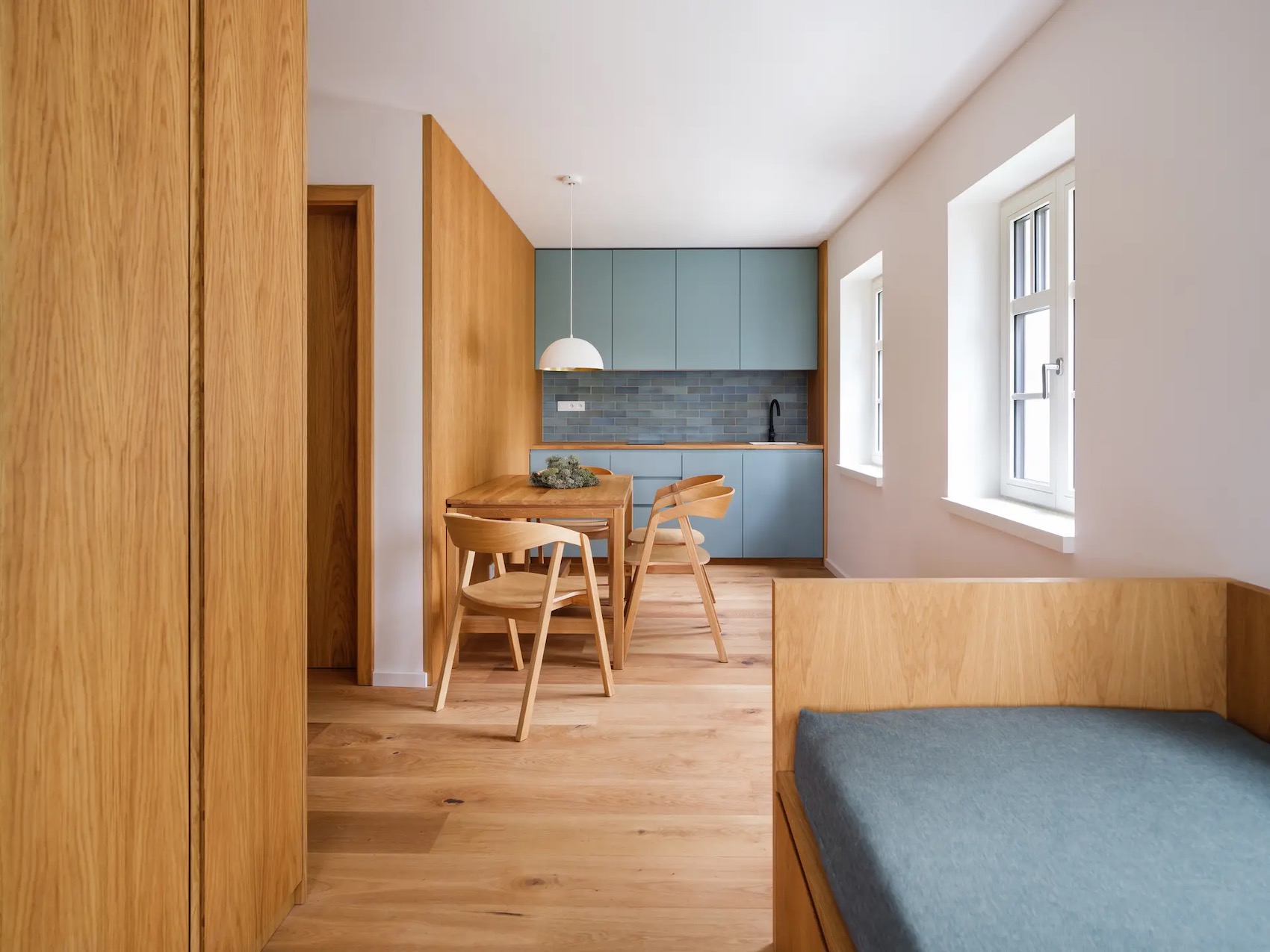
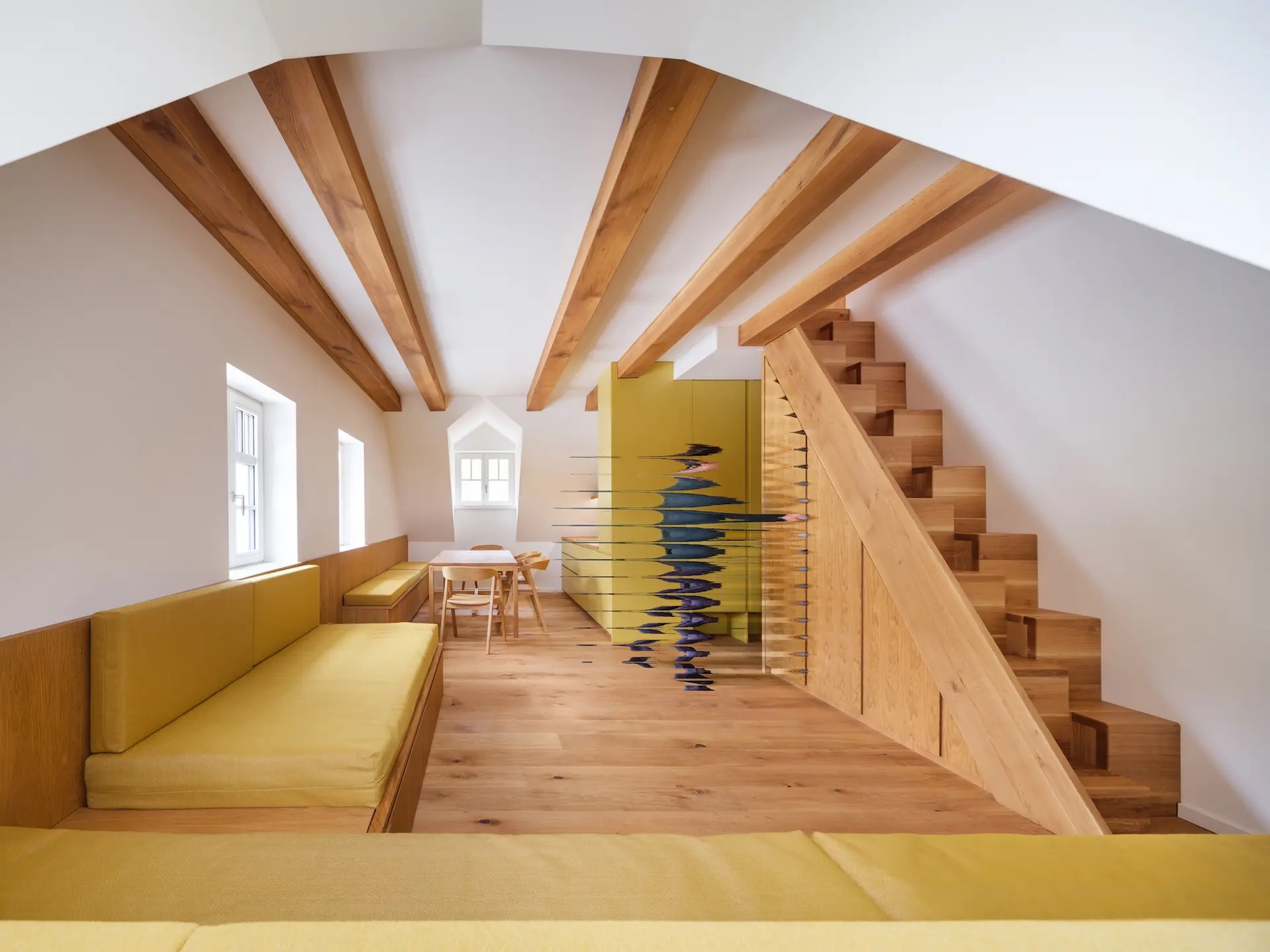
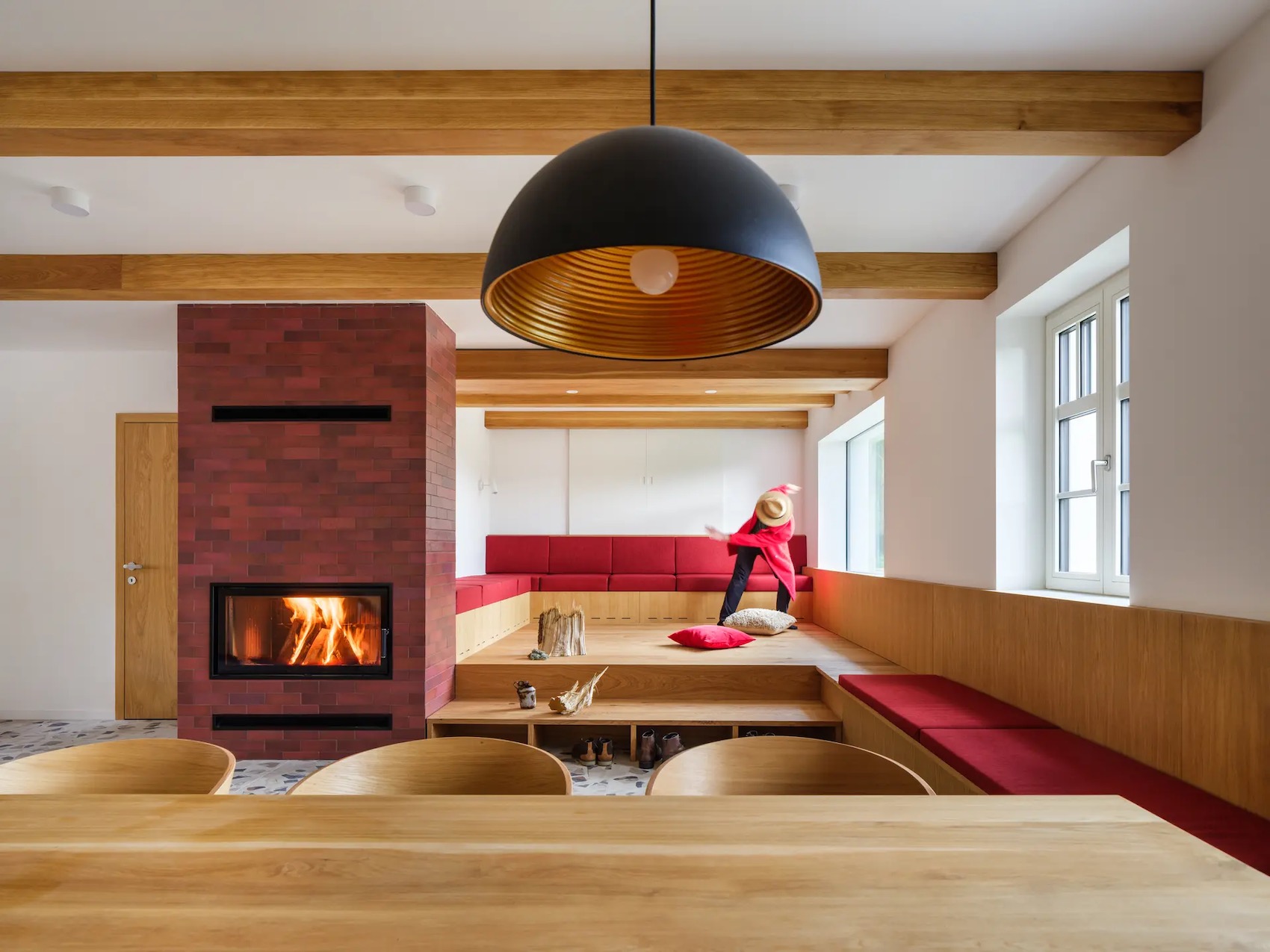
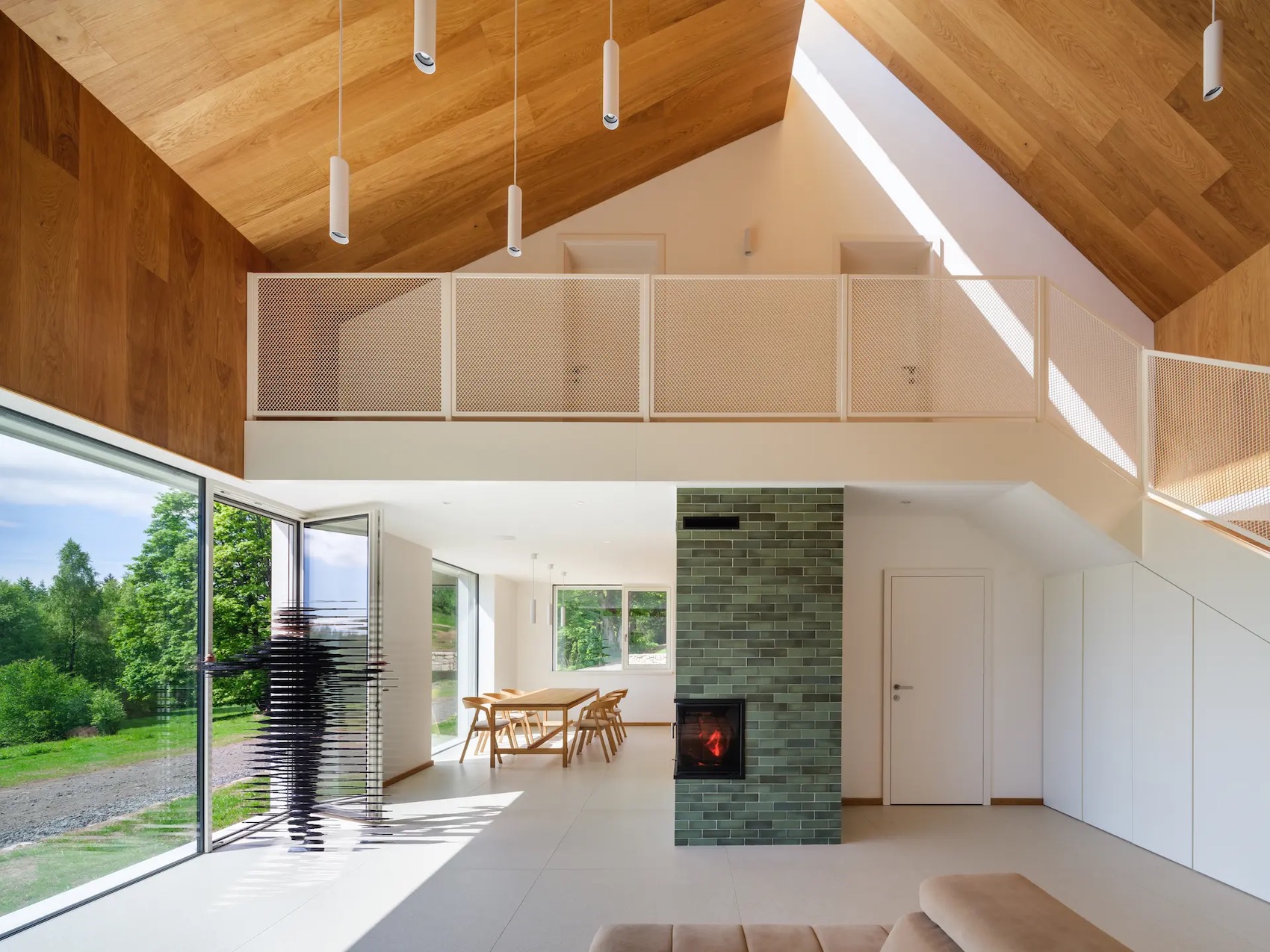
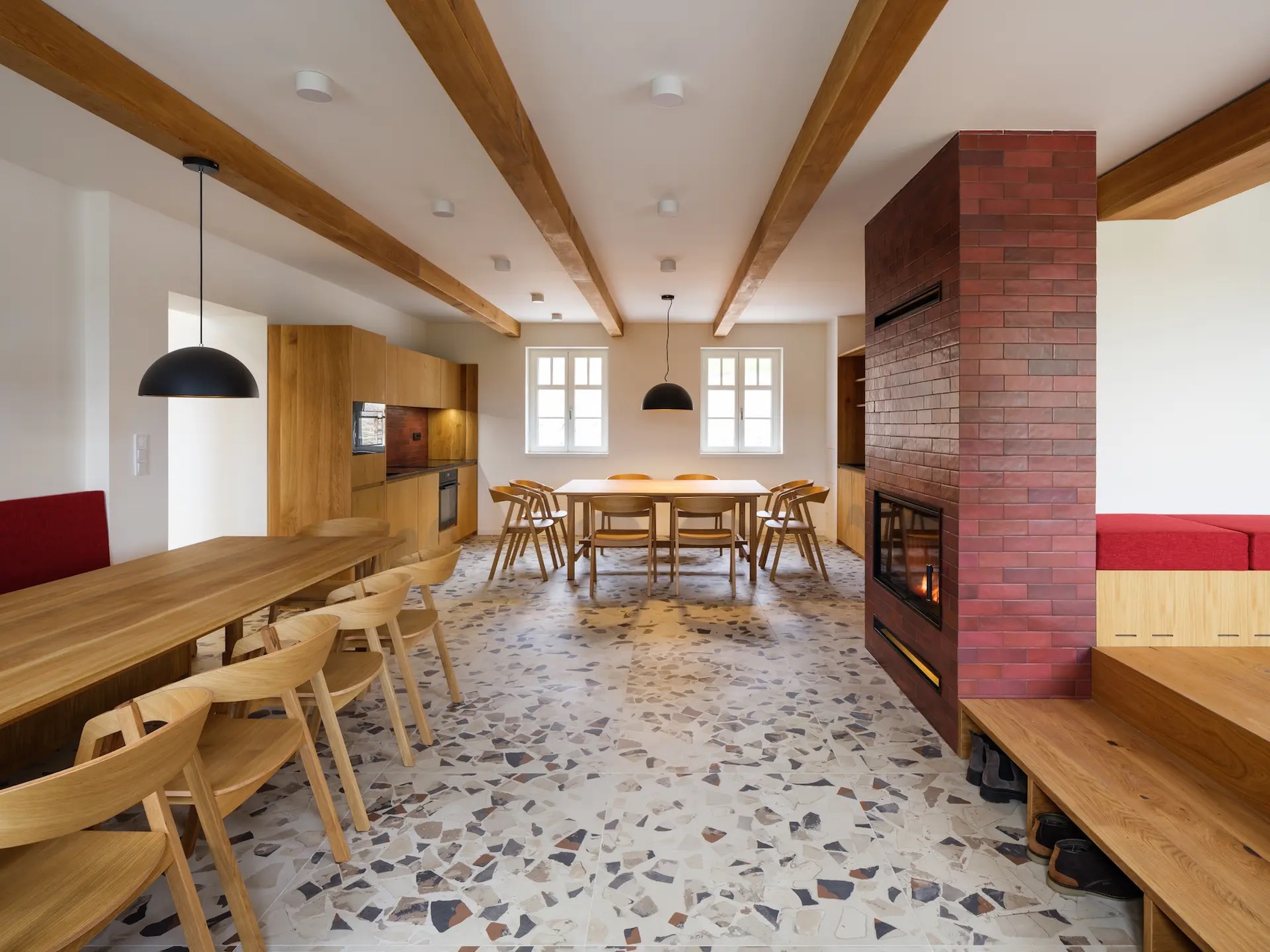
Internally, spaces stay simple and robust, with large, central fireplaces. Rather than treating the site as a preserved relic, the project positions it as an inhabited and evolving place. Through environmental adaptation and a clear architectural language, the intervention proposes a contemporary model for building within the challenging climate of the Ora Mountains.
Credits
Architect
No Architects
Joinery
DAMA NET
Additional Images