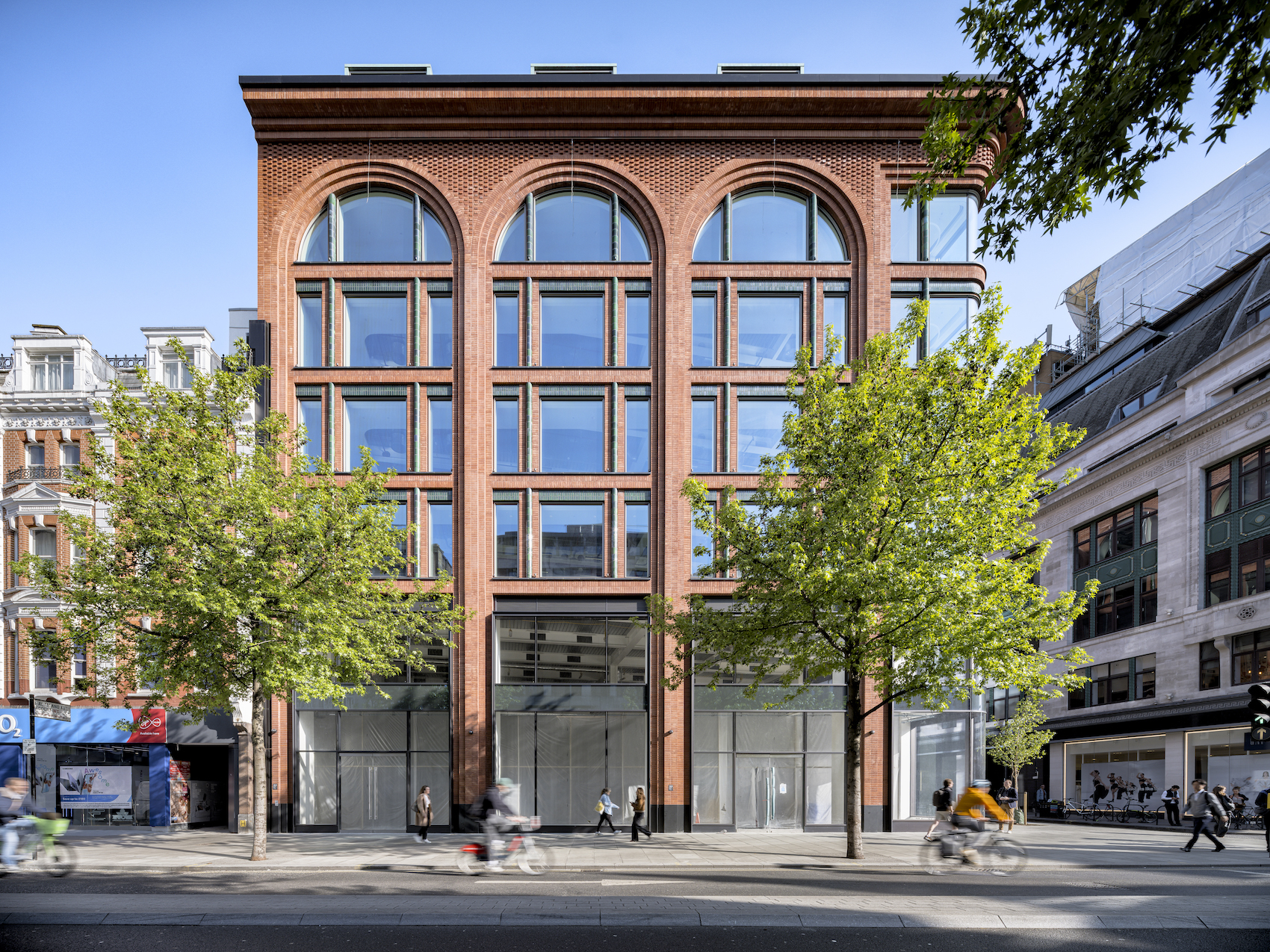
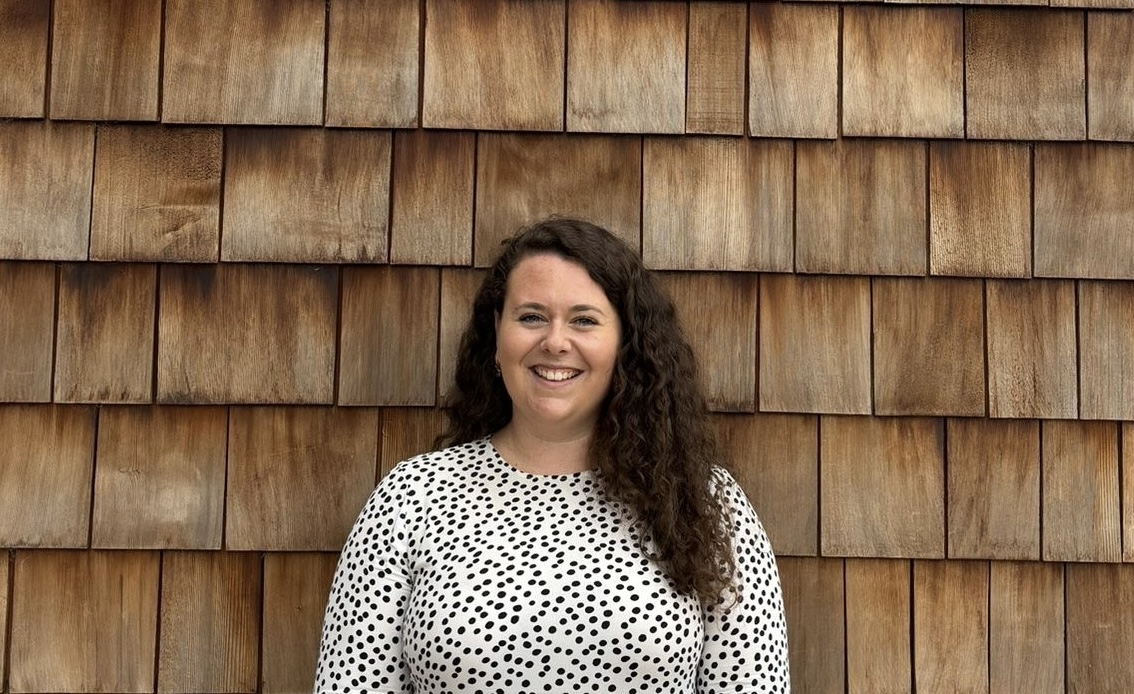
Jessica Hird, Associate Planner, tells AT what she thinks architects could being doing to better support planners, her biggest red flag when working with architects, and why she’s advocating for the next generation of Town Planners.
What do you think differentiates a scheme that sails through planning from one that struggles?
Schemes that progress smoothly through planning are usually those that have been shaped by policy, place and people from the outset. The strongest applications demonstrate a clear understanding of national and local planning policy, respond sensitively to site constraints and opportunities, and are backed by meaningful early engagement with stakeholders, consultees and the local community.
In contrast, schemes often struggle when they appear overly speculative, fail to address material considerations, or prioritise ambition over deliverability. Common issues include poor contextual design, inadequate supporting information, limited infrastructure consideration, and underestimating political or community sensitivities. Ultimately, successful schemes feel like a logical extension of their surroundings rather than an imposition upon them.
How do you think architects can better support planners in making a strong case for development?
Architects play a critical role in translating planning strategy into built form. The most effective architects work collaboratively with planners early, ensuring design ambition aligns with policy compliance, viability and stakeholder expectations. There always seems to be this bridge between Planners and Architects competing but I always say ‘I can’t draw so why should architects do the town planning’. I always look to work positively with architects as a planner’s case is strengthened when architects clearly justify design choices in terms of local character, sustainability, accessibility and social value.
What’s the one thing an architect could say or do that would make you NOT want to work with them?
A lack of willingness to collaborate is probably the biggest red flag. If an architect approaches planning as a barrier rather than a strategic process or dismisses policy and stakeholder concerns in favour of purely conceptual design. The best outcomes come from multidisciplinary respect.
What keeps you awake at night?
I sleep pretty well but there are the occasional planning nightmares.
What could you talk about for hours?
If you asked me personally Greece and the Greek islands. Professionally, the narrative behind care homes which is a big passion and expertise of mine.
And what’s next for you?
For me, it’s about continuing to grow our planning practice, STAT Planning in the East Midlands, and building on what is still an exciting new chapter for the business. Alongside that, I’m passionate about increasing awareness of Town Planning as a profession for the next generation. Planning plays such a vital role in shaping communities, yet it’s often overlooked as a career path. Encouraging more young people to understand and engage with the profession is something I see as incredibly important for its future.