Zminkowska De Boise Architects’ crafted rear extension to an Edwardian terrace in Muswell Hill replaces a poorly performing side return with a calm, split-level sequence of spaces shaped by material clarity, light and everyday family life.
Zminkowska De Boise Architects has completed a carefully reconfigured rear extension to a three-storey Edwardian terrace on Victoria Road, close to Alexandra Palace in north London. The project replaces a narrow, poorly insulated side-return addition that had long constrained the house, both spatially and environmentally. Cold in winter, uncomfortably hot in summer and visually disconnected from the garden, the former extension offered little support for modern family life.
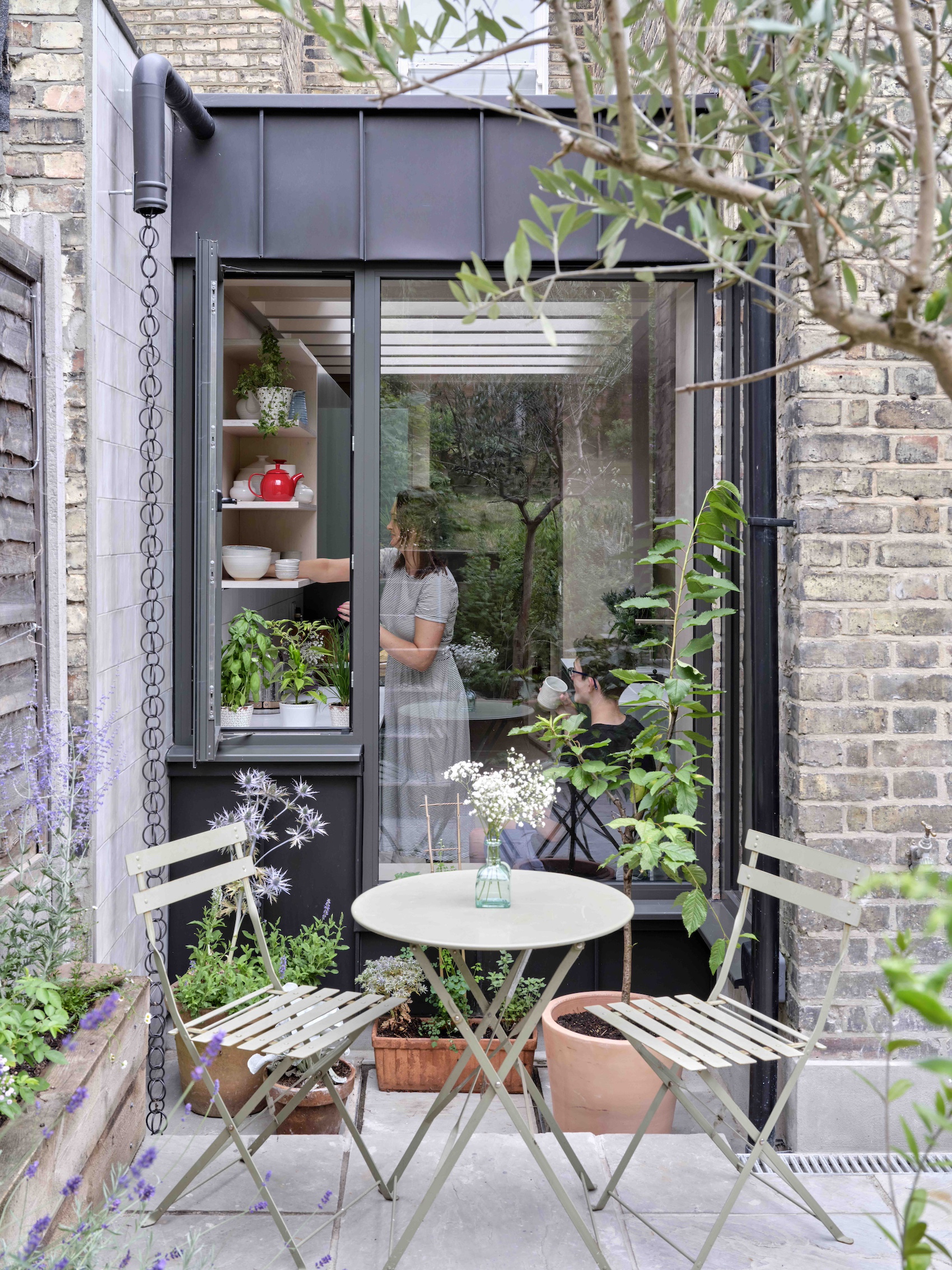
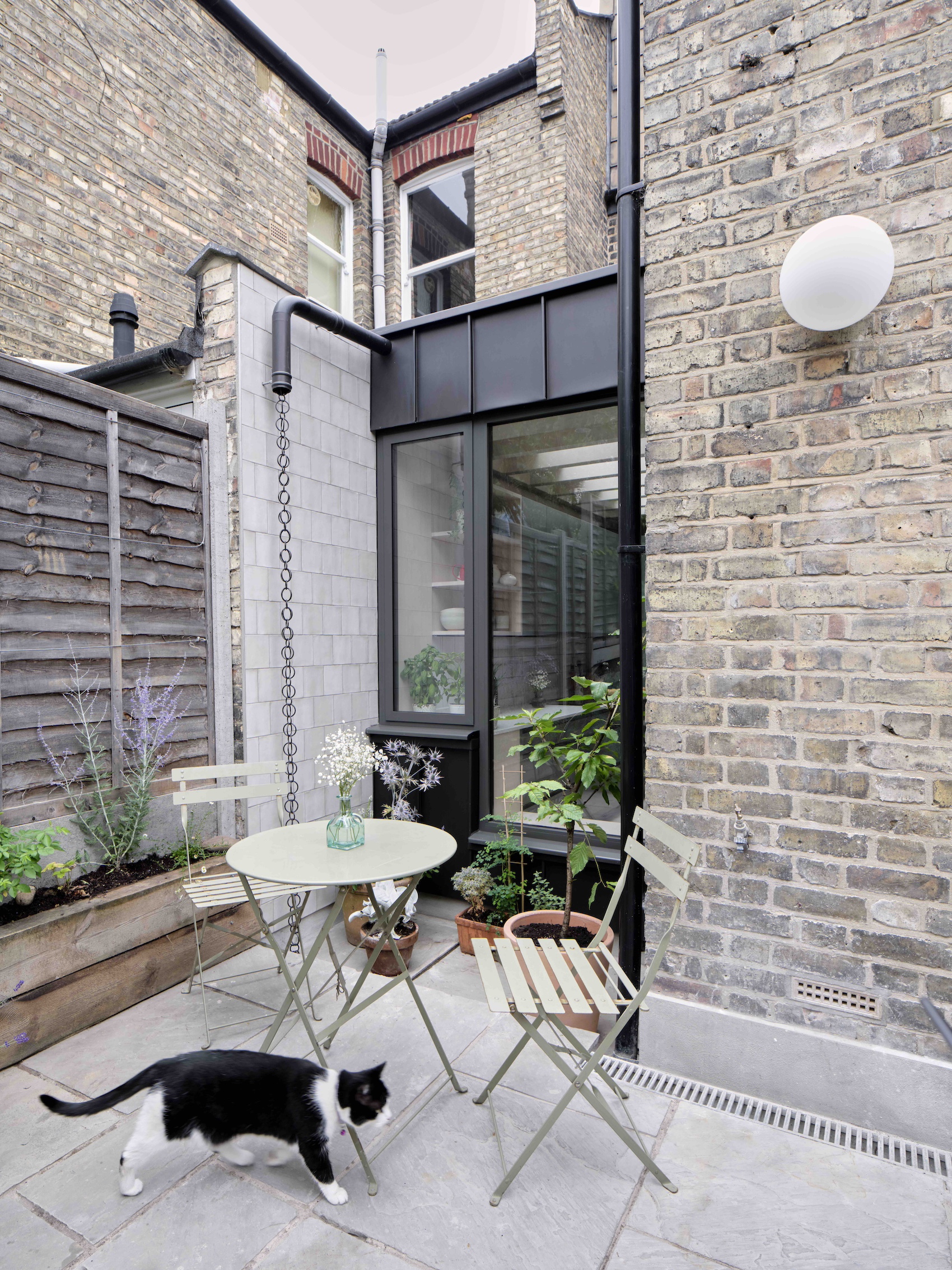
Only 1.7 metres wide, with a felt roof, single-glazed doors and a plastic rooflight, the original structure also sat lower than the adjacent reception rooms, creating an awkward change in level. Rather than increasing the footprint, the architects focused on reconfiguration, proportion and detailing. The existing extension was removed, a new opening formed in the outrigger wall, and a split-level plan was introduced that embraces the site’s constraints rather than disguising them.
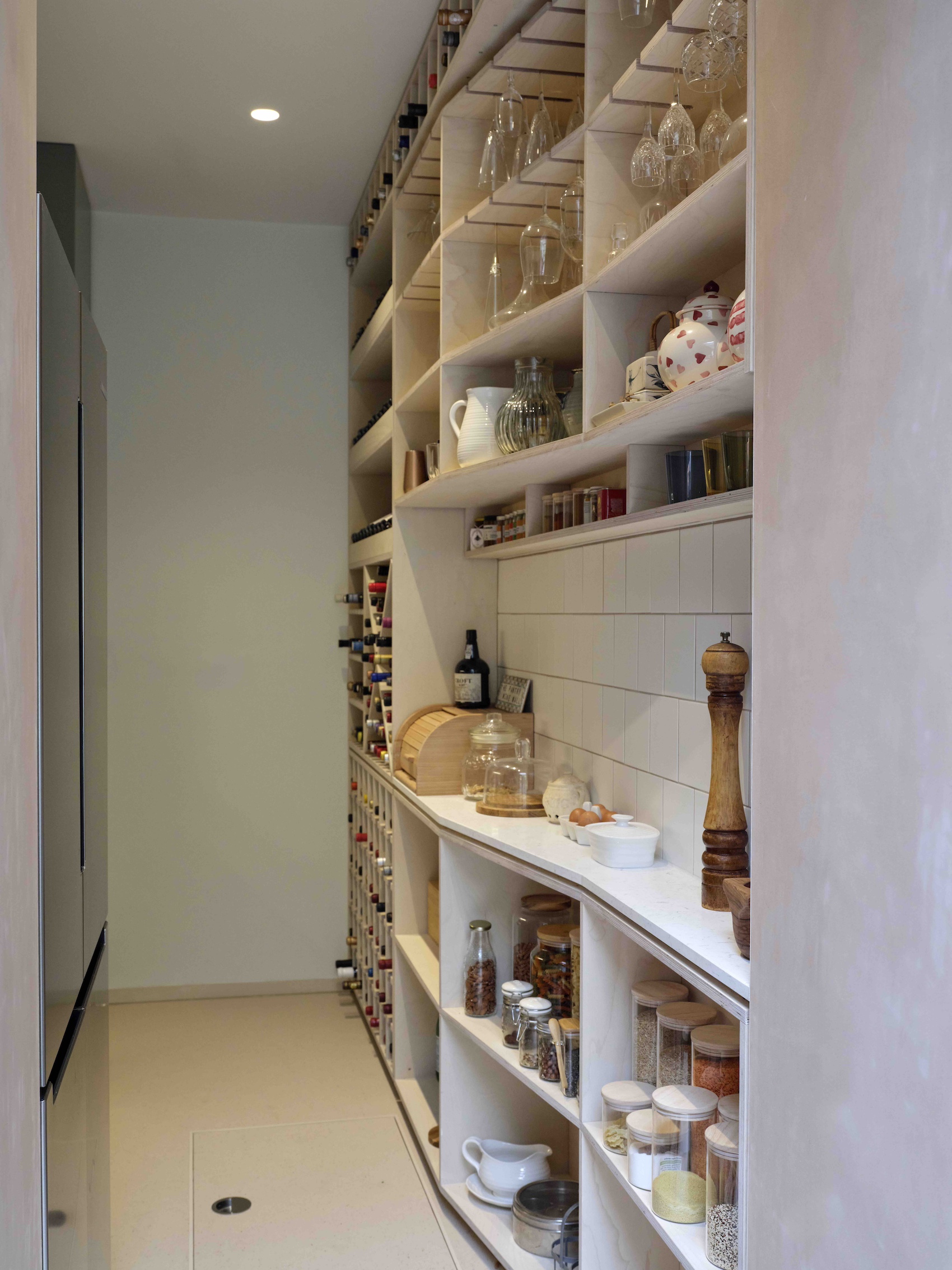
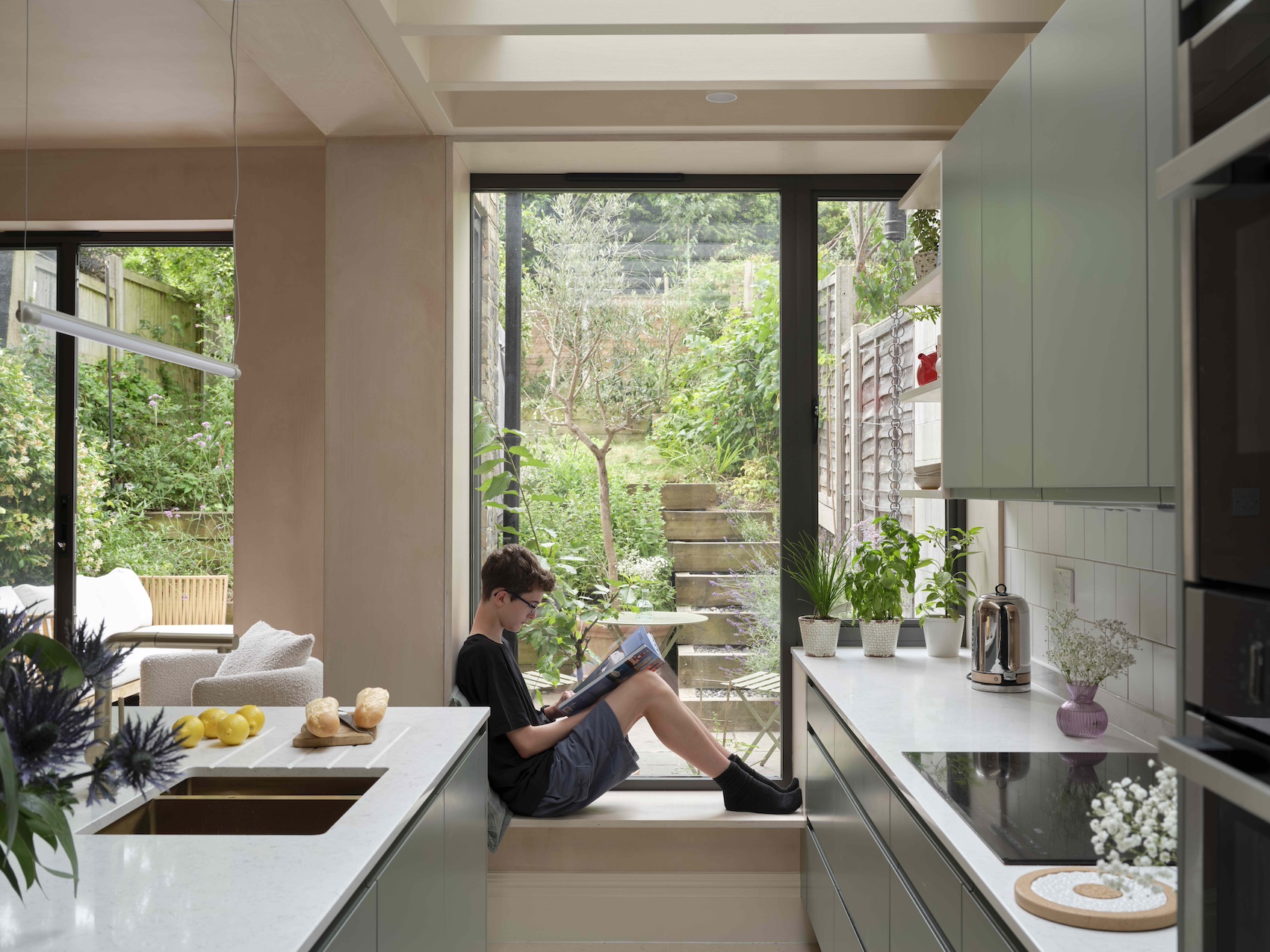
The new arrangement steps down into a lower-ground kitchen and pantry, with dining and living spaces retained above. Doing so creates two distinct yet visually connected zones: a more intimate kitchen overlooking the garden, and an elevated living–dining area that benefits from borrowed light and extended sightlines across the plan. The move also turns a former problem into an ordering principle, producing a sequence that feels calm, efficient and spatially generous despite its modest size.
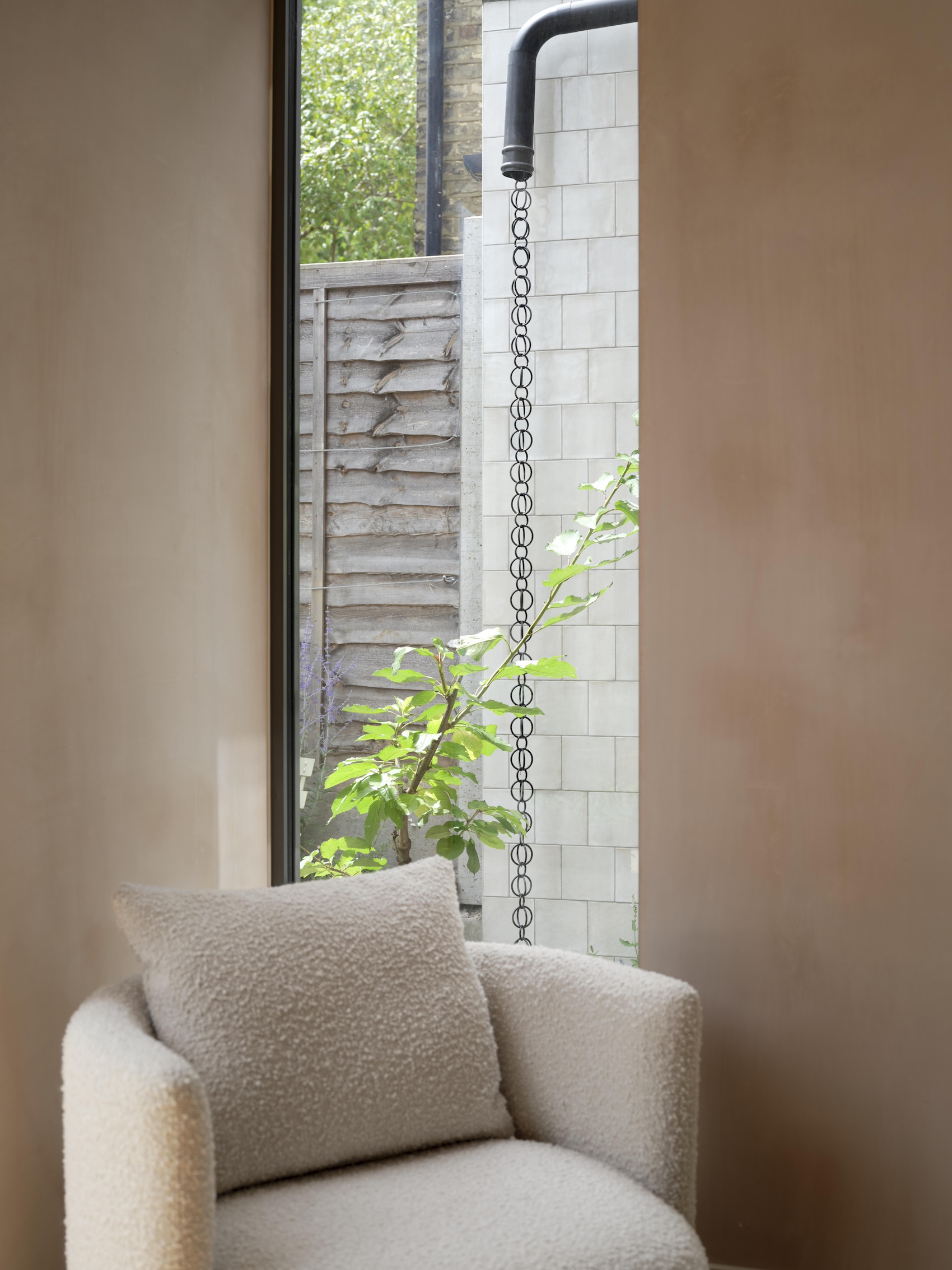
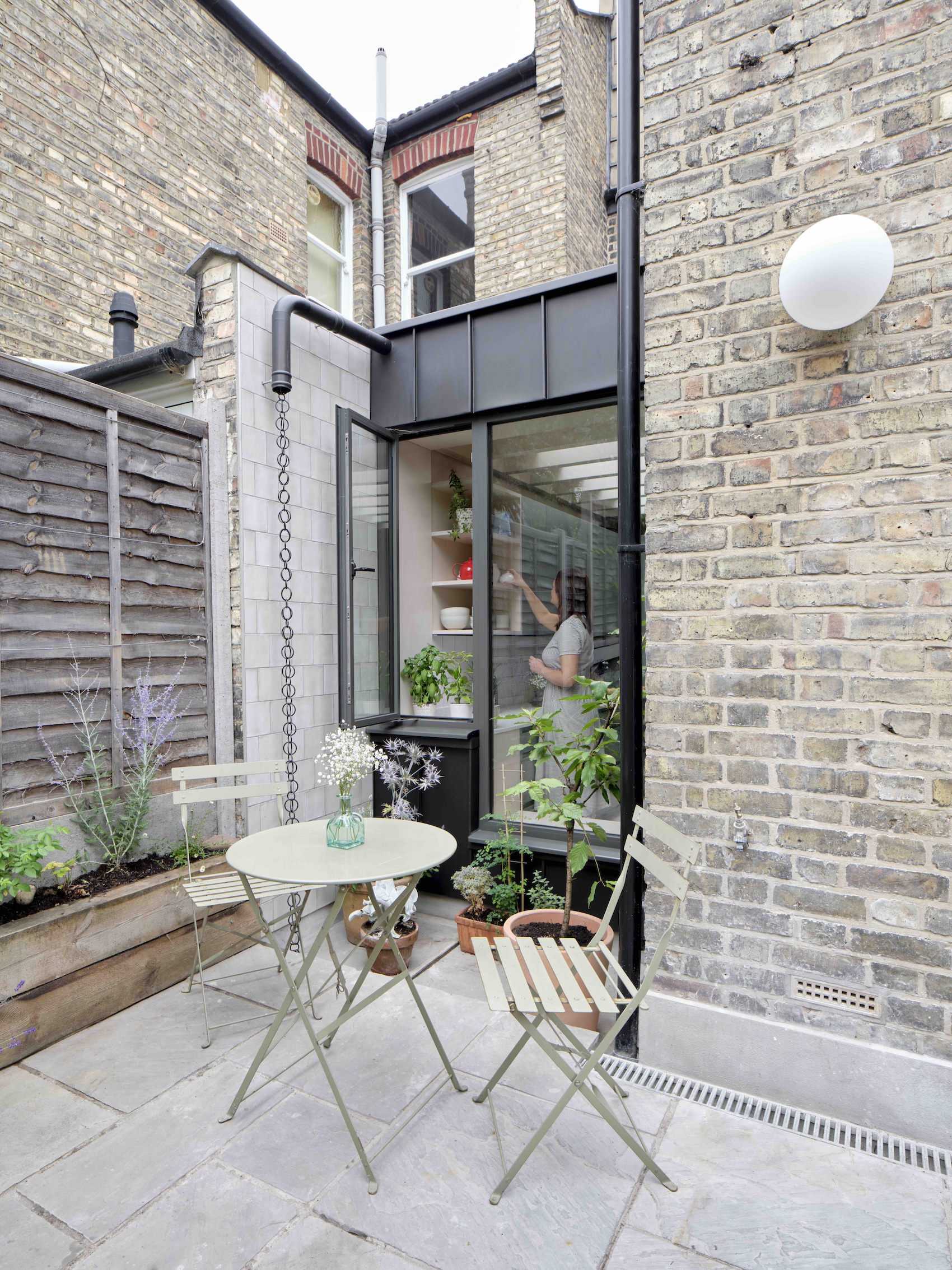
Externally, a pre-patinated black standing-seam zinc elevation has been used for the rear façade, paired with a wide aluminium-framed window and an elongated rooflight that draws daylight deep into the interior. Rainwater is deliberately expressed, guided via a spout and chain into a sunken, plant-filled patio – a detail encourages engagement with the weather, allowing the rhythms of rainfall to become part of daily experience rather than something to be concealed.

Connection to the outside is also enhanced by a vertical slot window that pulls daylight sideways into the plan, while views between levels reinforce the sense of connection between spaces. From above, the crafted quality of the joinery and the subtle interplay of timber and colour are emphasised; from below, the steps back up frame the social heart of the house.

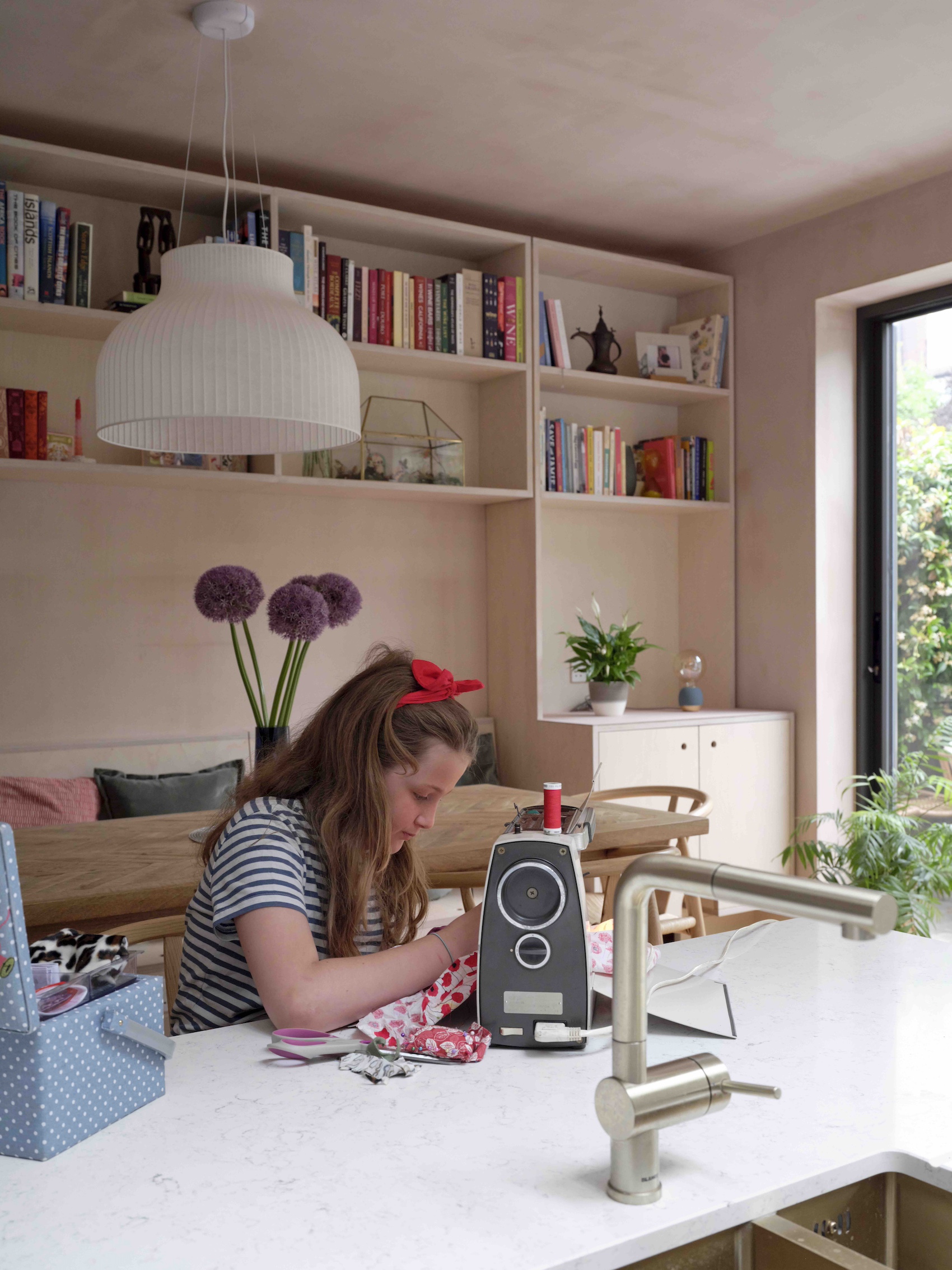
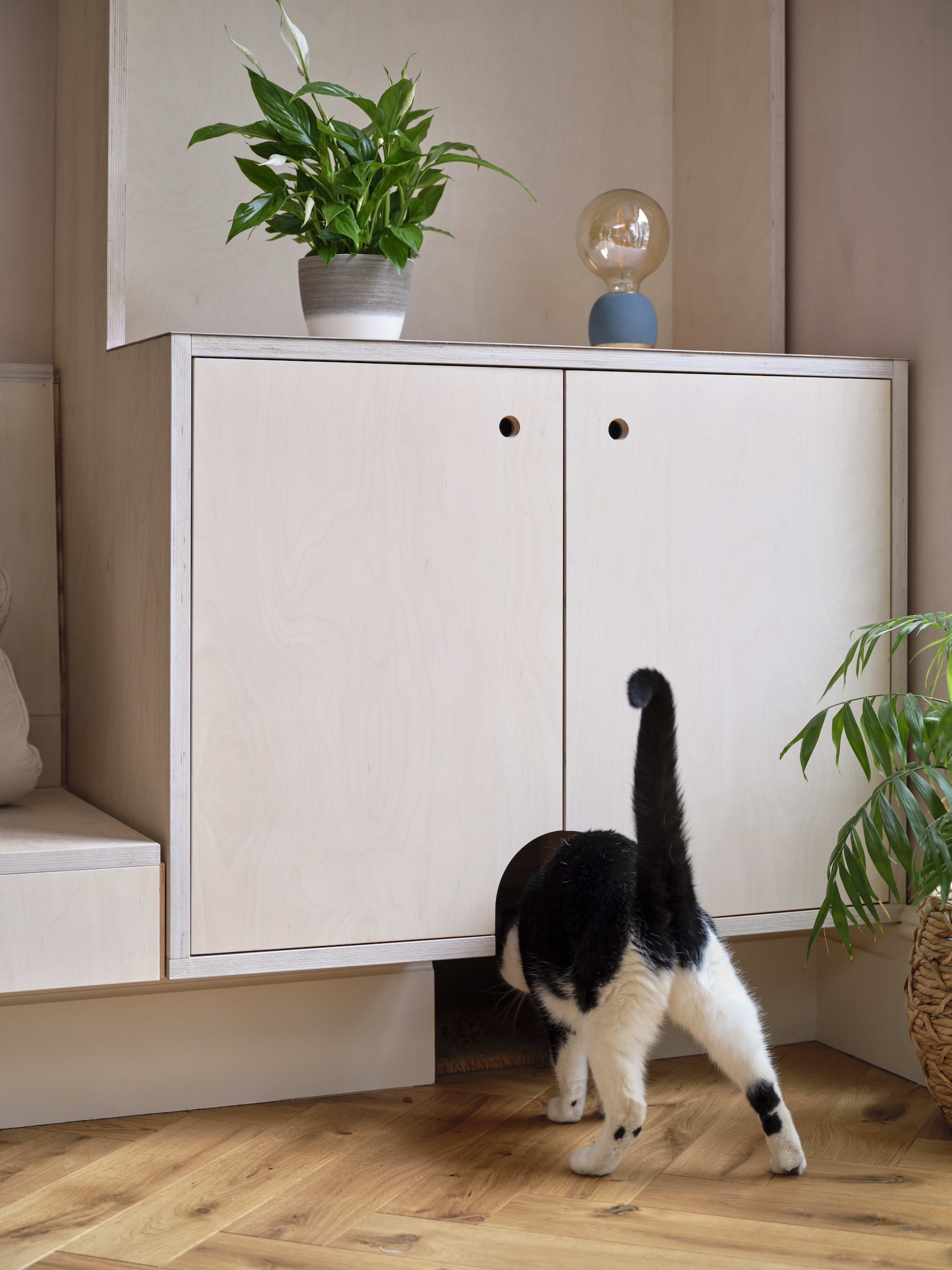
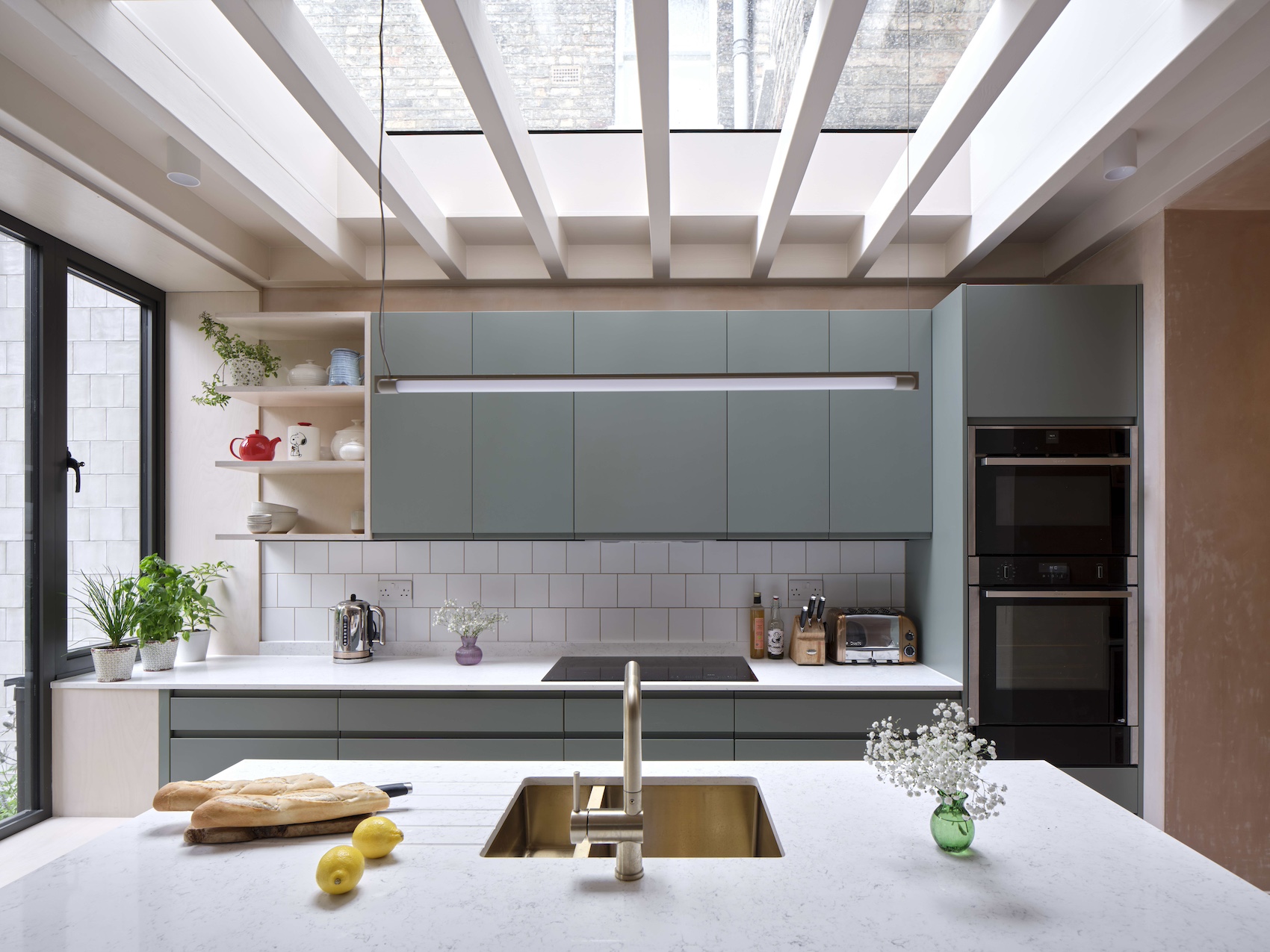
Working within a tight plan also meant internal elements had to serve multiple purposes. In the kitchen, a desk-height counter, intentionally set lower than standard to allow the clients’ daughter to sit and sew while cooking takes place alongside. Elsewhere, a deep window reveal becomes a bench overlooking the garden, offering a place to read or pause within the day. Adjacent to the dining area, a built-in bench incorporates an oversized ‘mouse-hole’ cat tunnel and flap, introducing a moment of humour without disrupting the overall sense of composure.
The material palette inside is restrained and tactile. Oiled engineered oak parquet, linoleum flooring, sealed plaster finishes, painted timber joists and white-oiled birch plywood establish continuity across levels. These materials form a quiet backdrop for bespoke joinery elements designed around how the family use the house, rather than imposing a fixed programme. And while material consistency and carefully placed openings animate surfaces as light shifts across the day, the split-level plan establishes gentle thresholds without the need for partitions.
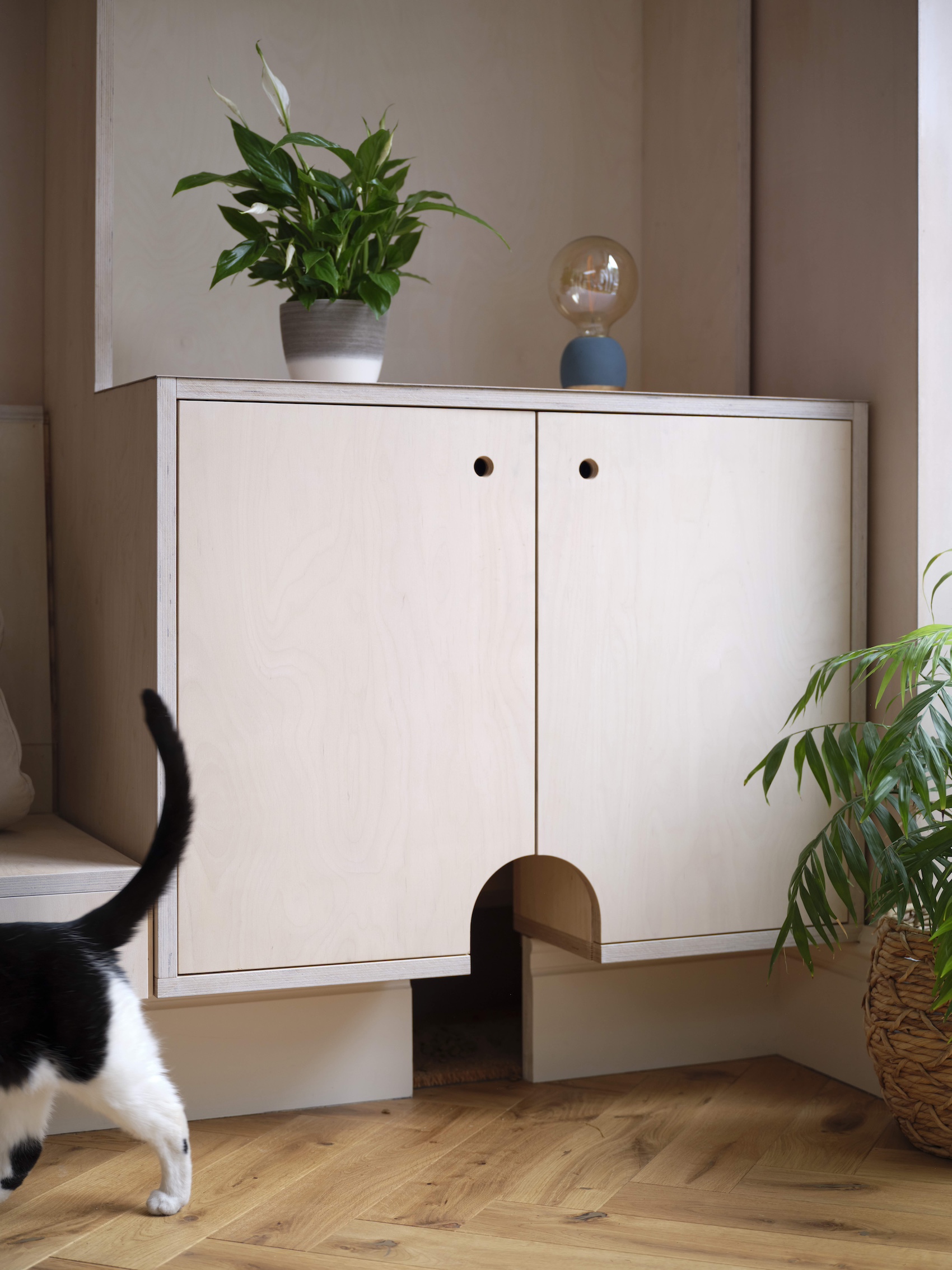
“We loved the challenge of working with a small footprint and a steeply stepped plan – it encouraged us to think more creatively about how the spaces could serve the family’s daily routines,” said Hanna Zminkowska, Partner at Zminkowska De Boise Architects. “Here, both client and architect found common ground in prioritising natural materials and well-crafted details. The desk-height counter for sewing, the window bench, even the cat flap all grew from conversations about how they live. These are deliberate design decisions make the home easier, warmer and more enjoyable to use. For us, the project shows how much can be achieved when you design closely, thoughtfully and with curiosity!”
Credits
Architect
Zminkowska De Boise Architects
Structural engineer
Vesta Structures
Main contractor
Januzi Brothers
Interior designer
Zminkowska De Boise Architects
Sliding doors
Denis Windows
Windows
Denis Windows
Glazing
Denis Windows
Joinery
Irek Maduzia
Roofing
Januzi Brothers
Kitchen
DIY Kitchens
Pantry
Irek Maduzia
Lighting
Muuto and Nordlux
Wall colour
Natural plaster
Tiling
Solus
Flooring
Eco Hardwood Flooring & Forbo Flooring Systems
Additional images