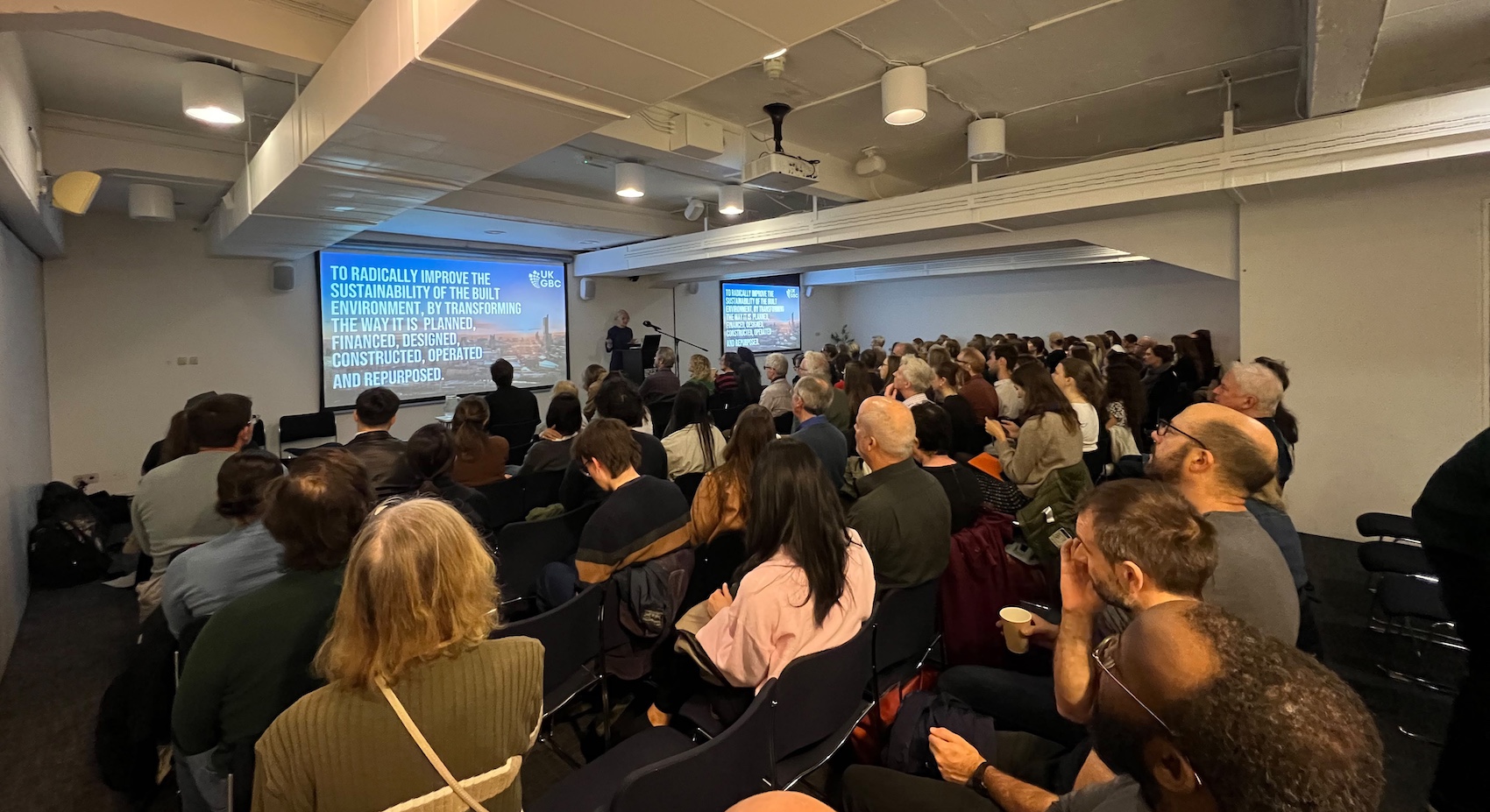
The Director of CIVIC Ireland speaks to AT about the upcoming Dublin Social, on how regenerative design in Ireland is changing, and what the Regenerative Architecture Index means to CIVIC.

Why is being on the Regenerative Architecture Index important to CIVIC? And why should others join?
For us, being part of the Regenerative Architecture Index is about accountability as much as it is about ambition. It provides a framework to measure where we are, but also to challenge ourselves to keep improving and pushing the boundaries of what good looks like in practice. It also creates a shared language across the industry, which is really important if we’re serious about delivering more regenerative outcomes at scale. I’d encourage others to join because it’s a catalyst for better conversations, stronger collaboration and, ultimately, more meaningful impact in the built environment.
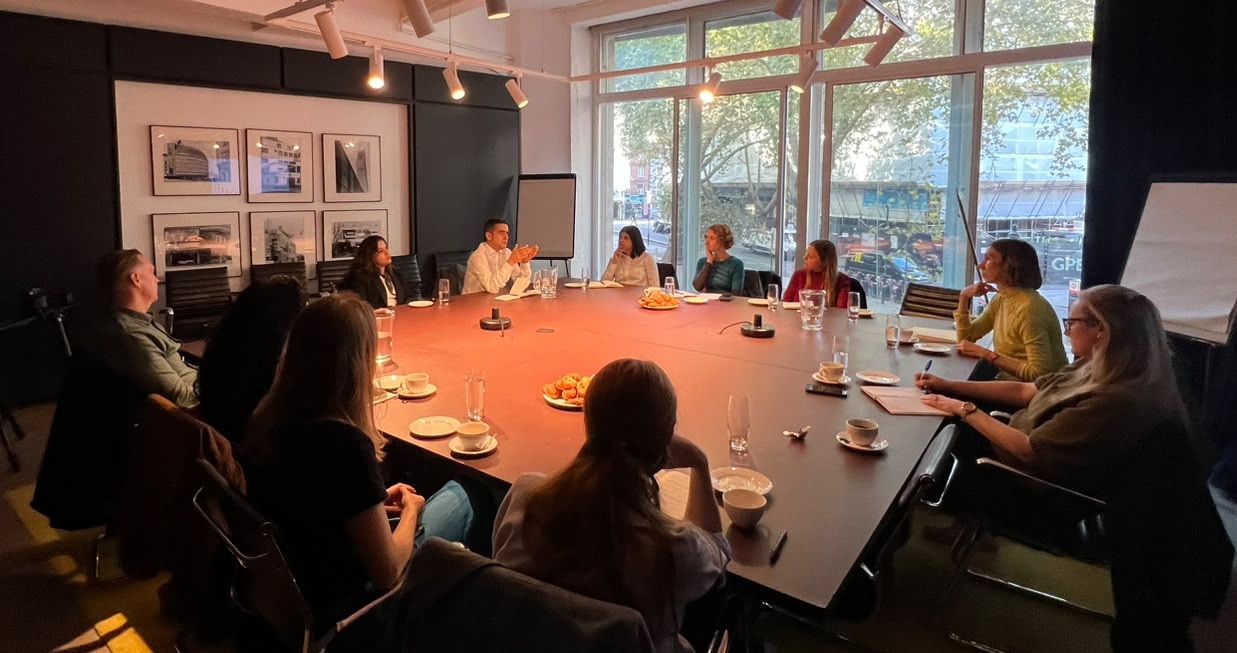
Along with Hawkins\Brown, we’ll be hosting a roundtable on regenerative design before the RAI Dublin Social on June 11th. What are you most looking forward to about the discussion?
I’m really looking forward to the quality of conversation. The roundtable format creates space for honest, open discussion, which is often where the most valuable insights come from. Bringing together people from across the public and private sectors, all with a shared interest in how we shape better places, feels particularly timely in Ireland right now. I’m also interested in hearing different perspectives on how infrastructure can move beyond enabling development to actively shaping the character and experience of place.
How would you describe regenerative practice in Ireland?
Regenerative practice in Ireland is still evolving, but there’s a growing awareness that we need to go beyond simply minimising negative impact. There’s an opportunity to think more holistically about how our projects can contribute positively to environmental systems, social value and long-term resilience. In many ways, it’s about reconnecting infrastructure with the communities it serves and embedding that thinking much earlier in the process and being more intentional about the outcomes we’re trying to achieve.
How does it differ from the UK?
There are definitely similarities in terms of ambition, but Ireland operates at a different scale, which can be both a challenge and an advantage. The smaller, more interconnected nature of the industry here can make collaboration easier and more direct, particularly between public bodies and delivery partners. At the same time, there can be constraints around funding, governance and delivery capacity. What’s interesting is the opportunity Ireland has to learn from the UK while also taking a more integrated, place-led approach from the outset.
What resounding challenges does the built environment sector in Ireland currently face and how do you tackle these?
One of the biggest challenges is aligning infrastructure delivery with the pace and scale of development, particularly in the context of housing and regeneration. Too often, infrastructure is treated as a separate or sequential process, which can limit the overall quality of place. At Civic, we try to tackle this by engaging early while working closely with clients, planners and design teams to integrate infrastructure thinking into the earliest stages of masterplanning. It’s about shifting the mindset from infrastructure as a constraint to infrastructure as an opportunity, and ensuring that it plays a meaningful role in shaping how places function and feel. Collaboration is key to that, as is being clear about the long-term value of getting it right.
Irish members of the Regenerative Architecture Index are invited to an evening of networking and partying with collaborators, consultants and clients. Prior to this, we will be hosting a roundtable discussion on regenerative design. The event is free to attend for members of the RAI.
Contact nelly.g@architecturetoday.co.uk to RSVP.