Cotter & Naessens’ long awaited Student Centre at The University of Limerick opens as a place of conversation, community and exchange, operating somewhere between public forum and student living room.
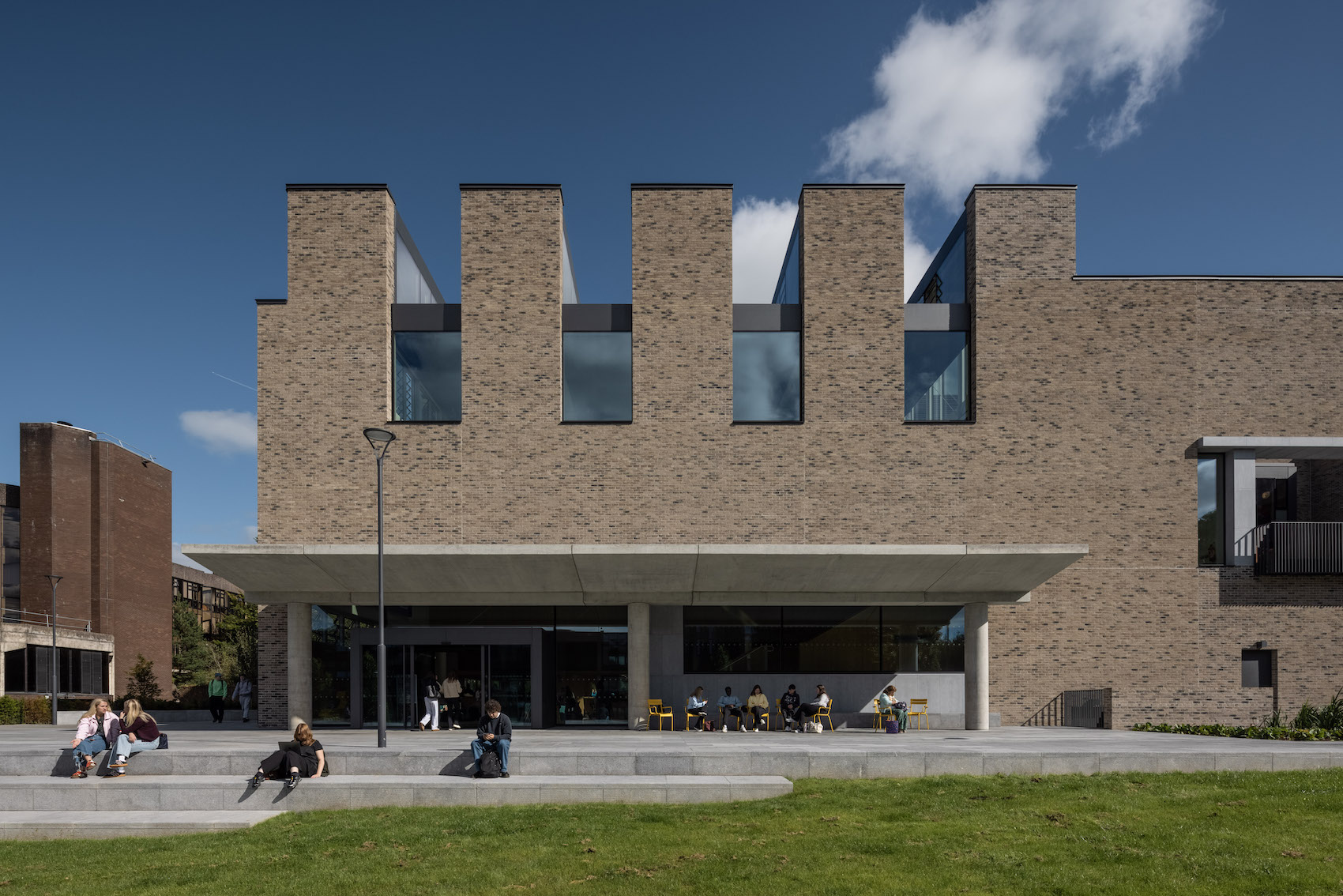
Positioned between the Stables complex and the Glucksman Library, the new Student Centre at the University of Limerick occupies a pivotal site within the campus both physically and institutionally. Designed by Cotter & Naessens Architects, the 3,700 metre square building consolidates student services, clubs, societies and social spaces within a robust civic interior designed as a framework for student life.
First proposed in 2015 and substantially funded through a student referendum levy, the project emerges from a uniquely direct form of student engagement. This sense of ownership informs the architecture itself, which avoids the authoritarian character of many contemporary university buildings in favour of something looser and more socially engaging. Cotter & Naessens describe the building as a “home from home”, though spatial arrangements suggest a broader communal ambition: a place of encounter and exchange operating somewhere between public forum and student living room.
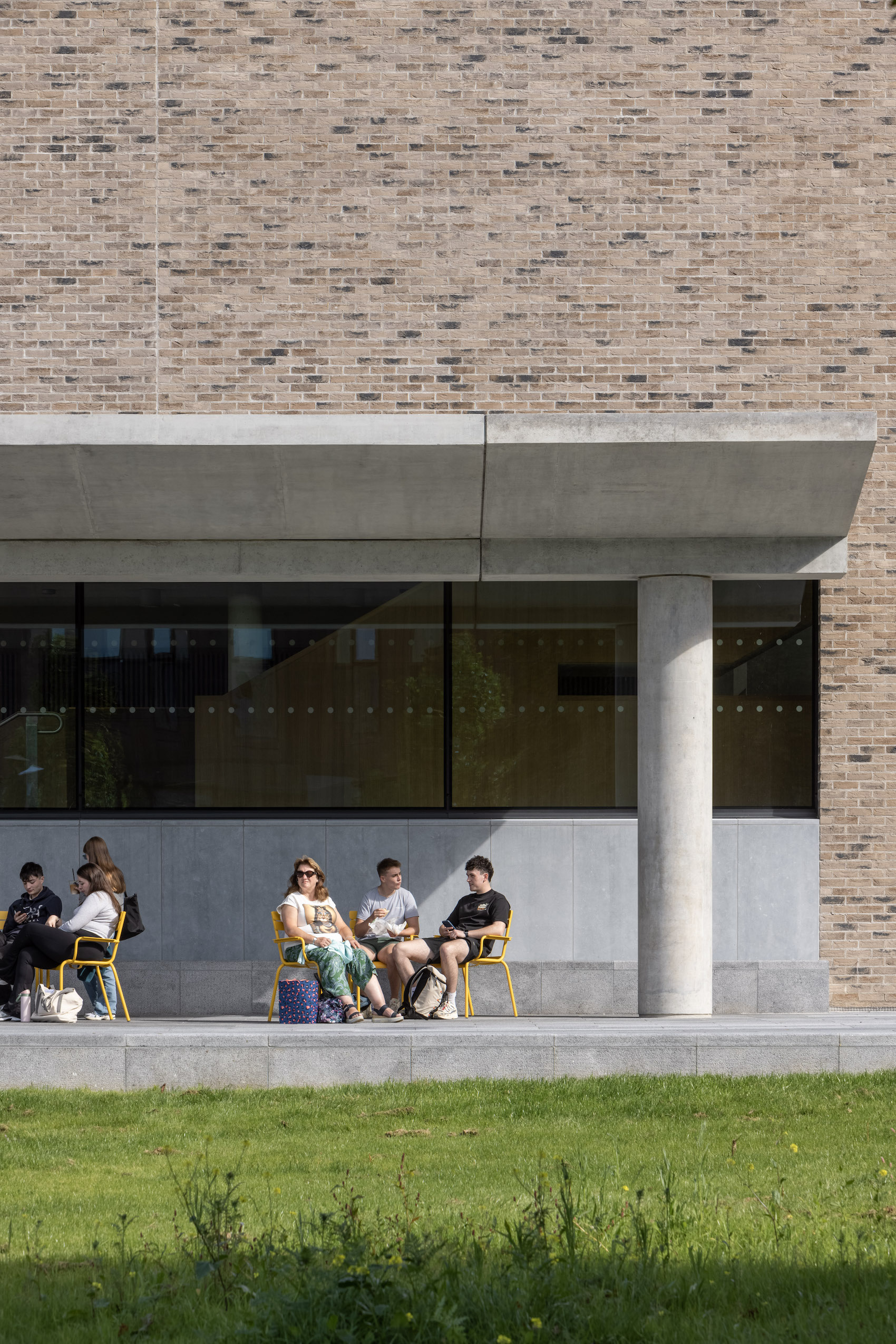
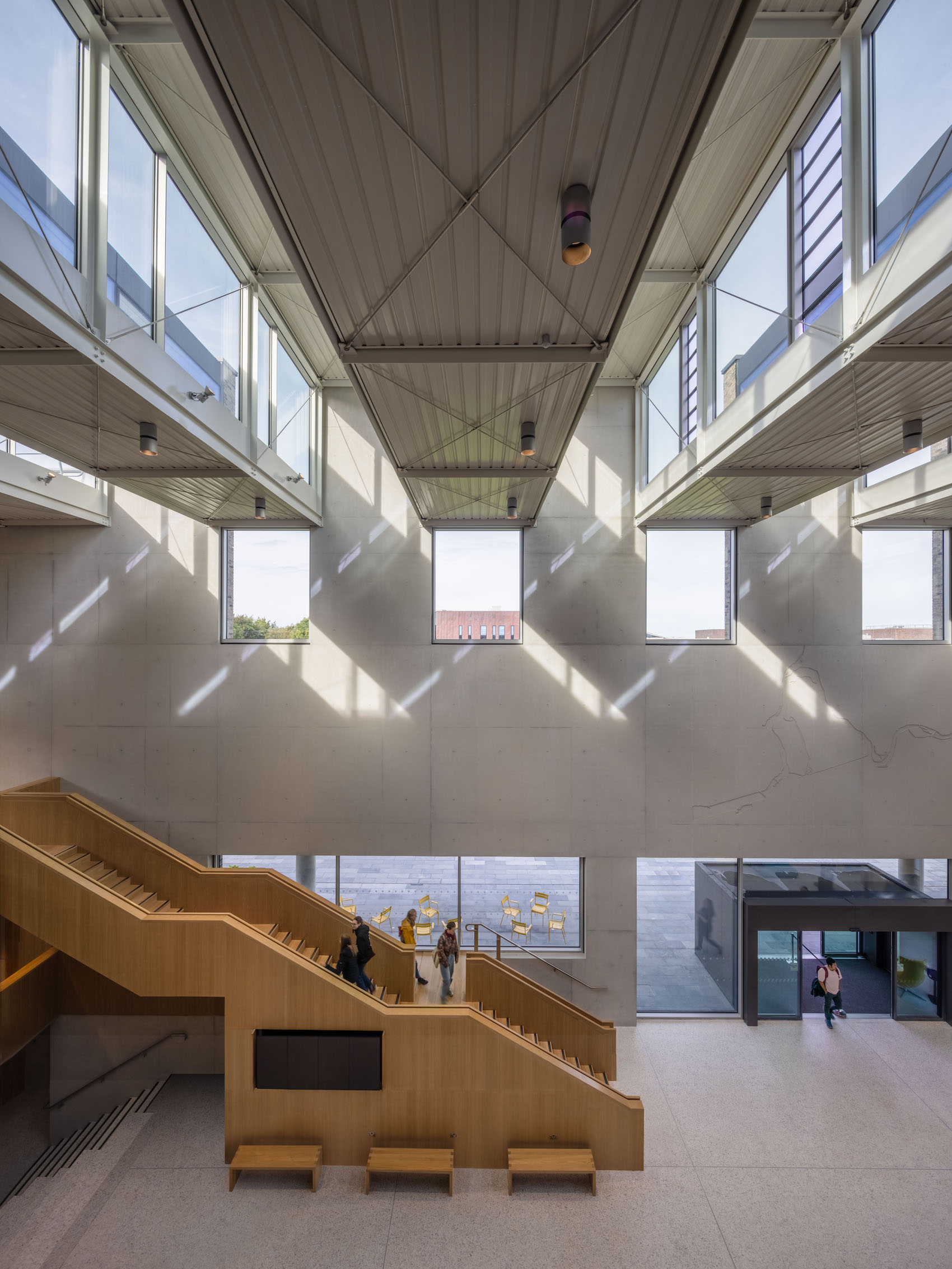
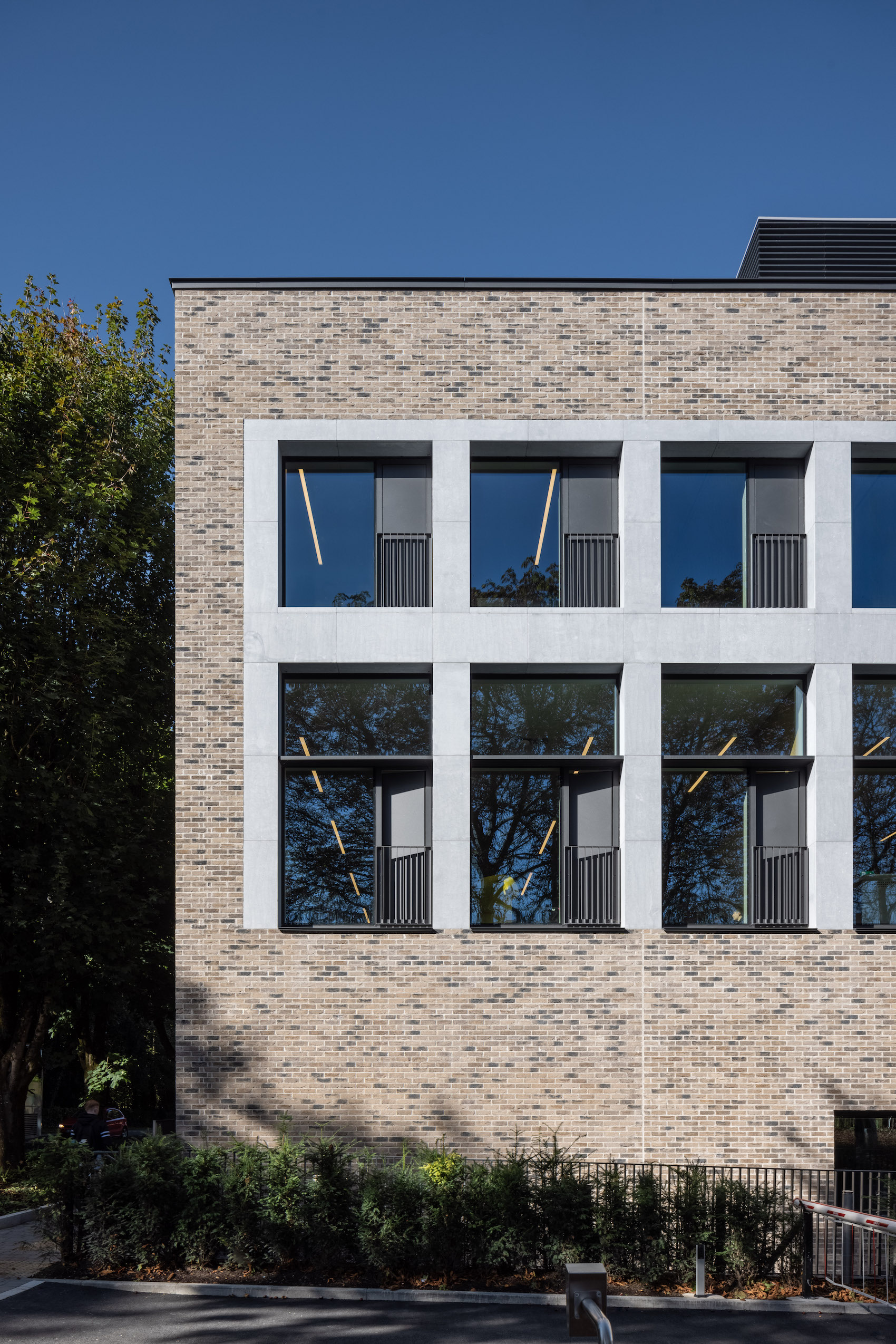
The project features curtain walling and specialised glazing, using Schüco FWS 50 Capped and FW 50 SG.
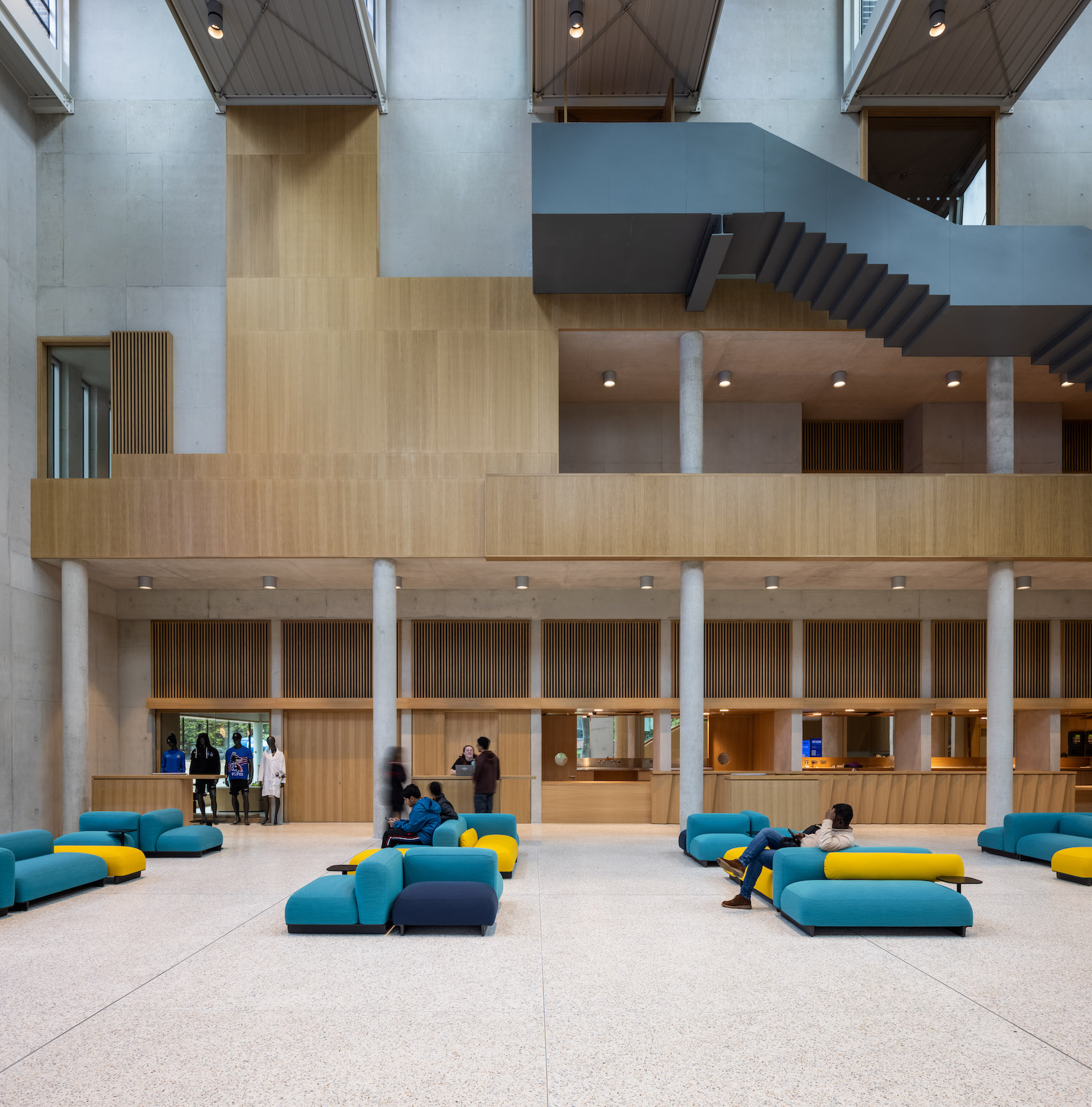
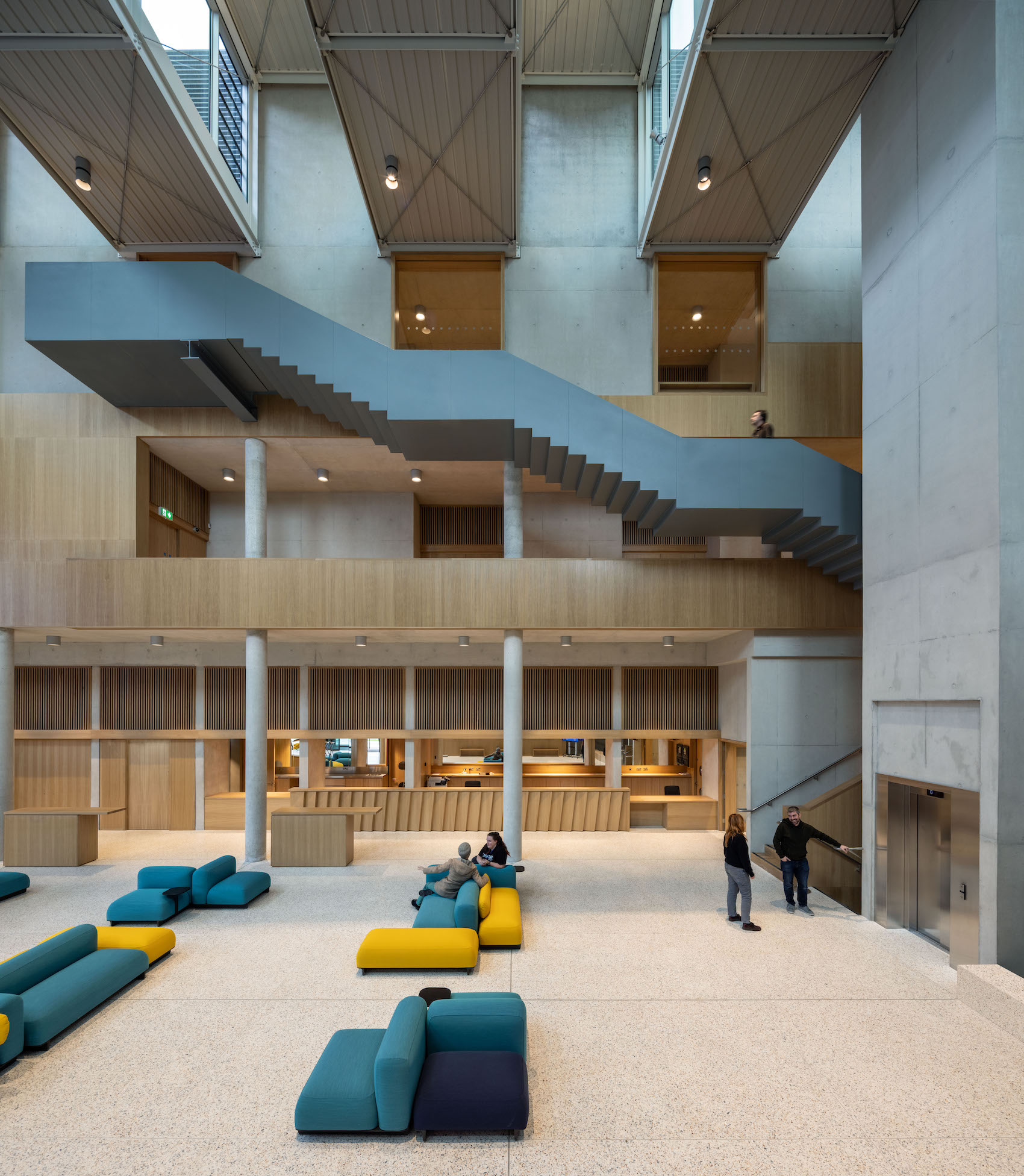
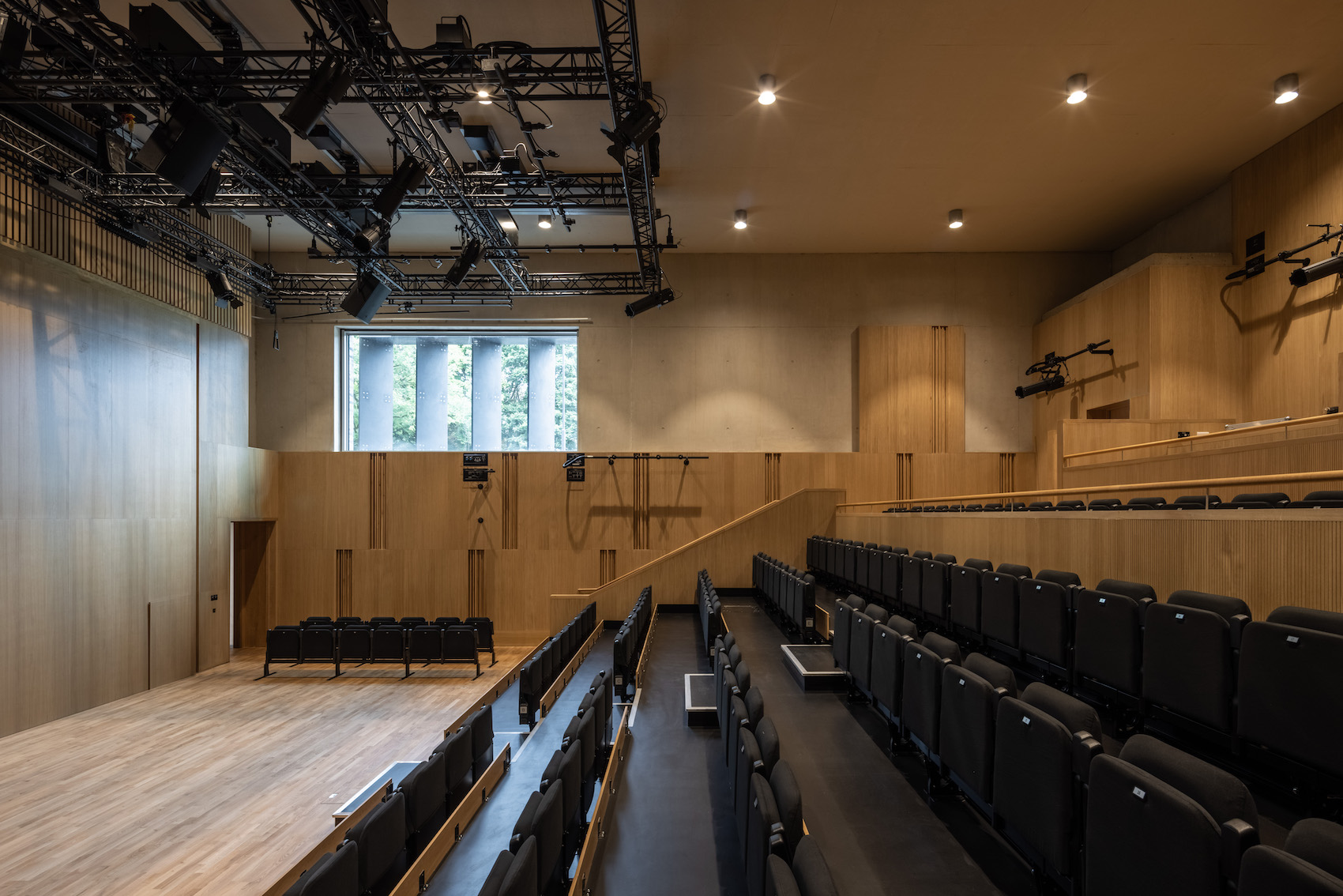
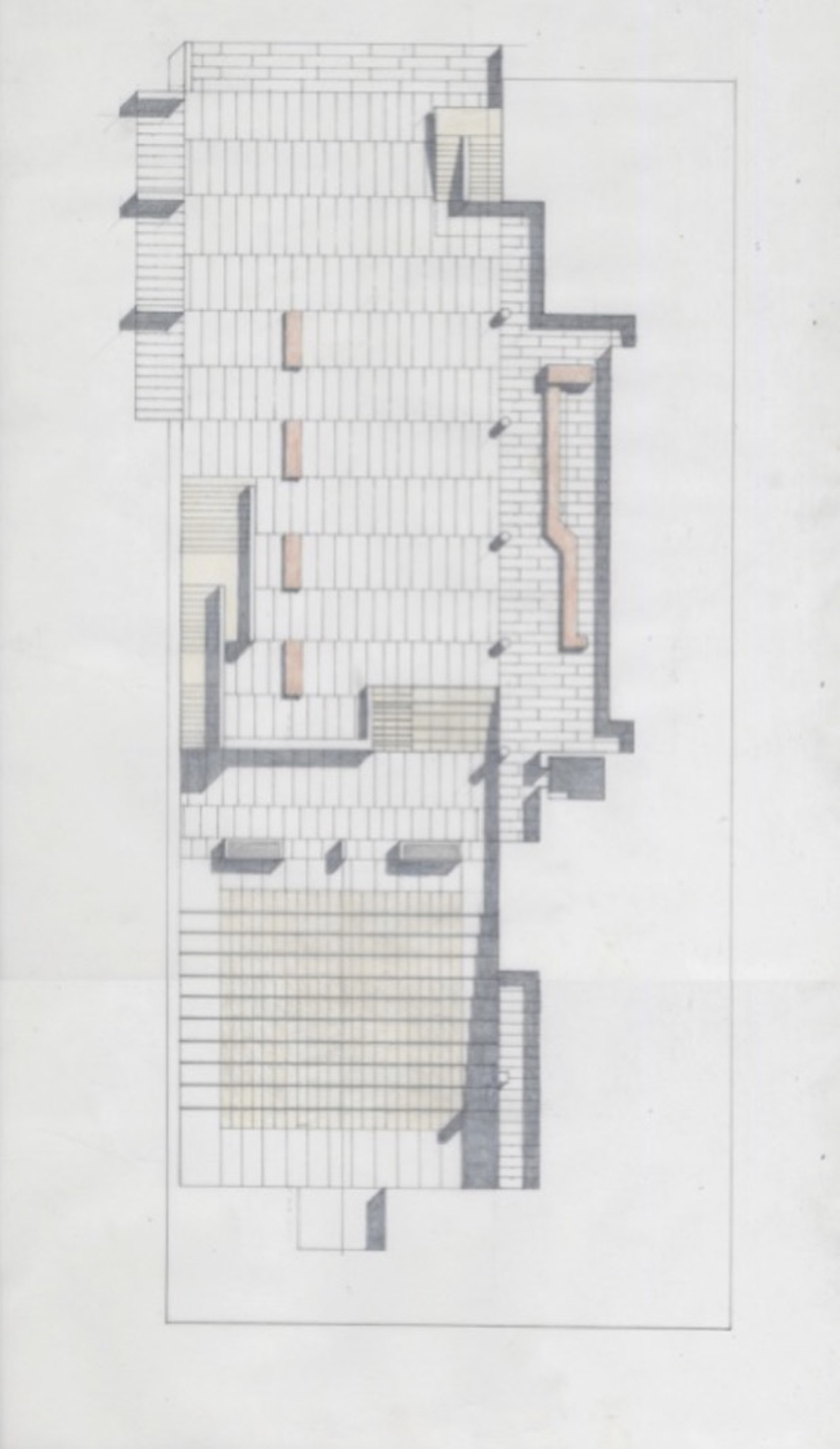
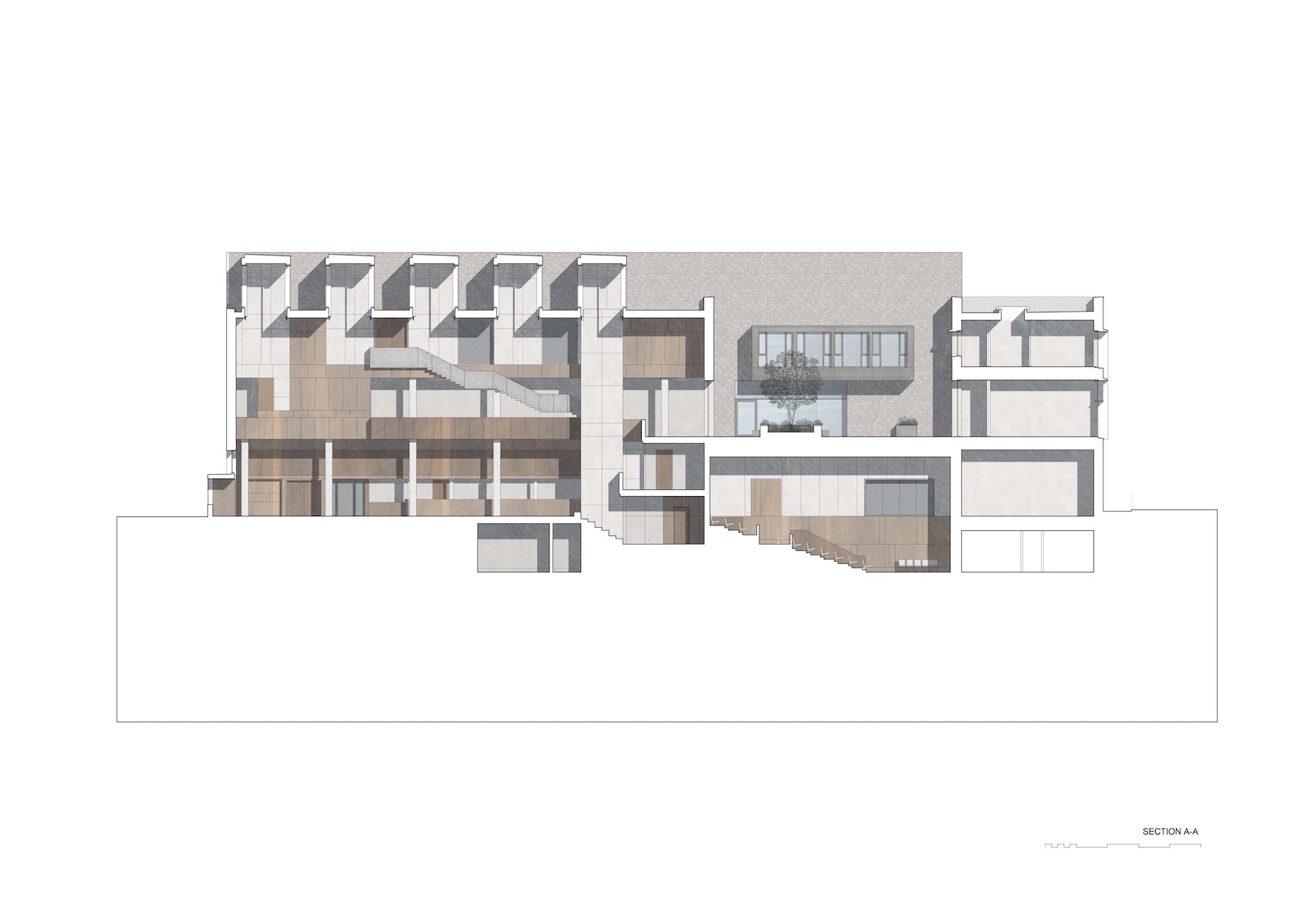
The building is conceived as a rectilinear mass from which rooms, courtyards and circulation spaces are carved. Large public volumes – the foyer, auditorium and rooftop garden – are arranged along the western edge, while smaller meeting rooms and workspaces line east and south elevations.
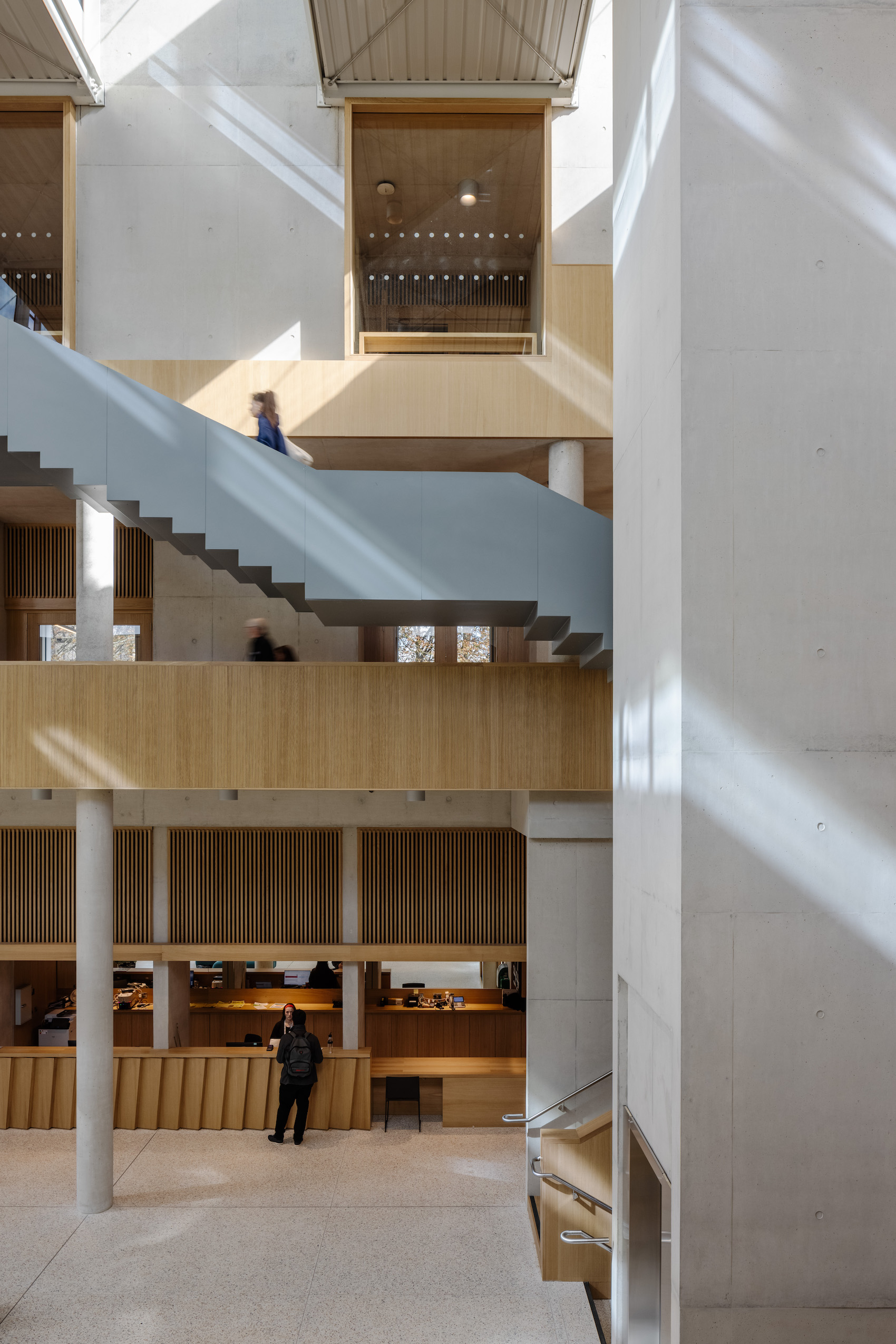
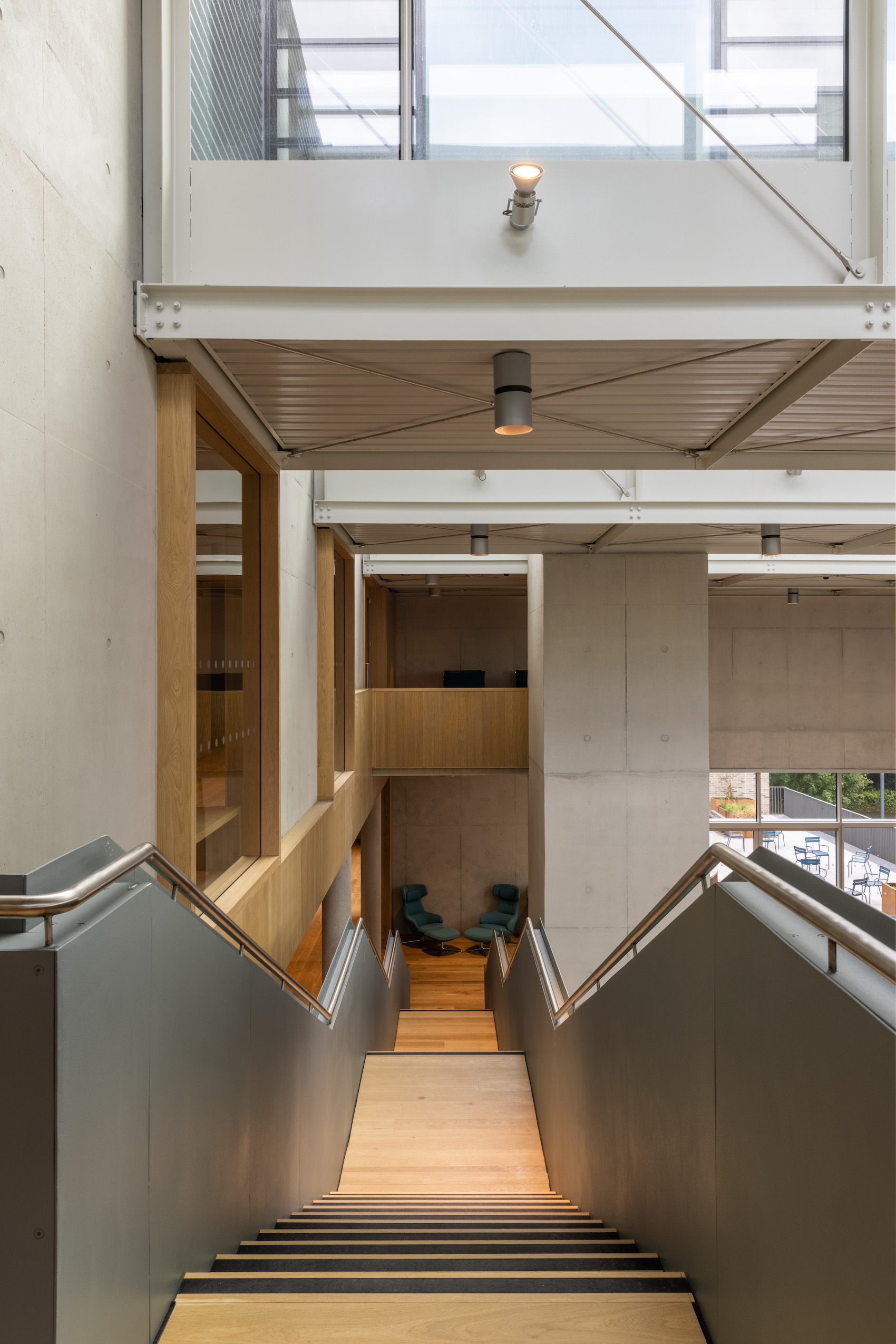
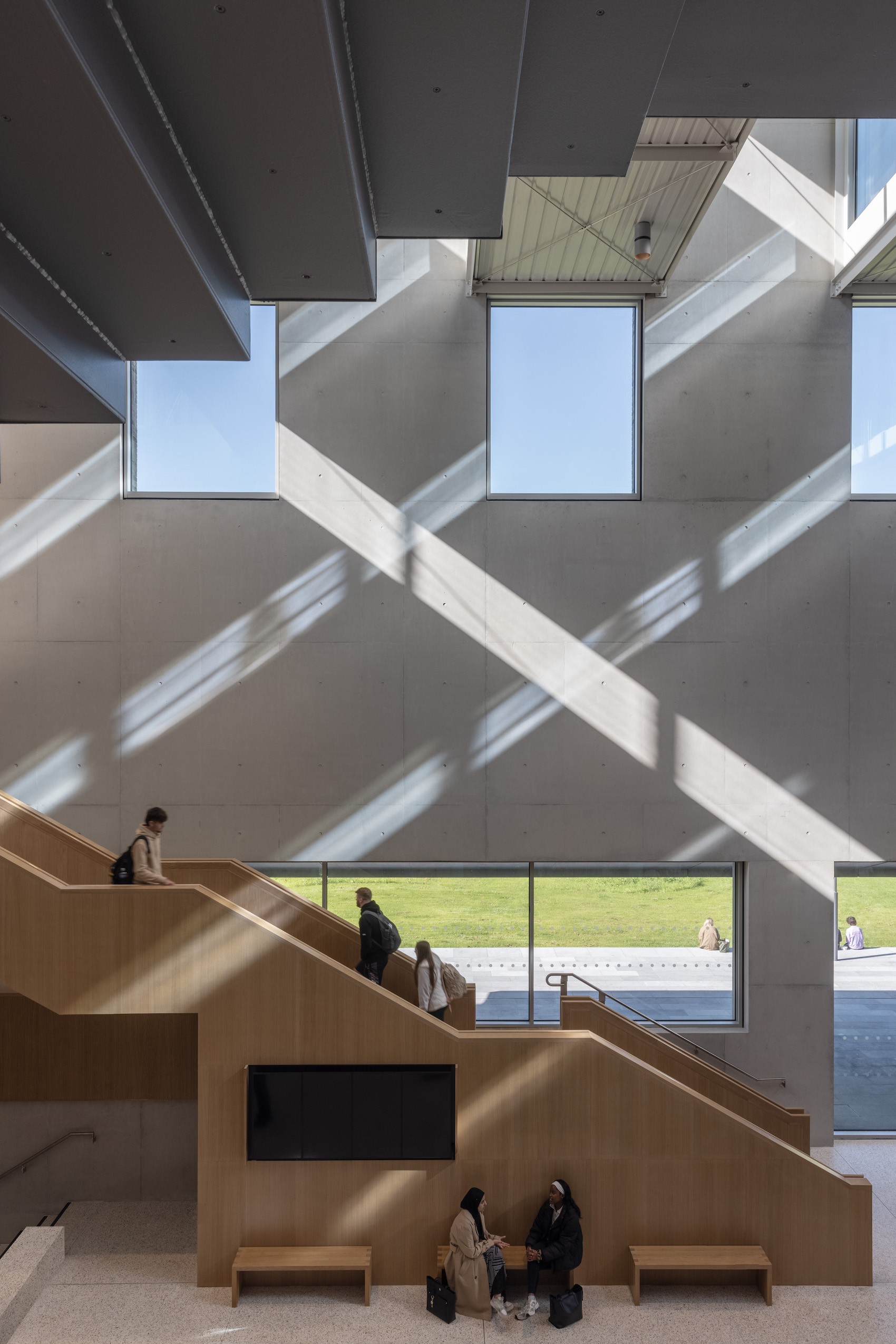
Broad staircases and galleries are used a a social device, overlooking the central foyer, encouraging informal occupation. In this sense, the building aligns itself with a style of educational architecture that privileges incidental interaction as a form of learning. The architects resist assigning overly fixed identities to spaces, allowing rooms to adapt over time as patterns of student life evolve.
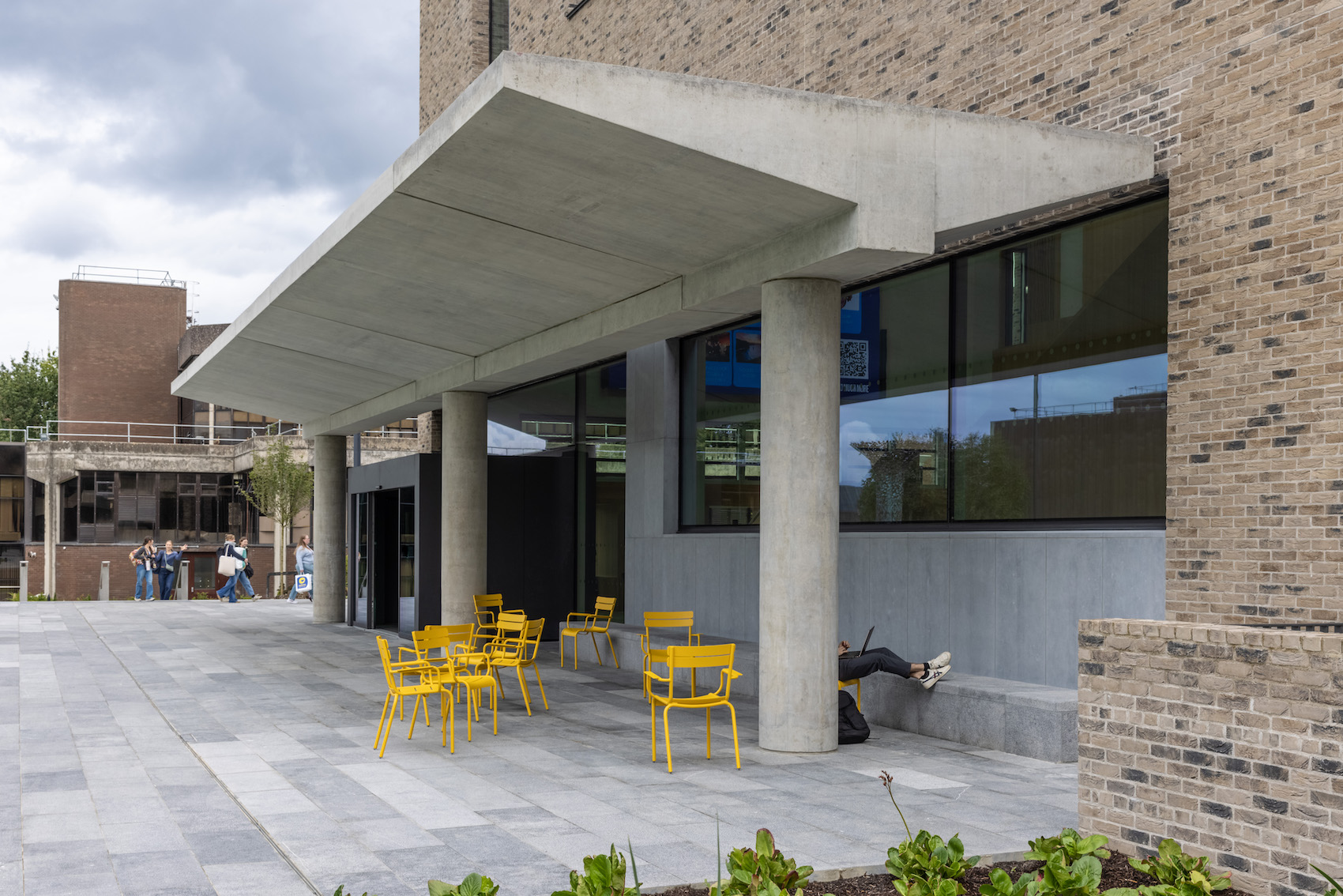
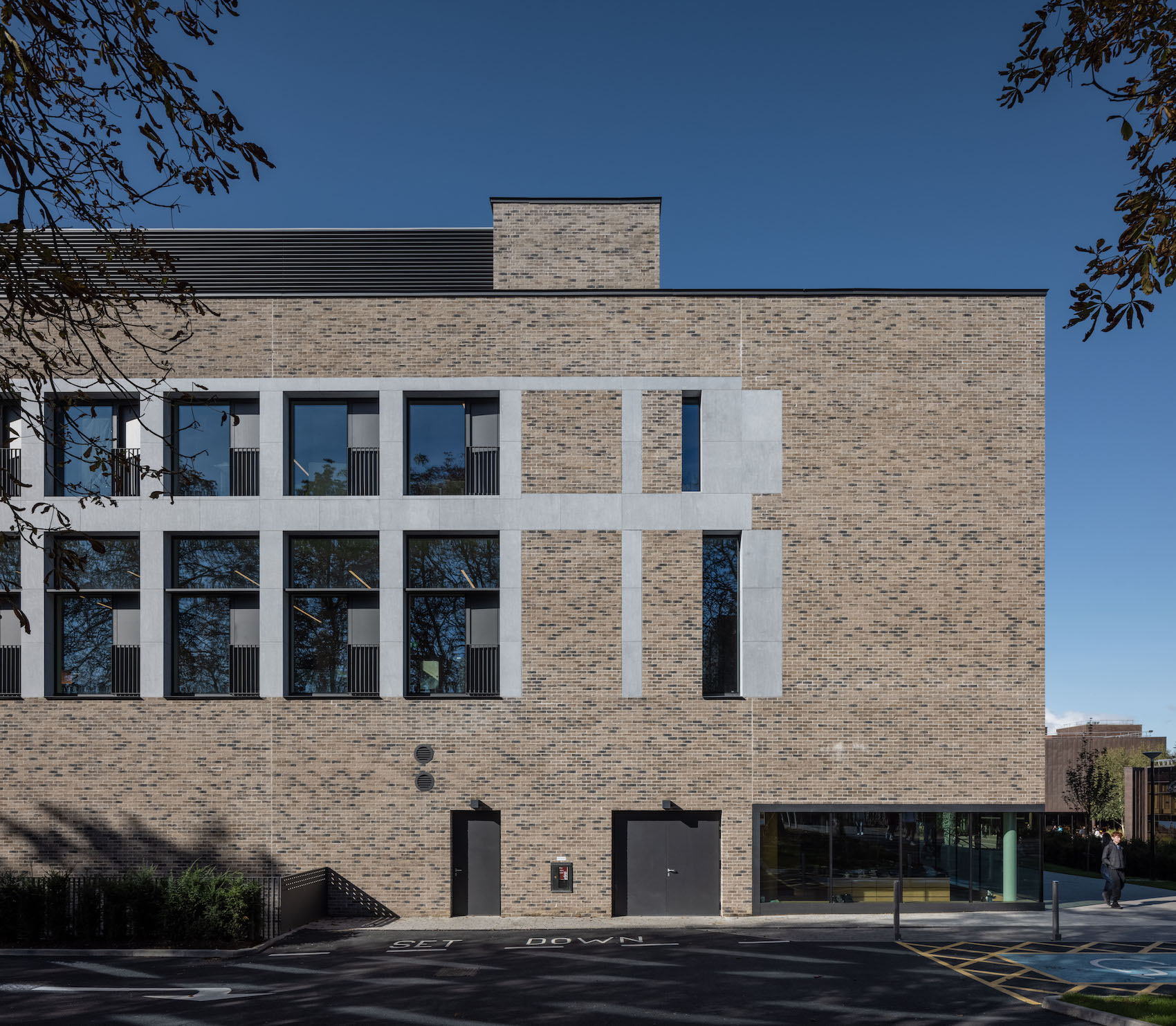
Materially, the project draws on the existing campus palette while subtly adjusting it. A robust brick envelope, accented with limestone surrounds, speaks to the broader character of the adjacent university buildings, while slate-toned aluminium bay windows introduce depth and projection across the façades. The façade package, delivered by Williaam Cox, features high performance curtain walling and specialised glazing, using Schüco FWS 50 Capped and FW 50 SG to support the building’s physical and conceptual transparency, as well as daylight and environmental control without disrupting the solidity of the masonry.
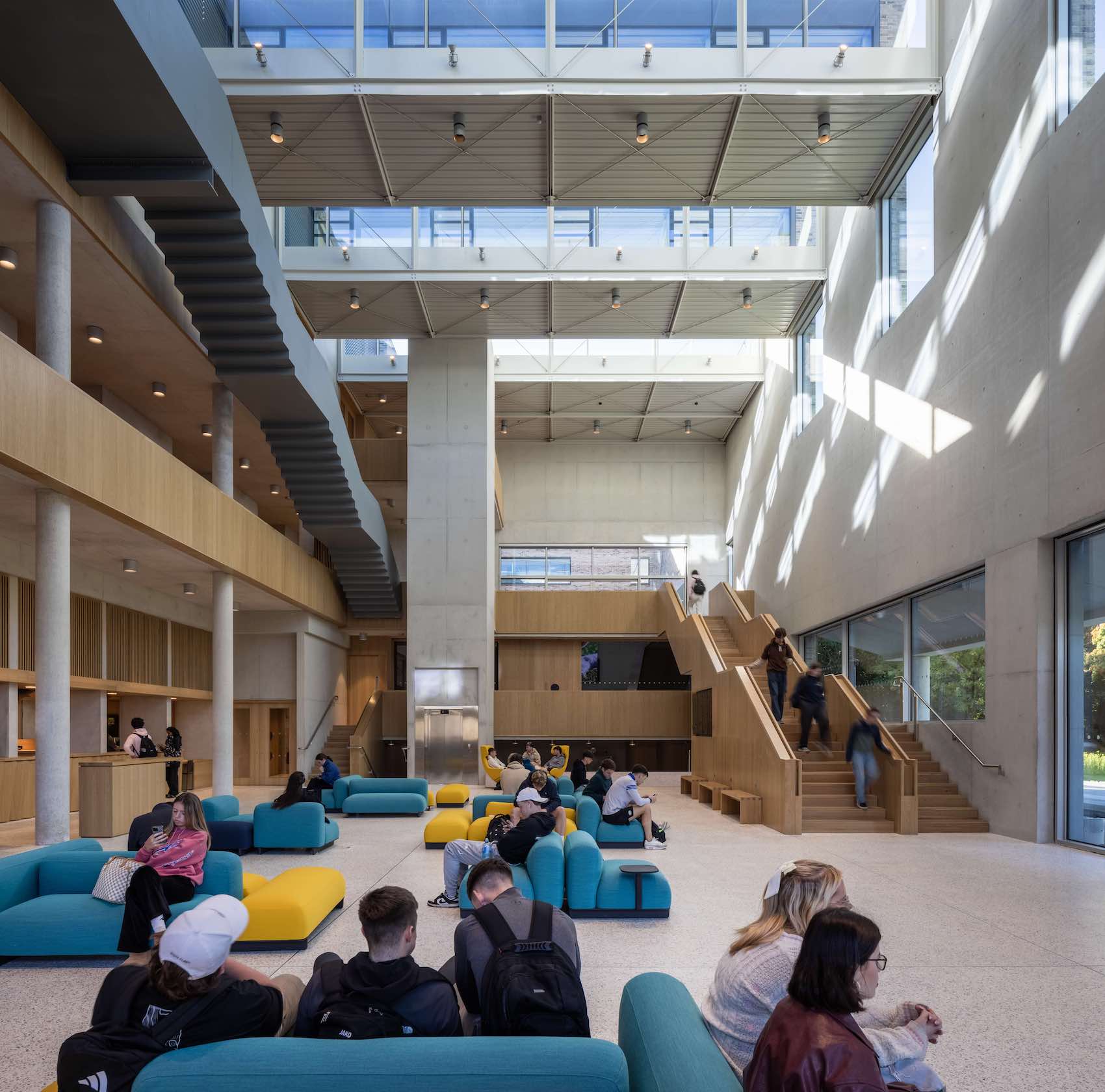
Enda McGrath, architectural project manager for Schüco Ireland, says “The design perfectly balances aesthetics with functionality to provide a light filled space for college students to enjoy and study in. The space is now flooded with natural light and feels twice the size. It’s a truly beautiful, modern, and functional space, using the combined design of Schüco FWS 50 capped and FWS 50 Structurally glazed curtain wall systems. The use of concealed actuators Schüco Tiptronic provides a sleek finish for the purpose of cross ventilation. Schüco UK and Ireland are truly proud to have been involved with this Project lead by the Architect Louise Cotter of Cotter & Naessans Architects, Cork City”
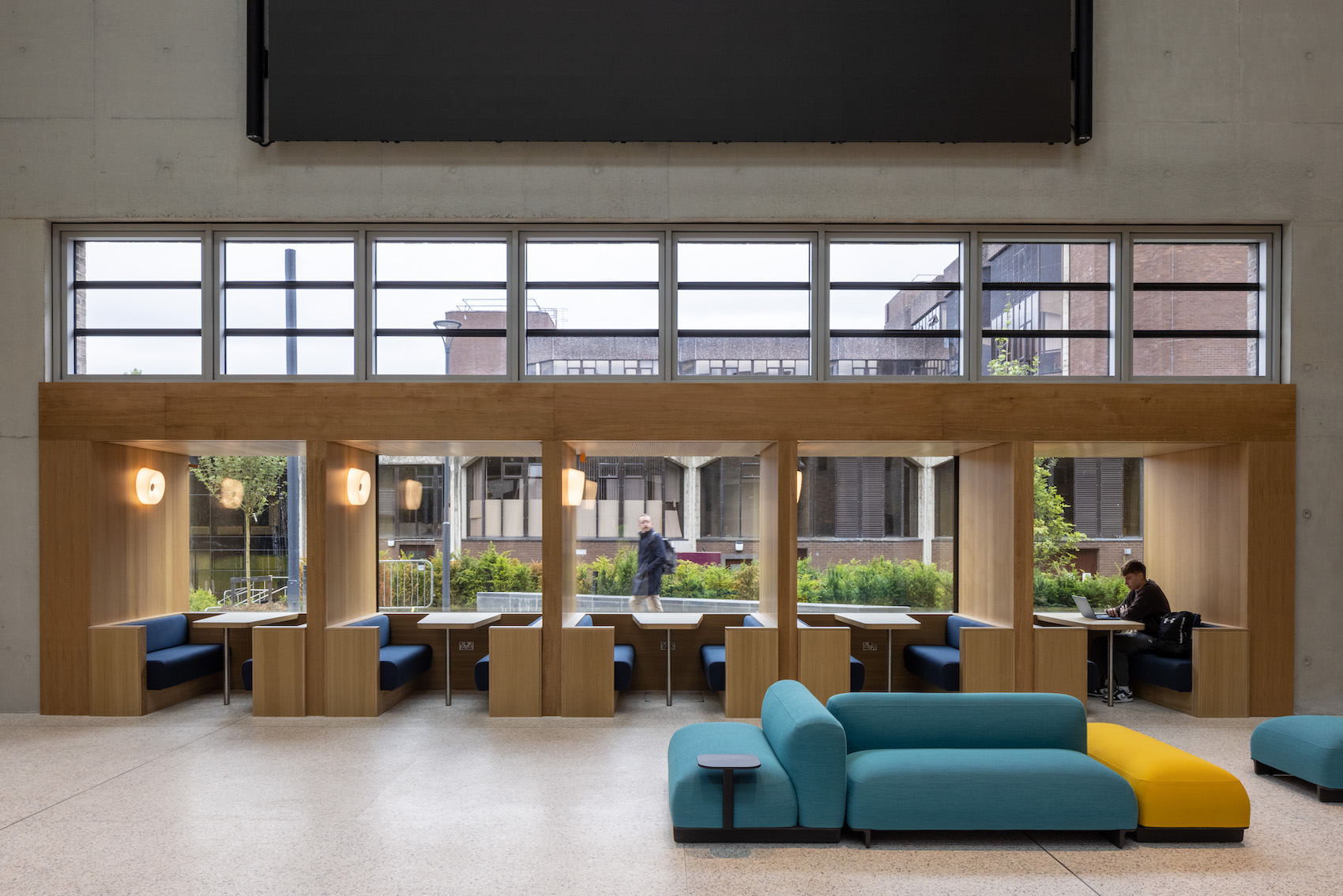
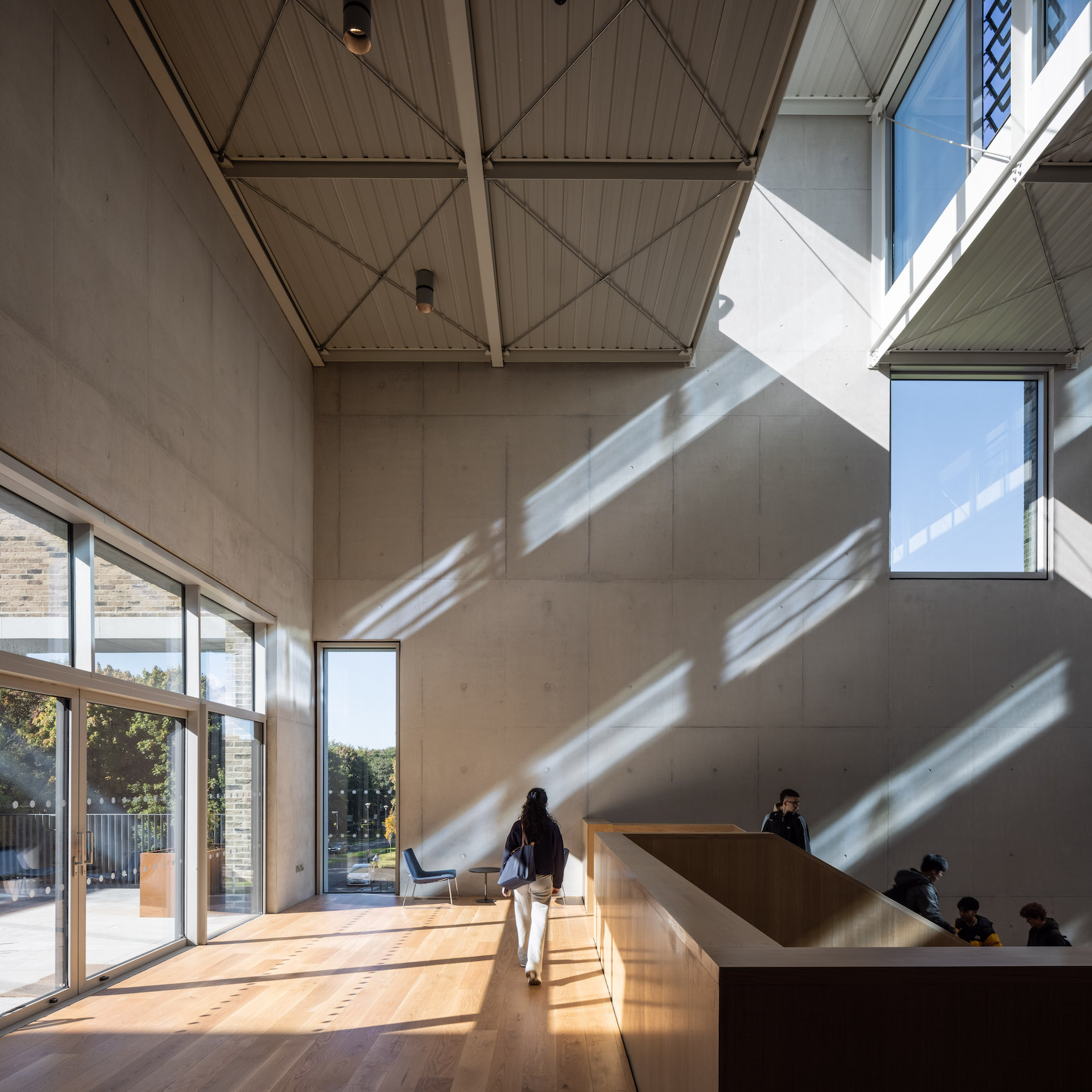
Internally, exposed concrete is softened through extensive oak features that provide acoustic control and tactile warmth. The restrained palette of concrete, terrazzo, timber and ribbed natural carpet, contributes to an atmosphere that feels calm for a building of this scale and intensity of use. This was a deliberate response to the university’s ambition to support neurodiverse students through spaces that minimise sensory overload while still accommodating collective activity.
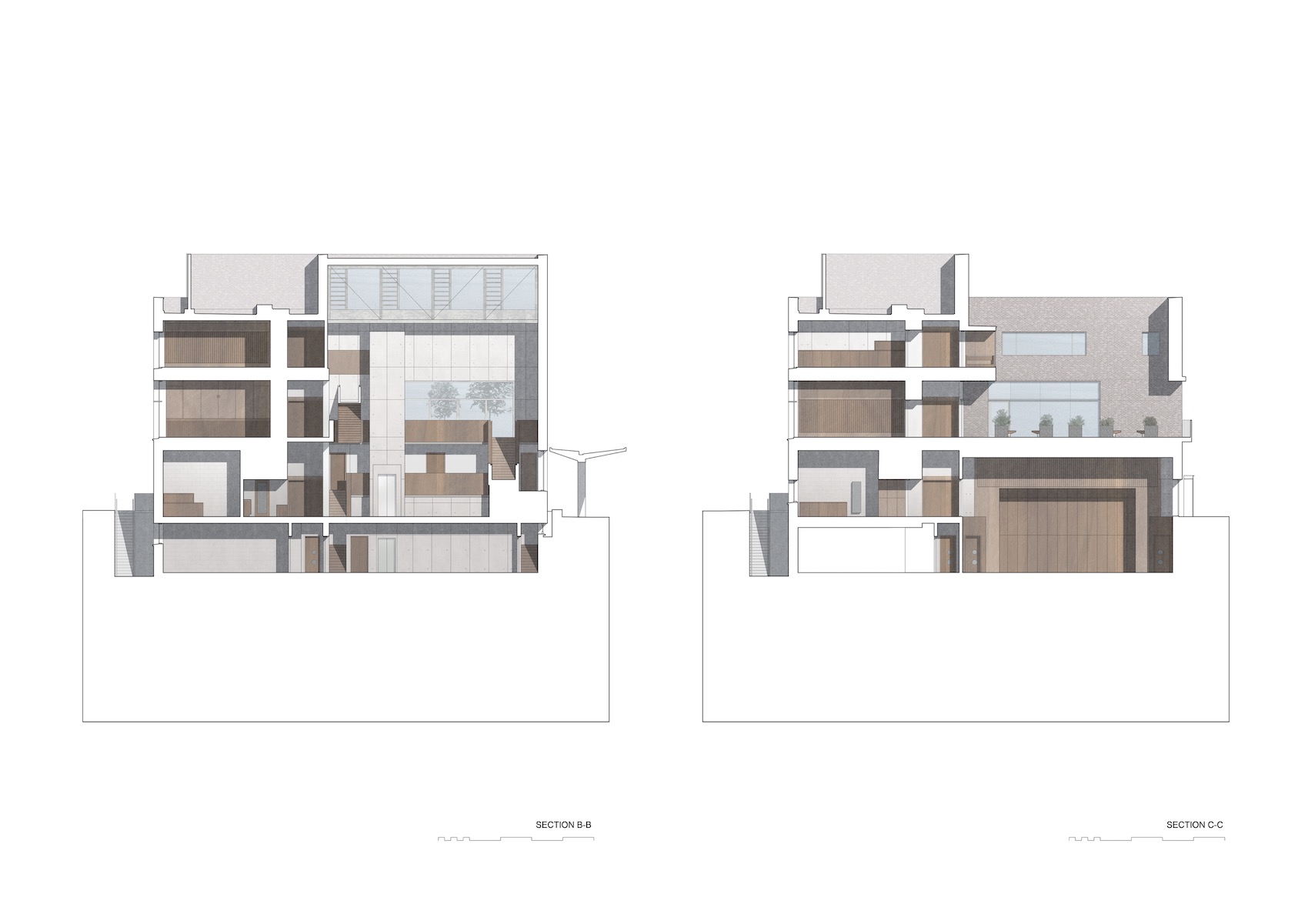
Clerestory glazing and automated glass louvres provide natural ventilation, while mixed-mode systems regulate larger spaces through raised-floor plenums and controlled airflow. Heating and hot water are supplied through air-to-water heat pumps supplemented by rooftop solar panels, contributing to the building’s A3 BER rating.
The completed building maintains a clarity of intent despite the projet’s delayed delivery, functioning as a piece of social infrastructure within the campus with the capacity to support everyday gathering, inhabitation and belonging.
Credits
Architect
Cotter & Naessens
Specialist Contractor
Williaam Cox
Structural Engineers
PUNCH Consulting Engineers
Contractor
Monami Construction
Additional Images