A new governance initiative by Exploration Architecture gives nature and future generations a formal voice in the practice’s decision-making, extending a movement that is reshaping how organisations define corporate responsibility.
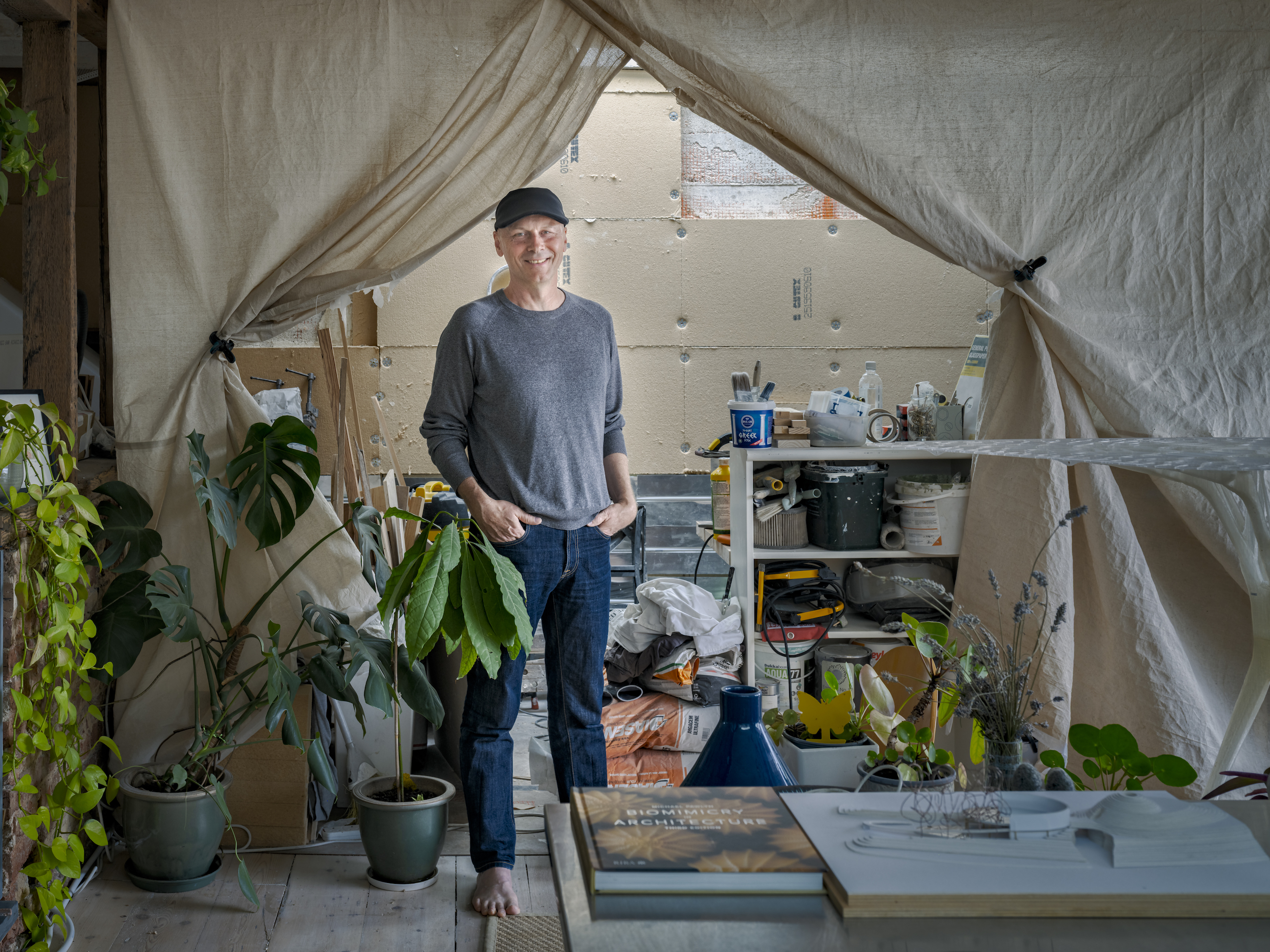
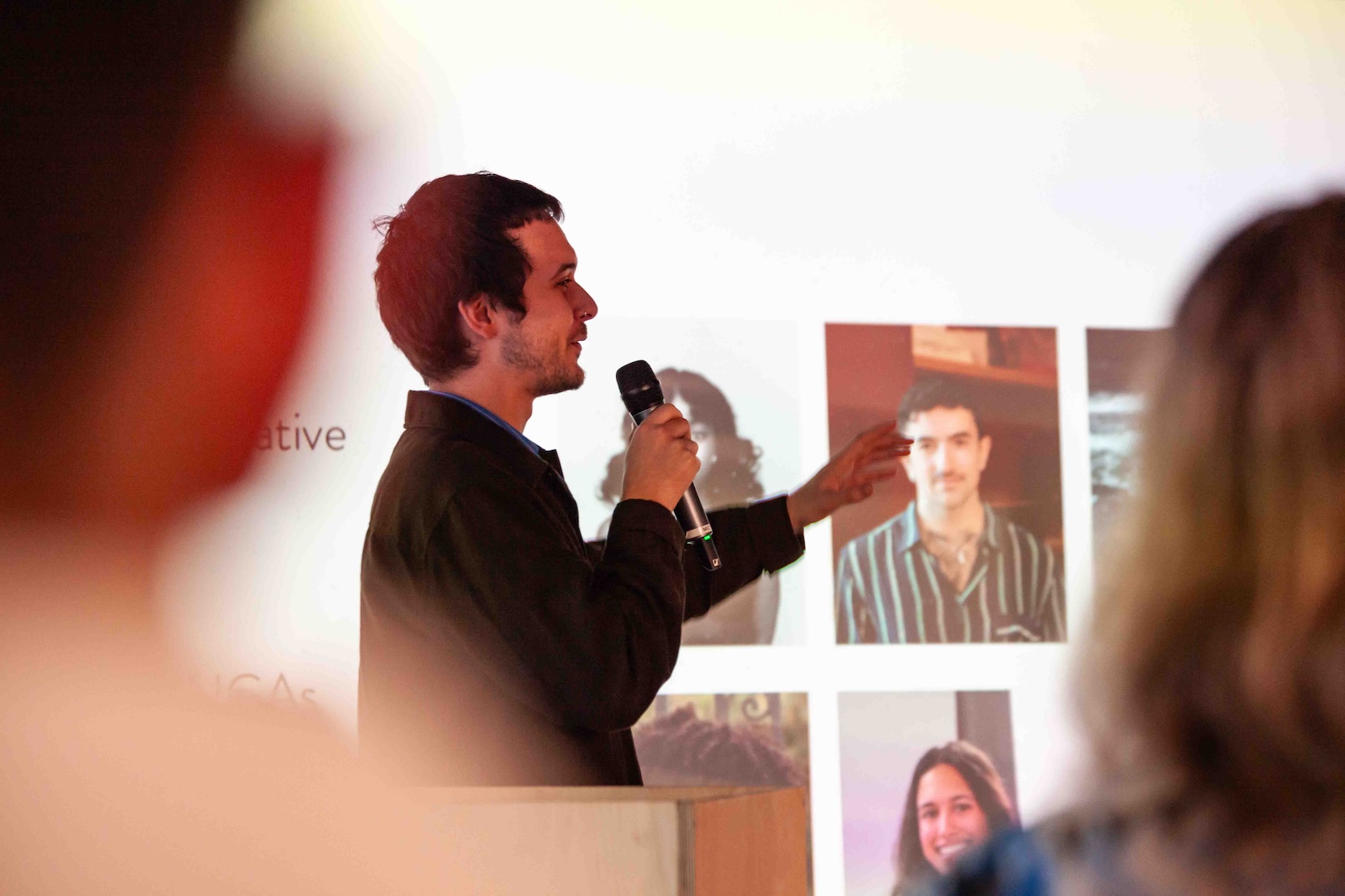
Exploration Architecture was established by Michael Pawlyn (pictured) in 2007, and focuses on regenerative design with a particular interest in nature-inspired approaches. Photograph by Timothy Soar.
Exploration Architecture has become the first architecture practice to formally appoint nature and future generations to its board. The new position, Director for Future Generations of All Species (DFGS), has been taken up by writer Jay Griffiths, who will help guide the practice’s decision-making by representing the interests of the natural world and future generations.
Director Michael Pawlyn said: “We’re delighted to have appointed the renowned writer Jay Griffiths as Director for Future Generations of all Species. The aim of this is to give nature and future generations a voice in guiding the way we operate as a company. Jay is the most lyrical and passionate advocate for the living world that I know.”
In the newly created role, Griffiths will review Exploration Architecture’s projects and contribute to decisions on the allocation of the practice’s charitable giving, helping acknowledge the species that have influenced its work.

Jay Griffiths has been appointed as Director for Future Generations of All Species (DFGS) and will help guide the practice’s decision-making by representing the interests of the natural world and future generations.
The initiative reflects a growing movement to broaden corporate governance beyond the traditional focus on shareholder value. Exploration Architecture argues that businesses inevitably affect the natural systems on which human wellbeing depends, making it appropriate for those without a direct voice – including nature and future generations – to be represented at board level.
The move follows a precedent established in 2022 by UK-based company Faith in Nature, which became the first organisation to appoint nature to its board of directors. According to Exploration Architecture, more than 40 organisations, including private companies, charities, cultural institutions and public bodies, have since committed to adopting similar governance models.

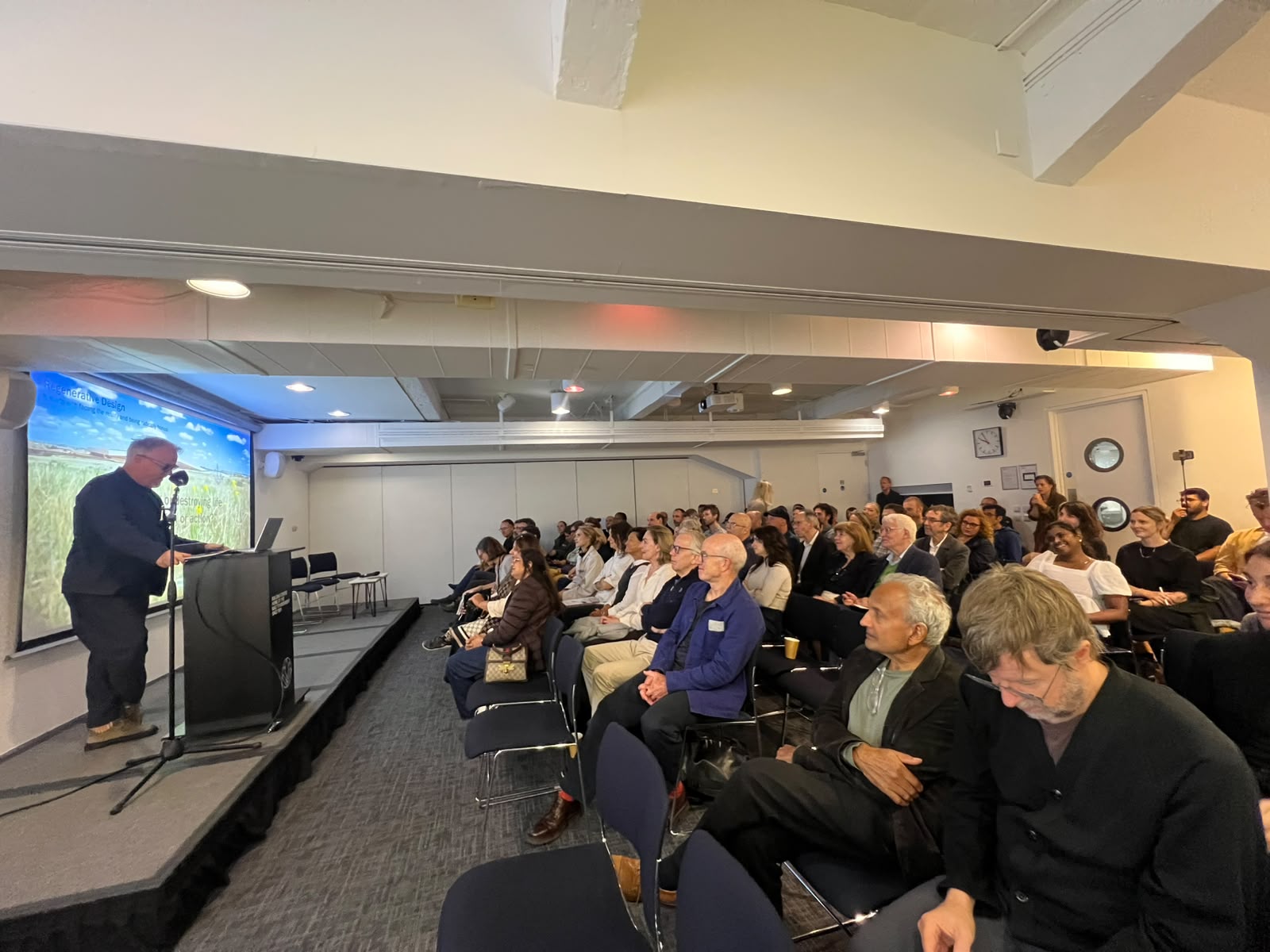
Michael Pawlyn will be setting out his thinking on pathways to a regenerative future at an evening talk delivered in partnership with Interface on Wednesday 14th October at the Building Centre in central London as part of Regenerative Design 2026.