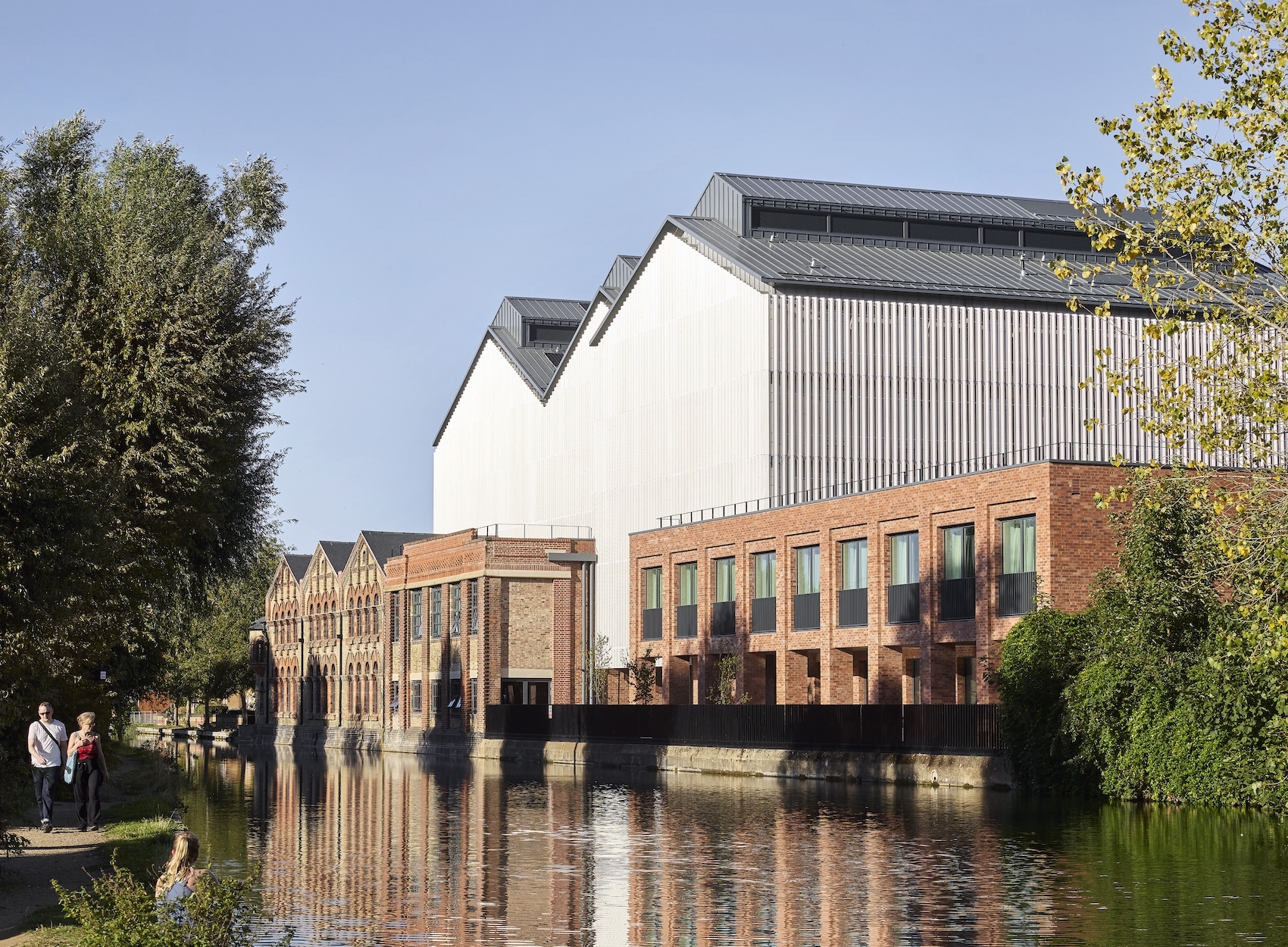
Dulux Trade’s Dawn Scott and Andrew Roser in conversation with Architecture Today’s Technical Editor John Ramshaw, discuss how colour strategies and high-performance coatings can support wellbeing, durability and long-term value across social housing projects.
In association with
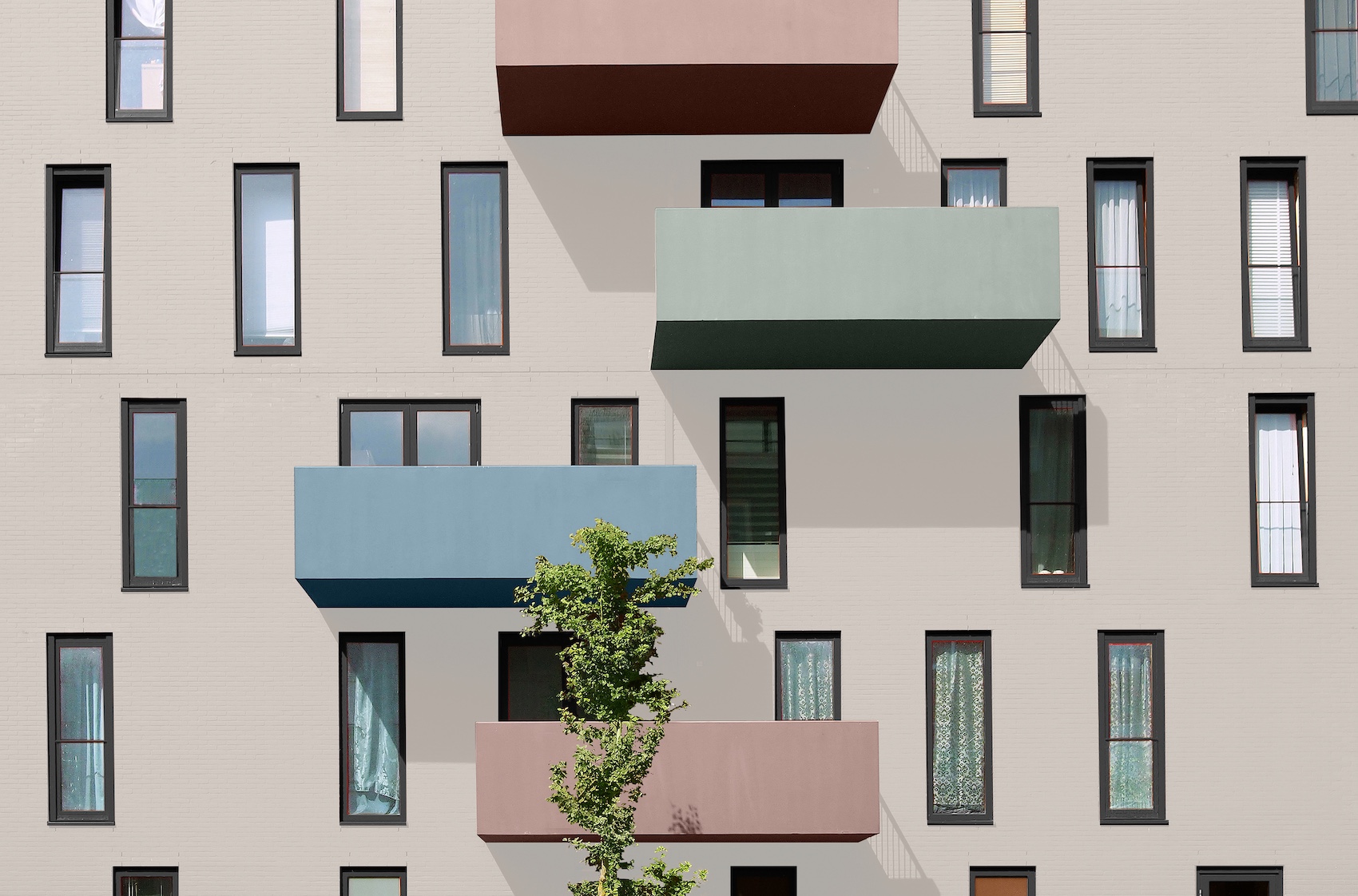
Social housing schemes are shaped by a distinct set of priorities. Alongside cost and programme, architects must consider durability, long-term maintenance, regulatory compliance and, critically, the lived experience of residents. Buildings are required to perform reliably over time, while creating environments that feel safe, welcoming and easy to navigate.
Within this context, colour and paint specification play an important role in both performance and perception. Carefully considered schemes can help define identity, support wayfinding and improve accessibility, while robust coating systems contribute to longevity, reduced maintenance cycles and improved environmental performance.
Dulux Trade’s Dawn Scott (Senior Colour Designer) Andrew Roser (National sector Lead) in conversation with Architecture Today’s Technical Editor John Ramshaw, discusses key considerations for specifying colour and paint in social housing, drawing on insights from the Dulux Trade Social Housing Specifier Guide.
What role do colour and paint specification play in shaping the quality and performance of social housing environments?
Dawn Scott Colour and paint specification influence far more than appearance in social housing. From the tenant’s perspective, they affect how safe, welcoming and well-maintained a space feels day-to-day. Thoughtful colour schemes can improve light quality, support wayfinding, and help communal environments feel more comfortable and less institutional. At the same time, durable paint systems are essential for extending cyclical decoration cycles, reducing disruption for residents, and lowering long-term maintenance costs. Good specification therefore balances performance and longevity with the everyday experience of the people who call these environments home.
What prompted the development of the Dulux Trade Social Housing Specifier Guide, and how can it be used as a practical resource during the design and specification process?
Dawn Scott The guide was developed in response to the increasing pressures facing the social housing sector, including ageing housing stock, resident wellbeing, sustainability targets, and the need to reduce maintenance costs. We wanted to create a practical resource that considered both technical performance and the tenant experience.
The guide combines durable specification guidance with colour and contrast recommendations that support accessibility, comfort and community connection. It also includes practical advice on mould and damp solutions, sustainability credentials, and curated palettes designed to help housing providers create comfortable, resilient environments while extending cyclical decoration cycles.
In social housing, colour needs to balance aesthetics with durability and cost. What principles should guide colour selection for both interiors and exteriors?
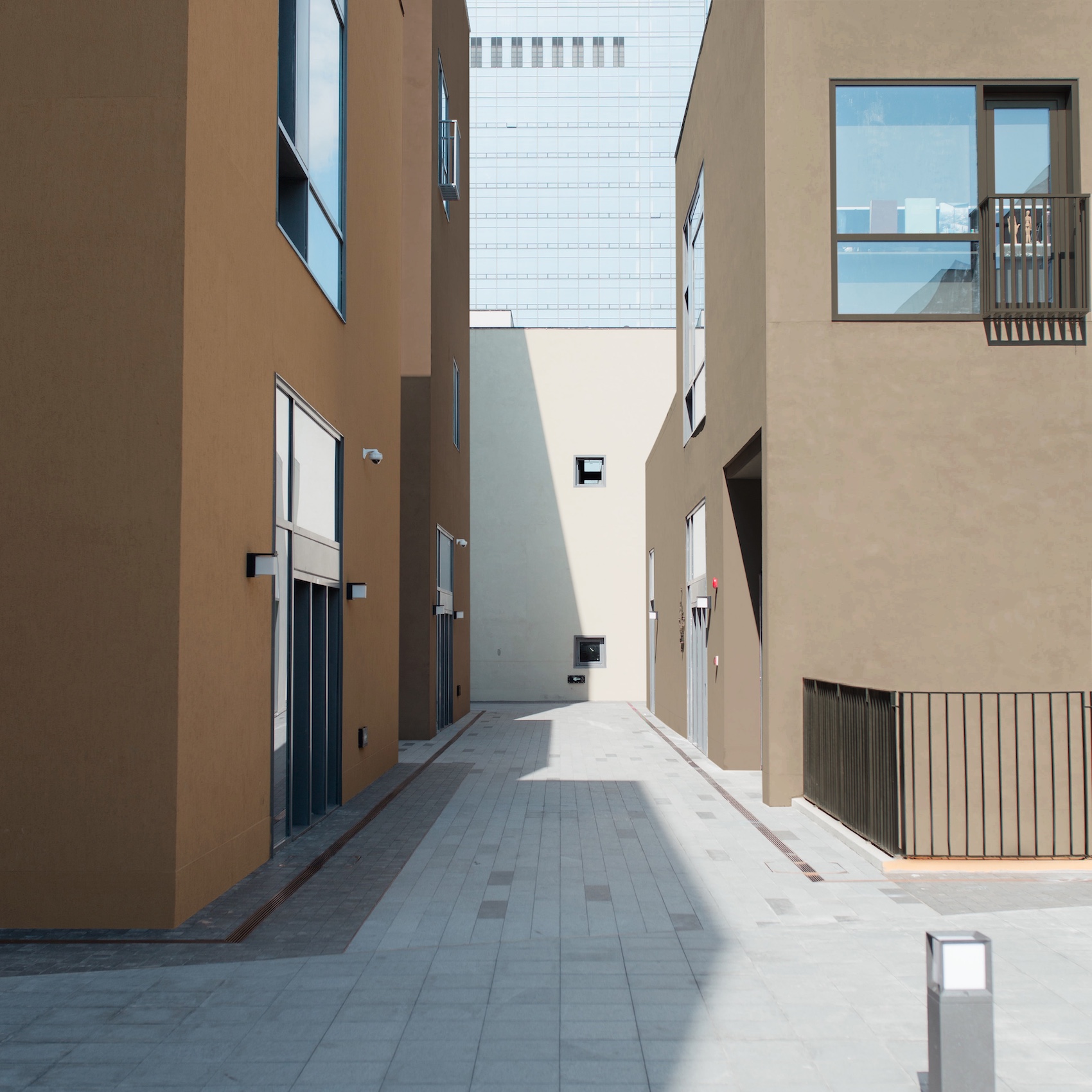
Dawn Scott Colour selection in social housing should always consider both tenant experience and long-term performance. Internally, balanced palettes with softer tones can help create environments that feel calm, welcoming and easy to live with, while still being practical to maintain. Good contrast between key surfaces is also important to support accessibility and navigation.
Externally, colours should respond sensitively to the local context and weather well over time. Robust specification systems are essential for extending cyclical decoration cycles, helping reduce ongoing maintenance costs, and minimising disruption for residents while maintaining a cared-for appearance across developments.
How can colour contribute to creating a sense of identity, pride and belonging within social housing communities?
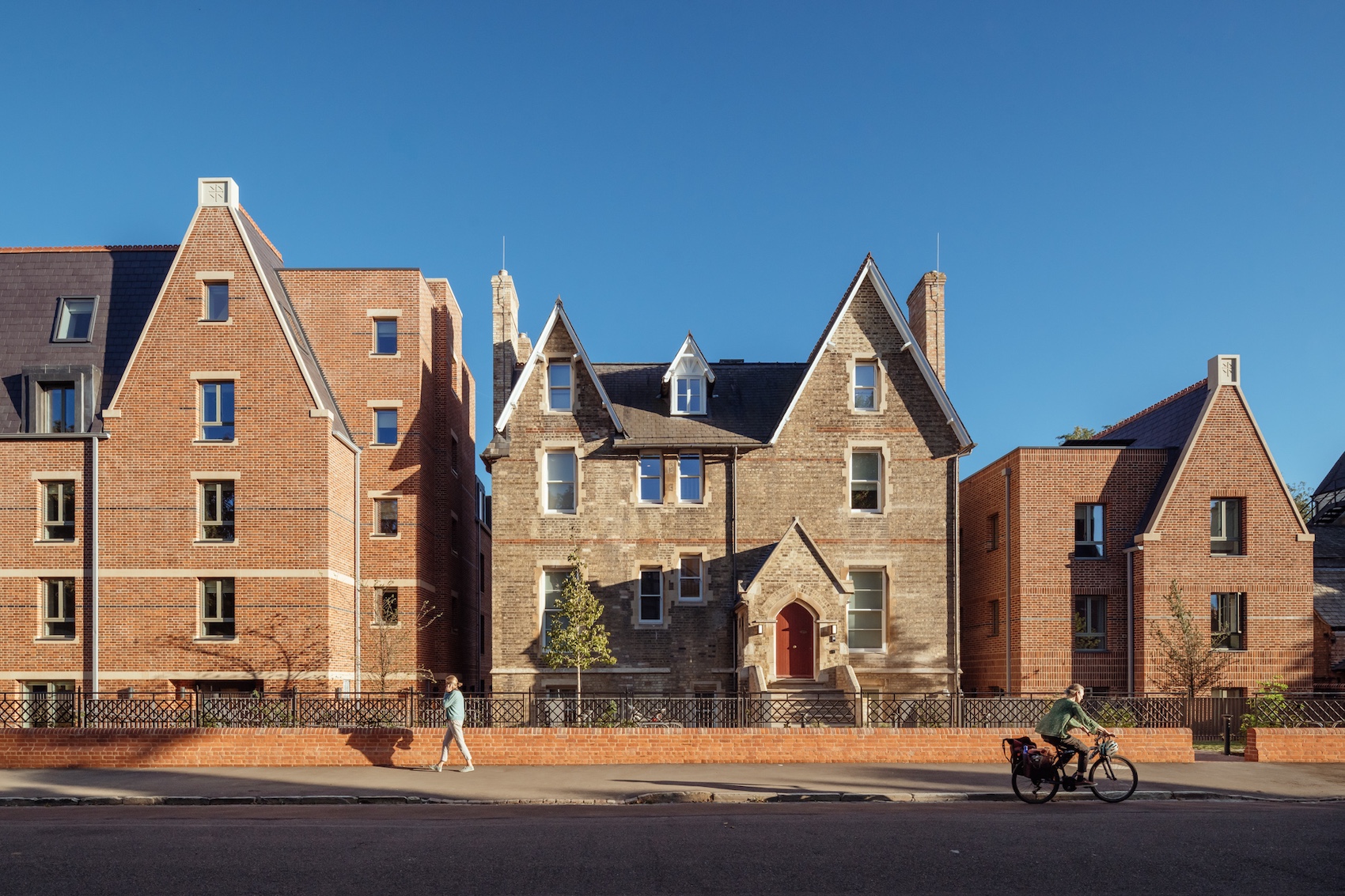
Dawn Scott Colour plays a powerful role in shaping how tenants feel about the places they live. Thoughtful colour schemes can help developments feel more welcoming, recognisable and connected to the local community, rather than anonymous or institutional. Externally, colour can soften large elevations and create identity, while internally it can support comfort and wellbeing within shared spaces.
Resident engagement is also key. Involving tenants in colour discussions can help strengthen community identity and a sense of ownership. Environments that feel visually considered and well-maintained are more likely to encourage stronger social connection between residents and shared spaces.
What are the key considerations when selecting colour for external façades, particularly in relation to context, heritage and planning constraints?
Dawn Scott External façade colours need to balance visual impact with durability, context and long-term maintenance requirements. Colours should respond sensitively to local architecture, materials and landscape, particularly within conservation or heritage settings where planning constraints may apply.
From a tenant perspective, façades also influence how welcoming and cared-for a development feels. Durable exterior coating systems are essential to withstand weather exposure and extend cyclical decoration cycles, helping reduce future maintenance disruption. Well-considered façade colour schemes can also reinforce neighbourhood character and strengthen residents’ connection to the wider community.
How can colour and contrast be used to improve accessibility, safety and wayfinding, particularly for older residents or those with dementia?
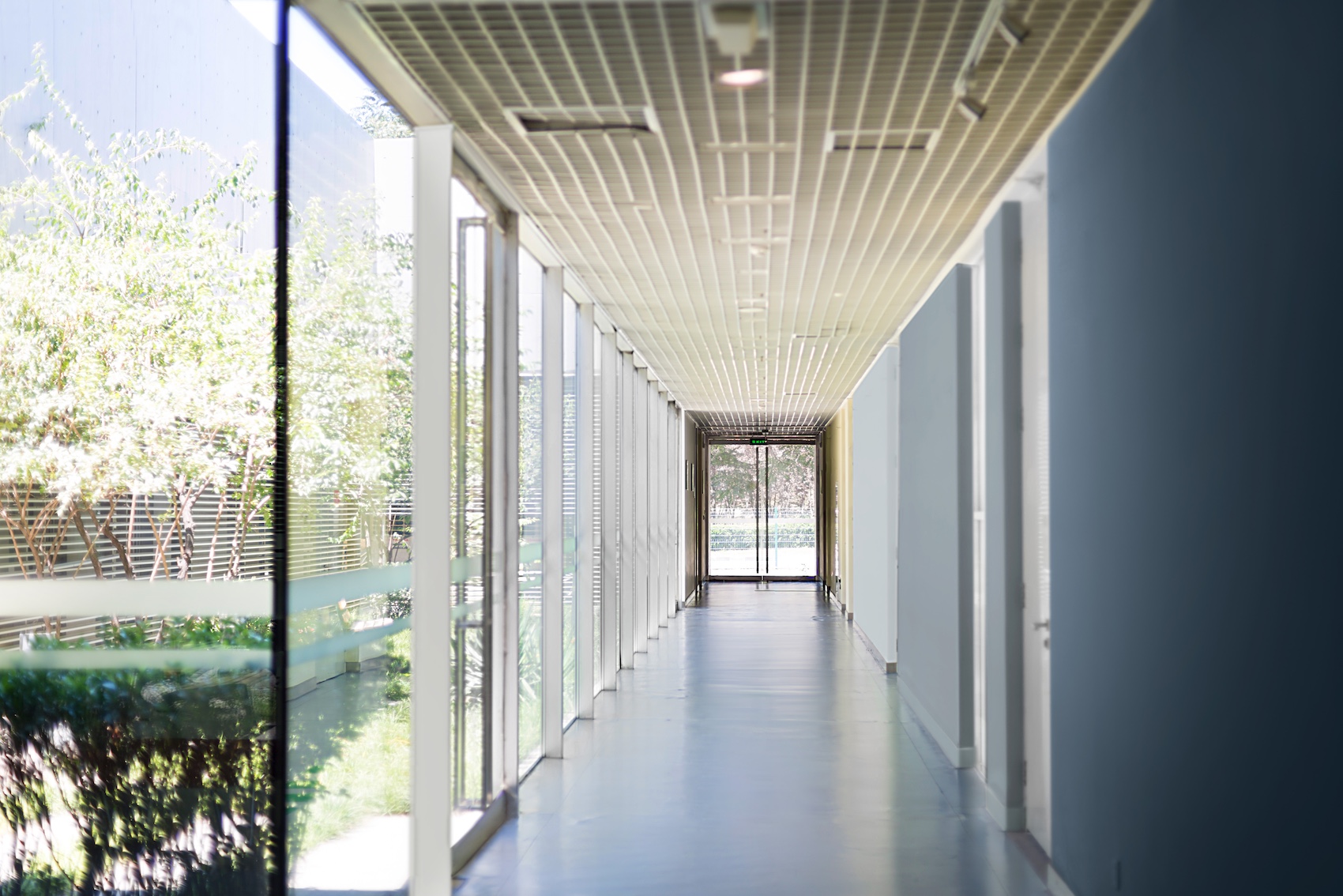
Dawn Scott Colour contrast is an important tool in creating safer and more accessible residential environments from the tenant’s point of view. Clear contrast between walls, floors, doors, handrails and stair nosing helps residents navigate spaces more confidently, particularly older residents or those with visual impairments, cognitive differences or a dementia.
Guidance within Approved Document M and BS 8300 recommends a minimum 30-point Light Reflectance Value (LRV) difference between adjacent critical surfaces to improve visibility and legibility. Colour can also support intuitive wayfinding and reduce confusion, helping communal areas feel easier to understand, safer to move through and more inclusive for everyone.

What are the key performance criteria architects should prioritise when specifying paint systems in social housing?
Andrew Roser With social housing budgets under increasing pressure, it is essential that specifiers select paint systems and services that deliver measurable time and cost efficiencies. Dulux Trade offers a portfolio of hard-wearing, durable coatings specifically developed to maintain appearance for longer, resisting everyday scuffs, stains and marks. By extending maintenance cycles, these products help lower whole-life costs, reduce environmental impact, and minimise disruption for tenants.
What are the main differences in specification approach between interior and exterior coatings in social housing projects?
Andrew Roser The specification approach for interior and exterior coatings differs significantly due to their distinct performance demands. Interior coatings are selected to support tenant health and efficient re‑letting, prioritising low-VOC emissions, ease of cleaning, resistance to wear, and mould protection in high‑moisture areas. Exterior coatings, however, are specified to safeguard the building fabric over longer lifecycles, with emphasis on providing all-weather protection from the unpredictable British climate.
Which Dulux Trade products or systems are typically specified for social housing projects, and how do they address durability, maintenance and environmental requirements?
Andrew Roser Internally, products such as Diamond Matt and Diamond Eggshell are widely used in dwellings and communal areas for their high scrub resistance, stain repellence, and extended maintenance cycles. Mouldshield Fungicidal Matt and Eggshell are specified in kitchens and bathrooms to inhibit mould and fungi growth on walls.
Externally, Weathershield Smooth Masonry provides long‑term weather protection. Across the range, water‑based, low‑VOC formulations, EPDs, and compatibility with BREEAM, WELL and LEED help housing providers meet sustainability and compliance requirements while controlling whole‑life costs.
What support does Dulux Trade offer to help architects deliver robust, compliant social housing projects, and what is your key advice for specifiers?
Andrew Roser Dulux Trade supports architects delivering social housing projects through a combination of specification guidance, technical advice, and compliant product systems. This includes access to dedicated sector guides, NBS‑aligned specifications, EPD’s, digital tools such as the Paint Specification Creator, and expert support on issues like mould, durability and lifecycle costs. Products are designed to meet low‑VOC, fire‑tested and sustainability requirements, supporting BREEAM, WELL and regulatory compliance.
Dulux Trade’s key advice for specifiers is to prioritise whole‑life performance over initial cost; always specify complete systems rather than individual products; and engage manufacturers early to reduce risk and improve long‑term outcomes.
Contact Details
Click here to download the Dulux Trade Social Housing Specifier Guide.
For more information about specifying colour and paint on social housing projects, please call 0333 222 70 70, email or visit the Dulux Trade website.