Ten years into practice, ALWA continue to refine a body of work shaped by restraint, craft and a sustained engagement with context. Jane Larmour, Mark Arigho and Patrick Wheeler reflect on formative projects, the one lesson all architecture students should learn, and the contemporary architects they are keeping a close eye on.
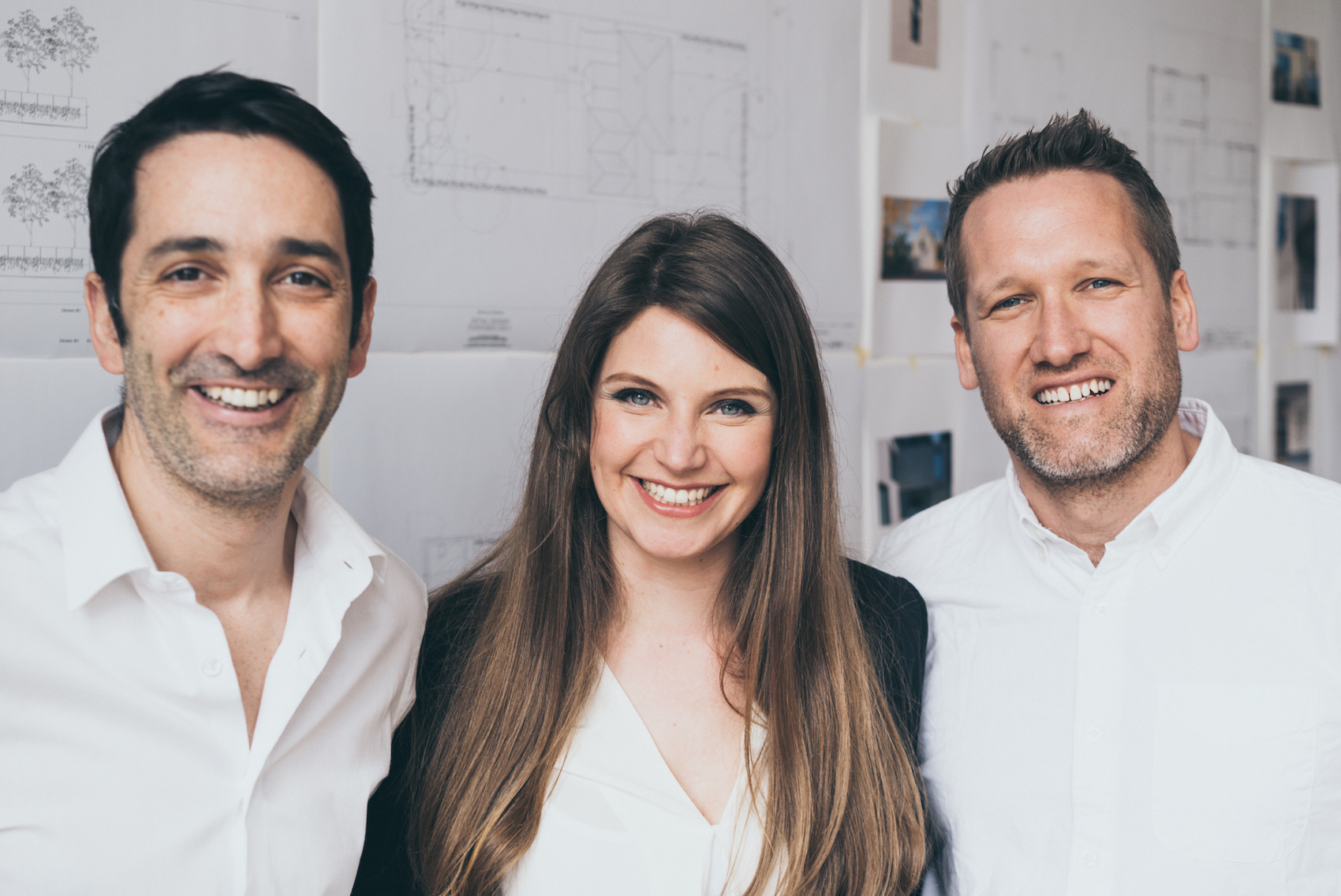
Left to right: Mark Arigho, Jane Larmour, and Patrick Wheeler
In its tenth year in practice, how would you describe ALWA?
We are a Dublin and Belfast based practice interested in crafted buildings that respond carefully to their surroundings and the needs of the people who use them. Our work is grounded in context, material understanding, and a measured approach to intervention. We have a consistent interest in how architecture can sit within a landscape – whether rural or urban – and contribute quietly but meaningfully to it.
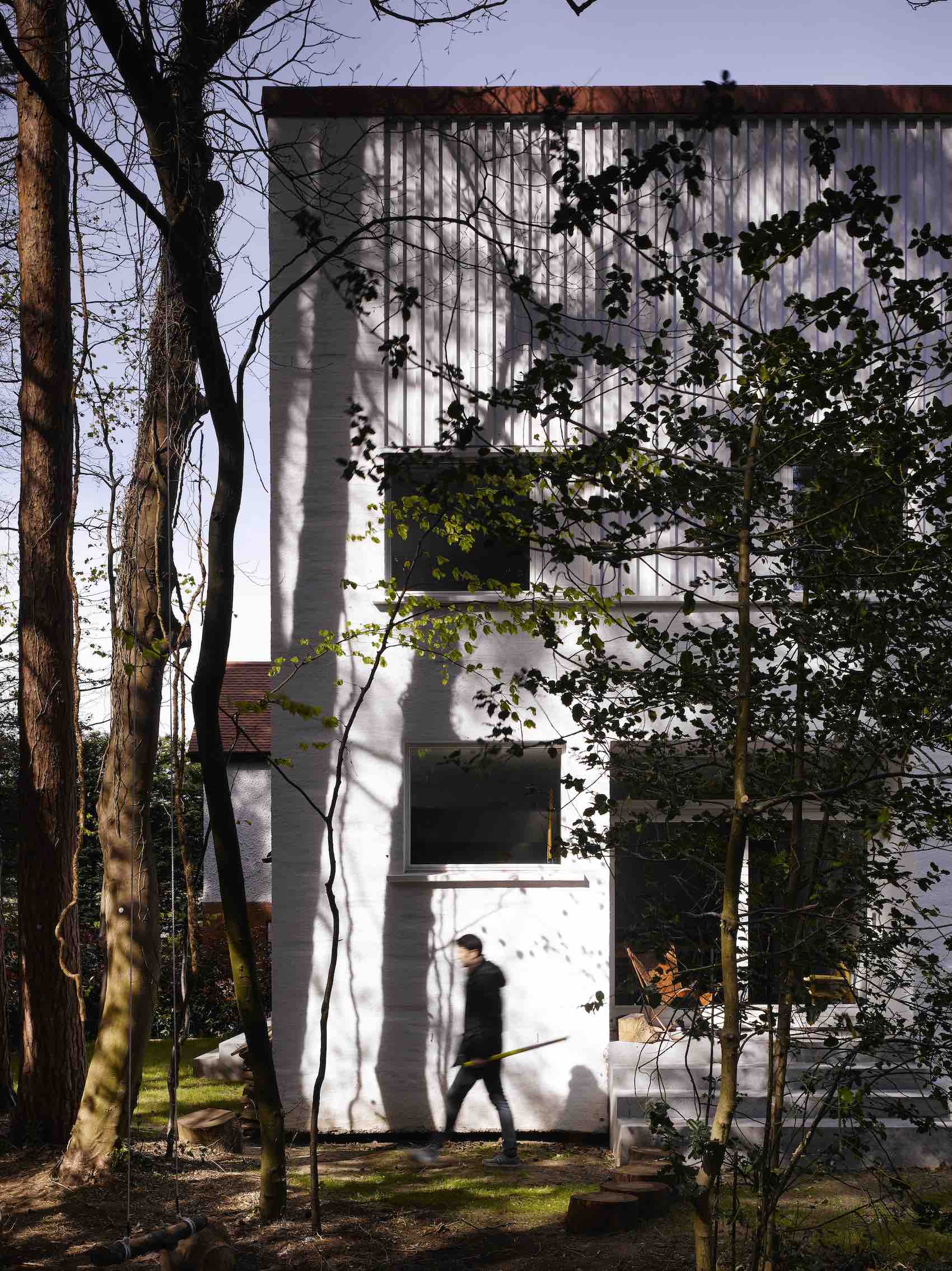
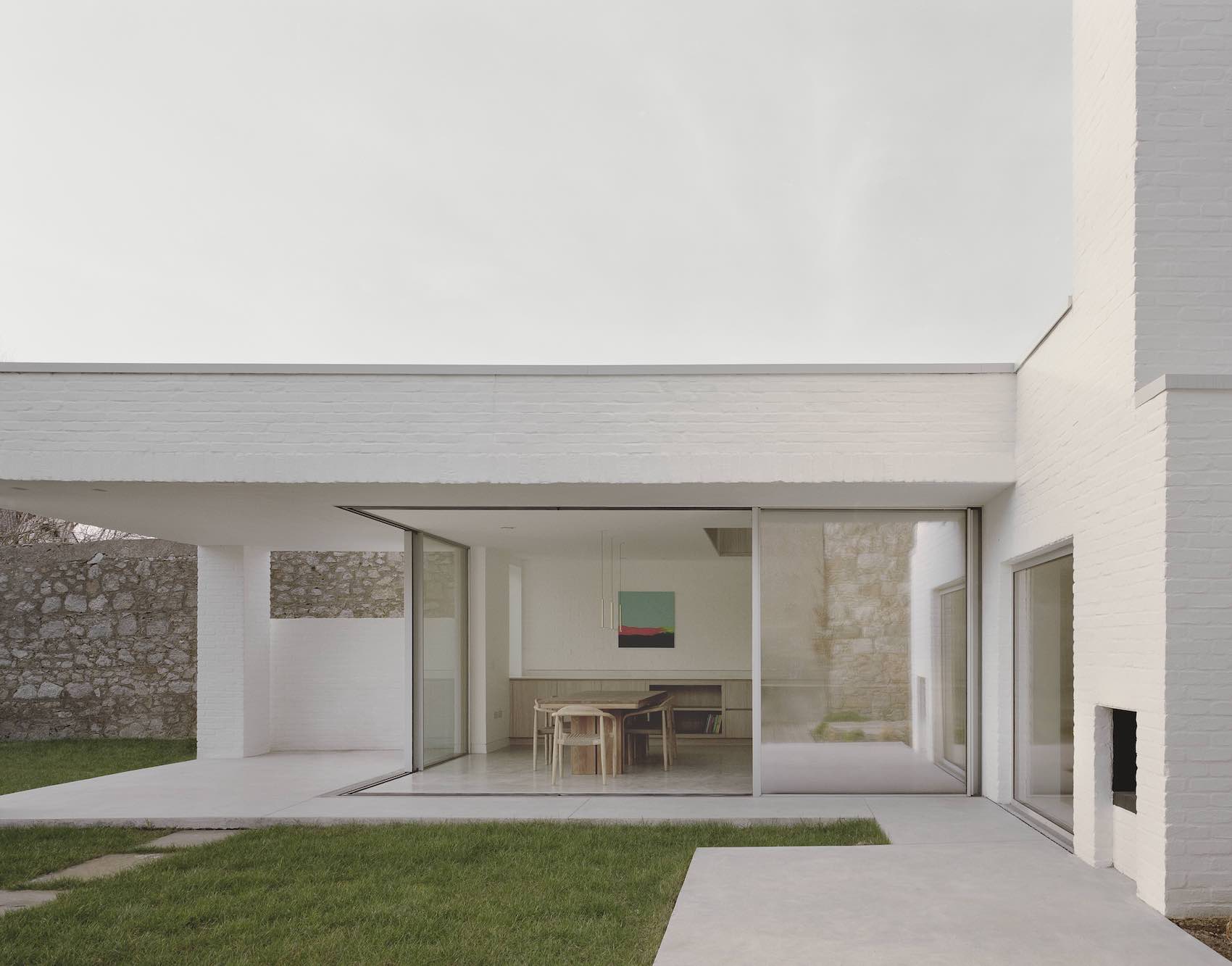
Left; House in the Woods, completed 2017 (Photo: Ros Kavanagh). Above: Meadow of Eva, a light-filled, chalky extension and refurbishment of a private house in a Dublin coastal village (Photo: Simon Menges and Nino Tugushi)
How have your approaches to architecture changed from when you started out, and what has remained the same?
We still approach architecture in much the same way that we started our practice. Mark and Patrick started out working for deBlacam and Meagher Architects in Dublin, and Jane in Hall McKnight (Hackett and Hall) in Belfast and O’Donnell + Tuomey in Dublin, and so we all come from a background of practice which valued craft and thoughtful design. We are increasingly interested in projects where careful intervention can have lasting value, particularly within existing or historically sensitive settings.
Where do you get your best work done and what is it about this space that you enjoy?
Much of our work develops through drawing and conversation – testing, questioning, and refining ideas together. That shared process is important. As a practice, our work is often shaped by movement between places. Time spent travelling between Belfast and Dublin – particularly on the train – has become a quietly productive and enjoyable part of the process, offering space for reflection and continuity between studio environments. With two studios, we also work extensively online, maintaining an ongoing dialogue between us all that supports projects as they develop across locations.
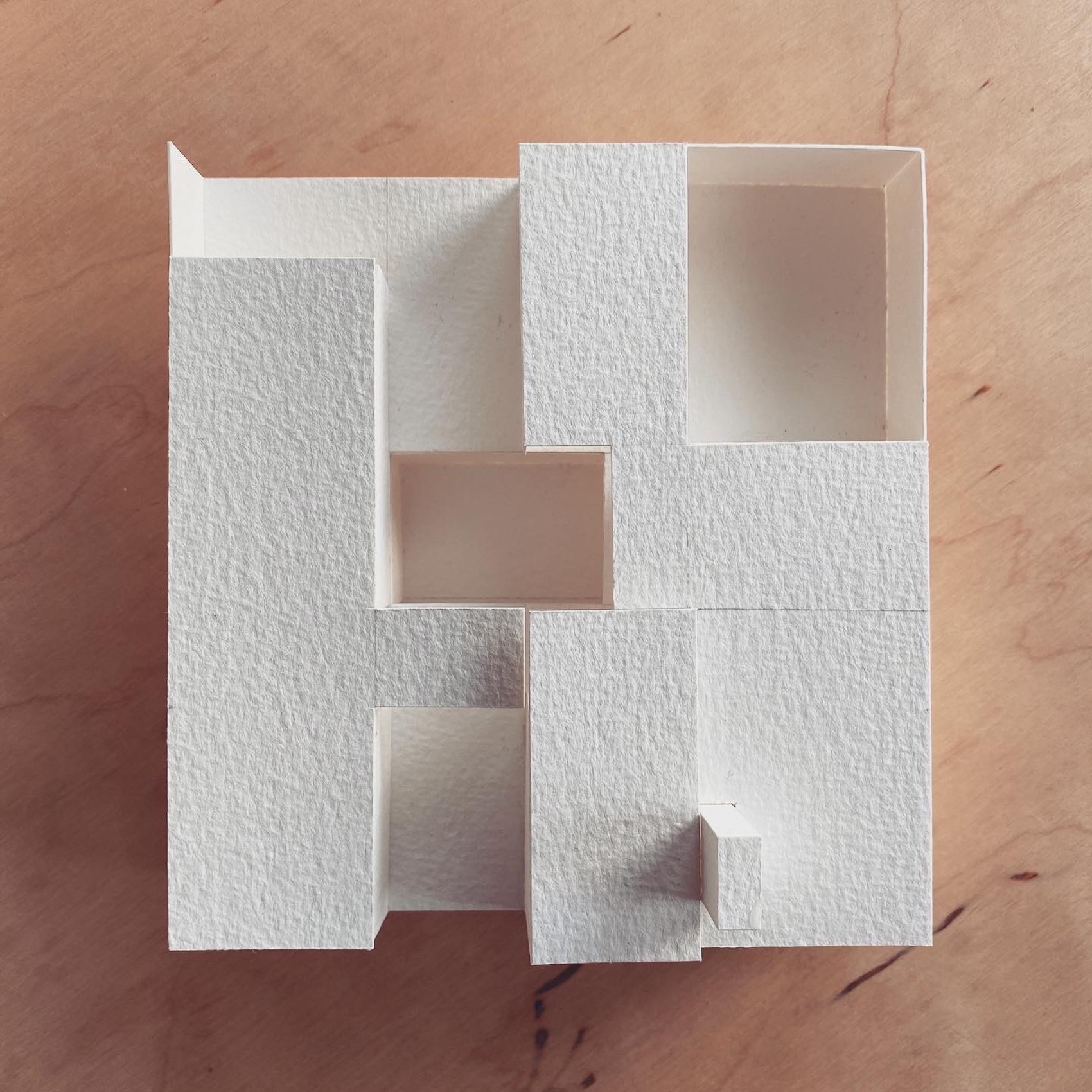
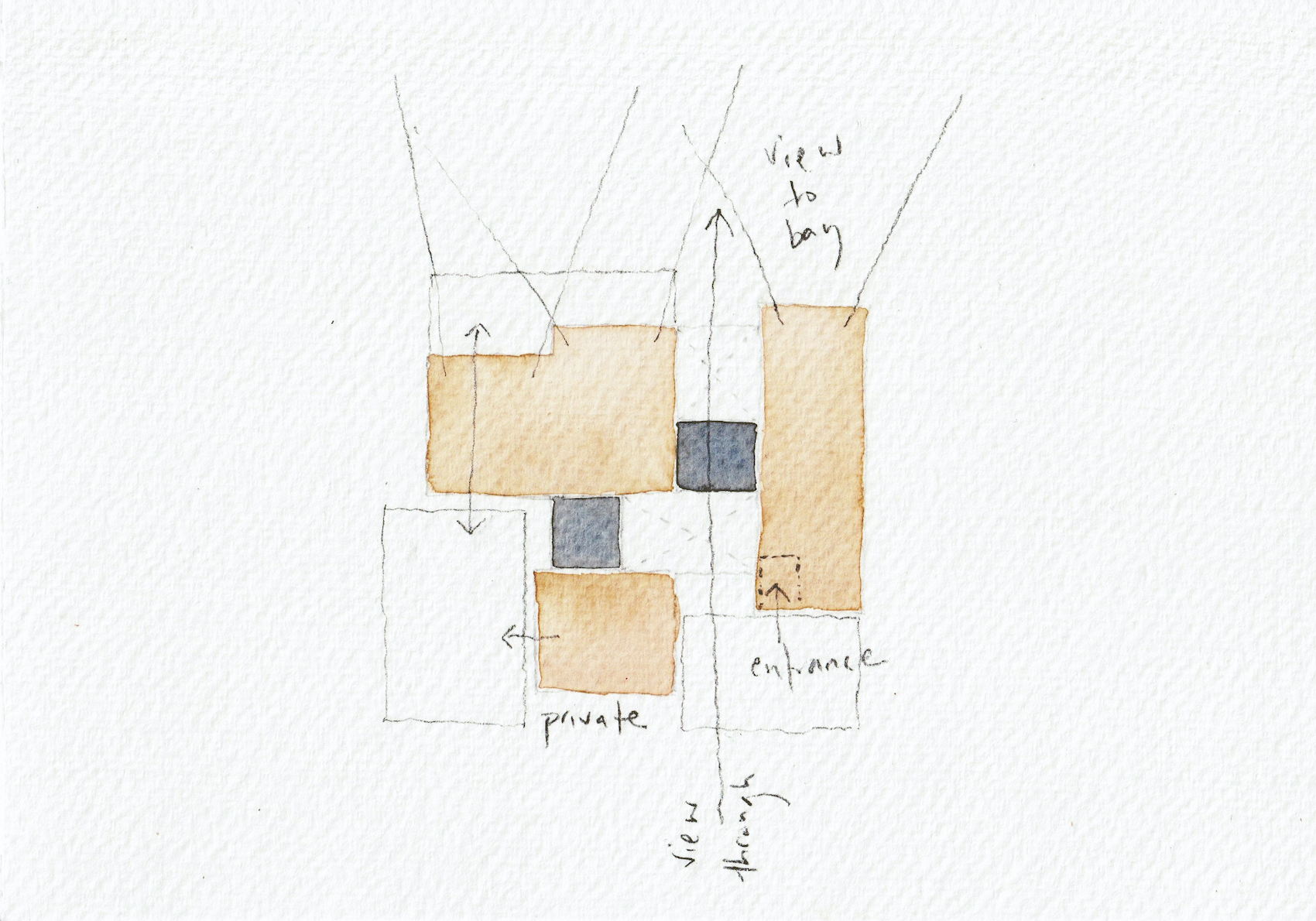
Above: Model of Living in a Landscape. Right: combined watercolour diagram.
Do any projects stand out as having been particularly influential on the practice’s direction?
Our house in South Dublin called ‘Living in a Landscape’ has proved to be a formative project. This house was on a very steep site overlooking Dublin Bay and it was really informed by the landscaping with stepped terraces and courtyards leading from the entrance at the top of the site, down to an outdoor living area at the bottom of the garden. We wanted the project to nestle into the site and it has bedded in beautifully as the garden has matured over the last few years. The project reinforced an interest in landscape and context, and in making interventions that are both precise and understated. That sensibility has carried through into subsequent work, particularly in projects involving existing and historically significant contexts.
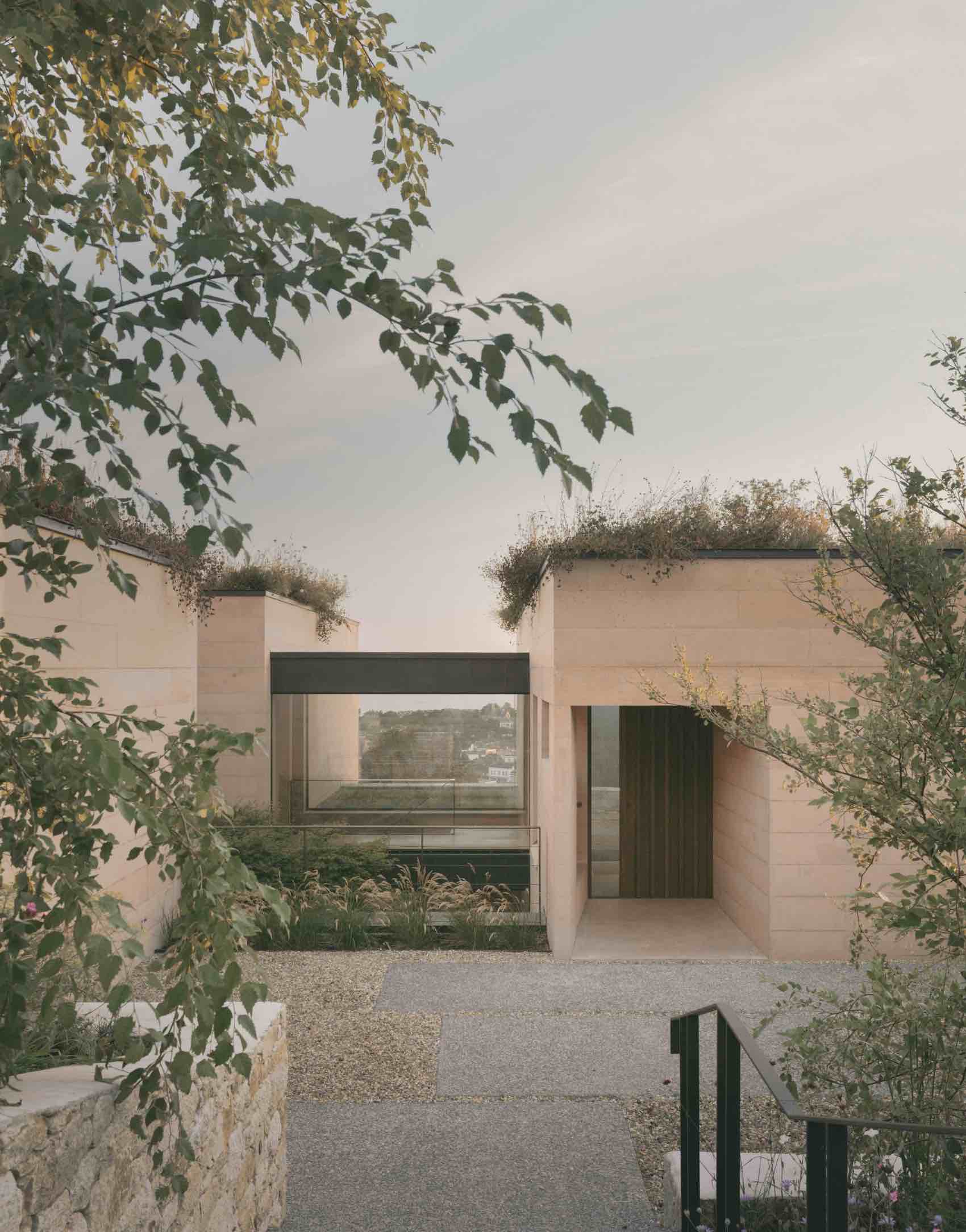
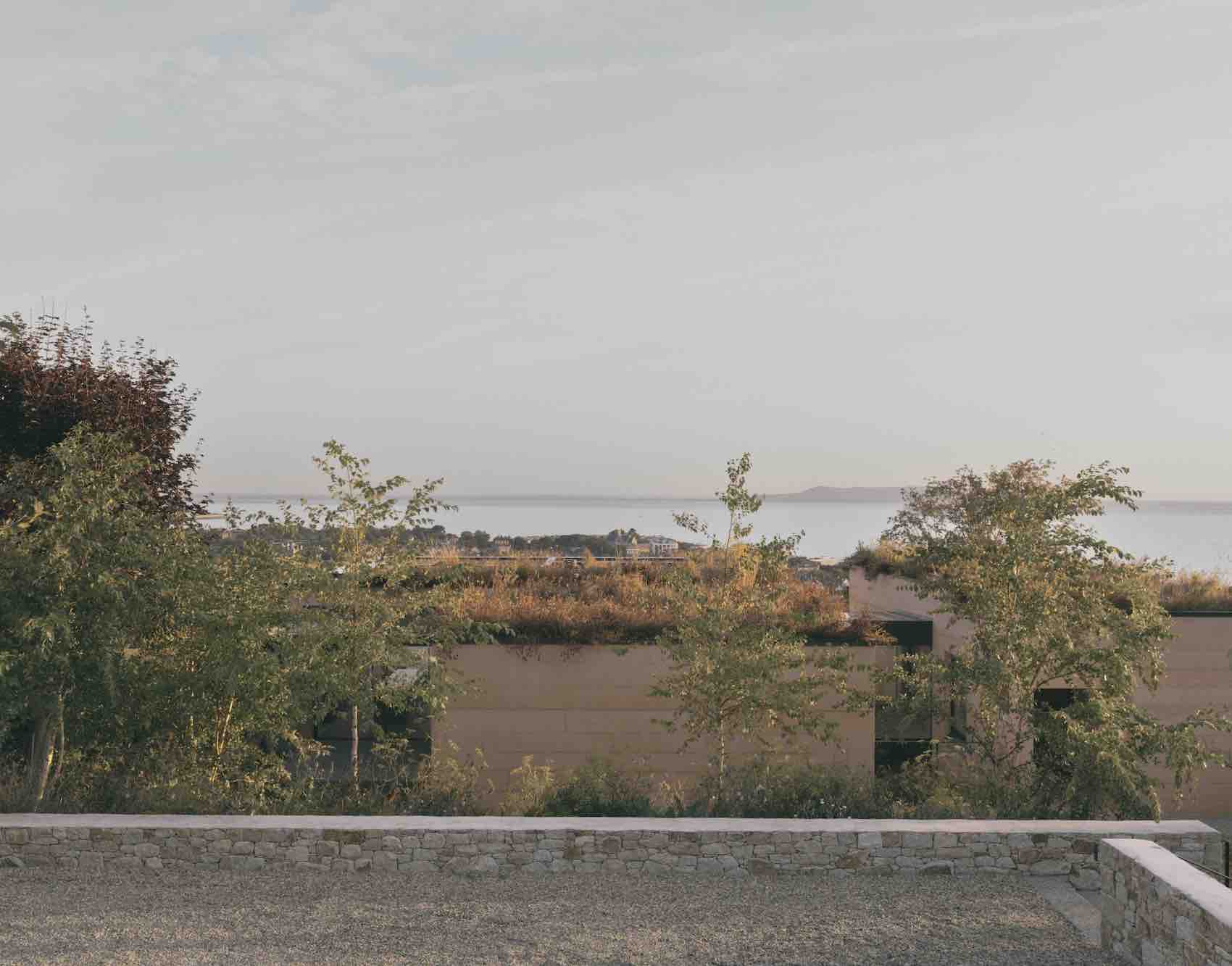
Living in a Landscape, completed 2023 (Photos: Simon Menges)
As an educator and practicing architect, is there a lesson you think all students of architecture should learn at the start of their careers?
To value patience and observation, and to develop judgement. Architecture is not immediate – it requires time to understand a place, to test ideas, and to refine them, understanding which ideas matter and why. Equally, learning to listen – to clients, collaborators, and context – is important.
Are there any changes you’d like to make at this milestone? What are your ambitions for the next ten years?
The ambition is to build on what is already established rather than to shift direction. In particular, our work in conservation, with historic buildings, fabric and landscapes. There is a growing interest in how existing buildings and landscapes can be carefully adapted and extended. We hope the next ten years will focus on developing this expertise further, taking on projects where continuity, repair, and long-term stewardship are central in private and public projects.
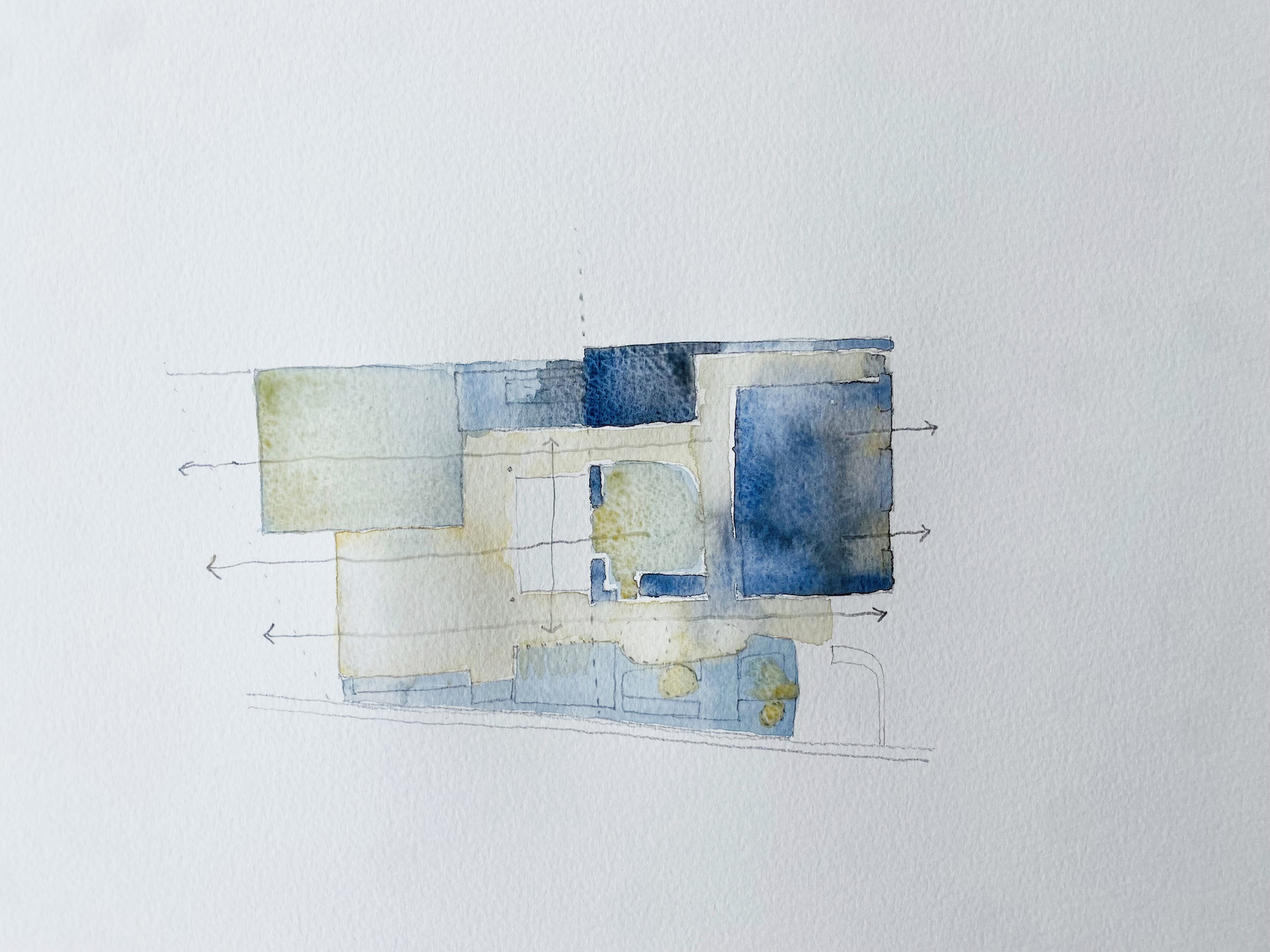
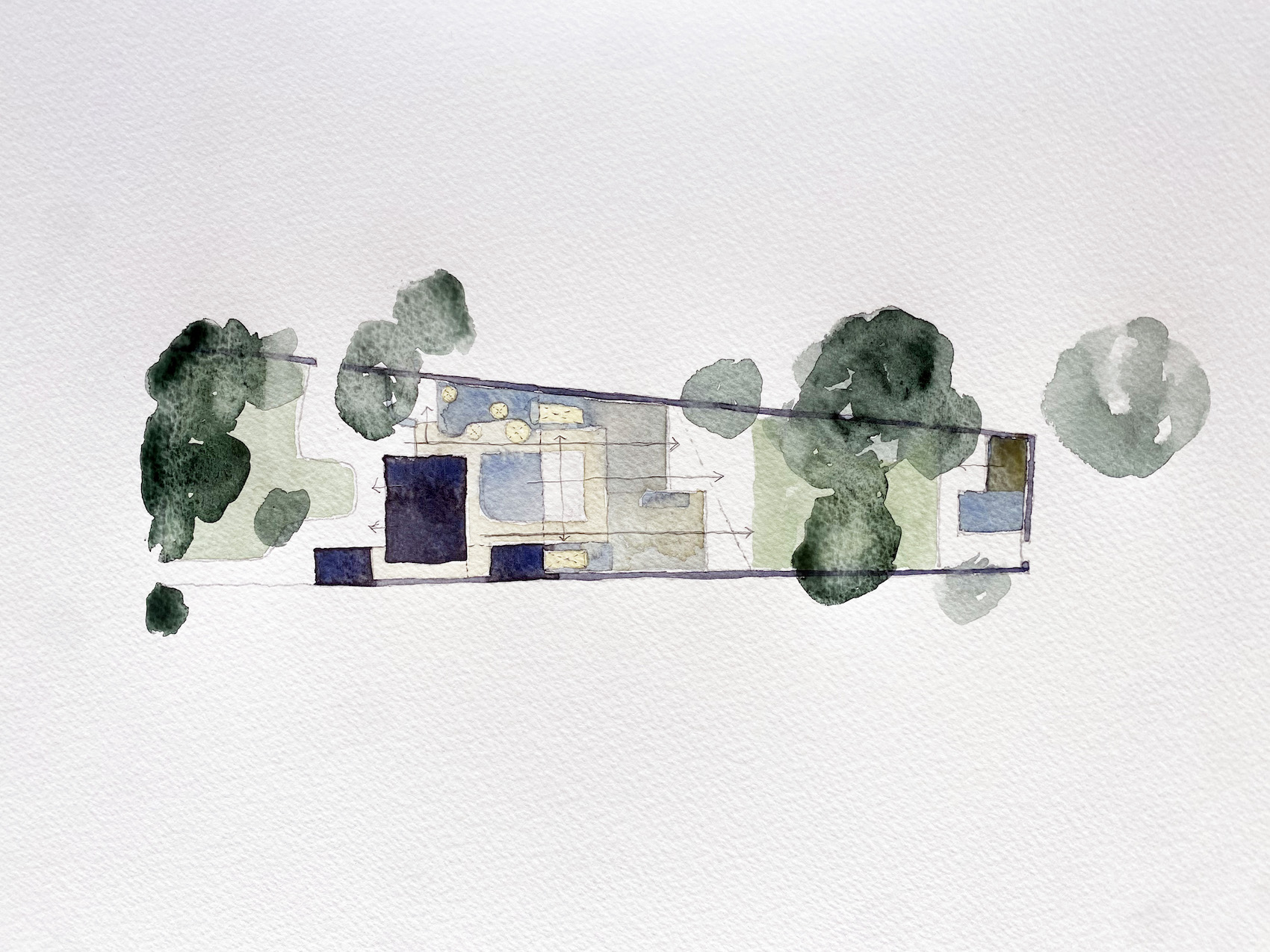
For Larmour, watercolours are a key tool, and an initial stage in any project. The above are studies of ALWA’s Palmerston site.
How has the industry changed since you started out?
There is now a much stronger emphasis on sustainability and stewardship, which aligns closely with the practice’s focus on reuse and conservation. There is now a much stronger emphasis on sustainability, particularly in relation to reuse and the value of existing fabric, not just historic fabric that is safeguarded by listing or statutory protection, but ordinary buildings which have huge value in terms of reuse. These interests align closely with our work in conservation.
Clients’ expectations and understanding in relation to sustainability and responsibility have grown in a way we welcome, and there is a much more general understanding that working with what already exists is a pretty good starting point for most projects. Jane co-founded and teaches a Master’s studio at Queen’s University Belfast called ‘In Praise of Adaptation,’ which explores this territory, particularly across built heritage in Northern Ireland.
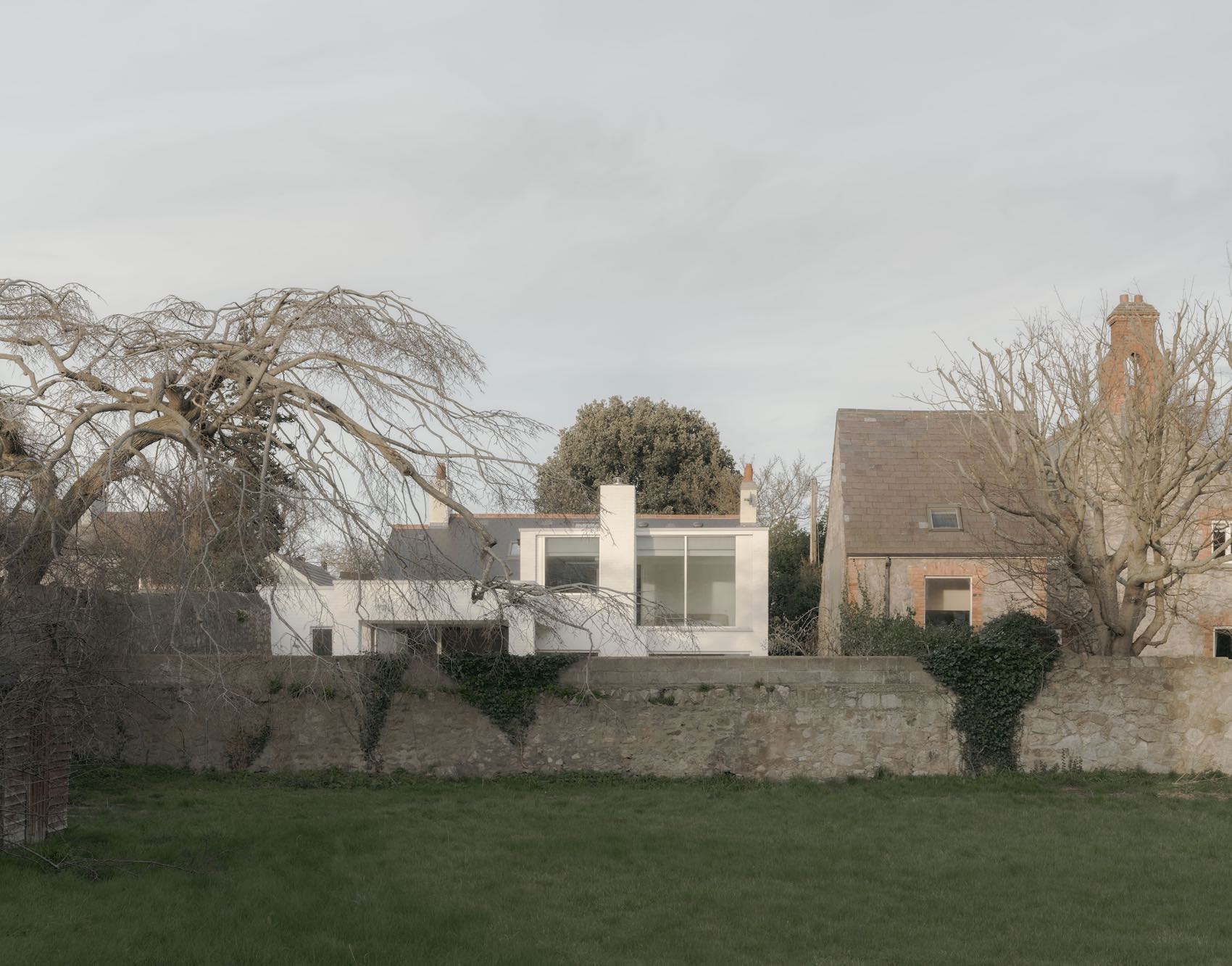
Meadow for Eva, completed 2023 (Photos: Simon Menges)
Is there anyone of whom you are particularly proud to be a contemporary of? Does a particular project come of theirs to mind?
There is a generation of practices working across Ireland with a similar sensitivity to place, context and existing fabric. That shared shift – towards reuse, restraint, and material intelligence – is encouraging, particularly as it begins to shape the broader discourse. Further afield, we went out to the World Architecture Festival in Singapore to present one of our houses and enjoyed meeting Takuhara Tezuka of Tezuka Architects. They gave a talk about their beautifully constructed Sushi hotel situated by a river in a deep ravine which was very much of its place.
What are you working on at the moment?
We are currently working on a number of large conservation-led projects involving existing buildings, where questions of adaptation, repair, and extension are central. We all really enjoy this work. We have just finished restoring a beautiful townhouse on a square in South Dublin and are beginning the restoration of a listed estate in Country Down in Northern Ireland. Alongside this, there are new-build residential projects that continue to explore the relationship between architecture and landscape, building on themes first developed in earlier work.