Khan Bonshek’s retrofit of Milton Keynes’ Pyramid House, originally designed for the 1981 Homeworld, carefully reworks the postmodern prototype for contemporary living through a considered reorganisation of space, light and movement.
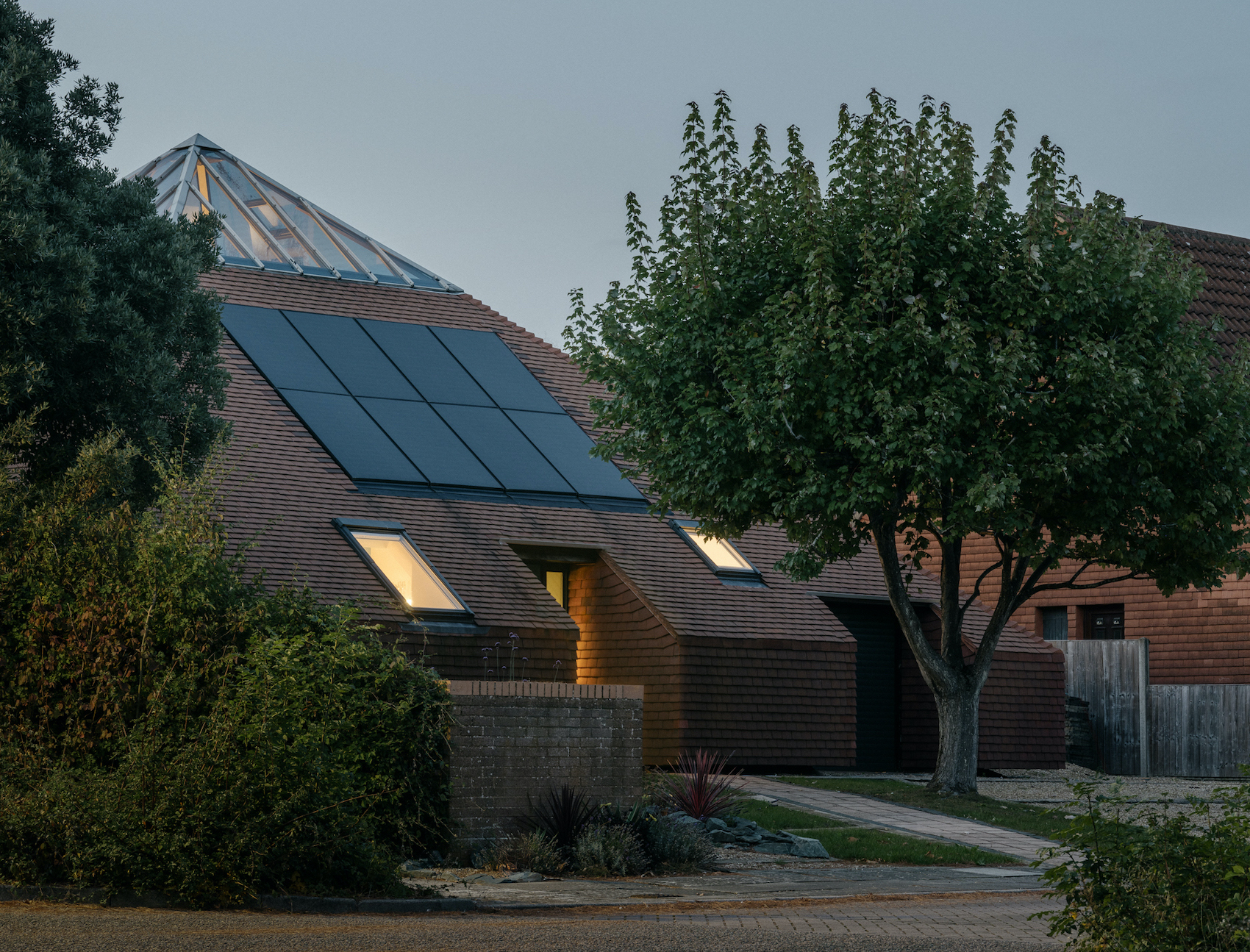
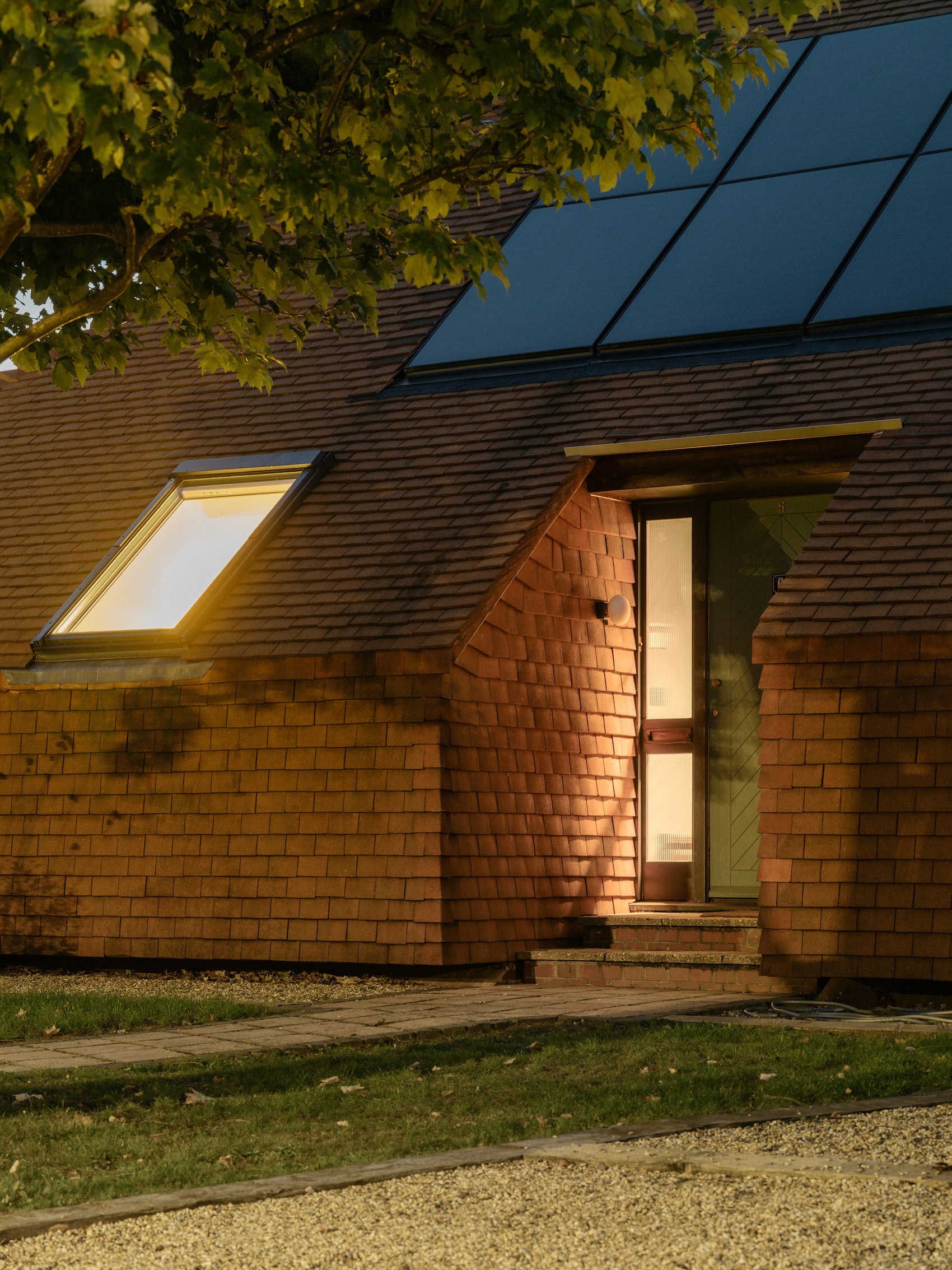
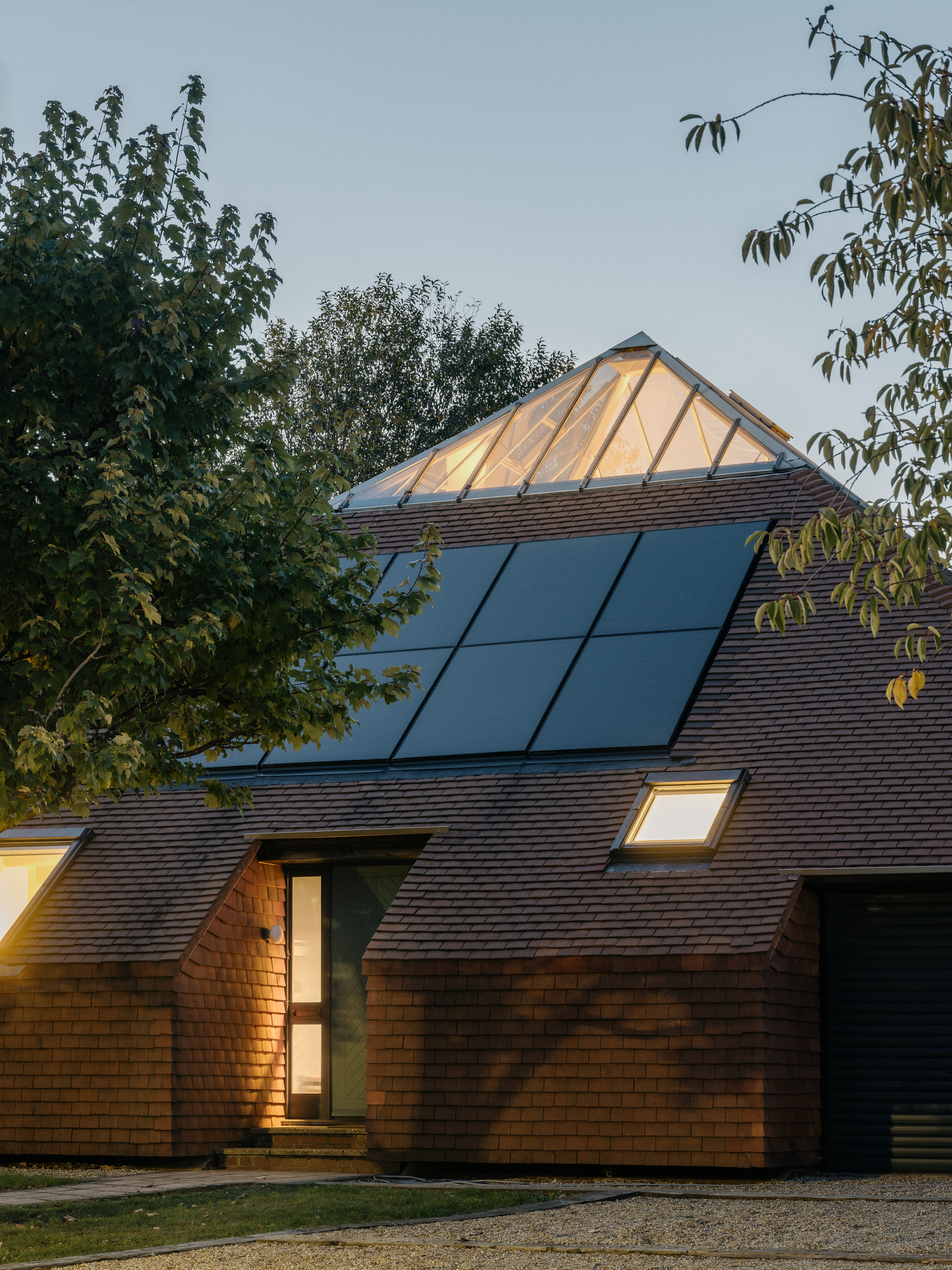
Originally constructed for the 1981 Homeworld Expo in Milton Keynes, Pyramid House forms part of an experimental postmodern housing development intended to speculate on the future of domestic living. More than four decades later, Khan Bonshek has retrofitted and reconfigured the five-bedroom property for contemporary occupation, balancing the preservation of its distinctive architectural identity with the practical demands of everyday life.
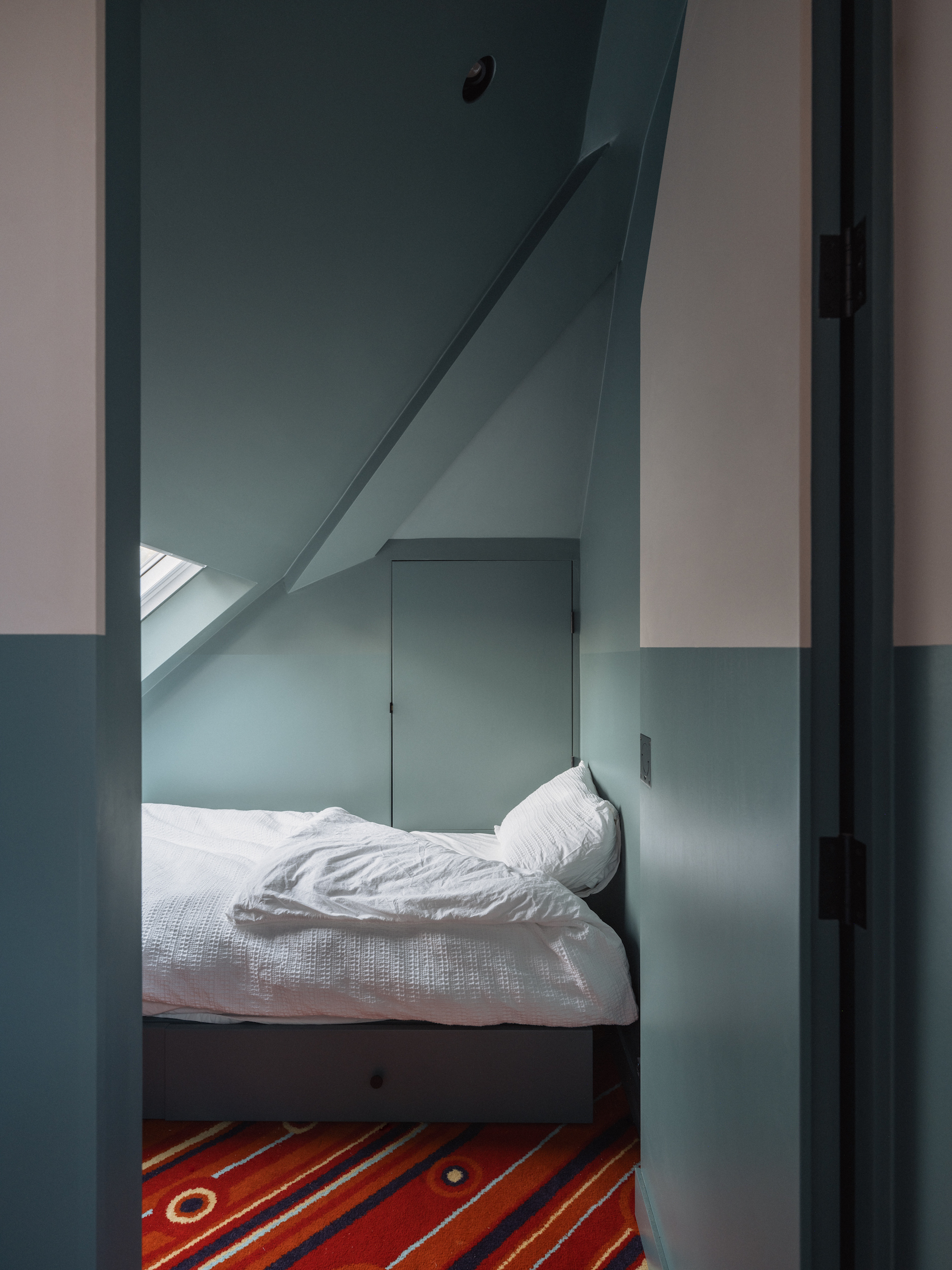
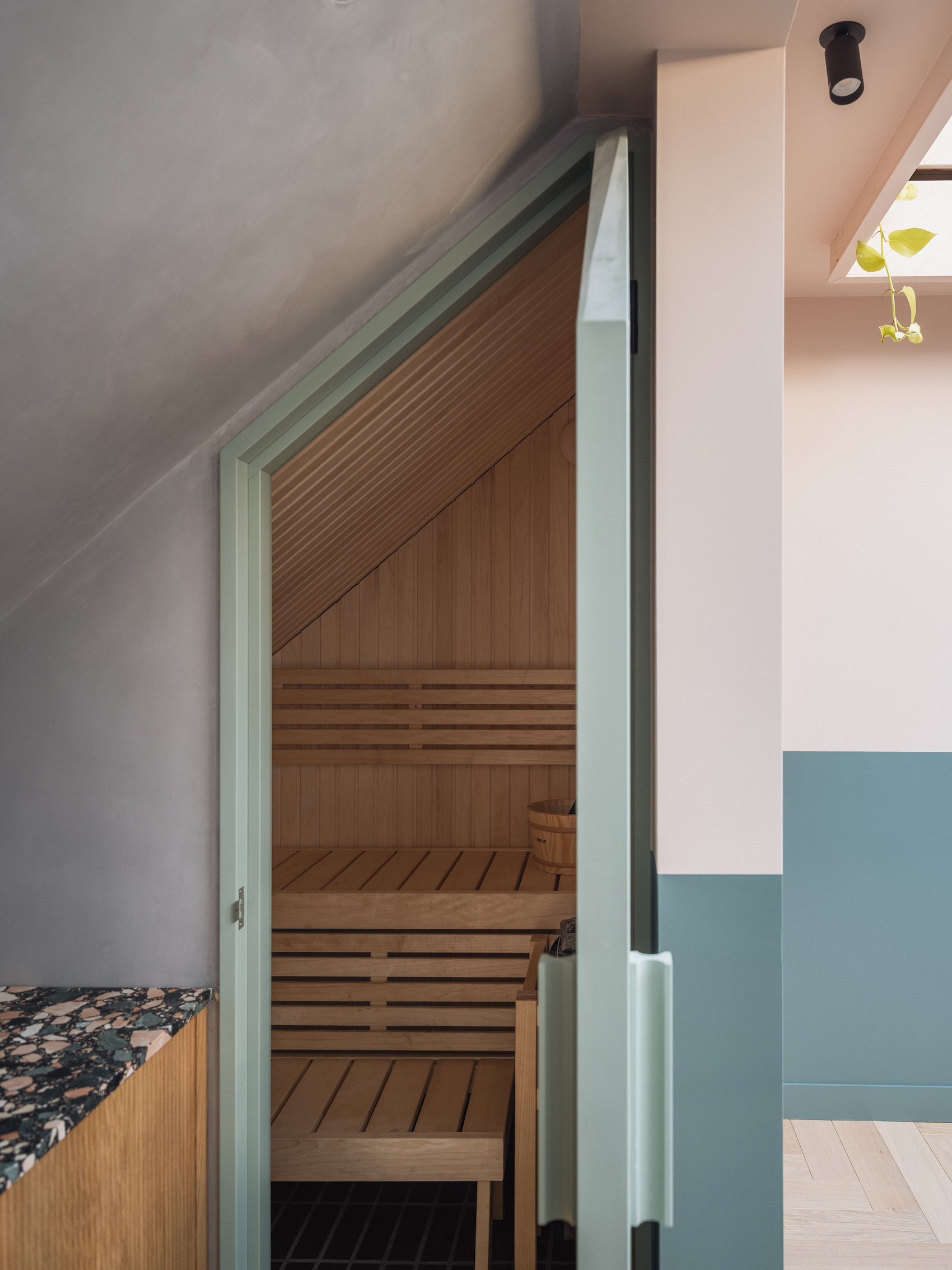
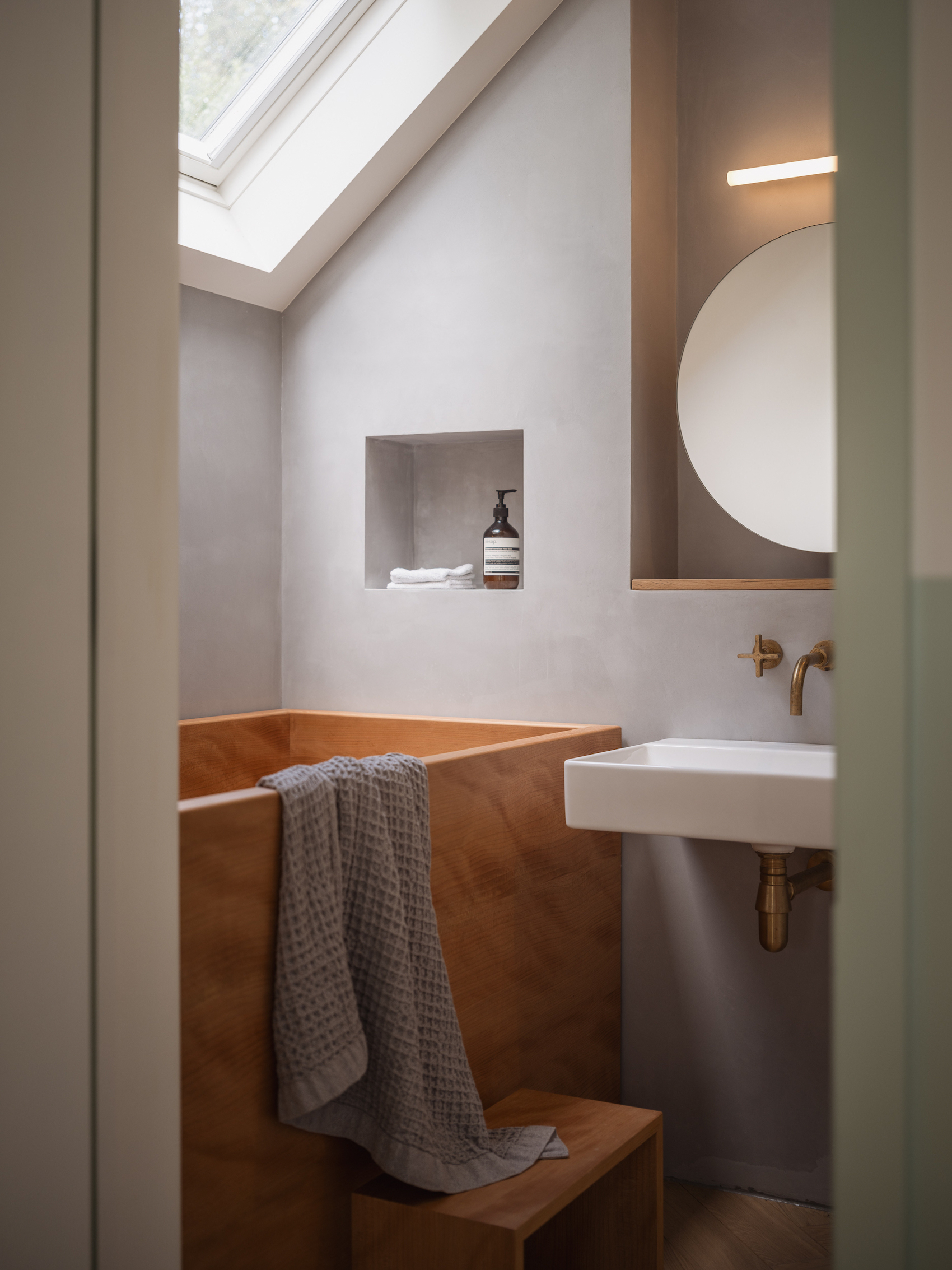
One of 36 prototype houses commissioned by Milton Keynes Development Corporation, the building is defined by a steeply sloping roof and unusual triangular geometry. These characteristics produced a fragmented interior arrangement, with compressed circulation and awkward residual spaces accumulating within the tapering volumes. Khan Bonshek’s intervention addresses these inconsistencies through a careful reorganisation.
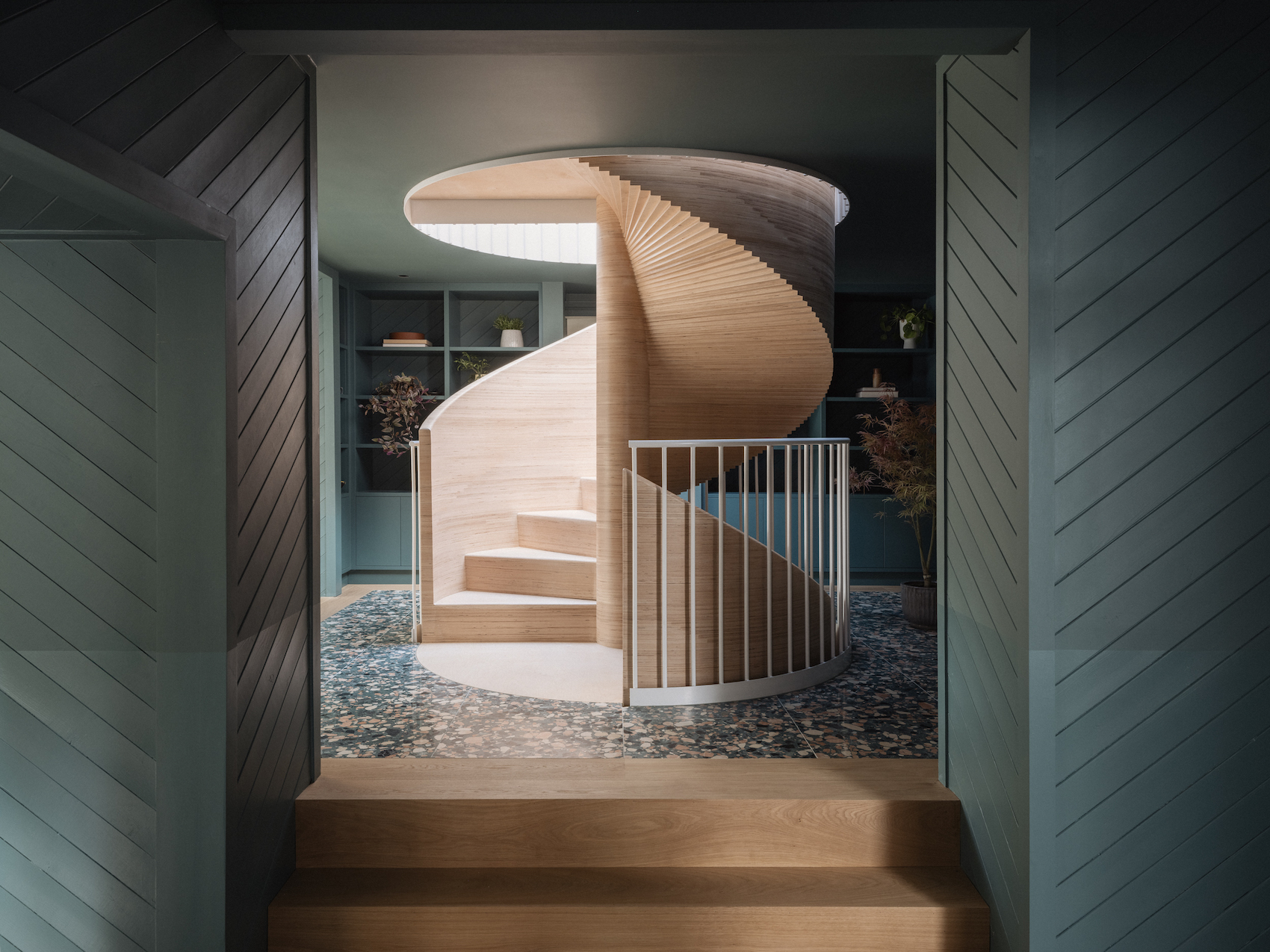
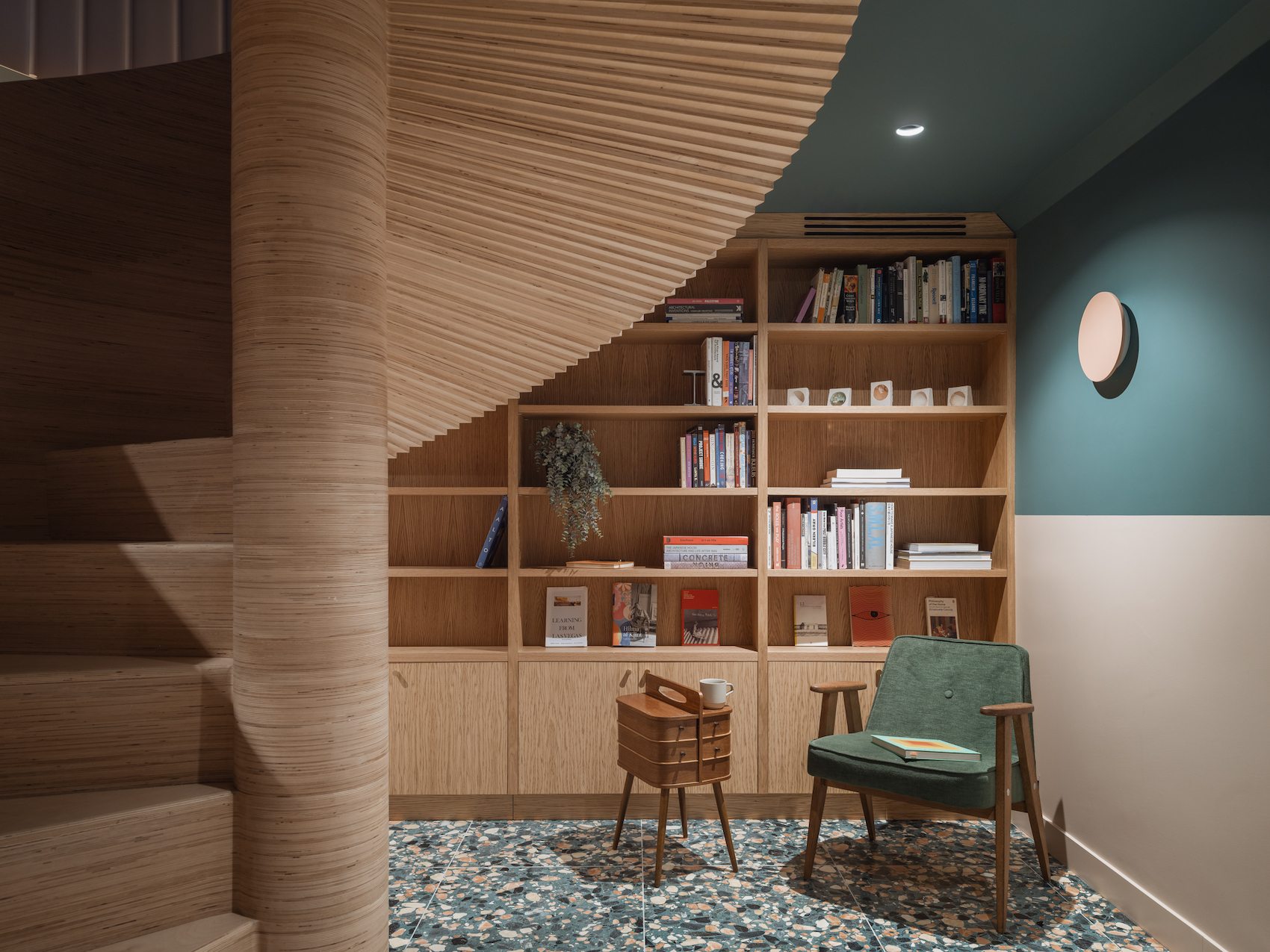
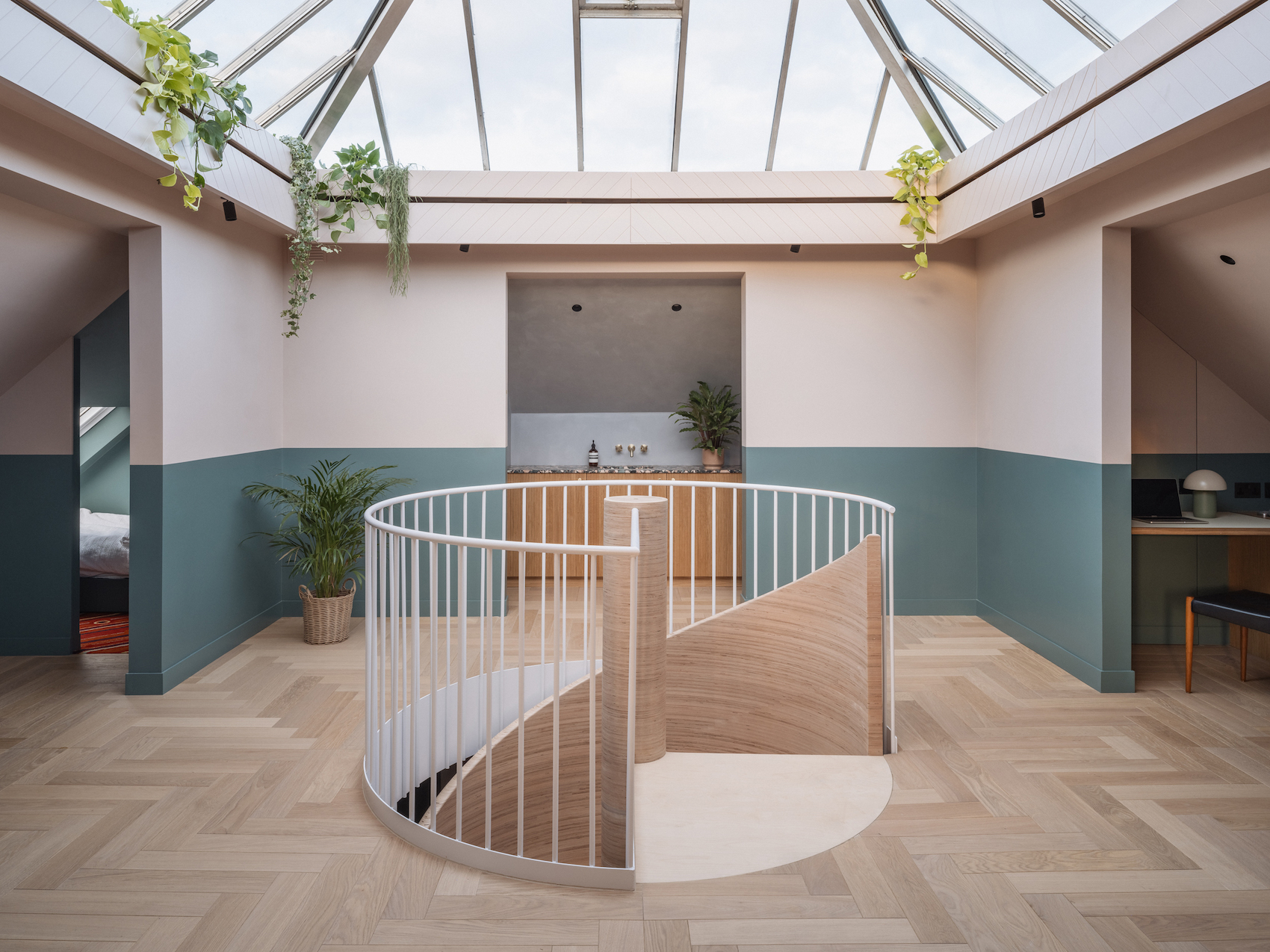
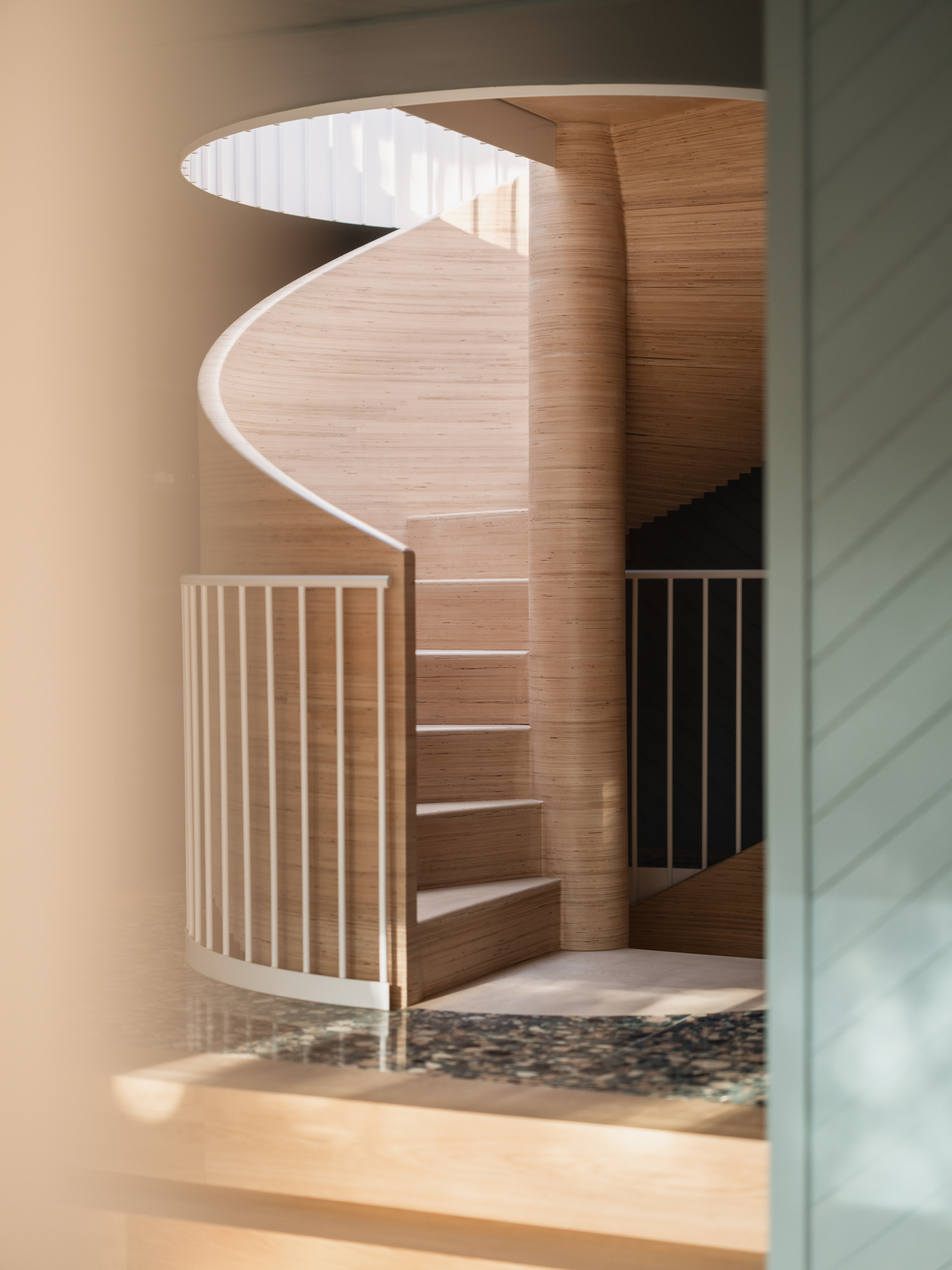
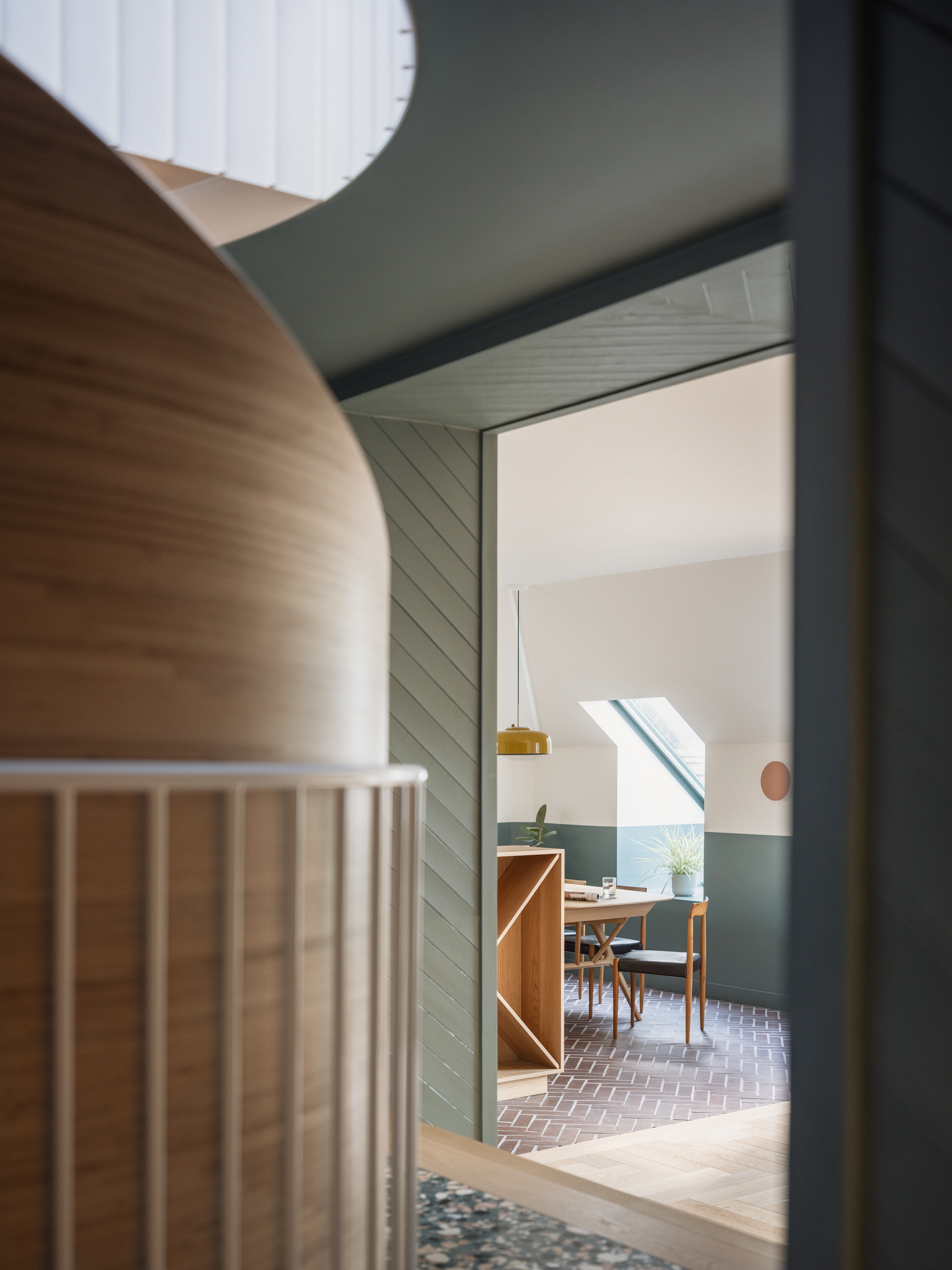
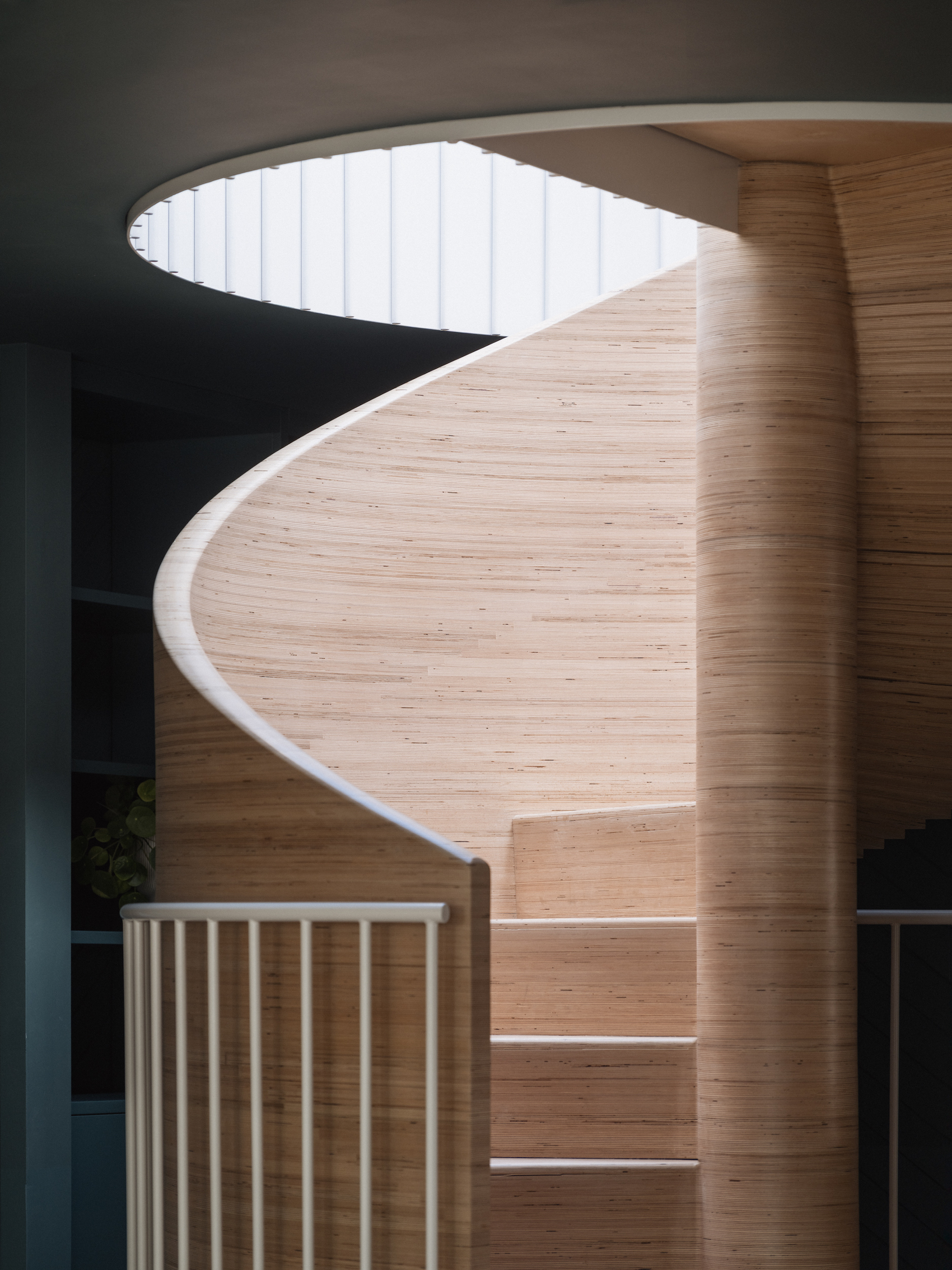
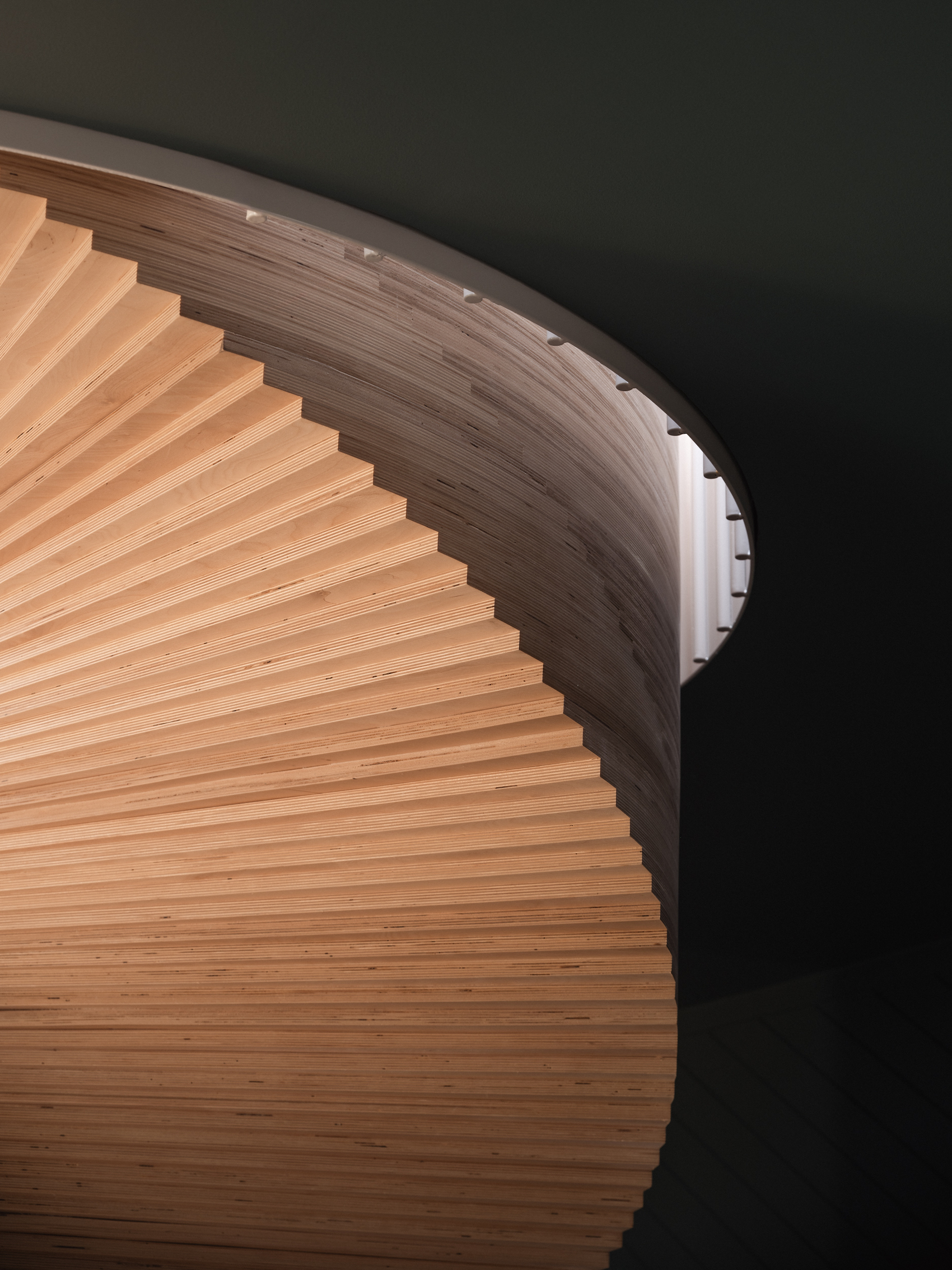
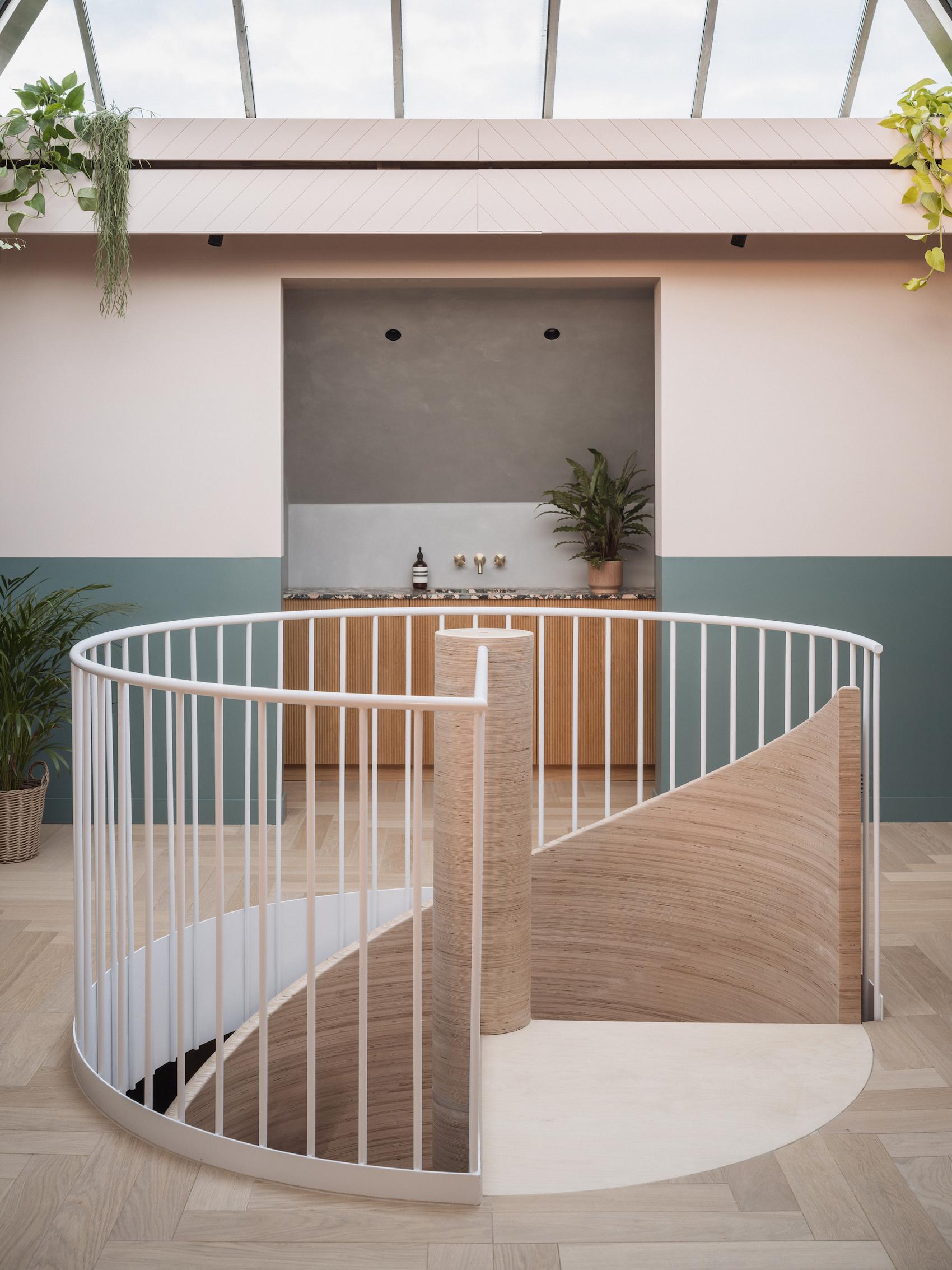
The project began with a study into the potential of the eaves spaces before expanding into a full reorganisation of the house. The refurbishment revolved around a new circulation route around a spiral staircase made of layered birch plywood, inserted through the core of the plan. Designed as a sculptural element, the staircase rises through all three floors beneath the apex rooflight, tunneling daylight deep into the building and establishing relationships between rooms previously thay were experienced as isolated episodes.
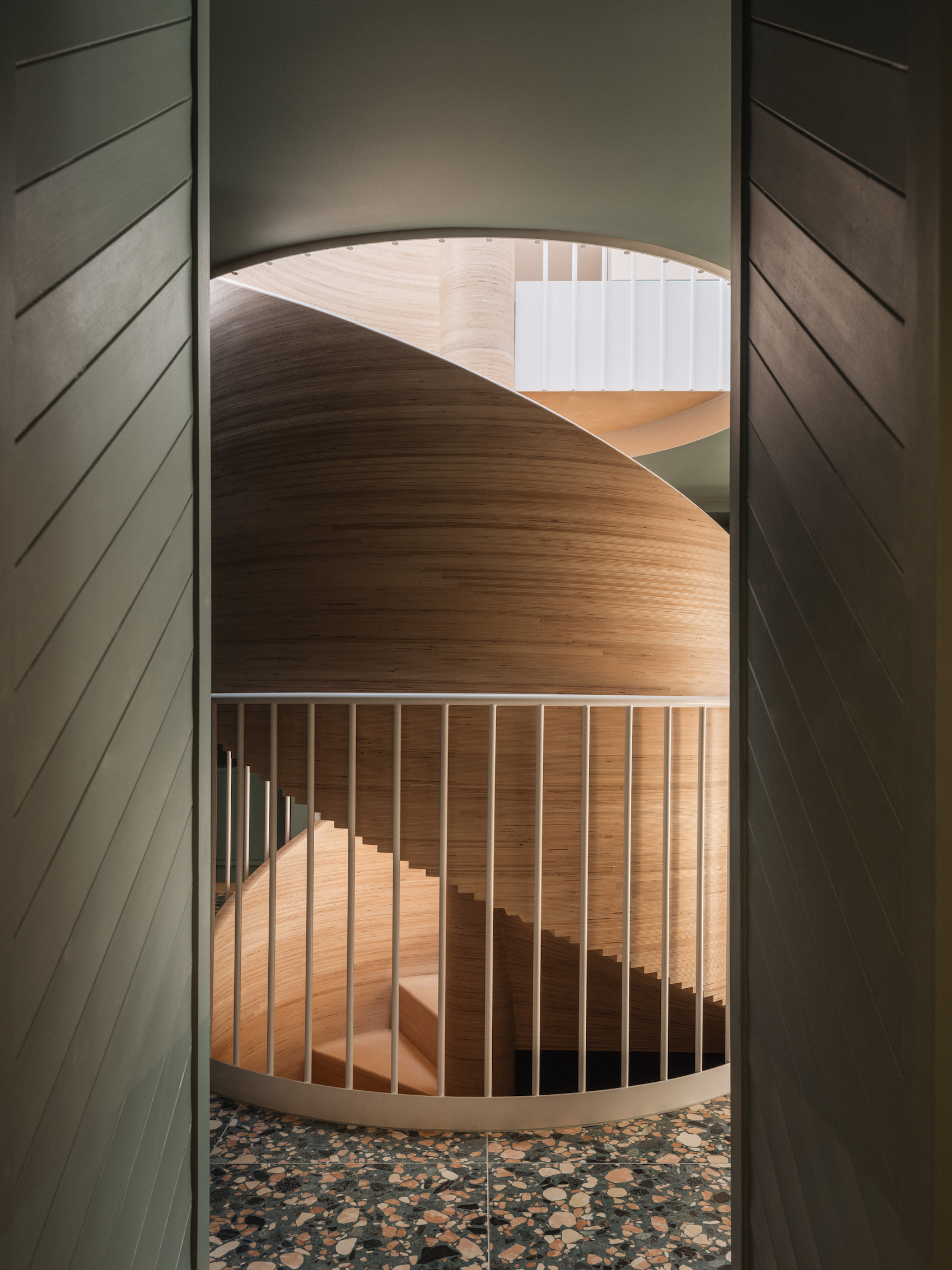
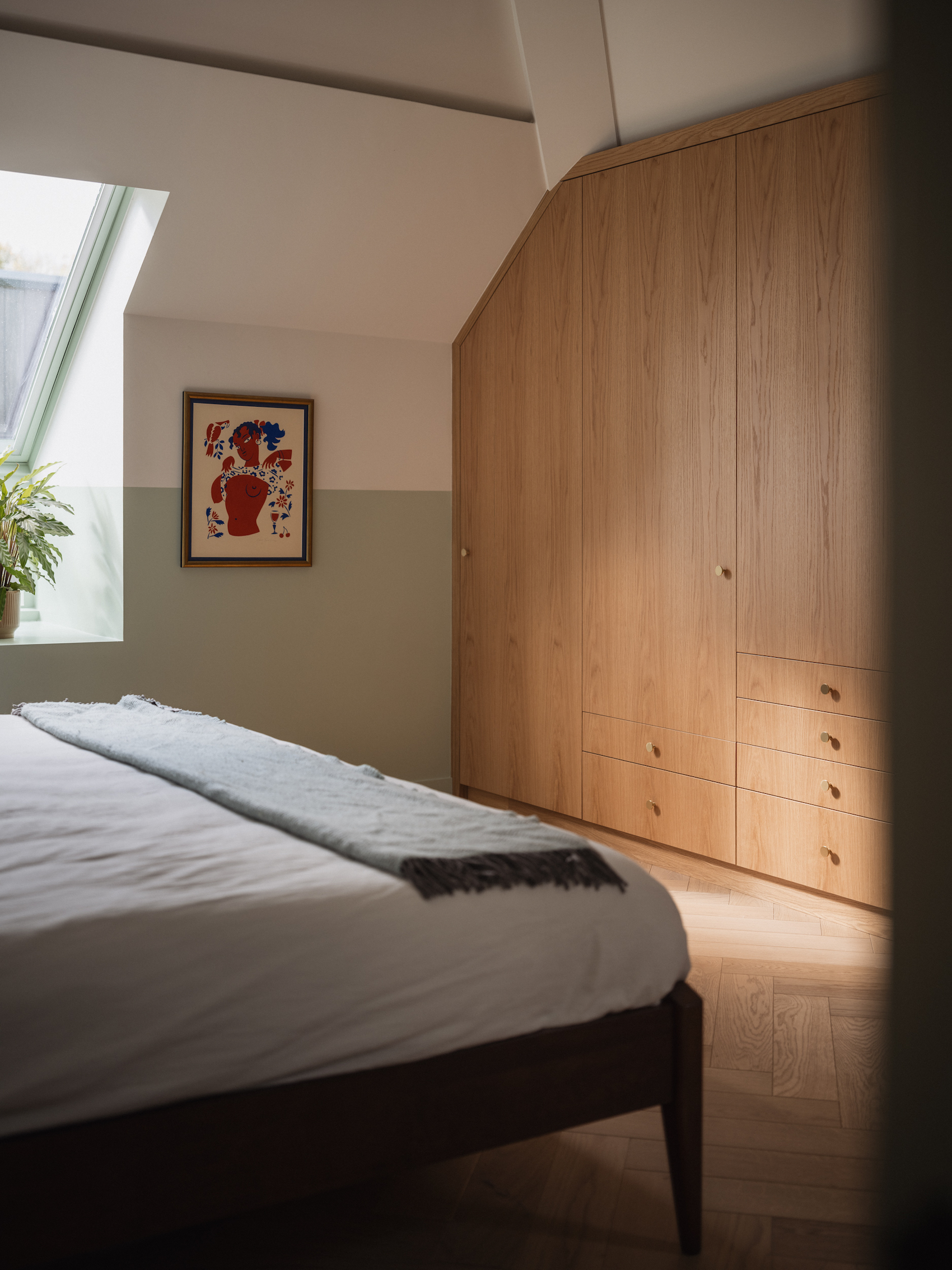
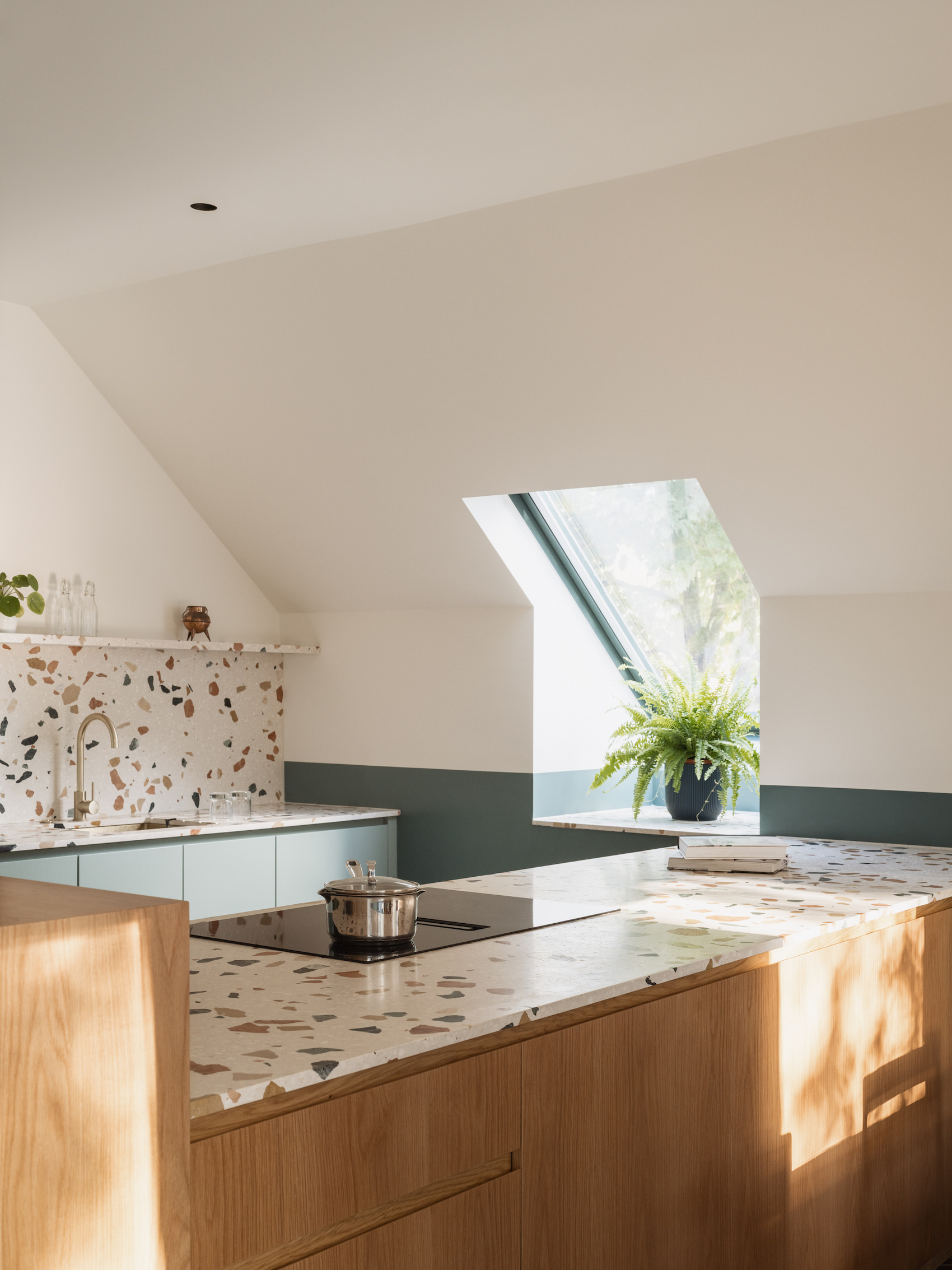
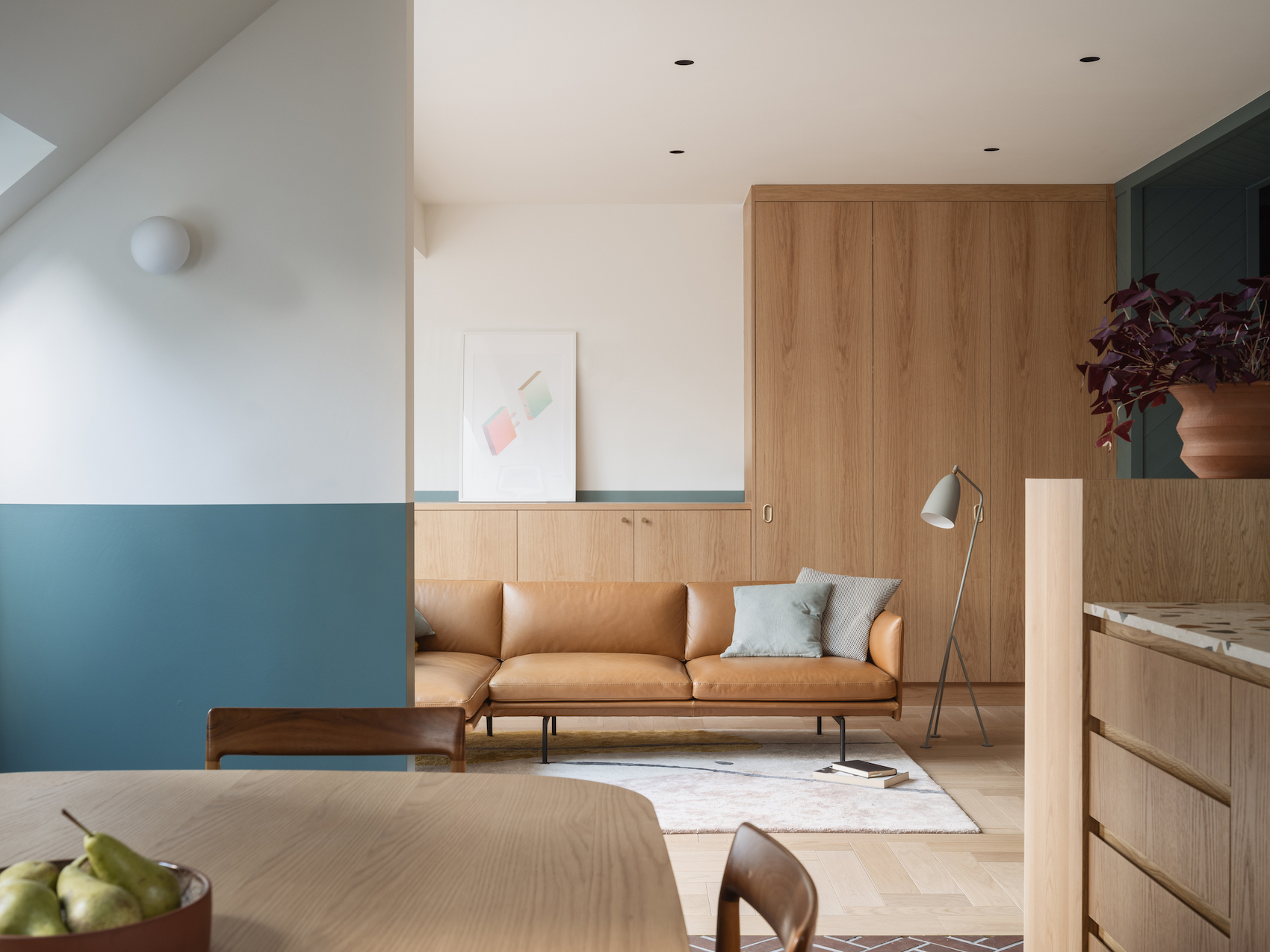
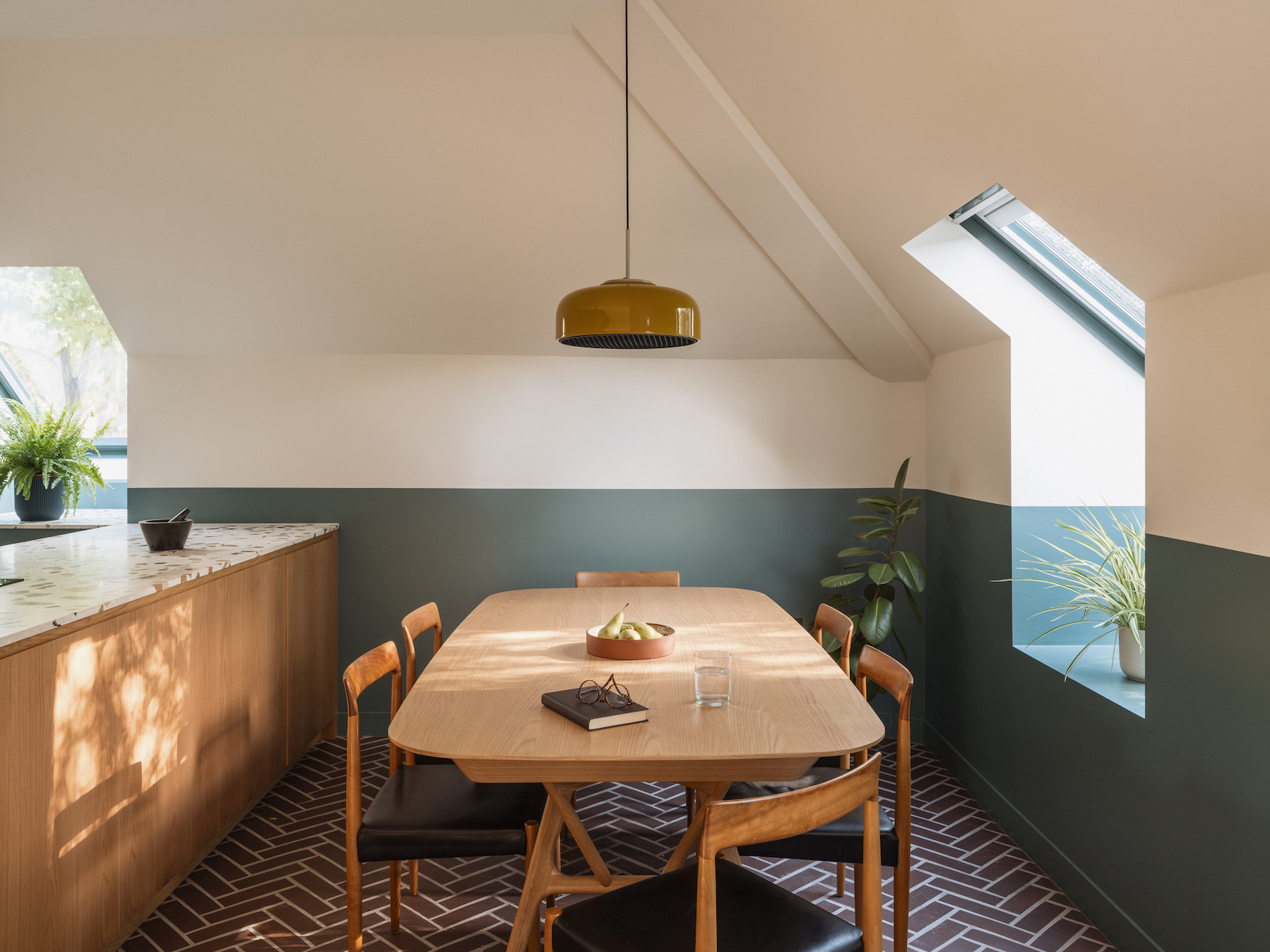
The house has been reorganised vertically between working, living and sleeping spaces. The lower ground floor accommodates a library, while the floor above opens into a more fluid arrangement of kitchen, dining and living areas connected directly to the garden. Bedrooms occupy the upper levels, where the narrowing roof profiles are used to create smaller, more intimate spaces.
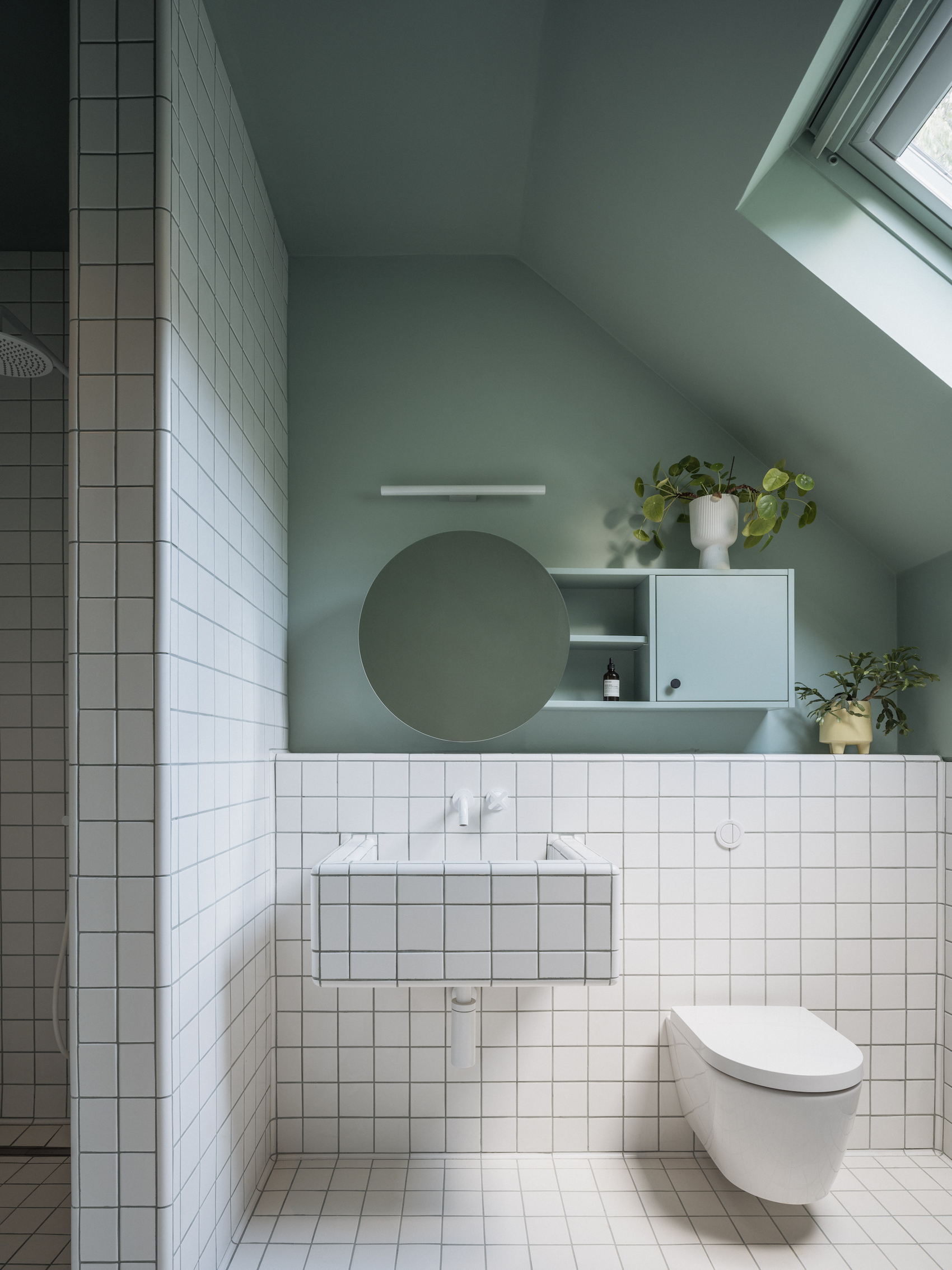
Alongside the spatial reworking, the retrofit significantly improves the building’s environmental performance with ground source heat pumps, upgraded insulation and improved airtightness reducing operational energy demand while enabling the house to function as a low-energy contemporary home without compromising its architectural character. Khan Bonshek demonstrates how experimental late-20th-century housing can be carefully reoccupied, preserving its optimism and formal distinctiveness while accommodating contemporary life.
Credits
Client
Private
Architect
Khan Bonshek
Interiors
Khan Bonshek
Structural Engineer
Banfield Wood
Principle Contractor
Manchester Interior Contracts
Additional images