Dublin-based BothAnd Group reflects on research as a design tool, the value of interdisciplinary practice, and the importance of understanding existing systems before intervening.
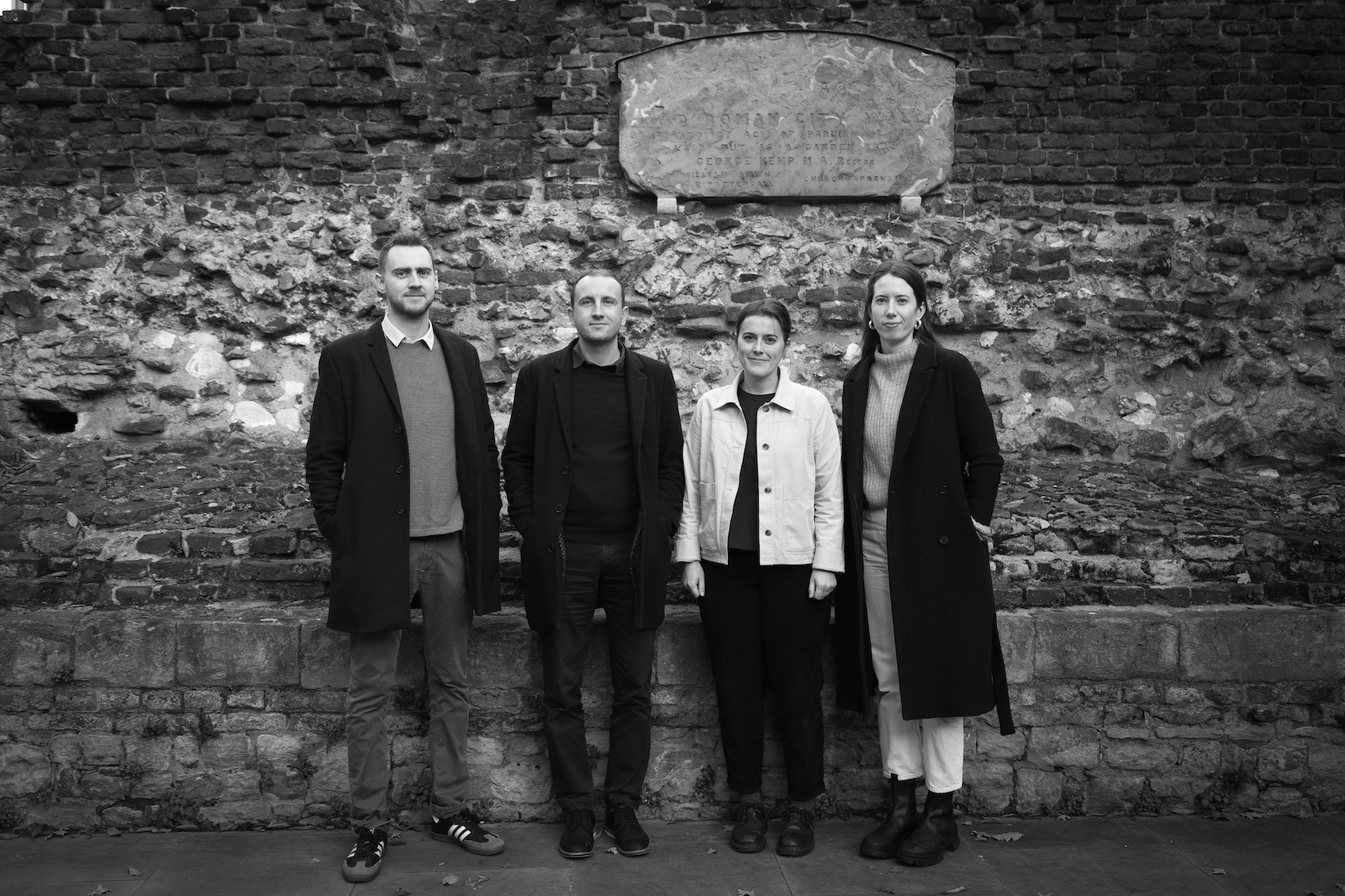
BothAnd Group pictured, left to right, Andrew Ó Murchú, Jarek Adamczuk, Alice Clark, and Kate Rushe. Credit Matt MacPake.
Describe BothAnd Group; who are you and what do you do?
BothAnd Group is a research-led design practice. Our work spans across built projects, research, and teaching studios. We are interested in developing spatial propositions that are grounded in systems thinking – particularly around landscape architecture, regenerative material cycles, food systems, and the lived realities of environments in transition.
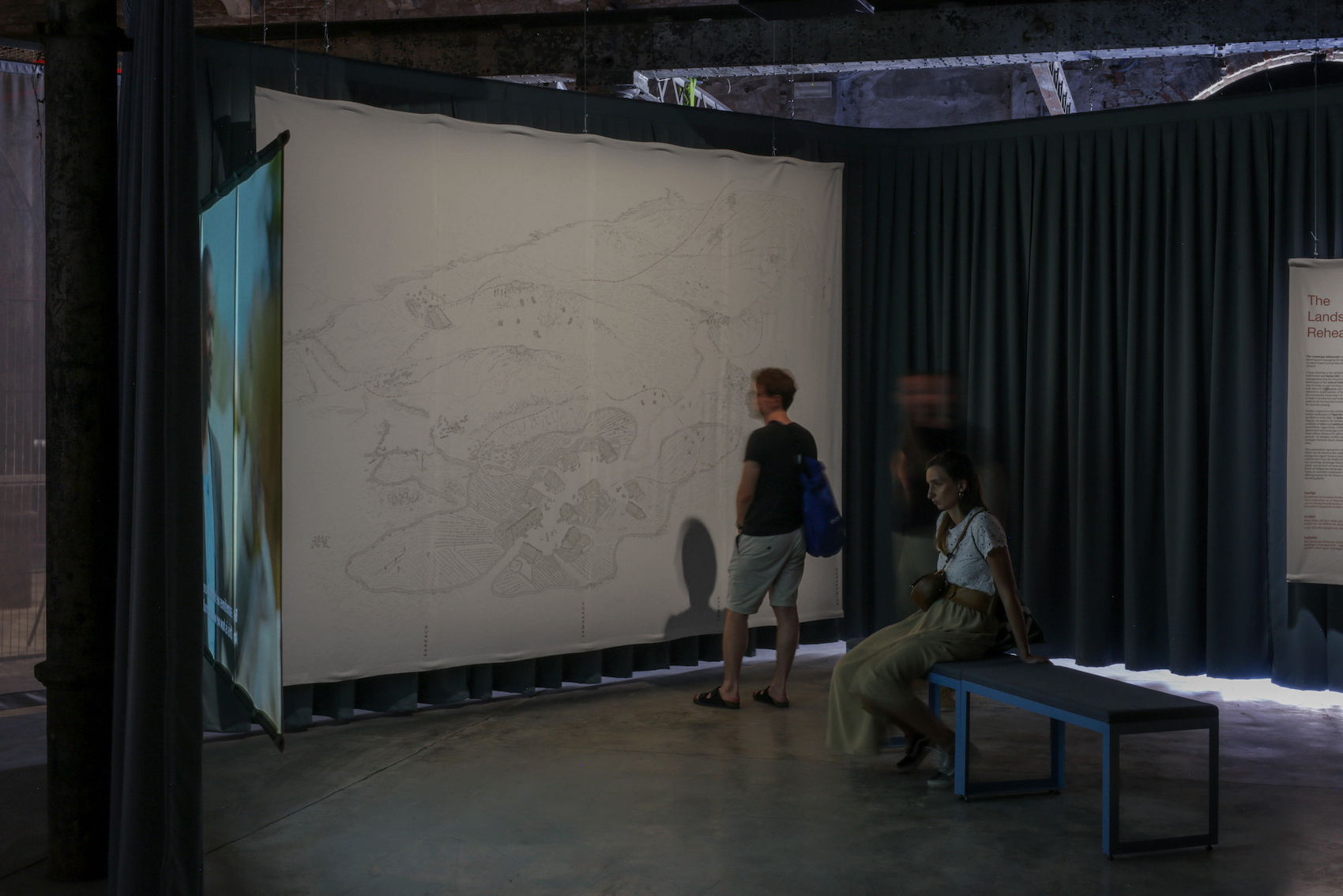
BothAnd Group’s exhibit at the 18th International Architecture Exhibition titled The Laboratory of the Future Curated by Lesley Lokko. Credit Ste Murray.
You work across many different disciplines, has this always been the case, or what led you to favour this approach?
We’ve found that working with many disciplines has helped us build relationships and develop projects with people we wouldn’t necessarily have worked with when we started. Working with ecologists, farmers, educators, and material researchers has shaped how we approach design thinking. It means the work doesn’t sit in isolation, but becomes part of a wider set of questions around land, resources, and how environments are made and maintained. We’ve also found ourselves contributing to conversations we might not have initially thought of as “architectural” – but where our design training turns out to be useful in unexpected ways, particularly in how we approach problems, and in how we visually communicate and work through them.
How does a project typically begin at BothAnd?
Projects usually begin with a question, an observation, or a conversation. Often all three of those prompts come from a specific site condition, a material system, or a broader territorial issue rather than a fixed programme.
The early stages are research-led – mapping contexts, identifying dependencies, and understanding the ecological and social infrastructures already in place. We’ve always been interested in drawing out and communicating the less visible parts of systems, and that really shapes how we work through the early direction of a project.
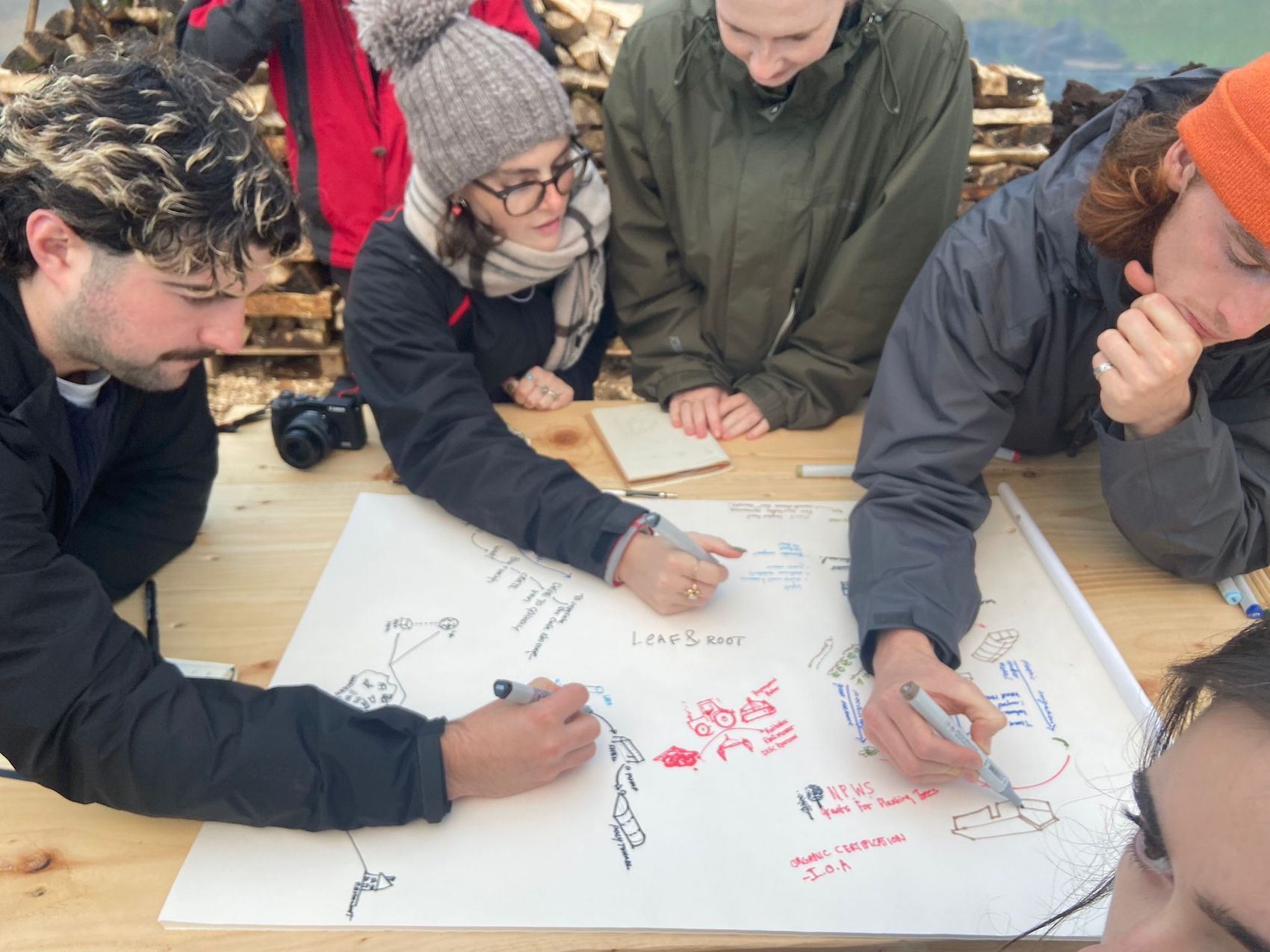
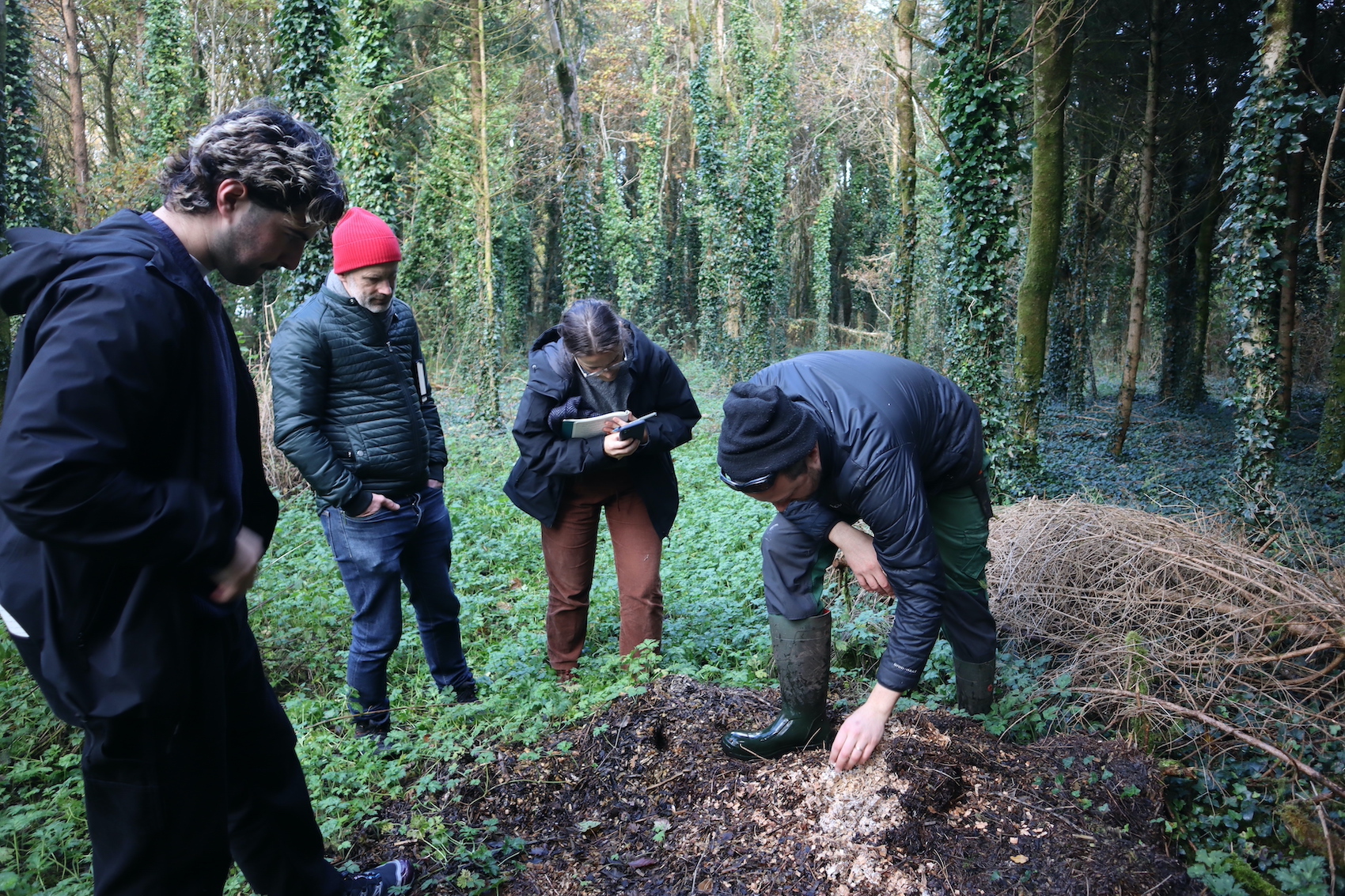
BothAnd Group leading a teaching studio titled ‘The Productive Field’ in 2023 with TU Dublin. Credit Jarek Adamczuk
Is there a project that best encapsulates your approach as a practice?
The first project we completed in 2020 is a good example of our approach. It was awarded through a competition for a community-led design project in Loughrea as part of Galway (Capital of Culture) 2020. The project explored how to communicate aspects of the biodiversity crisis, focusing in particular on the pressures that grass monocultures place on ecological systems in the Irish landscape. It involved cross-disciplinary collaboration, and we also hosted a series of community events centred on practical methods of improving conditions for biodiversity in Irish towns.
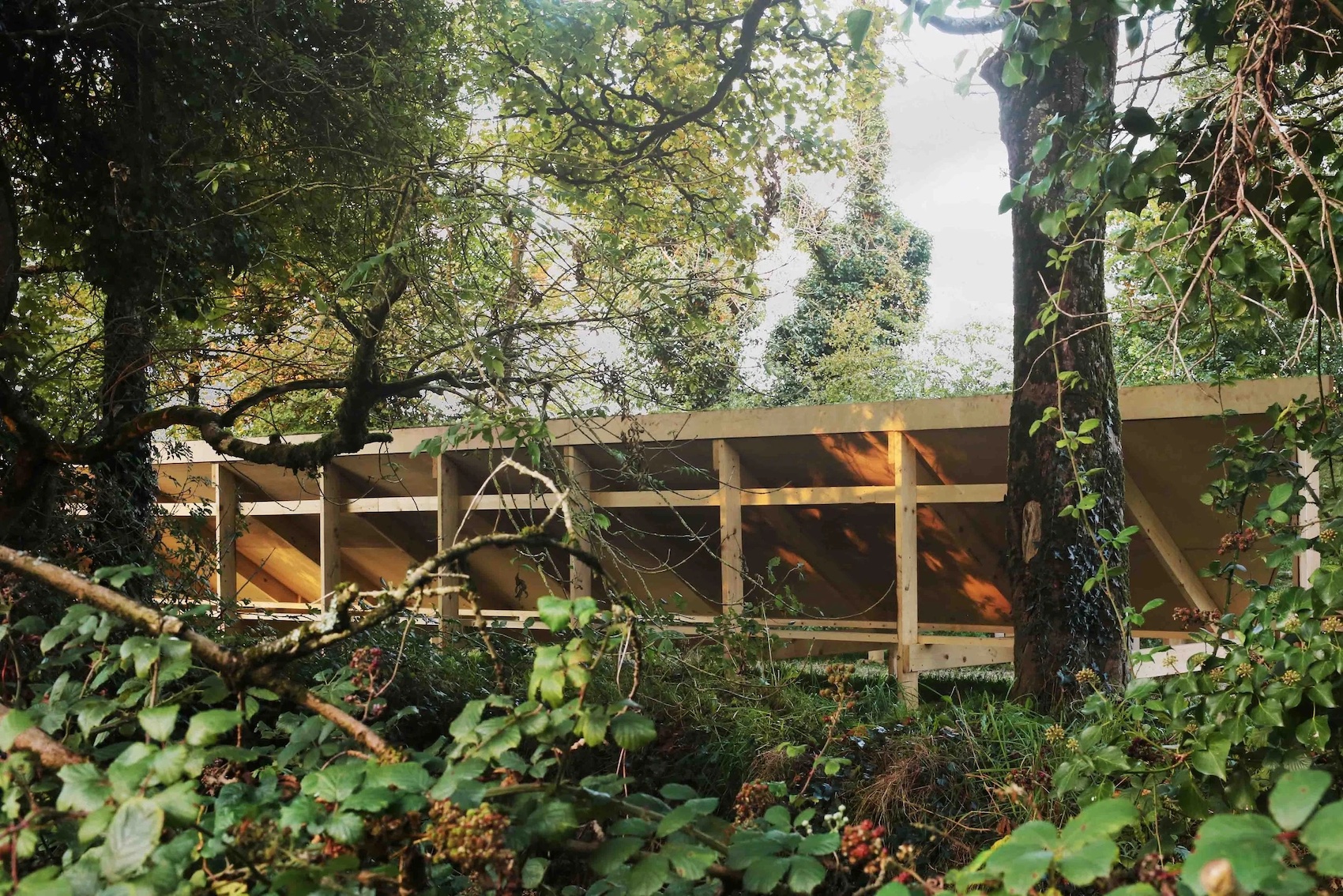
Through Thinning Landscapes’ Installation, Loughrea, Galway Capital of Culture 2020. Credit Kate Rushe.
Is there a building or project you return to repeatedly for reference/inspiration?
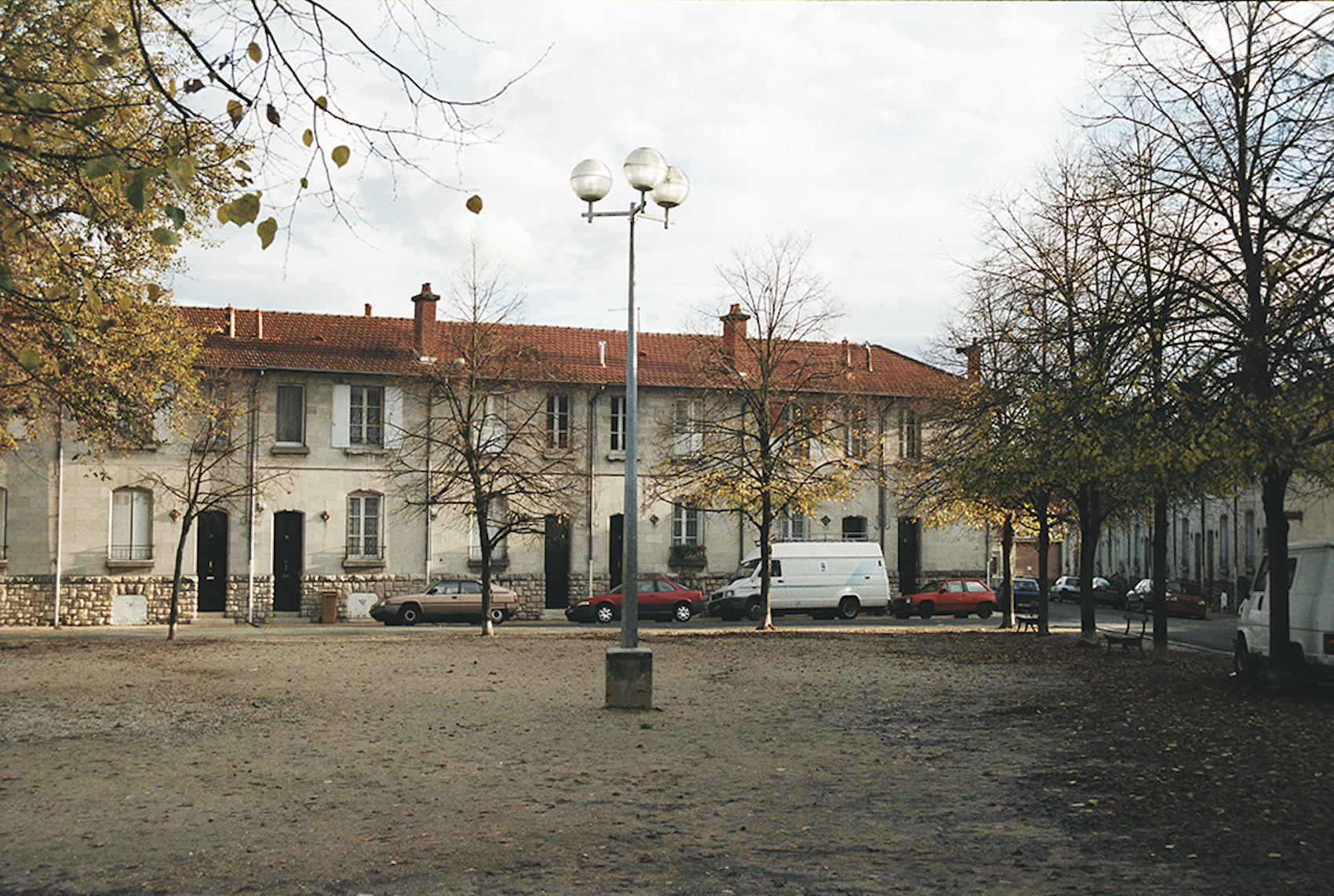
A project which continues to influence the way we think about design is by Lacaton Vassal a project called Place Léon Aucoc (Bordeaux, 1996). It was a park they were commissioned to redesign. Instead, they proposed only light maintenance and small adjustments, arguing that its existing atmosphere, use, and sense of belonging were already its real quality. We really admire this approach to design. The first act is not to intervene, but to spend time understanding a place and its existing systems, infrastructures, patterns of use, and the relationships that already exist there. There is a confidence in observation and restraint, sometimes the most appropriate design response is to support and strengthen what is already working rather than introduce something new.
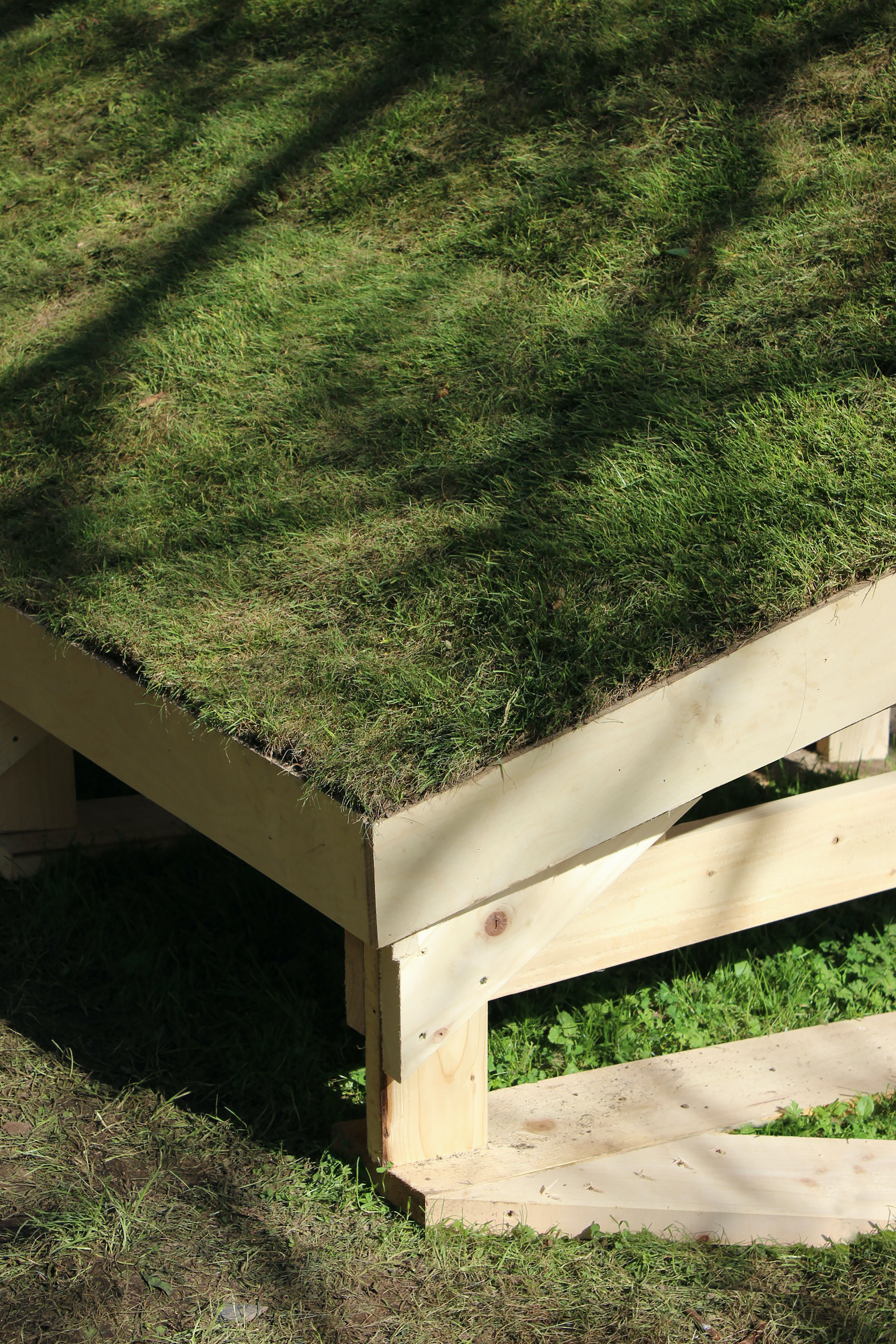
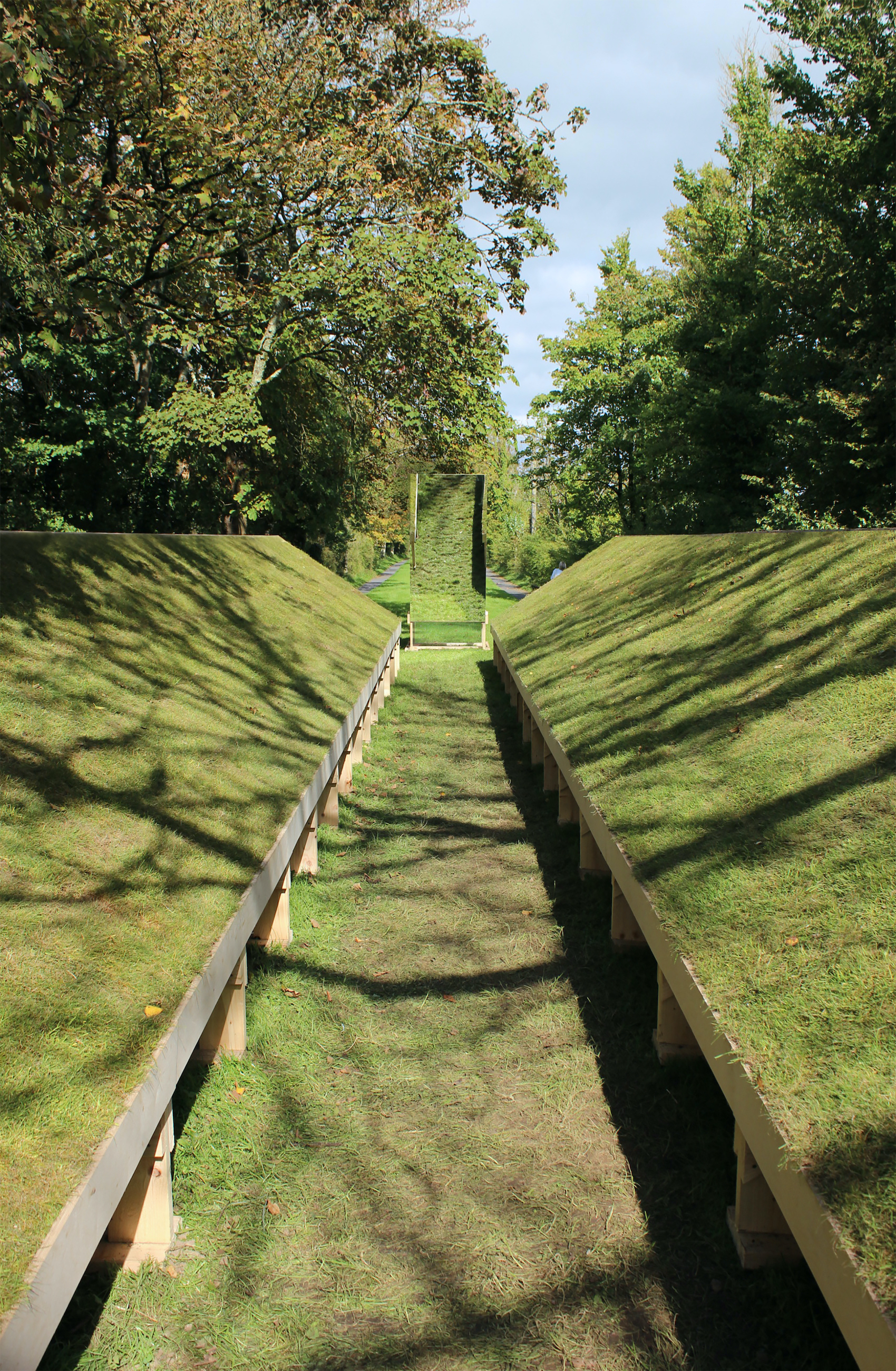
Through Thinning Landscapes’ Installation, Loughrea, Galway Capital of Culture 2020. Credit Kate Rushe.
What’s something you’ve read, watched, or listened to recently that has influenced your thinking?
Recently, I listened to a podcast reflecting on David Hockney’s life and legacy as an artist, which led me to rewatch The Art of Seeing, a BBC documentary about his work. One quote I enjoyed was: “Drawing makes you see things clearer, and clearer, and clearer still.”
For us, design often begins with observation – taking the time to look carefully, understand what is already there, and uncover relationships that might otherwise go unnoticed. In many ways, that process of seeing is at the heart of how we work.