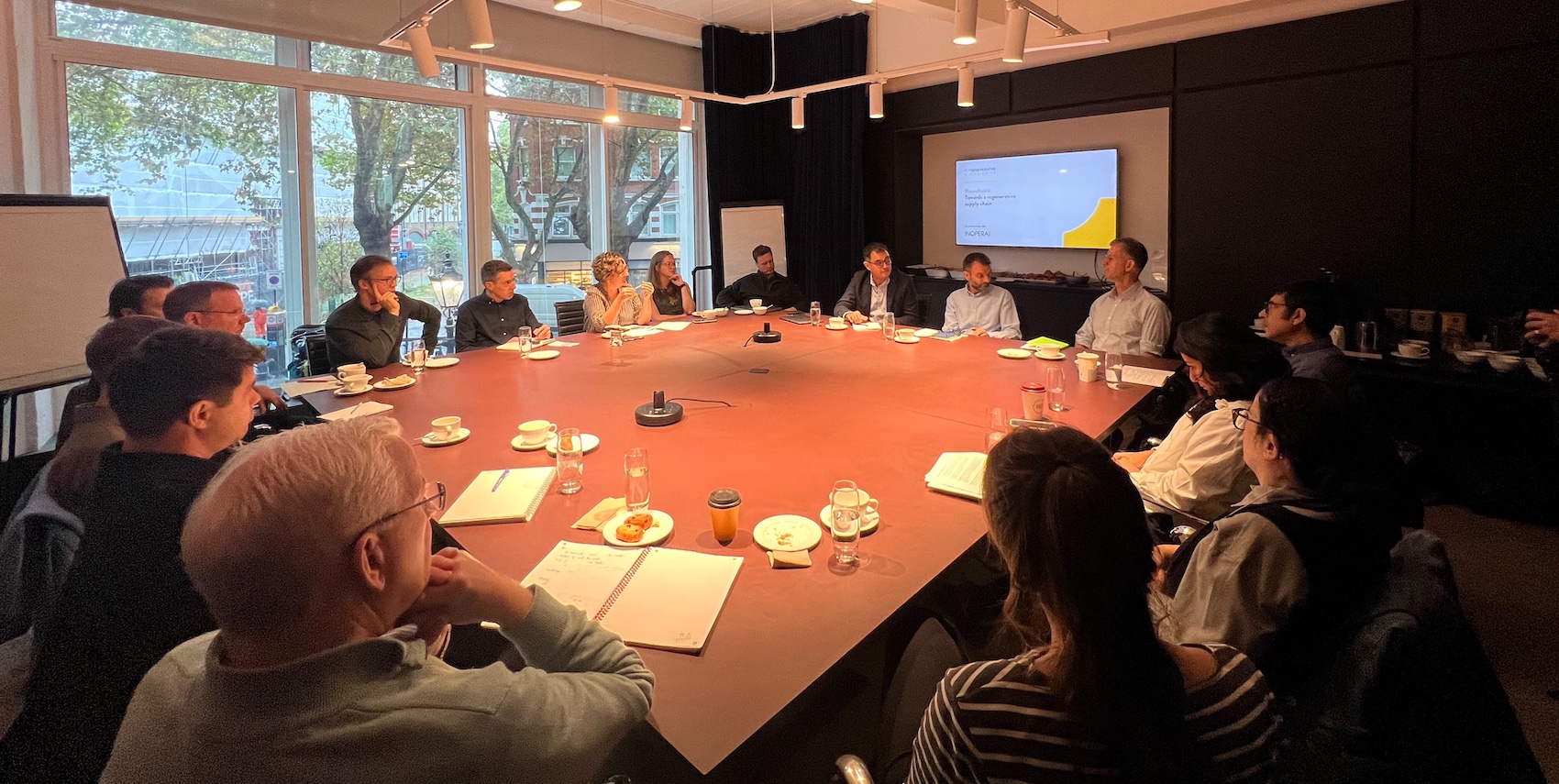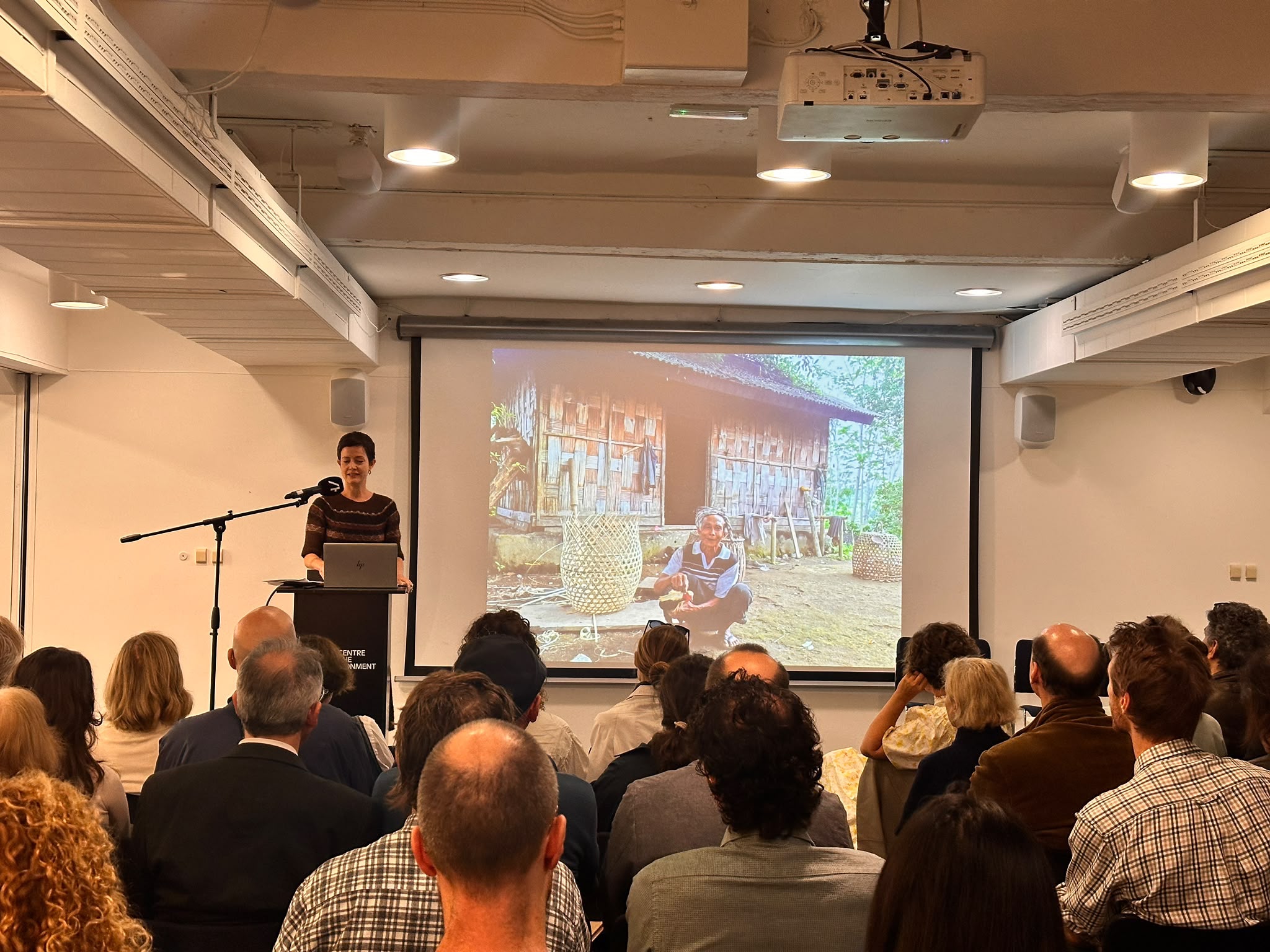
With NHS trusts, integrated care boards and their delivery partners under sustained financial and demographic pressure, this round table discussion, hosted by Architecture Today in partnership with IKO, explored whether healthcare procurement frameworks are actually delivering better buildings, how design quality can be meaningfully measured, and what it will take to build a genuine culture of standardisation, data-sharing and early collaboration across the sector.
In association with
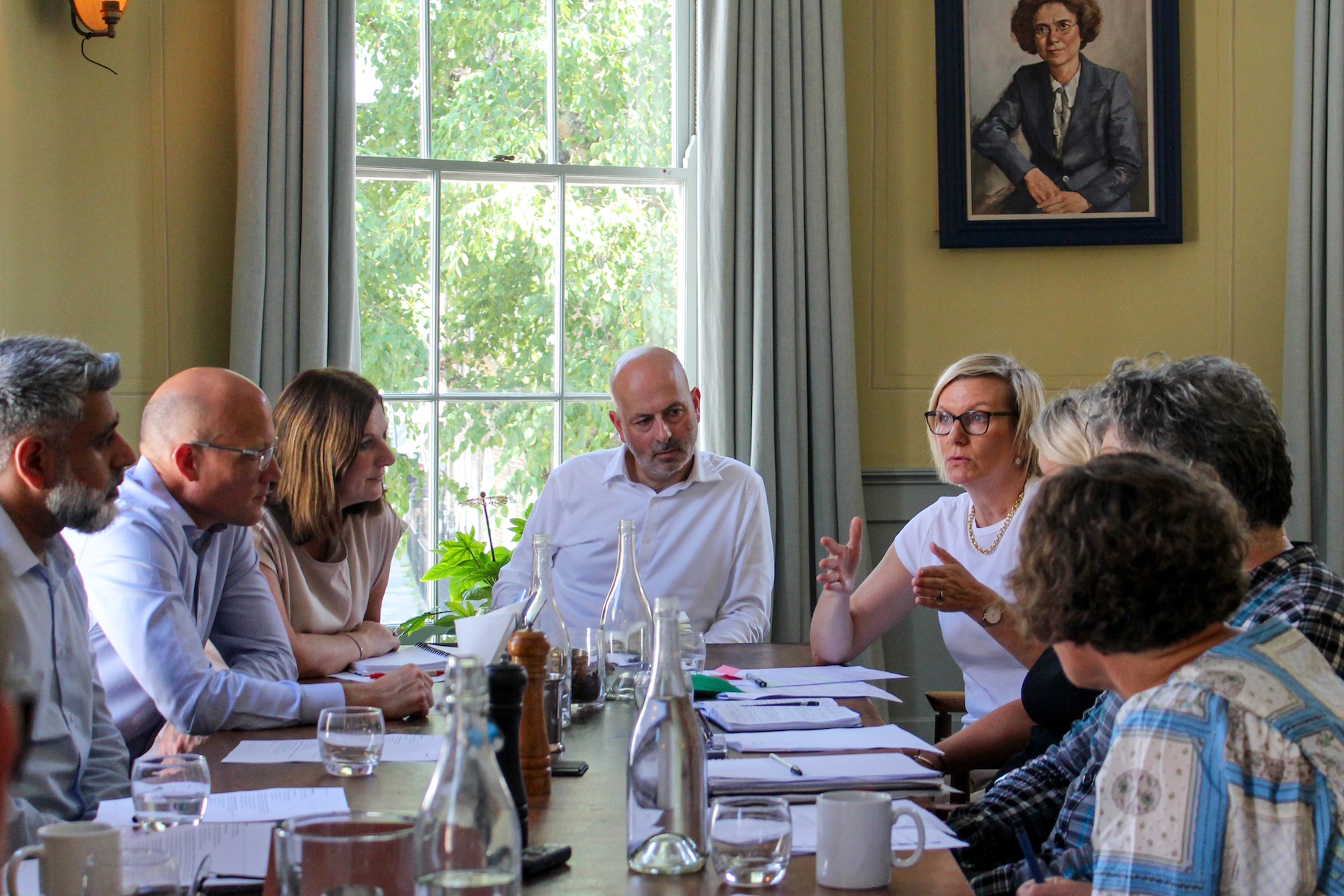
Round table participants
Isabel Allen (Chair)
Editor, Architecture Today
Keir Dawson
Healthcare Sector and National Frameworks Lead, Laing O’Rourke
Dr Shamir Ghumra
Executive Director of Responsible Business, NHS Property Services
Amanda Hervey
Senior Architect, Vice President, HKS
Marcus Lee
Sales Director, IKO
Beverley Letherby
Partner and Regional Director, Archus
Sam McCumiskey
Director, GBP Consult
Simon Mills
Director of Strategic Estates, NHS West and North London
Matthew Palmer
Director, Structural Engineering, WSP
Kerry Parker-Wray
Strategic Development Director, IKO
Sunand Prasad
Principal Emeritus, Perkins&Will
Sheldon Walsh
Healthcare Sector Lead for the UK and Ireland, Arcadis
Bob Wills
Director, Medical Architecture
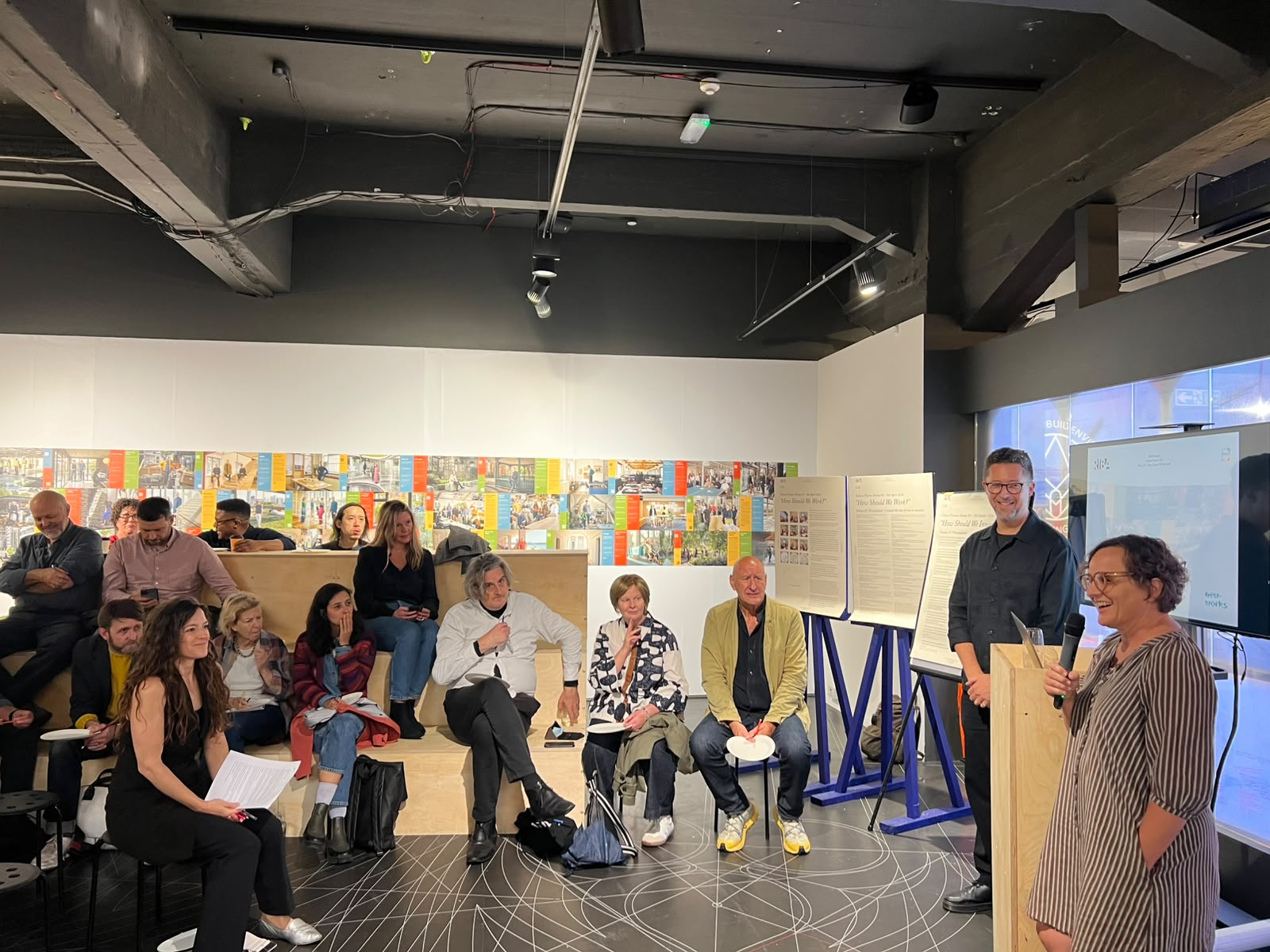
The NHS estate is vast, ageing and unevenly resourced. NHS Property Services alone owns and manages around 3,000 buildings in the primary care space in England, while Integrated Care Boards such as West North London cover populations running into the millions. Against a backdrop of a new ten-year capital plan, an emerging New Hospital Programme, and government ambitions for up to 250 neighbourhood health centres by 2030, the question of whether procurement frameworks are fit to deliver genuinely good buildings – not just compliant ones – felt more urgent than ever. These questions and more were explored at a round table discussion hosted by Architecture Today in partnership with IKO in London.
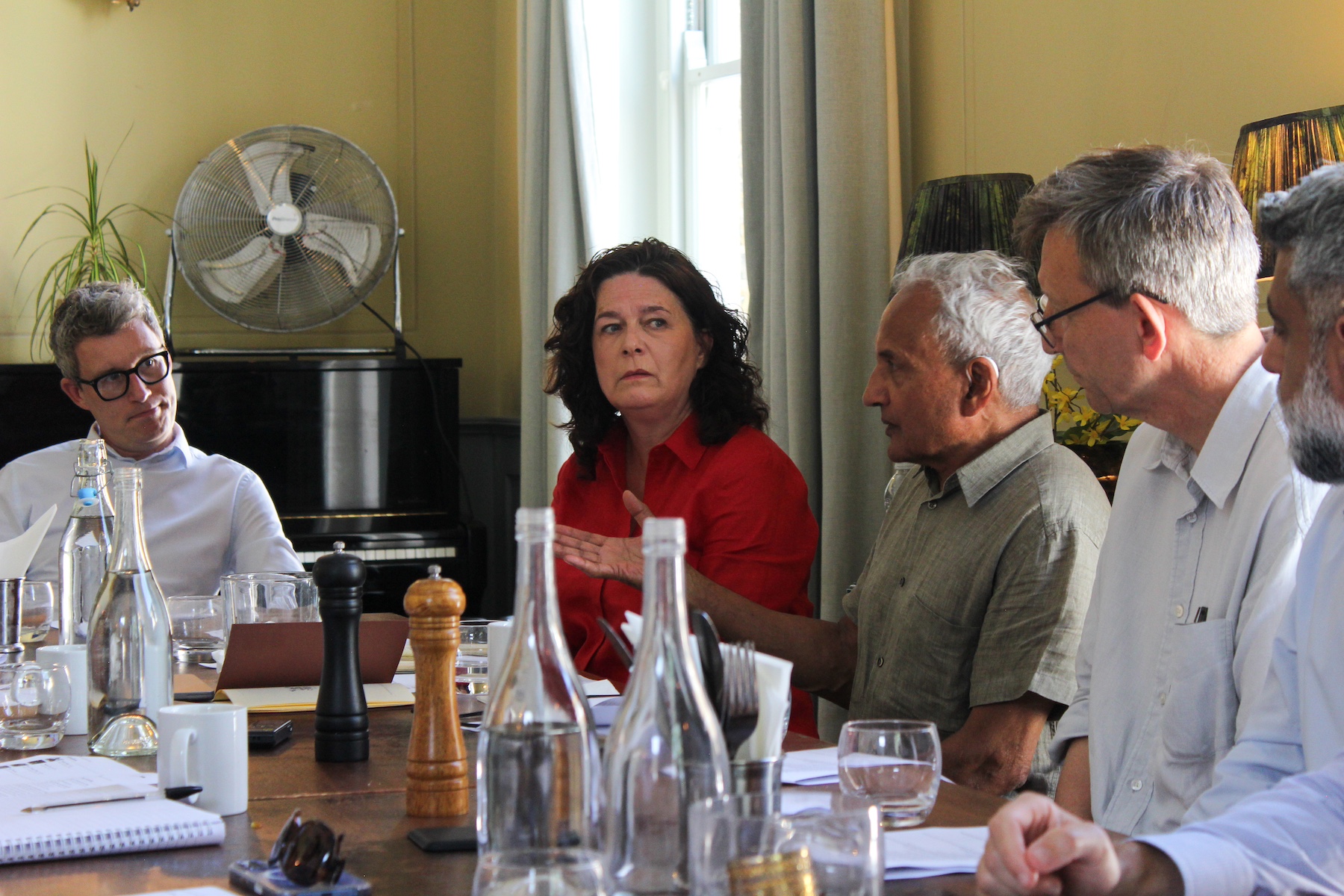
Keir Dawson, Sam McCumiskey, Sunand Prasad Bob Wills, and Dr Shamir Ghumra.
Procurement versus quality: good intent, imperfect delivery
Opening the discussion, Isabel Allen put the question directly to Dr Shamir Ghumra: are healthcare frameworks delivering better buildings? “There’s a lot of good intent.” That intent, he explained, tends to falter once a framework meets the specifics of a place. “When you get down to the real, specific environment and the demographic, the services the community might need, that’s when you start to bump into it,” he said, noting that frameworks are often built around how the sector has designed and procured historically. “It’s almost a bit of a rear-view-mirror job.”
Simon Mills, representing NHS West and North London, agreed that capability within the NHS itself was central to the problem. “The resource within the NHS to act as an intelligent client has been greatly diminished,” he said, adding that additional layers of internal governance had piled time and cost onto the process without a corresponding gain in value.
For Beverley Letherby of Archus, much of this stems from poorly defined scope at the outset. “One of the biggest things we struggle with in deciding whether to bid or not is whether the person writing the bid really understands what they’re asking for,” she said. A clear, well-informed scope, she argued, ultimately improves procurement efficiency by avoiding the “hundreds of CQs, all asking the same question in a slightly different way.”
Amanda Hervey, of HKS, argued that the sector’s ability to measure cost and programme has outpaced its ability to measure quality. “We’ve become very good at measuring cost, measuring programme, but what we haven’t been able to do so well is measure design quality,” she said. A hospital that opens on time and on budget is not necessarily a success, she added, if staff retention suffers and patients are left uncomfortable. Her proposed starting point was post-occupancy evaluation: “Rather than reviewing methodology statements, you’re actually reviewing and analysing real-world outcomes.”
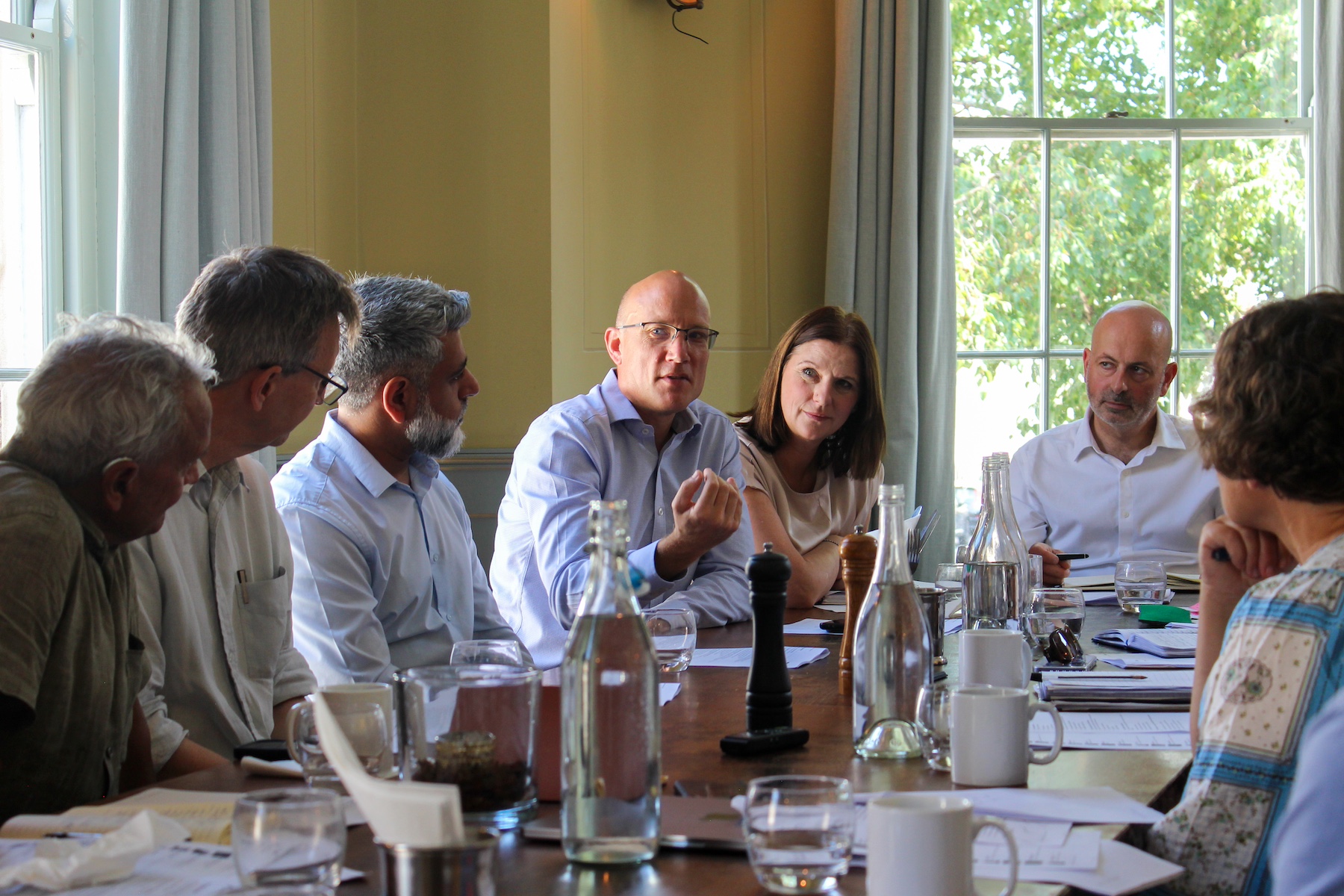
Sunand Prasad, Bob Wills, Dr Shamir Ghumra, Matthew Palmer, Kerry Parker-Wray and Marcus Lee.
Measuring what matters: design quality and post-occupancy evaluation
The value of post-occupancy evaluation (POE) was one of the few points on which the table was unanimous, even as participants acknowledged how rarely it is done well. Sheldon Walsh described a three-year POE on a mental health facility that tracked staff recruitment, retention, absenteeism and patient experience. “The metrics that you can get out of that are so valuable,” he said, noting his own role as a Design Quality Indicator (DQI) facilitator. He also argued that cost is disproportionately weighted in framework scoring relative to design: “There are very few things in life that we would prioritise lower design quality for the lowest price.”
Sunand Prasad offered a more cautious framing, arguing that it is not the job of a framework to deliver design quality directly. “The job of the framework is to conduct a fair and efficient procurement system,” he said. “The privileging of design quality isn’t going to be achieved by frameworks. It’s going to be achieved by things like DQI, by being able to evidence design quality.” He pointed to the European Healthcare Design Congress, where organisers had actively sought out post-occupancy evaluations for its programme – even imperfect ones – because so few exist.
Matthew Palmer described how quality scoring can be diluted in practice. On large programmes, he explained, intense moderation of bid scores tends to compress the range of quality marks into a narrow band, while cost is normalised against the lowest bid – meaning genuinely differentiated design thinking is often flattened out by the scoring mechanism itself. Several participants noted the added irony that, as AI makes bid-writing faster and more polished, distinguishing genuine capability through thirty-thousand-word method statements is becoming close to impossible. Walsh suggested the alternative might be simpler: “Would it not be better to spend half a day in a room in a workshop environment” to test whether a team can genuinely collaborate, rather than scoring documents that may increasingly be AI-generated on both sides.
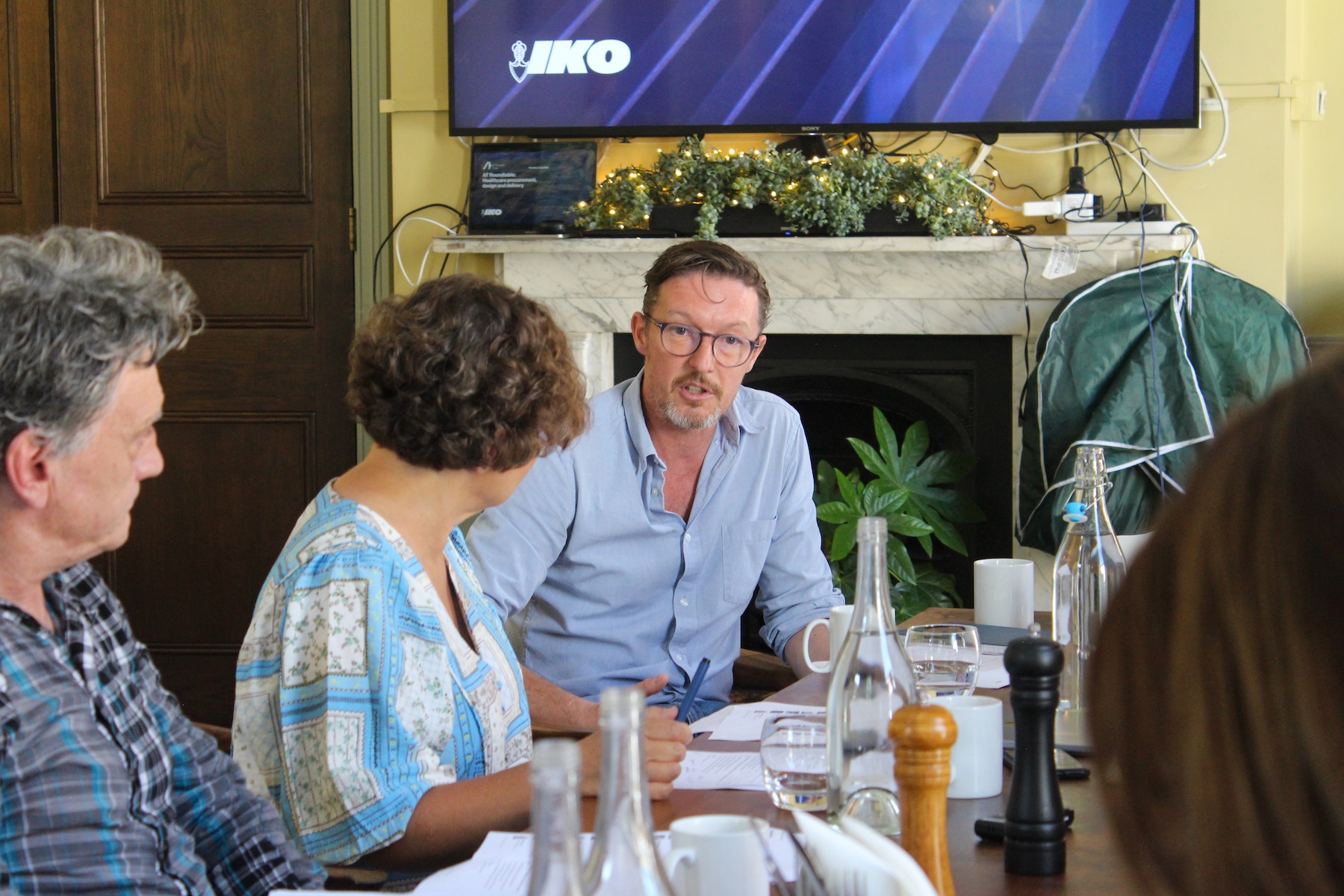
Simon Mills, Isabel Allen and Sheldon Walsh.
Standardisation, best practice and the limits of the template
Much of the discussion turned on standardisation – welcomed by most around the table as a route to efficiency and consistency, but with clear limits. Dr Shamir Ghumra drew a parallel with the New Hospital Programme’s design-for-manufacture-and-assembly approach: standard components such as window frames or membranes, chosen from a limited set of options, within which the supply chain can still compete and innovate. “These are the parameters we want you to go and innovate within,” he said, while cautioning that the data infrastructure to support this kind of platform approach is still immature.
Amanda Hervey was clear about where the line should be drawn. “You shouldn’t ever standardise the patient experience,” she said, contrasting the needs of a children’s hospital, which should be playful and family-focused, with a cancer centre, which needs to be calm and connected to nature. “The clinical components can sit behind that.” Isabel Allen put the same tension to the group directly: standardisation, several agreed, has to mean componentry, not a template that fixes an entire building type for the next fifty years. As Bob Wills put it, future-proofing “doesn’t mean a race to the bottom… it means standardisation to the highest common denominator, not the lowest or even the median.”
“Clever standardisation can help good design,” added Prasad. “If those elements that do not need to be reinvented each time are standardised, it leaves us to focus more attention on the quality of human experience.”
Amanda Hervey brought the discussion back to lived patient experience, citing feedback from a post-occupancy evaluation of the Royal Liverpool Hospital a year after opening. Its fully single-bedroom model scored well on comfort, dignity, infection control and staff efficiency, she said, but patients consistently reported a loss of opportunities to socialise – a finding she argued should feed directly back into how single-room layouts are designed in future. “You need a standardisation model which is continuously evolving,” he said, “so the building structure can accommodate change over its fifty or sixty year life cycle.”
Marcus Lee, drawing on IKO’s work with contractors over the past decade, likened this to an aircraft cabin: the wings and the engine stay fixed, but what happens inside changes with the operator. Standardising the building envelope, he suggested, can coexist with flexibility in how space is fitted out and used.
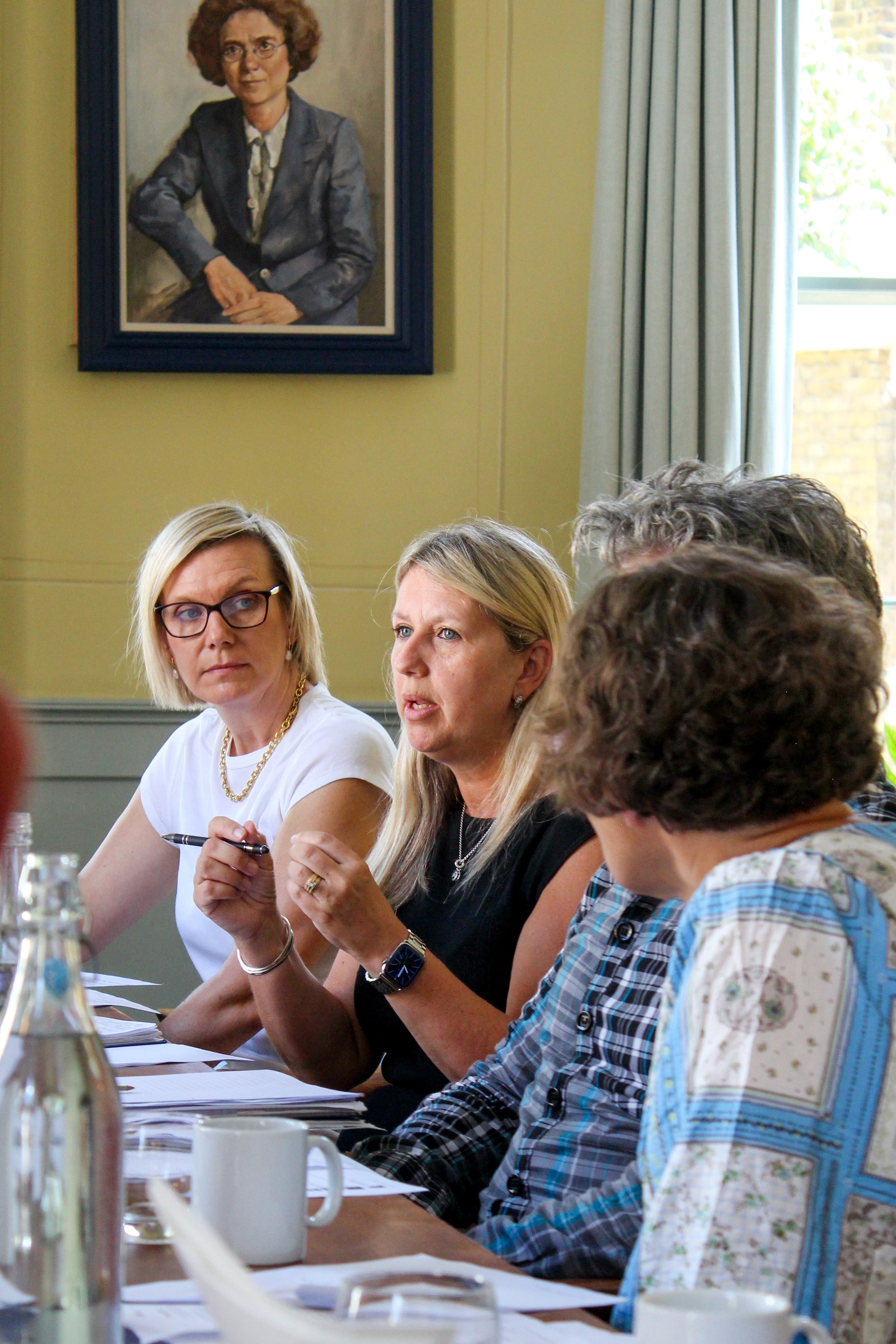
Amanda Hervey and Beverley Letherby.
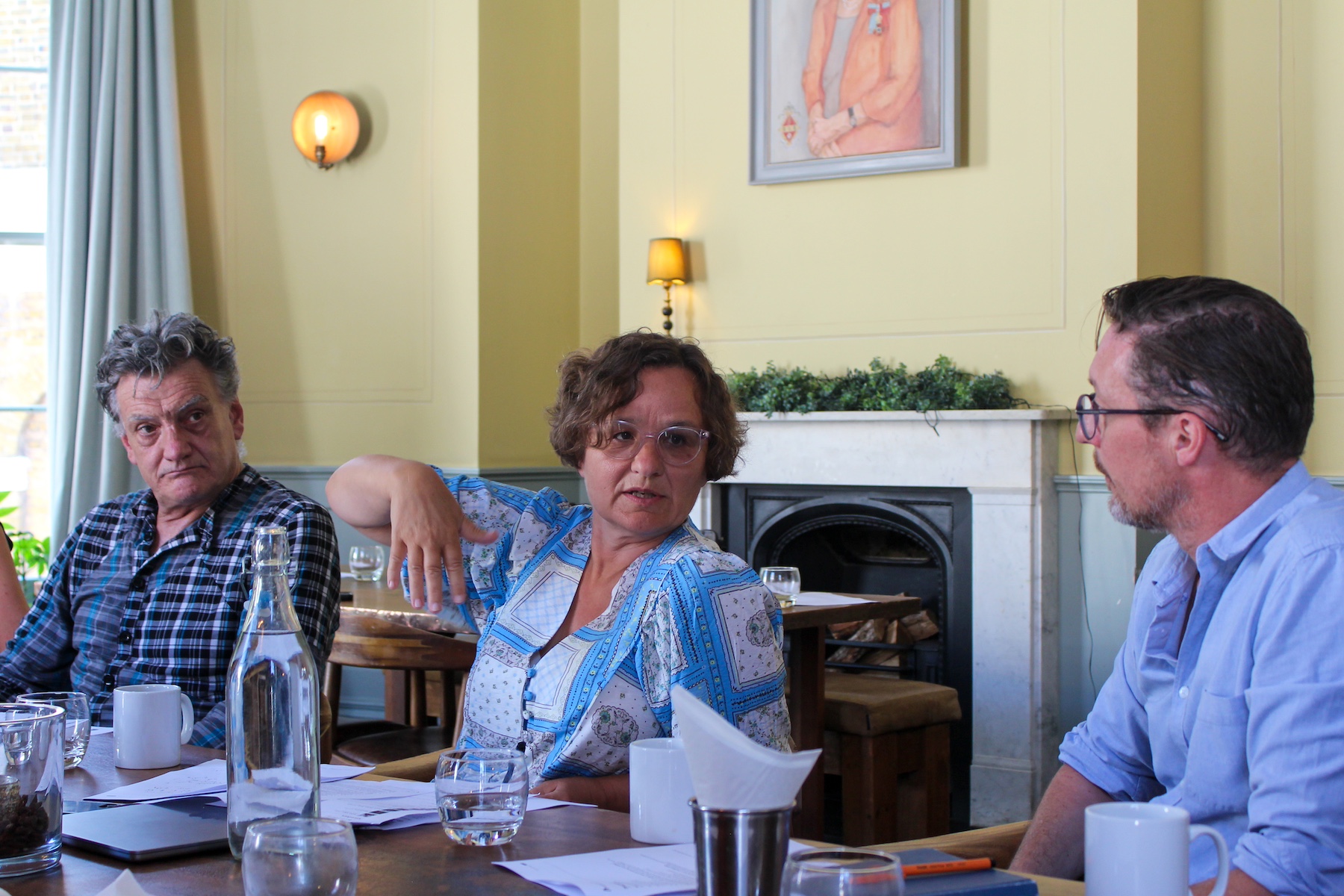
Simon Mills, Isabel Allen and Sheldon Walsh.
Knowledge, data and the case for shared learning
If there was a recurring source of frustration around the table, it was the sector’s inability to build on its own past experience. Sunand Prasad was blunt: “We’re very bad at learning from what’s gone before.” He pointed to Building Schools for the Future as one of the best examples of industry collaboration – contractors, architects and consultants working to a proper brief with real evaluation of design quality – but noted that its collapse also showed how quickly political cancellation can erase years of supply chain investment.
The absence of any institutional memory for the sector was a particular concern. Prasad recalled a time when the old Department of Health employed around six hundred architects and engineers writing technical guidance and gathering evidence – a scale of institutional knowledge the sector no longer has. Beverley Letherby agreed that the fragmentation of NHS trusts into many separate legal entities compounds the problem, since most will only ever build once in an estate team’s working life, leaving consultants and contractors as the main repositories of cross-project learning.
Dr Shamir Ghumra framed the issue as one of data ownership and incentives rather than simply willingness. “We’re not sharing the data. This is a fundamental problem,” he said, arguing that manufacturers and suppliers should not be expected to give away commercially sensitive product data, but that programmes such as the New Hospital Programme need to act as custodians of outcomes, drawing on that data without owning all of it. Prasad connected this to a longer institutional history, noting that a former central research body – once intended to hold collective industry knowledge – had since become a private company and no longer serves that public role. Several participants agreed the construction sector compares poorly with automotive, aerospace or pharmaceuticals in this respect, in part because of how fragmented the design, construction and cost professions have historically been from one another.
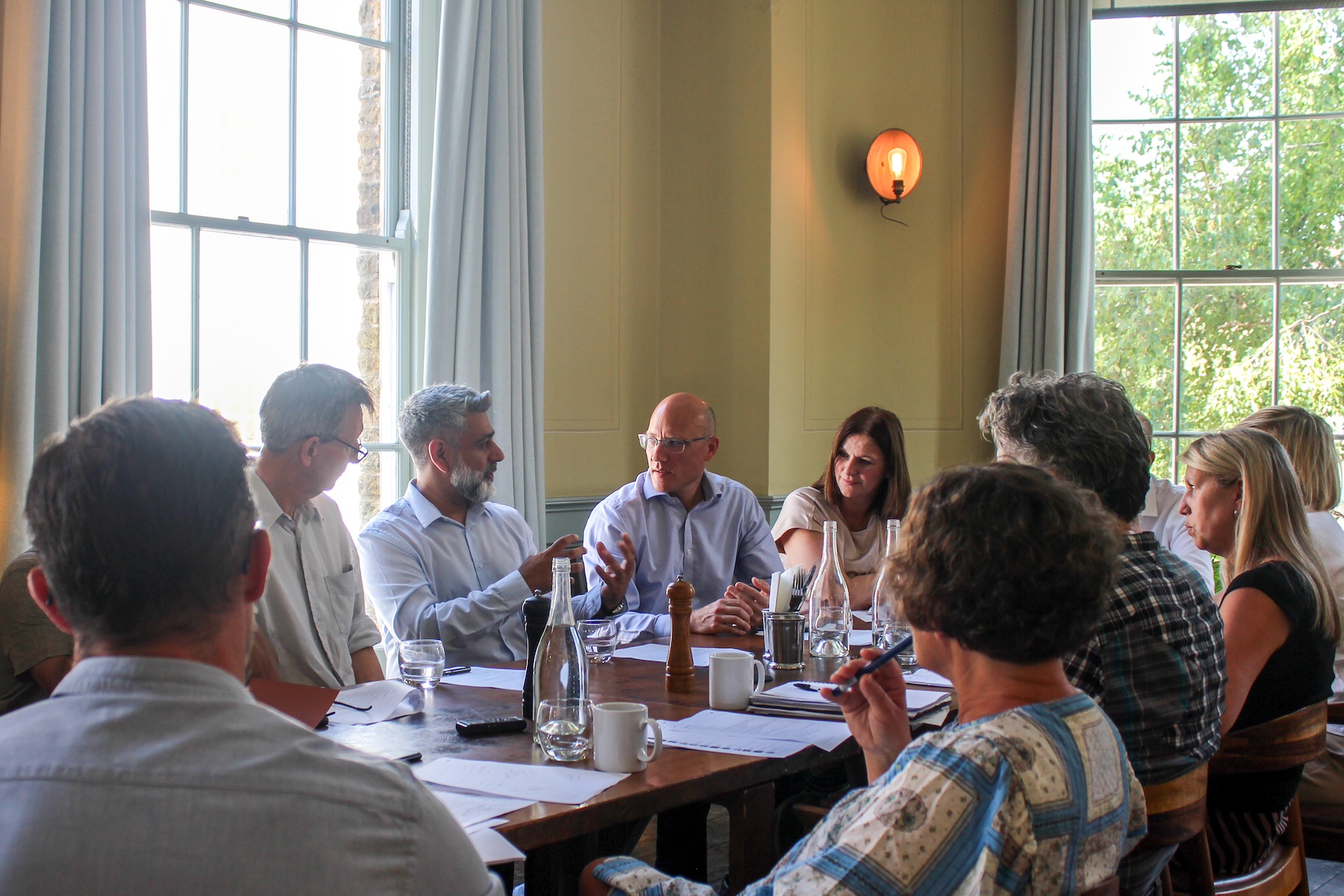
Bob Wills, Dr Shamir Ghumra, Matthew Palmer and Kerry Parker-Wray.
Funding models, revenue and the “left shift”
Attention turned to the practical barriers facing neighbourhood health centres and community-based care. Beverley Letherby described an earlier scheme in which an Integrated Care Board had agreed to cover capital costs and offer rent-free occupancy to co-located providers, in exchange for shared, monitored use of space – a business case that ultimately stalled for lack of an identified capital source. Simon Mills set out the scale of the funding gap directly: London’s annual allocation for neighbourhood health centres currently sits at just over £8 million a year, with West and North London’s allocation at just over £4m for a population of four and a half million people. “That is not going to deliver many improvements in health service,” he said. “That’s the harsh reality.”
Several participants argued that the deeper issue is not capital funding but revenue and operating models. Sunand Prasad noted that of all NHS spending, only around one-twentieth goes on prevention, with the rest spent on curative treatment – a ratio he argued is politically easier to leave unchanged, since reducing hospital waiting lists is a more immediately visible political win than investment in prevention. Matthew Palmer pointed out that lifecycle costing is rarely properly incentivised in current funding models, in contrast to the PFI era, when whole-life cost was scrutinised because it sat within a single financial package. Even straightforward energy efficiency upgrades, he said, are difficult to fund because trusts cannot borrow against future savings.
Simon Mills argued that digital triage, rather than physically relocating consultants into community settings, was likely to have the greatest impact on shifting care out of acute hospitals, since the NHS simply does not have the specialist workforce to staff community clinics at scale. Around thirty per cent of beds in an average acute hospital, he noted, are occupied at any one time by patients who are medically fit to leave but cannot be discharged into the wider system.
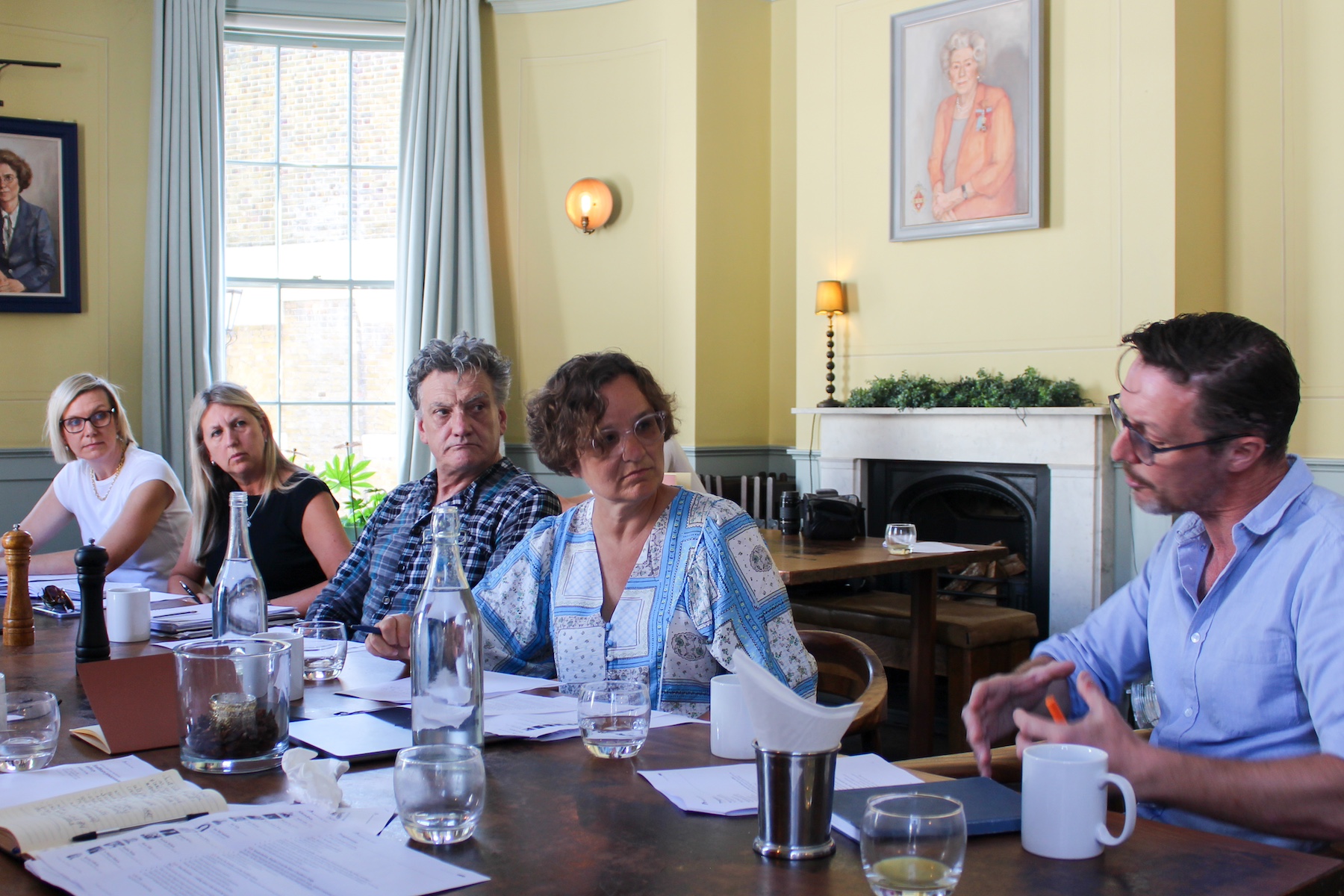
Amanda Hervey, Beverley Letherby, Simon Mills, Isabel Allen and Sheldon Walsh.
The single biggest change needed
With time running short, Isabel Allen asked each participant for the single biggest change they would make to healthcare procurement. Sheldon Walsh returned to his opening point: bringing design quality “front and centre,” so that everything else can follow. Sam McCumiskey called for outcome-based briefs agreed before procurement begins, alongside genuine post-project evaluation. Sunand Prasad urged the sector to learn from the procurement models that have actually delivered high design quality, market certainty and good cost and time control, rather than repeating past mistakes. Bob Wills wanted the human experience of buildings, place and service designed in from the bottom up, rather than assumed from the top down.
Institutional memory has been lost across a fragmented landscape of separate bodies”
Dr Shamir Ghumra called for more meaningful consequences within frameworks, both for underperformance and for organisations that go beyond what is required. Matthew Palmer argued for greater investment in NHS estates teams themselves, paying to attract experienced people from the commercial world who understand design and can hold their own through the process. Kerry Parker-Wray called for closer collaboration with post-review, lessons-learned data and a greater focus on long-term running costs at the point playbooks are written. Marcus Lee highlighted the disconnect between capital decisions and long-term running costs as one of the more fixable problems in the system. Amanda Hervey wanted performance to matter in practice, through post-occupancy evaluation and continuous feedback loops between projects. Beverley Letherby called for procurement that enables earlier collaboration between all partners, with shared accountability for outcomes.
Simon Mills, who was given the last word, argued for reinvesting in the NHS itself as an intelligent client and subject-matter expert – recalling an earlier era, in the Health Building Directorate, when a dedicated team of architects and engineers produced central guidance, evaluated every project and published the results. That institutional memory, he said, has since been lost across a fragmented landscape of separate bodies, with some major projects dragging on for decades as successive project teams come and go. “There is an awful lot of money” lost in that churn, he said.
Despite the scale of the challenges discussed, the tone in the room was one of frustration tempered by genuine commitment. If there was a single thread running through the conversation, it was that better healthcare buildings will not come from frameworks alone, but from investing in NHS client capability, measuring what actually matters to patients and staff, and building the institutional mechanisms – still largely absent – to share what the sector has already learned.
The IKO team can be contacted on 01257 255771, by email, or via its website.
Interviews