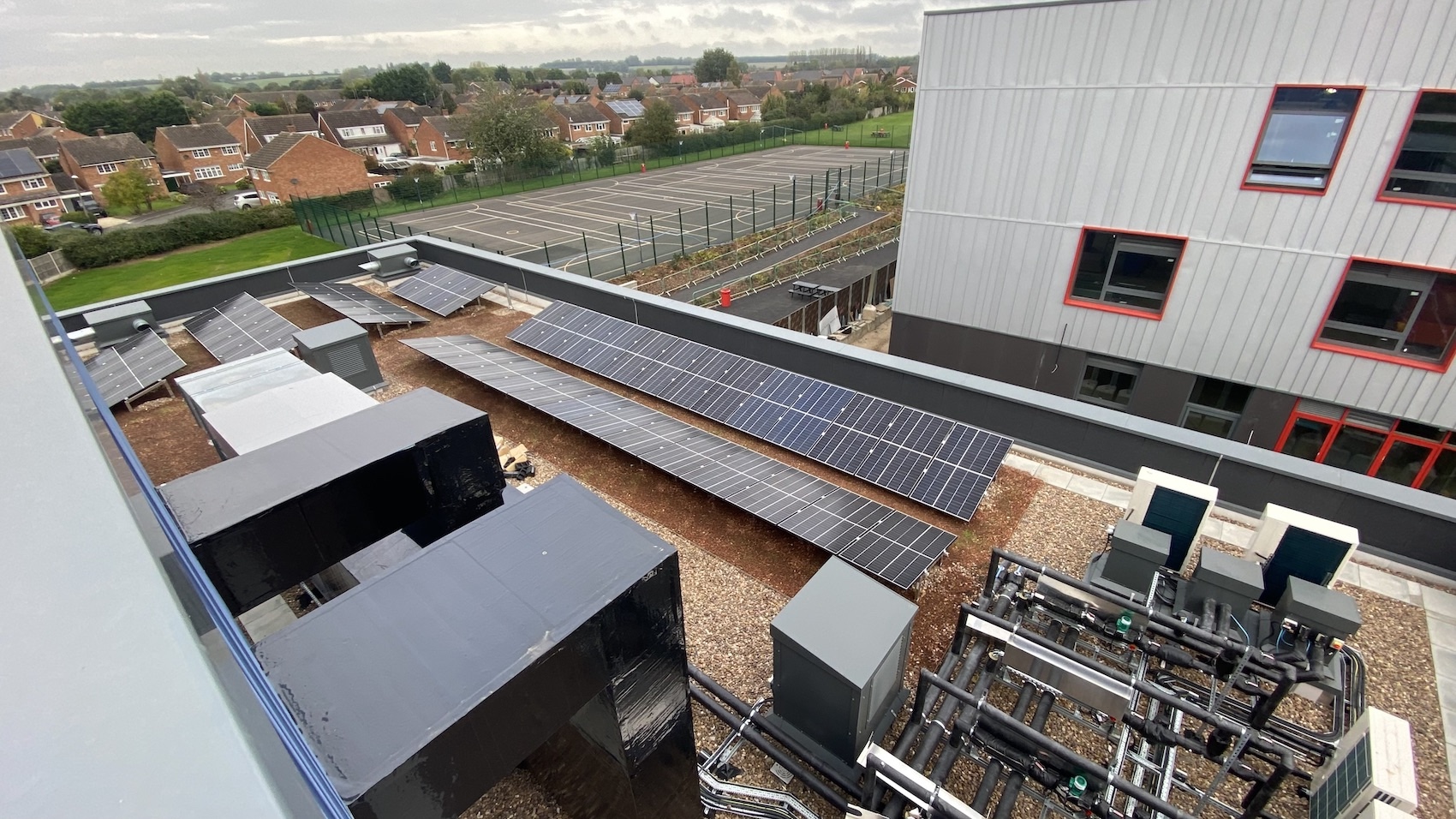
AccuRoof Technical Director Daniel Bosworth discusses how upstand design has evolved since BS 6229:2018, and what architects need to consider today to ensure compliance, durability and robust waterproofing across increasingly complex roof interfaces.
In association with
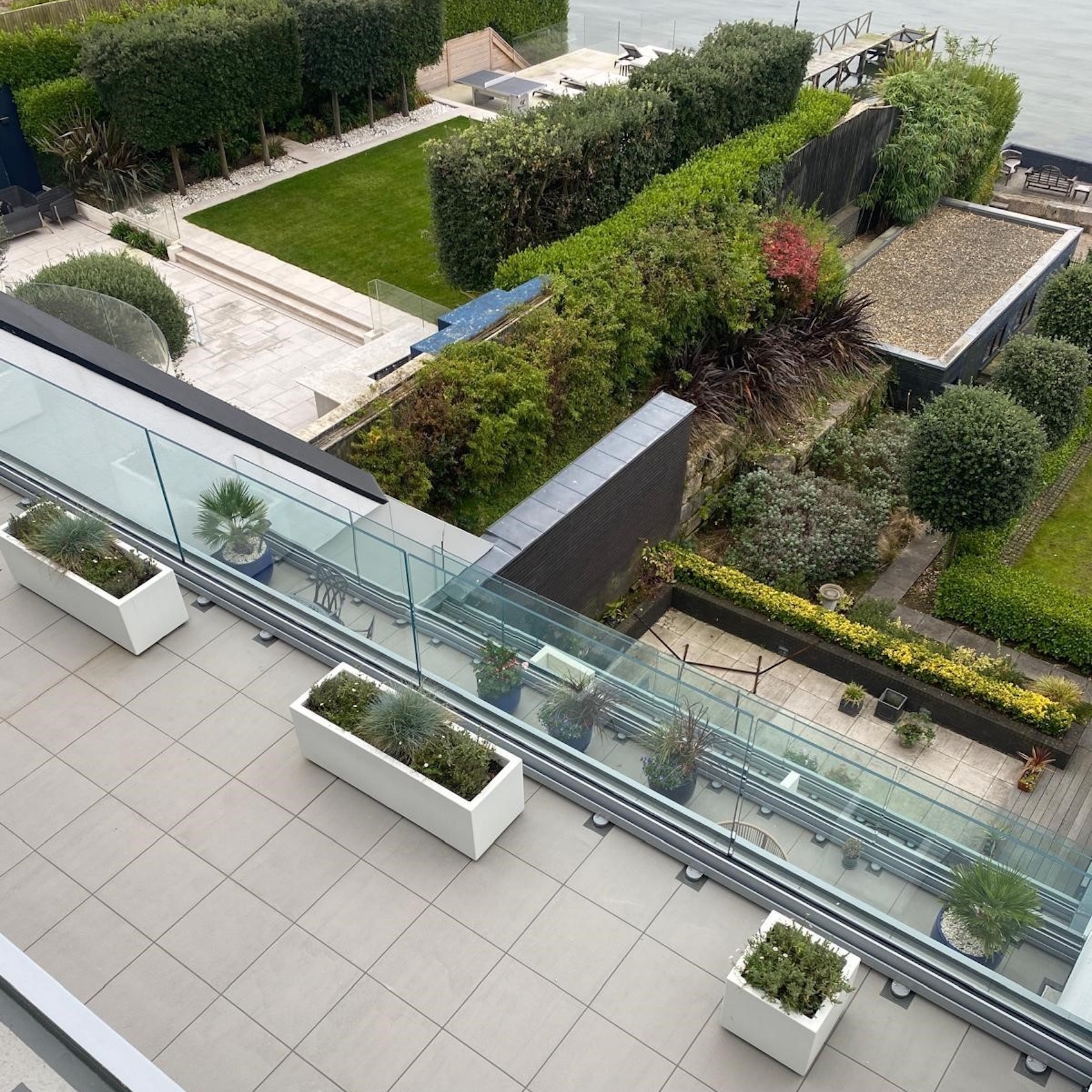
Photos
Courtesy of Nicholson
Upstands are a fundamental component of flat roof design, forming the critical interface between horizontal waterproofing systems and vertical elements, such as façades, parapets and openings. The publication of BS 6229:2018 brought renewed clarity to minimum upstand heights and drainage strategies, and a previous guidance article published by Architecture Today in partnership with AccuRoof (formerly SIG Design & Technology) has been widely referenced by specifiers.
Since then, however, the context in which upstands are designed has become more complex. Increasing insulation thickness driven by Approved Document L, greater emphasis on accessibility under Approved Document M, and the growing prevalence of roof terraces, photovoltaic (PV) arrays and green roof systems have introduced new pressures on traditional detailing. At the same time, interfaces, such as balustrades, flush thresholds and low-level glazing demand more refined solutions to balance performance, compliance and design intent.
So how has best practice evolved since the BS 6229:2018 update? Where do the greatest risks now lie in upstand design? And how can architects resolve challenging details without compromising waterproofing integrity or warranty cover? These questions and more were discussed by AccuRoof’s Technical Director Daniel Bosworth, in conversation with Architecture Today’s Technical Editor John Ramshaw.
How has upstand best practice evolved since the BS 6229:2018 update, and what are the key changes architects should be aware of today?
The core principles remain largely unchanged. BS 6229 still requires waterproofing upstands to extend a minimum of 150mm above the finished roof surface, or above the uppermost protective layer in protected membrane systems. What still causes issues is how this is interpreted once paving slabs, gravel margins or terrace finishes are introduced.
Architects sometimes detail the waterproofing 150mm above the waterproofing layer itself, rather than above the finished surface level. In heavy rainfall this can leave brickwork vulnerable to saturation and staining. Another significant shift relates to masonry walls built directly off waterproofing. Older approaches often concealed the waterproofing beneath the wall, but current guidance from organisations including, the Liquid Roofing and Waterproofing Association (LRWA), Single Ply Roofing Association (SPRA) and National Federation of Roofing Contractors (NFRC), provide guidance on a cautious approach to this design method which is unlikely to be covered under any insurance or warranty. Waterproofing should generally now be applied to the front face of the masonry, with decorative flashings used to conceal the detail where necessary.
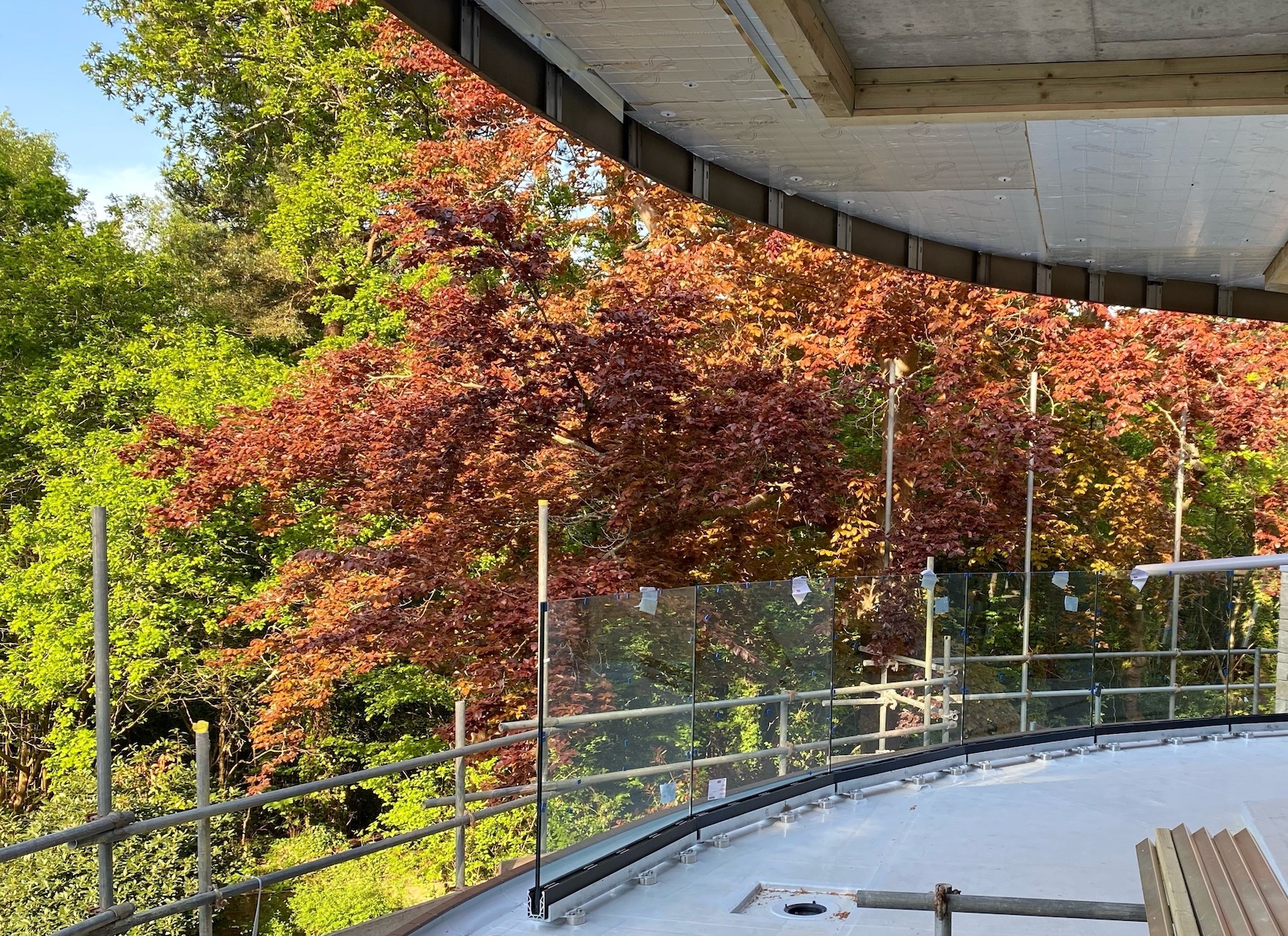
Glass balustrade under construction using the Nicholson Rooftrak Integrated Fixing Point (IFP) system.
Why are upstands still such a critical element in flat roof design, and where do you most commonly see issues arise in practice?
Upstands remain critical because most waterproofing failures occur at junctions and interfaces rather than within the field area of the roof. The most common issues arise where visible waterproofing details are minimised for aesthetic reasons, particularly around terraces, façades and glazing. Problems also occur where roof, façade and terrace packages are designed separately without sufficient coordination, leaving waterproofing details unresolved until late in the programme.
What do current standards say about minimum upstand heights, and how should architects interpret these requirements in real projects, particularly as roof build-ups become thicker?
Current guidance remains clear: standard upstands should achieve 150mm above the finished roof surface. The main exception is accessible door thresholds, where a reduced 75mm upstand may be acceptable under Approved Document M, provided additional drainage measures are included. The challenge today is the increasing thickness of roof build-ups driven by lower U-value requirements. On constrained urban projects, this can create pressure on vertical dimensions, particularly where developers are trying to maximise floor-to-floor heights. Upstands cannot simply be reduced to accommodate these constraints without increasing risk.
How do insulation strategies, drainage design and overall roof build-up influence upstand detailing today?
They influence almost every aspect of the detail. Lower U-values require thicker insulation, particularly on terraces and inverted roofs, which increases overall build-up depth and affects thresholds and parapets. Drainage design is equally important. Some siphonic systems favour flatter roof areas, but BS 6229 still requires minimum falls unless the roof is specifically designed as a zero falls blue roof. From a waterproofing perspective, the key considerations are whether sufficient falls are present, whether drainage is adequate, and whether the roof build-up can achieve warranty requirements.
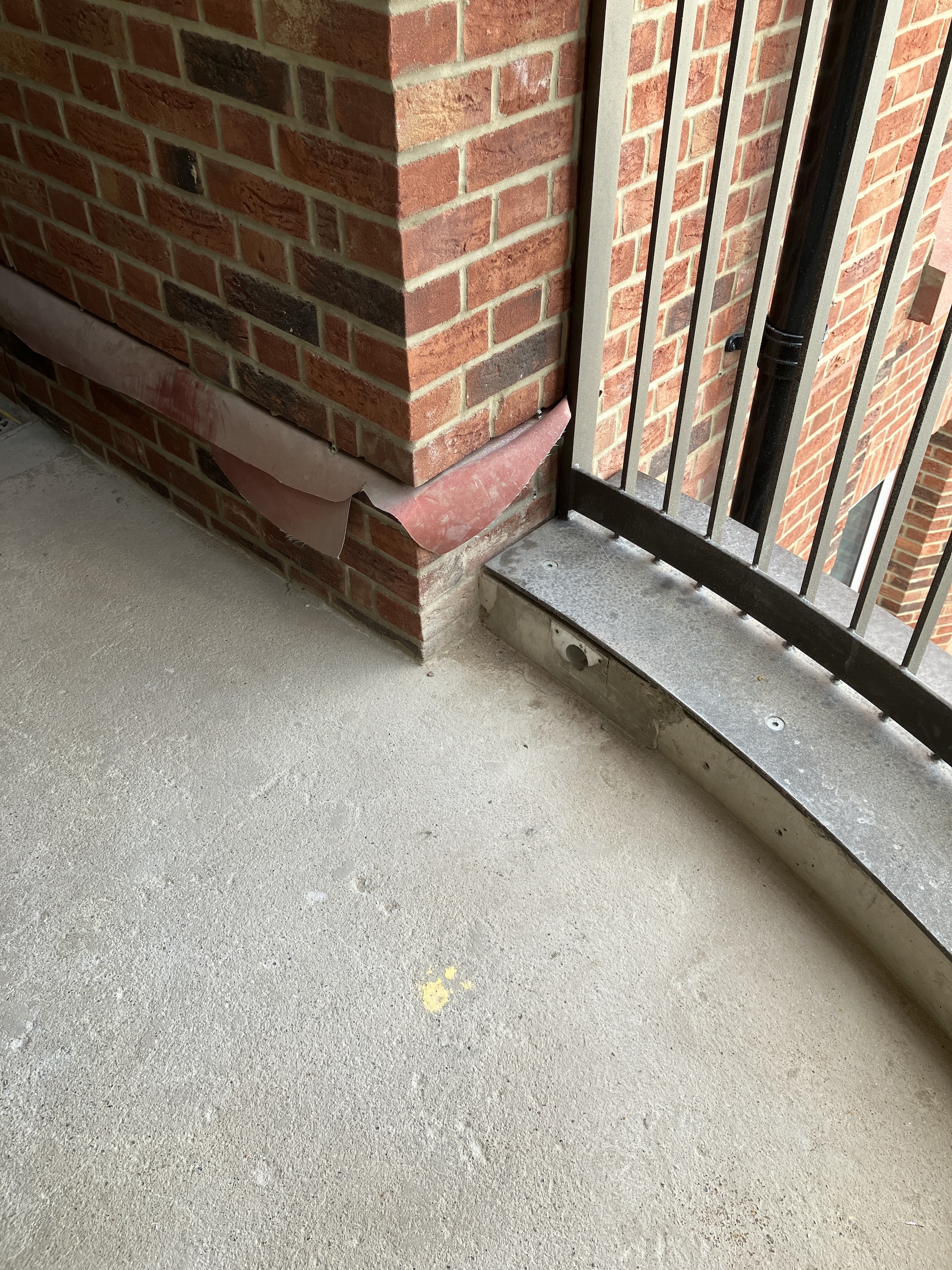
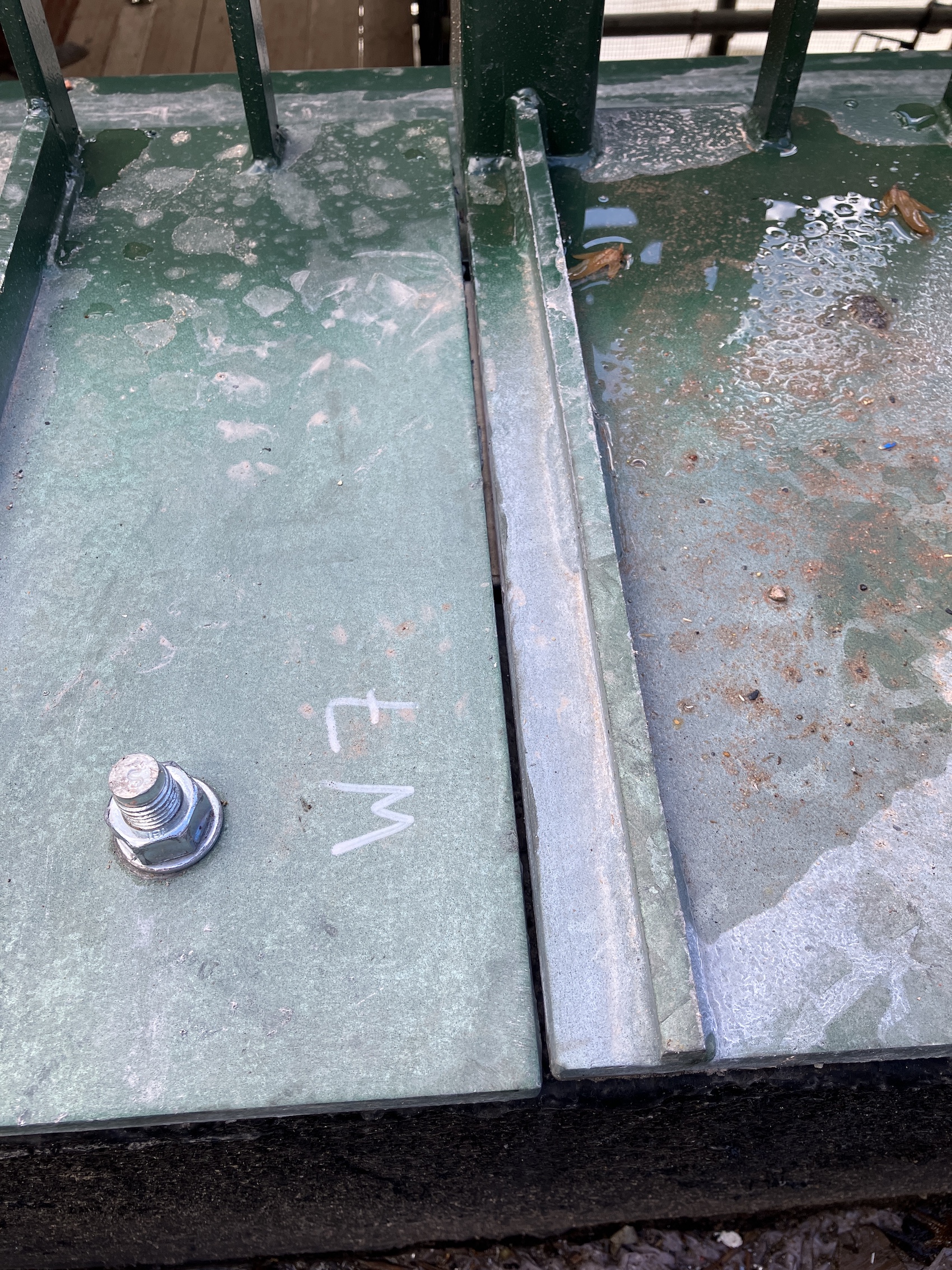
Balustrades fixed directly into upstands or tight against walls make it impossible to form a robust waterproofing detail (photos: AccuRoof).
Balustrade interfaces are becoming more common on roof terraces. What are the key waterproofing risks associated with balustrade posts and fixings?
The biggest issue is that balustrades often penetrate or interrupt the waterproofing layer without a coordinated detail. Frequently, the balustrade design is resolved too late, after the waterproofing strategy has already been established. We regularly encounter balustrades fixed directly into upstands or tight against walls, making it impossible to form a robust waterproofing detail. Water can then track behind the membrane or through unsealed interfaces, creating a risk of failure.
What is best practice for integrating balustrades without compromising the waterproofing layer or invalidating warranties, and how does AccuRoof’s updated Nicholson system address this?
The key is early coordination and the use of integrated fixing systems designed specifically for waterproofed roofs. AccuRoof work with the Nicholson Rooftrak Integrated Fixing Point (IFP) system to provide a coordinated fixing point installed as part of the waterproofing package itself. The fixing ties back to the structural deck and is integrated into the waterproofing system using compatible membrane flanges. This allows the roofing contractor to install and warrant the detail as part of the overall roof package. Importantly, it avoids the sequencing problems often created when balustrades are installed before waterproofing details have been fully resolved.
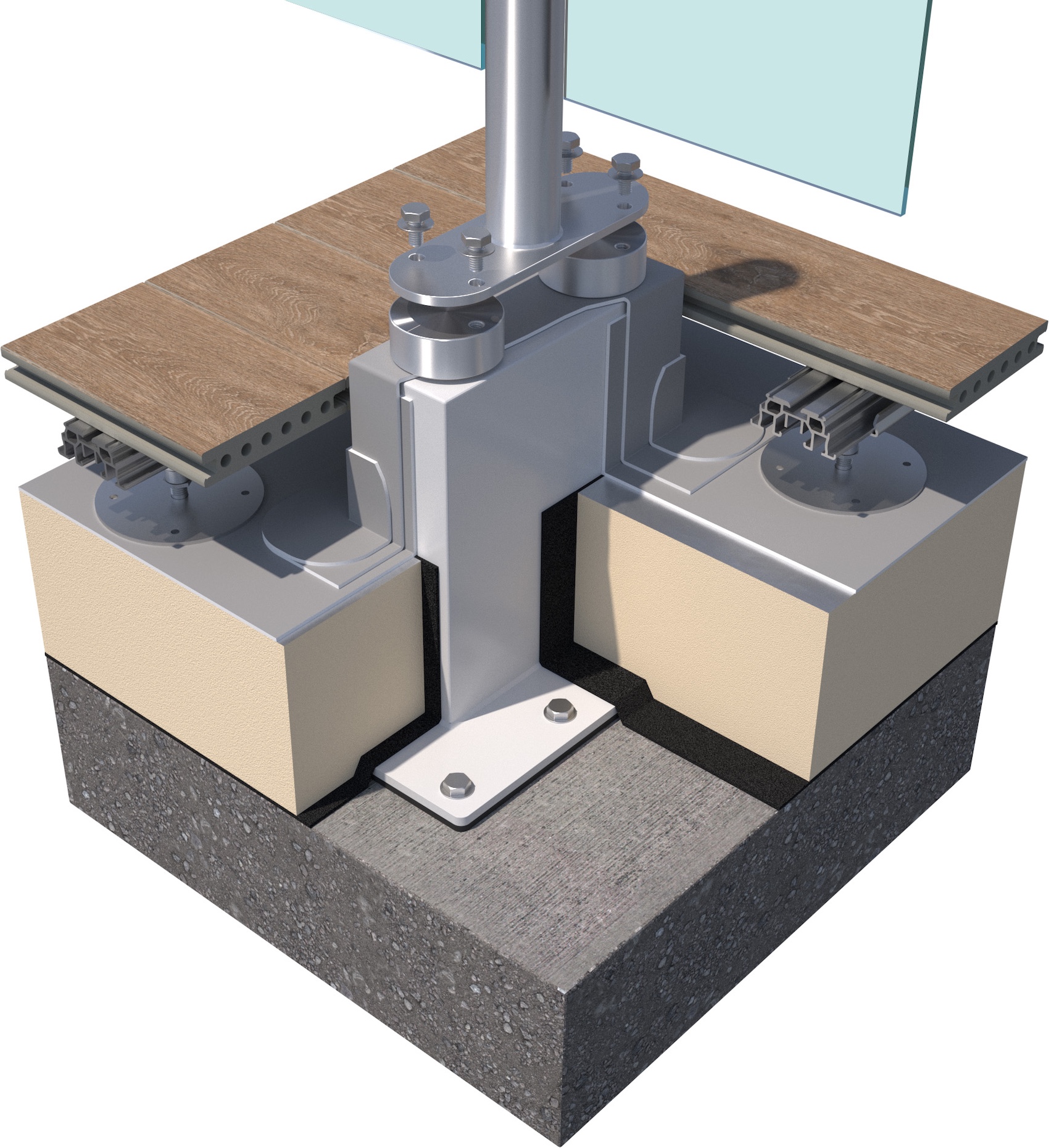
Nicholson’s Rooftrak IFP-BI system is designed for use on warm roofs, inverted roofs and vertical applications, where it is fixed directly to the supporting roof deck below the insulation providing a connection point for balustrade supports (CGI: Nicholson).
Flush door thresholds are often required for accessibility. How can architects reconcile Approved Document M requirements with upstand guidance while minimising the risk of water ingress?
The reduced 75mm upstand allowance applies specifically to accessible door thresholds. It does not remove the need for robust drainage design. Falls should always direct water away from the threshold, drainage capacity must be sufficient, and overflow provisions should be incorporated.
What are the key considerations when designing upstands at window and façade interfaces, particularly at low-level openings?
This is becoming increasingly important with the growth of full-height glazing and minimal threshold details. We often see architects applying the same 75mm logic used for accessible doors to adjacent windows. However, BS 6229 is clear that the reduced upstand allowance applies to doors, not windows. Windows should generally maintain a 150mm upstand to the underside of the frame. Otherwise they may sit within the waterproofing splash zone, potentially affecting both waterproofing performance and window warranties.
How should architects approach upstand detailing in refurbishment projects, where existing constraints may limit compliance with current standards?
Refurbishment projects often require a more pragmatic approach because of existing structural and level constraints. In these situations, the design team may need to explore alternative strategies, such as higher-performance insulation systems, localised drainage depressions, or balancing thermal performance elsewhere within the roof zone. The important thing is that these decisions are made collaboratively and with a full understanding of the associated risks.
What practical steps can architects take to ensure upstand details are delivered correctly on site?
Early engagement is critical. By involving roofing specialists, such as AccuRoof, early, architects can obtain project-specific guidance, reviewed details and technical support before problems become embedded in the design. This also ensures warranty requirements are understood from the outset.
Contact Details
For more information, please call 01509 505 714, email, or visit the AccuRoof website.
To book a CPD or to find out more about our CPD’s, please click here.
Let’s discuss your project in more detail. Click here to book a visit.