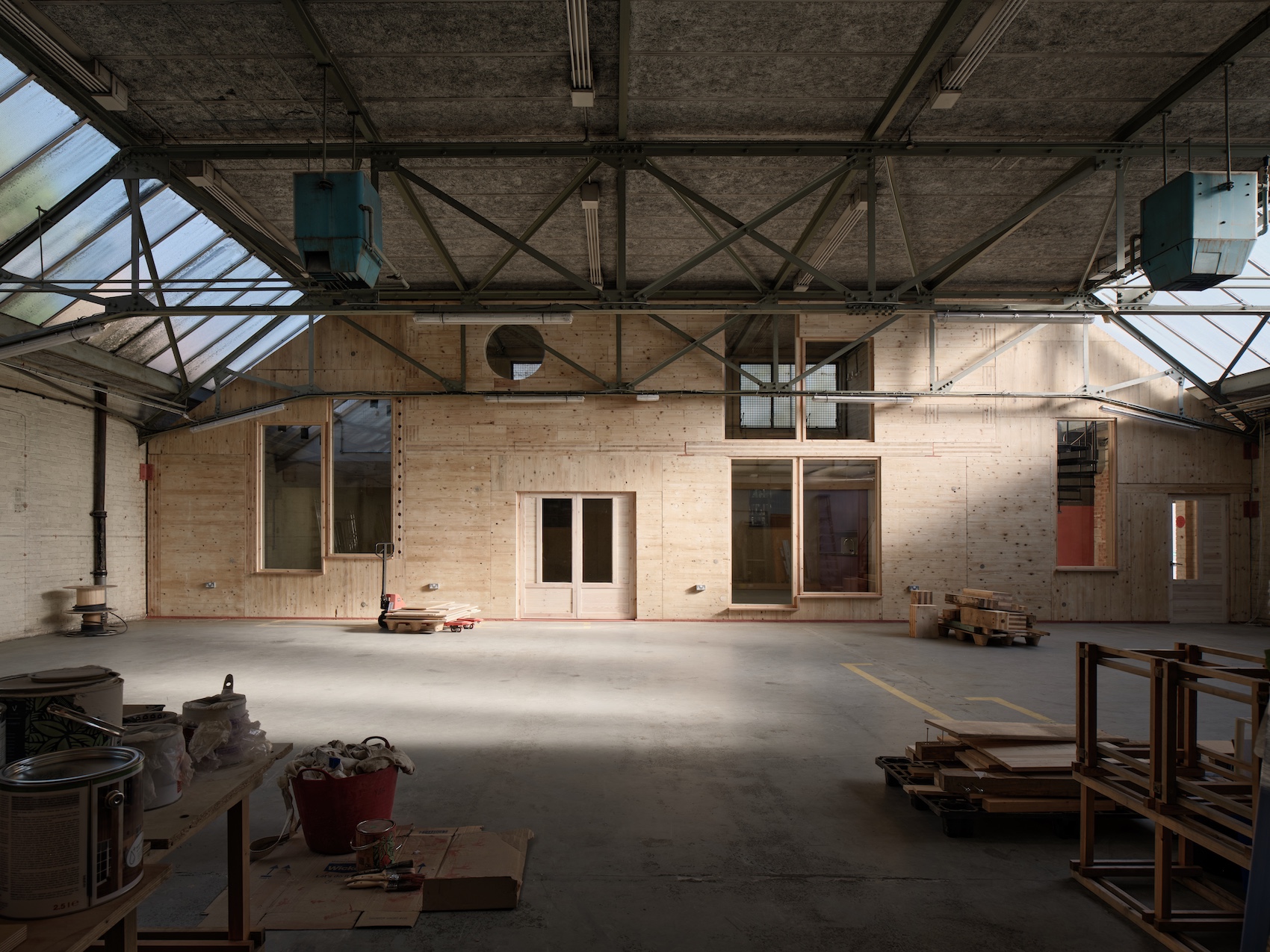
Roofing can play a pivotal role in the funding success and future-proofing of education estates. AccuRoof’s Rob Edwards and Ian Dryden, in conversation with AT’s Technical Editor John Ramshaw, discuss how to get it right, from strategy to specification.
In association with
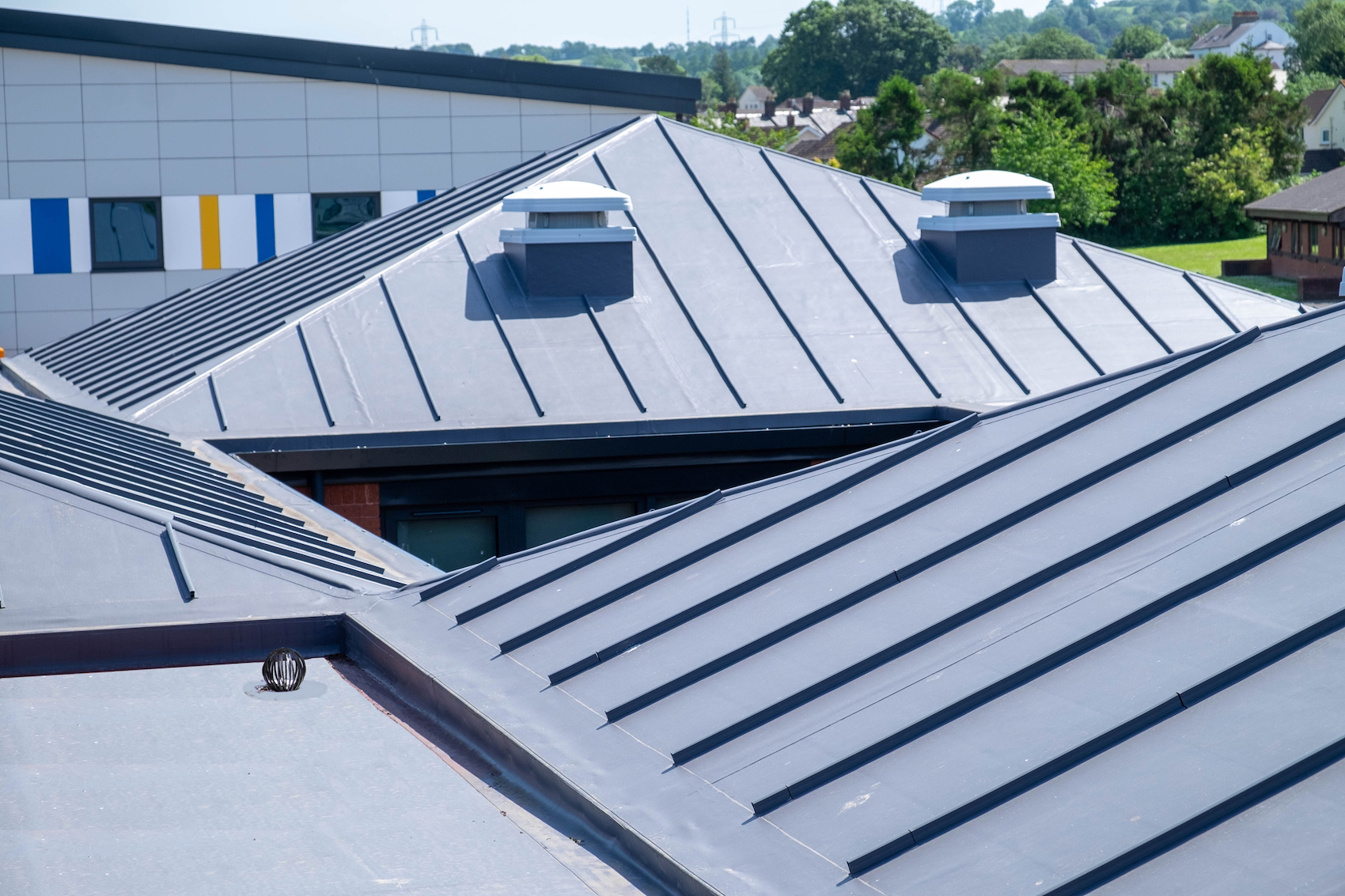
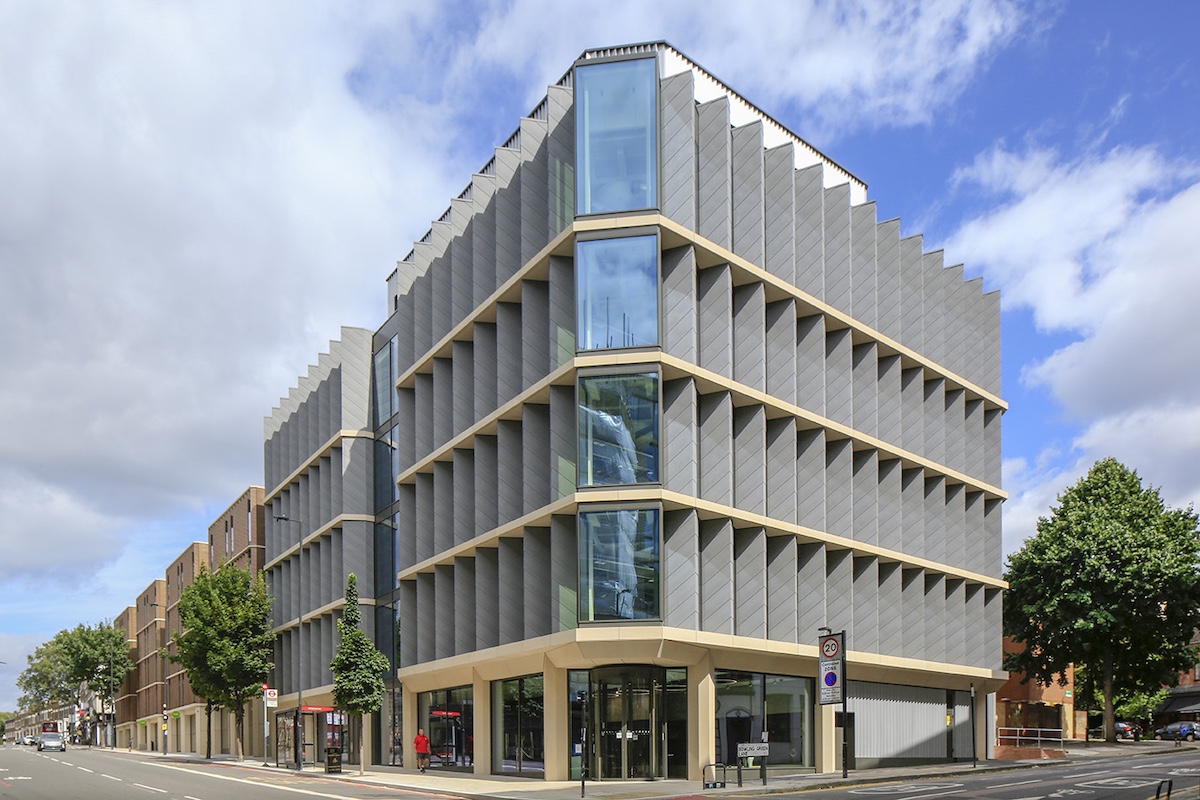
Armourplan PSG roof at Honiton Community College in Devon (photo: Richard Nash).
Across the UK’s school and college estates, capital funding is being stretched further than ever. With Condition Improvement Fund (CIF) applications facing growing competition and Multi-Academy Trusts (MATs) overseeing portfolios that are both ageing and expanding, the pressure is on to upgrade legacy buildings to meet today’s expectations for safety, energy performance and resilience. In this landscape, the condition of the roof has become a pivotal, but too often overlooked, factor in long-term estate planning.
So how can education clients make better decisions about roofing strategy, specification and sequencing? What role does solar PV have to play in long-term value and compliance? And how can architects, MATs and contractors work together to reduce risk, unlock funding and future-proof performance across multiple sites? These questions and more were discussed by AccuRoof’s Rob Edwards (Trading Director) and Ian Dryden (Sales Director), in conversation with Architecture Today’s Technical Editor John Ramshaw.
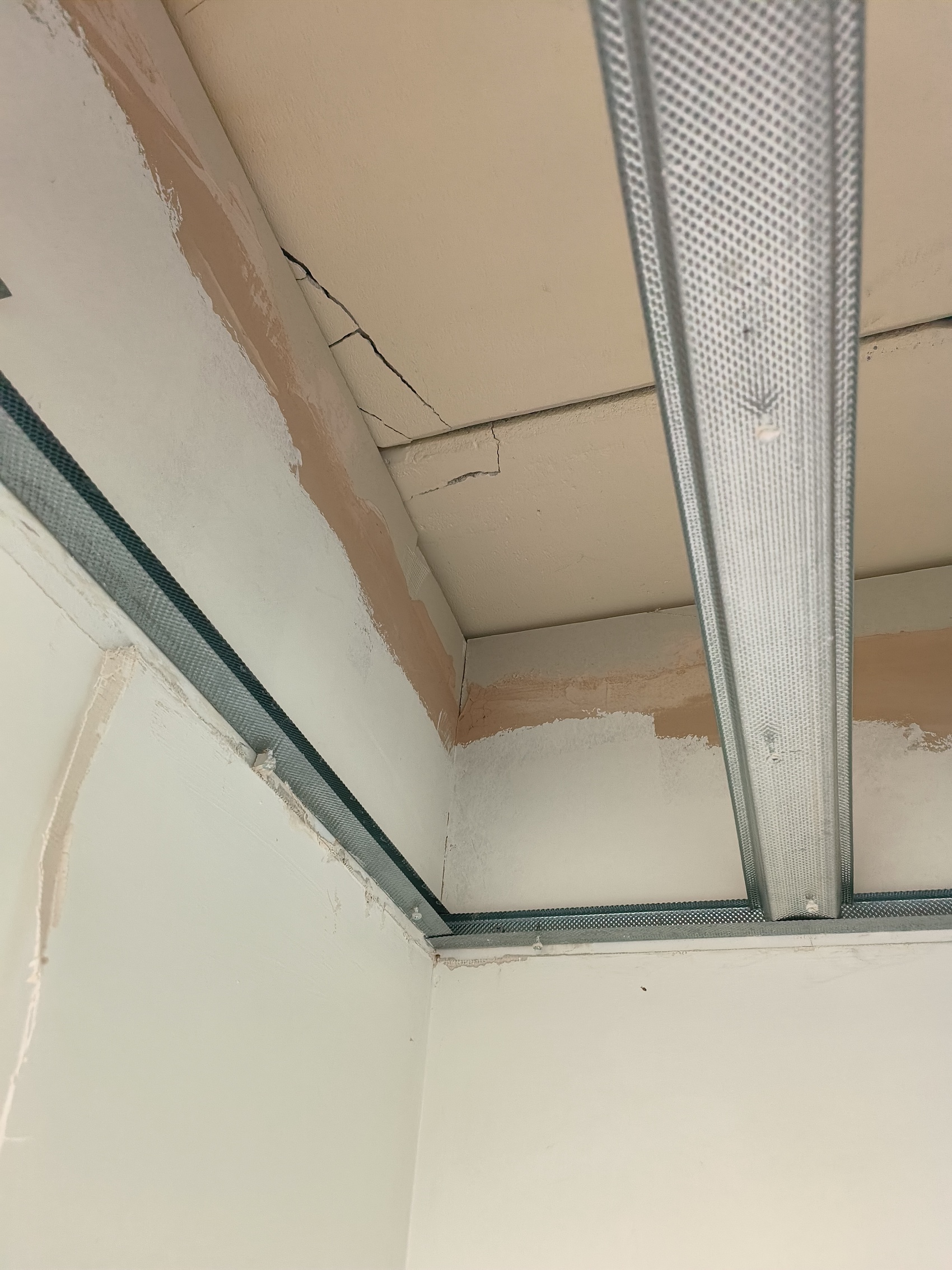
Cracked RAAC roof deck (photo: AccuRoof).
What are the principal roofing challenges currently affecting education buildings across the UK?
Rob Edwards Many schools and colleges still rely on post-war buildings with flat roof systems that have exceeded their design life. Common problems include water ingress, failing insulation, degraded materials, and poor thermal performance. For MATs managing large estates, the risks are compounded: unplanned roof failures can lead to classroom closures, timetable disruption, damage to interiors, health and safety concerns, and emergency spending outside planned capital cycles.
How can early technical input on roofing help strengthen CIF bids and reduce risk during delivery?
Rob Edwards Successful CIF applications depend on clear evidence, robust condition data, and deliverable solutions. Early technical input, including detailed intrusive and non-intrusive roof surveys, can help justify funding, as well as accurately define scopes and reduce the risk of unexpected issues during construction. By supporting schools and MATs at the pre-bid and feasibility stage, AccuRoof helps ensure proposals meet CIF criteria, budgets are realistic and defensible, and key risks are identified early.
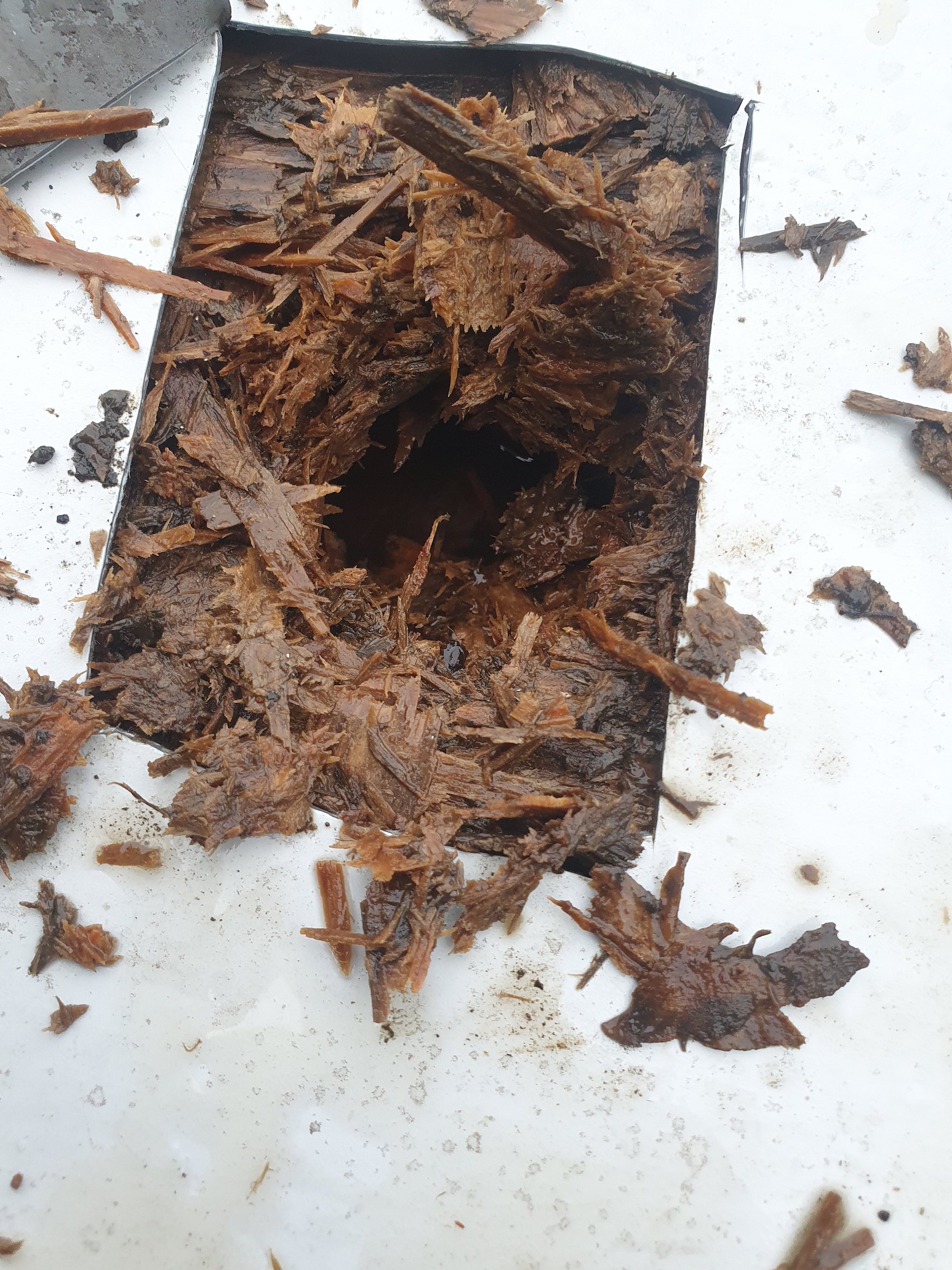
Damage done by interstitial condensation on a poorly overlaid single ply roof (photo: AccuRoof).
Are there roofing system choices that better support future funding rounds, decarbonisation targets or ESG reporting for MATs?
Ian Dryden Yes. Roofing systems and products, such as IKO Spectraplan, that offer documented environmental benefits, such as lower embodied carbon, recyclability, enhanced thermal performance and long service life, can support decarbonisation strategies, strengthen CIF funding submissions and provide measurable data for ESG reporting.
At what point in a CIF or MAT programme does solar PV become viable, and how can roofing strategy enable it rather than block it?
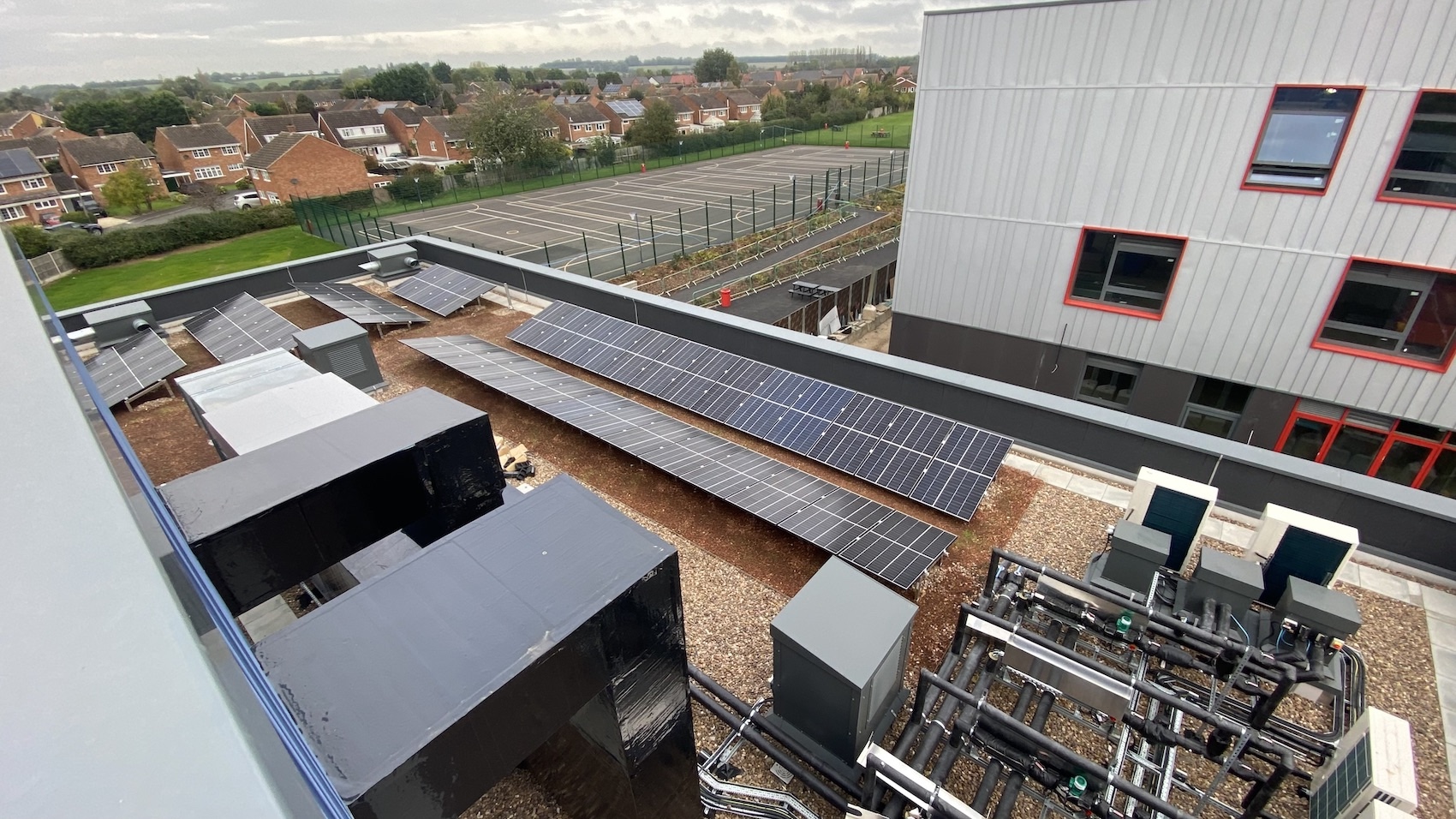
Ian Dryden Solar PV viability should be assessed at feasibility and early design stages of refurbishment, allowing existing structural capacity, roof build-up, load margins, drainage, fire strategy and access provisions to be evaluated and adapted to accommodate future PV installation.
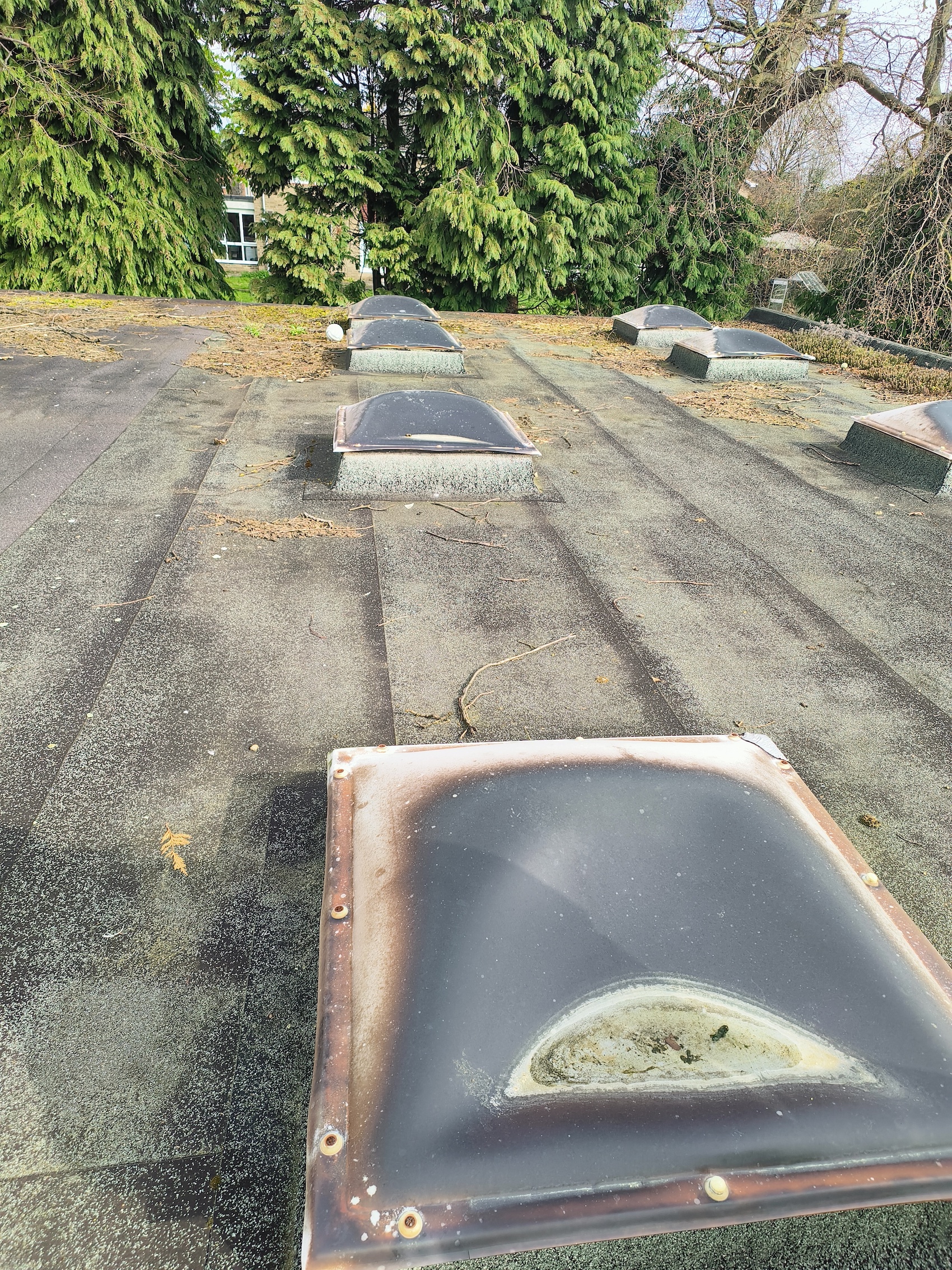
Unsafe PVC rooflights degraded by sunlight (photo: AccuRoof).
How can roof replacement projects be designed to be ‘solar-ready’, even where PV installation isn’t part of the current funding bid?
Ian Dryden By ensuring that structural load allowances are incorporated and that defined PV mounting zones are identified where required due to structural or weight limits. Furthermore, Integrated Fixing Points (IFP) can be installed in advance, waterproofing details can be reinforced to accommodate future installations, and dedicated cable management routes can be provided. Finally, safe access provisions and reserved plant space for future inverters should be included. It is worth noting that AccuRoof can coordinate waterproofing manufacturers, PV mounting suppliers and structural engineers to ensure full system compatibility, compliant detailing, tested interfaces and single-point warranty responsibility.
What should architects be most cautious of when dealing with legacy roof build‑ups on education estates?
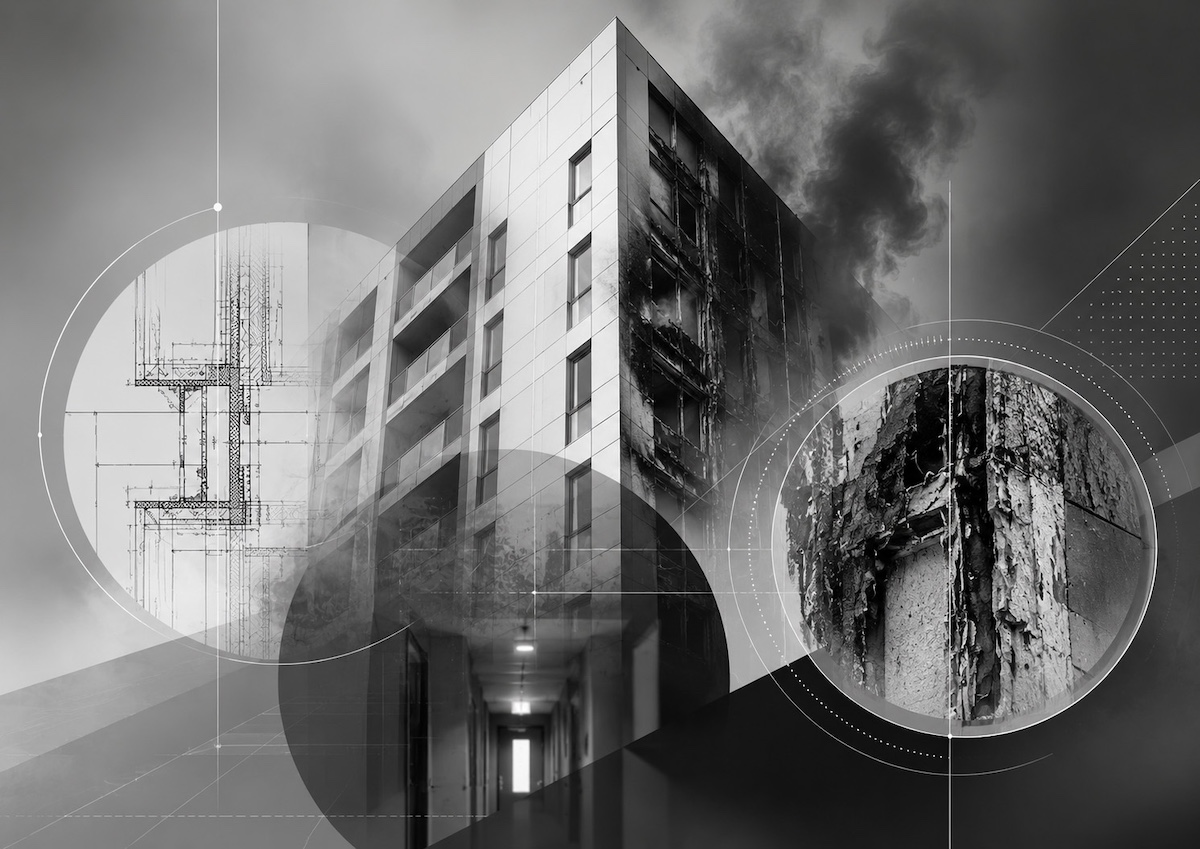
Ian Dryden There are a number of factors that can significantly affect design, cost and programme risk. These include structural capacity limitations, hidden asbestos, unknown fire performance, interstitial condensation risk, trapped moisture, and undocumented historical alterations. Getting Accuroof to undertake a condition survey can limit or remove these risks.
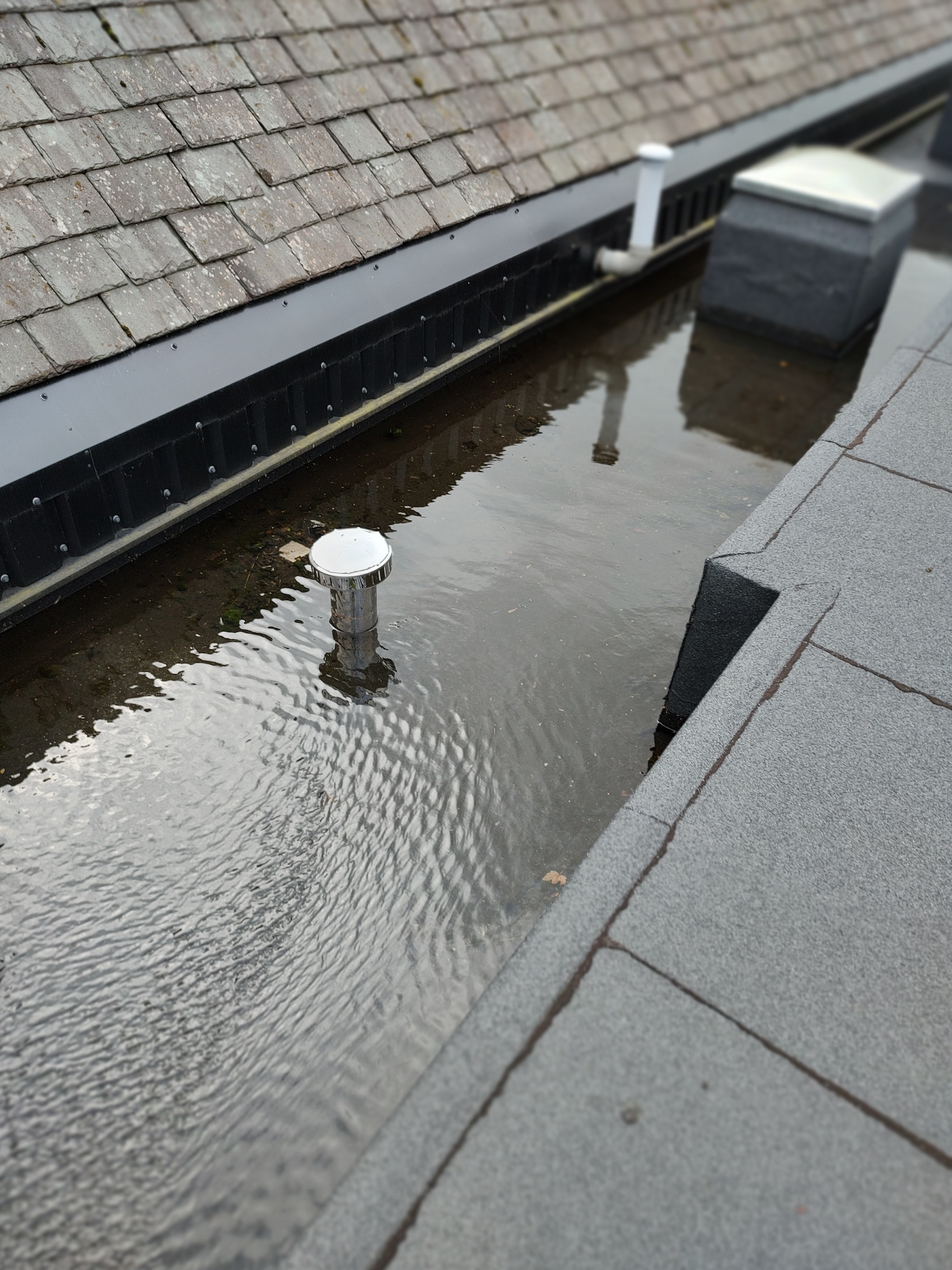
Lack of roof maintenance leading to blocked rainwater outlets and standing water (photo: AccuRoof).
Why is a partnership‑led approach increasingly important when delivering roofing projects across education estates?
Rob Edwards With rising expectations and increasingly constrained budgets, the education sector depends on delivery partners who combine technical roofing expertise with a clear understanding of how schools and colleges operate. AccuRoof’s experience on CIF-funded and MAT-led programmes positions the roof not as a short-term fix, but as a strategic asset that can improve building performance and support long-term resilience. In the effort to futureproof education estates, success often hinges on what’s overhead, and getting the roofing strategy right is a critical part of that equation.
What are the key differences between delivering single-school roof projects and rolling programmes across MAT estates?
Ian Dryden A single-school project is typically delivered under a CIF bid, focused on a defined condition issue with limited scope and timeframe. In contrast, MAT estates funded through School Condition Allocation (SCA) require a structured asset management plan to prioritise roof condition, risk, lifecycle status and strategic need, ensuring the correct roofs are addressed in the right sequence across the estate.
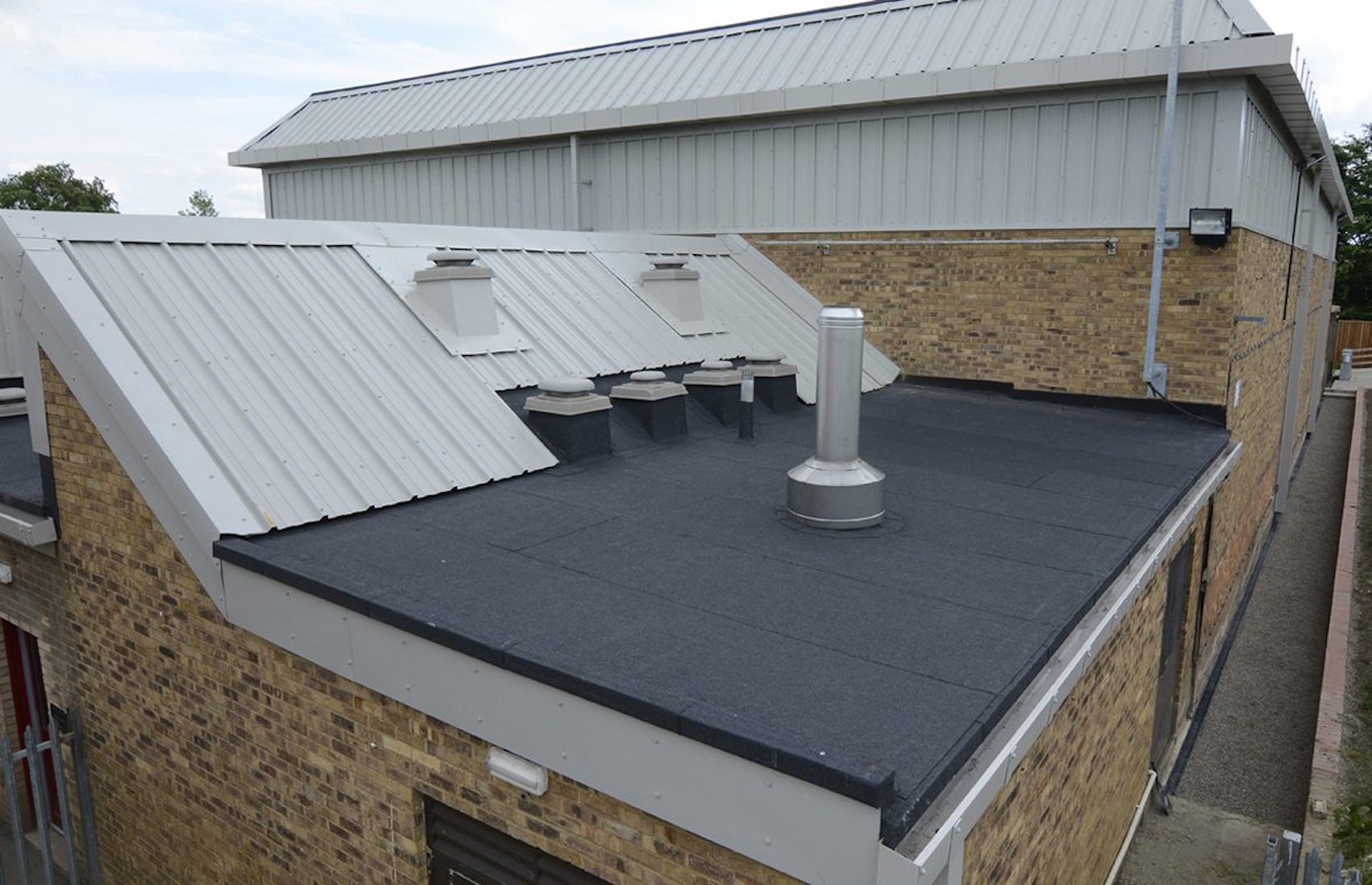
SIGnature bituminous roofing and Armourplan single-ply PVC membrane roofing were chosen to make extensive repair works at St John’s School, Bishop Auckland (photo: Terence Smith).
What lessons has AccuRoof learned from delivering concurrent roofing projects across live school environments?
Ian Dryden We’ve found that robust phasing, safeguarding-led logistics, and effective noise and dust control are all critical factors for success. Weather-resilient sequencing, early engagement with stakeholders, and continuous site coordination are also essential to minimise disruption. Underpinning all of these measures is clear communication between all parties throughout the project.
What information should architects hand over at completion to help MATs manage roofs as long-term assets?
Ian Dryden Architects should provide comprehensive operation and maintenance (O&M) manuals, along with warranty certification and accurate as-built drawings. Handover information should also include inspection and maintenance schedules, asset condition benchmarks, and lifecycle replacement planning data, enabling MATs to manage roof assets effectively over the long term.
Contact Details
If you require design assistance on an education roofing project, please call 01509 505 714, email, or visit the AccuRoof website.