STEICO explores the environmental and performance benefits of specifying wood fibre insulation on large housing developments.
In association with
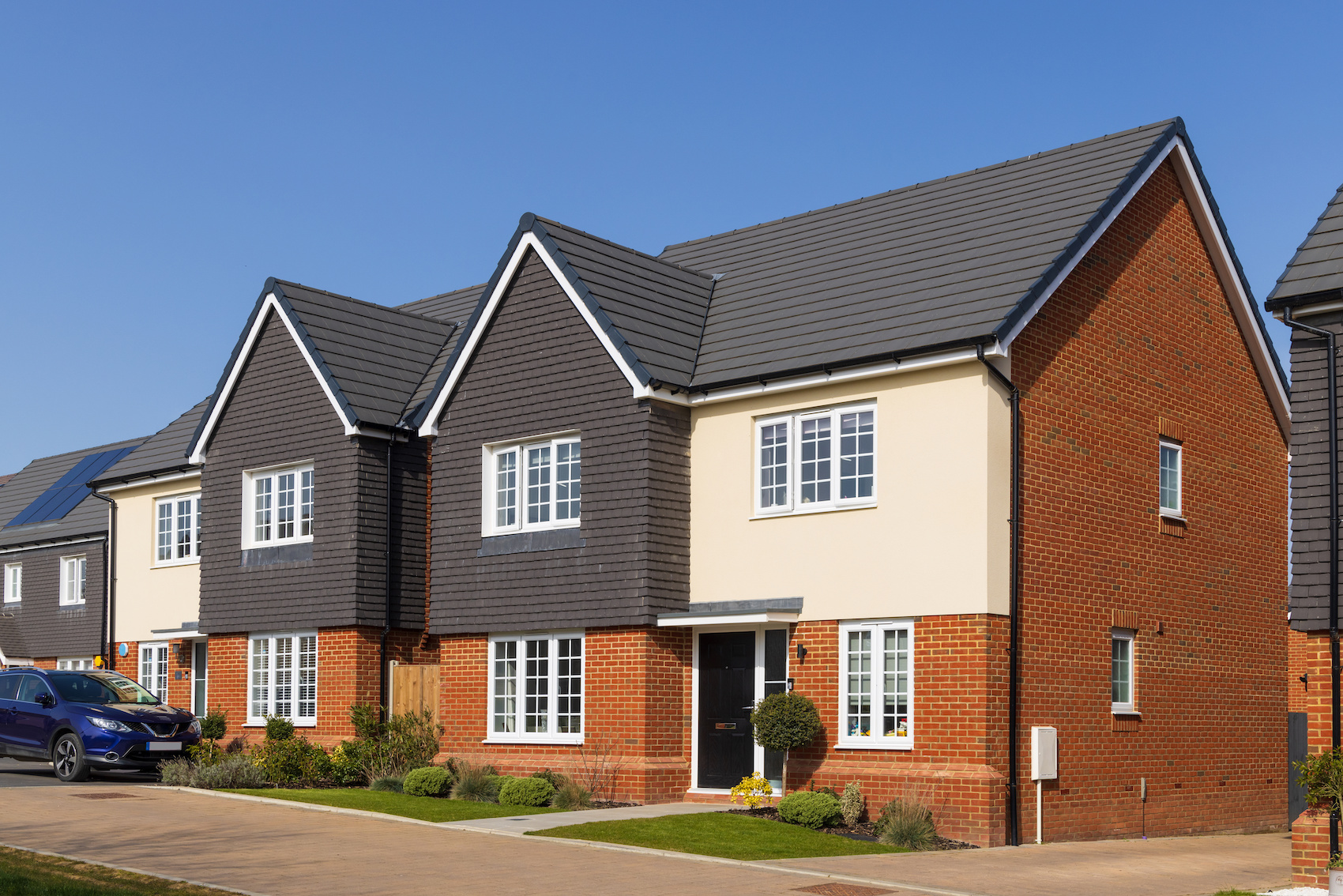
Is wood fibre insulation suitable for mainstream housebuilding?
Yes, wood fibre insulation is suitable for mainstream housebuilding. It can be used to insulate the walls, floors and roof, and is available in air-injected or rigid board form. It is formed from at least 80 per cent wood fibre, and this naturally derived raw material comes from PEFC certified forests. Insulants like wood fibre are often seen as materials suitable for projects whose main focus is sustainability, but that is changing fast.
How can wood fibre insulation reduce embodied carbon for mainstream housebuilding?
With the government’s target for the UK to become net zero by 2050, there’s an increasing pressure on housebuilders to play their part in reducing the embodied carbon of new homes. Embodied carbon is currently unregulated, even though it makes up 20 per cent of the UK’s built environment emissions. However, there is growing talk of legislation being introduced to regulate embodied carbon – and the construction industry has already drafted a potential Approved Document called ‘Part Z’.
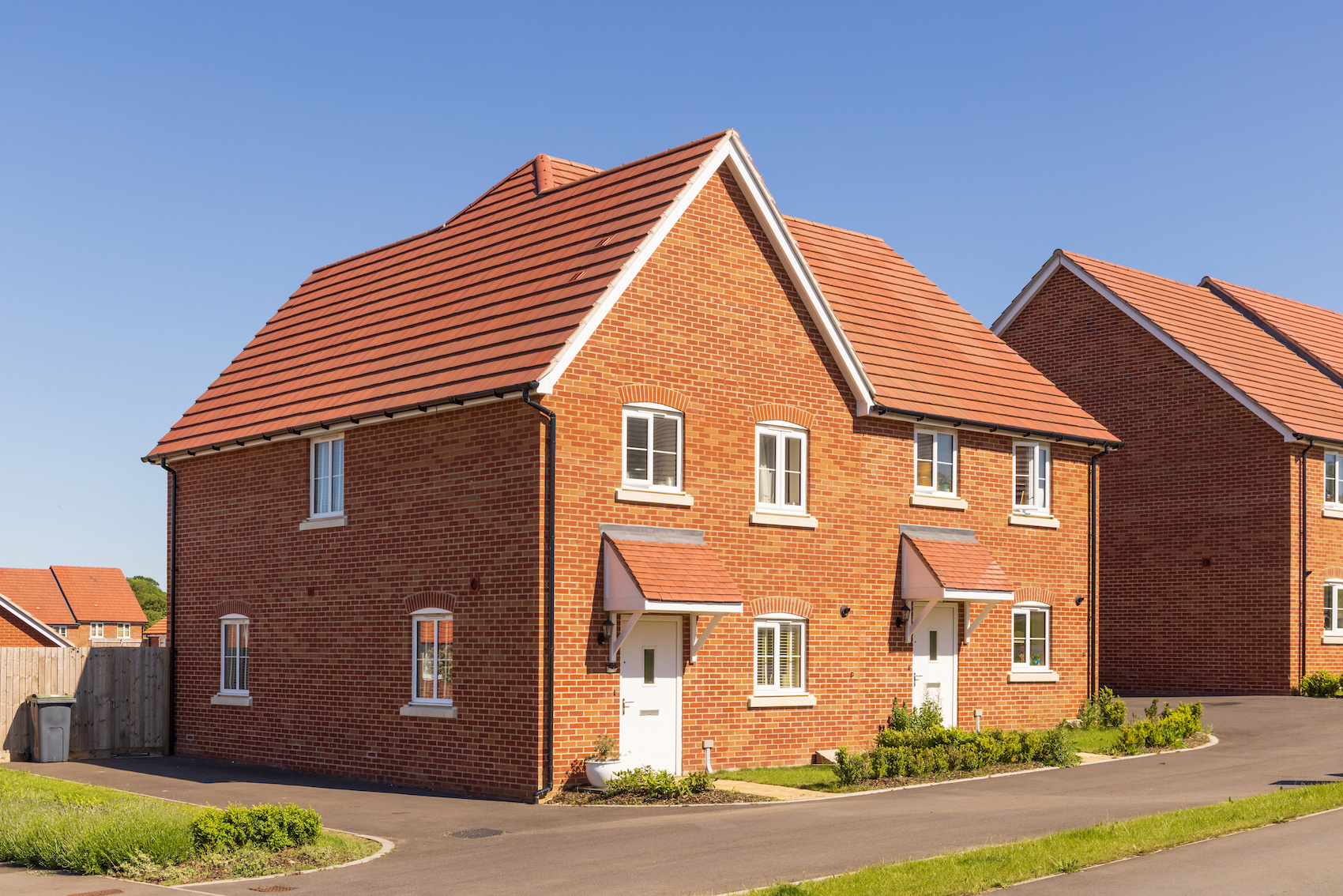
When developers need to determine the carbon contribution of construction materials as a measure of their sustainability, they look at each product’s Environmental Product Declaration (EPD). Due to its composition, wood fibre insulation can contribute to climate protection making it a viable option when looking to reduce embodied carbon. On top of this, its insulation properties can help increase the energy efficiency of a building and reduce its associated carbon emissions.
How does wood fibre insulation help mitigate overheating?
Wood fibre insulation doesn’t just keep the heat in during the colder months. It can also help to keep heat out during hot summer days and evenings. Wood fibre insulation is characterised by a high raw density, which means it can offer greater resistance to heat radiation due to its higher heat storage capacity.
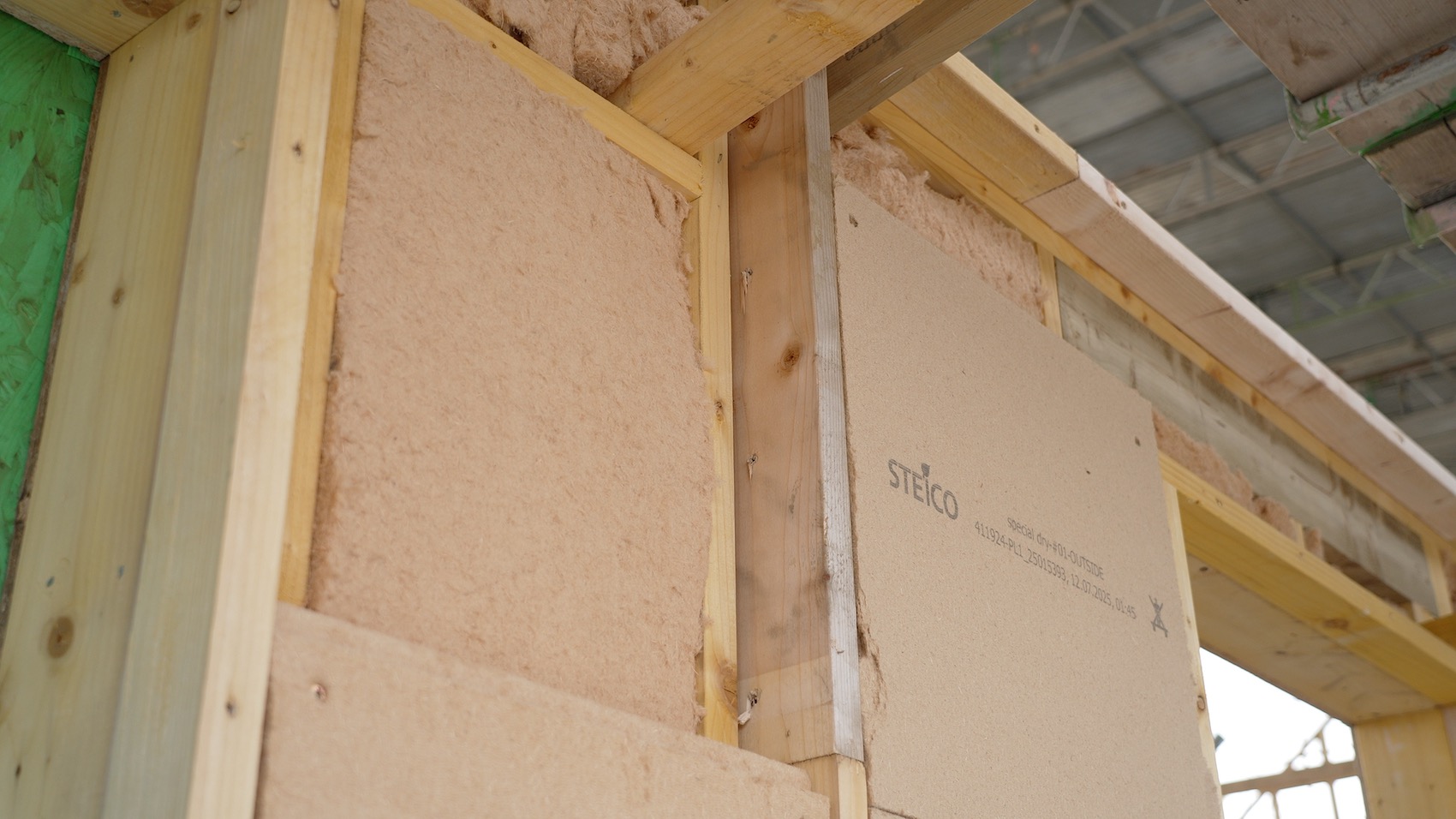
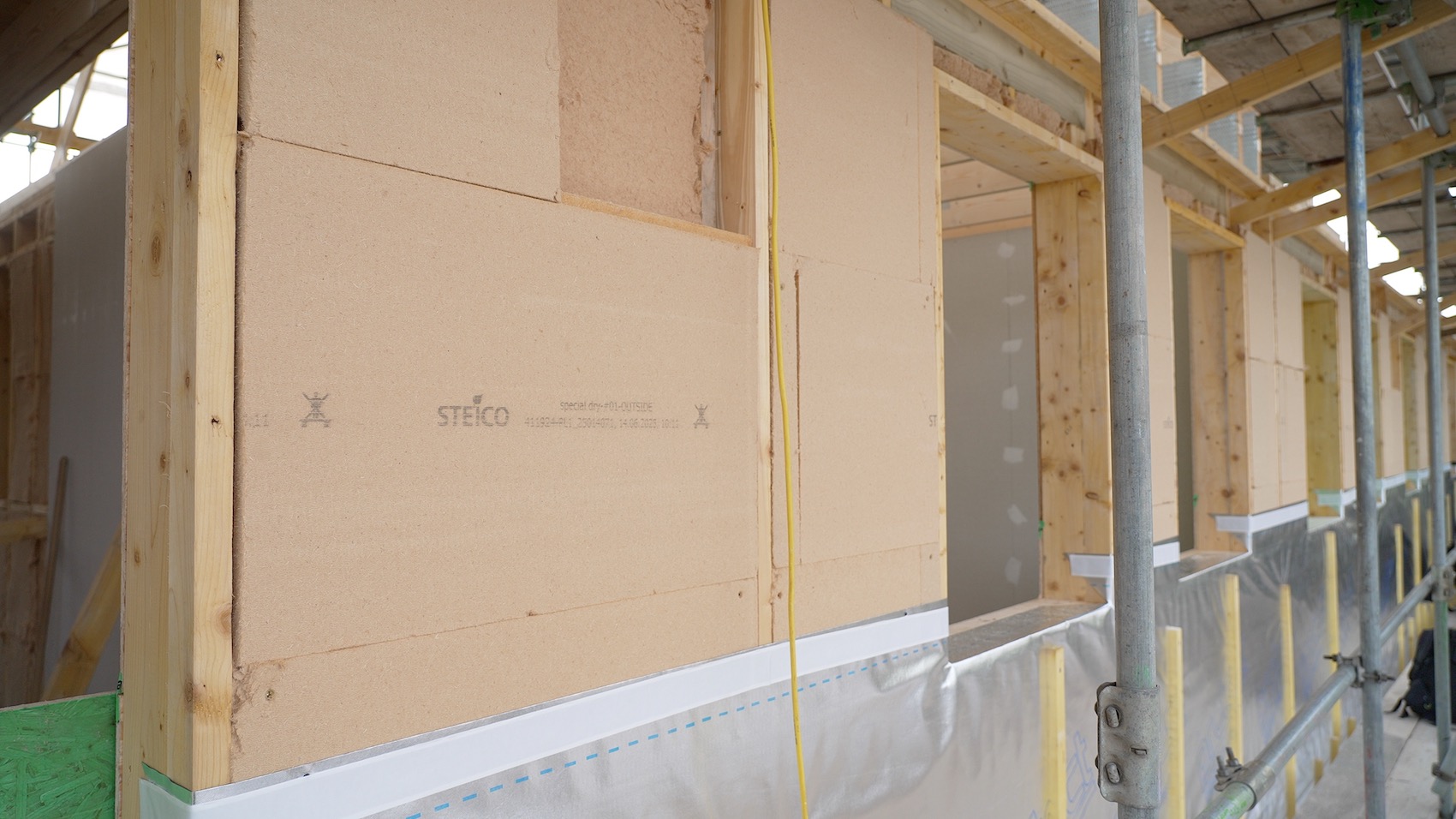
How does wood fibre insulation help housebuilders with moisture control?
Control of moisture in buildings is a requirement of ‘Approved Document C: Site preparation and resistance to contaminants and moisture’ of the Building Regulations. The document references the standard BS 5250:2021 Management of moisture in buildings. Wood fibre insulation materials are diffusion open allowing water vapour to safely pass through the material. Vapour control layers (VCLs) are used to help control the level of internal moisture entering the building fabric.
How can wood fibre insulation contribute to improved indoor air quality?
As we spend 90 per cent of our time indoors, and the average Brit spends 53 years of their life inside, it’s important that the indoor environment is one that promotes health and wellbeing. There is a pressure on housebuilders to ensure that new stock does not suffer the same fate as existing stock in the future.
Due to its density and composition, wood fibre insulation helps to keep noise pollution out of the home. Dense batts are used to insulate between timber studs, joists or rafters. These batts reduce the risks of gaps in the building fabric, which can lead to cold spots and condensation issues. This helps to maintain the thermal integrity of the insulation layer.
Contact Details
To find out more about wood fibre insulations and how they can benefit mainstream housing developments, please visit the STEICO website.