The third annual SWA Awards are set to shine a light on the strength and elegance of steel windows.
In association with
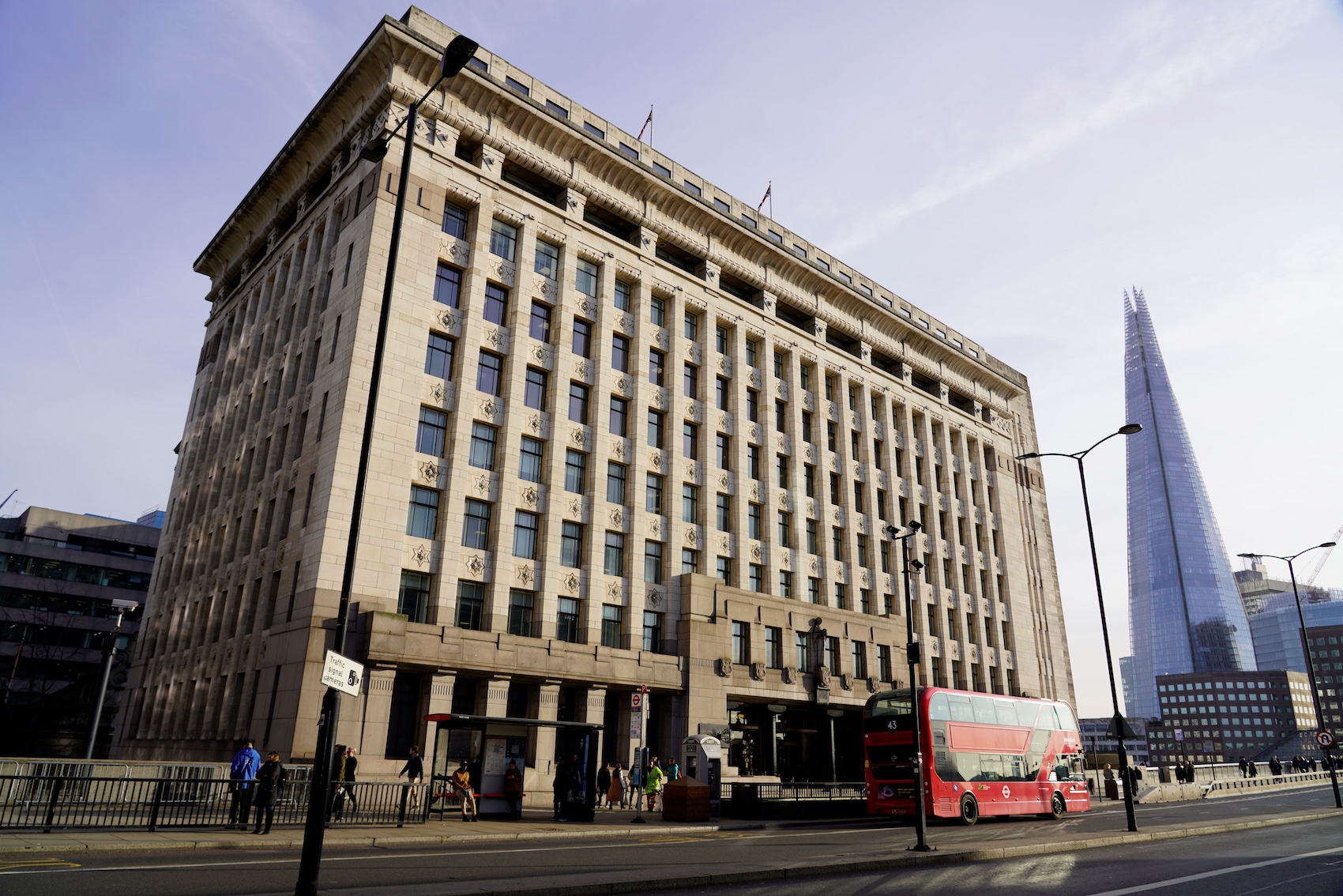
Adelaide House, London, by Crittall Windows (photo: Scott Brownrigg).
The projects under consideration for the third Steel Window Association awards will showcase outstanding quality while reflecting the diversity of building types where the slender systems distinguish different architectural styles. As well as new build, the entries span many period and listed properties which have undergone change of use or painstaking restorations, with the winners due to be announced under the categories of Commercial, Domestic and Refurbishment.
Setting the scene in terms of steel’s heritage credentials, Crittall made a key contribution to restoring Adelaide House in London by replacing its own early frames which dated from 1920. The project required faithful replication while achieving contemporary energy conservation standards, with the Corporate W20 EVO system featuring high-performance IG units in the original glazing pattern, paired with authentic hardware.
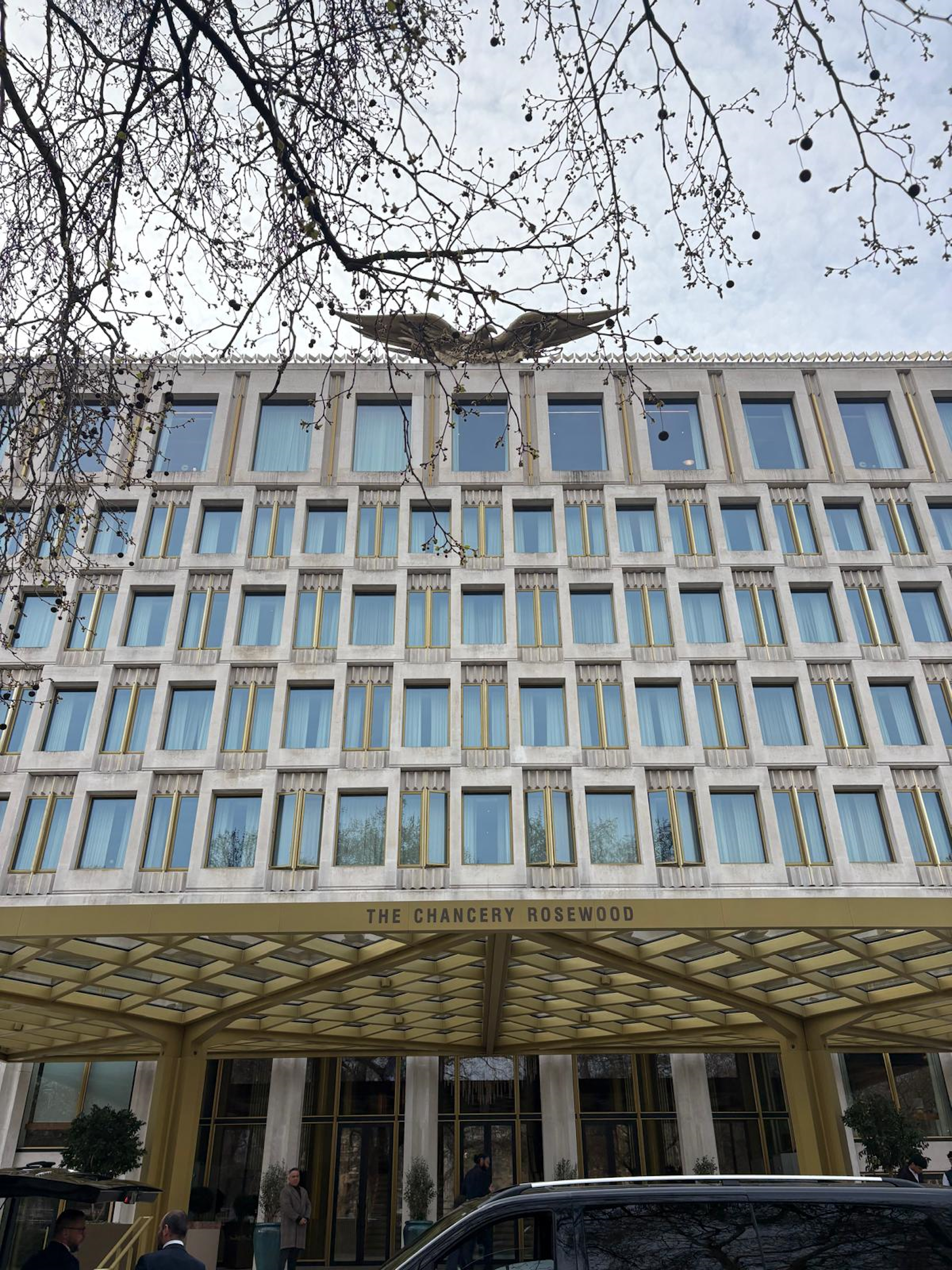
The Chancery Rosewood, London, by West Leigh Steel Windows.
West Leigh; A modernist icon in Central London, the former US embassy has been transformed to create The Chancery Rosewood Hotel where West Leigh realised the ambitions of architect, David Chipperfield. The challenges included harmonising replications of the original steel windows and gold anodised steel mullions amidst the sculpted stone facades. The result respects the heritage of Eero Saarinen’s famous Grosvenor Square landmark.
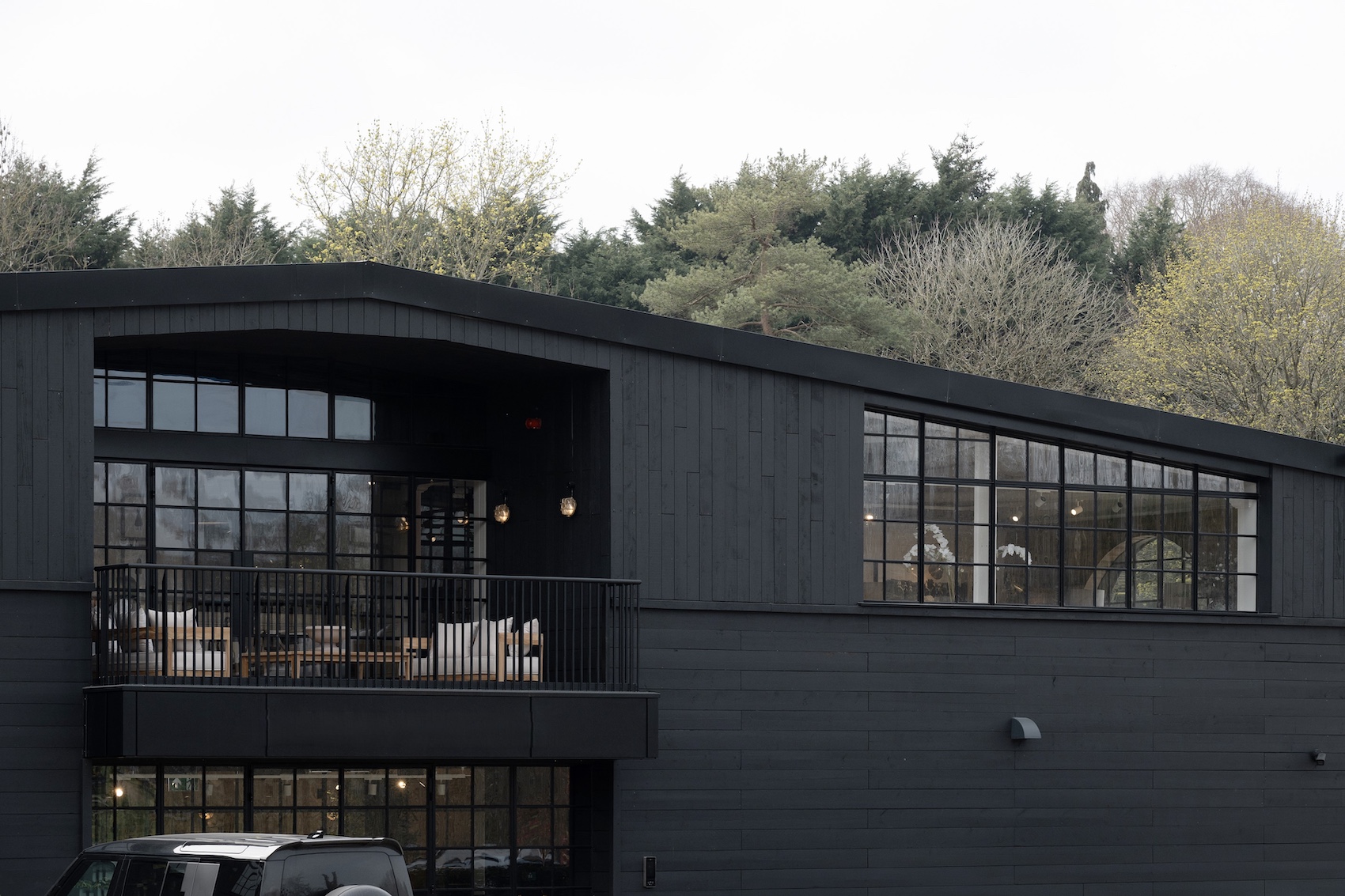
Cooper by The Cotswold Casement Company (photo: Pete Helme).
The Cotswold Casement Company succeeded in maximising the countryside views around its client’s cider plant near Cheltenham where elegant windows and entrance doors are set within the timbered elevations of the recently completed structure. With the W20 and W30 system frames finished in black, the contemporary ‘Cooper’ building sits well in its surroundings, while the arched window heads and double-height main opening invite ample sunlight to the interior.
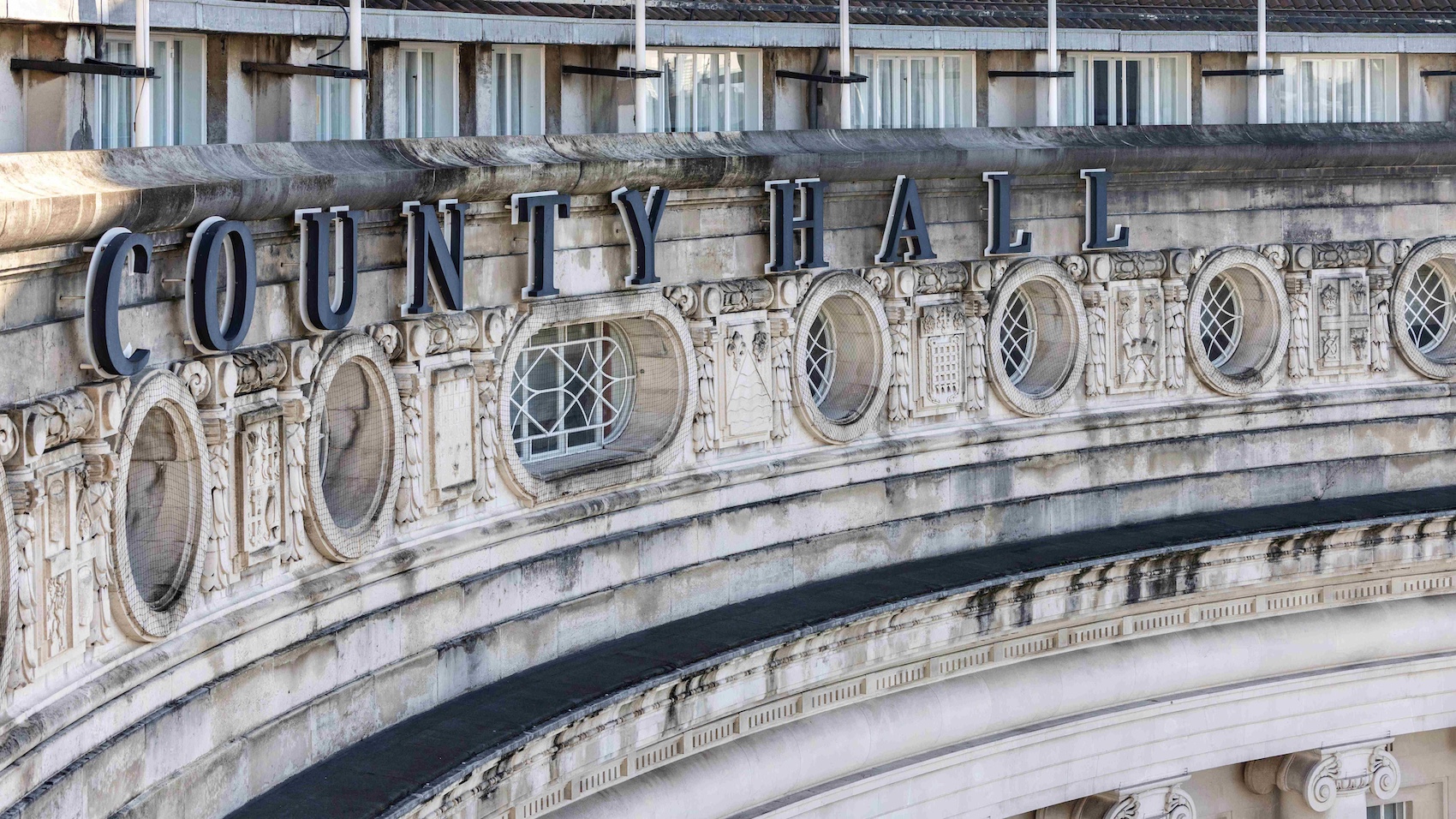
County Hall, London, by ASWS.
County Hall is another building with a powerful back story where ASWS worked for Red Construction while Studio Loren led the design team: employing the window specialist’s comprehensive condition survey. Working flexibly as the hotel remained open throughout the reconfiguration, ASWS removed ironmongery for overhaul and replaced damaged glass. With no scaffolding permitted, the company deployed its ‘Never Let Go’ tool tethering system and fabricated replacements for discontinued Mid-Universal sections.
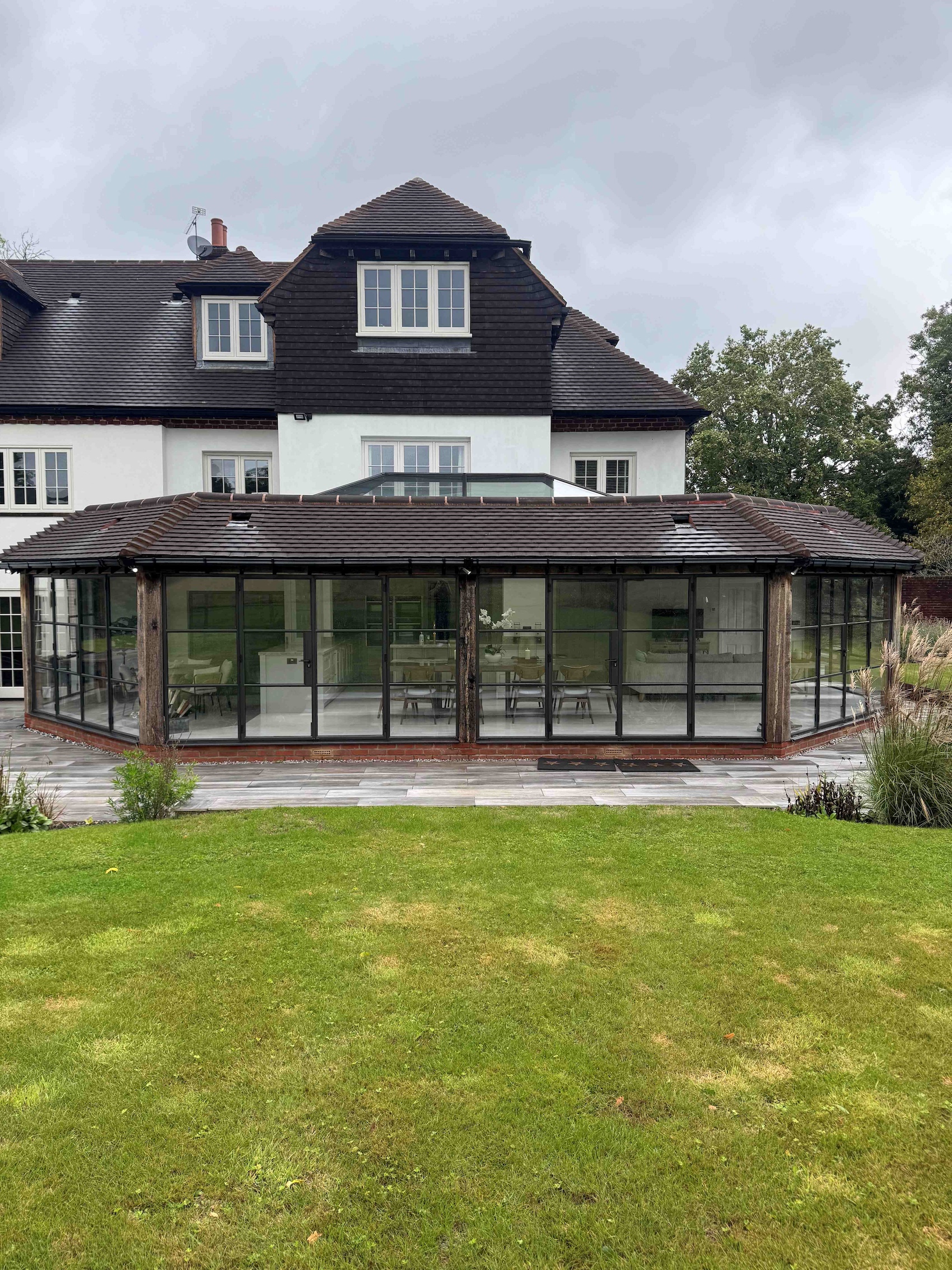
Residential setting, Petworth, by Govette Windows.
Govette Windows; At Graffham in the South Downs, a bronze Interpon coating was chosen to offer strong contrast with the retained oak frame of a spacious dwelling where EHG Design sought alternatives to a black finish. While the specification of 18mm IG units for Govette’s external doors helped achieve a BFRC ‘B’ energy rating, discreet colour-matched vents addressed Part F requirements. As the design for the client evolved EHG extended the framing pattern to the interior doors for a cohesive aesthetic, where the FD30 rated W20 system and Pyro Dur glass achieved the necessary fire performance.
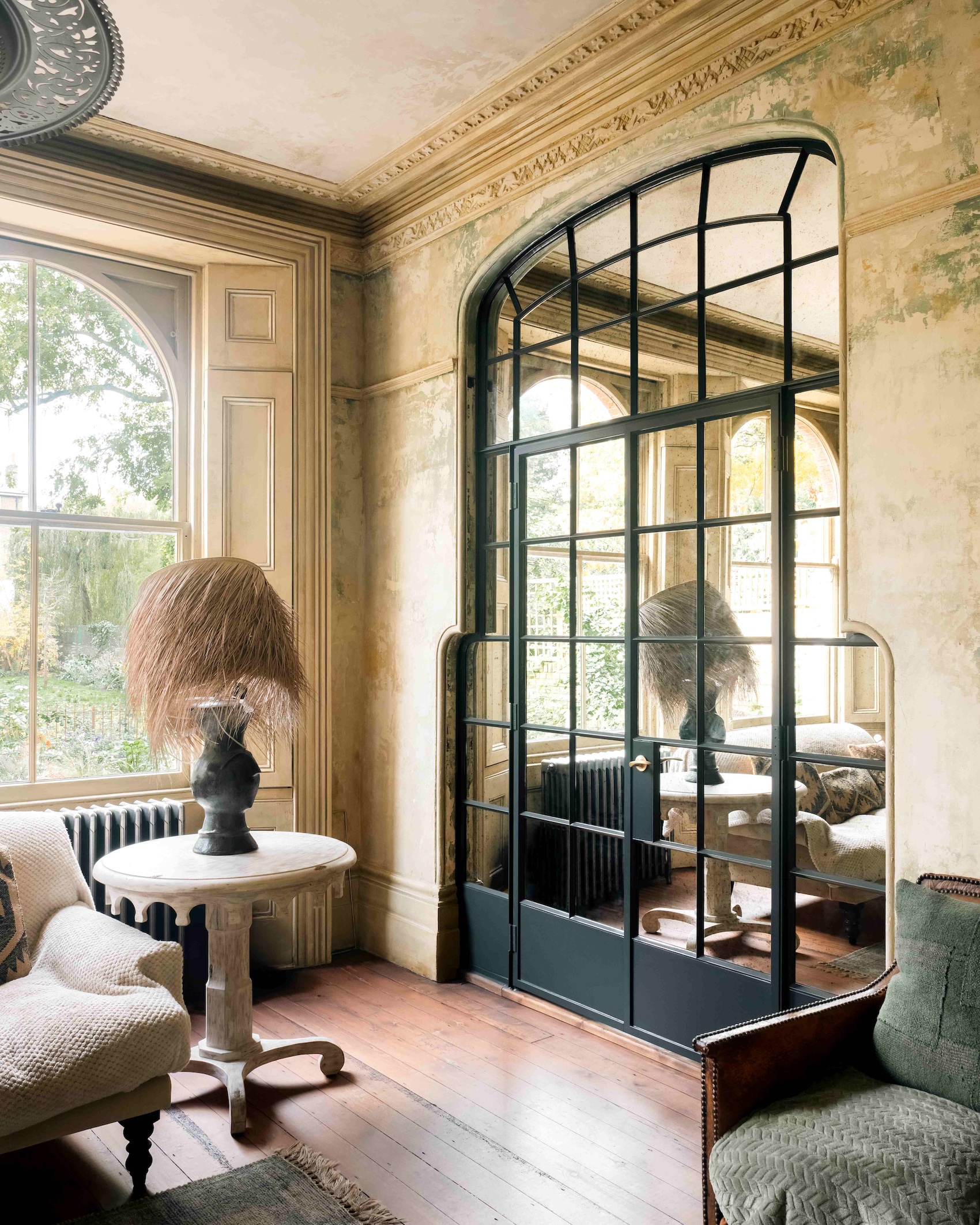
Kidbrooke Grove, London, by Fabco (photo: Jon Golden).
Working within the Blackheath Conservation area at Kidbrooke Grove demanded Fabco create some bespoke solutions in restoring a mid-Victorian property with Studio Sam Causer Architecture – improving internal flow and styling. Rather than standard glazing, the installation incorporates antique mirrored glass, allowing new double doors to integrate with the building’s original features – the craftsmanship evident in the arched silhouette of the steel frames, echoing the retained rear sash windows.
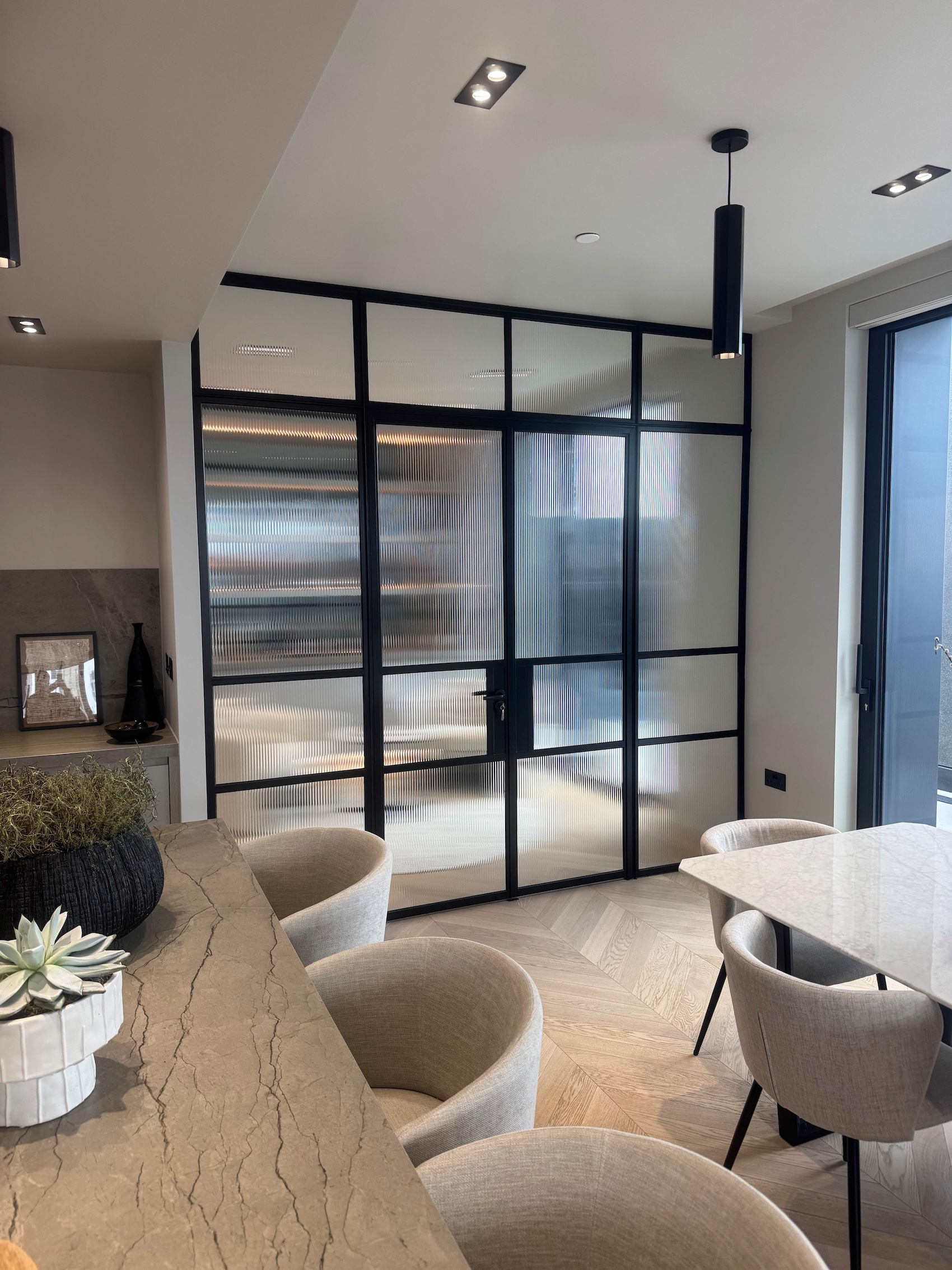
London Square by Govette Windows.
By contrast, internal screens were a significant part of Govette Windows’ London Square contract, led by Worthing based Architectus. In addition to the larger screens, W20 sections are fashioned into shower enclosures and doors for walk-in wardrobes and pantries, helping define the 27 storeys of apartments. A cohesive aesthetic combines the powder coat finish, ironmongery and narrow reeded glass.
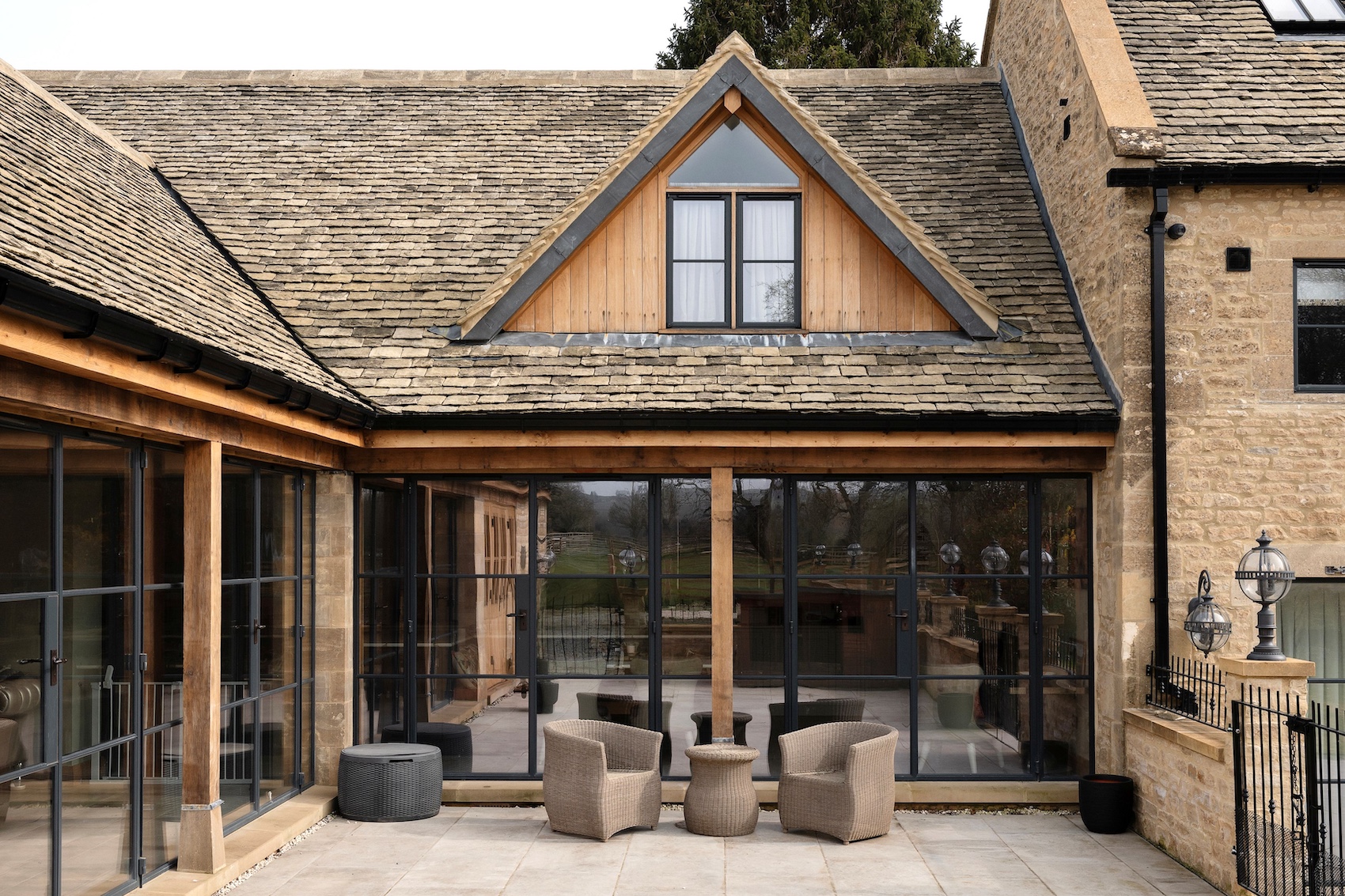
The Old Manor, Milton-Under-Wychwood, by The Cotswold Casement Company (photo: Pete Helme).
The Cotswold Casement Company; More rural in its setting, The Old Manor is an idyllic barn conversion at Upper Milton, Oxfordshire, where Cotswold Casements complemented original beans and a new oak staircase with steel double doors linking into the main reception space. Further steel doors open-up the rear elevation to views of the gardens. The slim profiles and clean architectural lines enhance the light flowing into the property and its overall architectural impact.
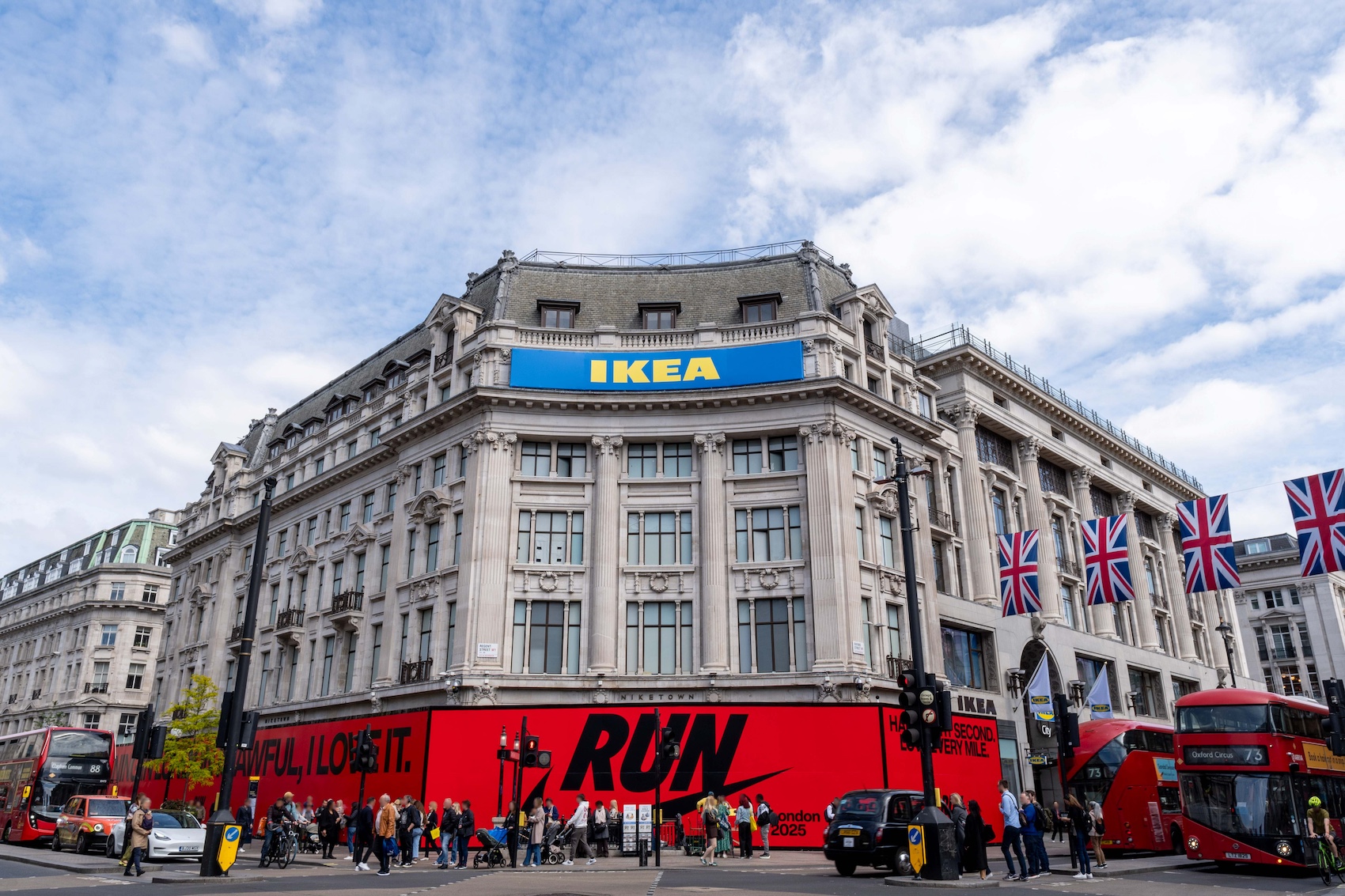
214 Oxford Street, London by ASWS.
Switching to retail, ASWS undertook a multi-faceted contract on one of the Crown Estate’s Oxford Circus Quadrant buildings to create Ikea’s new London HQ, originally designed by Sir Henry Tanner. The brief stretched from bronze shop-fronts, across the imposing facades to a trio of steel rooflights at 4th floor level. ASWS highlighting historic damage for Avison Young before beginning on site under McLaren Construction: removing 90 of the 342 steel windows for off site repair while overhauling the rest in-situ.
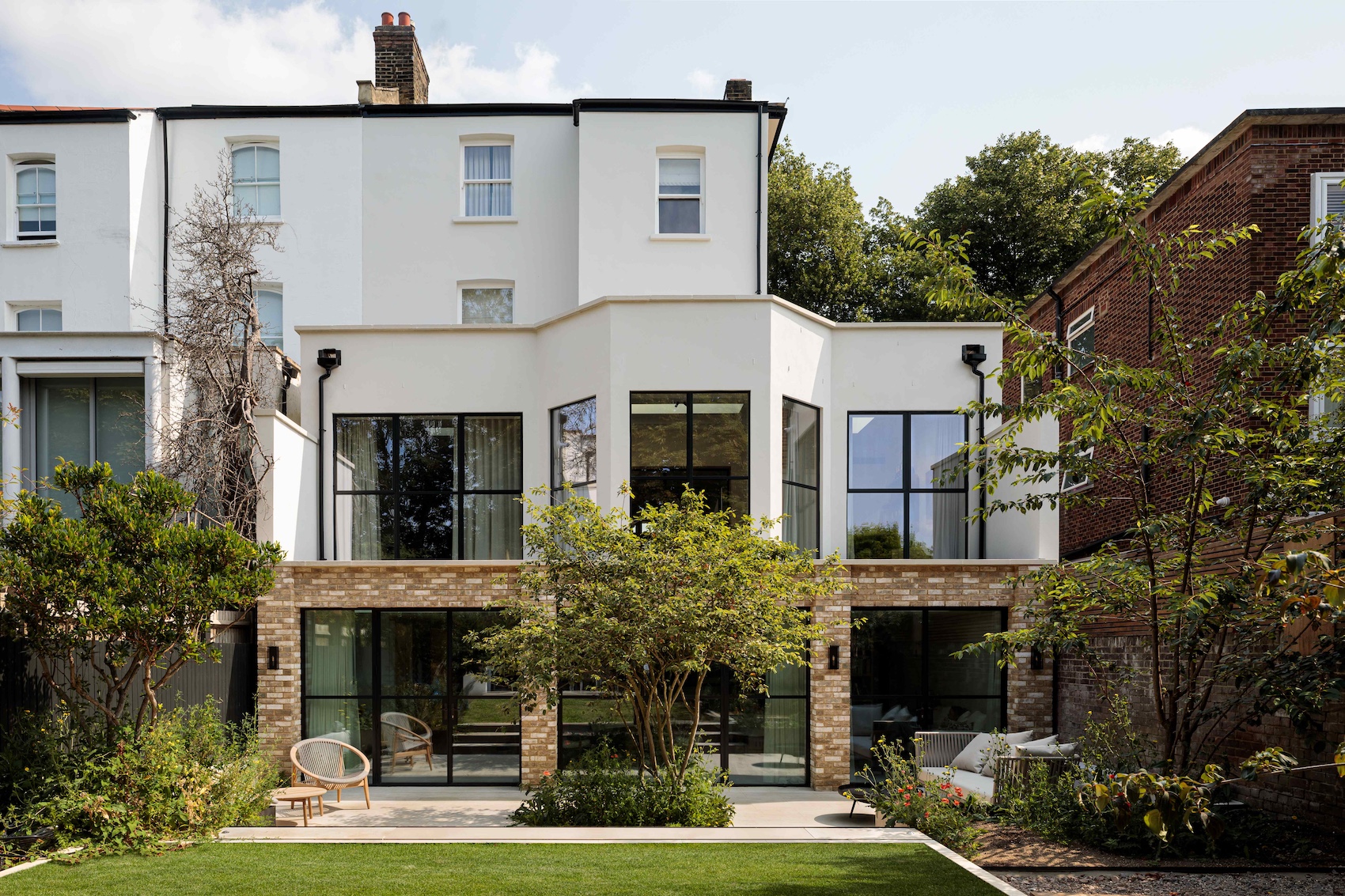
Spencer Road, Chiswick, by Perla Windows (photo: David Butler).
Modern steel fenestration has, meanwhile, been sensitively integrated into the elevations of a dated townhouse in Spencer Road, Chiswick by Perla Windows. The brief encompassed meeting high insulation standards and compliance with the Fire Regulations; delivering clarity of design and reliability. For the external doors this was achieved using the thermally-broken W75 system while W40 FD30 screens opened the interior spaces.
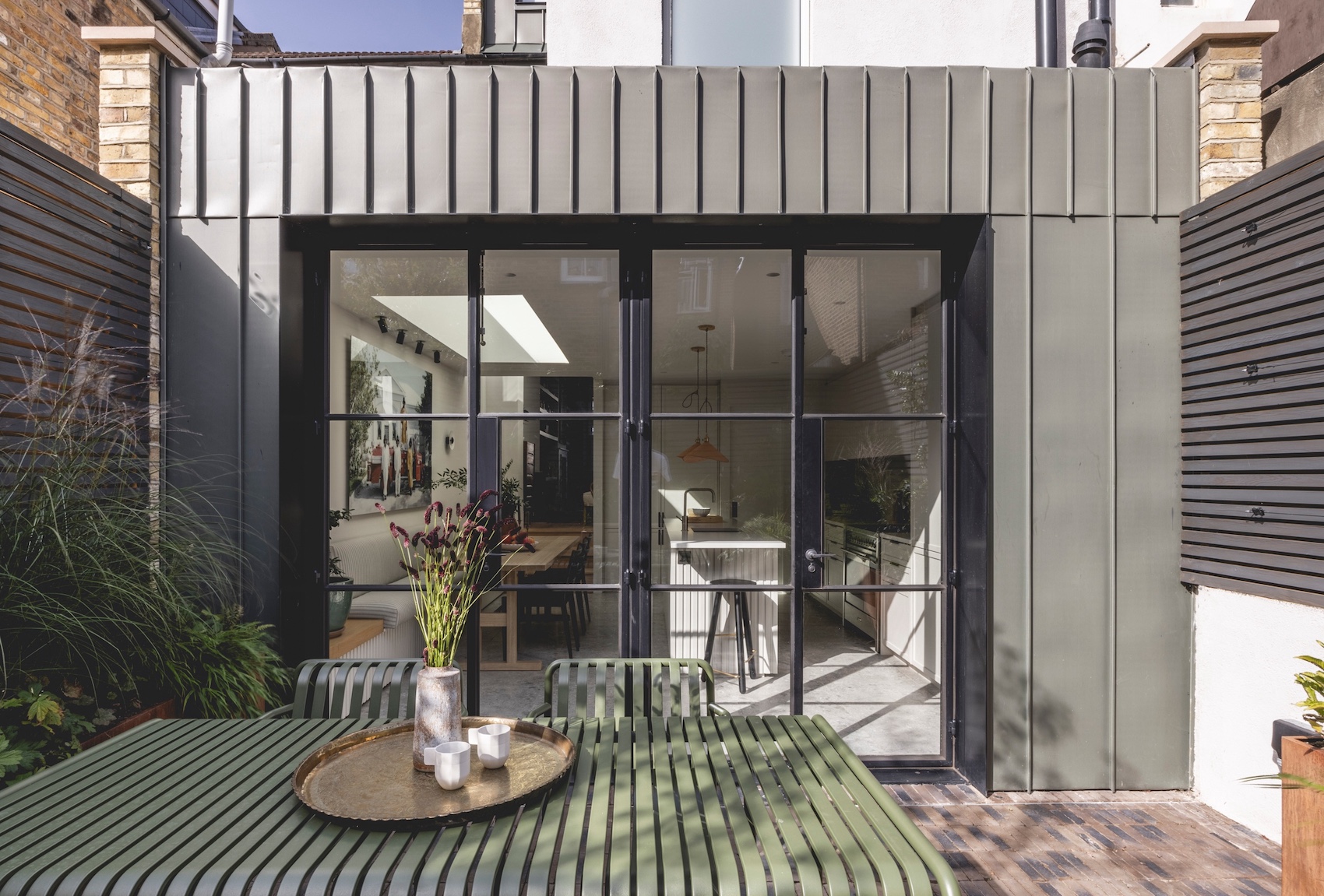
Well House, London, by Fabco (photo: Billy Bolton).
A wall of Fabco steel doors face the garden of Well House, a Victorian terraced home in East Dulwich where architect Rosie McLaren has reworked floor plates to maximise space and light. While respecting the building’s proportions, Fabco’s involvement offers an industrial feel and raised the energy performance in line with the urban retreat’s sustainability goals.
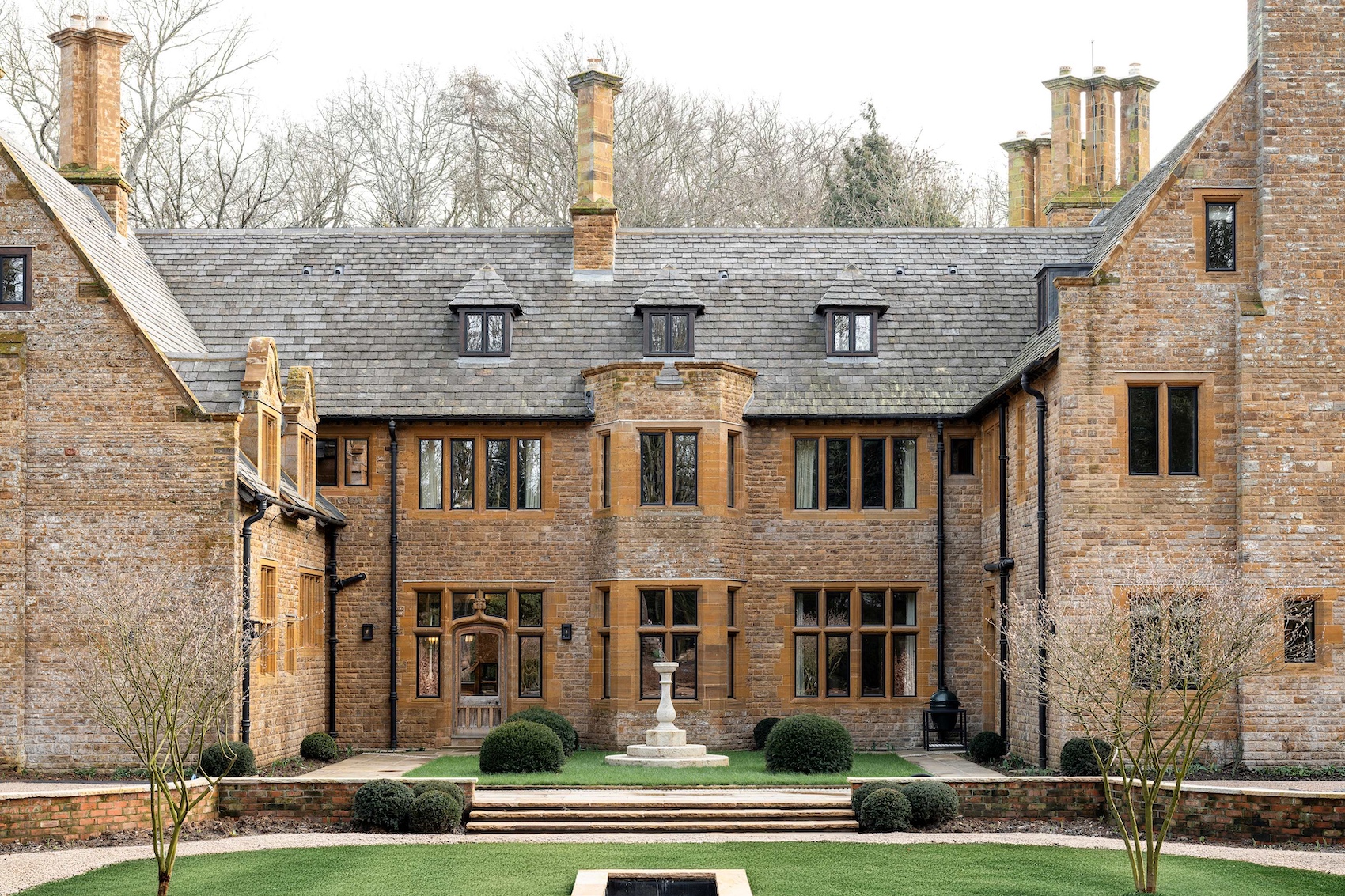
Westcote House, Northamptonshire, by The Cotswold Casement Company (photo: Pete Helme).
The Cotswold Casement Company; Finally, one of Northampton’s most significant residences, Westcote Hall has been given fresh focus with Cotswold Casements’ W20 and W30 fabrications complementing the building’s Jacobean and Edwardian heritage. This involved aligning each of the window heads perfectly with the intricate masonry: matching modern performance with the traditional detailing of this one-time hunting lodge’s historic fabric.
For further information on the Steel Window Association, or if you’re interested in becoming a member, please visit www.steel-window-association.co.uk