Watch the AT webinar, in partnership with IKO, exploring how blue roof systems can transform rooftops into active infrastructure that manages stormwater, supports sustainability targets and unlocks development potential.
As urban sites become denser and climate pressures intensify, managing rainwater effectively is becoming an increasingly complex design challenge. Conventional roof systems shed water rapidly into drainage networks that are often already under strain, contributing to downstream flooding and increasing pressure on ageing infrastructure. Blue roofs offer an alternative approach, temporarily storing water at roof level and releasing it at a controlled rate, while also creating opportunities for biodiversity, amenity space, renewable energy generation and wider environmental performance.
The technical, environmental and commercial potential of blue roofs were explored in this AT webinar, supported by IKO. Chaired by Architecture Today, the session brought together Faye Gennard, Founder of Gennard Consulting; Nik Thompson, Technical Manager at IKO; and Rod Green, Director of Pluviam Environmental.
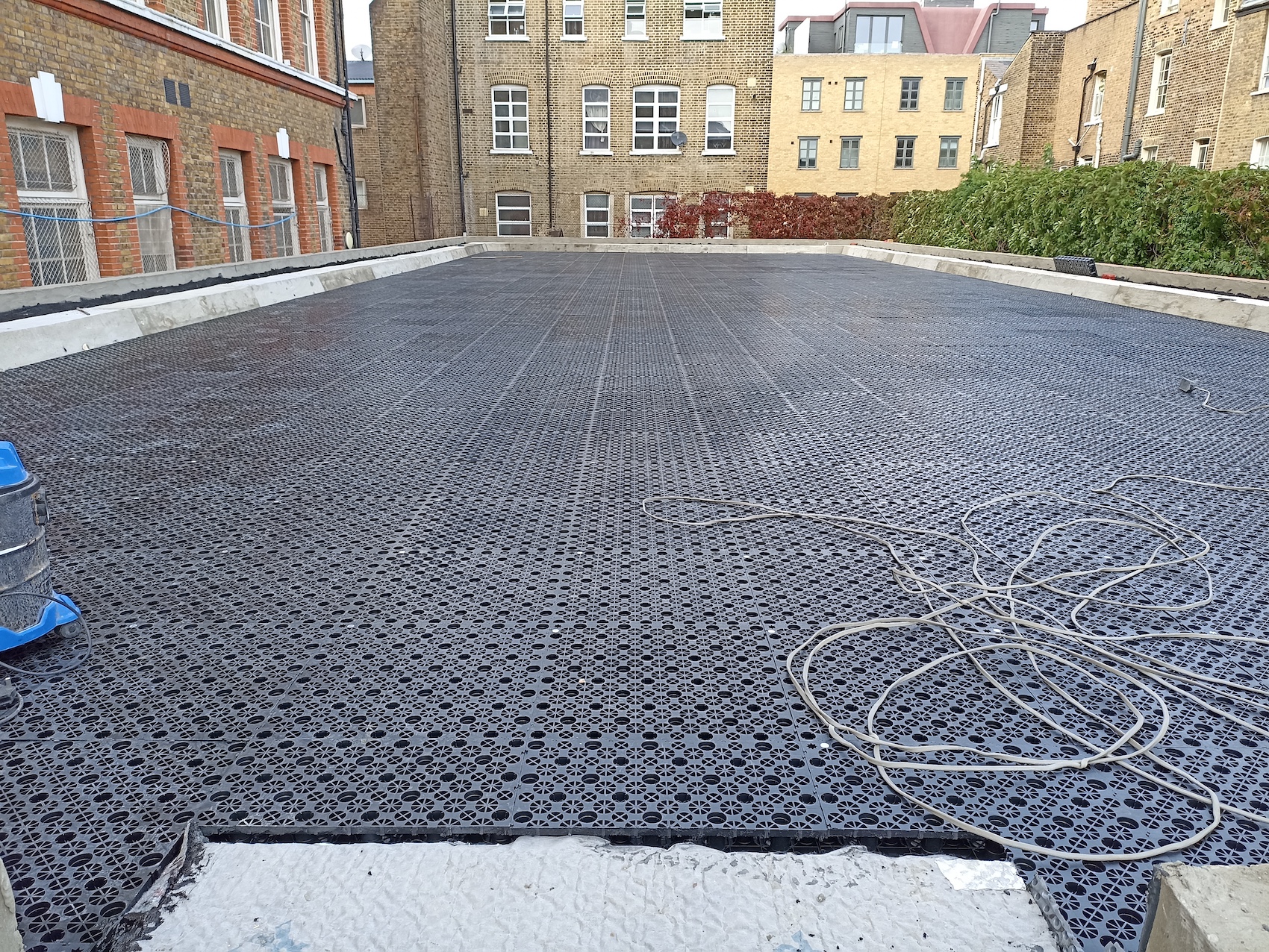
Blue roof under construction at a school in London (photo: courtesy of ACO).
Opening the session, Faye Gennard examined the growing pressures facing urban drainage infrastructure and the role blue roofs can play in helping developments respond more effectively to changing weather patterns and tighter planning requirements. “Our world is changing,” she said, describing how the UK is increasingly experiencing “swings on the weather pendulum from droughts to deluge”. This shift, combined with ageing Victorian sewer infrastructure and stricter discharge requirements, is placing growing pressure on development sites and drainage strategies.
For Gennard, sustainable drainage systems provide an important opportunity to rethink how rainwater is managed. “We’re not looking to get water away as quickly as possible,” she explained. “We’re trying to hold that water back for either reuse and basically just release it at a slower rate, so we’re not contributing to any issues downstream.” She described blue roofs as systems designed to “temporarily store rainwater at roof level and release it at a controlled rate into the wider drainage network”, highlighting their particular value on constrained urban sites where space for below-ground attenuation is limited.
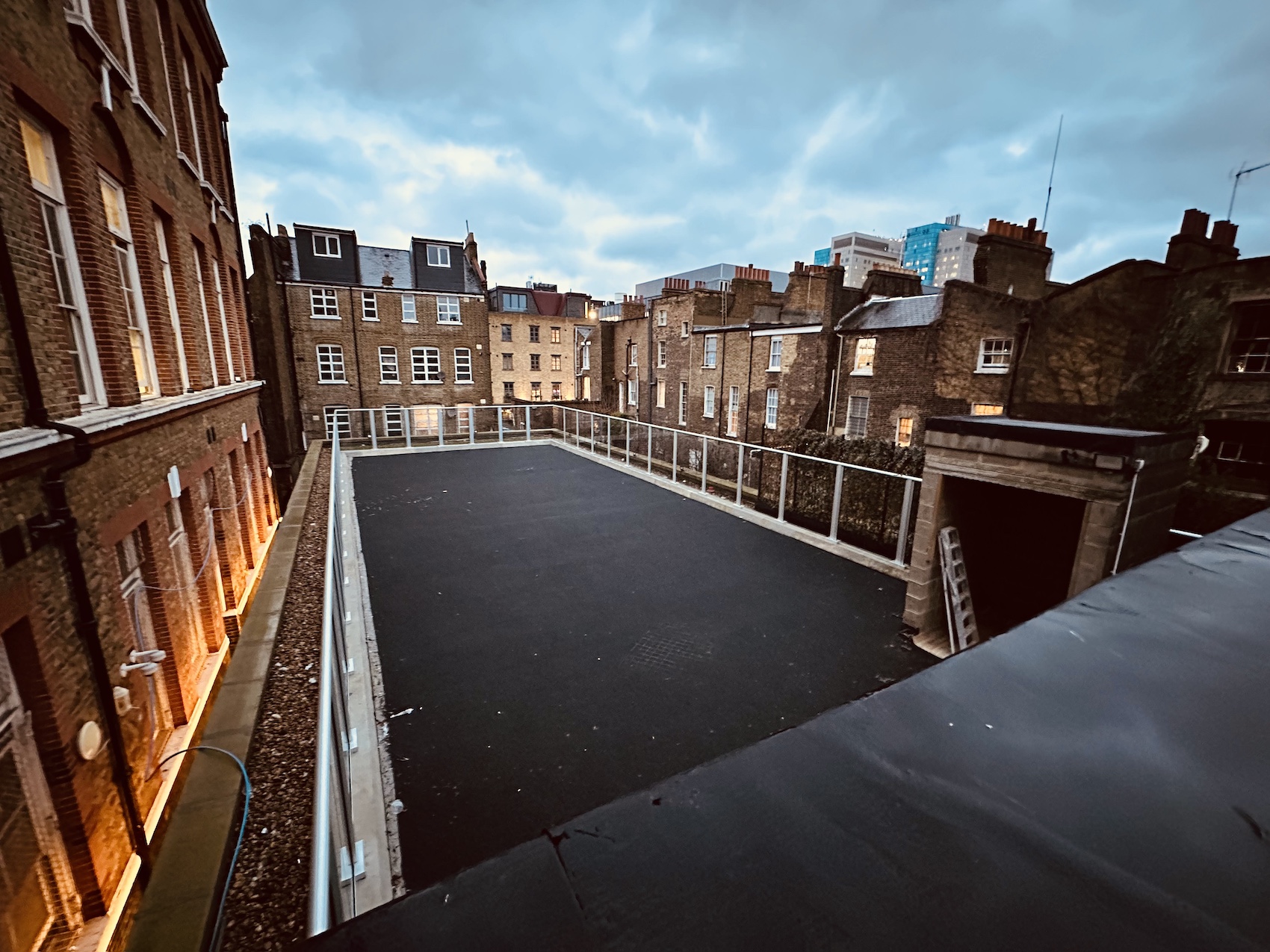
Completed school blue roof. The project not only provided attenuation but also facilitated the creation of a new rooftop playground (photo: courtesy of ACO)
Beyond attenuation, Gennard emphasised the wider benefits these systems can bring. Blue roofs can create amenity space, support biodiversity, contribute to water reuse strategies and improve thermal performance. “They can create more energy-efficient buildings as well,” she noted, pointing to both insulation and cooling benefits.
A recurring theme throughout her presentation was the importance of early collaboration. “We need to start thinking about drainage before the layout is fixed and before you start putting pen to paper,” she argued. This requires close coordination between drainage engineers, structural engineers, landscape architects, ecologists and roofing manufacturers from the outset of a project. Gennard concluded by stressing that blue roofs are not simply technical add-ons but strategic tools that can help unlock difficult sites and support more resilient forms of urban development.
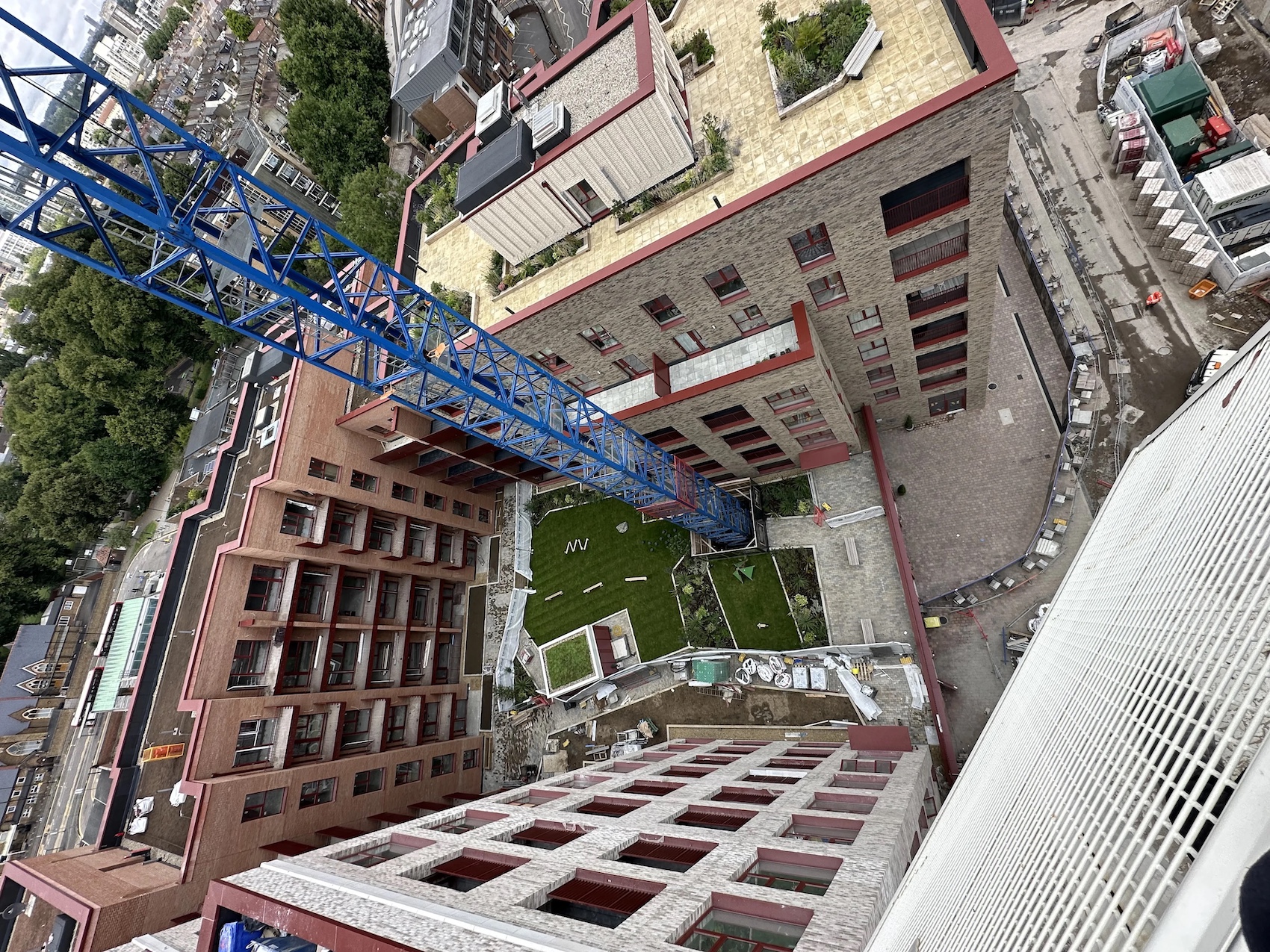
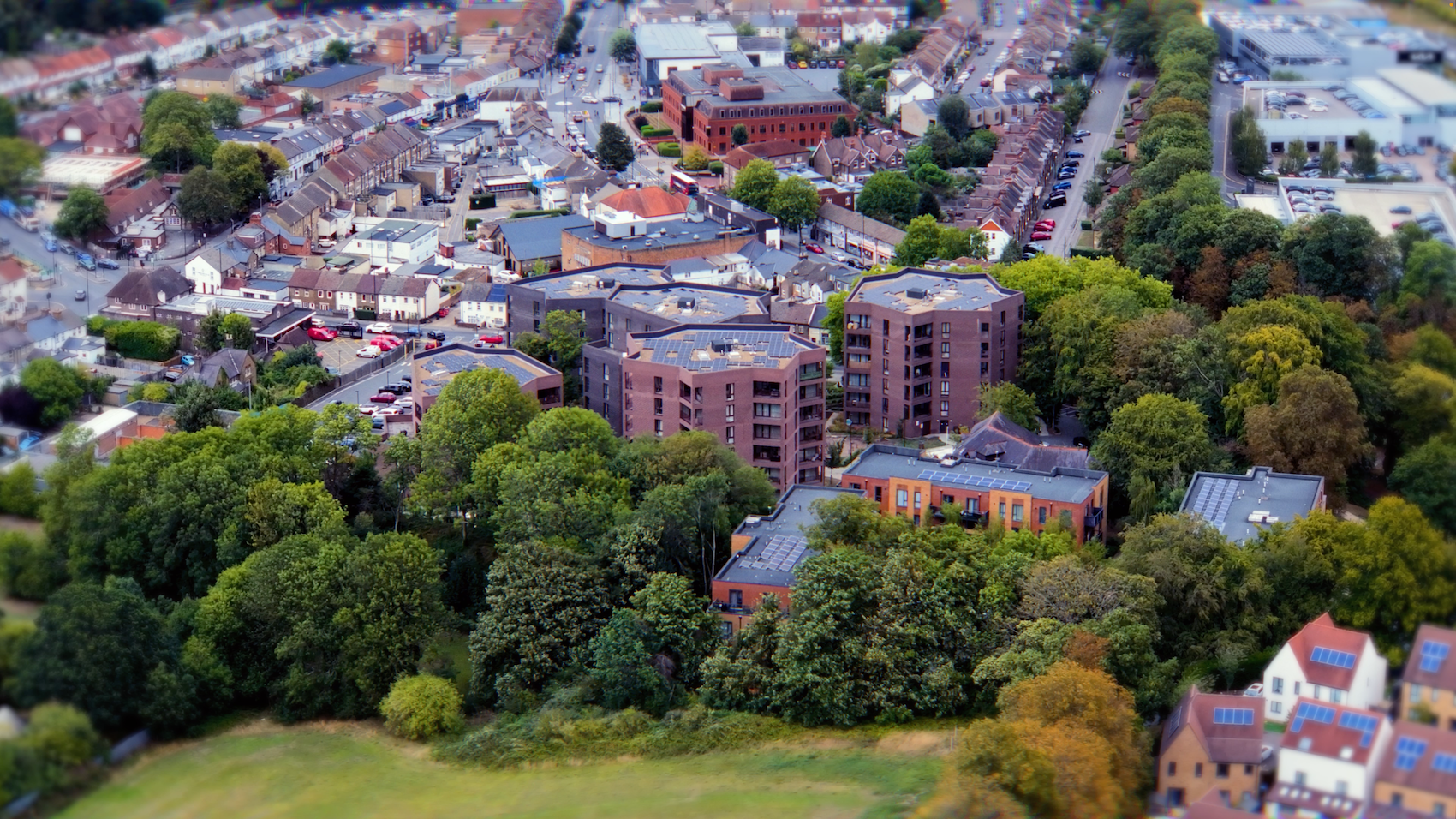
IKO Elements blue roof system with intensive green roof finishes at Montgomery Wharf, a mixed-use development in Brentford, London, by Fairview Homes (photo: Sheriff Construction).
Nik Thompson shifted the focus towards roof system integration and technical coordination, arguing that blue roofs should be treated as fully integrated roof systems rather than standalone drainage solutions. “Blue roofs are not just drainage solutions,” he explained. “They directly affect waterproofing performance, structural loading, fire compliance, thermal design, detailing and long-term maintenance.”
For Thompson, the key challenge lies in coordination between systems. “A blue roof will only perform properly if every element, from waterproofing through to outlets and finishes, are designed to work together,” he said. He outlined the differences between warm roof and inverted roof constructions, highlighting how each requires a different approach to waterproofing, attenuation and detailing.
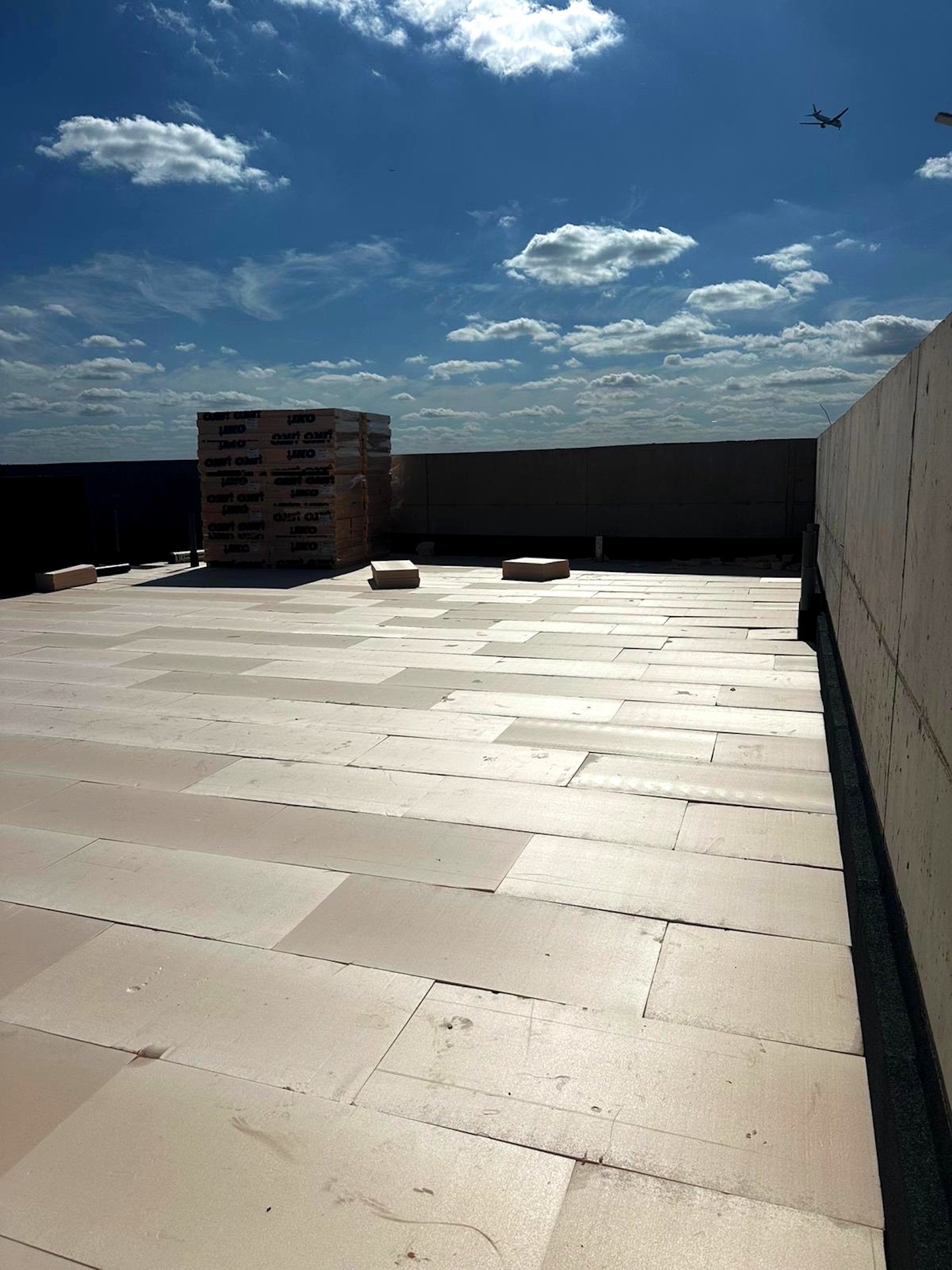
Blue roof showing IKO enertherm XPS insulation layer prior to installation of the water flow reducing layer (photo: Sheriff Construction).
One of the most significant design shifts, he argued, is the move towards absolute zero falls. “Even slight falls can significantly reduce storage capacity and create uneven structural loading,” he explained. “The aim is a finished fall of zero degrees once tolerances and deflections are considered.” This has important structural implications. “One hundred millimetres of water equates to around one kilonewton per square metre of additional live load,” he noted, emphasising the need for close coordination with structural engineers.
Thompson also highlighted the importance of detailing and exceedance planning. “You are deliberately holding water at roof level, so you must plan for exceedance,” he said. Questions around blocked outlets, overflow routes and emergency drainage therefore become critical components of the design process.
Using the Montgomery Wharf development in Brentford as a case study, Thompson demonstrated how integrated specification, staged sign-off and coordinated quality management can reduce risk across complex mixed-use schemes. “The overriding factor here is not the products themselves, but the coordination required to meet multiple performance requirements across different roof types,” he observed. He concluded by reinforcing the importance of long-term maintenance and inspection. “Maintenance is part of the design,” he said. “If safe access and inspection are not considered early, long-term performance is compromised.”
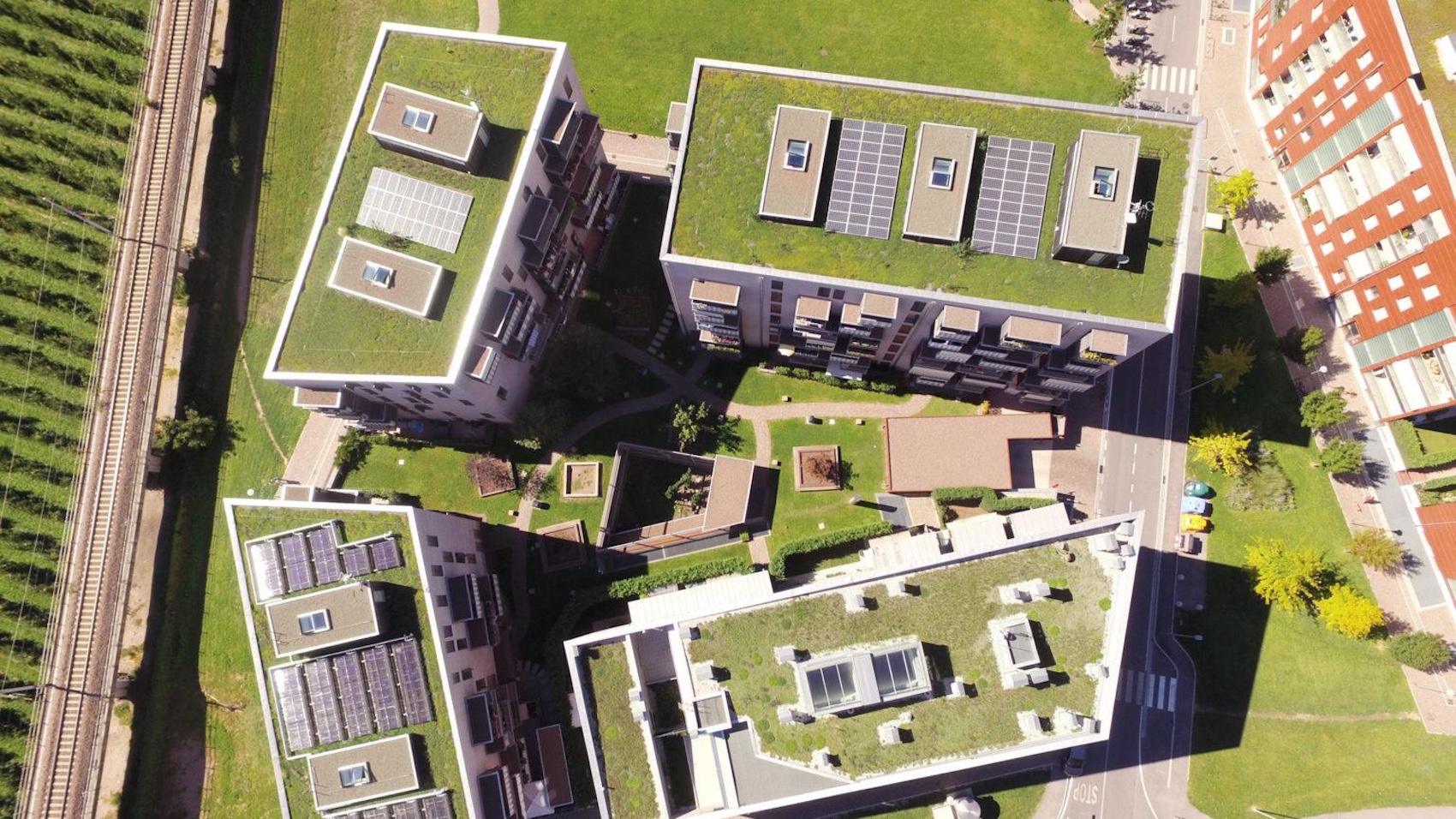
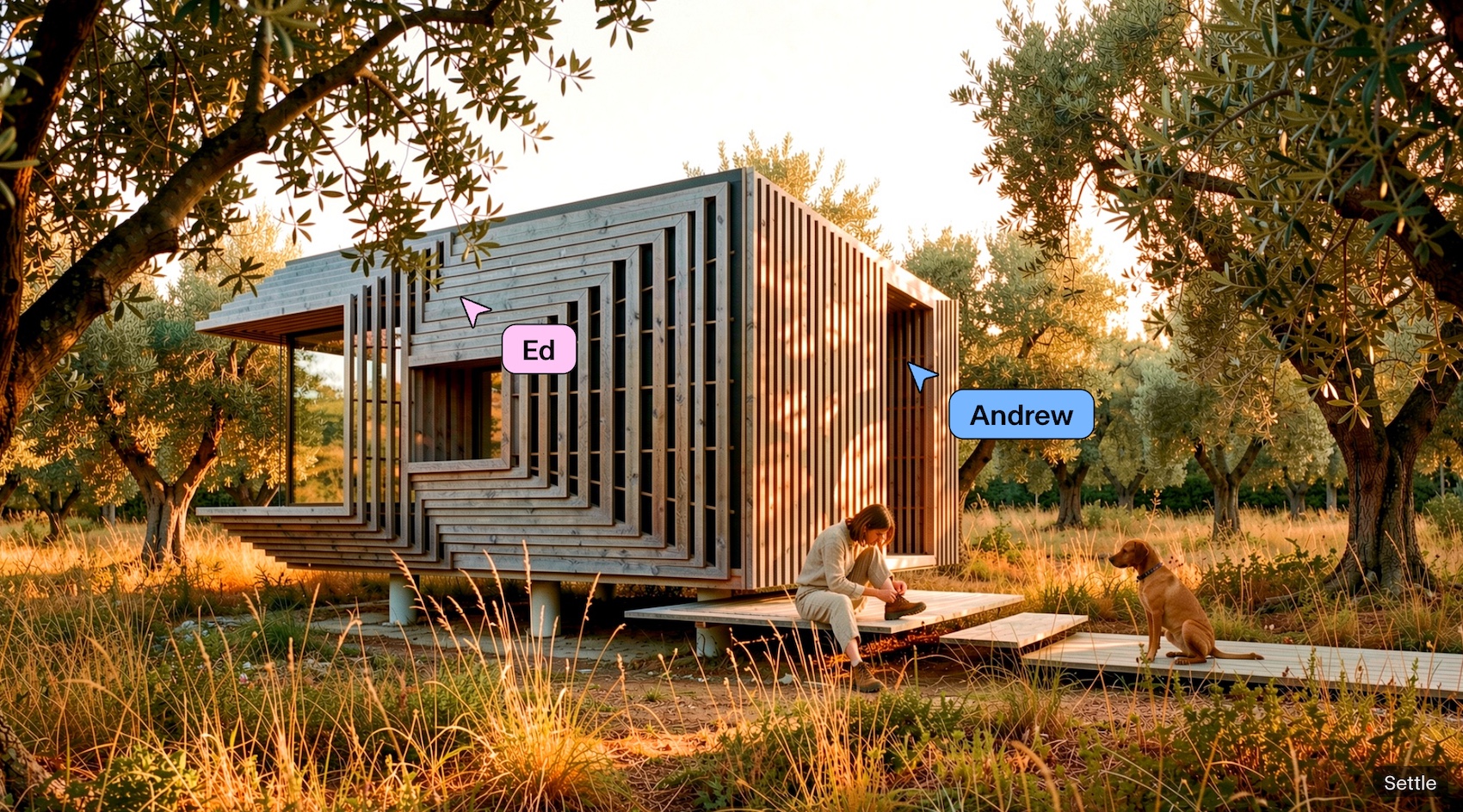
The fifth façade offers significant potential as active infrastructure, supporting stormwater attenuation, renewable energy generation, biodiversity and high-quality amenity space (photo: Climagrün/Wikimedia Commons).
Closing the session, Rod Green expanded the discussion to a wider systems level, positioning blue roofs within broader conversations around urbanisation, climate change and sustainable drainage design. “One of the challenges we all have now is cities are growing,” he said. “We’re losing green areas and open green spaces.” As development intensifies, hard surfaces accelerate runoff into already overstretched drainage systems, increasing both flood risk and pollution. For Green, blue roofs form part of a wider shift in thinking around water management. “The challenge that we have requires an alternative way of thinking,” he argued.
He described blue roofs using a simple analogy. “If you think you’ve got a bath and you don’t put the plug in to the waste and you open the taps full bore, you will get water holding in the bottom of the bath because the waste can’t take it away quick enough,” he explained. “That’s basically how a blue roof works.” Importantly, Green stressed that blue roofs are not designed to permanently store water. “A blue roof is always draining away,” he said. “We don’t put plugs in on blue roofs.”
Like Gennard and Thompson, Green emphasised the importance of considering blue roofs early in the design process. “It can’t be shoehorned in at the death of a development,” he warned. “It needs to be thought about and considered upfront.” His presentation explored the wide range of technical considerations involved in blue roof design, including structural loading, hydraulic modelling, flow control outlets, overflow systems, fire engineering and maintenance access.
Green also focused heavily on the broader opportunities blue roofs create. By combining blue roofs with green roofs and photovoltaics, developments can create multifunctional roofscapes that support biodiversity, cooling, amenity and wellbeing. “You can turn an area that is typically not really thought of as a social space into a social space,” he observed, pointing to rooftop allotments, play areas, running tracks and communal gardens as emerging possibilities.
Overall, the webinar framed blue roofs not simply as technical drainage infrastructure, but as part of a wider rethinking of the role rooftops can play within resilient, high-performance cities.