Studio SAAR reflect on designing across cultures and climates – combining vernacular wisdom, circular material strategies and ecological thinking to create places that strengthen communities and landscapes alike.
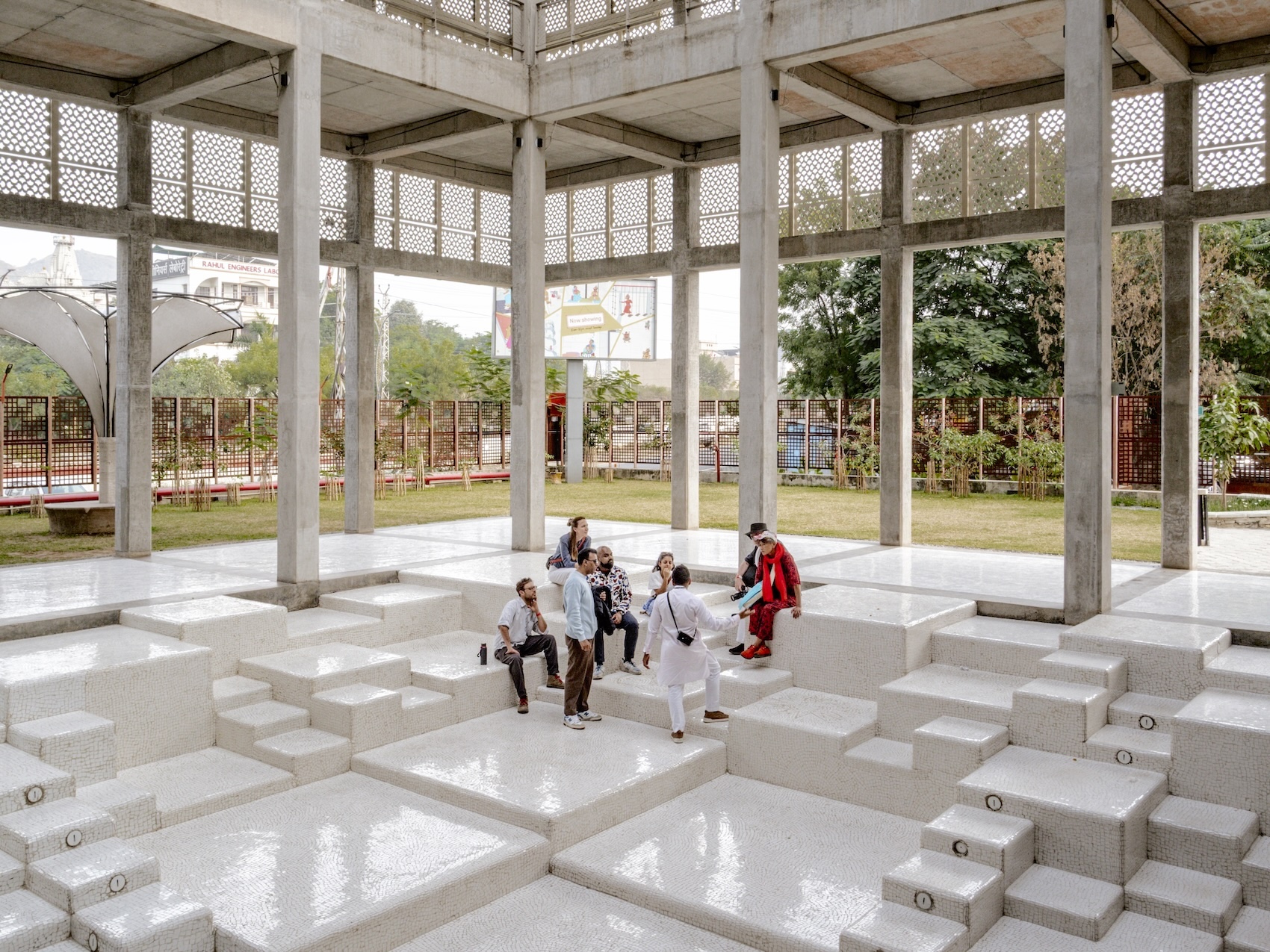
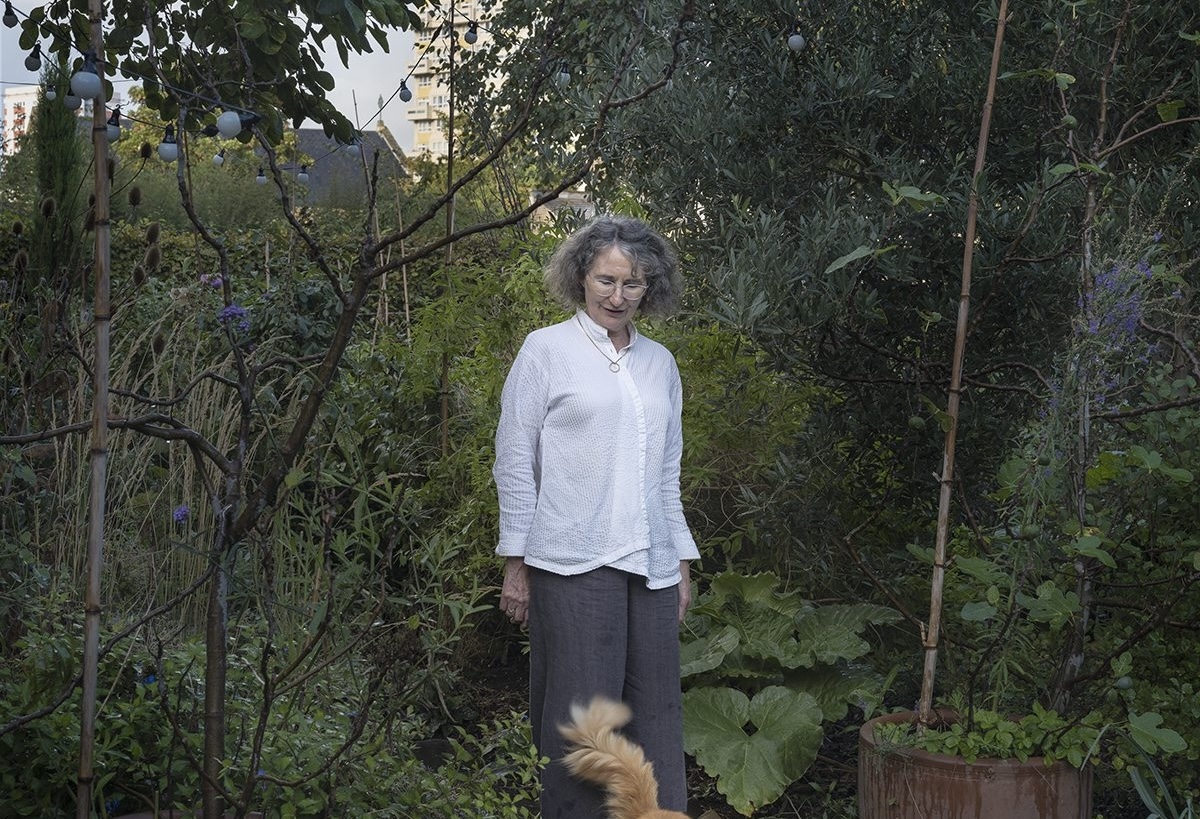
Studio SAAR directors Ananya Singhal (standing, dressed all in white) and Jonny Buckland (far left) welcome a group of international visitors including Mike Tonkin and Anna Liu (far right) to Third Space, a cultural and learning centre in Udaipur. The project exemplifies the practice’s commitment to widening access to architecture, providing much-needed spaces for fostering curiosity, creativity and community and promoting an architecture that celebrates India’s rich cultural heritage, while addressing modern India’s forward-looking culture and responding to climate.
Our studios are located in India and the UK, and reflect a broad range of cultural perspectives, with colleagues from five countries across three continents within a team of 24 people. We see diversity not as a target, but as a fundamental strength, and actively cultivate an environment where different voices, experiences and ways of thinking are welcomed and valued. We support this through open collaboration, mentorship and opportunities for cross-cultural exchange.
We learn from vernacular construction and regional knowledge, integrating these with contemporary technologies to create responsive and resilient places. This approach supports local industries, strengthens place-specific skills, and reduces reliance on fragile global supply chains. By prioritising adaptability, repairability, and local material sourcing, our projects are better equipped to respond to climate stresses such as heat extremes, water scarcity, and material volatility, benefiting both clients and the wider communities they serve.
Material stewardship is fundamental to our practice, guided by the principles of reuse, repair and circularity. We prioritise locally sourced, low-impact materials, minimising transport and designing for long-term durability, adaptability and eventual reuse at end of life. We have been at the forefront of repurposing stone waste from quarrying, transforming an abundant by-product into a valuable regional construction resource.
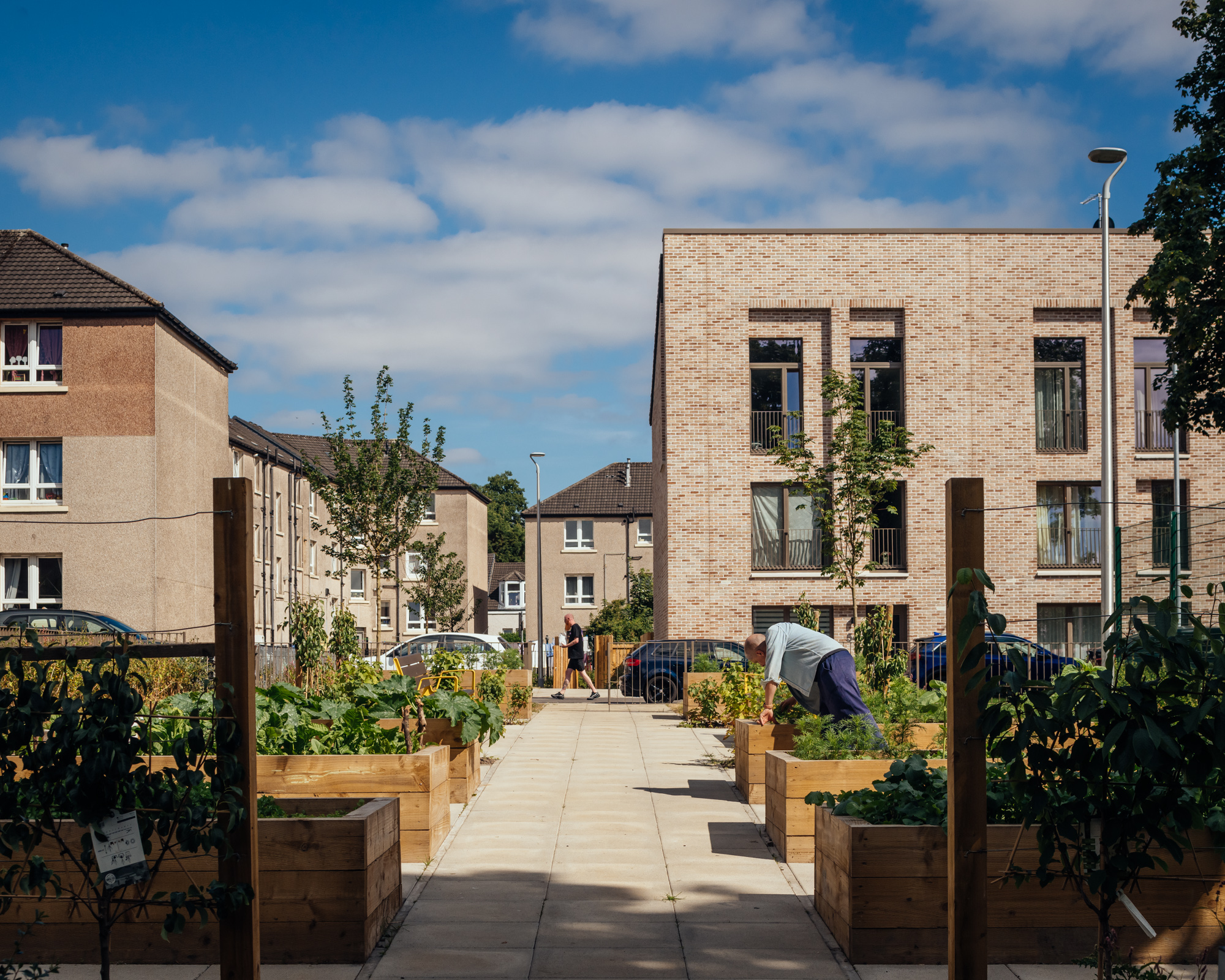
We work within an interdisciplinary ecosystem, bringing together expertise from landscape architecture, geography, craft and the arts. Across projects, we see water, soil, vegetation and wildlife as active stakeholders, shaping design responses that restore ecological relationships and create lasting value for both human and non-human communities.
We understand ecosystems as interconnected networks, linking environment, behaviour, governance and resource flows, ensuring our projects support not only ecological recovery, but also the social and organisational systems needed for resilience over time.
Promoting equity and widening access to architecture is one of the core reasons we exist. The majority of our projects are conceived to benefit not only building users, but wider communities – particularly those who are often underserved by conventional development models. Third Space, our cultural and learning centre project in Udaipur, aims to create a long-term impact by providing much needed spaces and resources for fostering curiosity, creativity, and community. This inclusion-centric project is altering how people see buildings in India, from a colonised mindset to one that is celebrating India’s rich cultural heritage, while responding to climate, and addressing modern India’s forward-looking culture.