Architecture Today, UK Architects Declare and Zetteler recently welcomed Regenerative Architecture Index members to Tipping Point East in Newham, east London, for a tour exploring circular construction, material reuse and community-led infrastructure.
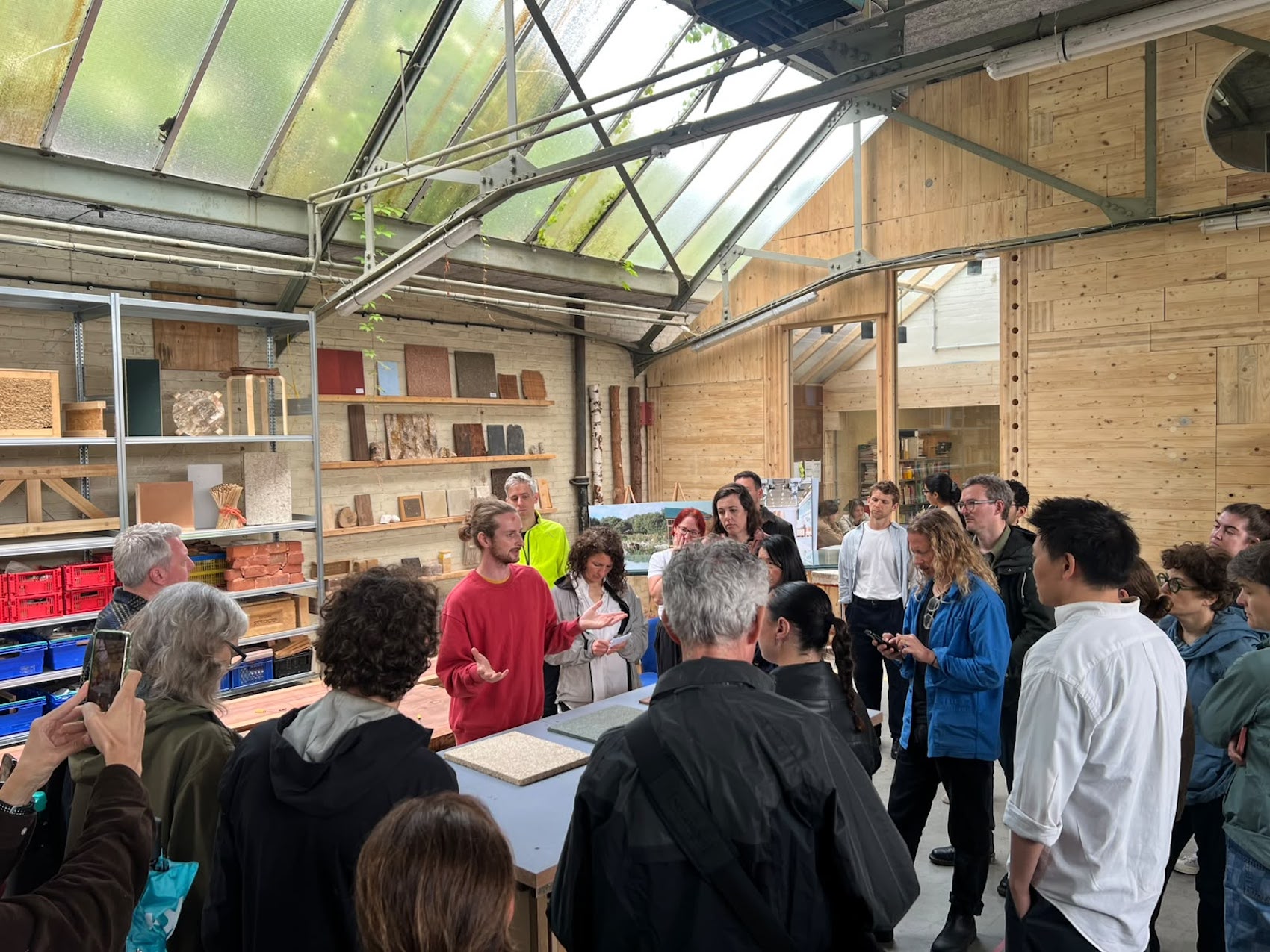
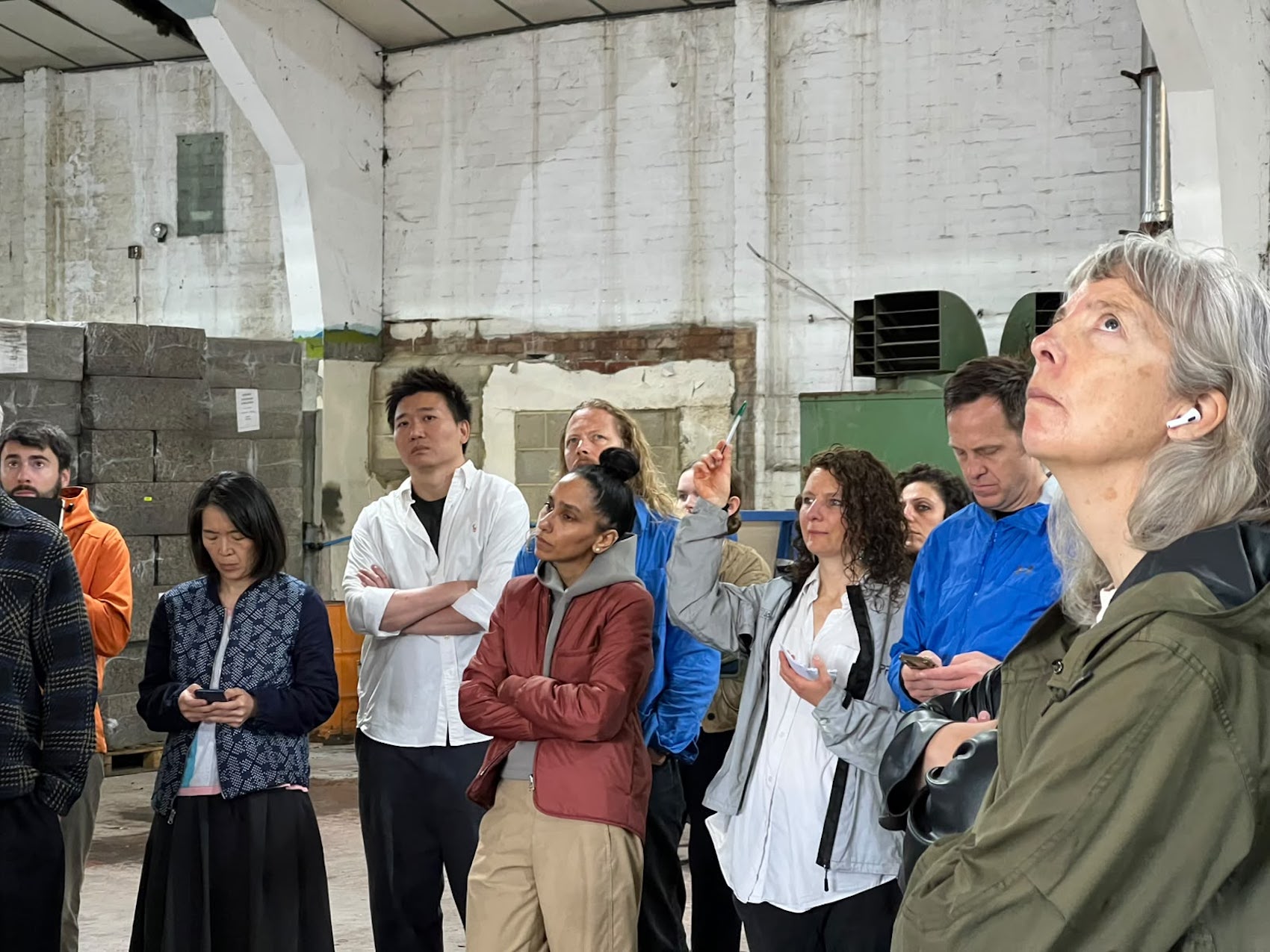
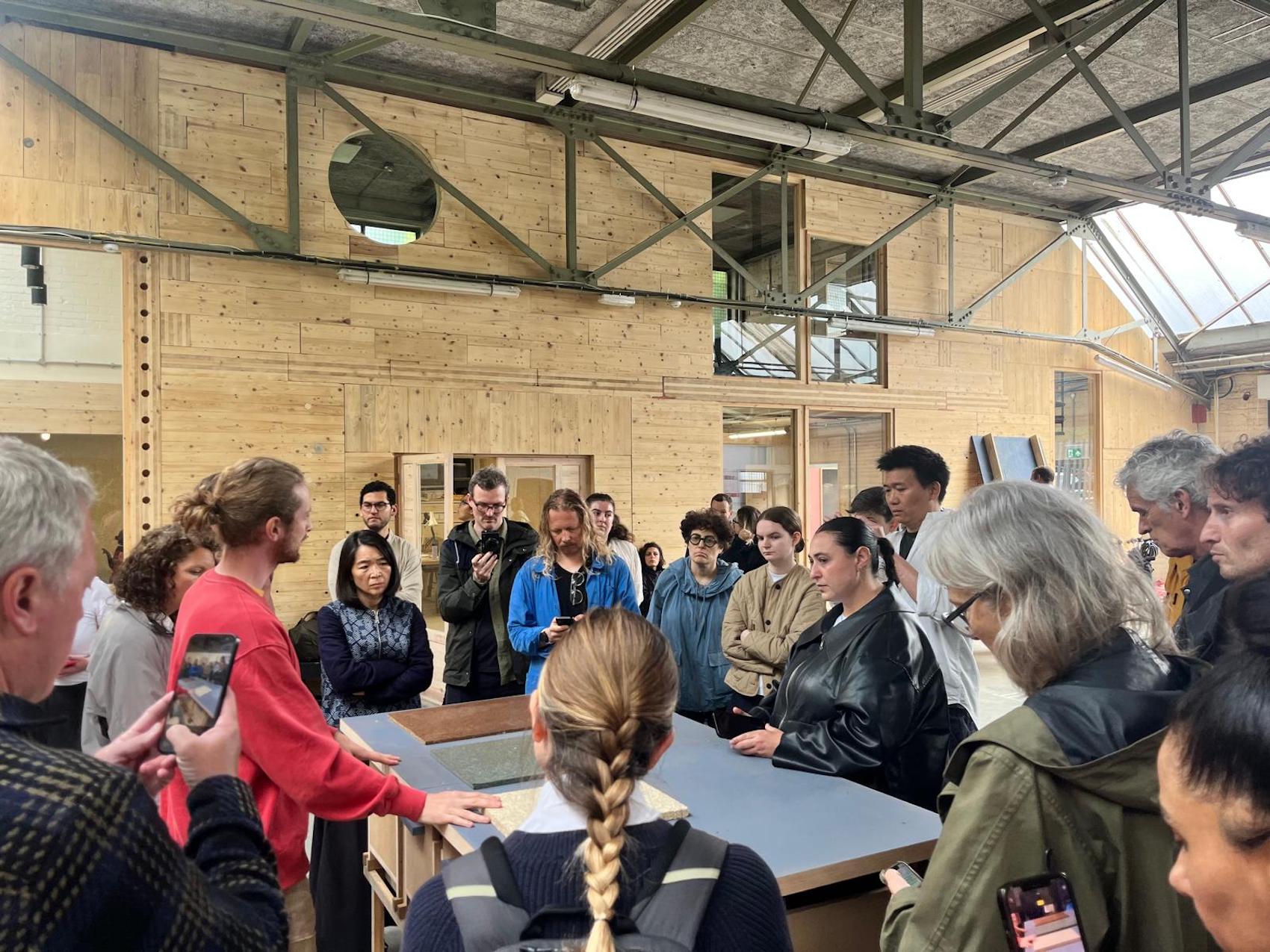
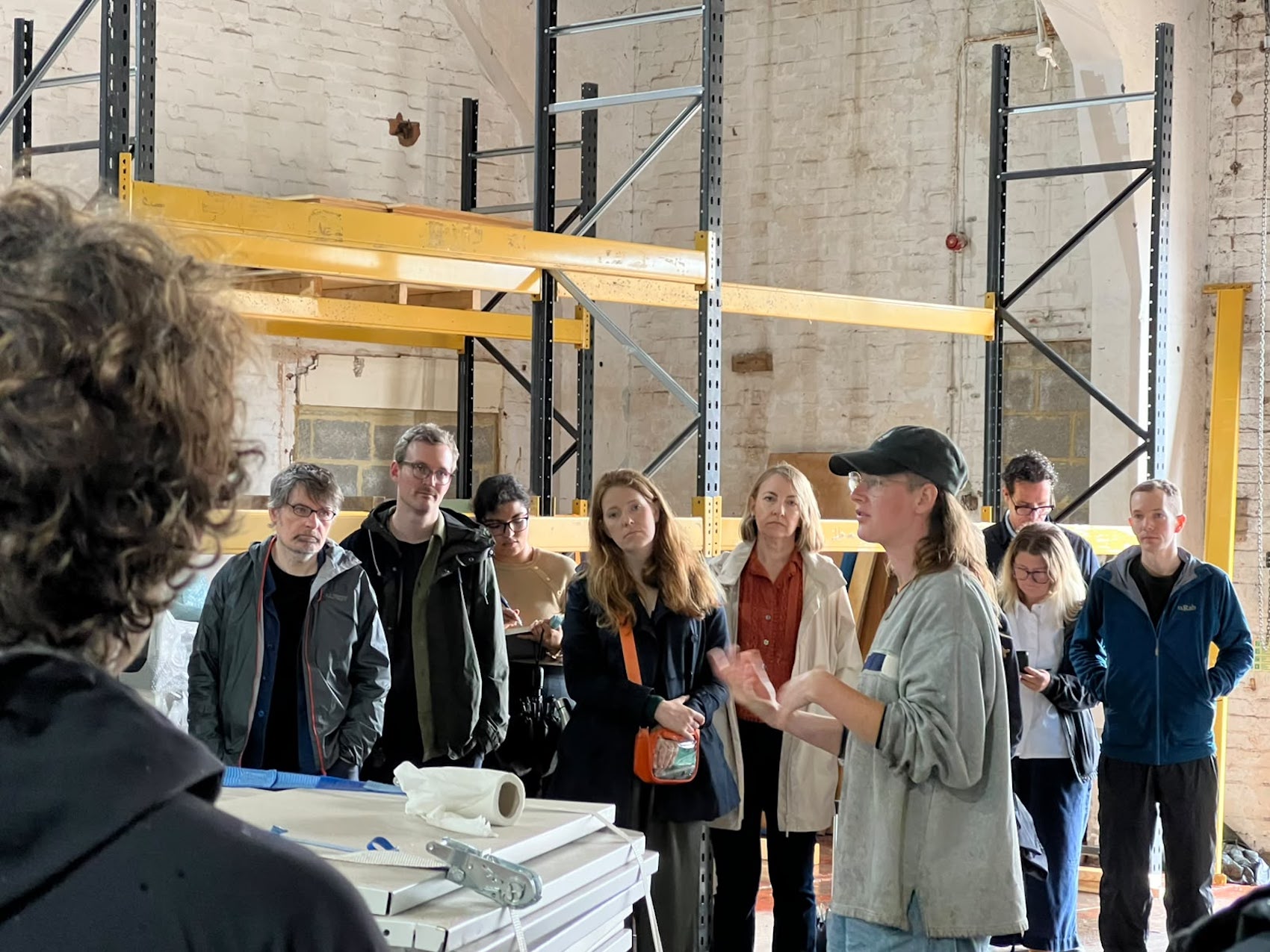
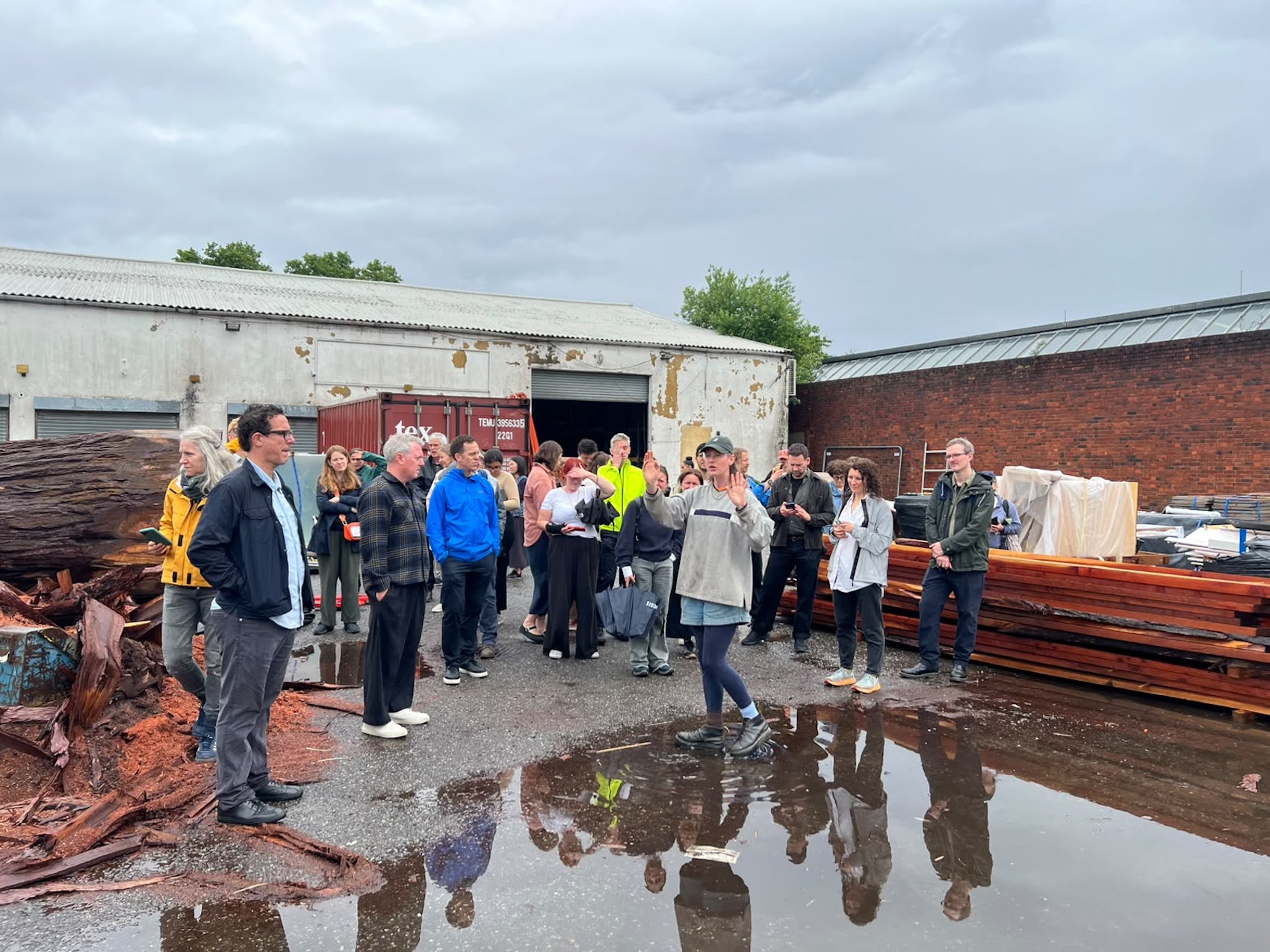
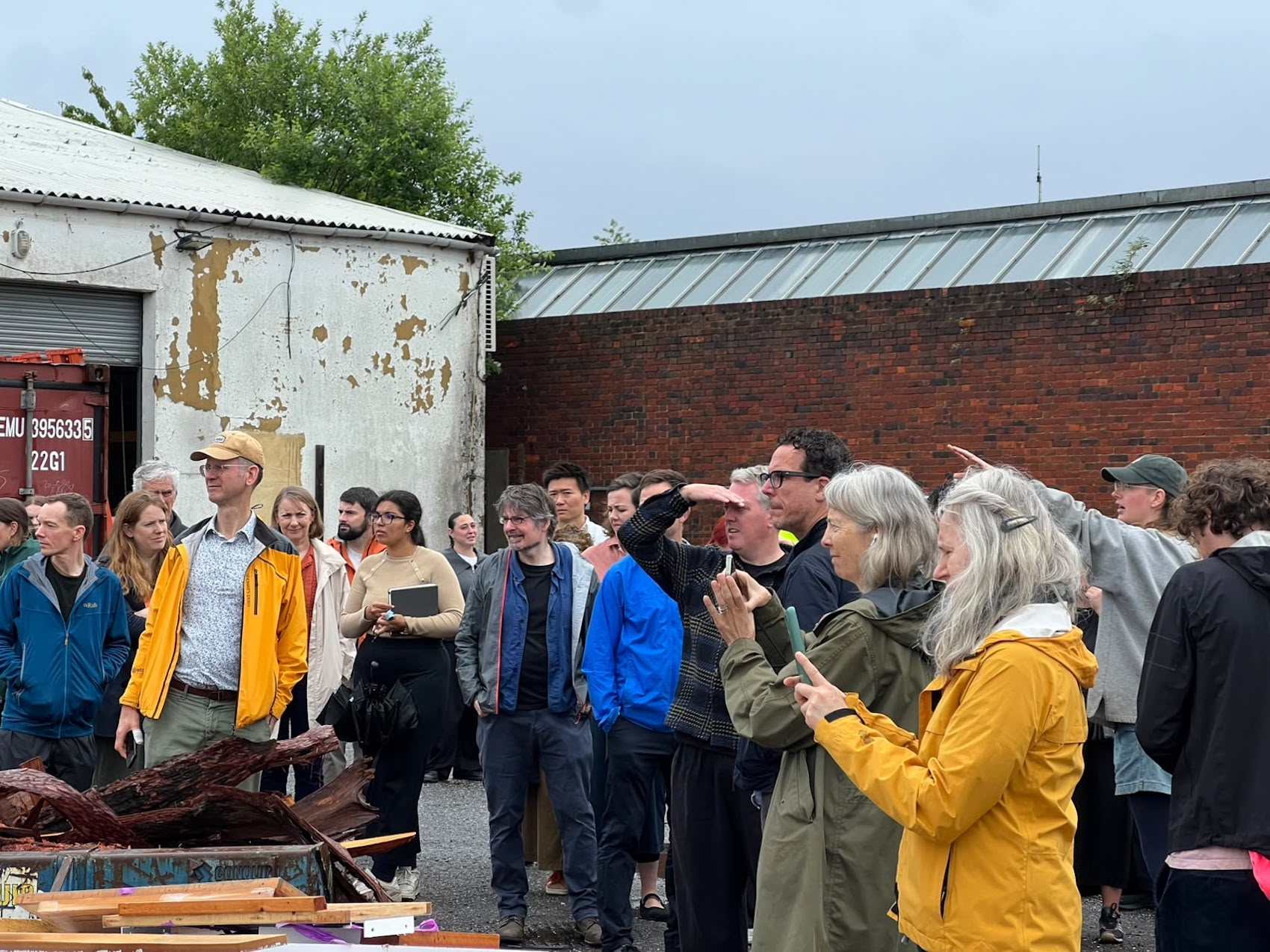
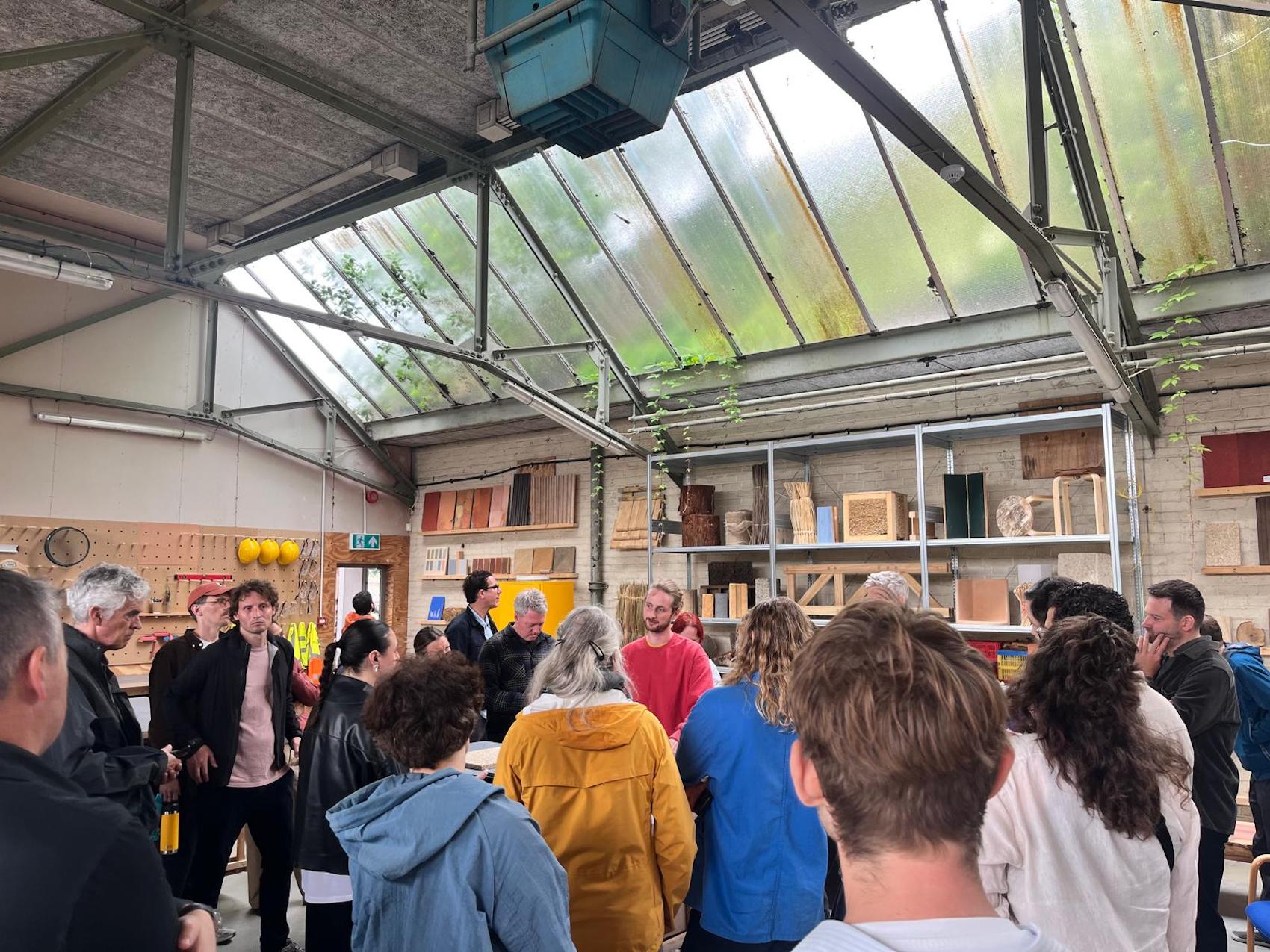
Regenerative Architecture Index members visiting Tipping Point East, Stratford, London.
The built environment talks increasingly about circularity, material reuse and regenerative practice. Tipping Point East offers the opportunity to see what those ambitions look like in reality.
Hosted by Architecture Today, UK Architects Declare and Zetteler as part of the Regenerative Architecture Index programme, the visit brought together architects, designers, and sustainability leaders to explore a growing ecosystem of organisations working to rethink how materials, knowledge and infrastructure circulate through the construction industry.
Situated on a Greater London Authority-owned site in Stratford, the tour was led by Freya Bruce, Yes Make, Jana Dardouk of RESOLVE Collective, and Paloma Gormley and William Bradley of Material Cultures who offered insights into their respective approaches to regenerative practice, united by a desire to challenge conventional approaches to building, making and resource use.
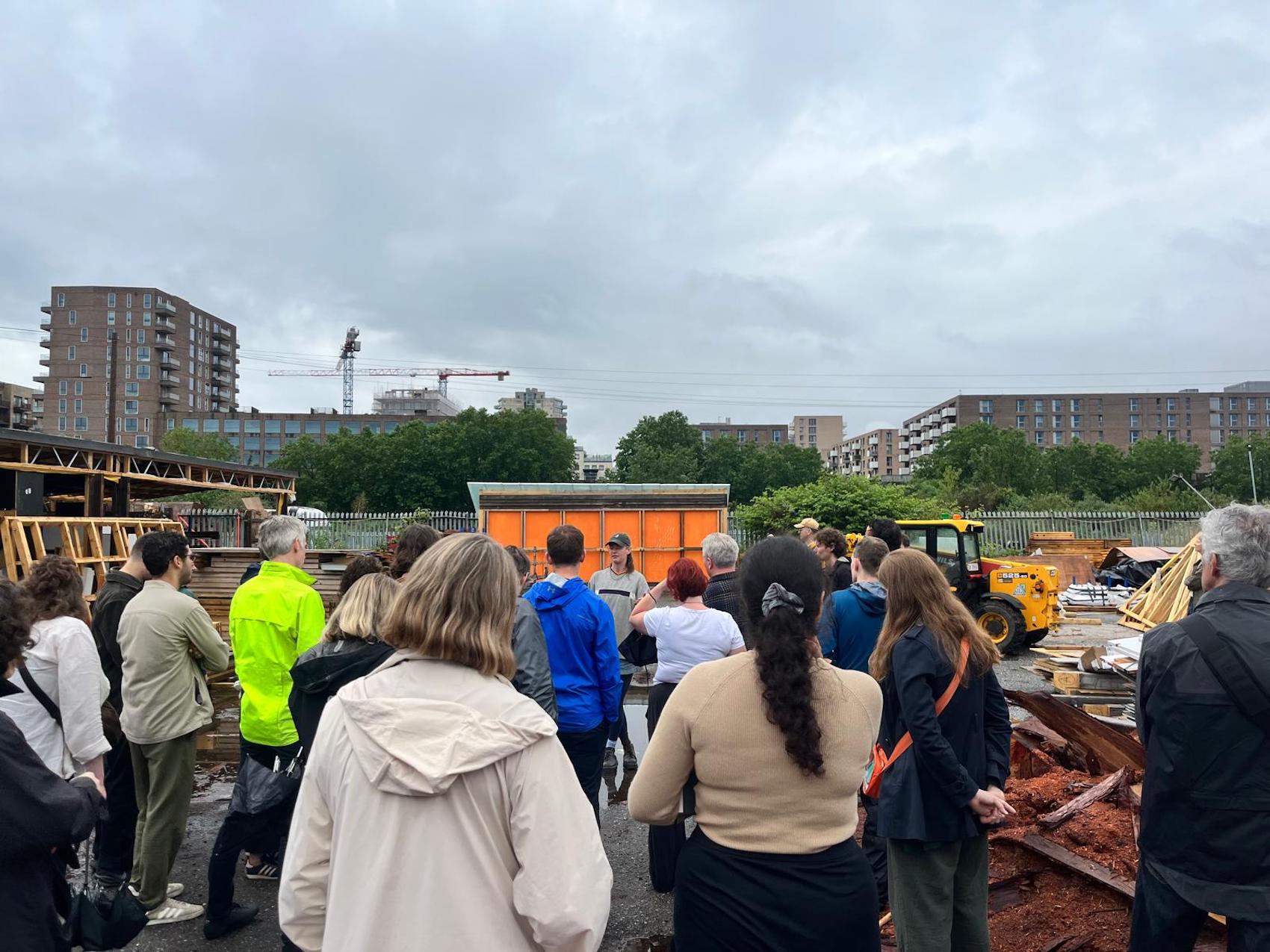
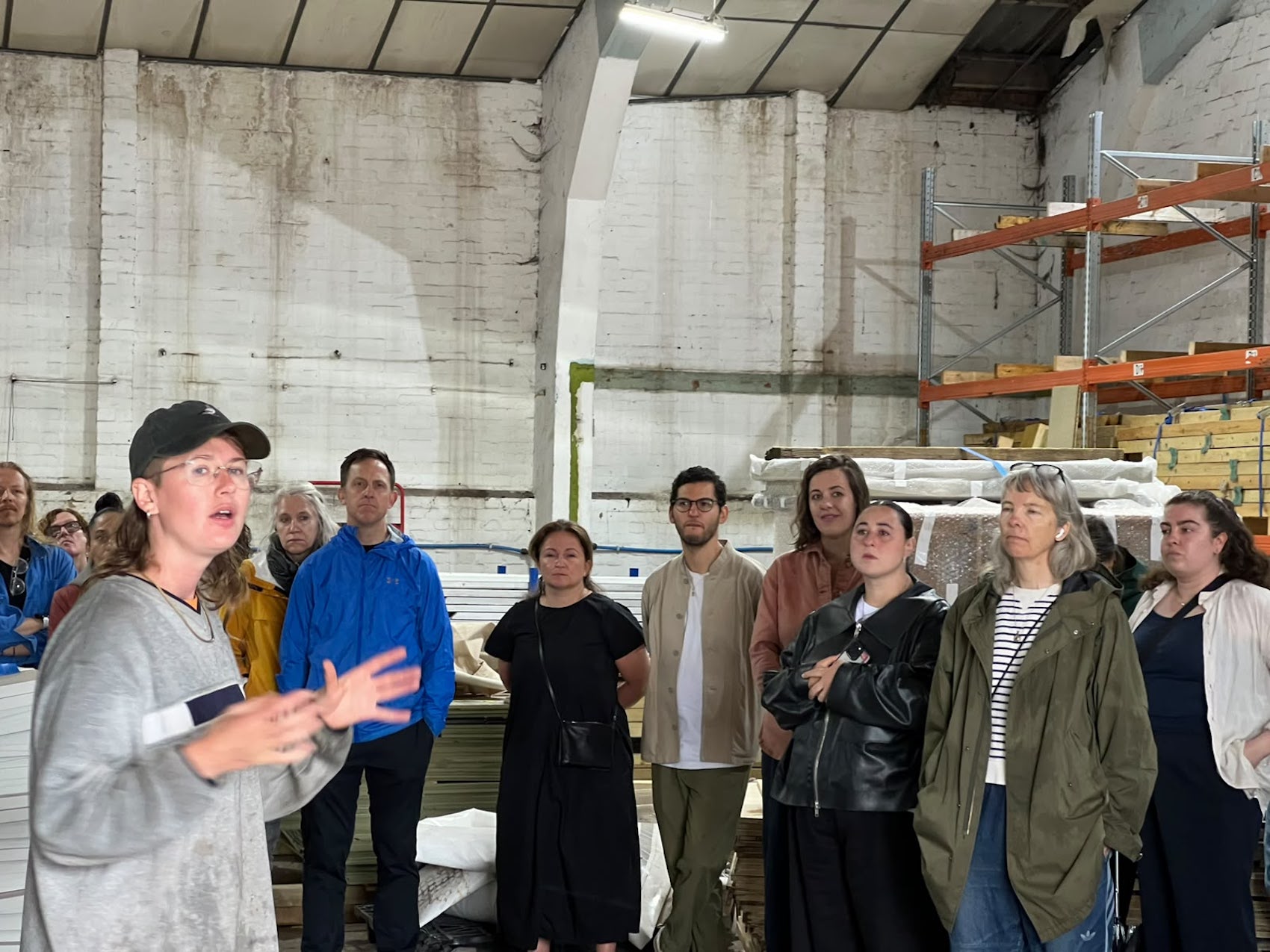
Viewing reclaimed materials awaiting sorting, processing and redistribution.
Visitors were taken around the site encountering evidence of a clear demand for material reuse: In only a matter of months, the team has processed more than 200 tonnes of material through the site, demonstrating both the appetite for reuse and the infrastructure required to support it. Construction materials, doors, windows, sheet products, timber and specialist components filled the yards and workshops in various stages of sorting and redistribution.
The scale of the challenge quickly became apparent. While there is no short supply of high-quality materials (largely from the film industry) and significant effort is devoted to sorting and receiving these, re-specifying materials into new projects remains one of the biggest barriers to widespread adoption, requiring technical knowledge, documentation, trust and long-term relationships between suppliers, contractors and designers.
Yet it is precisely these frictions that make the project so valuable. Rather than presenting circular construction as a seamless process, Tipping Point East exposes the practical realities involved in making reuse work at scale.
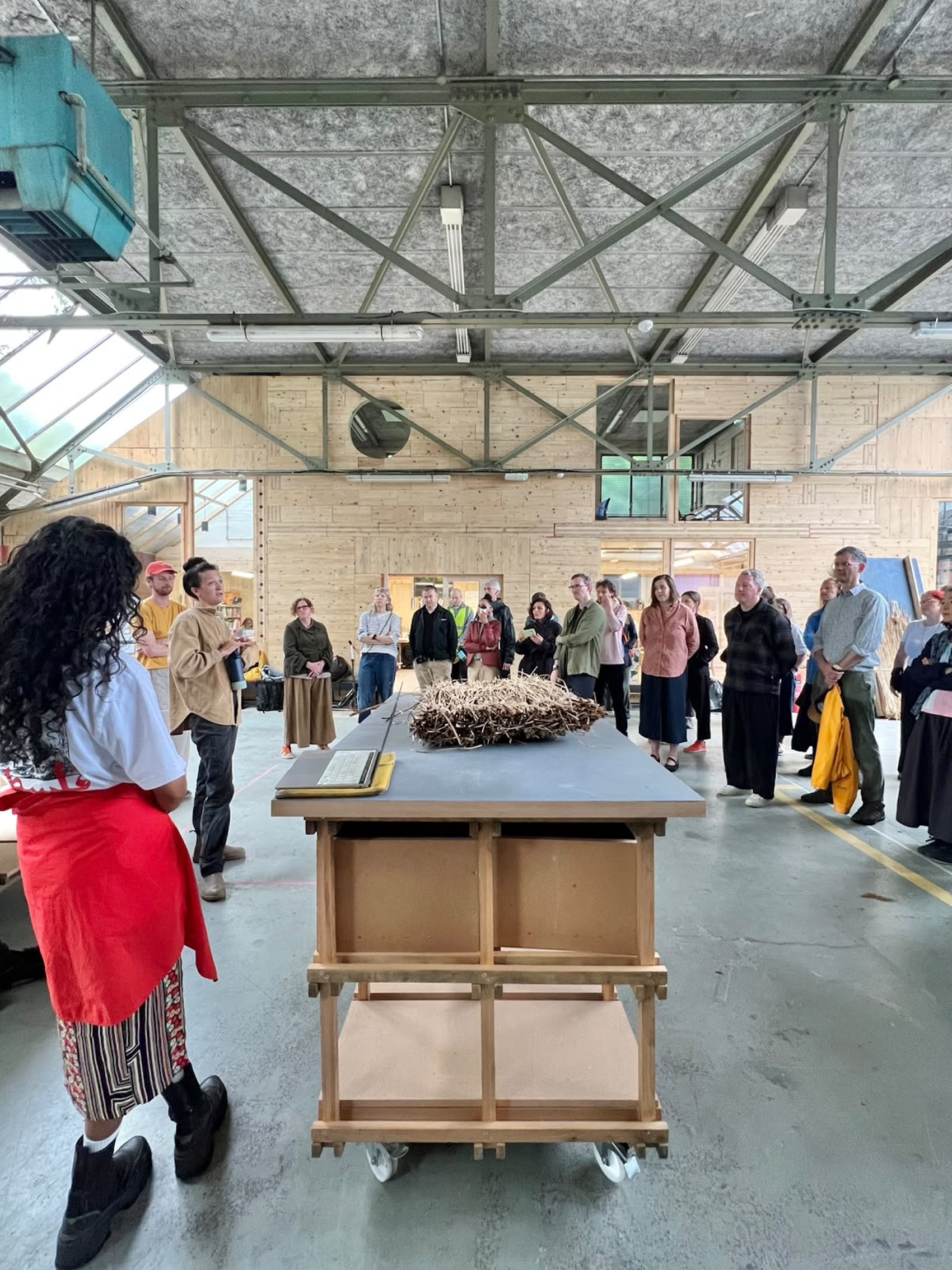
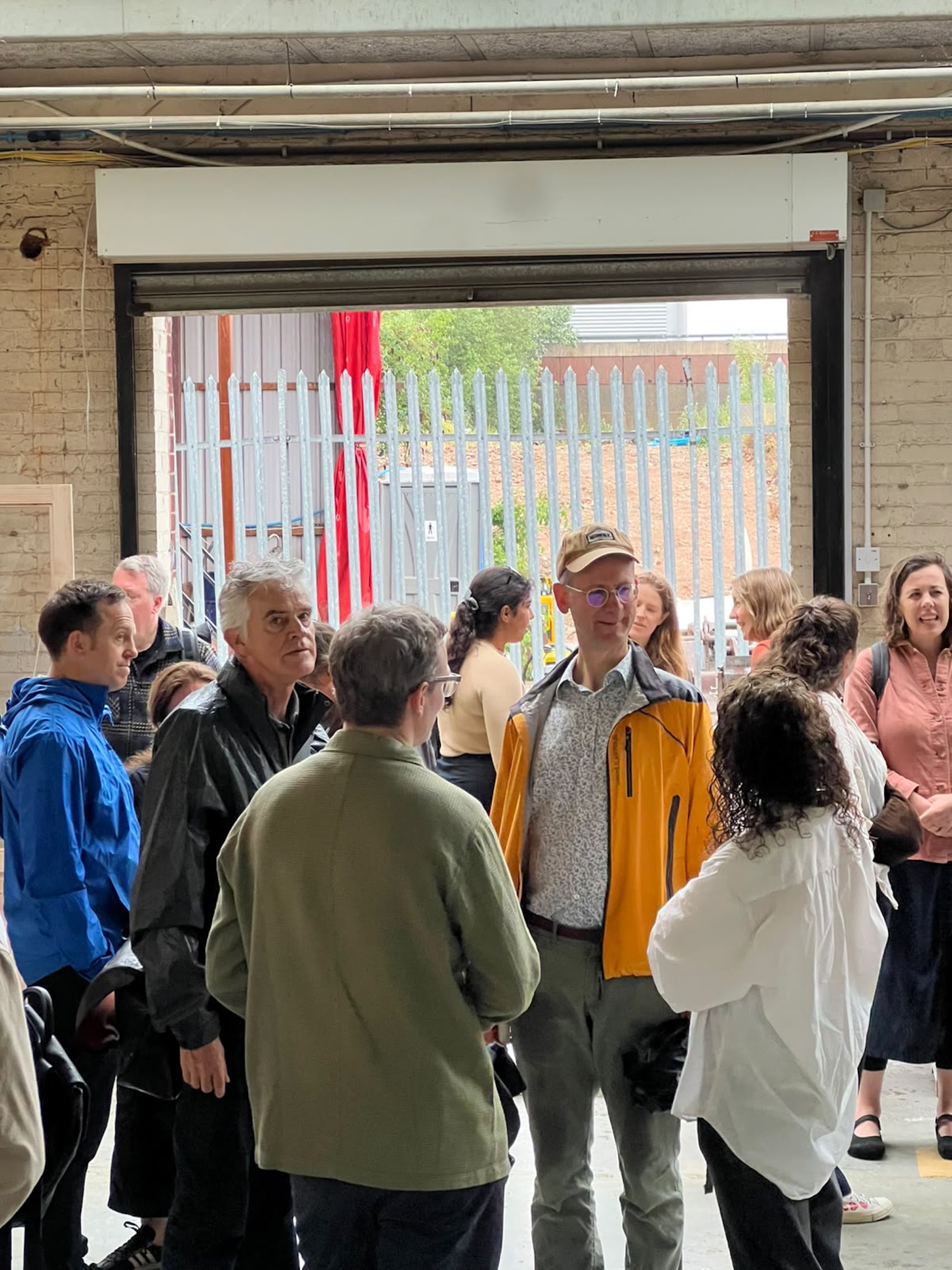
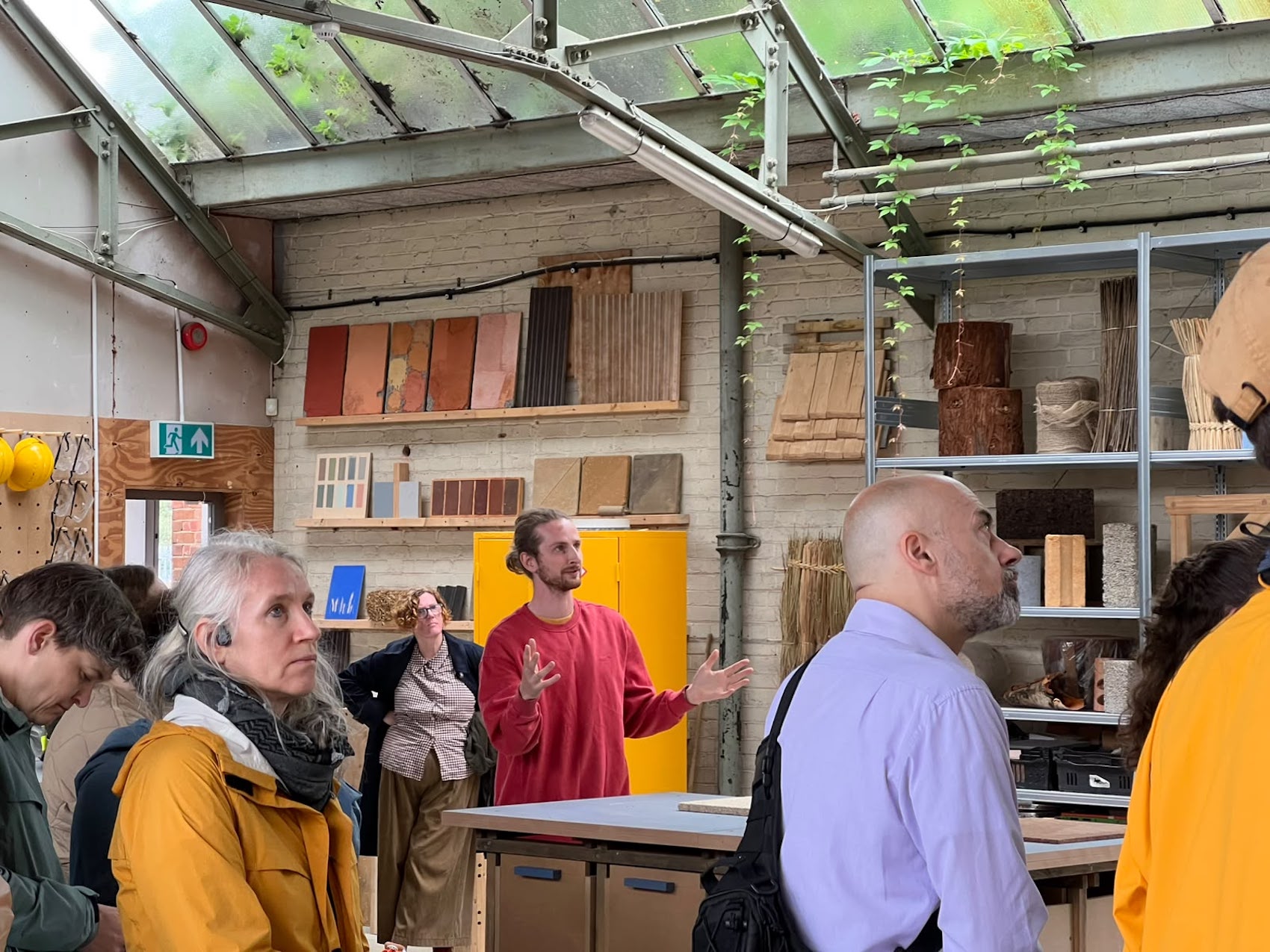
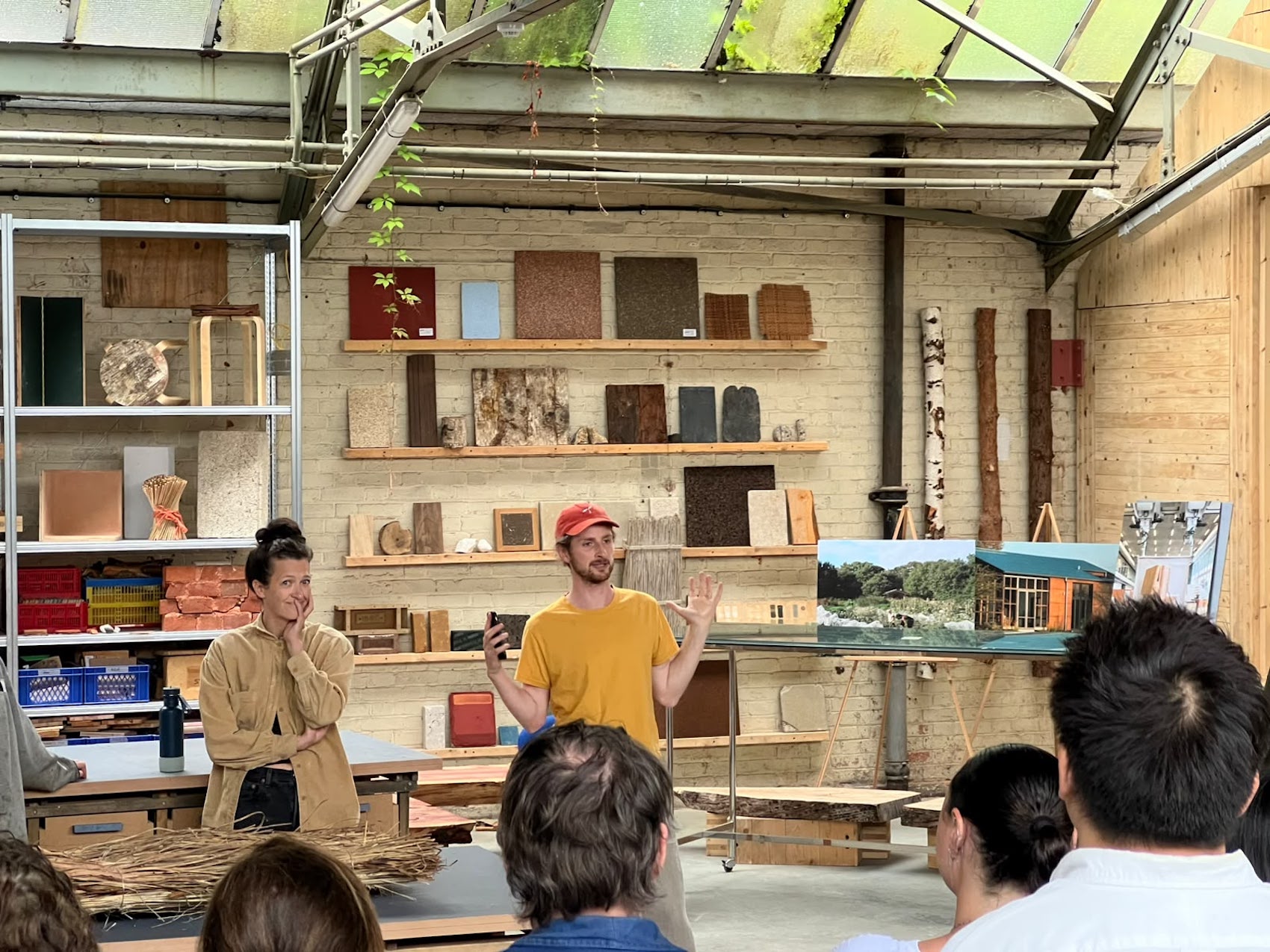
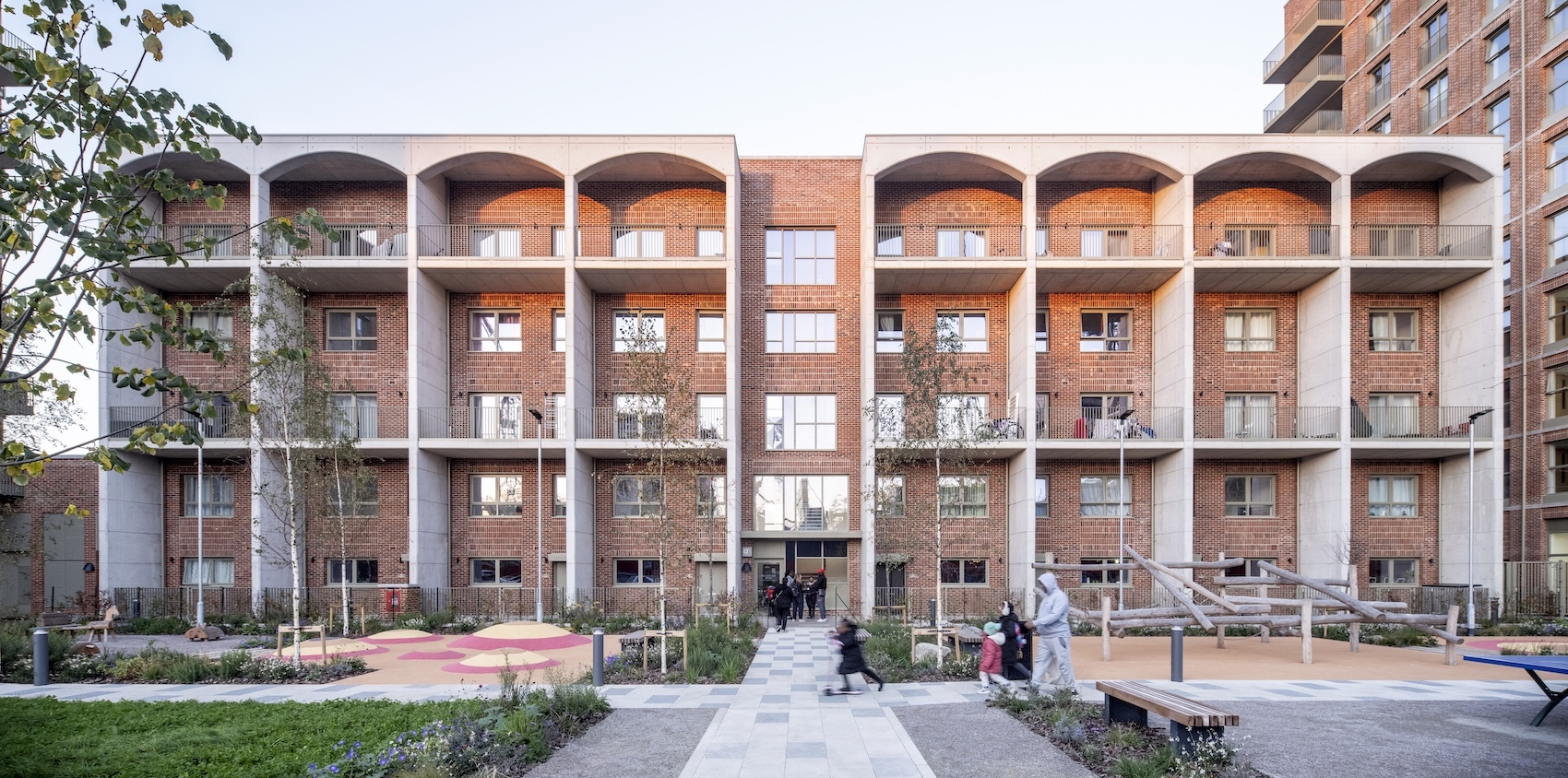
The Material Cultures and Yes Make building at Tipping Point East.
The tour also provided an opportunity to see the Material Cultures and Yes Make building located on the site: a project that has become something of a test bed for bio-based and reclaimed construction.
Rather than beginning with a completed design and sourcing materials to suit, the project reversed the conventional process. Available materials informed the architecture. Reclaimed CLT sections, salvaged partitions, second-hand components and experimental bio-based materials all influenced the final form of the building. The result is an architecture shaped as much by resource availability as by design intent.
The process required extensive collaboration between architects, builders and suppliers. Details were prototyped and revised as materials became available. Aesthetic decisions evolved alongside technical constraints. In many respects, the project became a live experiment in how a genuinely circular construction process might operate.
Among the materials incorporated into the building are CLT reclaimed from a London office project, reused glazing and partitions, salvaged stair components, straw-fibre boards, hemp-based panels and a range of experimental biomaterials developed through previous research projects. Together they demonstrate the breadth of materials capable of finding a second life within contemporary construction.
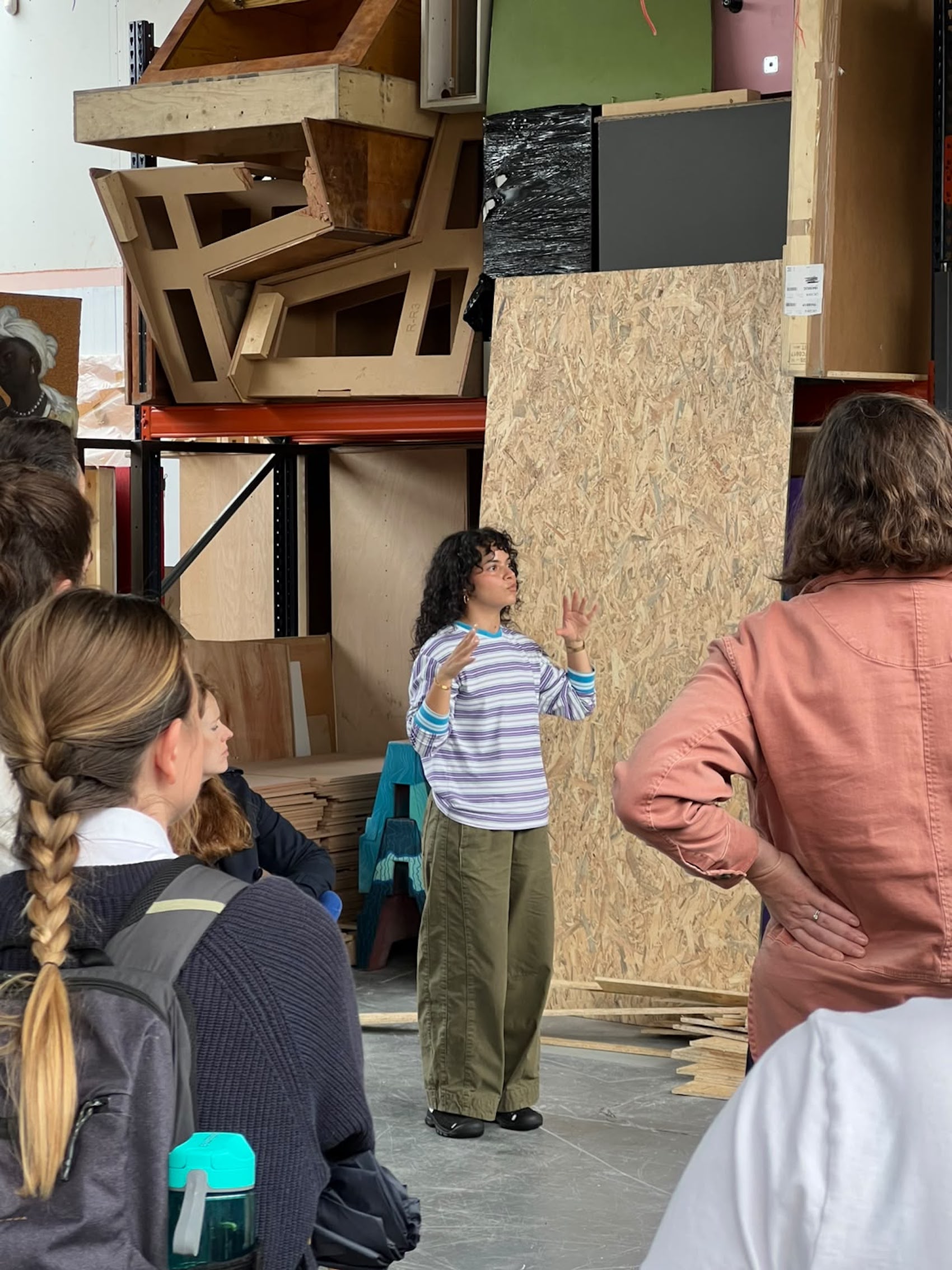
Jana Dardouk explains how Resolve Collective’s work begins with a simple question: what if materials currently regarded as waste were instead viewed as assets? Its Material Store functions as a growing infrastructure for material reuse, sourcing and redistributing construction products, exhibition components and building materials that would otherwise be discarded.
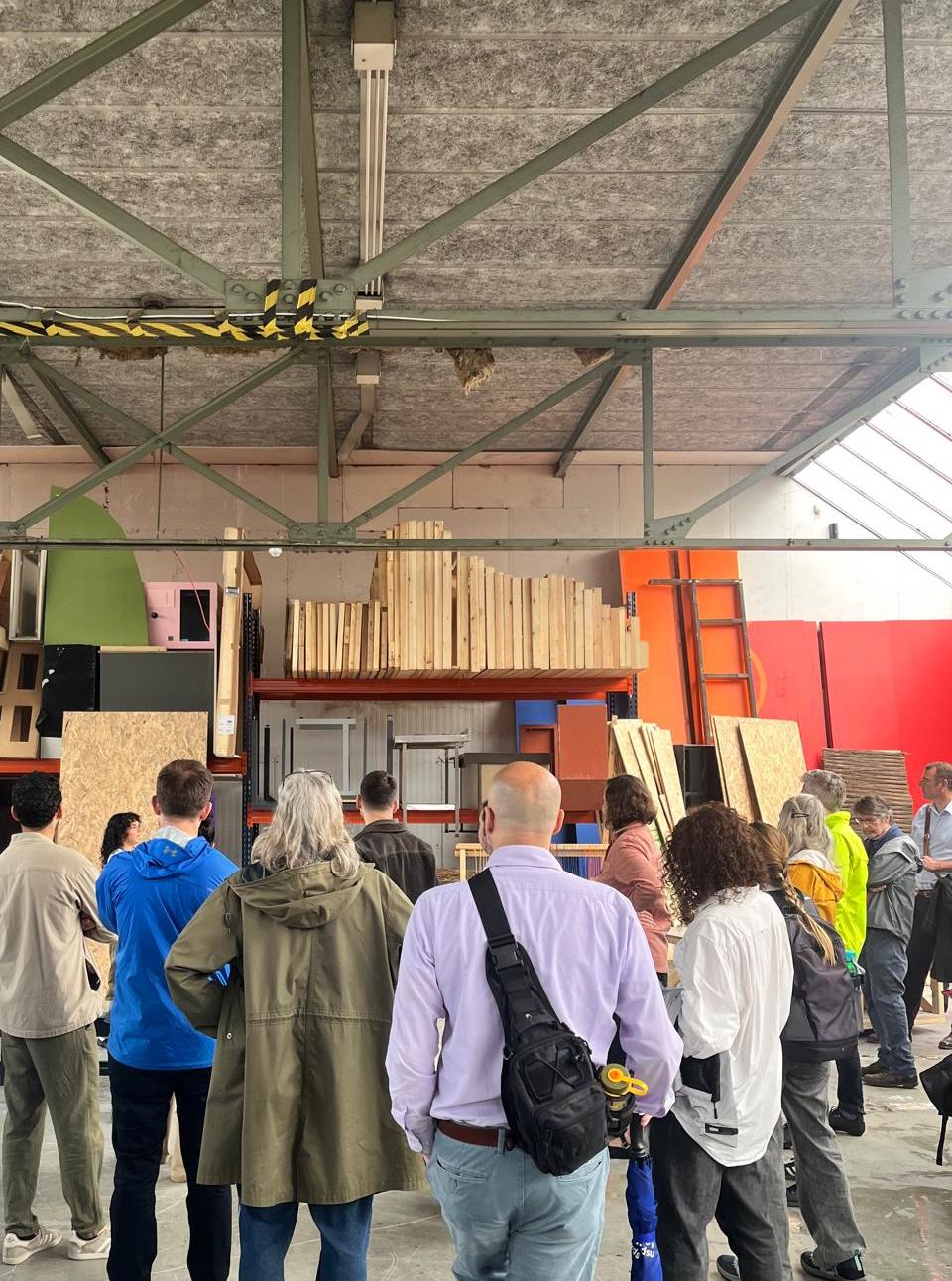
Alongside material reuse, Resolve’s work focuses on what it describes as practice ecology: creating the conditions for long-term collaboration, learning and experimentation. The collective sees its role not as solving problems, but as creating structures that allow alternative futures to emerge and develop over time.
The broader ambition extends well beyond a single building. RESOLVE Collective described plans for apprenticeships, training programmes and educational initiatives that will eventually form part of a larger academy model, and Yes Make’s metal workshop is soon expanding alongside a new wood workshop.
This emphasis on infrastructure recurred throughout the visit. Circularity is often discussed in terms of materials, but the speakers repeatedly returned to the need for physical spaces, logistical systems, skilled people and long-term investment if reuse is to move beyond isolated pilot projects.
The site’s proximity to film studios provides a useful example. Large-scale set construction generates significant quantities of high-quality timber and sheet materials, often in consistent dimensions. Capturing and redistributing these resources requires storage, transport, processing and trusted supply chains: precisely the forms of infrastructure that Tipping Point East is beginning to establish.
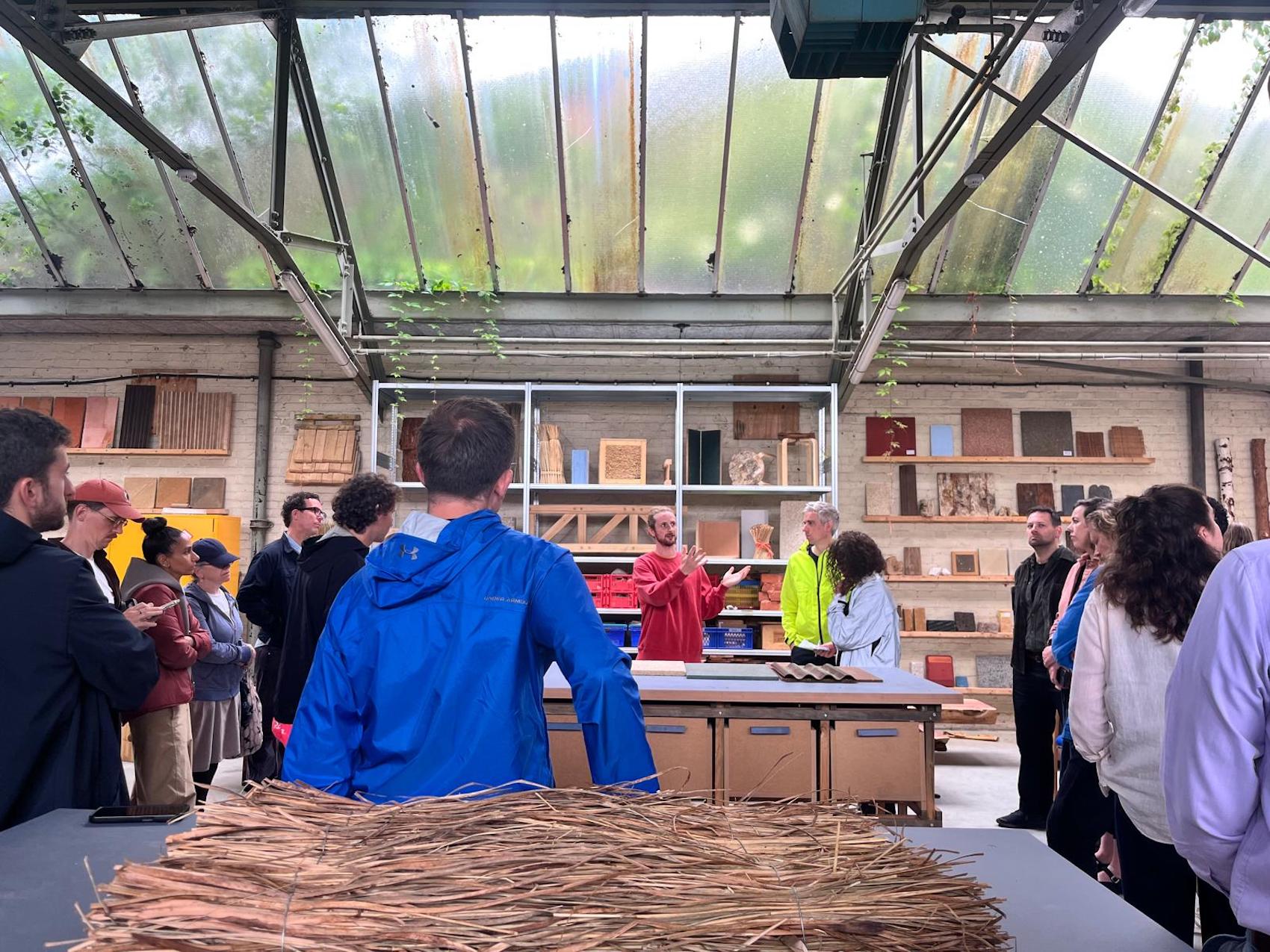
Much of the project’s value lies in the systems it tests. Every reclaimed component, certification challenge and procurement decision contributes to a growing body of knowledge that could make future projects easier, cheaper and less risky.
For Regenerative Architecture Index members, the visit was a valuable reminder that regenerative practice is not simply a design philosophy but an operational challenge. It requires new forms of collaboration, new business models and new physical infrastructures capable of supporting different ways of building.
Tipping Point East does not claim to have solved those challenges, but rather offers a place where they can be tested, questioned and refined in public.
By bringing together organisations such as RESOLVE Collective, Material Cultures, and Yes Make, the site demonstrates how alternative approaches to construction can move beyond theory and begin to operate at a meaningful scale. The result is not a finished model, but an evolving platform for experimentation: one that offers valuable lessons for anyone interested in the future of regenerative architecture.
Credits
Event partners
Architecture Today, UK Architects Declare and Zetteler
Tour leaders
Freya Bruce, Yes Make
Jana Dardouk, RESOLVE Collective
Paloma Gormley, Material Cultures
William Bradley, Material Cultures
Location
Tipping Point East, Stratford, London
More pictures