Lifschutz Davidson Sandilands has reworked and extended a 1980s office building in London’s Spitalfields, retaining 88 per cent of its structure to deliver a low-carbon, contextually-responsive workplace.
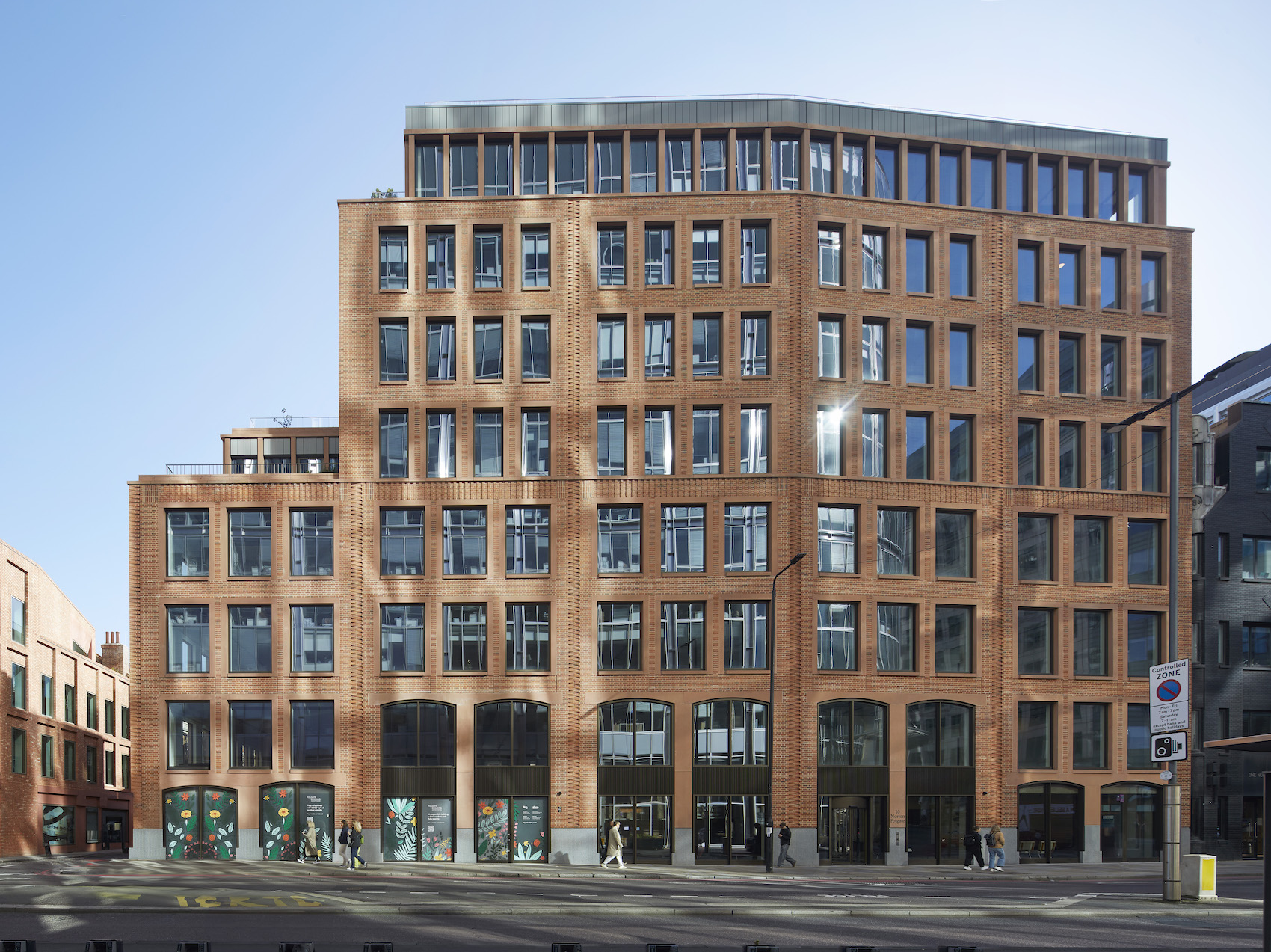
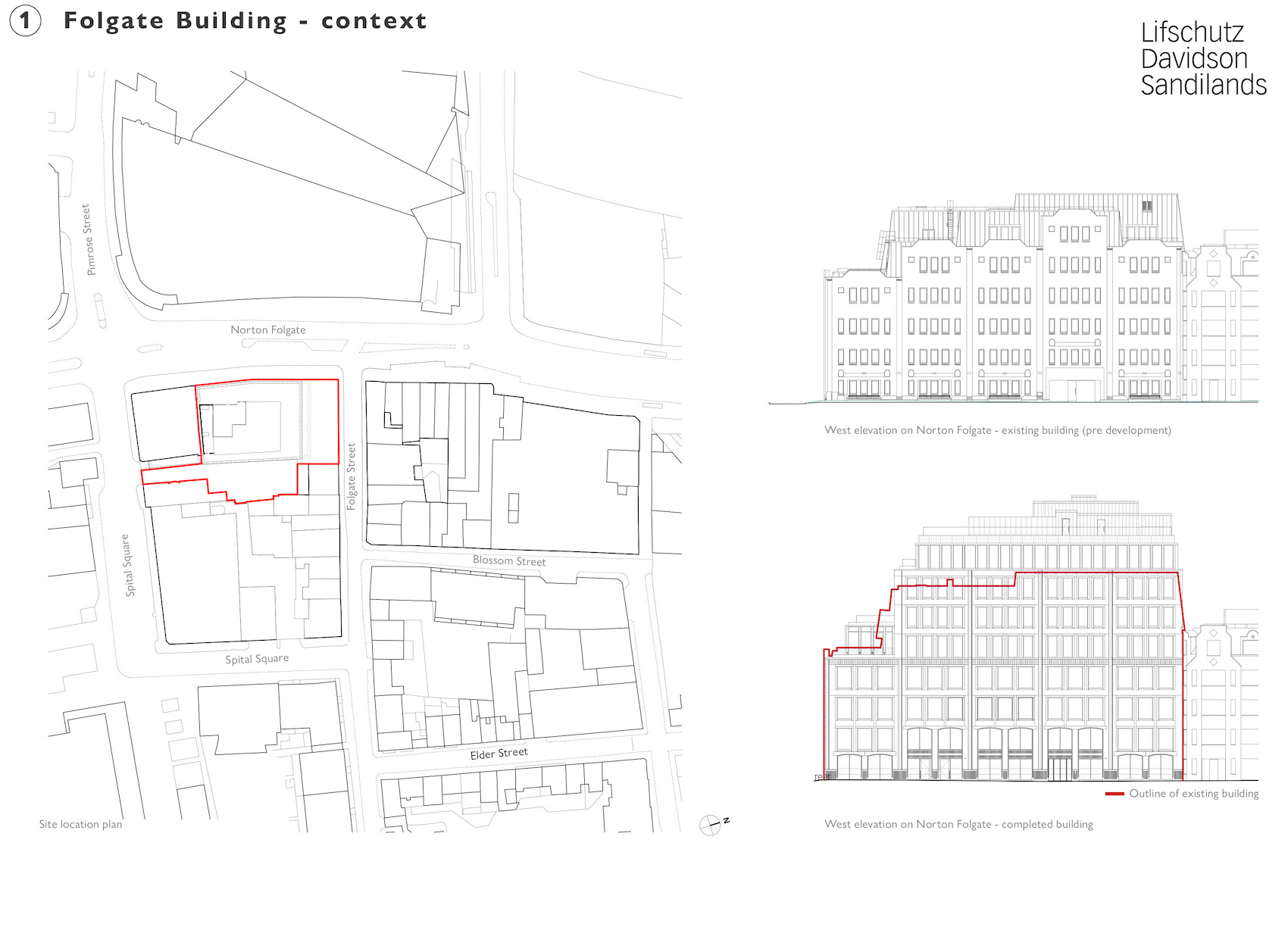
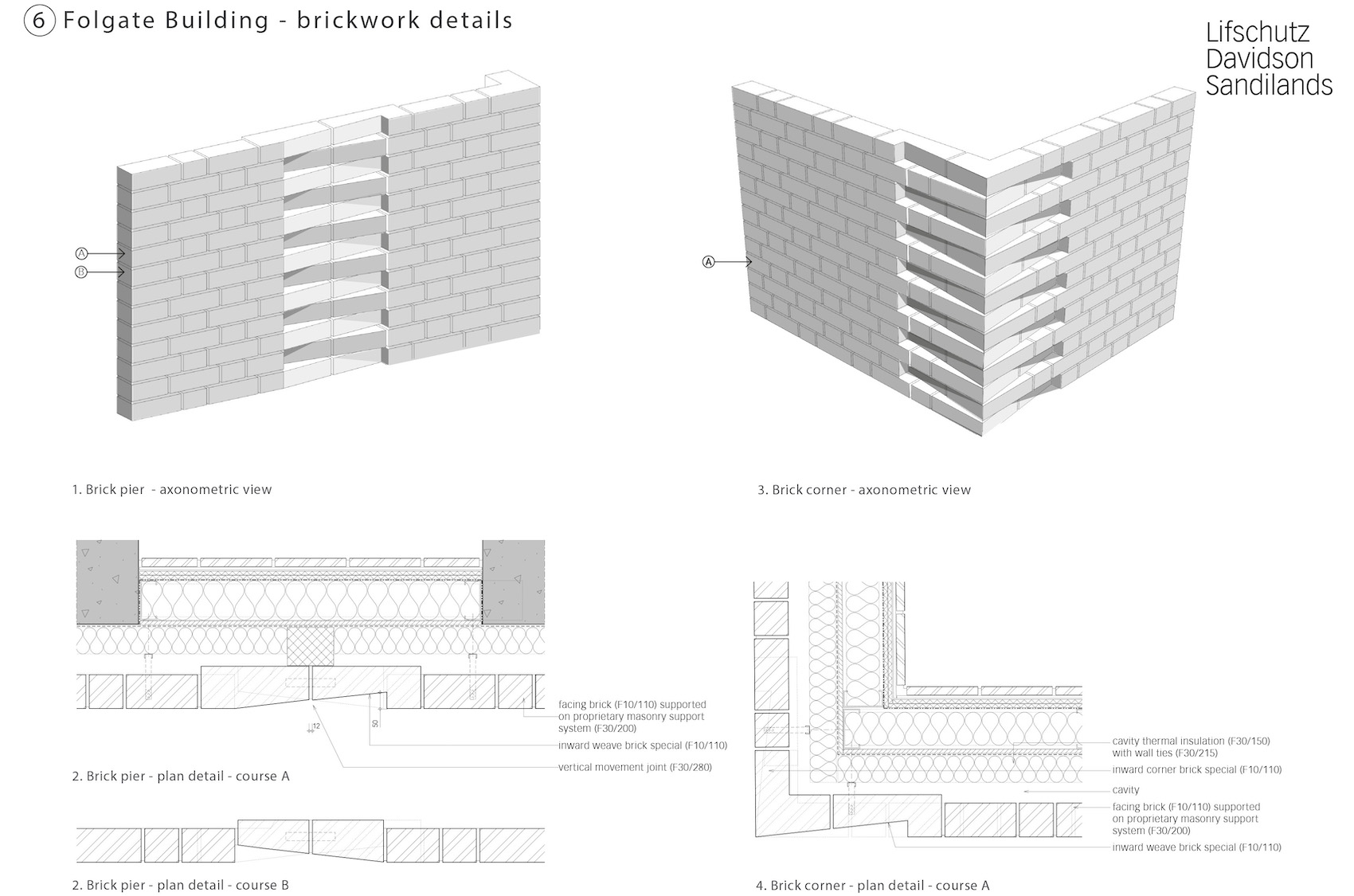
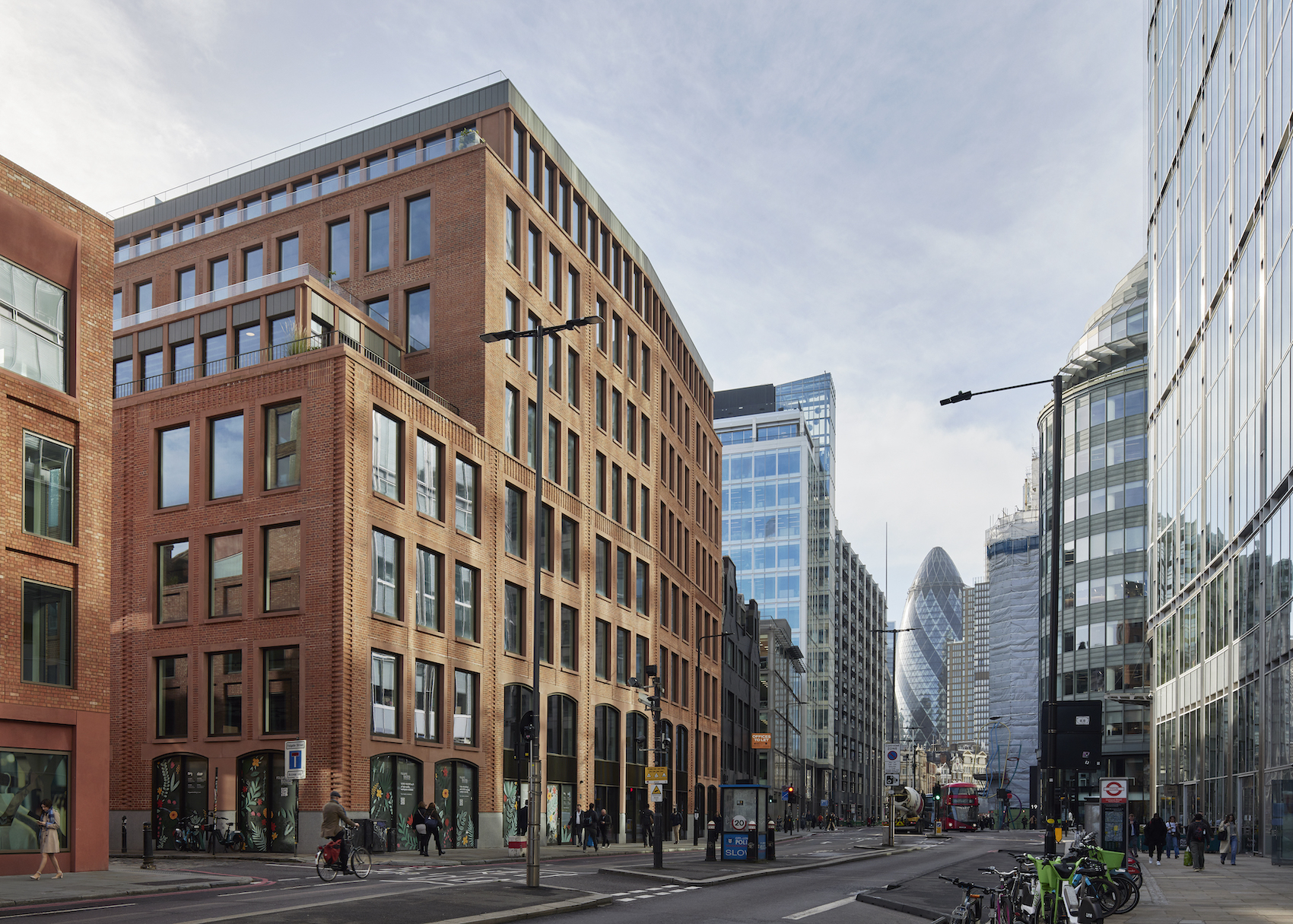
Lifschutz Davidson Sandilands has completed the Folgate Building in Spitalfields, London, transforming and significantly enlarging an existing 1980s office block while retaining 88 per cent of its original structure. Located within the Elder Street Conservation Area, the building occupies a threshold between contrasting scales: the fine grain of 18th-century townhouses to the east and the larger commercial developments around Spitalfields Market and the City to the south and west. The redesign negotiates these conditions through a carefully articulated brick and reconstructed stone façade that aligns with its historic surroundings while accommodating the demands of contemporary office use.
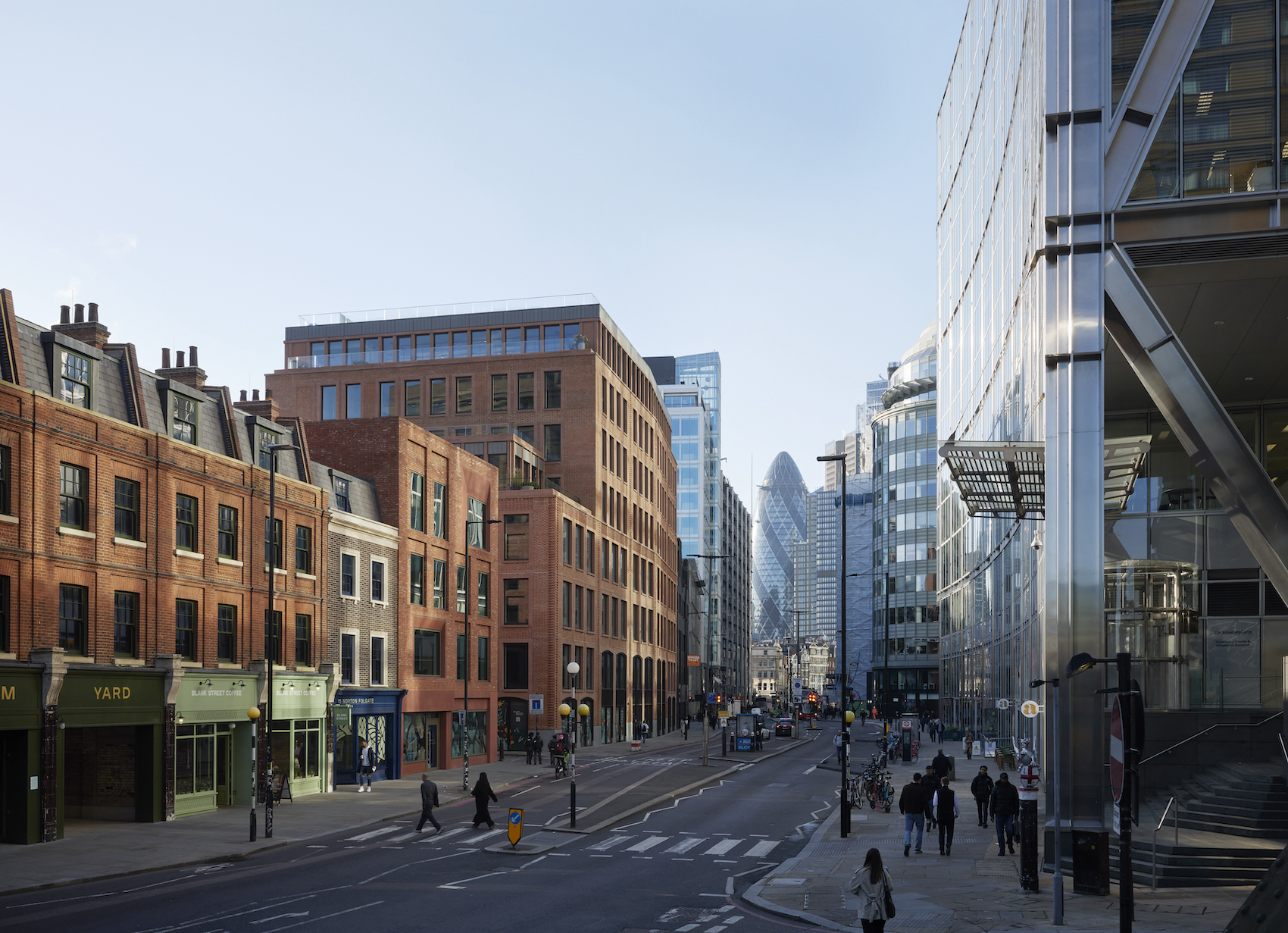
Commissioned by CLI Dartriver, the scheme increases the building’s capacity from six to eight storeys, adding approximately 1,765 square metres of new space to create a total of 5,900 square metres of workspace, including 172 square metres designated as affordable. Despite this expansion, the project retains 74 per cent of its embodied carbon within the existing structure, with new construction contributing only 26 per cent. The resulting embodied carbon figure of approximately 94 kgCO₂e/m² is significantly below current RIBA 2030 and LETI targets.
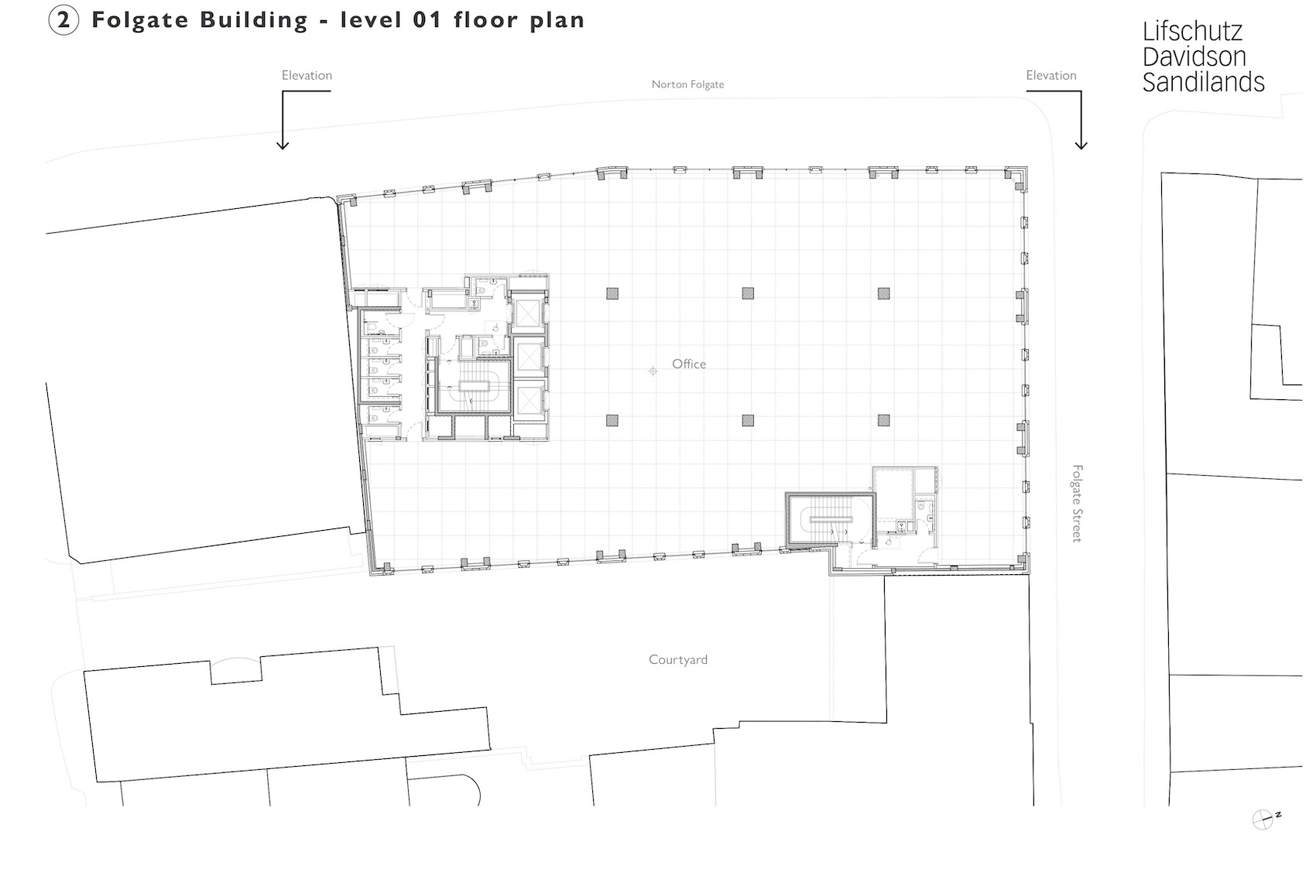
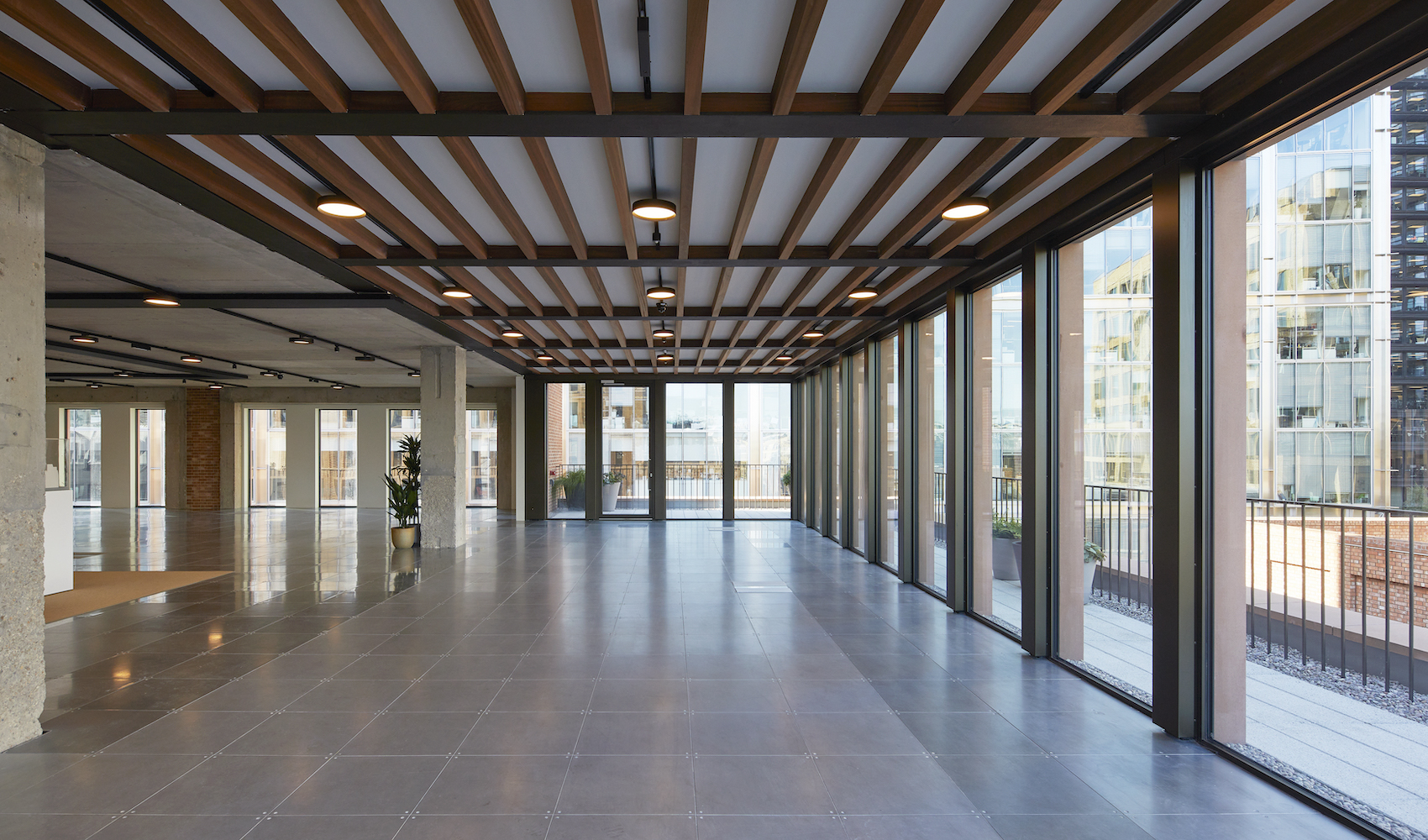
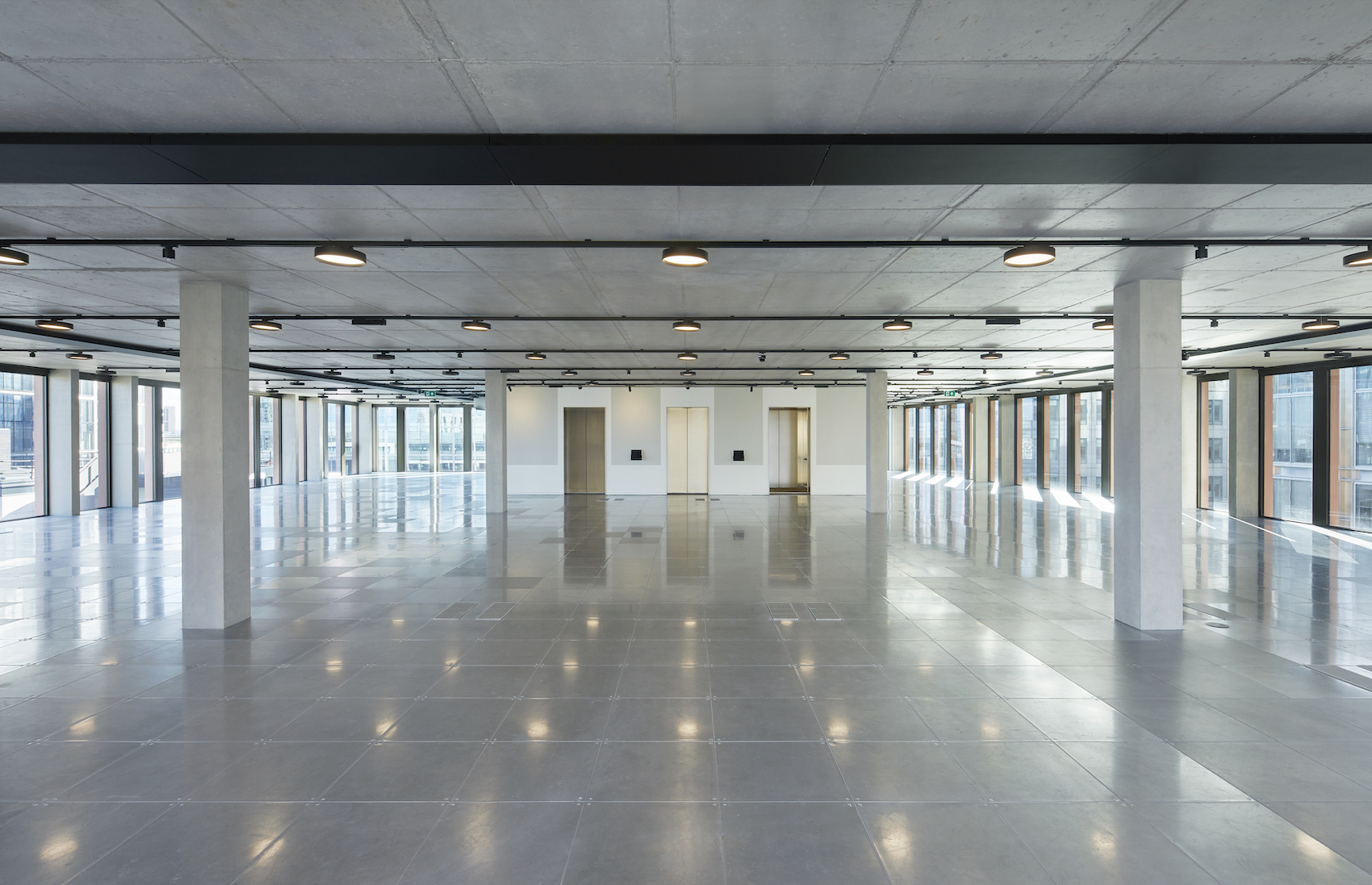
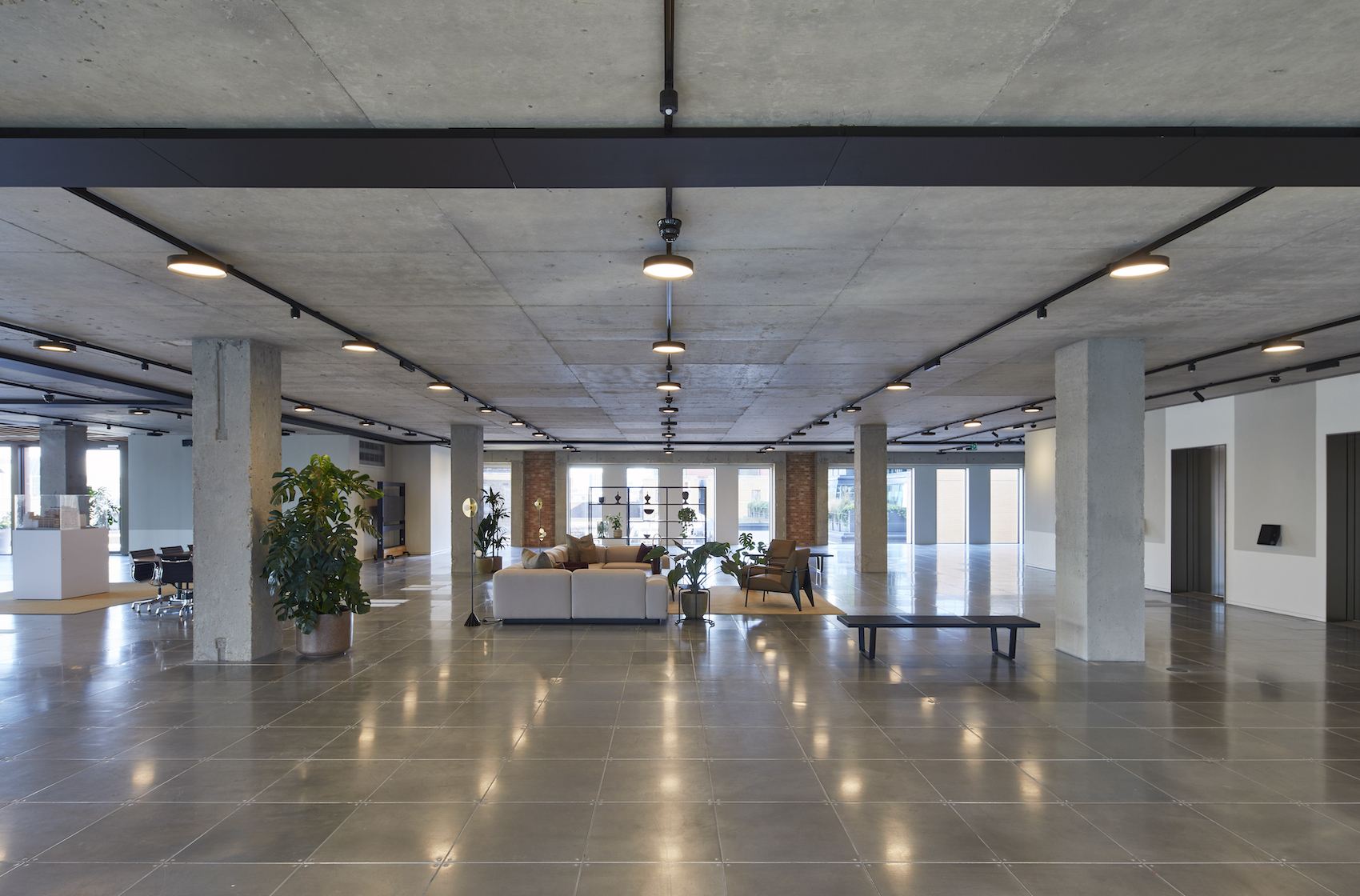
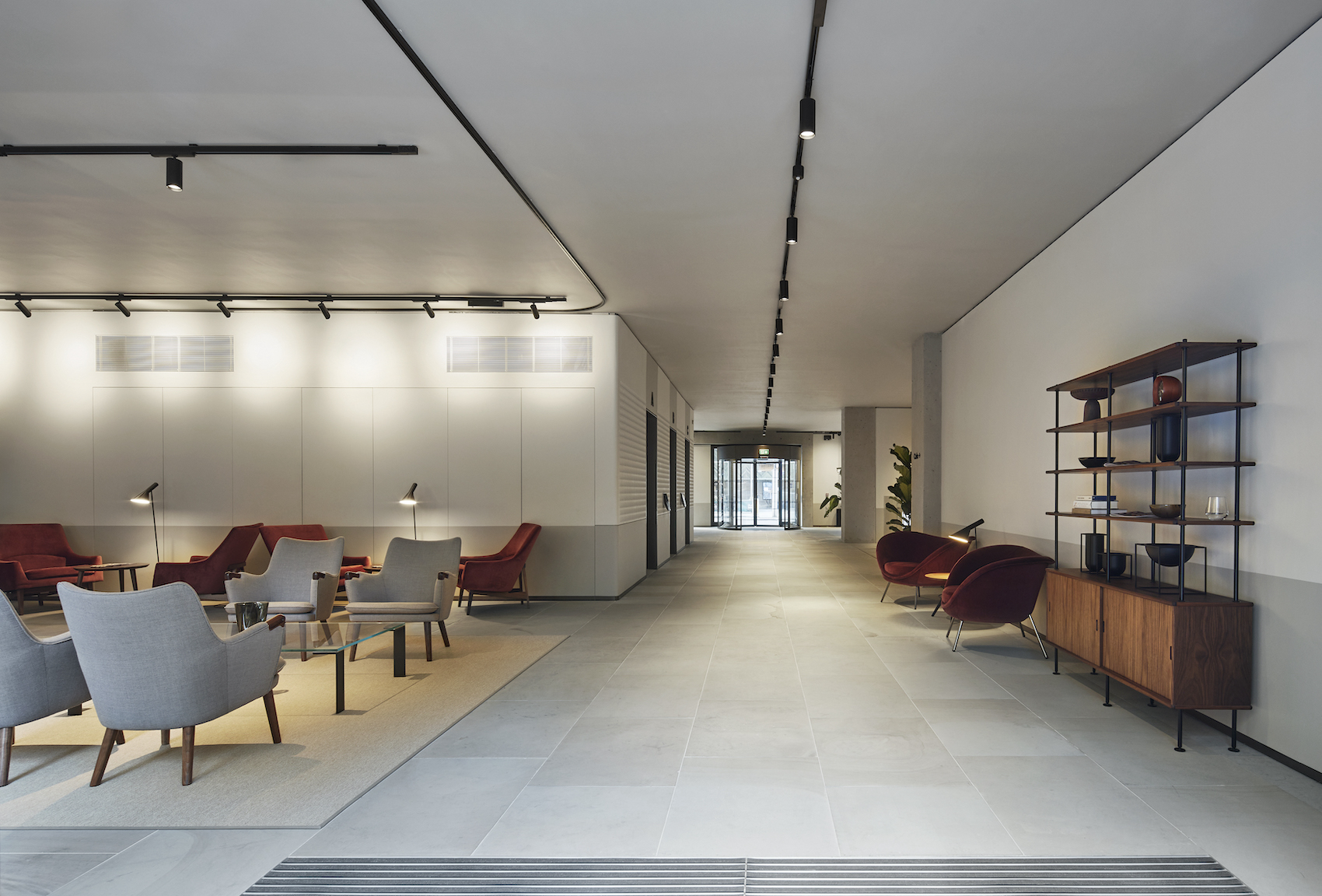
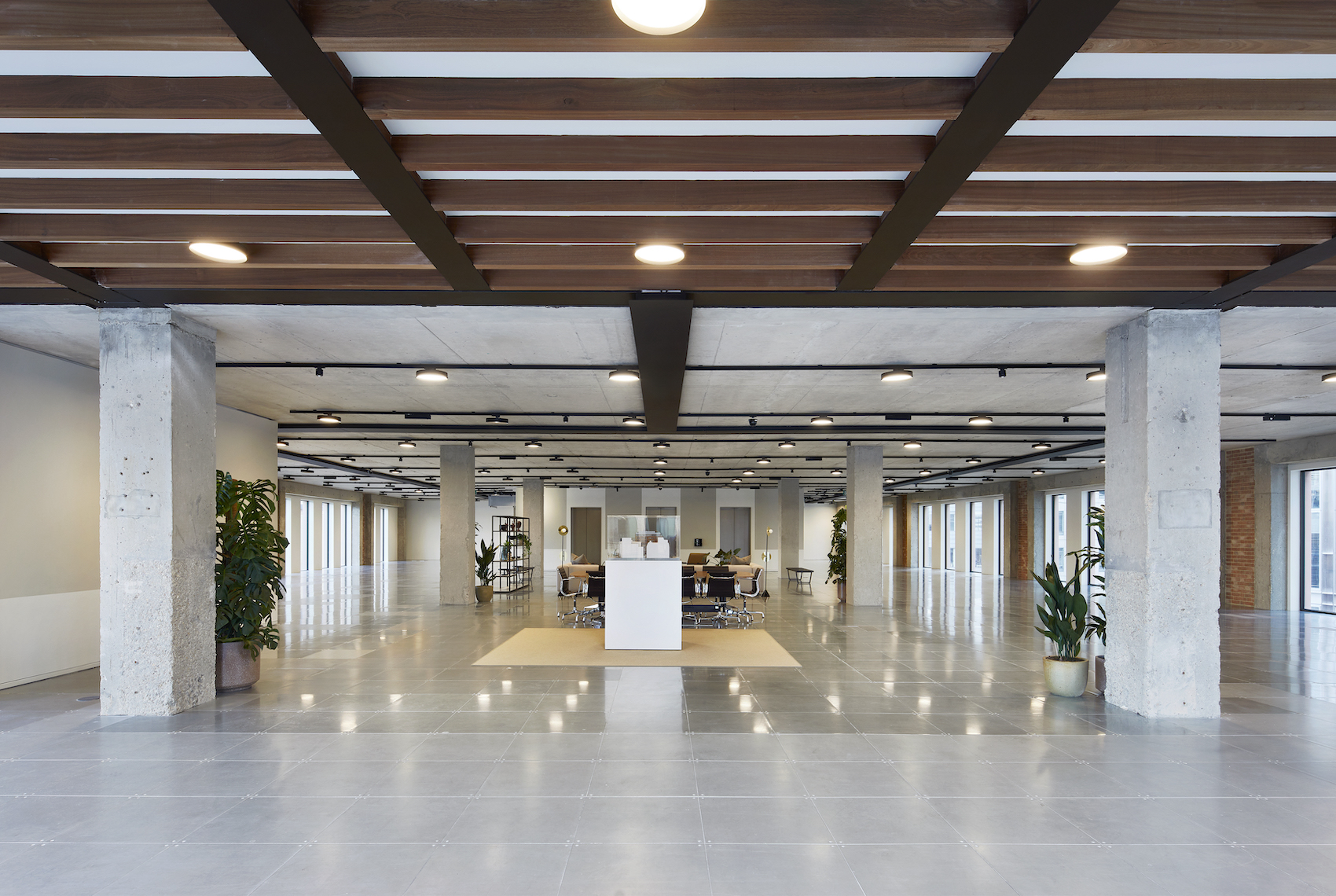
The original building was stripped back to its concrete frame, revealing generous floor-to-floor heights and a robust structural grid. This provided the basis for a long-life, flexible workplace strategy, with uncluttered floorplates, exposed soffits and services integrated through underfloor systems. Displacement ventilation, combined with CO₂-responsive fresh air systems, supports a comfortable internal environment, while the exposed structure contributes to thermal mass and energy efficiency.
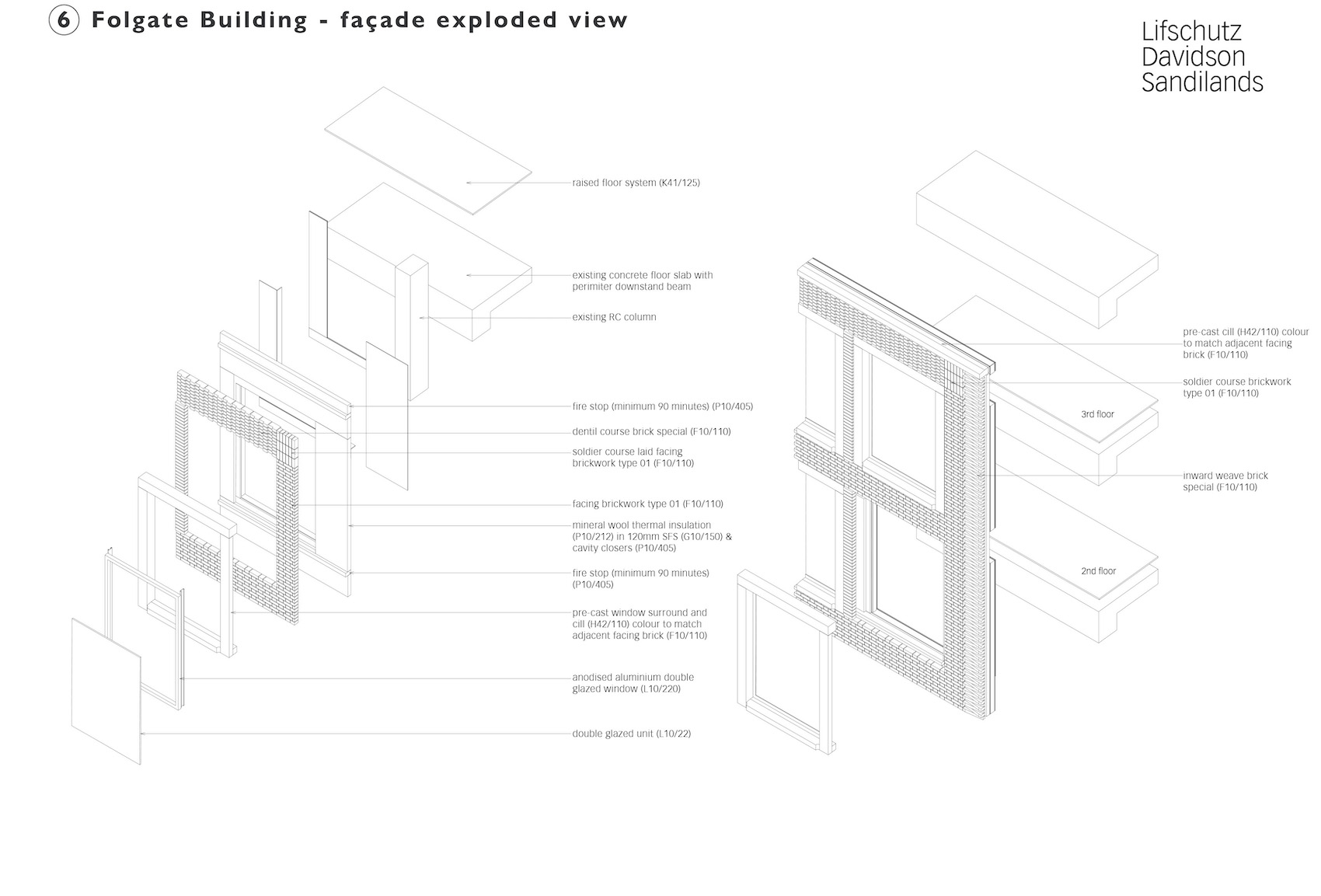
New full-height windows have been introduced on three elevations, increasing daylight penetration and establishing a more open relationship with the surrounding streets. The façade reconfiguration also improves thermal performance and airtightness, replacing the original building’s poorly insulated envelope and outdated glazing.
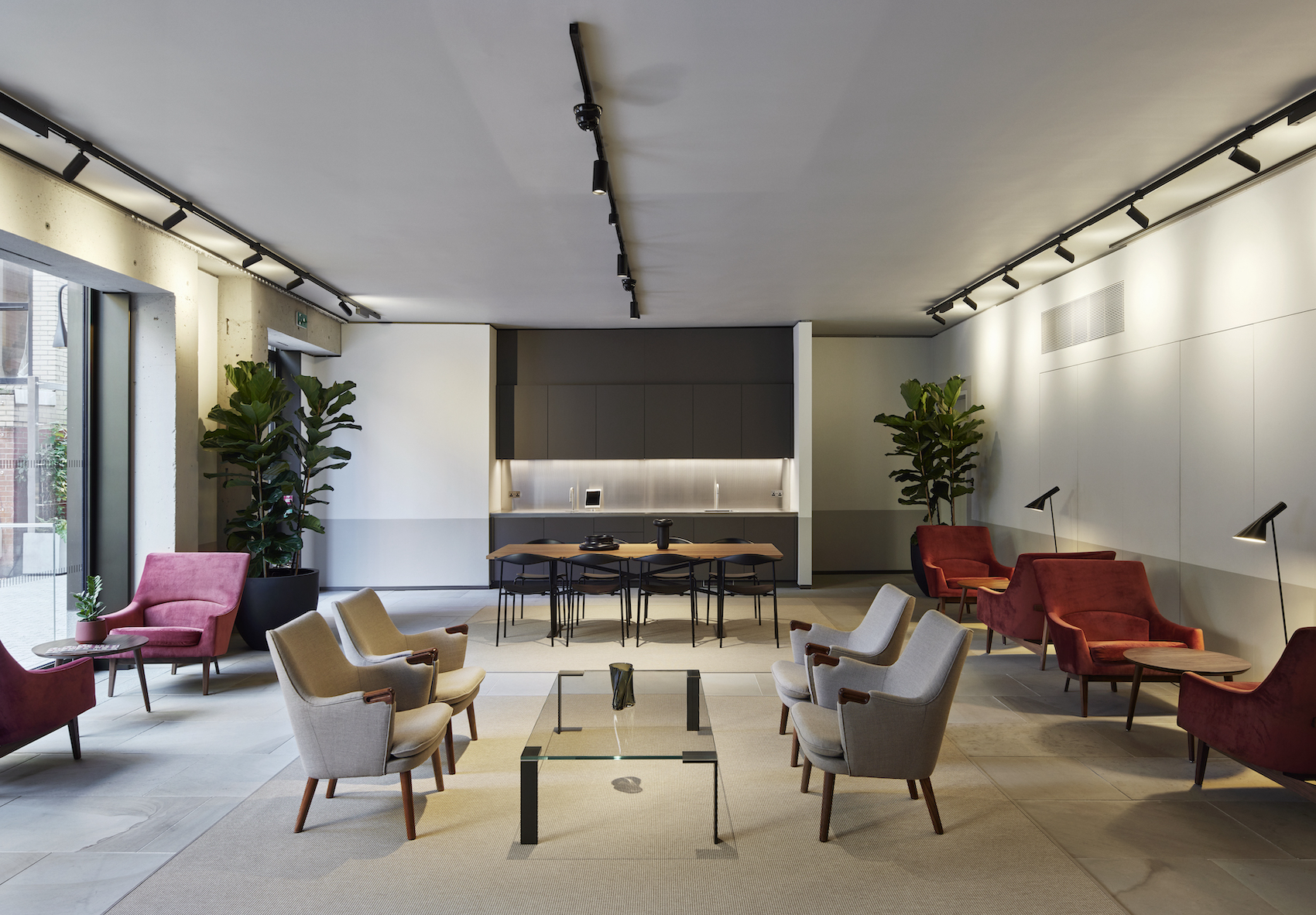
Material selection for the extensions prioritised low-carbon construction, including reinforced concrete with high levels of cement replacement. The building is powered by REGO-certified electricity, with air source heat pumps, low-energy LED lighting and advanced environmental controls contributing to its EPC A rating and BREEAM Outstanding (2018) target.
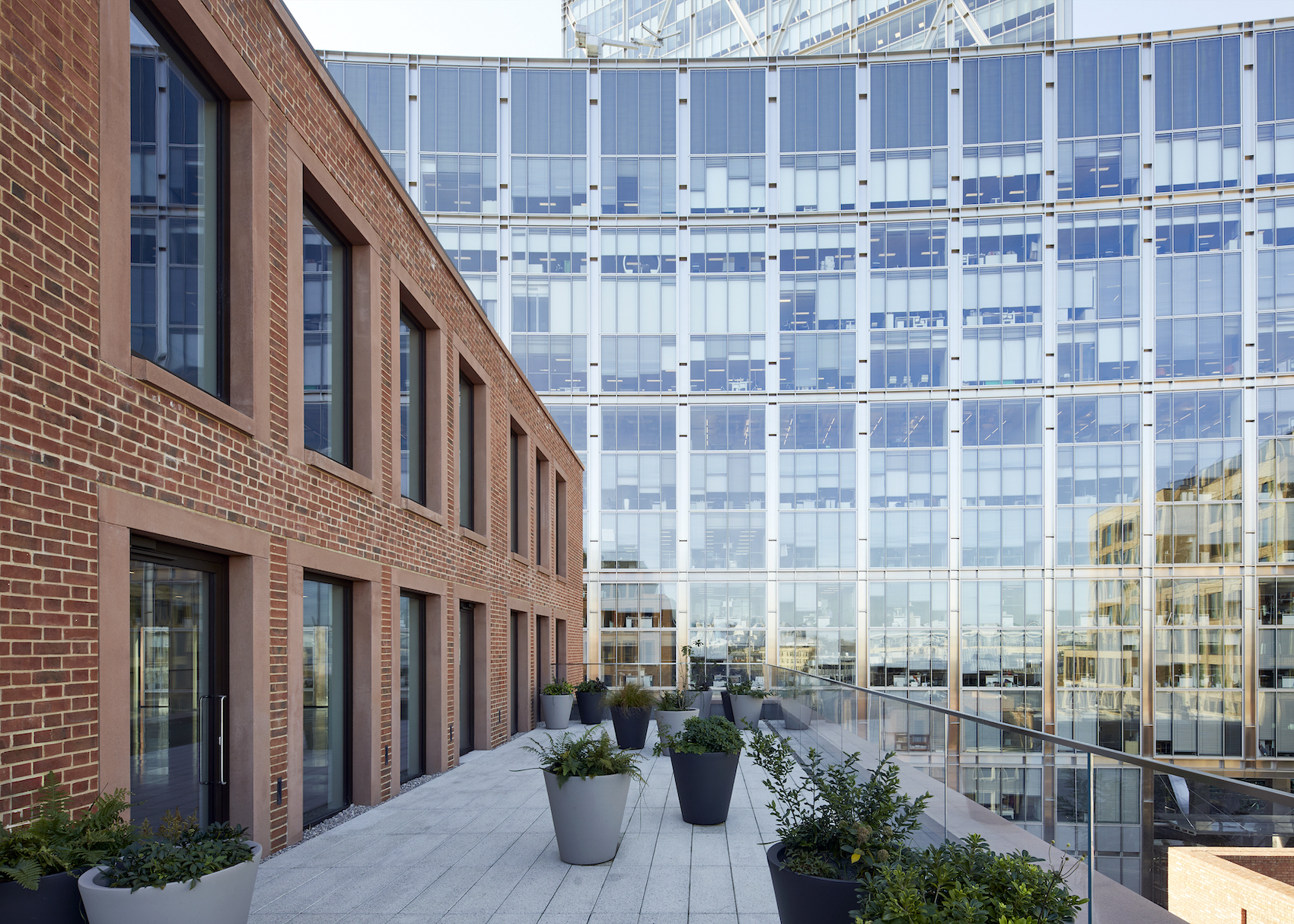
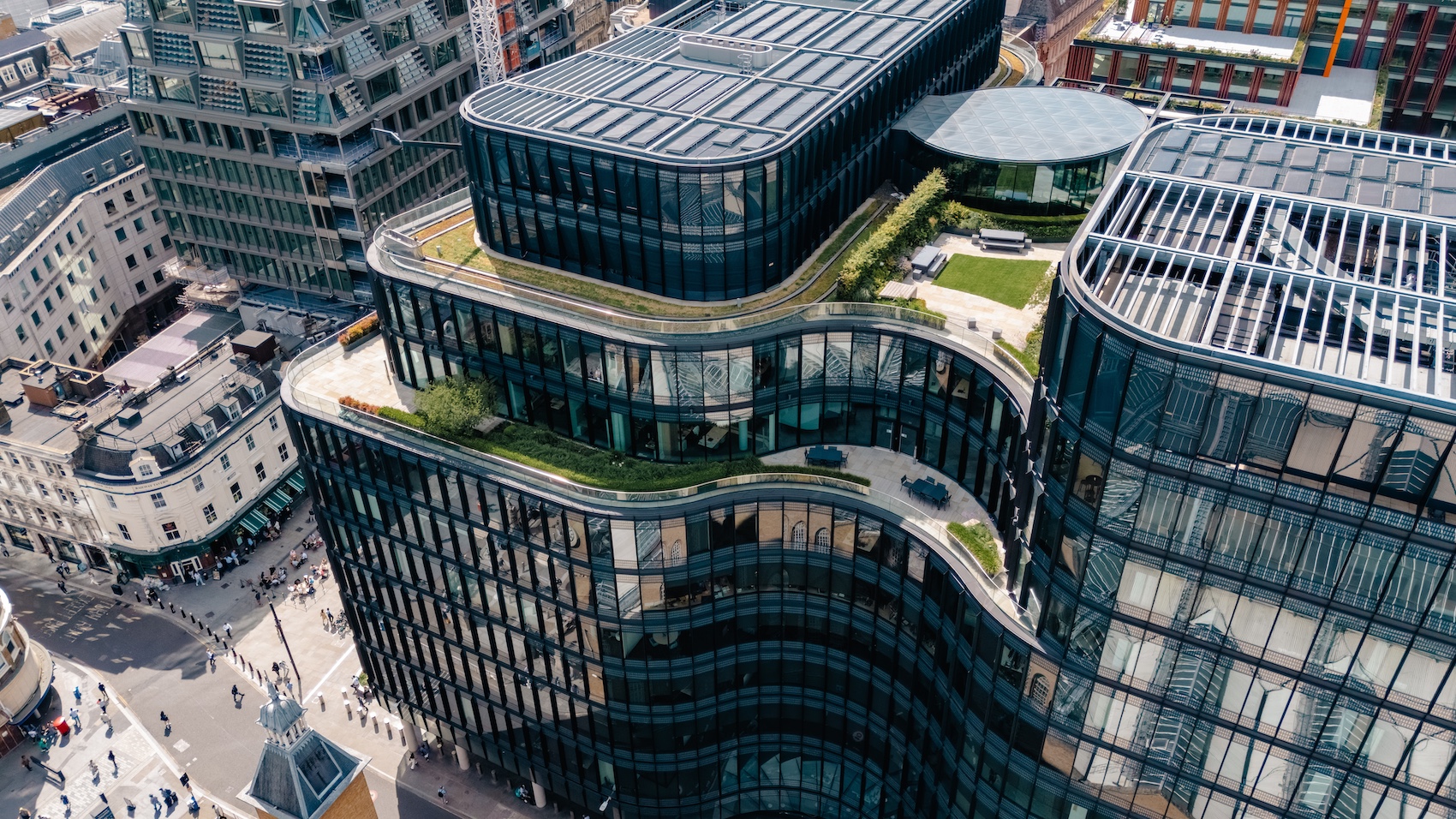
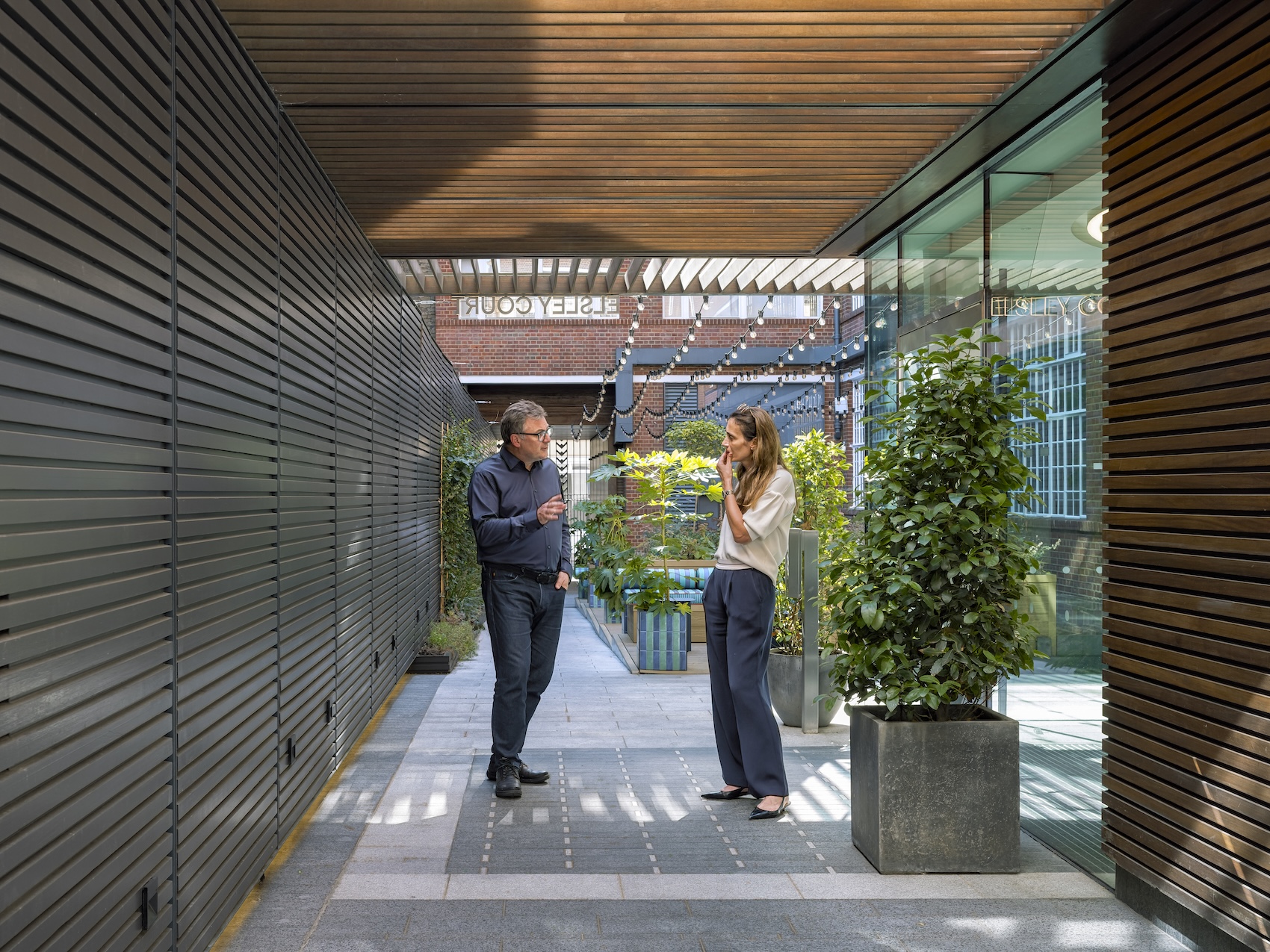
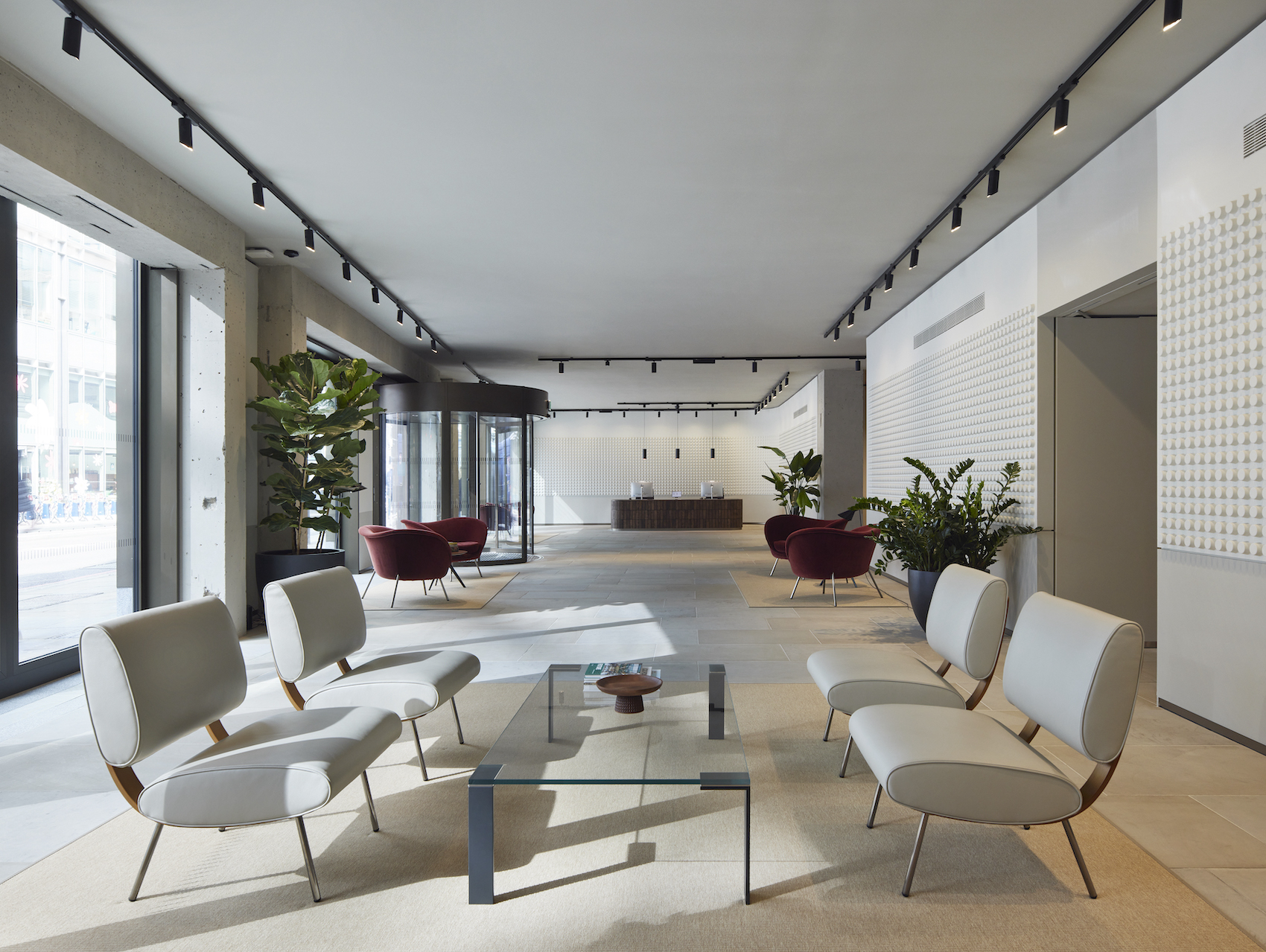
A strong emphasis has been placed on amenity, reflecting changing expectations of the workplace. A generous ground-floor reception leads to a communal café and a landscaped courtyard of approximately 370 square metres, which connects through to Spital Square and provides a shared green outlook. Upper levels incorporate a series of terraces, with a roof garden and bar at eighth floor level, and additional outdoor spaces for occupants on floors four to seven.
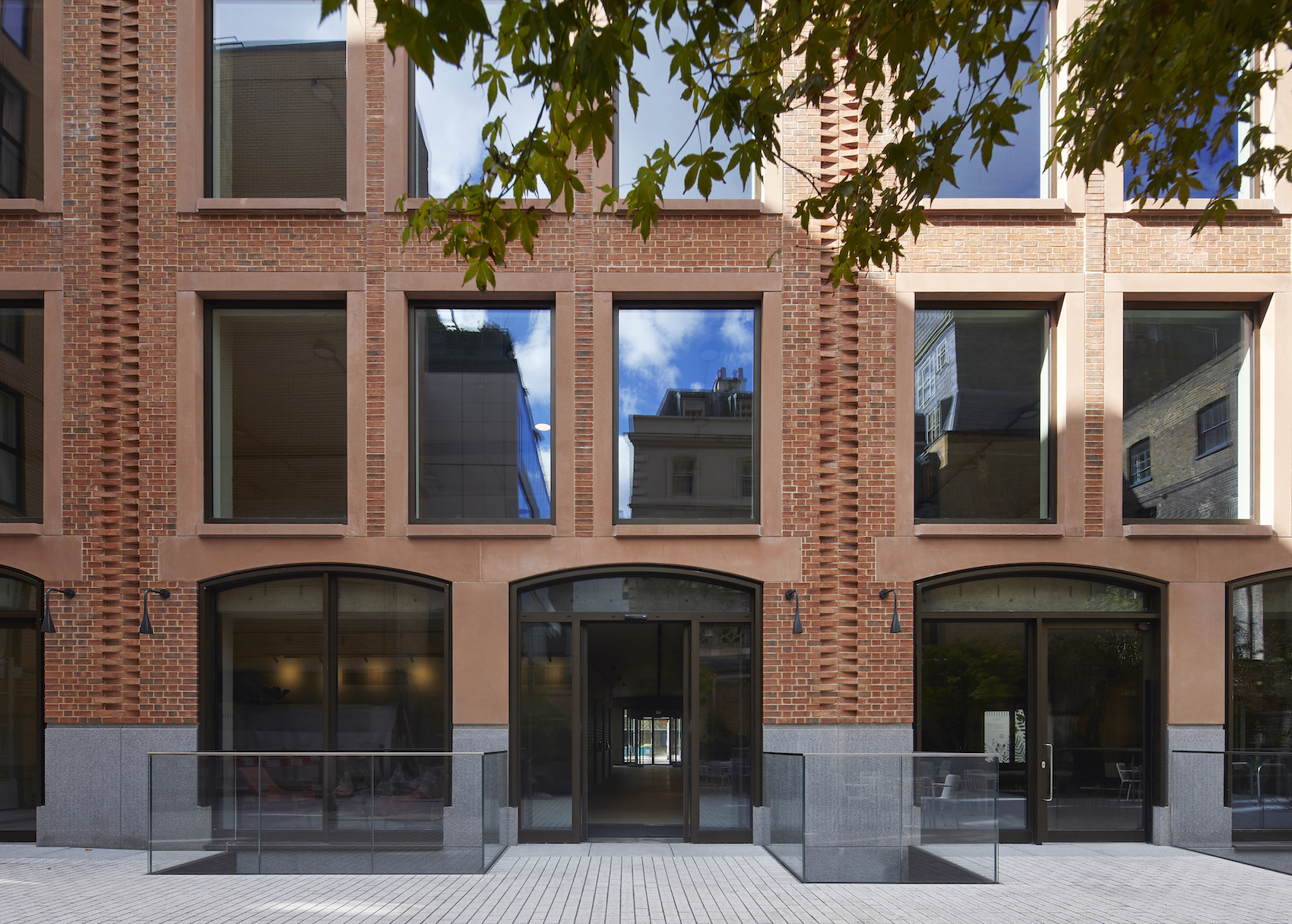
The architectural language draws on a ‘warehouse’ character that references the area’s industrial past while offering a contemporary interpretation suited to modern tenants. This approach is reinforced by the building’s material palette and detailing, which balance robustness with refinement. Delivered within a relatively constrained budget, the project evolved to incorporate enhanced tenant amenities and a CAT A+ fit-out, positioning it as an alternative to more corporate office environments in nearby Broadgate.
Credits
Architect
Lifschutz Davidson Sandilands
Structure
Heyne Tillett Steel
M&E
L&P Group
QS
Exigere
Landscape architect
Bradley-Hole Schoenaich Landscape
Client
CLI Dartriver
Additional images