Architecture Today intern Izzie Tilston quizzes former AT intern Stella Forde about the trouble with architectural education, the power of networking and leaving architecture for a career in project management
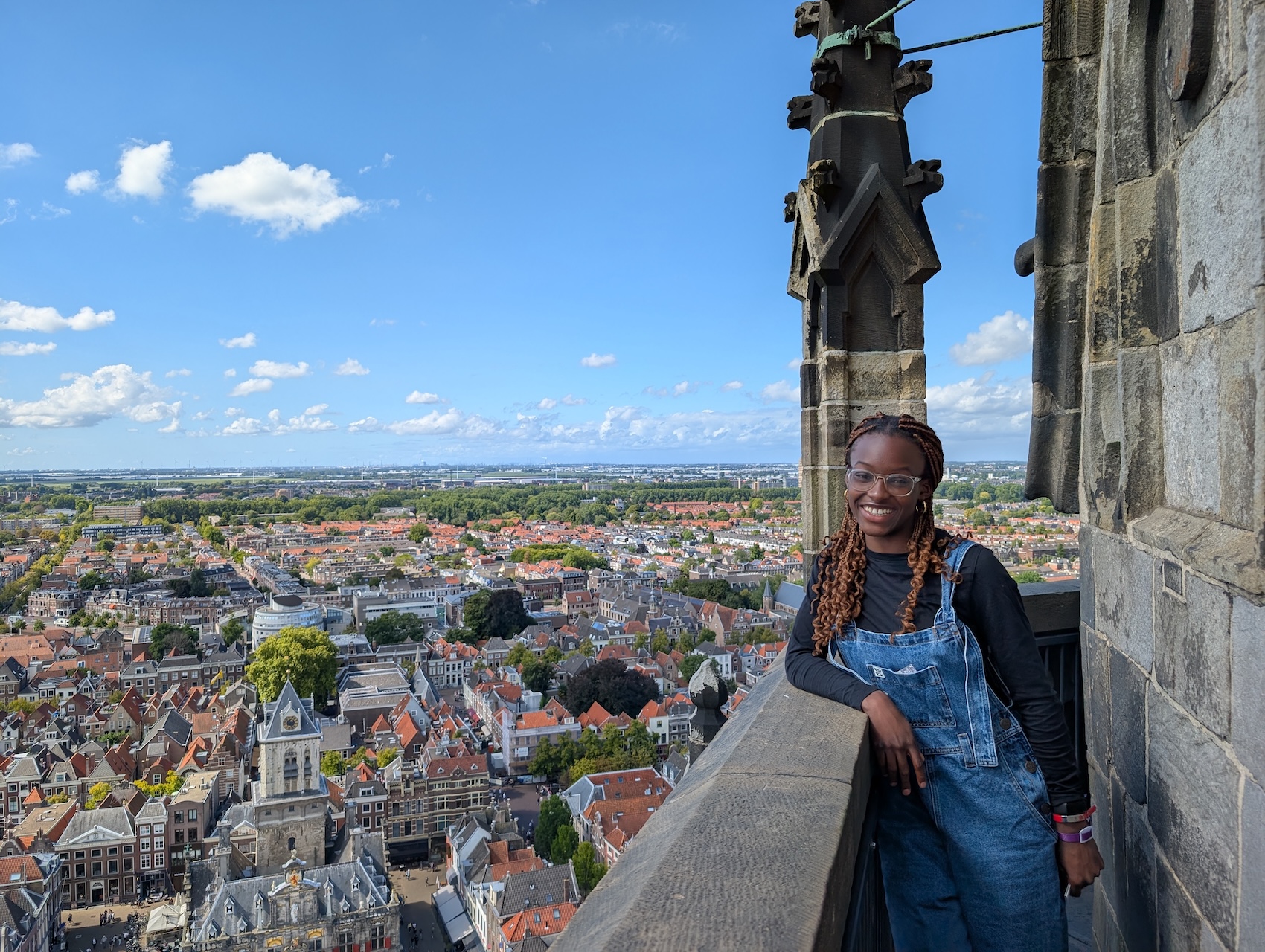
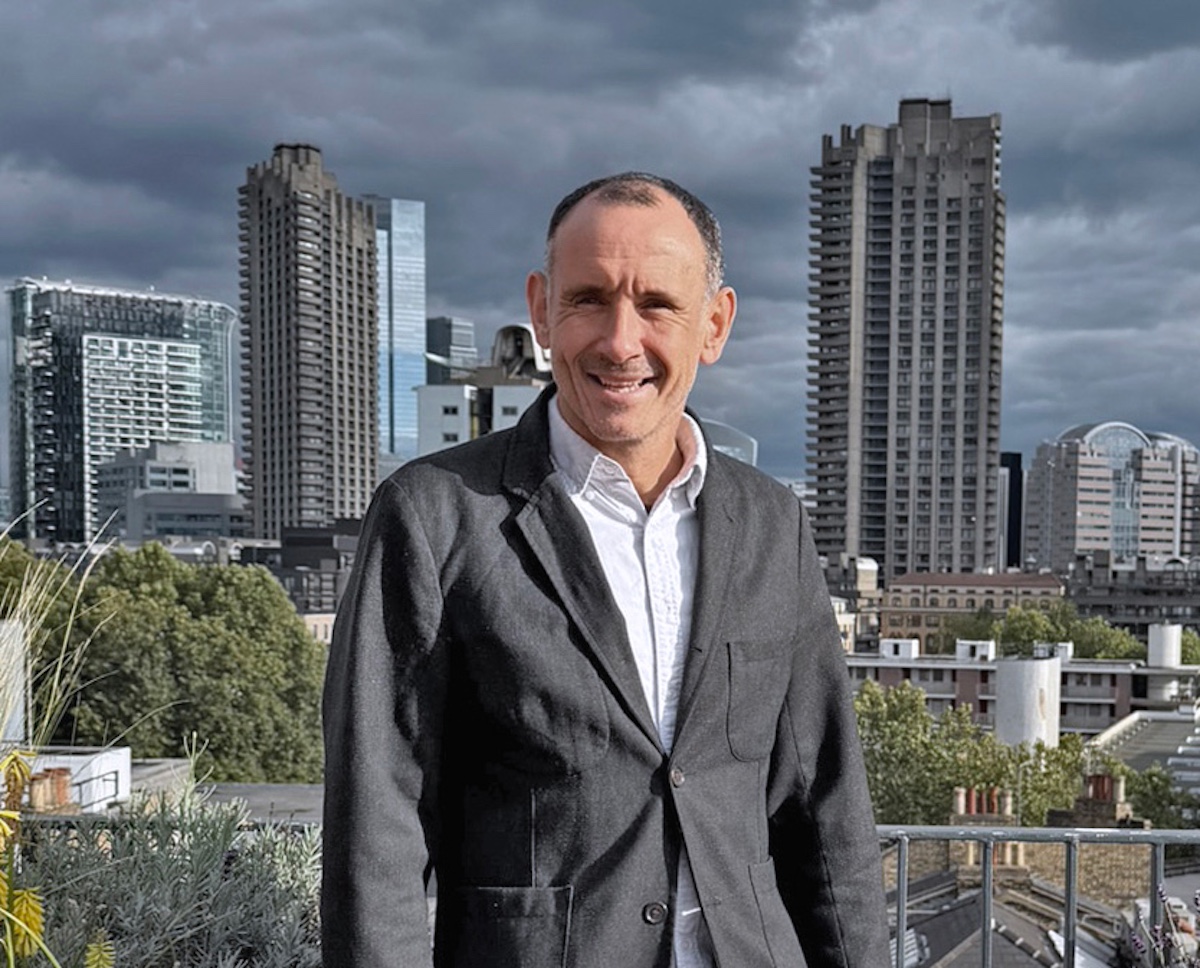
Stella Forde at the Nieuwe Kerk in Deflt.
For your dissertation, you designed a strategy to improve architectural undergraduate education to align with the demands of the profession. Looking back, how well did your degree prepare you for practice?
I’m studying for an MBE (Management in the Built Environment) at Delft University of Technology in the Netherlands, and I can see what a project manager needs from the architect. And I’m thinking architects don’t get taught that at all. How are they supposed to deliver it? During my undergrad, I was really curious about the things we weren’t being taught. I spoke to tutors who were already working in the industry, especially when I was writing my dissertation. My tutor would be so tired – “Stella, what now? What’s the next question?” – and I was like, “I am going to use my £9,000 quid per year well, and speak to everyone. In a way, I learned networking at university. I just tried to utilise the resources I had and people around me by actually talking to them.
My critique is more systemic rather than institution-specific. I realised that I might not want to be an architect, so I put less pressure on academia and put more of my effort into other areas of my life: public speaking, hockey, leadership roles, and becoming a student ambassador to earn extra money. The earlier the economics is introduced in undergrad, the better. We’re thinking, “I’d like my walls to be made from this specific clay that comes from this part of the UK, and a huge green roof,” but when you’re doing the numbers, councils don’t have the money and developers are cutting costs everywhere. The architect’s vision is rarely the final outcome. Tutors say, “enjoy it – it’ll be over soon,” but I think that’s the wrong attitude.
You didn’t follow the conventional Part 2 route. When did you decide to take a different path and what pushed that decision?
There has to be a point where you really question what you want to do. For me, that moment came in my second year, in January, when I realised the course wasn’t what I expected. What I was lacking was the ability to apply it to the real world. I felt out of touch with what I was studying compared to what I was reading in the news. The news is what motivated me to do architecture in the first place, but I couldn’t see the parallels between designing a skate park for my final project and the social housing crisis. My family and friends thought what I was doing was solving real problems, and yes, I was designing solutions, but not for issues I felt were important. It made me doubt my motivation. I realised it wasn’t just me, but lots of people felt the same but just continued. They’d say, ‘I’ll get Part 1, Part 2, Part 3, and then I can decide what to do.’ But I thought, seven years is a long time before evaluating what we’re doing.
How do the loan pressures compare in Delft to the UK?
Studying in the Netherlands has been so eye-opening. In week one, I asked, “How much debt are you in?” and people said, “What do you mean, debt?” With an EU passport, fees are about £2,700 a year compared to £9,250 in the UK. My two-year master’s doesn’t even equal the cost of my first year in the UK. Since Brexit, there are very few UK students here because they can’t afford it. I think it gives students here more freedom to make mistakes or change direction. It’s also less of an issue that architecture isn’t higher-paying if you’re not already in debt.
Do you see a big difference in studying in Delft and the way they teach?
It’s harder, but one of the biggest differences – and something I really enjoy – is that the year is split into four quarters. Projects don’t last more than 8-10 weeks, which means you get to experience a lot of variety and exposure to different teachers. That’s something I felt lacked in undergrad- it was very samey. The work culture is also better. Weekends are free, and deadlines are at 5.30pm on a Friday. No one is working until midnight or over the weekend. Everything finishes like a normal working day. What I find is that everyone knows that things are wrong in the UK, but the question is, who is going to change it?
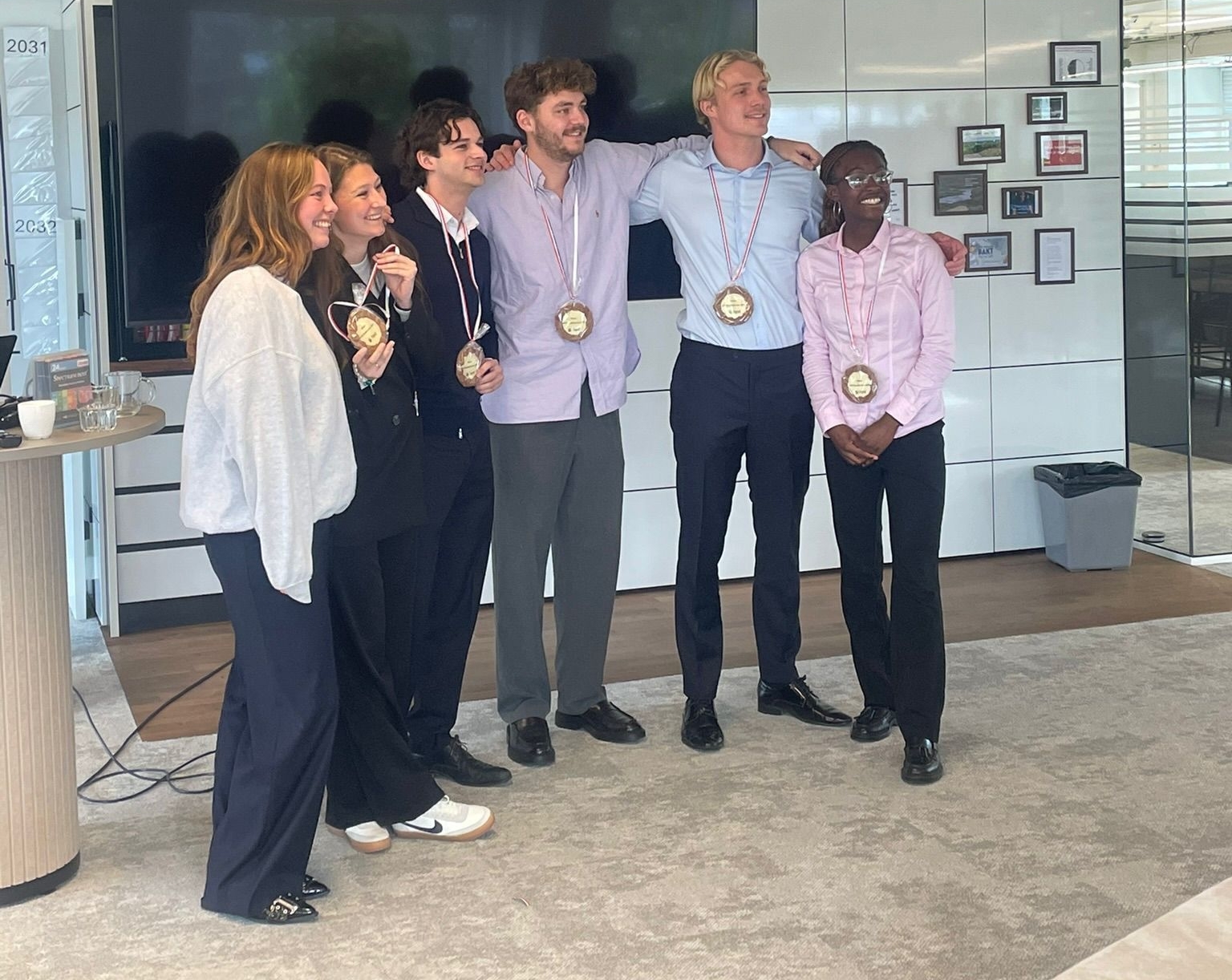
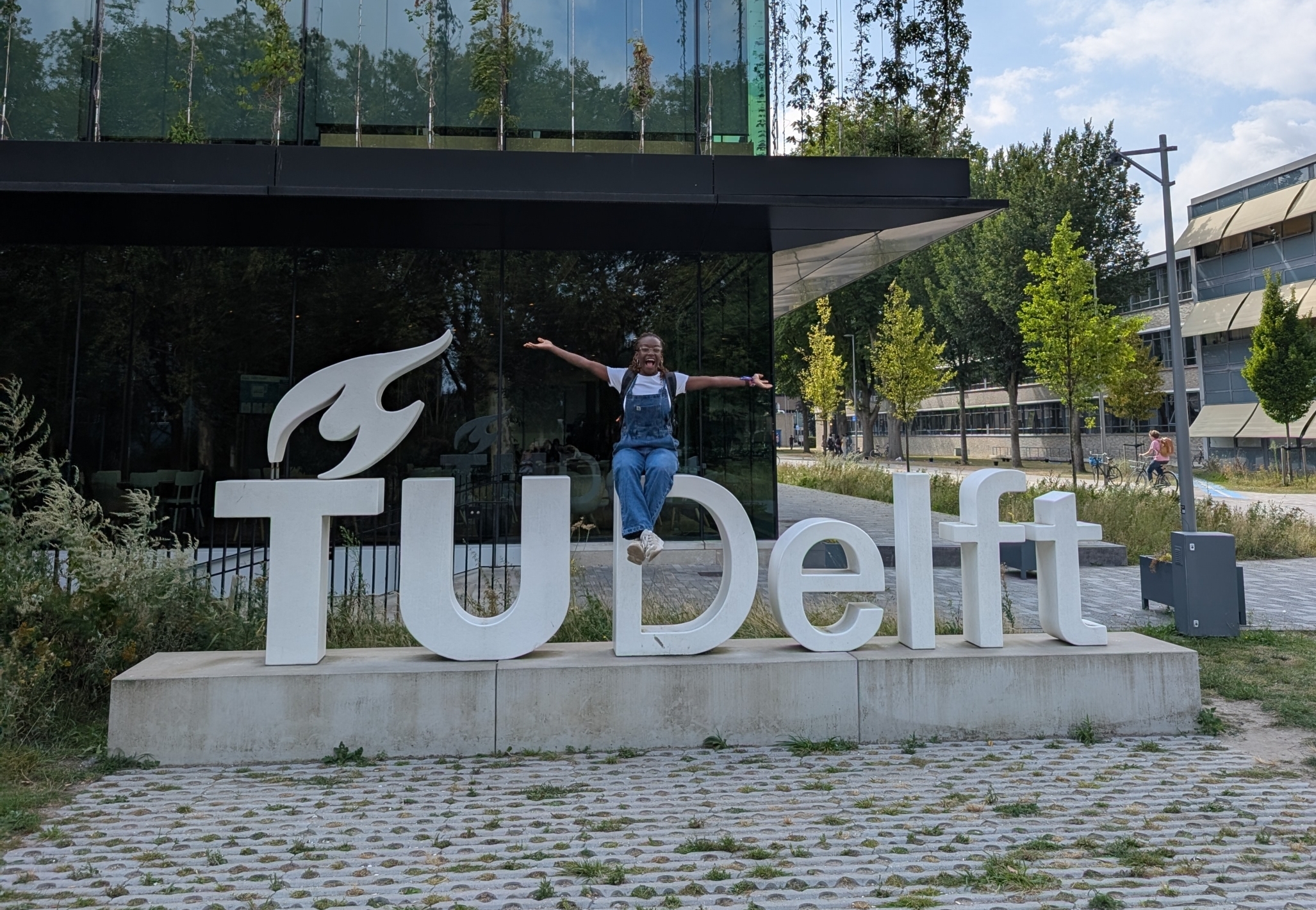
Left: Stella with her fellow students from TU Delft.
Do you see yourself staying internationally or returning to the UK?
I don’t see myself staying in the Netherlands. I came here mainly to study, not to work. While they cater to international students, the working environment is still very Dutch. Even though everyone speaks English, not speaking Dutch can limit opportunities unless in an international firm. I’m just trying to get as much as I can from different places. I’ve already experienced working in London for a year, 9 to 5 in an architecture firm. I’m also going on an exchange to Barcelona this year, so that’s another perspective. My heritage is in Togo, in West Africa, where I have family. I’ve been there about four times and would definitely consider working there. For now, though, I’ll be in the Netherlands for another two years.
From your experience, how accessible is the architecture profession to young people today?
It’s accessible in terms of getting into university and securing a student loan, but it’s much harder to find work experience or internships. I got my graduate job through connections from work experience I did in 2019. My network has taken me further than my education has been able to get me. That makes it harder for people who don’t have access to those connections. At networking events, students often say I’ve sent out countless applications and heard nothing back. At the same time, many firms expect people to work for free over the summer, which creates a very negative culture.
How did you manage to build up so much work experience so quickly?
It’s about maintaining the relationships that feel really valuable and where you naturally get on with people. It wasn’t even a case of thinking, ‘In five years’ time, I’ll need a job here.’ It was more like, ‘We get along well, let’s stay in touch.’ You know, sending a postcard once a year or a Christmas card – “I’ve arrived in Delft!” Honestly, it wasn’t my intention to network, but now it’s become much more intentional. The decline of architectural apprenticeships is also a huge setback. It’s a disservice to students. The balance is completely off. There are far too many undergraduates compared to those gaining real experience. It should be the other way around. If more people experienced the reality of the profession earlier, it would make such a difference – especially for those from lower-income backgrounds who need to earn money straight after graduating or leaving school. Students are only just realising now that when they graduate, they’re going to be making £24,000 a year compared to their friend who’s just graduated in economics and is earning £40,000 a year. “Were these people lying to me?” is essentially how I felt in second year. I felt like I had been mis-sold something.
How much does career progression depend on knowing the right people?
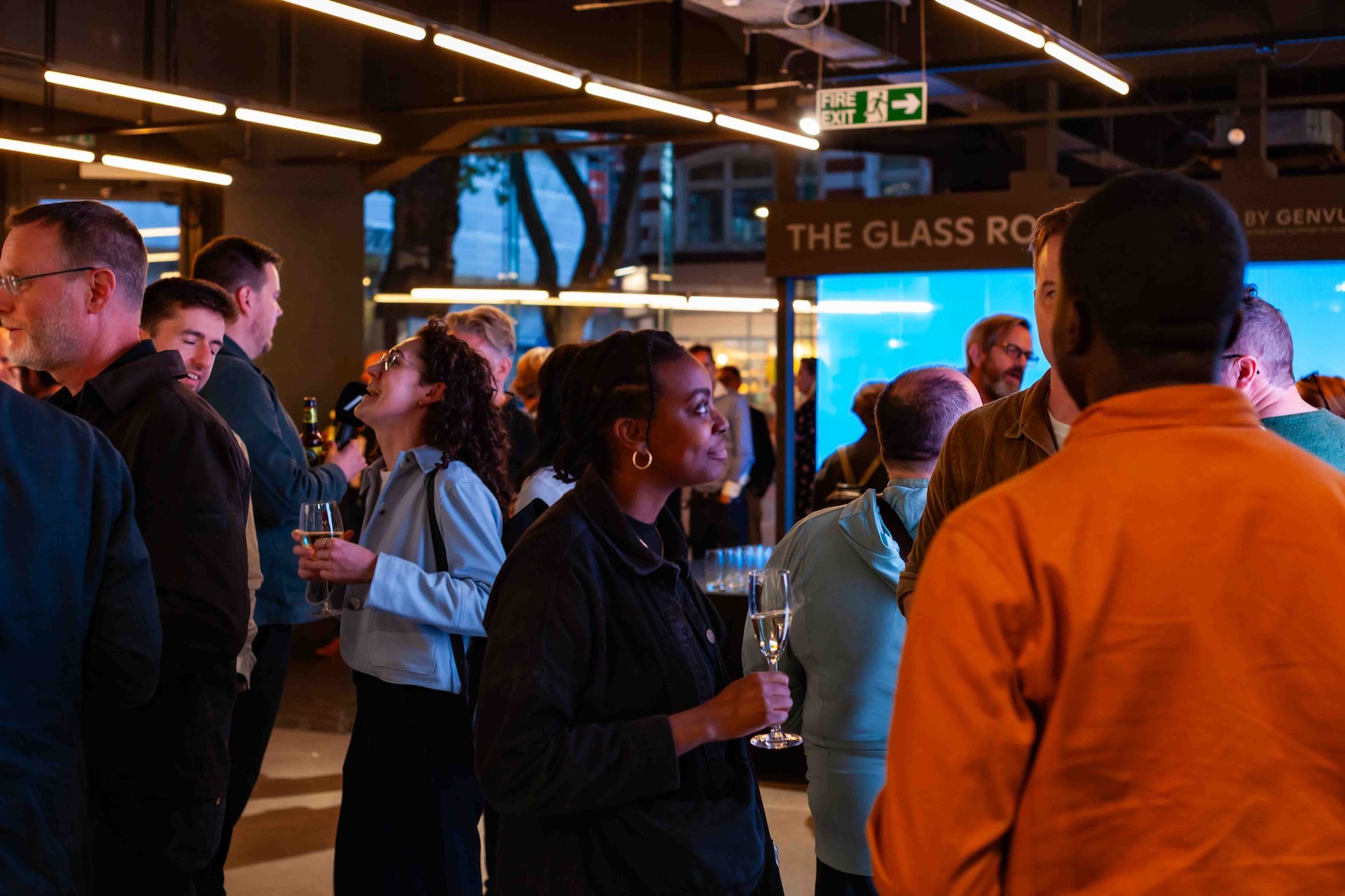
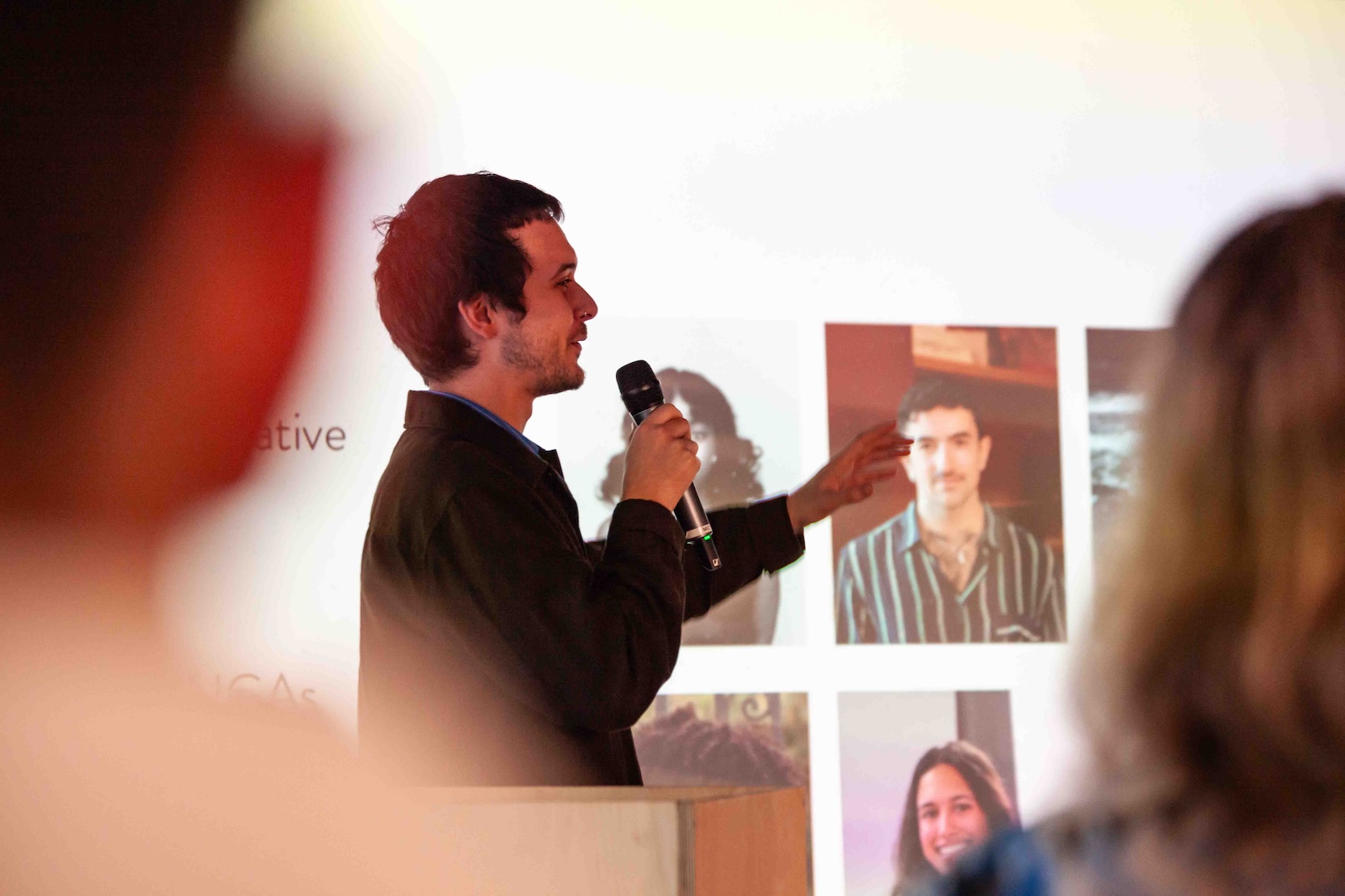
You can’t say that someone with a parent in architecture shouldn’t have that advantage. Instead, we need to help others reach a similar level. Networking isn’t just about getting a job – it’s about surviving in the industry. People prefer working with those they know and trust. The good thing is that networking can be taught. Public speaking, attending events, and having meaningful conversations – these are skills that can be developed and encouraged in architectural teaching.
What made you start your podcast, and how is it working out?
It brewed from my feelings in second year, wondering if I was the only one struggling. I wanted to connect with others, and I already loved watching architecture creators online. I realised I had a unique perspective: no one in my family is in architecture, I went to a university that is not top 10, or even top 20, for architecture. I also love to talk, so it felt like a natural fit. It was mainly to connect with other students and was a fun passion project. I released an episode every week and ended up with over 30 episodes, which is crazy to look back on. I’ve been working on the rebranding. It’s called Diary of an Architecture Student, but I’ve been working on the rebranding, since I’m not technically an architecture student any more.