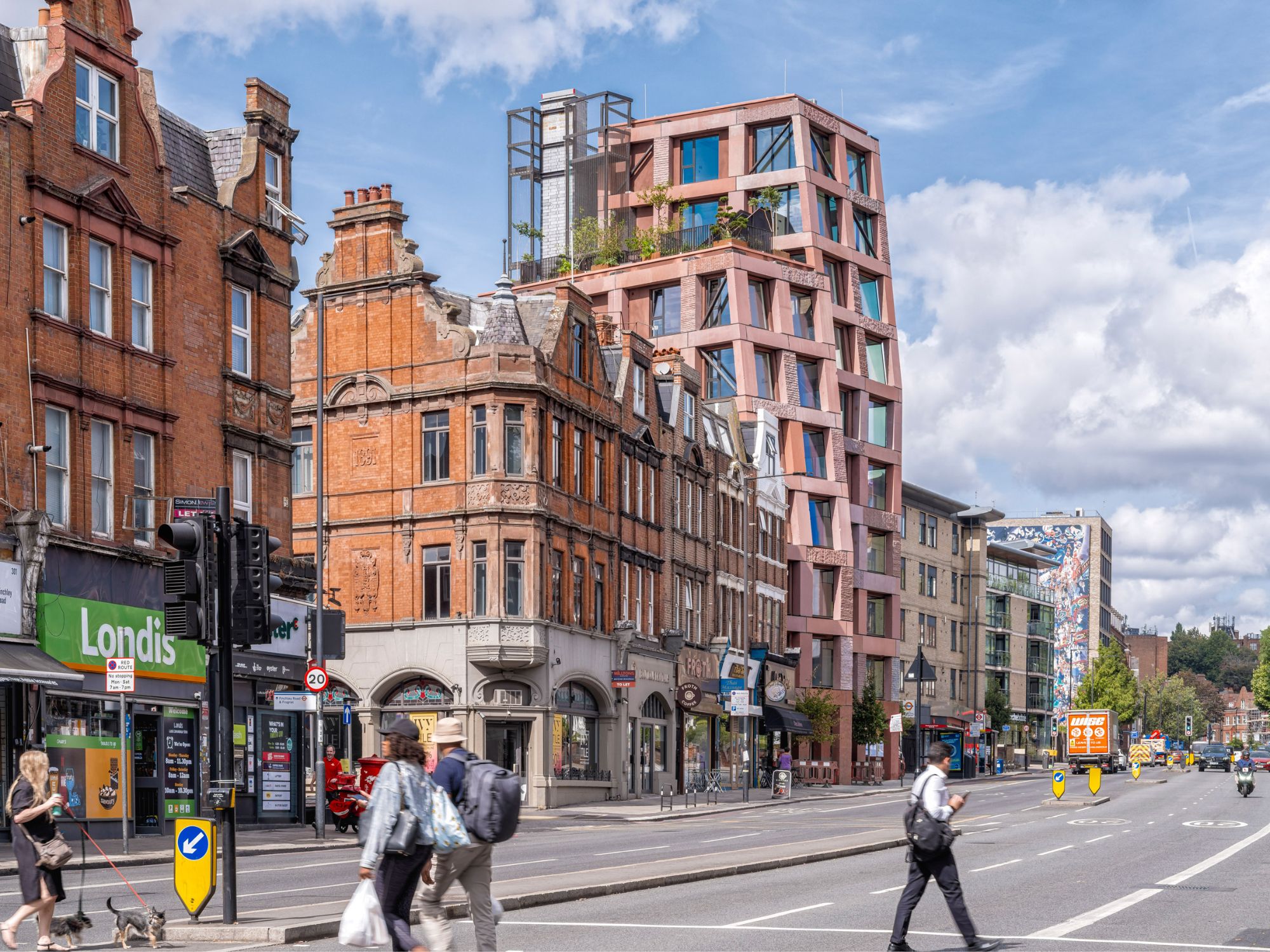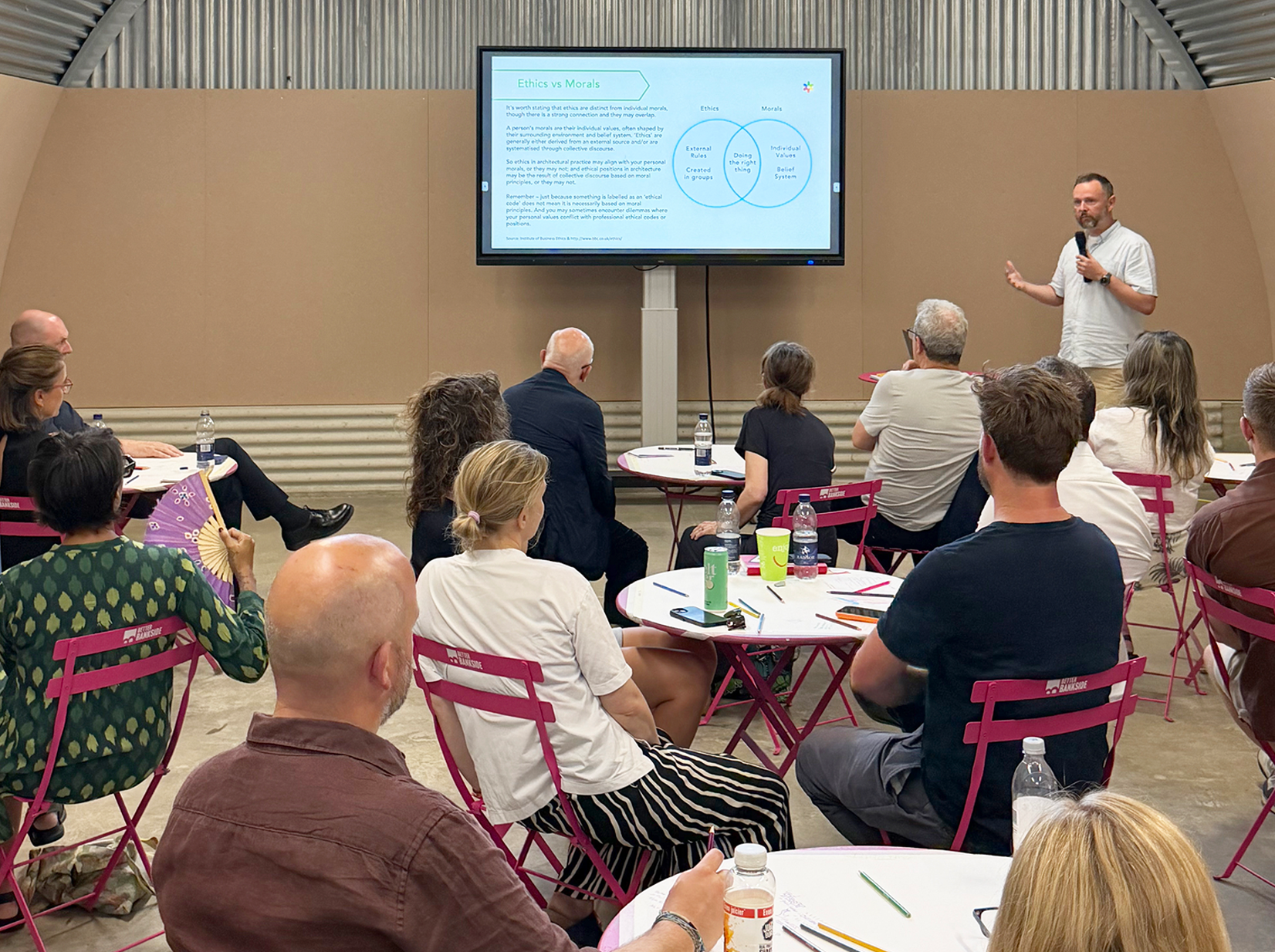
At UKREiiF, a panel chaired by Euan Mills explored whether dwellings per hectare remains a useful measure of density, or whether the industry needs more sophisticated ways of understanding how places function, evolve and support everyday life.
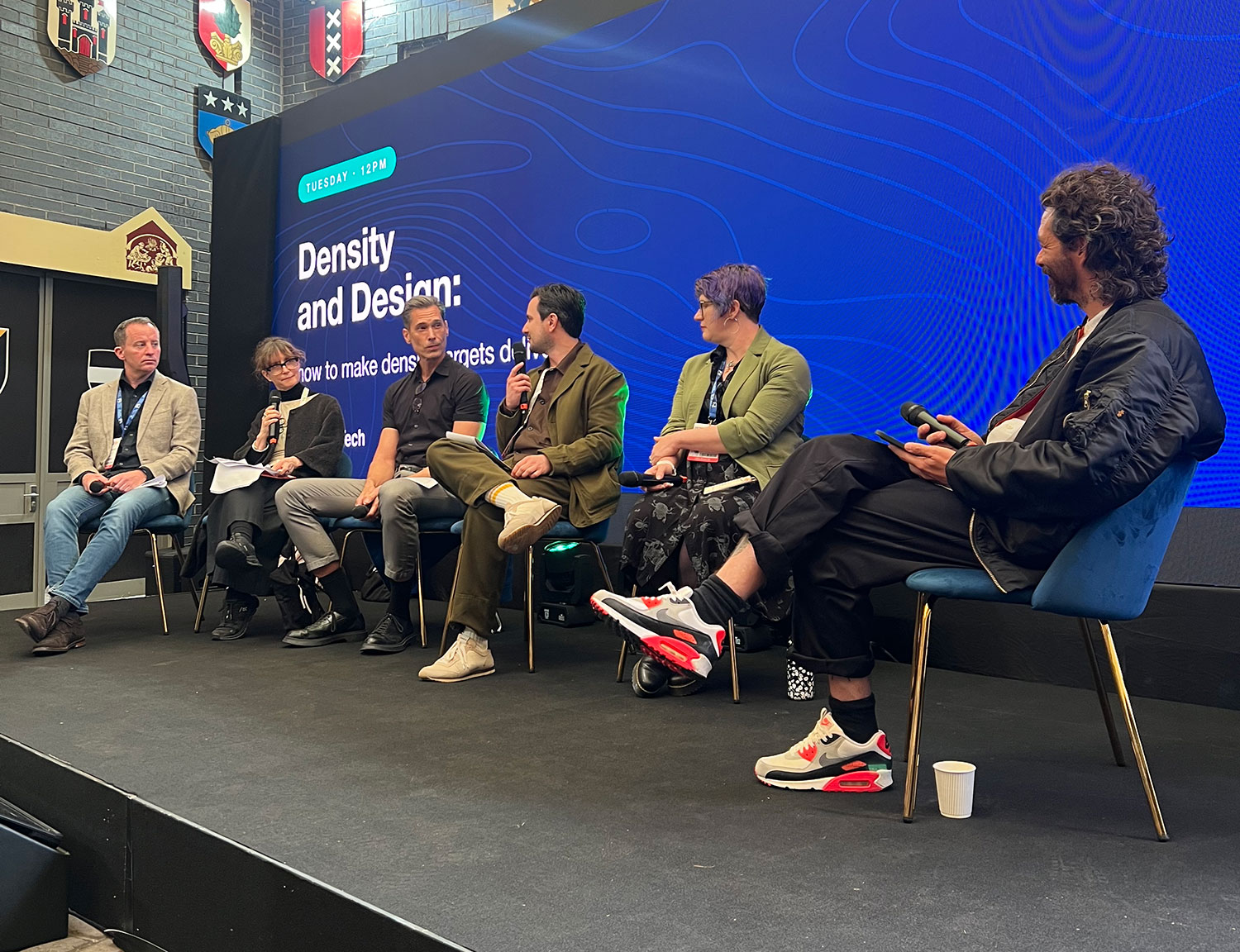
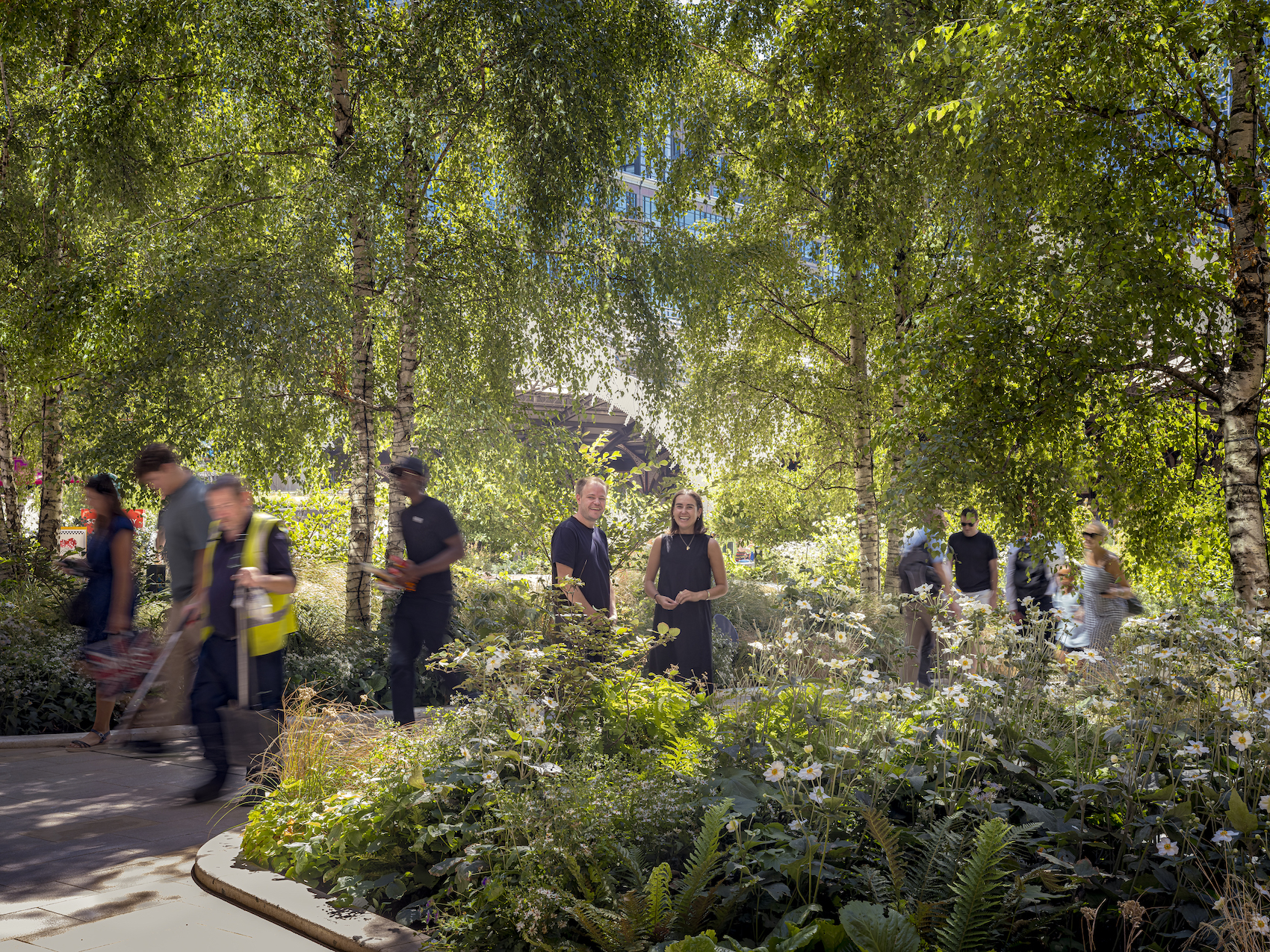
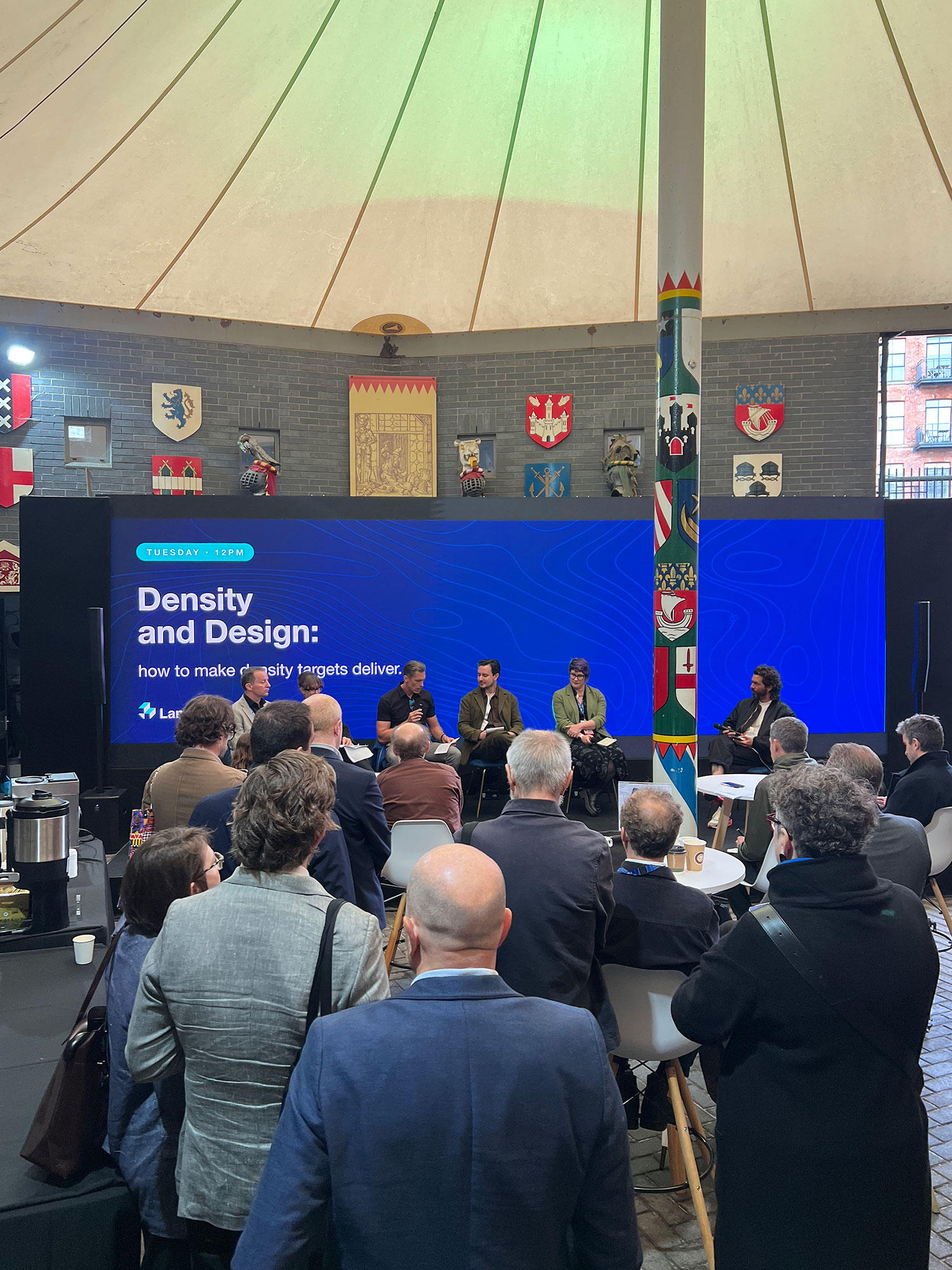
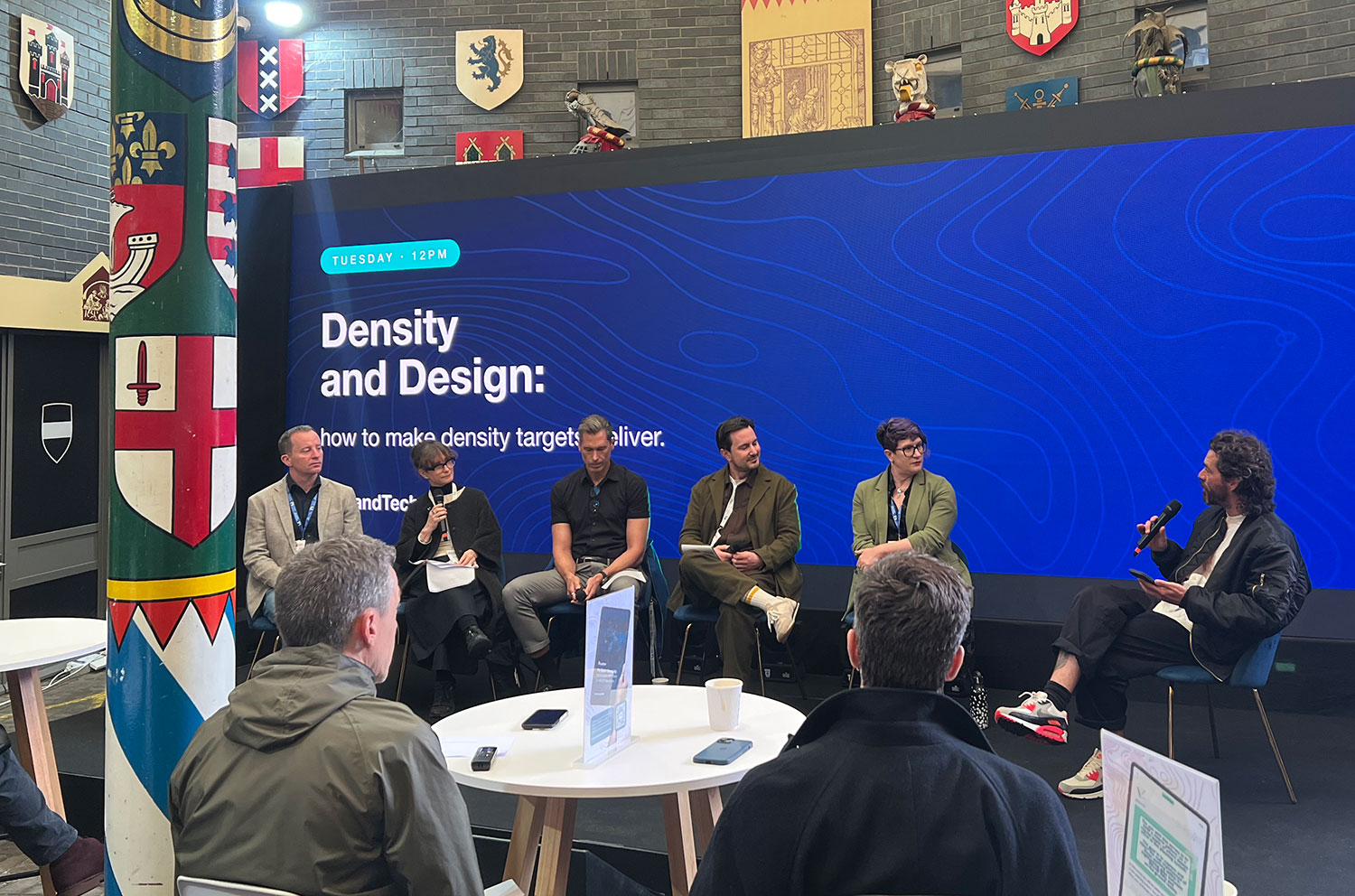
The panel for Density and Design: How to make density targets deliver, at UKREiiF.
The draft revisions to the National Planning Policy Framework have renewed debate around density and housing delivery, with proposed minimum thresholds in well-connected locations reigniting long-running tensions between quantity, quality and viability. At UKREiiF, a panel chaired by Euan Mills, CEO of Blocktype, brought together planners, architects, urban designers and developers to explore whether “dwellings per hectare” remains a useful measure, or whether the industry needs more sophisticated ways of understanding how places function and evolve.
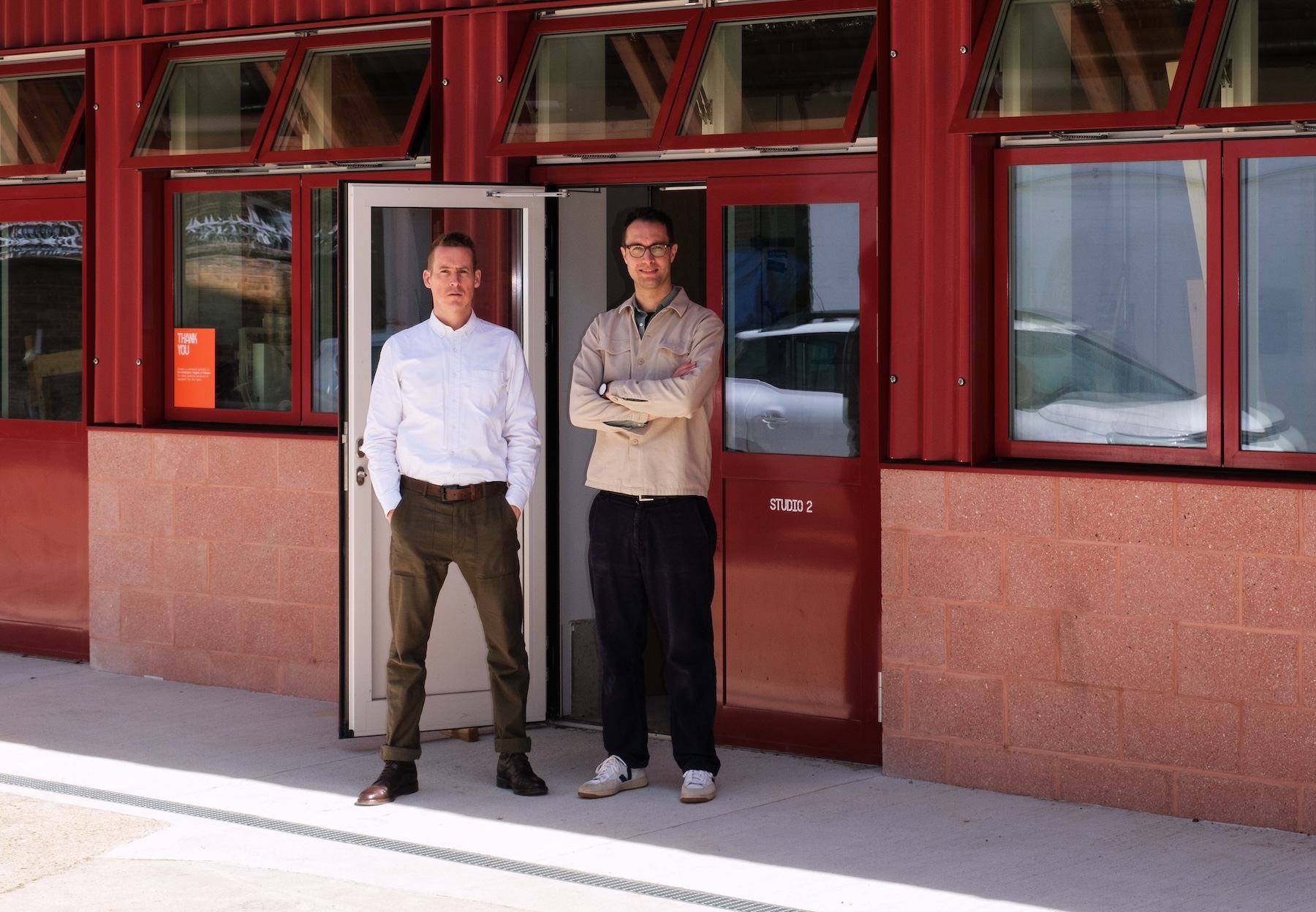
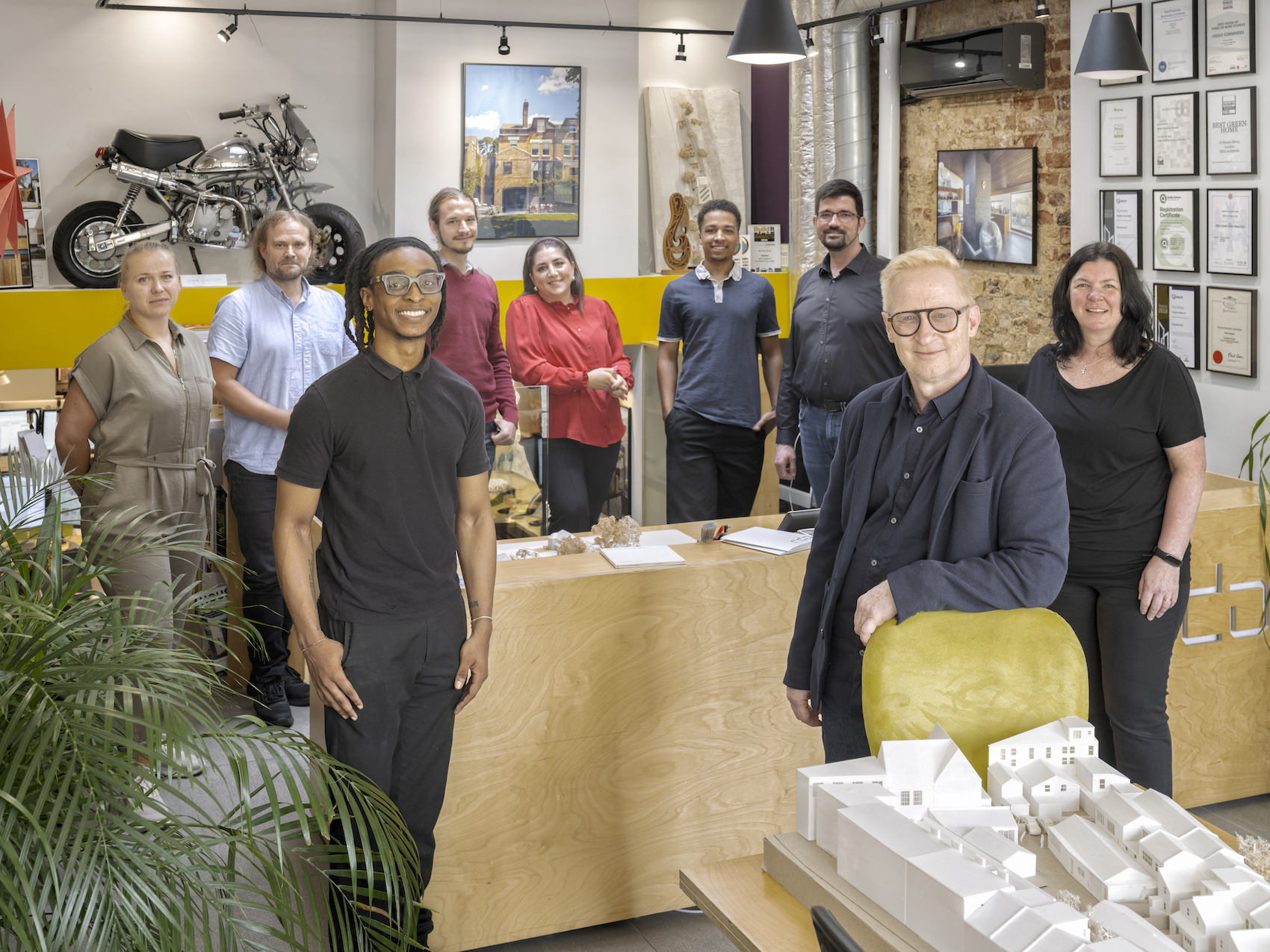
The discussion, titled Density and Design: How to make density targets deliver, featured contributions from Shelley Rouse, Principal Consultant with the Planning Advisory Service; Blazej Czuba, Associate Director at Maccreanor Lavington; Scott Adams, Partner at BPTW; Jo McCafferty, Director at Levitt Bernstein; and Richard Murrell, Director of Land and Partnerships at Peabody. Across the session, speakers repeatedly returned to the same core themes: the inadequacy of crude density metrics, the importance of lived experience and long-term stewardship, and the need for more intelligent tools and design-led approaches capable of capturing the social and spatial complexity of contemporary development.
Does the current planning system meaningfully assess density and capacity?
Shelley Rouse I think the current approach is imperfect. Local authorities are often responding to call-for-sites processes with quite crude assumptions about capacity. A site might be allocated for 100 homes and then come forward at planning committee for 175 because there hasn’t really been a proper assessment of what the site can accommodate.
The rise of design coding has helped. Over the last three years, the Planning Advisory Service has been working with local authorities to build urban design and masterplanning skills, and we’re beginning to see a much more nuanced approach to assessing site capacity. Councils are starting to produce concept diagrams and design-led allocations rather than relying purely on numbers.
But we’re still very data poor as an industry. We don’t properly capture what has worked well in the past, or what kinds of development have actually proved deliverable. There’s a huge opportunity for digital innovation and AI to help planners better understand site constraints and potential densities, although I’m resistant to the idea that urban designers can simply be replaced by automation.
I also think the word “density” itself is problematic. Politicians and communities hear the term and immediately think of high-rise towers. Nobody really understands what 35 dwellings per hectare means. We need to become much better at storytelling and visualisation so people can actually understand what different forms of development look and feel like.
Is density even the right thing to measure?
Blazej Czuba I have a bit of a problem with the density matrix. It’s a lovely idea in theory, but it doesn’t really work in the complexity of the system we have. Fundamentally, density is about intensity of use. Density is what generates human life and the economy of the city. It’s very easy to create a high-density suburb, but what matters is how places function socially, economically and spatially.
One of the key problems is that our planning system is discretionary and designed around negotiation. You might spend years working on a site allocation for 200 homes, then after negotiations, design work, viability discussions and planning applications, the same site ends up delivering 375 or 400 dwellings. Every stage has a different density target applied to it. The density matrix is ultimately a static spatial tool, whereas cities are dynamic. We need something capable of capturing not just buildings, but transport, schools, GP surgeries, utilities, biodiversity and jobs. Every place evolves differently and doesn’t conform neatly to a standard taxonomy.
What we really need is a dynamic tool that captures both spatial and non-spatial conditions, alongside future and emerging baselines.
Can density targets distract from the qualities that actually make places successful?
Scott Adams We measure what we care about. If we keep counting car parking spaces, then we care about car parking. But if we count street trees, cafes or walkability, then we start designing for those things instead. We know there’s a housing crisis and density helps measure housing delivery, but density is only one potential measure of success. It doesn’t define success on its own. When you look at historic neighbourhoods that people love, many of them operate at similar densities to developments we build today, but they function very differently because they grew incrementally and evolved over time. Successful places intensify naturally.
I always come back to Jan Gehl’s point that first we shape spaces and then spaces shape life. Too often we begin with a density figure rather than asking what kind of community people actually want. I worked on a community vision in Neilston outside Glasgow where residents initially opposed development. But through the process, they ultimately supported starter homes in the right locations because there was a clear vision around safe routes, public spaces and local needs. That vision wasn’t just spatial. It was social as well.
What happens when housing numbers dominate the conversation?
Jo McCafferty The obsession with numbers is depressing. Even if we have to use metrics, we should at least talk about habitable rooms per hectare rather than dwellings per hectare because that’s actually about people. When you ask applicants how many people will use a shared garden or how many children will play in a space, hardly anyone knows the answer. But that’s what really matters. For us, density isn’t about a number. It’s about lived experience. It’s about childhoods, teenage safety and whether families can stay in their communities.
There’s also a huge evidence gap. We know overcrowding affects educational attainment and that poor daylight, overheating and lack of green space affect mental health, but we’re only just beginning to understand the long-term impacts of extremely high-density living. The danger right now is that viability pressures encourage people to sacrifice quality. Poorly designed density is the problem, not density itself. Good density can support services, affordability and vibrant streets, but only if quality is prioritised.
If we fail to champion quality now, the costs don’t disappear. They transfer to local authorities, the NHS, schools, retrofit budgets and future asset management.
How useful are density metrics in practice?
Richard Murrell When I worked in Tower Hamlets using the London Plan density matrix, it was mainly used to constrain development rather than encourage it. You’d calculate a scheme’s habitable rooms per hectare and discover it exceeded the policy significantly. But then you’d assess the actual scheme, including daylight, infrastructure, public transport and design quality, and often conclude that despite the high density, it was still a good development. That experience taught me that density alone is a very problematic measure.
Now, from the commissioning side, the key question is whether policy survives real-world constraints. We have to think about viability, market demand and local acceptance. The highest-density scheme is not always the most deliverable one. I still think density metrics have a role, but more as a traffic-light system. If density is exceptionally high or low, then perhaps it needs more scrutiny. But ultimately, the design and deliverability of the place should come first.
Has removing the London Plan density matrix made development easier or more risky?
Jo McCafferty I think it’s made things much more risky and much more costly. I recently attended a three-hour planning workshop for 24 homes with 16 people from a London local authority. Everyone agreed housing was needed and supported development, yet the amount of resource involved was extraordinary. The planning system is incredibly wasteful. The number of consultants involved, the amount of documentation, the reviews and counter-reviews, it’s insane. If we had a better and more intelligent matrix, one that actually captured the issues we’re discussing today, it could reduce risk and improve certainty.
Blazej Czuba What we need are site allocations that are actually deliverable. At the moment there’s an endless cycle of negotiations, consultations and repeated reassessments that takes years and years. At every stage, somebody tries to push a bit further because the system is fundamentally designed around continual negotiation.
Scott Adams Risk is really the opposite of certainty. Design codes, height limits and density expectations can all help establish certainty and land value, provided they’re used intelligently.
Should density be determined nationally or locally?
Shelley Rouse The average cost of producing a local plan is now around £2 million and local authorities absorb most of that cost themselves. I’m not convinced a standardised national density matrix is the answer because it ignores how different places are. I’d much rather see local frameworks shaped through design coding and local vision-setting processes. My concern is that a national matrix becomes a tick-box exercise rather than a meaningful design tool.
Richard Murrell There’s simply too much variation between places for a blanket national approach. City centres are fundamentally different from suburban or rural locations. We need flexibility to begin with the needs of the place rather than starting from a density figure and working backwards.
Can digital tools and AI help make density assessments more intelligent?
Blazej Czuba It doesn’t necessarily mean more work for architects. Digital tools and AI can help establish realistic capacity much more quickly. We’ve been looking at design codes and pattern books that establish proven typologies for accommodating growth. Once you understand likely capacity, you can then begin testing transport infrastructure, biodiversity, utilities and social infrastructure in a much more coordinated way.
Scott Adams We’ve been testing coding approaches where higher densities actually improved design quality because the process focused on enclosure, street trees and frontages rather than simply maximising numbers. In some cases, small changes in geometry can produce better streets and more homes at the same time.
What happens when density increases beyond housing typologies people are comfortable with?
Scott Adams At a certain point, increasing density means introducing flats rather than houses, and that creates a huge viability challenge. But there are often opportunities to rethink assumptions and standards rather than defaulting immediately to taller buildings.
Jo McCafferty It’s really important that we talk about quality, standardisation and place simultaneously. Smaller sites are often where standardisation becomes hardest, which is why unique typologies and bespoke approaches are still necessary.
How should the industry think about long-term stewardship and management?
Richard Murrell Once you move beyond a single house, management structures immediately become more complicated. Buildings need services, maintenance and ongoing operational systems, and all of that increases service charges. Too much attention is often paid to the visual appearance of high-density developments and not enough to long-term management and maintainability.
Scott Adams In the UK we’re poor at understanding how taxation and the built environment relate to one another. Different forms of development create different maintenance liabilities for local authorities, but council tax doesn’t really reflect that.
Jo McCafferty A lot of residential towers built in the last 10 or 15 years are now entirely dependent on leaseholders funding long-term replacement costs for cladding and building systems. Nobody really knows what those long-term costs will look like.
Does the language around density itself need to change?
Blazej Czuba Compactness is a much better term than density because people intuitively understand it. Historic English villages are compact. Market towns are compact. When we use the word “density”, people immediately think of towers and overdevelopment, whereas compactness can still describe highly successful places.
Scott Adams It’s really about human interaction and typology rather than density alone. The way buildings shape relationships between neighbours matters enormously.
Closing the session, Euan Mills acknowledged that the panel had not arrived at a definitive answer, but suggested there was at least a clear direction of travel. The consensus was that simplistic numerical targets are inadequate on their own. Instead, density needs to be understood as part of a broader and more dynamic conversation about quality, stewardship, infrastructure, community life and long-term resilience.
Speakers
Euan Mills
CEO, Blocktype
Shelley Rouse
Principal Consultant, Planning Advisory Service
Blazej Czuba
Associate Director, Maccreanor Lavington
Scott Adams
Partner, BPTW
Jo McCafferty
Director, Levitt Bernstein
Richard Murrell
Director of Land and Partnerships, Peabody