AT chats to Jon Di Stefano, CEO of Greencore Homes, about climate-positive housing, natural-material construction, and how better-than-net-zero homes can move from niche proposition to mainstream development model.
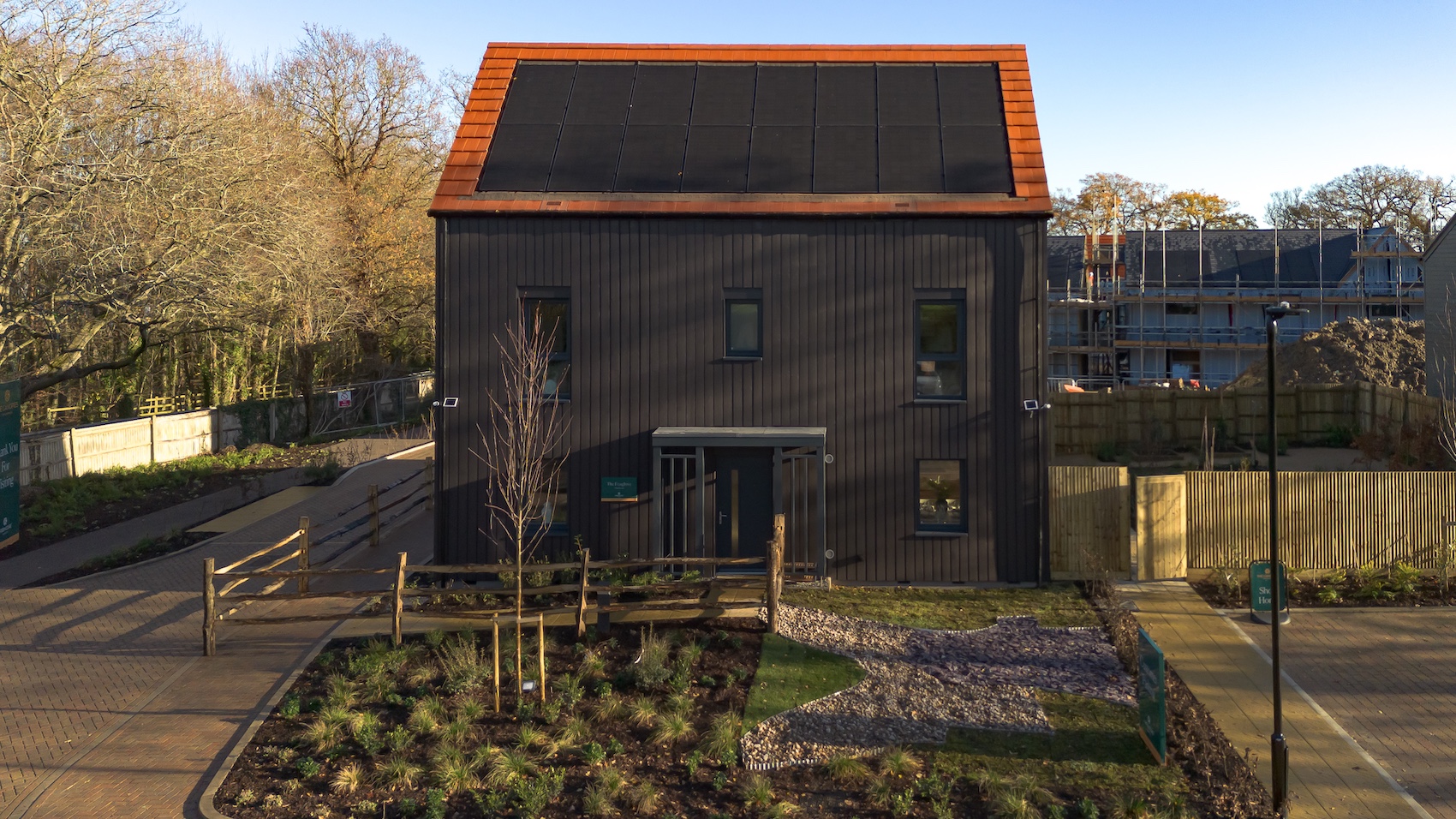
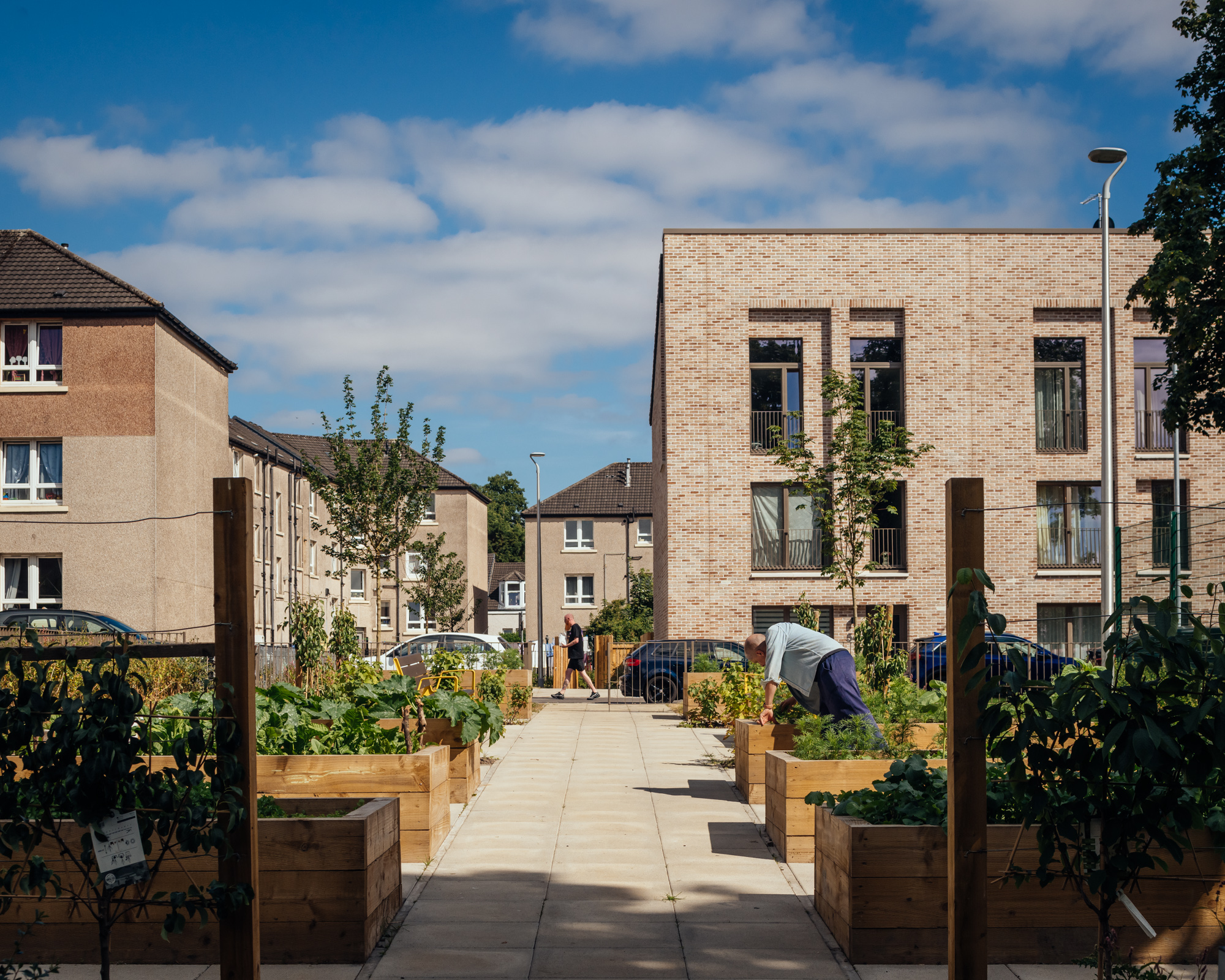
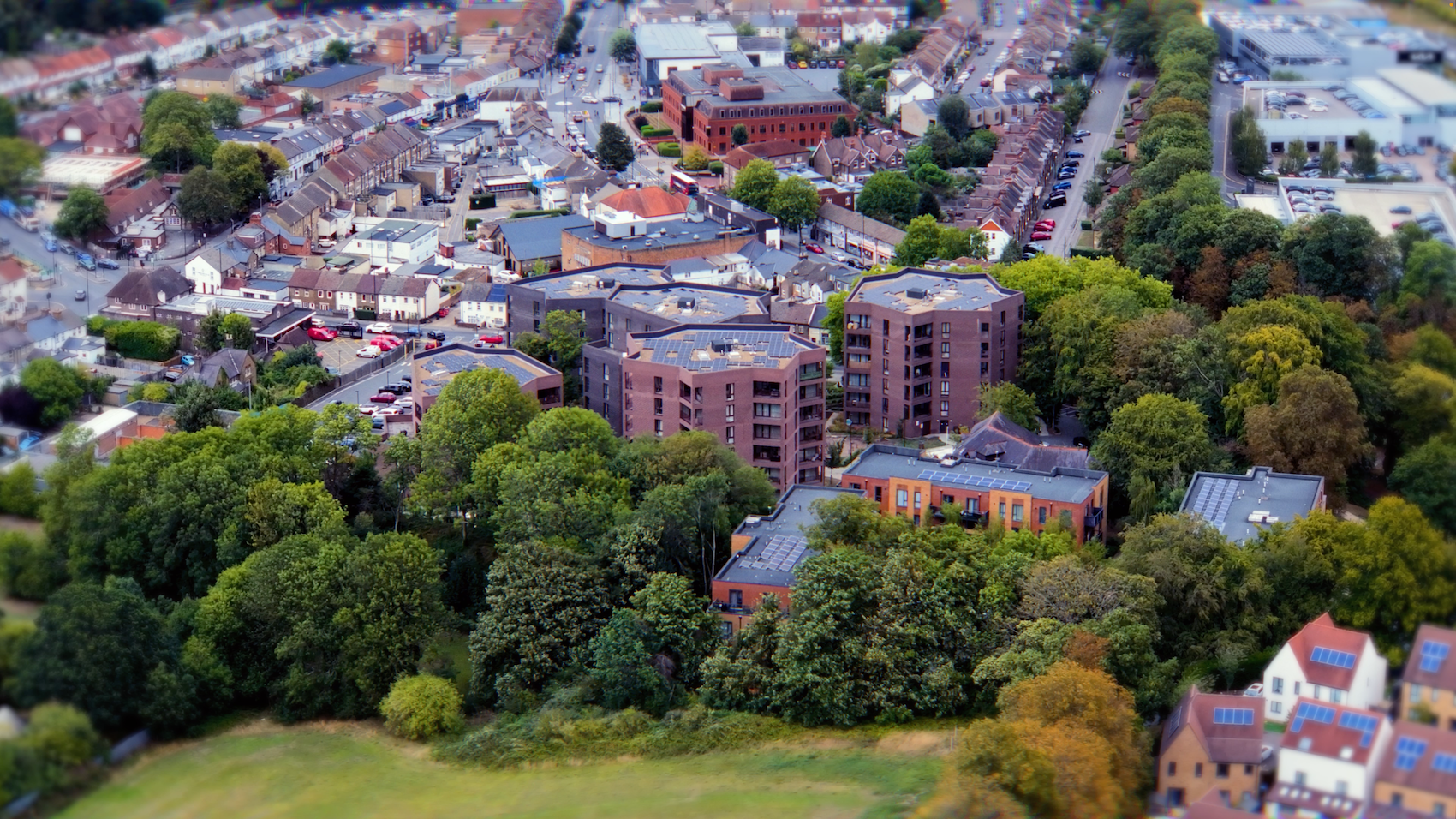
Designed by HTA Design for Greencore Homes, The Canopies, Milton Heights, Oxfordshire, is a 42-home Passivhaus-standard development on a former brownfield site, combining low-carbon construction, renewable energy systems and biodiversity-led landscaping to create ‘Better Than Net Zero’ homes.
What brings you to UKREiiF this year, and what conversations are you hoping to have?
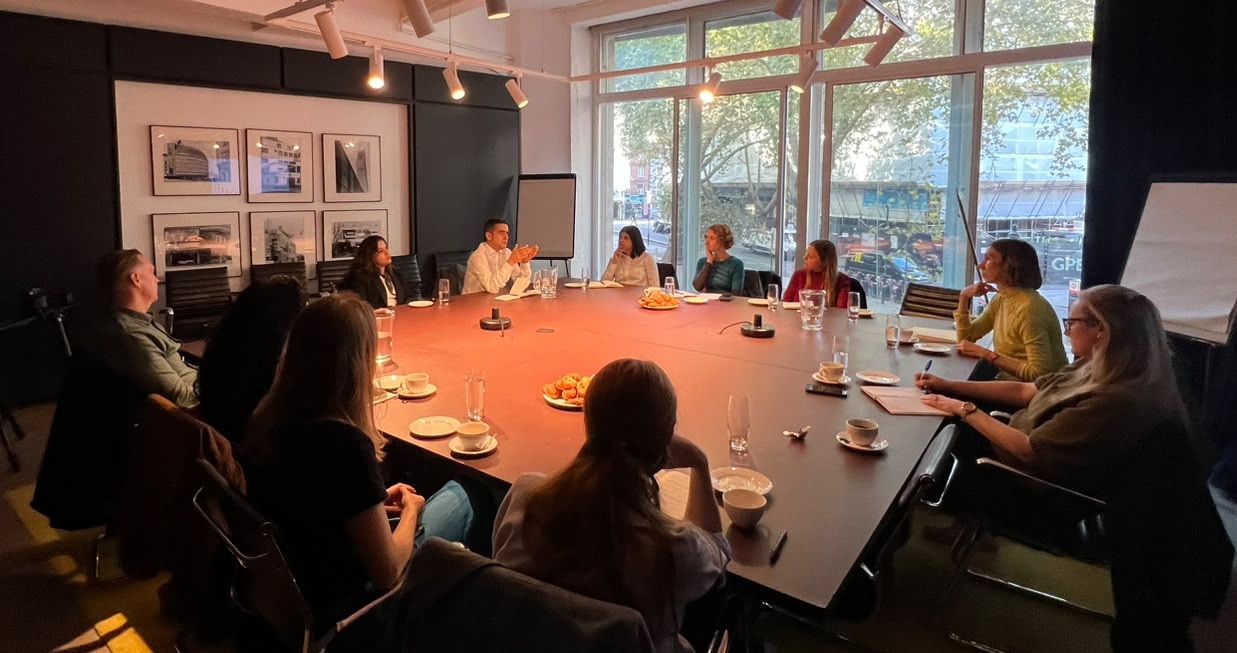
For me, it’s one of the best events I’ve ever been to. The reason for that is because so many different people from across the industry attend. You’ve got local authorities here, landowners, investors, housing associations. I don’t think you get that mix at any other real estate event. People talk about MIPIM as though it’s where deals get done, but it isn’t really. This is different. This is a place where you can make a connection that leads to an actual partnership in the future. People are here because they genuinely want to push things forward. For Green Core, that’s really important because what we do is quite different. We offer something a little more interesting in terms of legacy, delivering zero-carbon homes, natural materials, and developments that are genuinely future-focused. So the conversations I want to have are exactly around that. I want to speak to people who are interested in working alongside developers, but who also want something a bit different, something more responsible and long-term in outlook. It’s also a really good forum for promoting the business and showing people what we’re trying to achieve. Hopefully things actually happen as a result. It’s not just talk.
Green Core talks about “climate positive housing”. How would you define that in practical terms, and how is it evidenced in your projects?
What we’re really talking about is creating homes that are better than net zero. We build our homes entirely from natural materials. We manufacture closed timber-frame panels in a factory, insulated with hemp, lime and wood fibre. Those materials actively take carbon out of the atmosphere, so the homes effectively lock carbon up within the structure itself. That means the embodied carbon used to build the home is better than zero. We prove that through a materials passport operated by a third party called Madaster. Every single material used within the house has its carbon accounted for, so rather than us simply claiming the homes are low carbon, there’s independent evidence to demonstrate it. The second part is operational performance. Our homes are designed so that residents can generate as much energy as they use.
If you’ve got battery storage, the right tariff and enough photovoltaic panels on the roof, you can actually end up with a negative energy bill because you’re exporting more energy back to the grid than you consume. The homes are designed to Passive House standard. We don’t pursue formal Passive House accreditation because there are elements we don’t think are necessary for what we’re doing, but they are modelled to Passive House standards. What’s interesting is that many homes designed to Passive House standards underperform once occupied. Ours actually outperform the modelling in operation. The “secret sauce”, really, is the insulation materials we use. Hemp, lime and wood fibre create a very efficient thermal envelope while also managing airflow naturally, so you get a comfortable environment with good air quality. The homes are highly insulated without becoming sealed “hot boxes”. We also carry out post-occupancy evaluation. Sensors are installed within the homes so we can monitor how they actually perform in use. Again, it’s all about proving what we say with real-world data.
How do you identify development opportunities that align with both commercial viability and environmental performance?
The environmental performance is really embedded in the way we build, so almost any site another developer might consider could also work for us. We simply deliver a lower-carbon, better-performing home on that site. That said, we do look for opportunities that align with our wider focus on nature and biodiversity. We like sites with open space, woodland, wildlife or strong landscape character. Orientation is also important. Because operational net zero depends on solar generation, we need to ensure homes can be positioned appropriately and that there isn’t excessive tree cover blocking solar gain. You need roof elevations that can effectively support photovoltaic panels. But fundamentally, we’re looking at the same opportunities as any other developer. We just build differently.
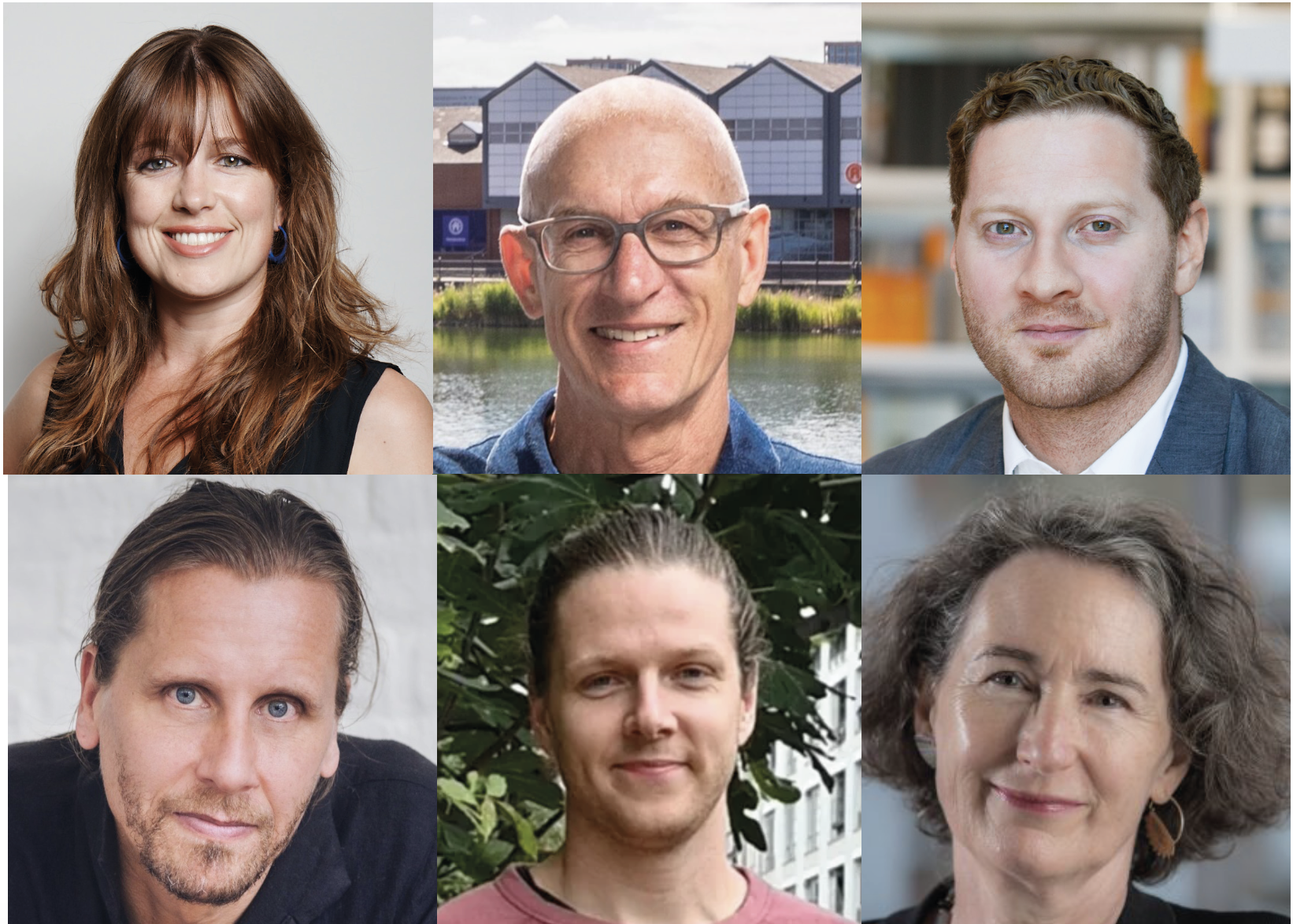
Jon Di Stefano
Can you talk through a current scheme that demonstrates your approach to Passive House principles and operational net zero?
A good example is The Canopies in Milton Heights, near Didcot. It’s a 42-home development where every home is designed to Passive House standard. All of the homes use our BIOND panels, incorporating hemp, lime and wood fibre, and the entire development has been verified through Madaster as net zero in embodied carbon terms. We’re also carrying out post-occupancy evaluation through sensors installed in every home. Residents receive an app that shows how their home is performing and offers guidance on how to optimise performance further. We receive anonymised, aggregated data so we can continue learning from how the homes operate in practice. Residents can opt out if they wish, but so far nobody has because the buyers are typically very interested in understanding how the homes perform. Twenty-seven of the homes are for private sale and fourteen are affordable homes, but there’s no visible distinction between them. The scheme is designed to be tenure blind. Every home benefits from the same construction system, the same embodied carbon performance and the same operational energy savings.
Is this wall build-up and construction system new for this project?
No, this is fundamentally what Green Core does. The business was founded in 2013 around this exact panel system and wall build-up. Initially, the company was delivering individual homes or small projects for people who owned land and wanted an environmentally focused house. It’s always been the same construction philosophy. We manufacture the panels in a factory, transport them to site and assemble the homes from those panels. That’s our core proposition and our USP.
How do modern methods of construction shape the way you collaborate with architects and consultants?
Most architects we speak to love the idea of MMC. Everyone says, “This is brilliant.” But in practice, only some architects really understand what that means in terms of design and construction logic. The architects who work best with us understand the homes we’re trying to create and design schemes that are sympathetic to that approach. They understand orientation, solar gain, energy generation and the practical realities of panelised construction. What we don’t want is an architect designing something incredibly complicated and expensive simply because they’re excited by MMC as a concept. We’re not trying to create overly clever architecture or chase awards for the sake of it. We want cost-effective, attractive developments where the homes themselves can shine. The best architects understand that balance.
When appointing architects, what level of technical understanding around embodied carbon and building performance do you expect from the outset?
It’s helpful if they already understand embodied carbon and building performance, but it isn’t essential. With some practices, we’ve had to educate them a little on exactly what Green Core is doing and why it matters. Most architects now have a reasonable understanding of timber construction and natural materials anyway. In reality, from an architectural perspective, the appearance and external materials often matter more than the technical make-up of the wall itself. We’re usually working with architects to interpret local vernacular and bring their own design skills to the scheme while applying the Green Core methodology underneath. We don’t need to work exclusively with architects who specialise in net-zero housing. We need architects who understand the product and can maximise its appeal within a commercially viable development.
What differentiates an architect who can successfully deliver a Green Core project from one who cannot?
The best architects understand how to combine our use of natural materials with the local context. If everything nearby is brick, for example, we probably can’t suddenly deliver an entirely timber-clad scheme. We may need a more balanced material approach that blends natural materials with local character. They also need to understand orientation and the importance of photovoltaic performance, while embedding biodiversity and landscape considerations into the design from the outset. Ultimately, it’s about creating attractive, well-designed places that still feel recognisably like Green Core developments. There probably is a common architectural thread running through our schemes, particularly through the use of timber, render and natural materials. But really it’s more about neatly designed homes, carefully considered roofscapes, integrated photovoltaics and generous, varied streetscapes. We try to avoid the typical “boxes in rows” developer model. We want developments with more openness, more variation and a stronger relationship to landscape and community.
Your developments place a strong emphasis on biodiversity and community assets. How do you ensure these are embedded in the design rather than added on afterwards?
We use the One Planet Living framework developed by Bioregional. It’s a globally recognised framework built around ten principles covering biodiversity, transport, energy, food, nature and wider sustainability issues. We use that framework from the very beginning of the design process. So rather than completing a scheme and then trying to retrofit biodiversity features afterwards, the principles are embedded from day one. Any architect we work with understands that these considerations need to be integrated from the outset. It becomes part of the entire methodology of designing the development.
What are the biggest barriers to scaling carbon-negative housing in the UK, whether technical, regulatory or commercial?
The biggest challenge is probably that the process is still relatively bespoke and niche. Scaling manufacturing capacity requires investment and funding. Technically, though, there aren’t major barriers anymore. We’ve already gone through all the warranty approvals, fire safety requirements and certification processes needed for residential development. In many ways, regulation is now helping rather than hindering. We already met Future Homes Standard requirements before they were introduced. Commercially, the important thing is ensuring there’s a market for homes that are a little different. The good news is these homes don’t materially cost more than conventional housing to build. The more projects we deliver, the more this approach can move from niche to mainstream.
Looking ahead, how do you see the “better than net zero” model evolving, and what role will partnerships play in that evolution?
I can only see it becoming more important. There’s going to be continued pressure for homes that save energy because that directly benefits residents financially. There’s also growing awareness of the embodied carbon associated with housebuilding itself. What we’re doing isn’t about requiring huge subsidies or expensive interventions. It’s simply asking why we would continue building homes from bricks and blocks when we can build them from natural materials instead, without materially increasing cost. Partnerships will be central to that evolution, particularly partnerships with landowners, local authorities and institutions that want developments with a stronger legacy and environmental responsibility. At events like UKREiiF, we meet landowners and local authorities looking for something different, something more responsible. Increasingly, they want developments that reflect positively on them and demonstrate that they’ve done something meaningful with their land.