Regenerative Design 2026 brings the built environment together to turn ambition into action at The Building Centre in London from 1–30 October.
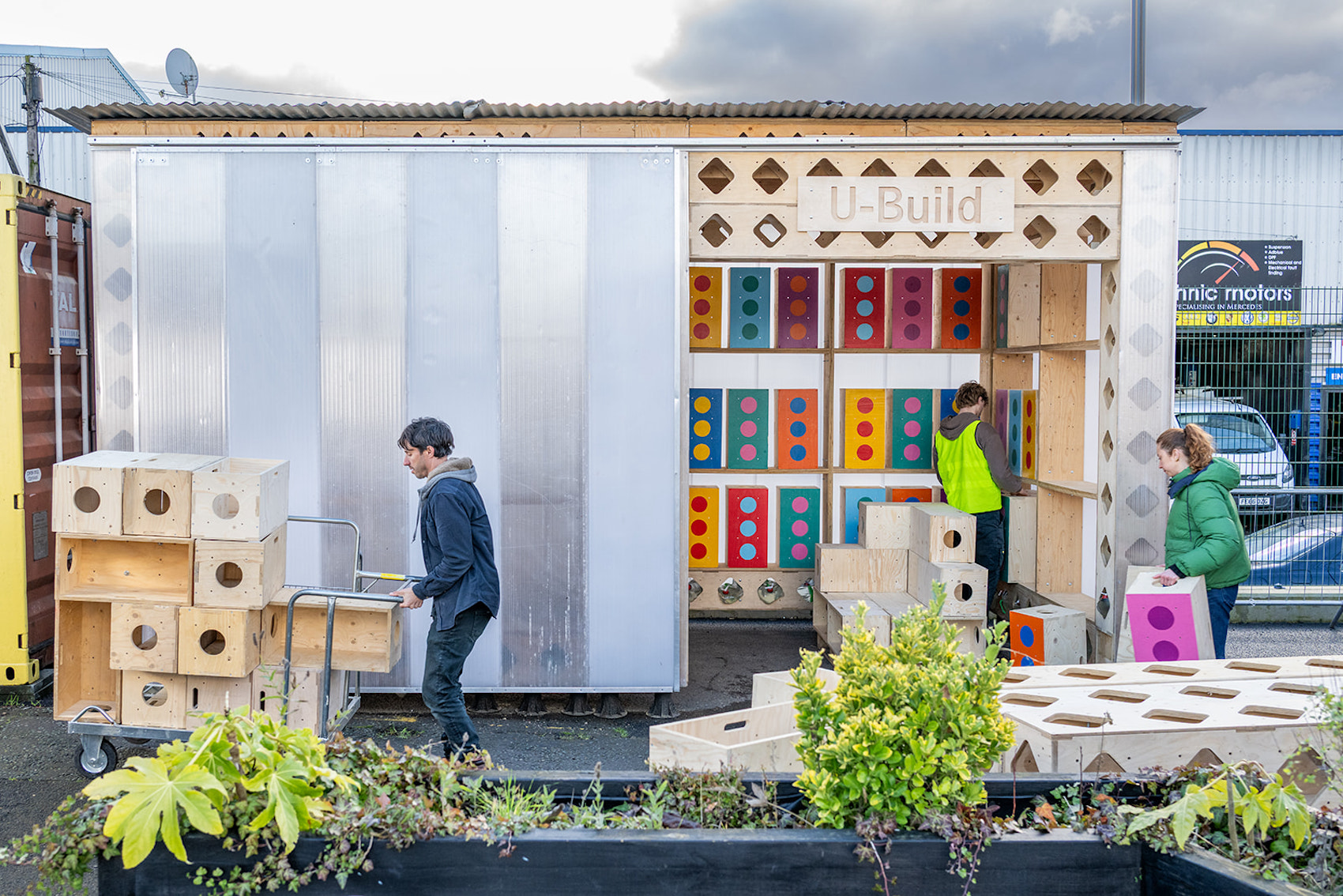
The industry is changing. Are you?
With the built environment responsible for almost 40 per cent of global carbon emissions and shaping the health of our people, places and planet, the need for change has never been more urgent.
But creating regenerative buildings and places isn’t the responsibility of architects alone. It demands collaboration across the built environment, from designers and engineers to manufacturers, contractors, developers, clients and policymakers.
Regenerative Design 2026 takes the conversation beyond the echo chamber, uniting the people and organisations shaping the future of the built environment. Centred on the Regenerative Architecture Index (RAI), the UK’s first evidence-based benchmark for regenerative design, the month-long programme is grounded in measurable action, not just opinion.
More than an exhibition, Regenerative Design 2026 is designed to help industry professionals to understand how they can implement regenerative principles through practical case studies, honest debate and real-world examples that can be applied immediately.
Four weeks. Four themes. One movement.
Opening on 1st October 2026 and running throughout October, the programme brings together leading voices to explore the ideas, innovations and challenges shaping regenerative design.
Through workshops, roundtables, case studies and panel discussions, delegates will gain practical insights into systems thinking, circularity, adaptive reuse, biodiversity, social value and participatory design.
Week 1 – The Regenerative Benchmark & Systemic Change
- What are the levers for change?
- Discover how systems thinking, meaningful benchmarking and cross-sector collaboration can accelerate regenerative design from ambition to action.
Week 2 – Being a Good Ancestor
- What legacy are we leaving behind?
- Explore circularity, adaptive reuse and intelligent specification to create buildings and places that deliver lasting value for generations to come.
Week 3 – Co-evolving with Nature
- What happens when we design with nature rather than around it?
- Discover how biodiversity, natural materials and closed-loop thinking can help create places where people and ecosystems thrive together.
Week 4 – Creating a Just Space for People
- How can design create fairer, healthier communities?
- Explore social value, participatory design and community-led placemaking to build places that foster wellbeing, resilience and opportunity for everyone.
Join the movement
Regenerative Design 2026 isn't another sustainability showcase. It's a catalyst for collaboration, transparency and practical action, bringing together the entire built environment to accelerate meaningful change.
The programme will include:
- Opening party: Evening event/exhibition launch to include the announcement of the front runners in the Regenerative Architecture Index 2026
- Exhibition: A free-to-attend exhibition of case studies showing how RAI member organisations are accelerating the transition to regenerative design. The exhibition will be open to construction professionals and the public from Monday to Saturday throughout October.
Round table discussions, events and talks including:
- Designing for 2050: Who is responsible?
- Biodiversity, Circularity & closed-loop design
- Social value & the just built environment
- What does regenerative design mean?
- Whole-life carbon & adaptive reuse
- Circularity and intelligent specification
- Participatory design in practice
- Launch of UK Architects Declare's Regenerative Design Primer 2026
- Systmes thinking: what are the levers for change?