In their tenth year in practice, O’DonnellBrown’s regeneration of Govan Graving Docks is finally entering early delivery phase after years of groundwork. The scheme reaches a key milestone with the opening of Riverside Park in spring 2026, marking the first tangible step in a long-term, evolving vision to repair, reactivate and reconnect one of Glasgow’s most significant post-industrial sites. Jennifer O’Donnell reflects on the project and discusses what the future holds.

What phase is the Govan Graving Docks project at?
The Govan Graving Docks is in an early delivery phase with the first stage of regeneration complete with the opening of the Riverside Park this Spring (2026).
We started working on the project back in 2020, when we were commissioned to develop a cultural and heritage masterplan for the site. We spent a year going out into the community, building relationships and, eventually, trust, listening to what people wanted to see happen on the site, which had lain vacant and derelict for over 40 years since the docks closed in the late 1980s.
Our commission extended to us leading the design team as masterplan architect, developing a site wide vision for this nationally important Category A listed site. We submitted a planning application for the residential phase which gained consent for over 300 new homes in March 2025, and so alongside the park opening – opening up the site to the city for the first time in decades – it has been a milestone year.
It is a multi phased technically complex project, and phases of the site wide vision are now being delivered incrementally with an active travel route being developed just now to RIBA Stage 2, and works to the last remaining A listed building, The Pumphouse, due to start imminently.
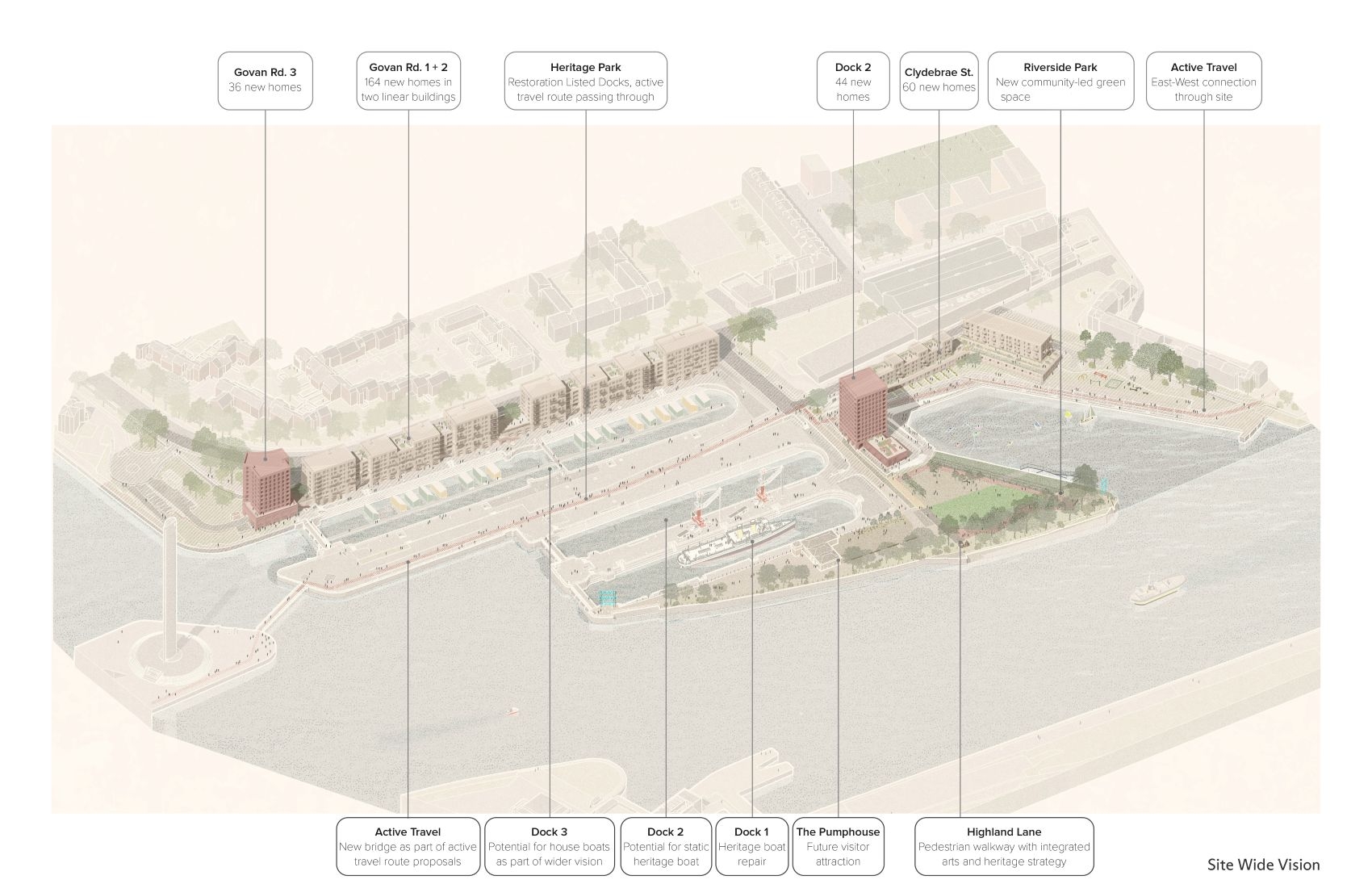
Site wide vision of Govan Graving Docks (Credit O’DonnellBrown)
What have been the biggest challenges in realising the original vision? How has the vision evolved and were these evolutions expected/planned for?
The challenges have been many! As mentioned above, it is a particularly technically complex site, with two thirds of the land being Category A listed (and of national significance), there are complexities around land ownership, funding constraints, environmental conditions (for example the site sits within the functional flood plain of the River Clyde and as an ex docks complex is contaminated), it had fallen into a state of disrepair, and has been particularly politicised over the years.
However as a practice, we are comfortable working within these conditions – much of our work focusses on sites that are seen as high risk or ‘problematic’ and on unlocking their potential… unsticking stuck sites.
The vision for the site was never conceived of as a fixed masterplan, but a framework, capable of evolving over time, and this reflects our broader approach too, testing ideas, building knowledge and adapting in response to real conditions. So in that sense, evolution was anticipated. The core ambition, to work with what exists, to repair and reactivate the site, remains intact, even as the means of delivery develops.
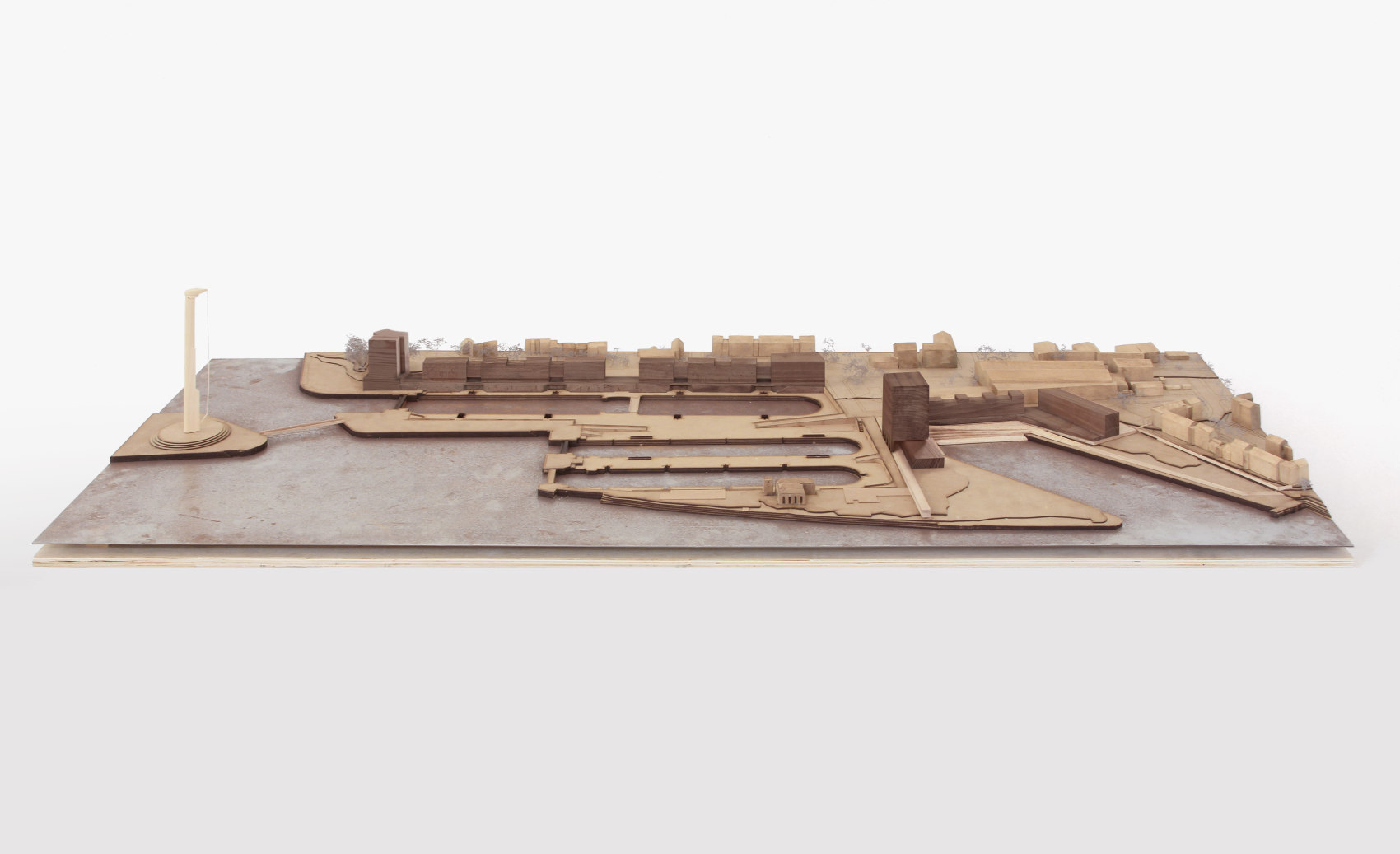
Model of Govan Graving Docks (Credit O’DonnellBrown)
To what extent have the original ideas around community co-design been realised in the project so far?
Given the complexity of the project, this has been a genuinely collaborative process, requiring a public sector / private sector partnership approach. The approach that we have taken has been building the right conditions for ongoing collaboration, reflecting how we work more broadly, bringing together networks of partners and key stakeholders to shape the brief and outcome.
At Govan, from our initial involvement back in 2020, as we started to shape a cultural and heritage masterplan for the site, this meant engaging with as many local organisations as possible, building a genuine relationship with the community council, and stakeholders, to inform the direction of the project and ensure that the project is grounded in the aspirations of the people that it will serve. We have continued to engage as the masterplan was developed, and as each individual ‘part’ or phase of the masterplan has been brought forward.
The land owner is also giving 80 percent of the site over to community ownership and the Govan Graving Docks Trust has been set up, in partnership with Glasgow City Council initially, to manage this transition. So for example, the recently completed Riverside Park will be owned and managed by the Trust. As the Riverside Park went through design stages, the Trust were consulted monthly, inputting into what would be included within the park. The budget was tight, being funded by the Vacant and Derelict Land Fund, with some elements being delivered in later phases, but the brief to deliver flexible space that could accommodate a range of income generating activities has been delivered in collaboration with the wider design team, specialist tehnical input, and specifically rankinfraser Landscape Architecture.
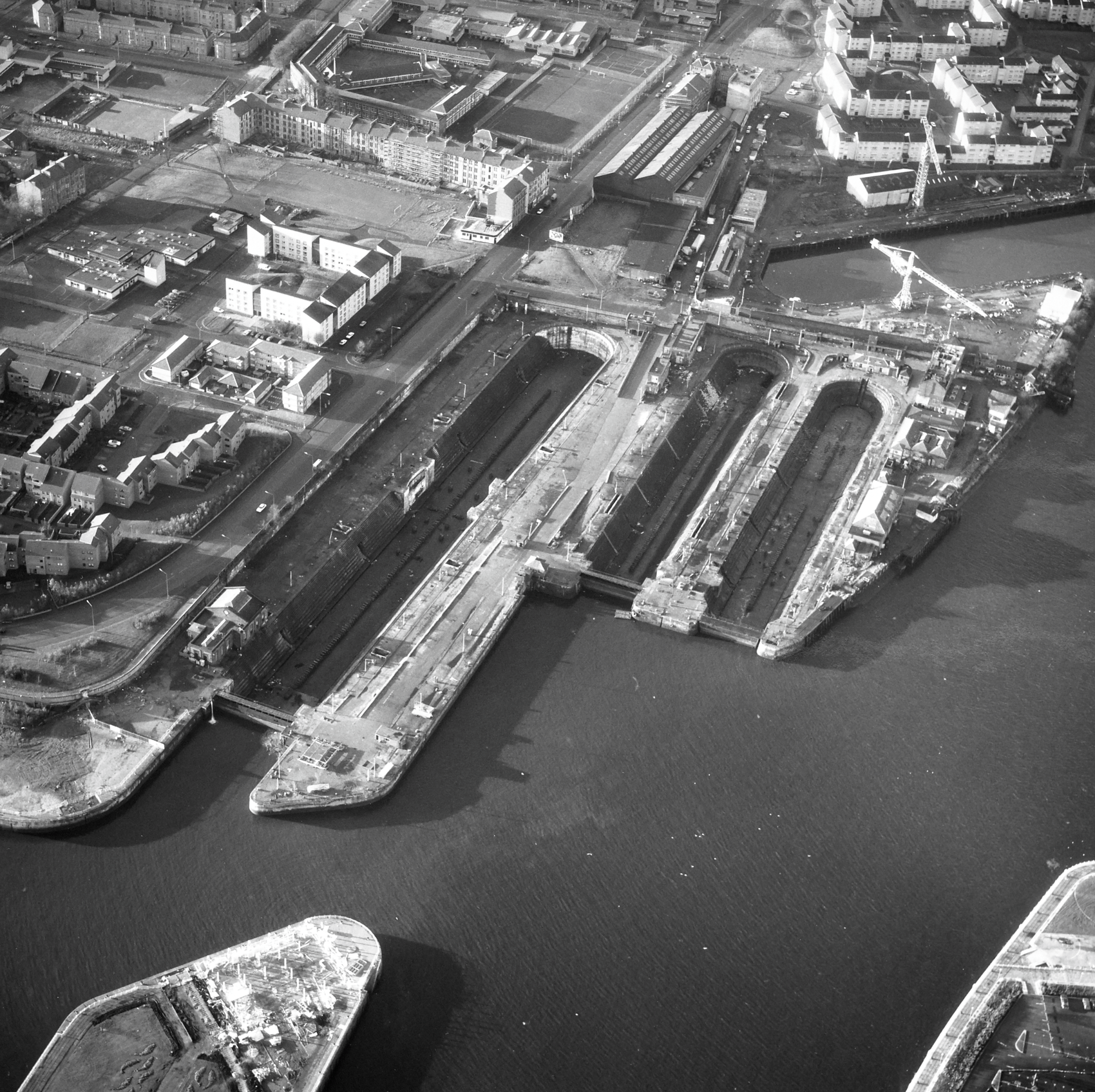
Archival ariel image of Govern Graving Docks (Credit Cranmore)
What role do you see the docks playing in Glasgow’s broader urban future?
The docks have the potential to play a significant role in Glasgow’s future, demonstrating how a stalled post industrial site can be reactivated blending both public and private investment.
The site offers a model for long term civic repair, combining regeneration, public access and new forms of use. The project reconnects a major piece of Glasgow’s industrial heritage and river infrastructure with the city, while creating opportunities for community uses, cultural uses and local businesses. And in the context of the recently completed work at Water Row in Govan, including the new Partick to Govan bridge which connects the city’s west end to Govan, the Govan Graving Docks is helping to make a compelling case for Govan as a destination within the city.
This reflects a wider shift in our work, from individual buildings to broader urban conditions. Alongside housing projects such as the Foundry (recently completed housing led regeneration of post industrial land in Glasgow’s south side to create over 200 new homes for mid market rent) and Kelvinhaugh Street (over 40 new homes recently started on site in Glasgow’s west end on post industrial land) it forms part of an approach that uses development to repair and reconnect the city.
Ultimately the docks can act as a test ground for a more resourceful and inclusive form of urban regeneration that works with what is there, and builds value over time, and we are immensely proud to have built the relationships we have, and be a part of the site’s future.
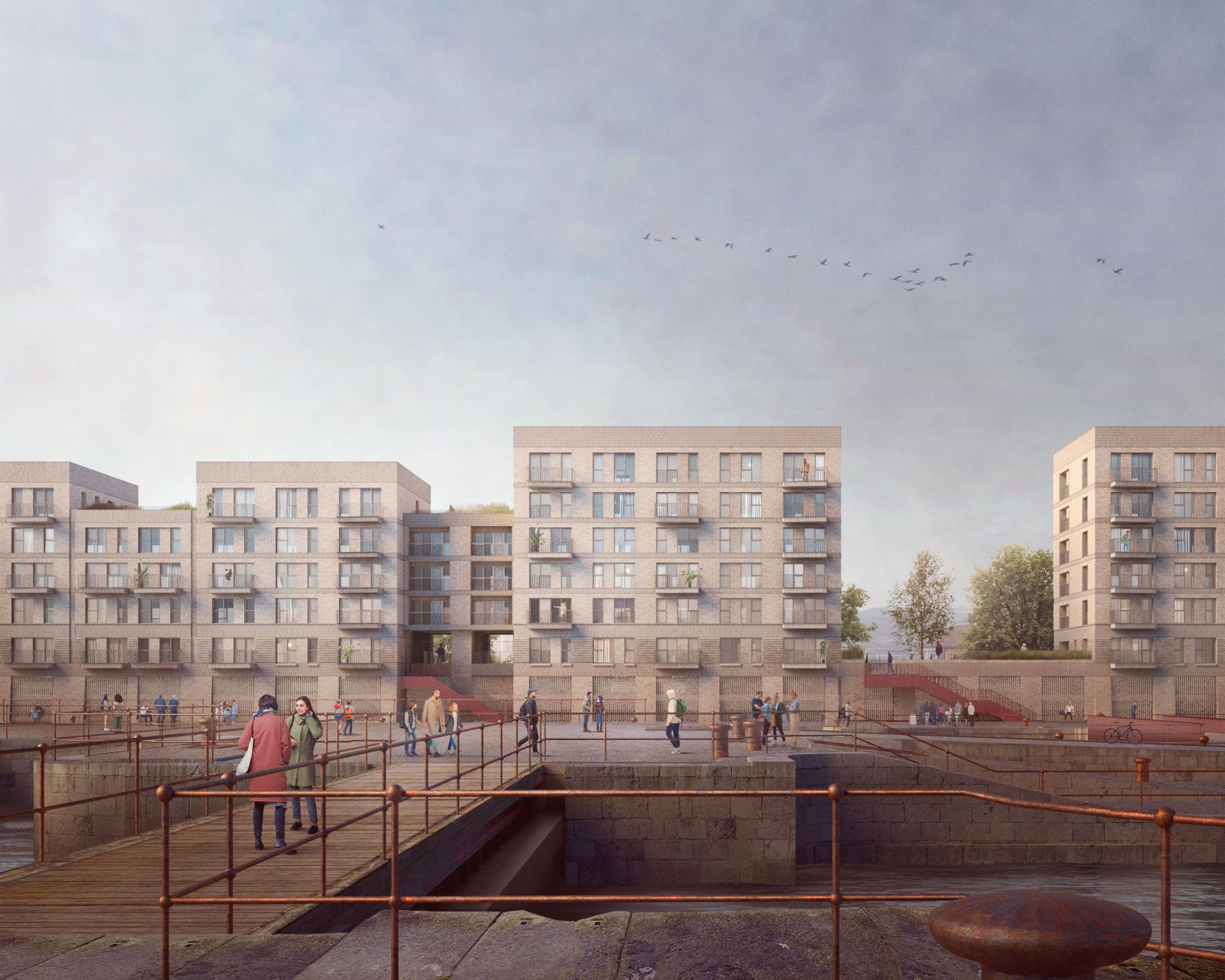
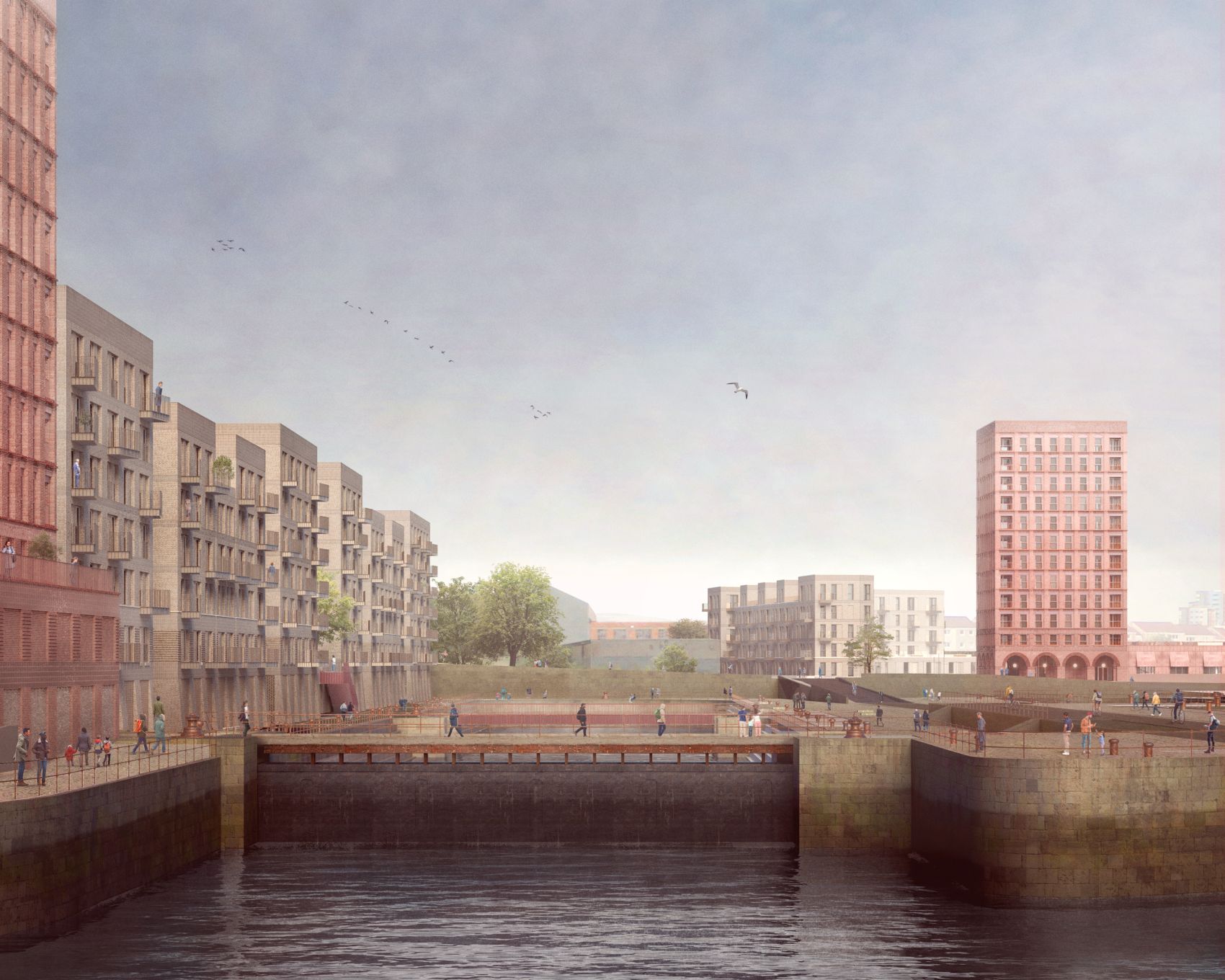
Visualisations of Govan Graving Docks (Credit Axson Office)
Has working in Glasgow specifically influenced the practice’s architectural language or priorities in practice?
It has certainly reinforced our focus on reuse and repair, building on our earlier work in London.
Glasgow has a significant number of vacant buildings and land, alongside strong communities and civic structures, and this has shaped our priorities and way of working. We are comfortable working within complexity and see value in what is already there.
It has also supported a more collaborative way of working. Many of our projects bring together multiple parties, for examples, local authorities, housing associations, researchers and community organisations. This is evident in projects like Climate Courtyards where we are working with residents, Govanhill Housing Association, Copenhagen based landscape Architects BOGL, and in partnership with the University of Glasgow’s GALLANT team to collectively shape proposals that will tackle key issues besetting Glasgow tenement back courts.
We feel architecture should be place based, and come from the specifics of existing social, environmental and material conditions.
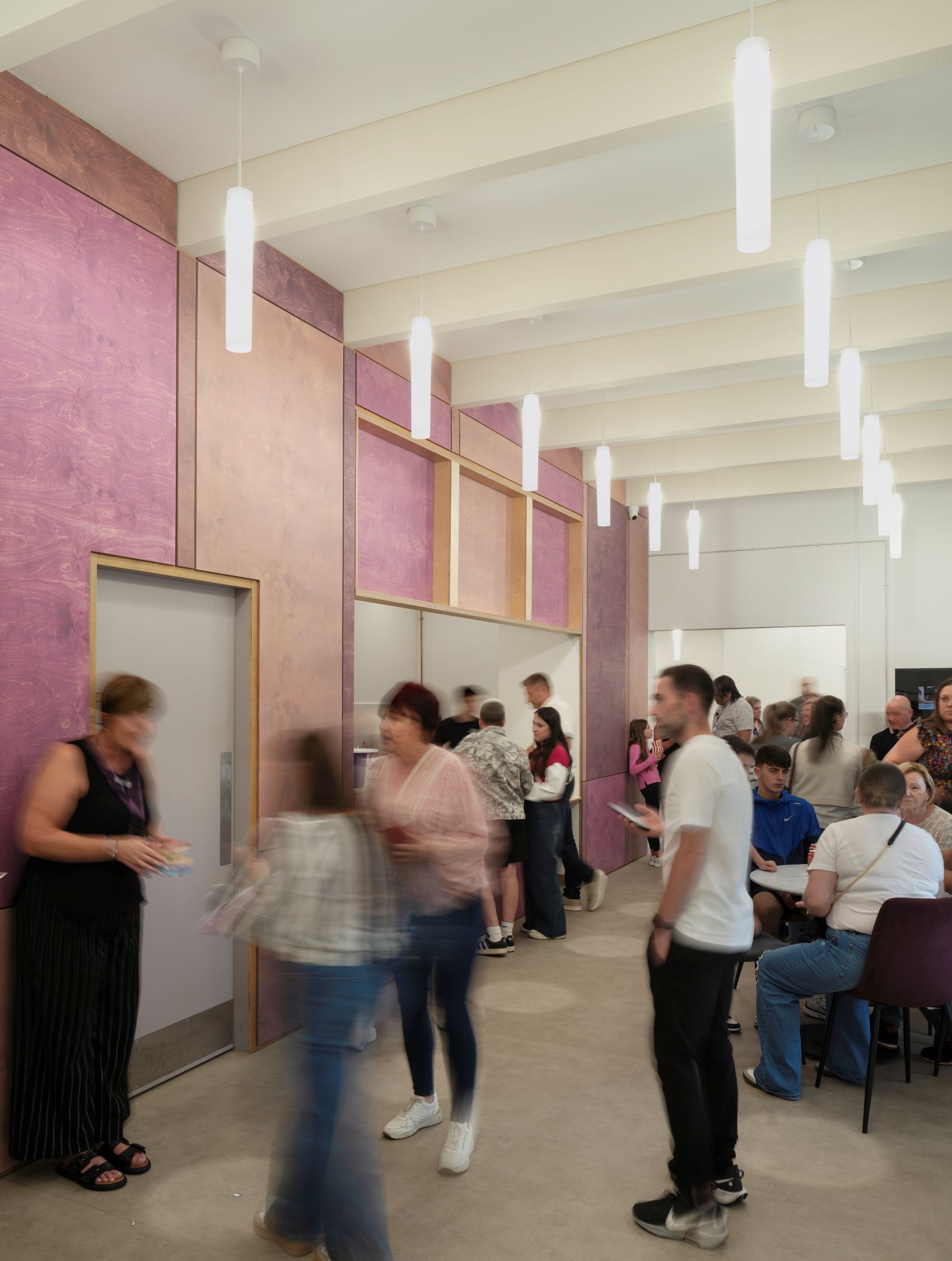
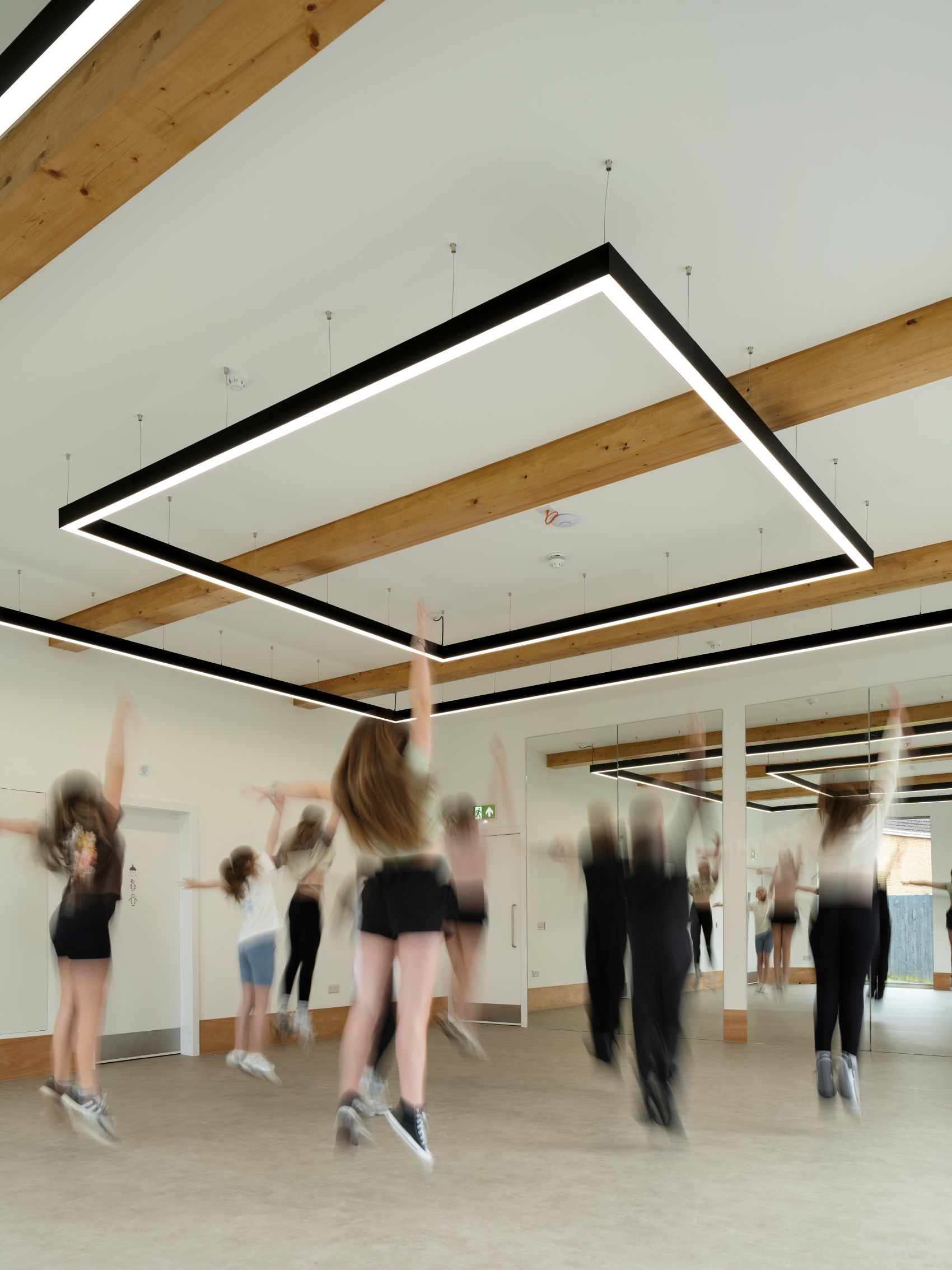
The Take a Bow Opportunity Centre demonstrating the practice’s established confidence working in repair and retrofit, comepleting this successful scheme in 2025 (Credit David Barbour)
This year marks a decade of O’DonnellBrown in Glasgow; how has your approach to practice evolved over time, and what has remained constant?
From the beginning, our work has always been defined by an eagerness to look beyond – beyond the brief, beyond a particular building or site, beyond conventional definitions of practice. Early projects established that position, for example, for Swanlea Sixth Form, one of the practices first projects for London Borough of Tower Hamlets, we proposed reuse and extension rather than demolition. This created permanent, characterful learning spaces. Our instinct there was to question the given brief, and find opportunity, and this approach remains constant for us.
What has changed is the scale and scope of that thinking and approach. Self initiated work, such as the Community Classroom, has allowed us to test ideas through making, which has in turn led to projects such as Gap Homes, developing a new model of housing for young people leaving the care system. Along with earlier projects like Swanlea, this way of working has expanded the role of the practice from designing buildings, to shaping briefs, partnerships and delivery models.
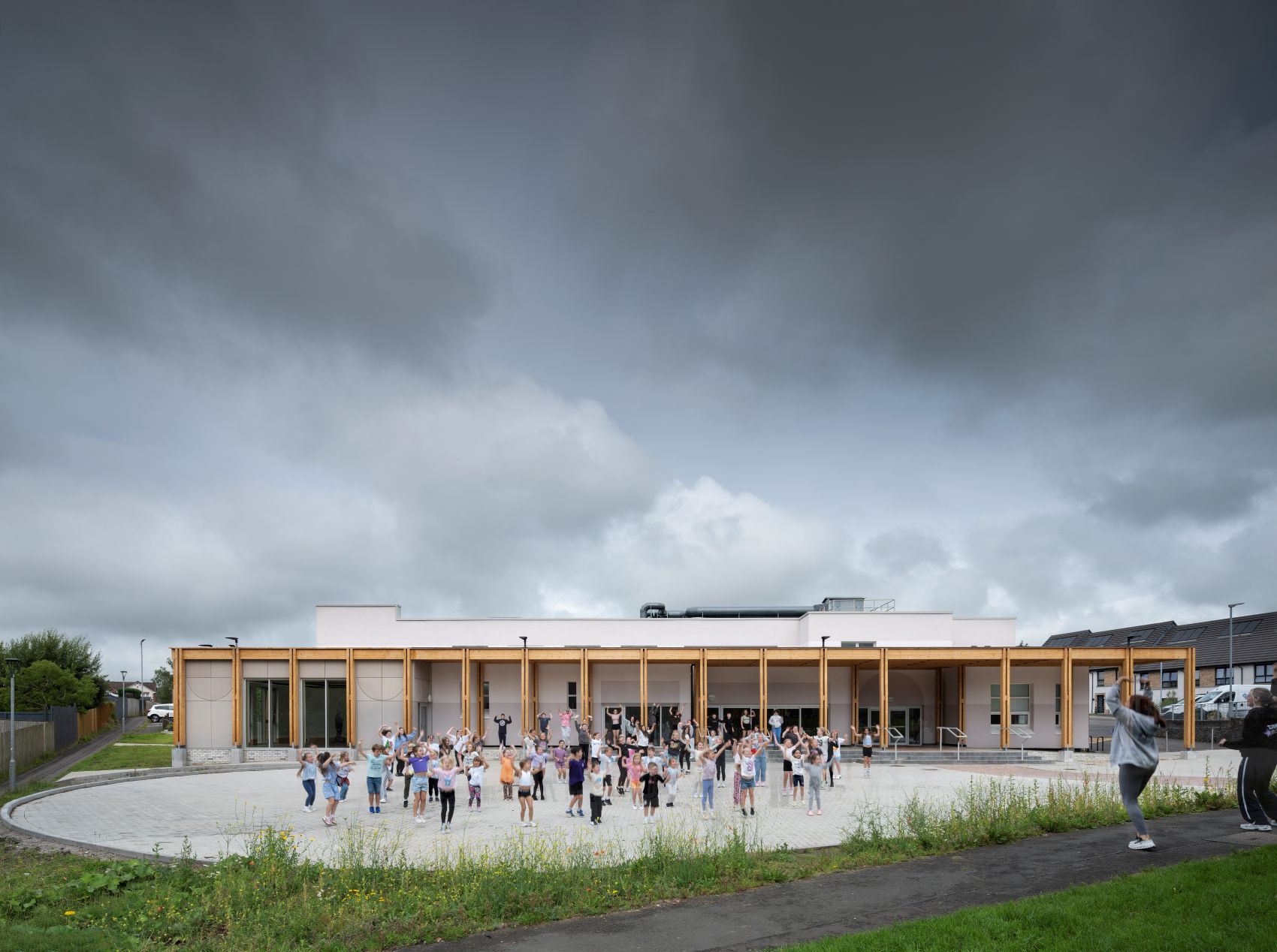
Alongside this we have developed deep technical expertise in retrofit and reuse, becoming increasingly comfortable working with complexity and constraint, demonstrated through recent completions such as New Olympia House, Take a Bow Opportunity Centre, and Millport Town Hall.
What remains constant for us is a clear position, and that is to work with what already exists, to test ideas through action, and to find opportunity / challenge where others see constraint.
Where would you like the practice to be in 10 years time?
We would like to continue extending the scope of the practice, both across the UK and internationally, while remaining grounded in the principles that define our work.
This means developing more projects that operate at the intersection of retrofit, regeneration, and social infrastructure, particularly those that address the housing crisis, climate adaptation and building and or land reuse.
Self initiated work will remain a key part of our identity, allowing us to test ideas and build partnerships, and generate opportunities rather than wait for them. Projects like Climate Courtyards are pointing the studio towards a future where the practice contributes not just to individual buildings, but to replicable models which can be more widely applied.
We are also deepening our technical expertise in conservation led retrofit and low impact construction, with recent completions including New Olympia House for Clyde Gateway, Millport Town Hall for the Friends of Millport Town Hall and Take a Bow Opportunity Centre for the Take a Bow Trust. And we will continue to demonstrate that working with existing buildings and structures can deliver the best environmental and social impact – looking forward across the next 12 months completions will include the retrofit of Category B Listed Pipe Factory in Glasgow’s east end, and two warehouse to aparthotel conversions in Edinburgh.