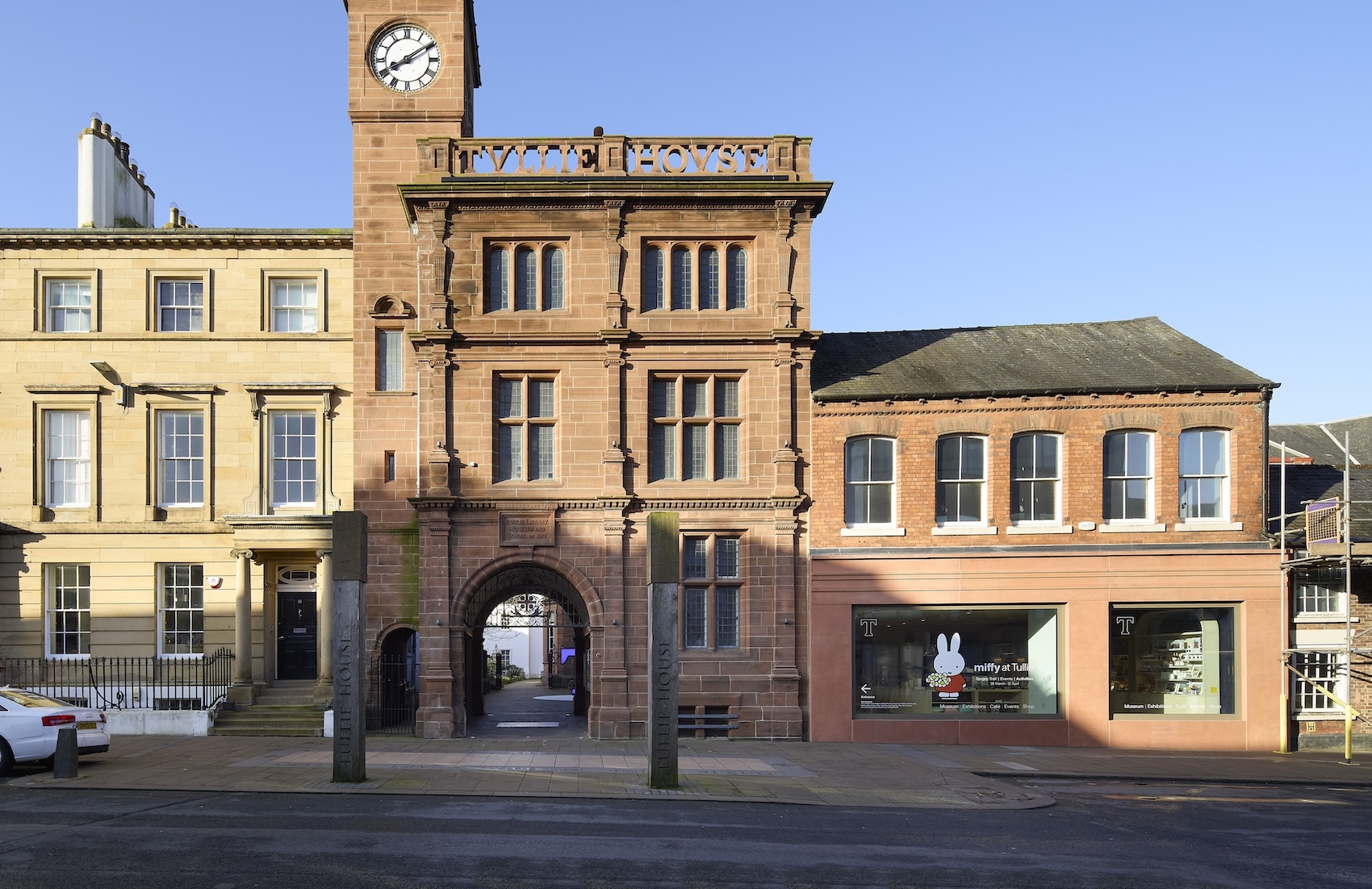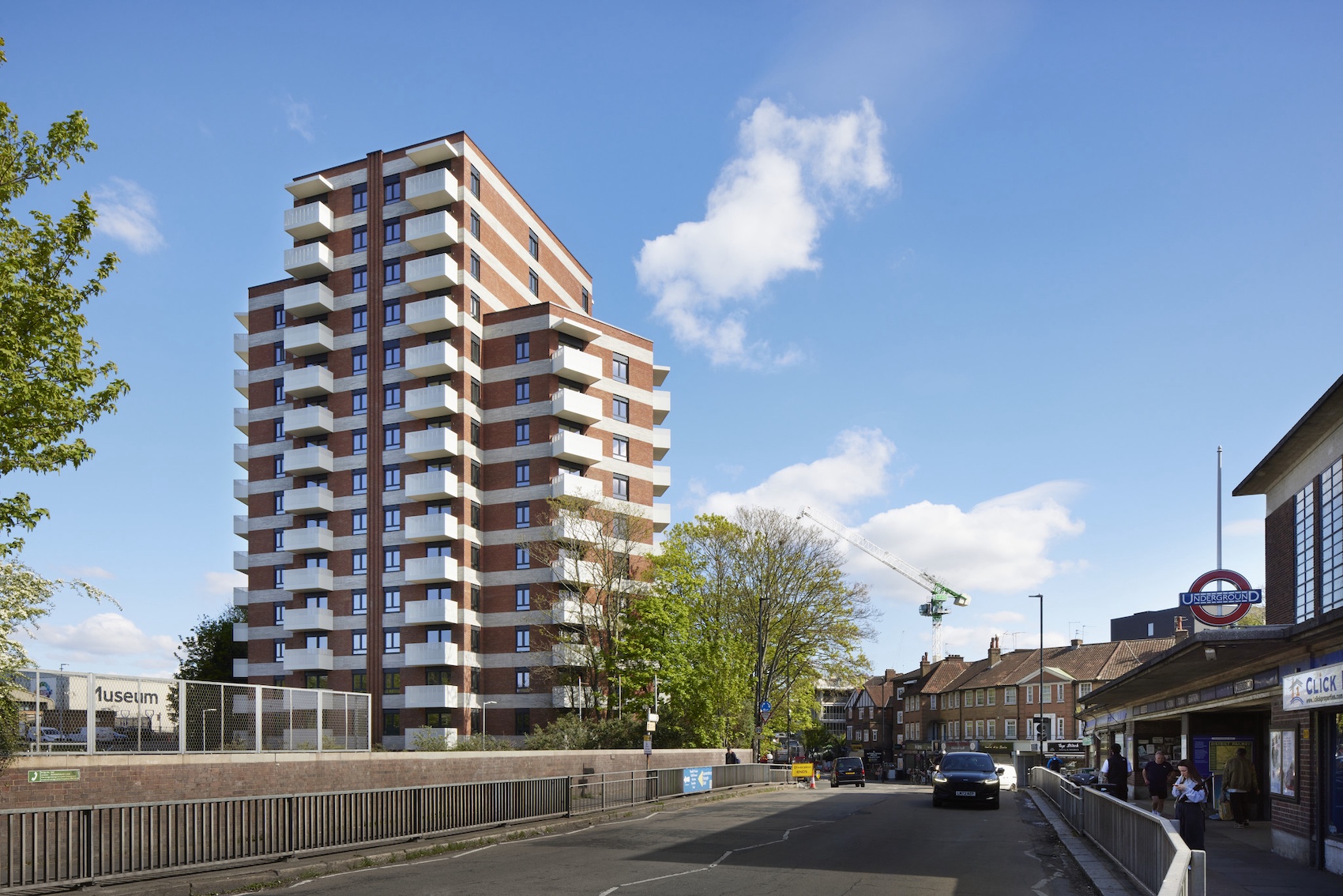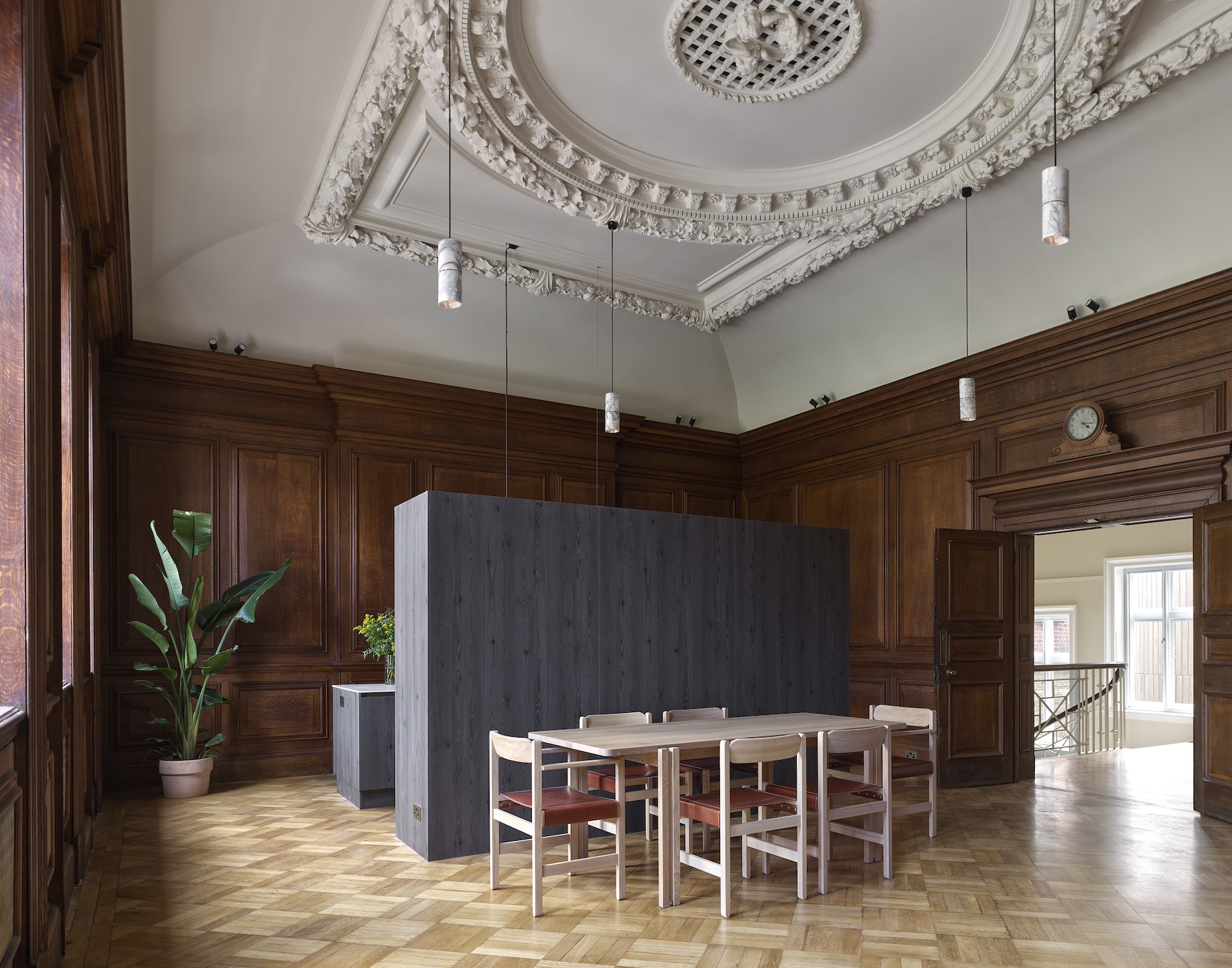
The Architectural Heritage Fund celebrates its 50th birthday with the launch of its biggest ever fund through the expanded Heritage Revival Fund.
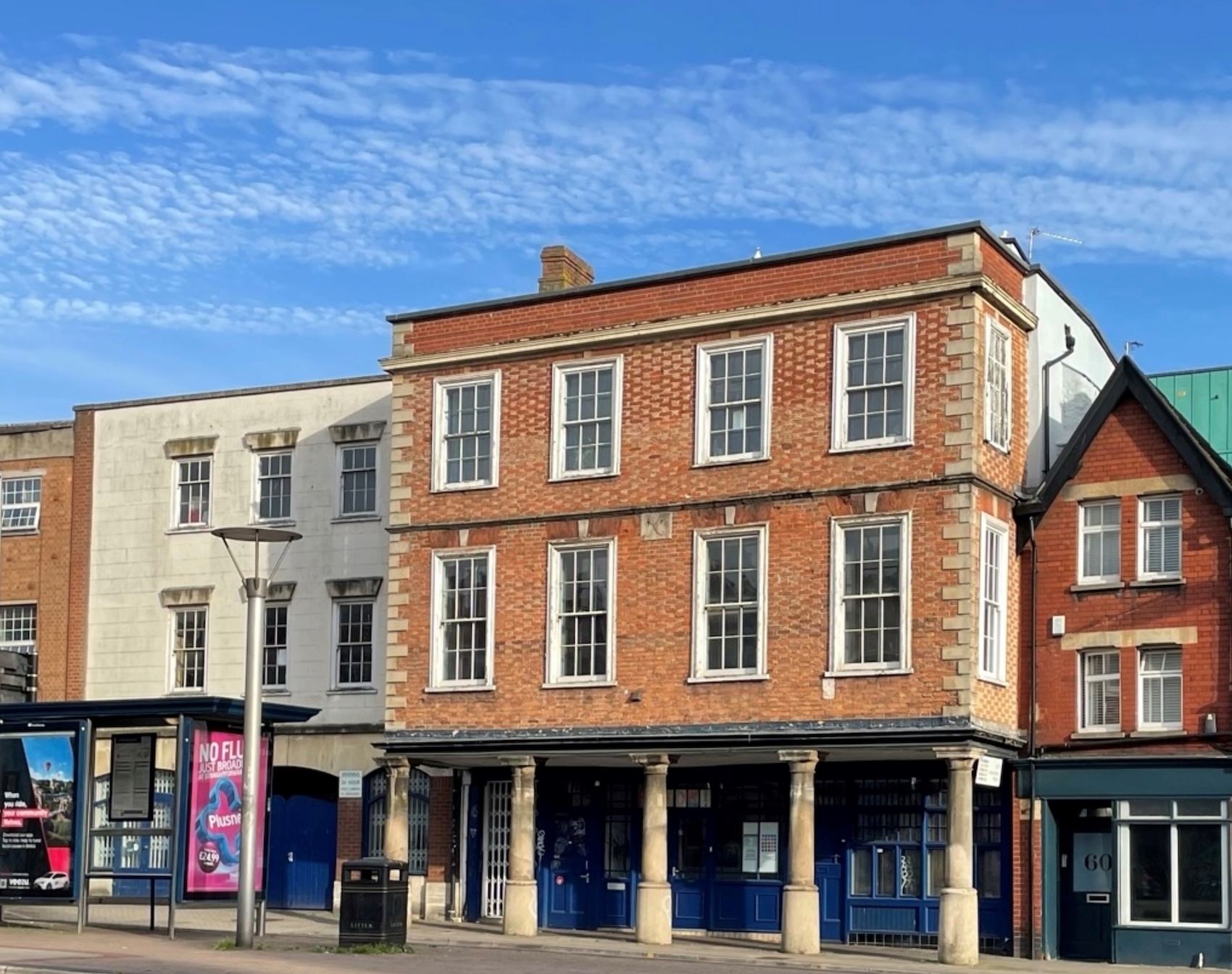
Kingsley Hall, Bristol – a prominent Grade II* -listed building dating from 1706 is being transformed by local charity, 1625 Independent People, as a safe space, training centre and social hub for marginalised young people and the local community. A Capital Grant from the Heritage Revival Fund is contributing towards conservation repairs. Photograph: 1625 Independent People.
The Architectural Heritage Fund (AHF) took to the stage at UKREiiF to announce that it’s relaunching the Heritage Revival Fund in England. This follows the announcement earlier this year of new investment from the Department for Culture, Media and Sport (DCMS) to support the expansion of the programme.
Through the Heritage Revival Fund, delivered in partnership with DCMS and Historic England, the AHF will provide grants to hundreds of communities across England, supporting them to take control of and find sustainable new uses for derelict or neglected historic buildings. Focusing on town centres and areas of high deprivation, the Fund will help transform these local heritage assets into vibrant new spaces – ranging from arts centres to cultural and community hubs and affordable housing.
In particular, the Heritage Revival Fund will prioritise:
- Historic building projects that can help regenerate town centres and deliver clear economic and social impacts for communities.
- Historic buildings in deprived areas, including in the top 30% most deprived areas according to the Indices of Deprivation.
- Projects that will bring historic buildings into community ownership.
- Projects that aim to restore and re-use vacant or at-risk buildings.
A range of grants will be available to apply for year-round, from Project Viability Grants of up to £20,000 to support early-stage work, to Project Development Grants of up to £100,000 to support development work and Capital Grants of up to £500,000 to support repair, restoration and conservation work.
Ros Kerslake, Chair of the Architectural Heritage Fund, said: “In our 50th year, it is fantastic to be able to launch our biggest ever fund through the expanded Heritage Revival Fund. This new funding will help communities across England transform underutilised heritage assets, particularly in town centres and deprived areas. We are hugely grateful to DCMS for this significant new investment.”
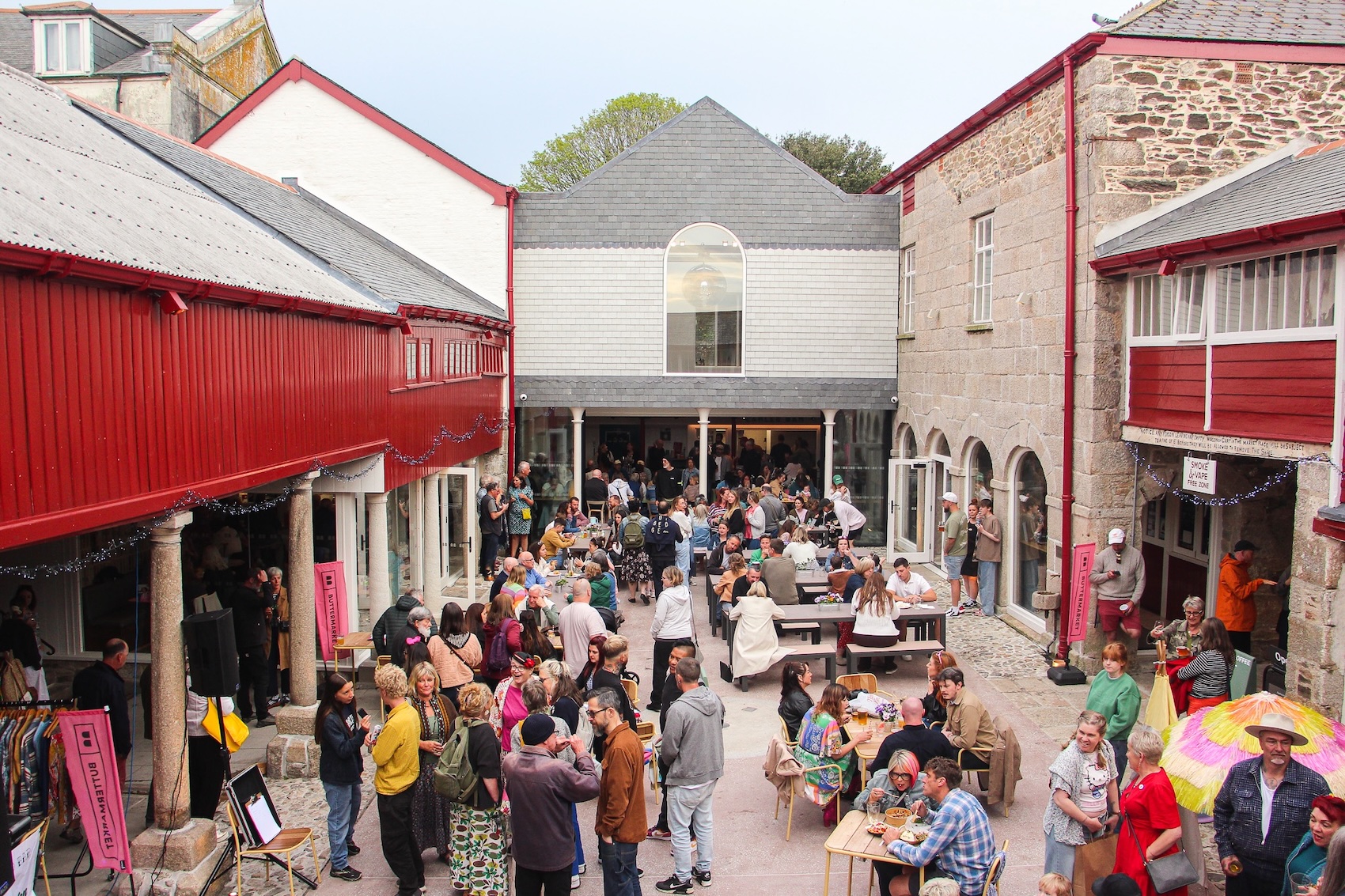
Built in 1826 Redruth’s Buttermarket served as a meat market, but fell into dereliction as the demand for the market declined. Redruth Revival CIC has given the cluster of Grade II listed buildings a new least of life as a thriving cultural and community hub with support from partners including The Architectural Heritage Fund. Photograph by Lottie Matthews.
The AHF has already supported a wide range of brilliant projects through this programme since its original launch in April 2025, including:
- Igbo House in Toxteth, Liverpool. This Grade II-listed building was originally built as a Chapel for the Deaf in 1887 and subsequently served as Merseyside Centre for the Deaf. It is currently the base for Igbo Community Association Liverpool (ICAL), but the derelict and vacant main hall needs significant work to bring it back into use. A Project Viability Grant from the Heritage Revival Fund is now supporting plans to restore and transform it into a vibrant community hub. This will become a space to gather, socialise, and access support, offering workshops and skills-building activities for young people; cultural events and programmes to celebrate and preserve Igbo (a language and ethnic group from Nigeria) heritage; and a venue for a range of other local events.
- Over in Derbyshire, Wirksworth Housing Cooperative (WHC) is working to bring new life to the Glenorchy Centre. Originally constructed in 1857 to house the Sunday School of the Congregational Church in Wirksworth, this Grade II-listed building was repurposed as self-catering accommodation but fell out of use before being acquired by WHC in 2025. The organisation now hopes to convert the Glenorchy Centre into affordable, secure, and environmentally sustainable community-led housing for around 10 residents, alongside a range of affordable community facilities and spaces. A Project Development Grant from the Heritage Revival Fund is contributing towards professional fees for a design team, heritage and environmental assessments, and community consultation, all of which will enable WHC to progress plans for the reuse of this town centre building.
- In Bristol’s medieval marketplace, Kingsley Hall – a prominent Grade II*-listed building dating back to 1706 – is being brought back into use for a new purpose. First built as a town house, this building later served as the Bristol headquarters of the Independent Labour Party, and hosted meetings of the Suffragettes. Local charity, 1625 Independent People, now aims to carefully adapt Kingsley Hall for new uses and transform it into a thriving, safe space for marginalised young people and the local community, with training spaces for education and employment; a new training kitchen and youth-led social enterprise café; nine new affordable homes for young homeless people; and a variety of welcoming spaces where young people can overcome isolation and improve their wellbeing. A Capital Grant from the Heritage Revival Fund is contributing towards conservation repairs to this nationally important but at risk high street building.
Matthew Mckeague, Chief Executive of the Architectural Heritage Fund, said: “Over the past year, the Heritage Revival Fund has helped unlock the potential of social enterprises and charities throughout England to take on and transform neglected heritage assets into thriving new spaces. Thanks to our renewed partnership with DCMS and Historic England, we are thrilled to now be able to extend the reach of this work through the expanded programme, which will enable us to support many more exciting community-led schemes across the country over the next few years.”