How would you describe SRLA as a practice, and what kinds of projects interest you?
SRLA is a regenerative, design-led landscape practice working on large-scale projects across the world. We are based in Skibbereen, a market town in the southwest of Ireland. I’m proud to be based in the countryside, close to nature without urban distractions.
It is interesting for us to work on varied landscape typologies, around the world. We integrate rewilding into every single project we do, whether that’s a hotel in the Maldives, a large-scale residential development in Dublin or a public park in Oman. Rewilding is essentially a contemporary buzzword for ecological restoration, but it is great it is getting more traction from clients. This applies to desert rewilding as well as more temperate landscapes, each have their challenges but also require regenerative landscape practices including rebuilding soil health, carbon sequestration, planting native species, and water conservation.
Where do you get your best work done? Is there a place or ritual that clears the head?
My best ideas rarely arrive at the desk. They come after a long walk in nature, away from the day-to-day of running a practice. The concepts I am proudest of were all formed in quiet moments in one of my favourite places; the Beara peninsula in West Cork. It has a very dramatic landscape with vast cliffs, expansive ocean views, ancient oak forests and very few people around. The space helps clear my head but also inspires me, you feel so close to the elements.
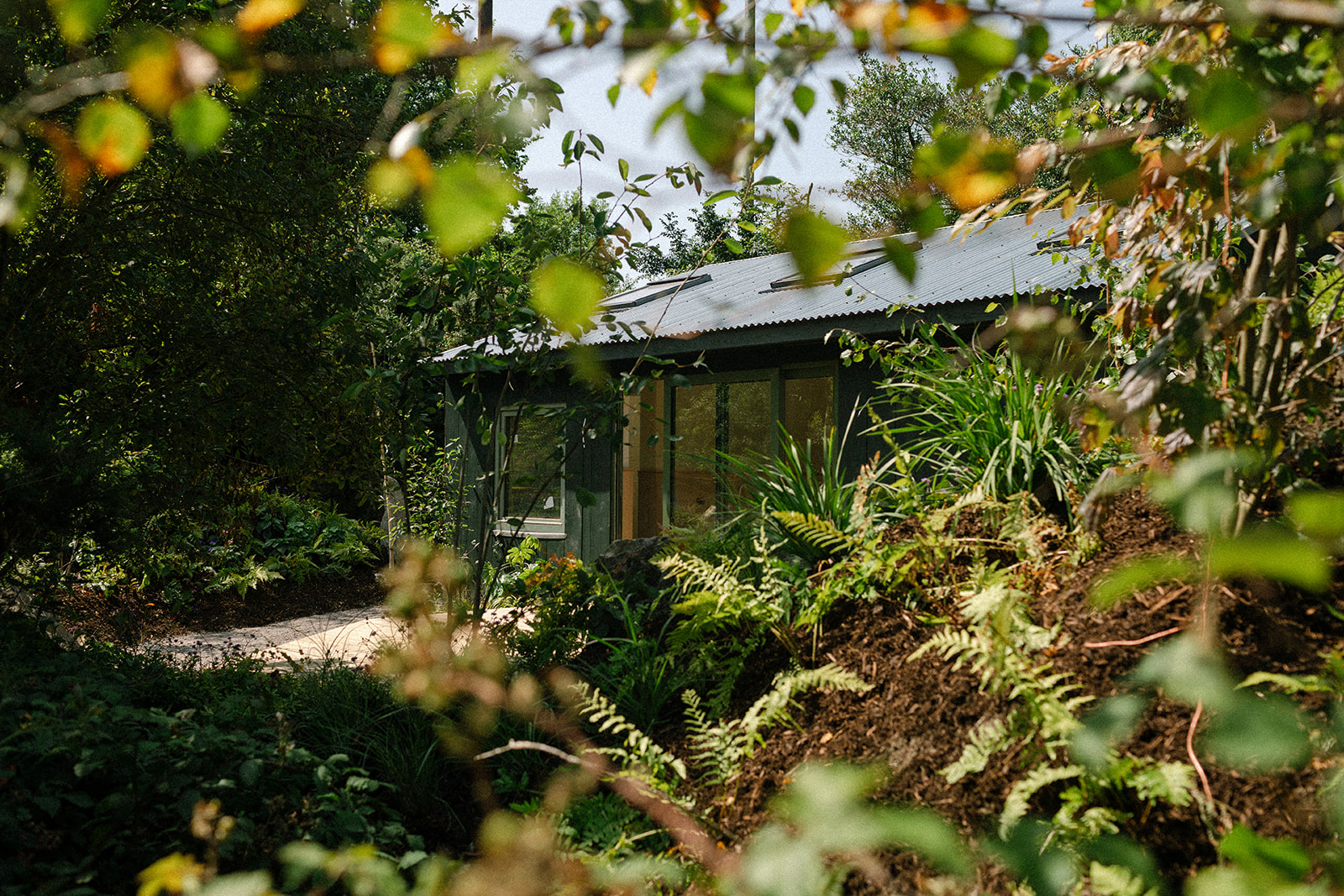
NATIVE in West Cork seeks to redefine sustainable tourism. Can you explain the origins of this project?
The idea for NATIVE first came to me in the Maldives twelve years ago. We were designing a 200-key resort across a cluster of five uninhabited islands. On our first site visit, I landed into the most pristine landscape I had ever seen: a shallow turquoise lagoon teeming with baby sharks and manta rays, and beaches that felt as if no one had ever stood on them. My immediate reaction was concern that we were about to destroy paradise. Halfway through that visit we met three local kids playing on one of the beaches. They had swum over from the nearest inhabited island, three kilometres away. This was their playground, their island. That moment crystallised something for me. The resort would privatise the landscape, damage the reefs, and send its profits to shareholders on the other side of the world, while the community it belonged to might, at best, get jobs in the laundry. To me it underlined that the economics of hospitality are fundamentally extractive, and I felt an urge to find an alternative. The seed for NATIVE was sewn. Ultimately the client lost the land, and the islands are still undeveloped.
What is different about this project, and how has landscape architecture as a practice enabled you to challenge standards?
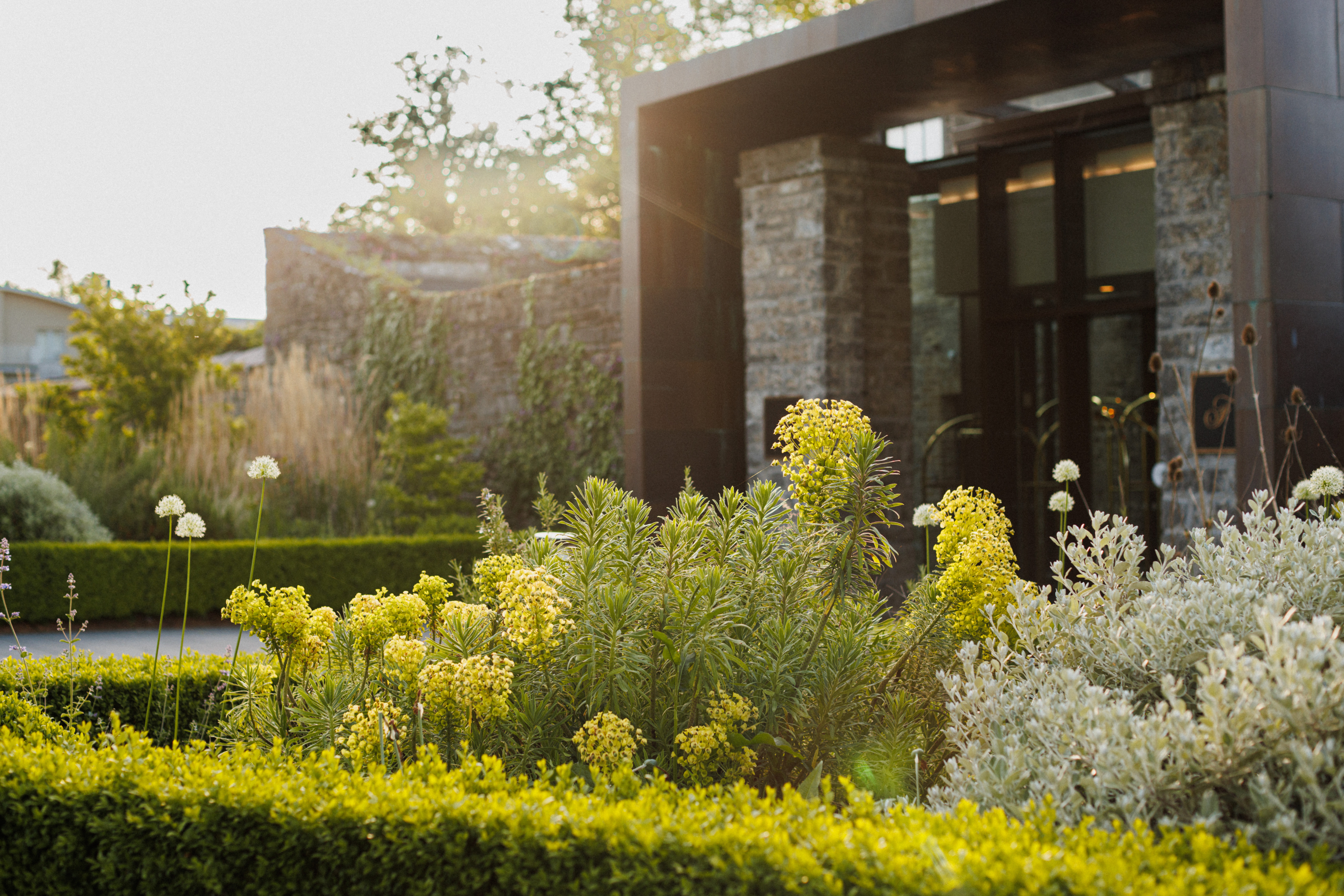
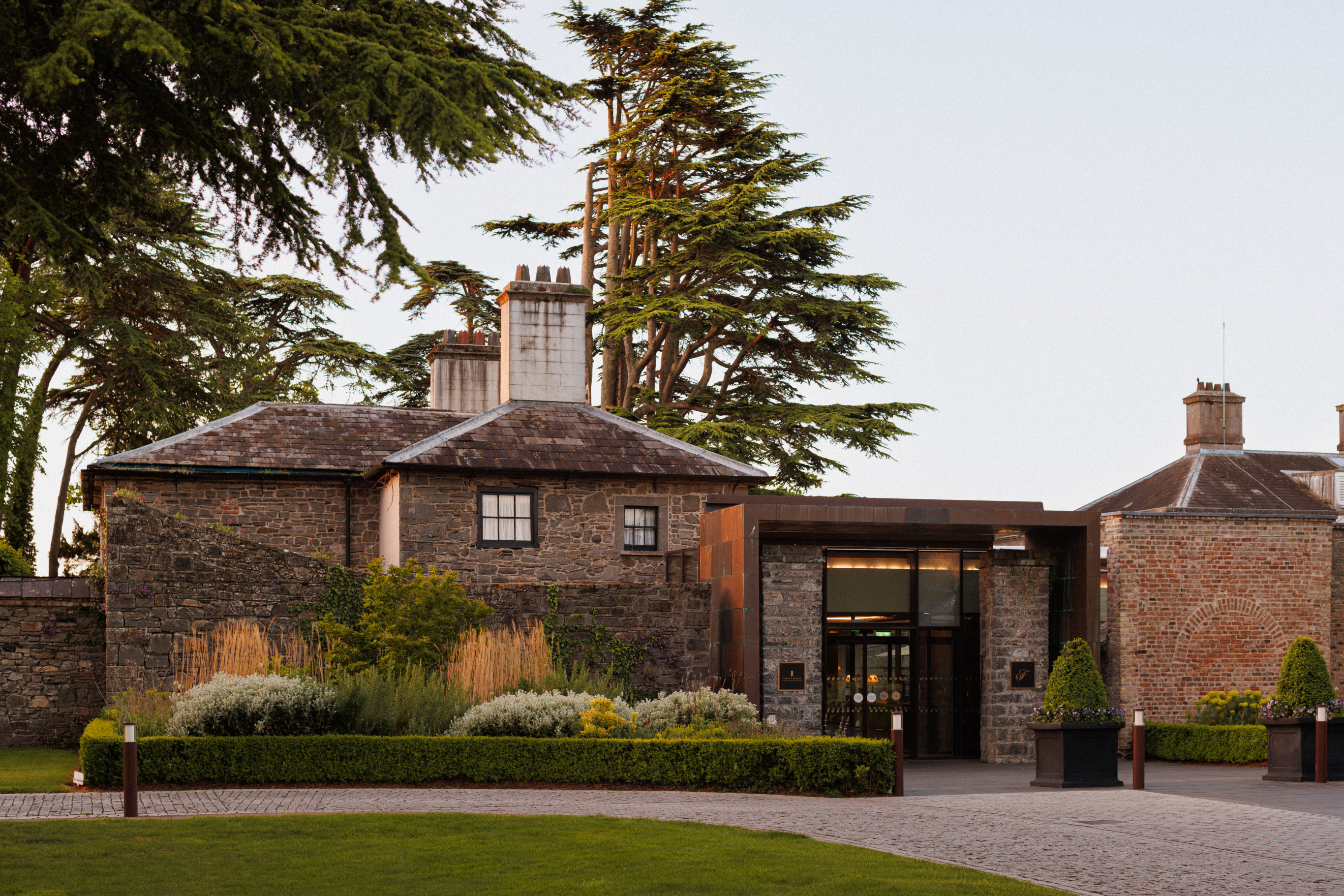
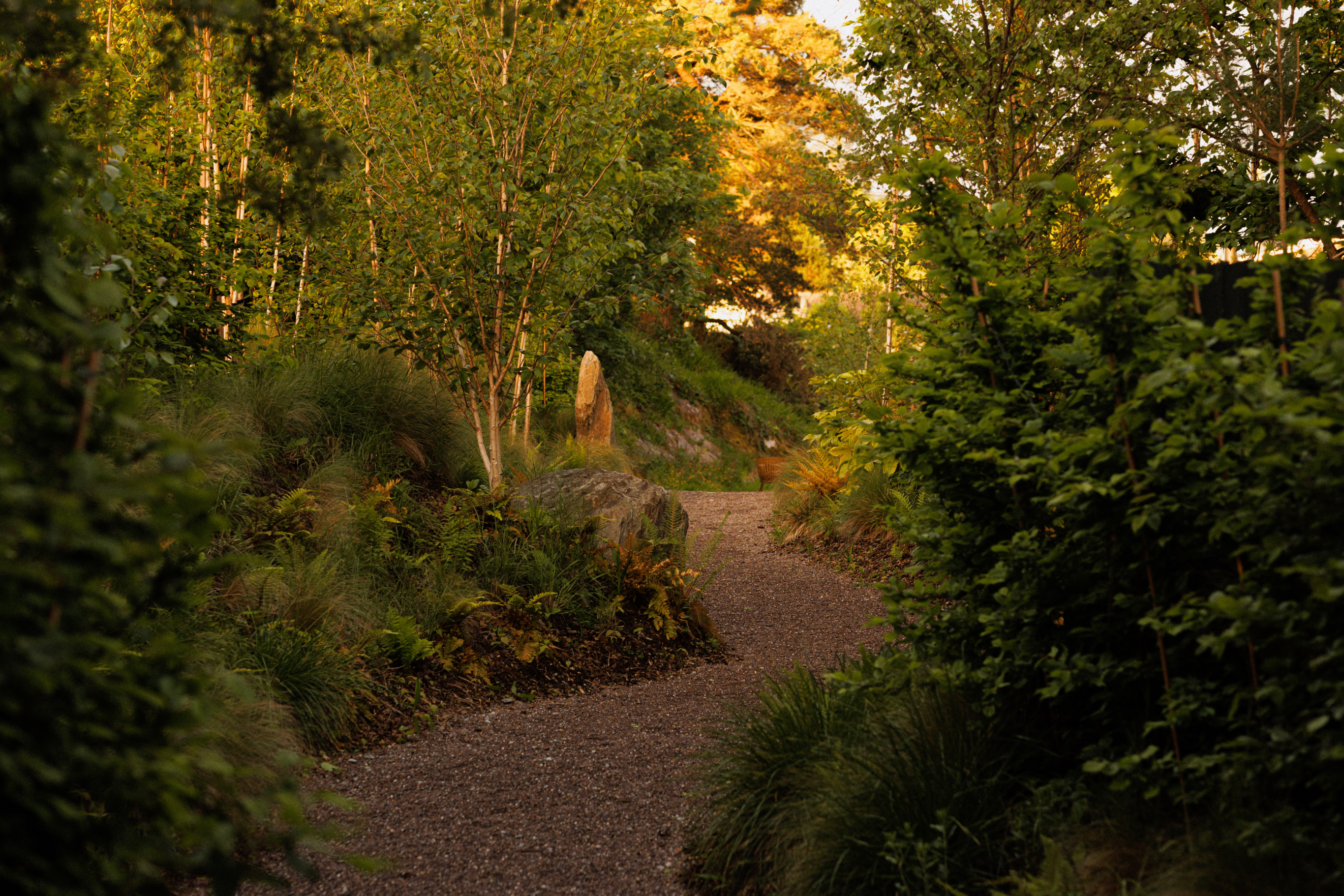
NATIVE is landscape-led, whereas most hotel projects are very much architecture focused. We thought long and hard about how customers would experience the landscape, from the arrival experience to waking up in the cabins. We therefore focused on materiality of interiors, vistas, and experience of nature, as opposed to form and structure. NATIVE is all about the landscape, in the design but also in its mission: we invest part of our profits in a rewilding project so that nature is replenished and not depleted as a consequence of our activity.
Where do you see the role of the landscape architect sitting in the future of regenerative design? Do you think you have more or less responsibility?
Our profession is fundamental to this challenge, and everything we do as a practice sits in the context of the climate and biodiversity crises.
Landscape architects have a clear advantage over architects when it comes to regenerative design. Modern buildings are inherently extractive; concrete, glass, steel and plastic. Whereas landscape materials are regenerative- soil and trees sequestering carbon, plants and fungi building soil. Any quality scheme builds biodiversity almost by default.
What are you working on at the moment and what’s up next?
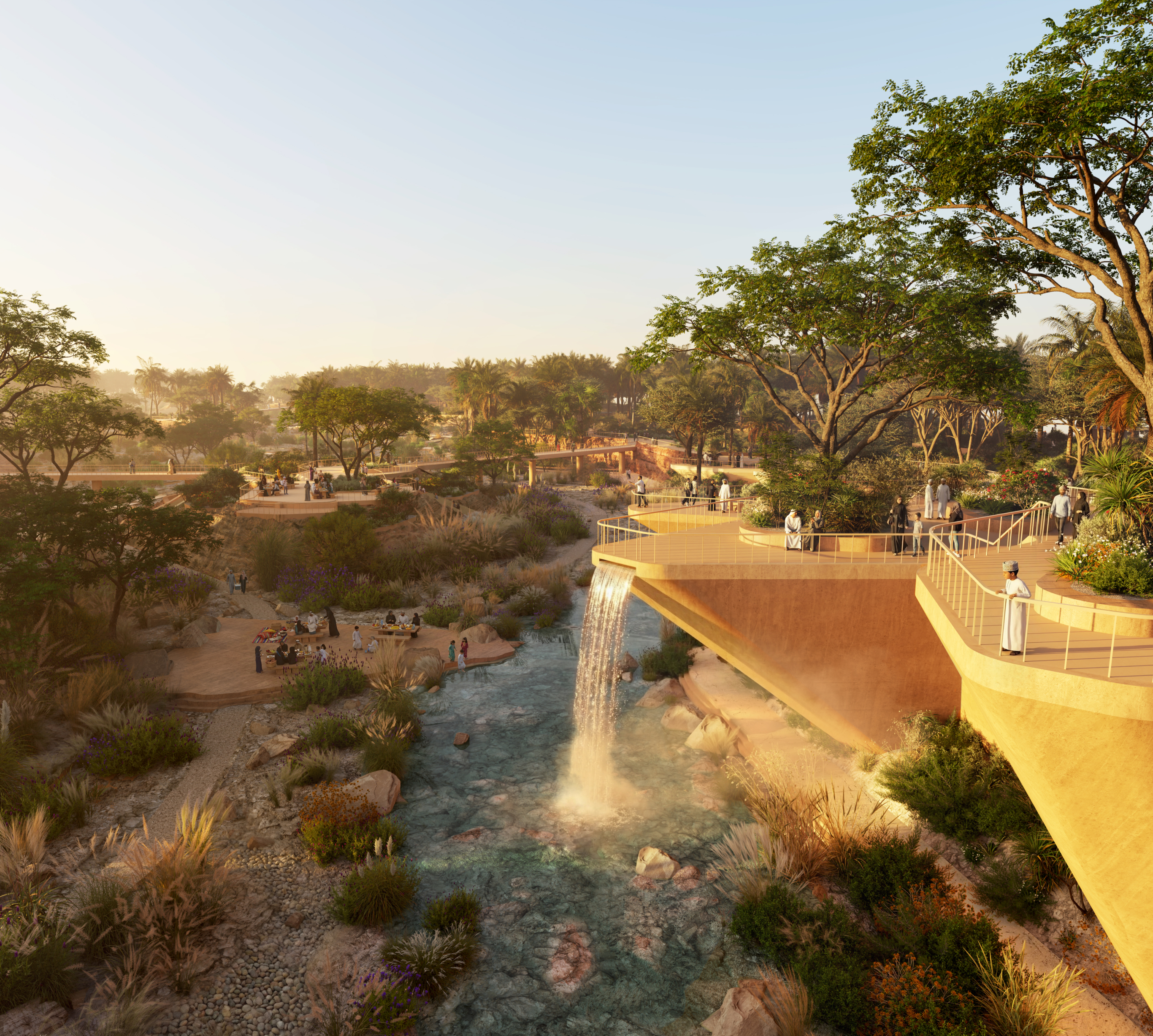
At the moment we are designing a 40-hectare public park in Muscat for the Omani government. It is set in a wadi (dry river bed) that floods regularly, so it is as much a piece of water infrastructure as it is a park. We are designing aerial bridges connecting to destination islands, and beautiful carved terraces. We really enjoy designing public realm. We are working on the historic landscape of a famous heritage hotel, Dromoland Castle, set around a lake, which is currently under construction. We also have several large mixed-use developments underway in Cairo, each around 300 acres, and we are designing the landscapes for two hotels on Egypt’s north coast, a Nobu and a Nikki Beach. In terms of what’s next, we are opening an office in Oman, a country with real vision, where we hope to be working for many years to come.