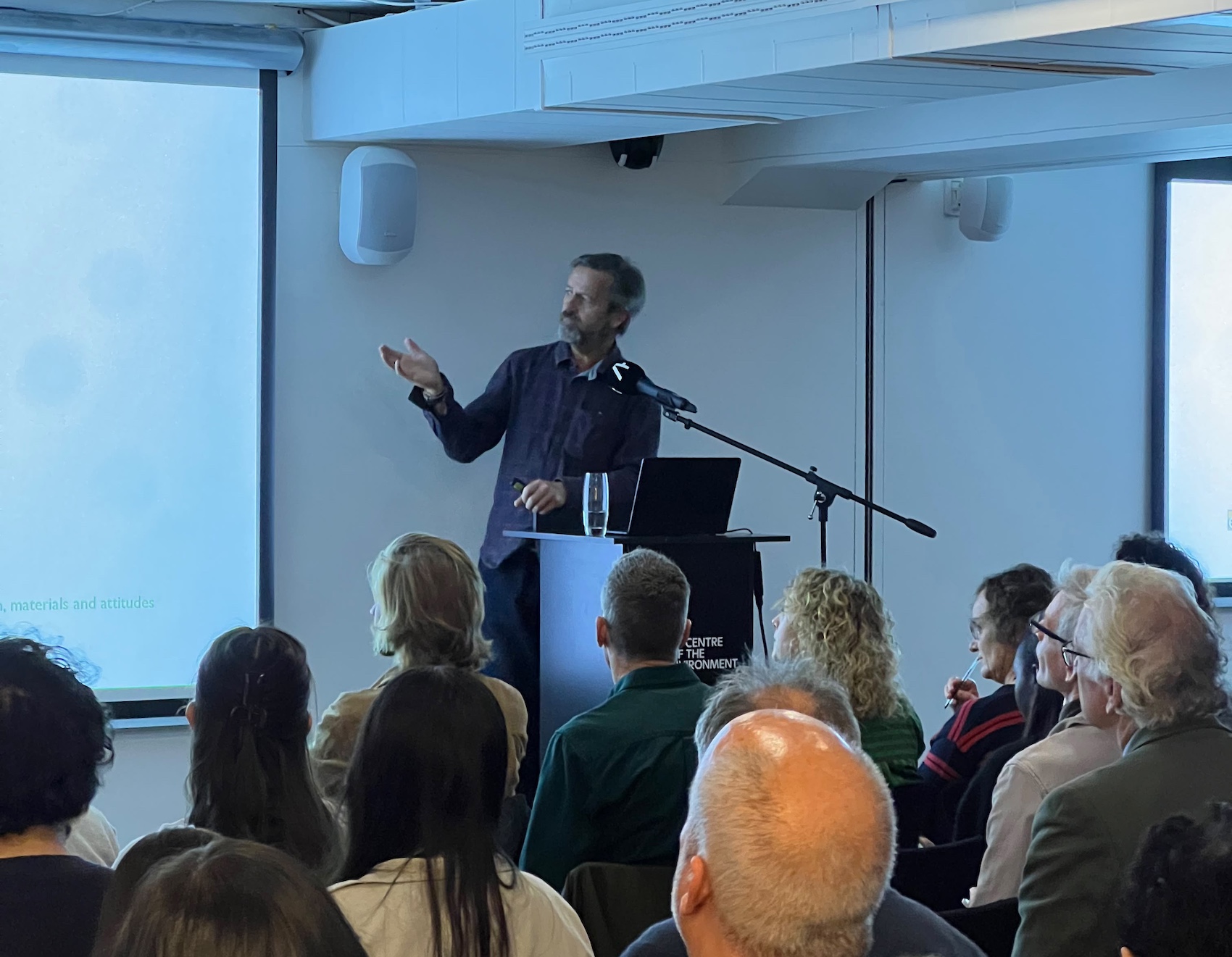
Tom Fox, Senior Associate at We Made That, discusses how regenerative design, community participation and climate action can reshape architectural practice, from heat-resilient public spaces to retrofit and social justice.
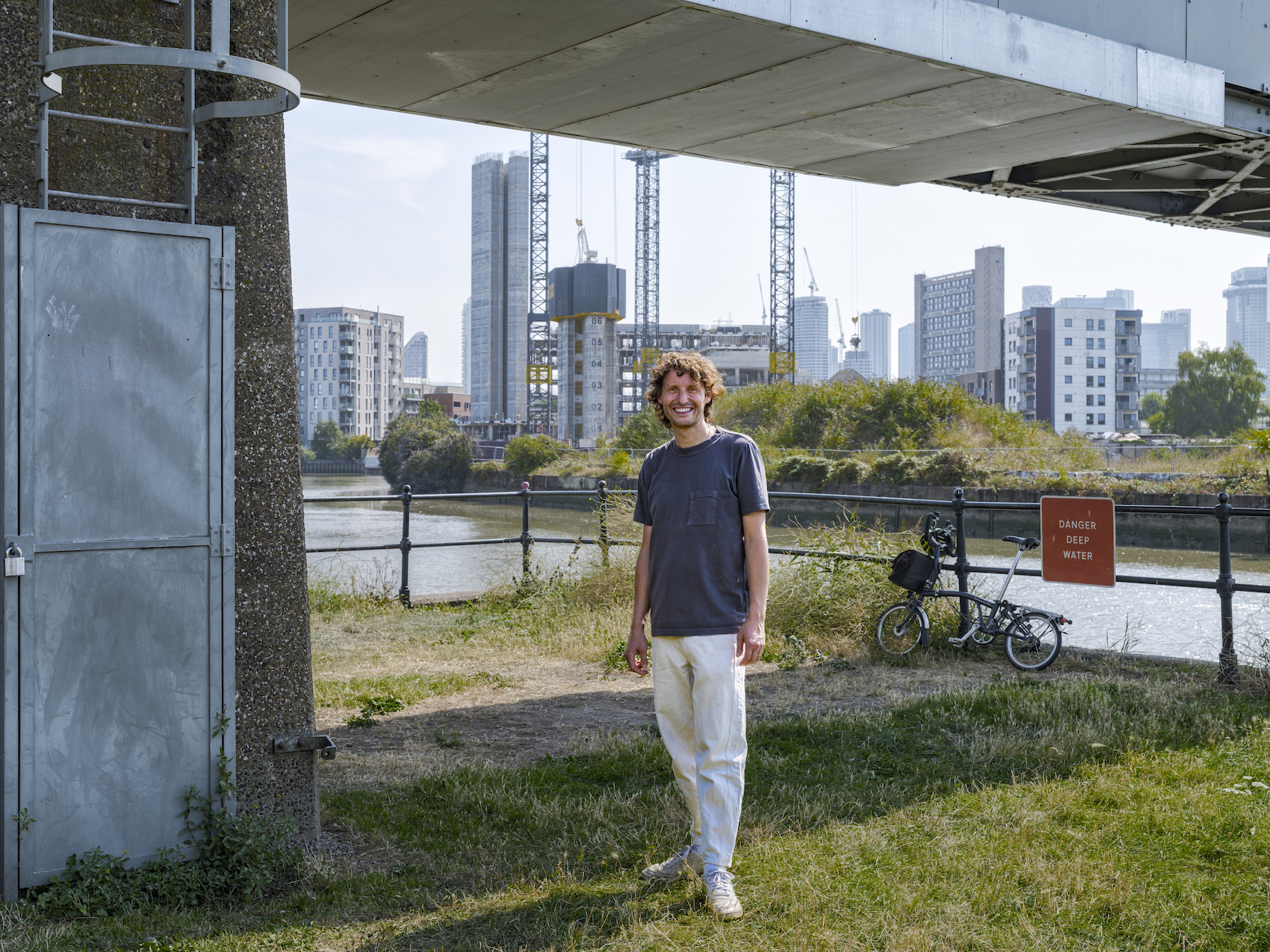
Tom Fox, Senior Associate, leads We Made That’s strategies and masterplans alongside his Climate Champion role. Most recently this includes building circular industries while restoring riverside ecology in Canning Town and Cody Road Spatial Regeneration Framework.
All our projects go through an internal environmental review, which has led to clear, long term decision making. We review our brief and scope against our client’s stated climate policies and commitments, focusing on the targets to reach net zero or address biodiversity.
We designed ‘cool routes’ into Croydon town centre, which were informed through extensive community engagement. They link important social and transport infrastructure to ensure the town centre remains accessible and inclusive during hot spells in the future.
We’ve recently developed a ‘retrofit triage’ tool. It informs strategic decision making around growth and retrofit potential within town centres which is vital to ensure high level assumptions around retrofit and future capacity for growth are balanced at the earliest opportunity.
In 2025, we commenced hosting our first research residency at our London studio. It’s part of our ‘Right to Place’ initiative, which offers researchers dedicated time and free studio space to advance their independent work on themes of rights, spatial justice, cities and regeneration.
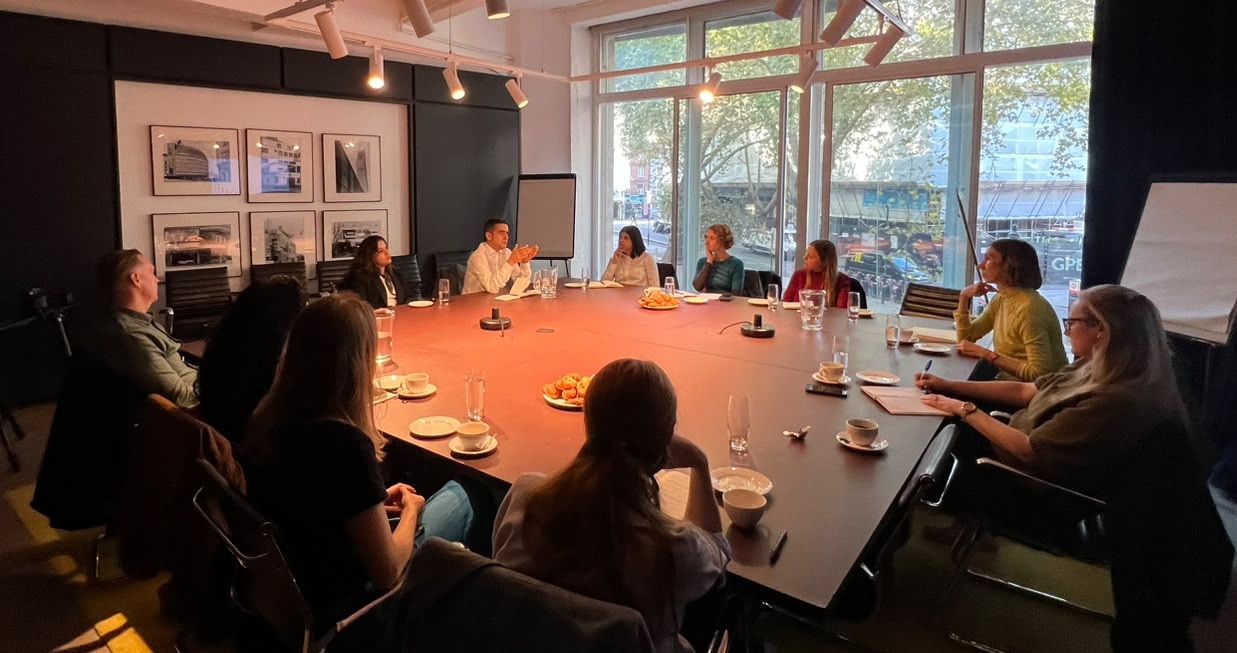
Over the last year 81% of our projects have involved a collaborative public process. More than 4700 people engaged directly with our project development processes, which included 163 events, stakeholder workshops and seminars, enabling us to reach wider communities year on year.
We piloted new models of participation in a project commissioned by Transport for London and the Mayor’s Office for Policing and Crime called the Women’s Safety Audit. It included deeper community research methods for understanding the experiences of safety of women, girls, and gender-diverse people in London.
Safety in public spaces is a fundamental right. Yet many of those identifying as women and girls in London still feel unsafe in their daily environments. Providing flexibility in how these spaces were studied helped enable people from all backgrounds to participate.
Clients and commissioners need to recognise and support those that are publicly committing regenerative practice, tracking and improving impact. It takes effort, but it also takes resource, and it means that public bodies need to consider how they can embed these values into progressive procurement. A race to the bottom where the cheapest offer wins is never going to result in the systemic change needed.