Engineer Camille Chevrier discusses the central role that applied research – from revisiting craft, to using robotic or digital-assisted construction methods – plays in the practice’s work.
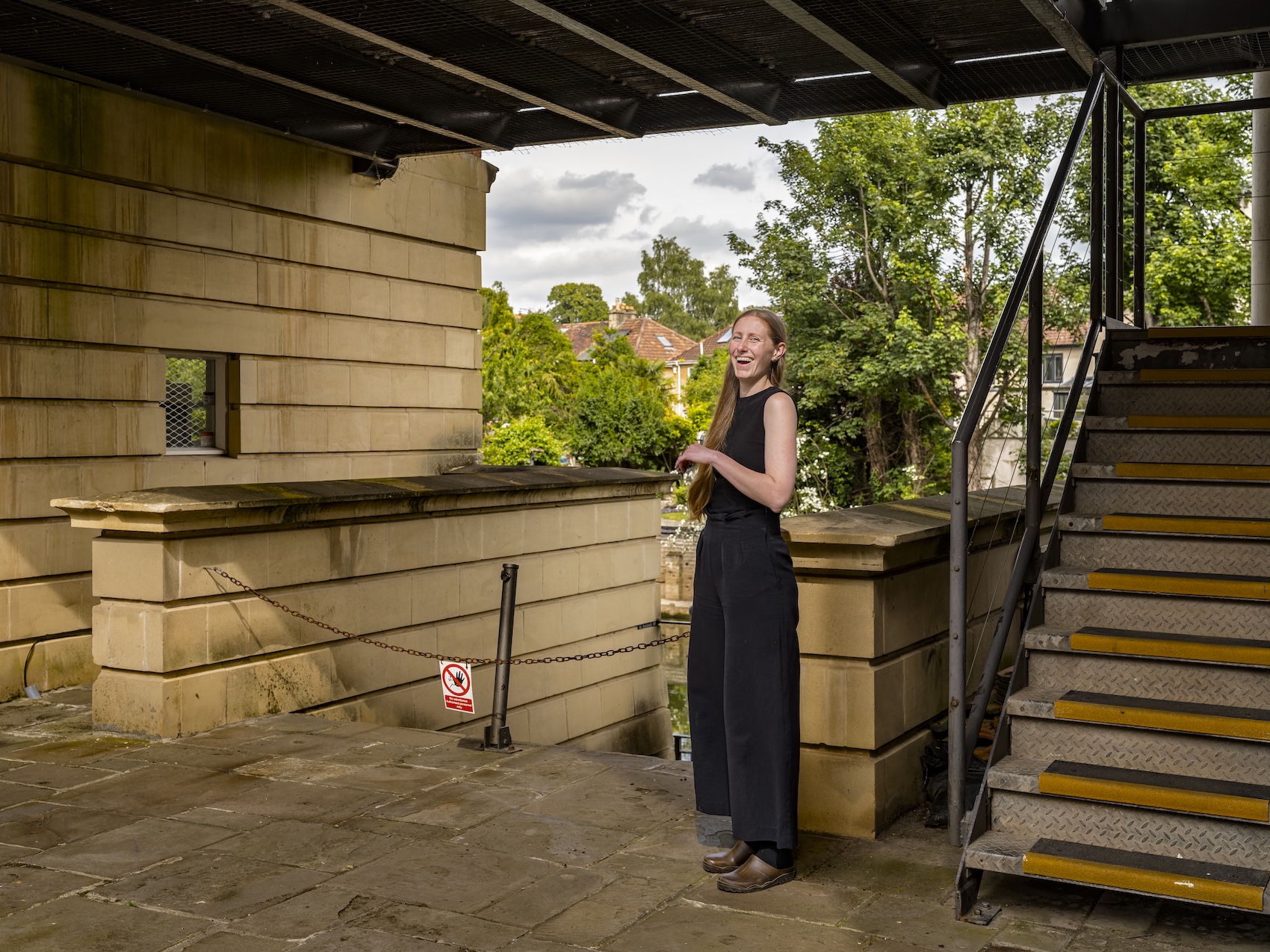
Camille Chevrier at Format Engineers’ offices in Bath.
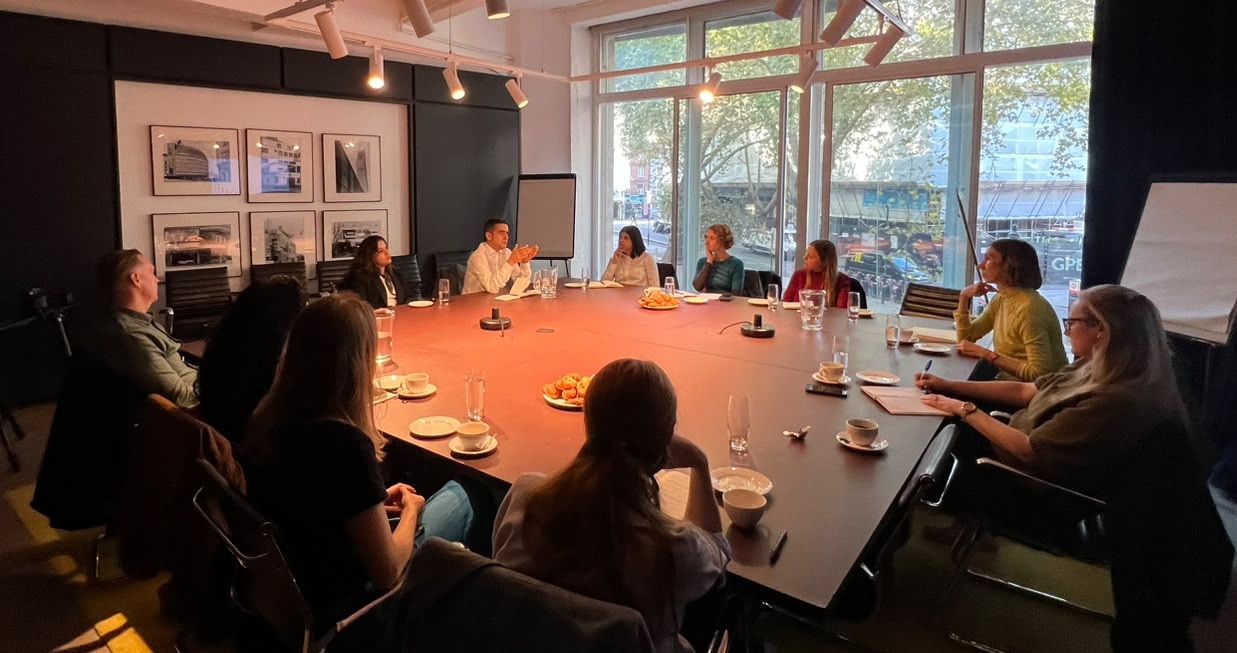
The office culture is to question, compare, and discuss material and construction choices. This ensures our final impact is made from conscious, informed decisions and capturing the challenges around material usage today, but also for the next generations.
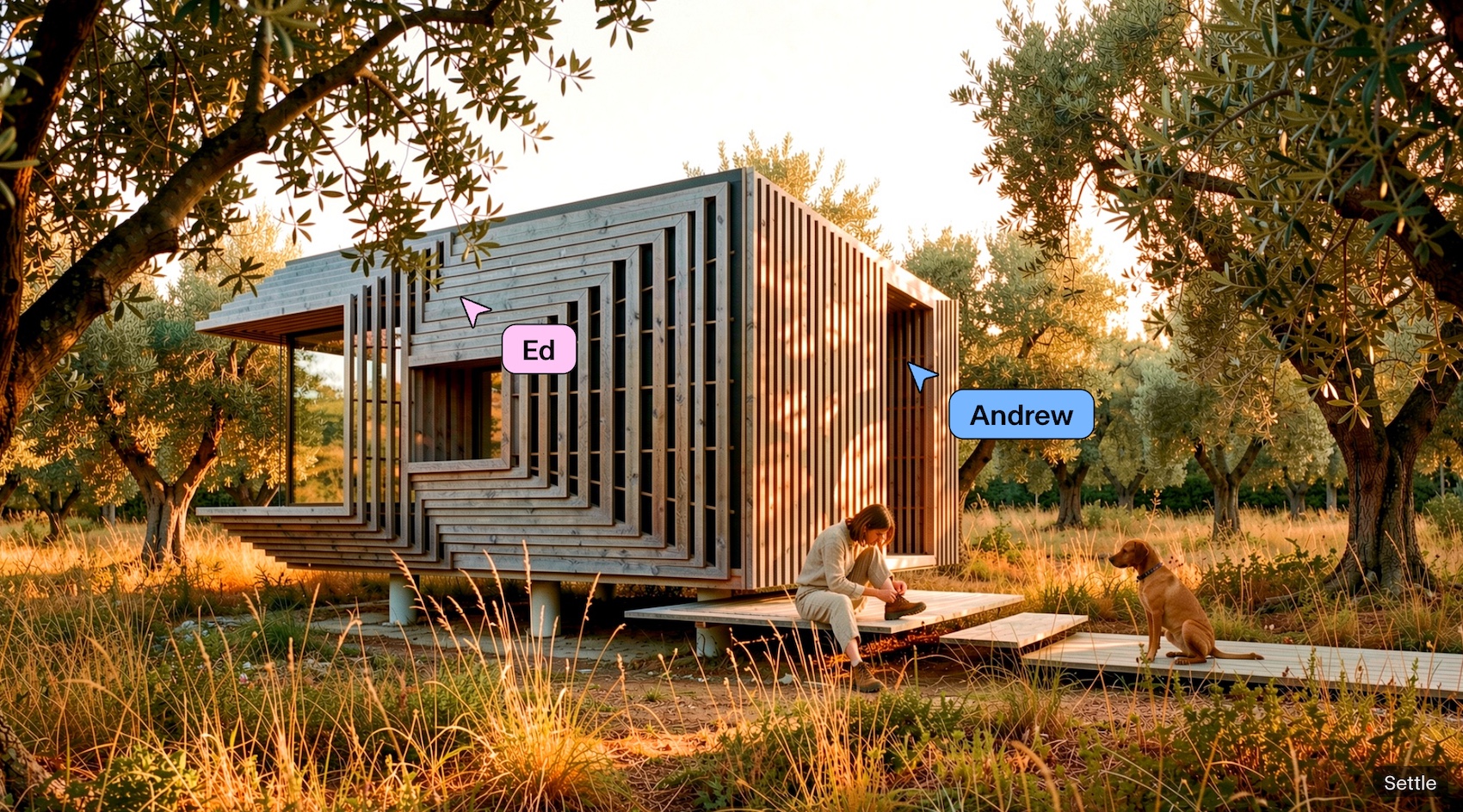
Format uses applied research as a way to find innovation within the built environment. This can be revisiting craft, using robotic or digital-assisted construction methods or looking for new materials.
We publish open-source digital tools and believe sharing tools and knowledge is the only way to move forwards, together. We look to research and ways to apply it in everyday settings, but also conduct research with various universities, always with projects in mind.
Long-term thinking is embedded within our workflow. We always question form and material, making sure clients have a full picture of where the material comes from, where it ends, and whether the material does an efficient job or puts us at risk of wasting a valuable resource.
Not all projects are set in the UK, and what works here isn’t always working elsewhere. To tackle this, we always provide clients with material research presented as actual data, carbon values, and material provenance, but we also discuss overall project objectives, ambitions and context.