Dulux Trade’s Dawn Scott and Lee Crossland, in conversation with Architecture Today’s Technical Editor John Ramshaw, discuss how considered colour specification and high-performance coating systems can help create memorable hospitality environments that combine strong visual identity with long-term durability.
In association with
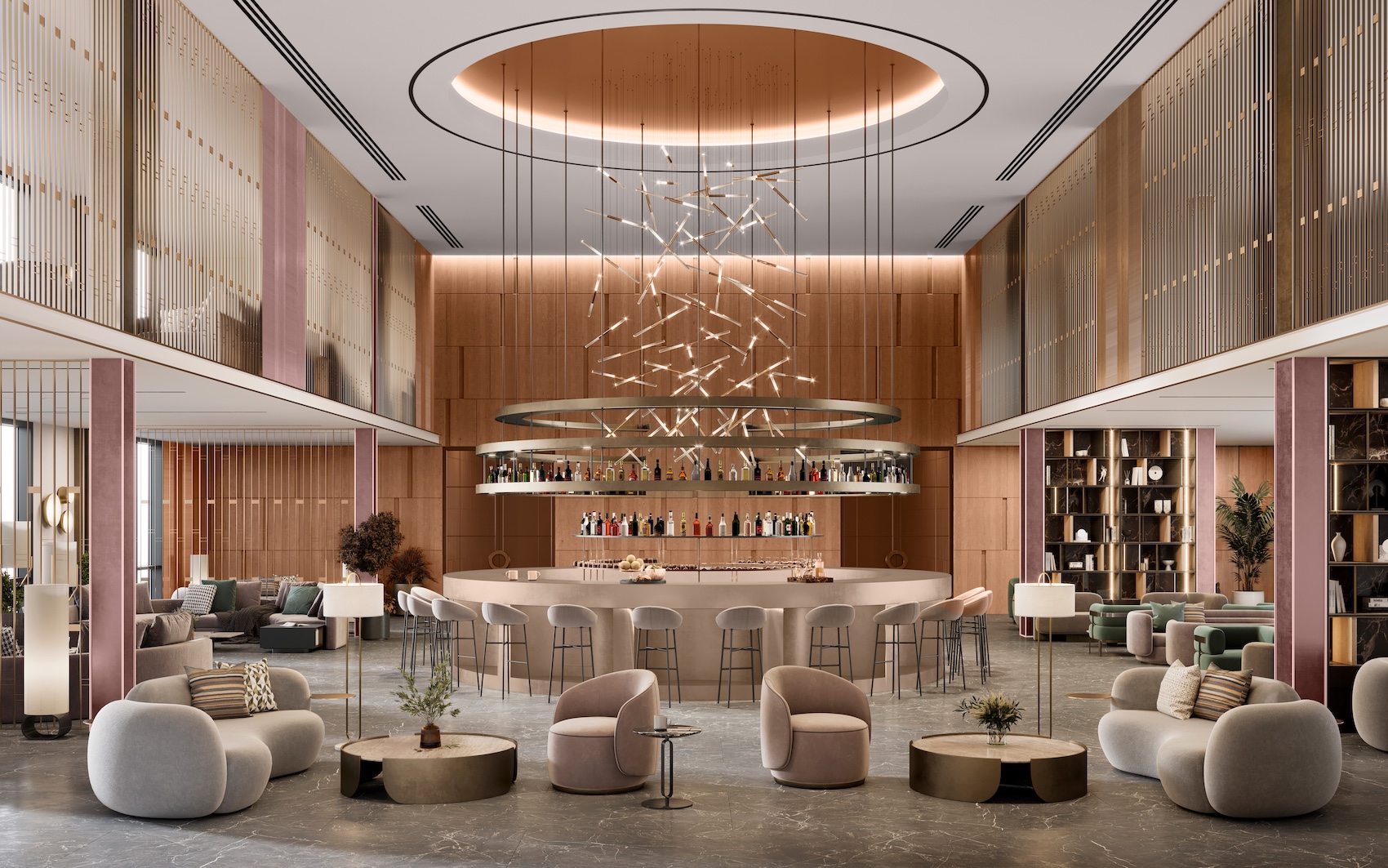
Hotels and restaurants rely on first impressions, but they also need interiors that continue to perform long after guests have checked in or diners have left. Architects are often tasked with creating environments that express a brand’s character, deliver memorable customer experiences, and are capable of withstanding intensive daily use, frequent cleaning, and ongoing refurbishment.
Colour and paint specification are crucial to both design and operation within this context. Thoughtfully developed colour palettes can shape atmosphere, reinforce identity and complement settings, while durable coating systems can help to maintain appearance, minimise the need for regular maintenance and support long-term sustainability.
Dulux Trade’s Dawn Scott (Senior Colour Designer) and Lee Crossland (National Sector Manager – Leisure), in conversation with Architecture Today’s Technical Editor John Ramshaw, share insights from the Dulux Trade Leisure Sector Guide and the Dulux Trade Hospitality & Leisure hub to discuss colour strategy, heritage, product selection and the specification tools available to support architects in delivering successful hospitality projects.
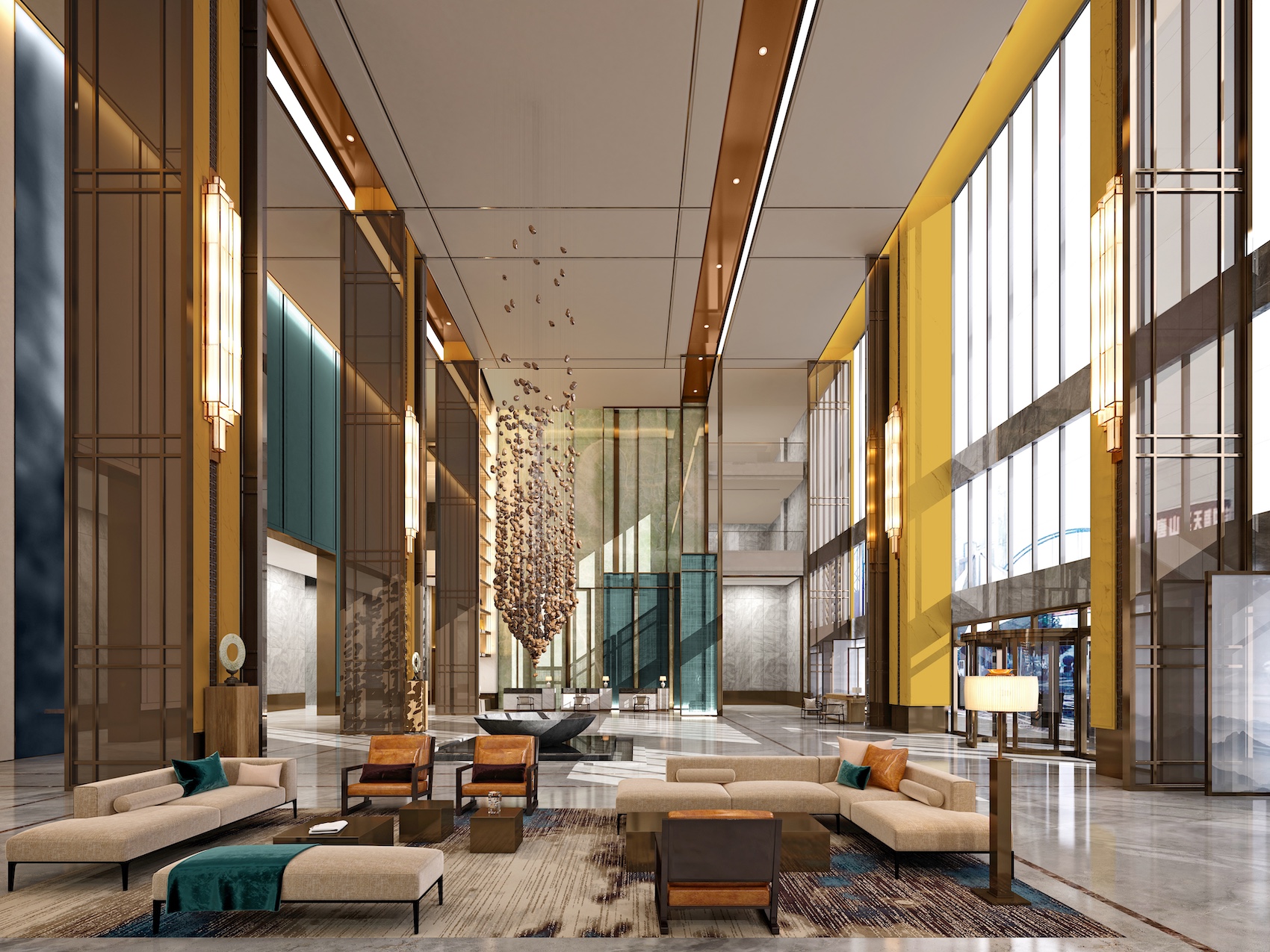
Hotels and restaurants are often judged on first impressions. What role do colour and paint specification play in shaping the guest experience and reinforcing a brand’s identity?
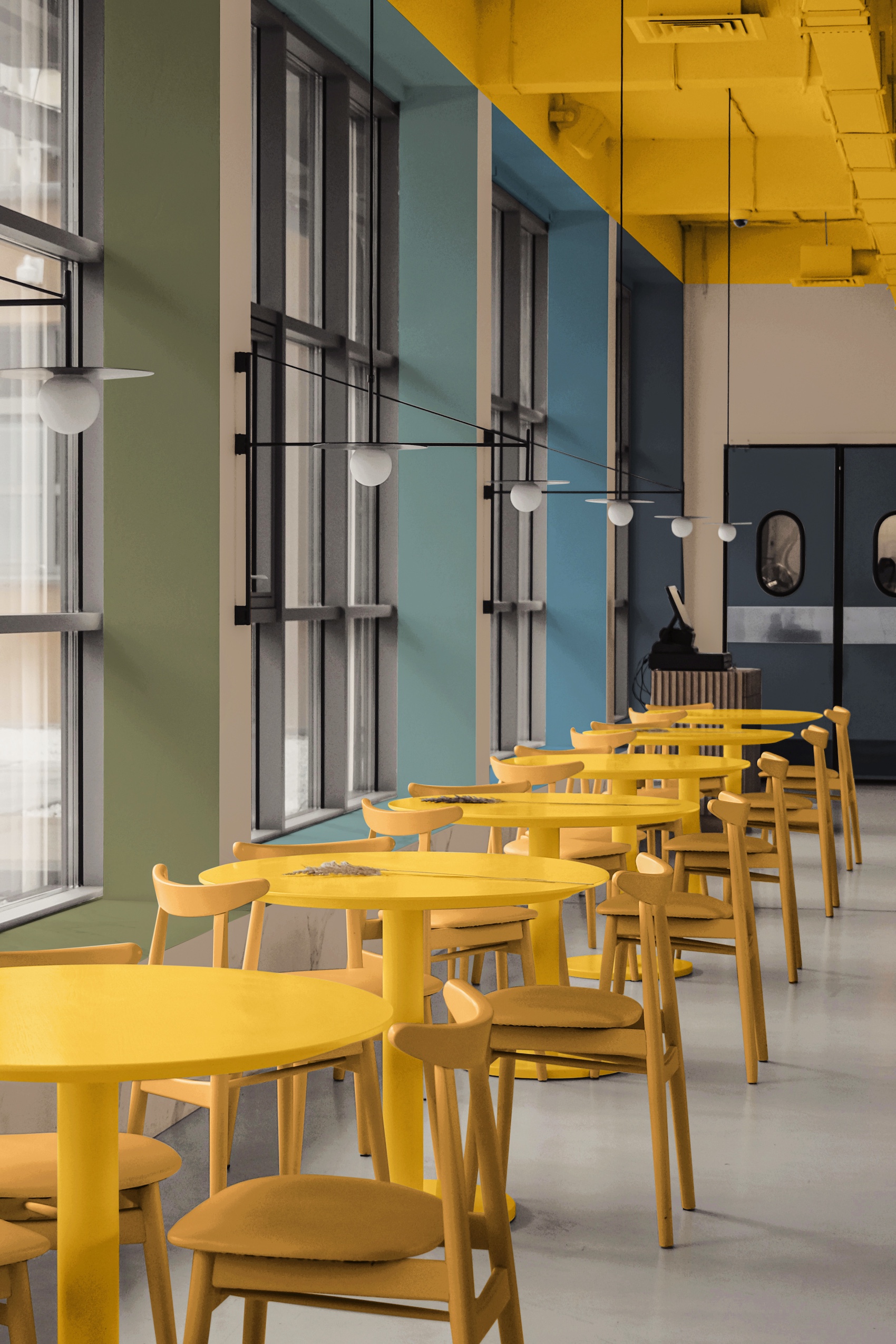
Dawn Scott First impressions are formed within moments of entering a space, making colour and paint specification key to the overall guest experience. A carefully considered colour palette helps create the right atmosphere, reinforces a brand’s identity and guides guests intuitively through different areas. At the same time, specifying durable, high-performance finishes ensures busy hospitality environments continue to look their best despite constant use. Together, colour and product specification create welcoming, memorable spaces that encourage guests to stay longer and return.
The Dulux Trade Leisure Sector Guide and Hospitality & Leisure hub bring together colour inspiration, product recommendations and technical guidance. What are the biggest specification challenges they help architects and designers address?
Dawn Scott Hospitality projects need to balance aesthetics with long-term performance. Designers must create distinctive interiors while selecting finishes that withstand heavy footfall, frequent cleaning, moisture and everyday wear. They also need to consider accessibility, colour contrast, sustainability and compliance. The Dulux Trade hospitality and leisure resources bring these requirements together in one place, combining colour inspiration with practical product recommendations, specification guidance and digital tools that help architects specify confidently from concept through to completion.
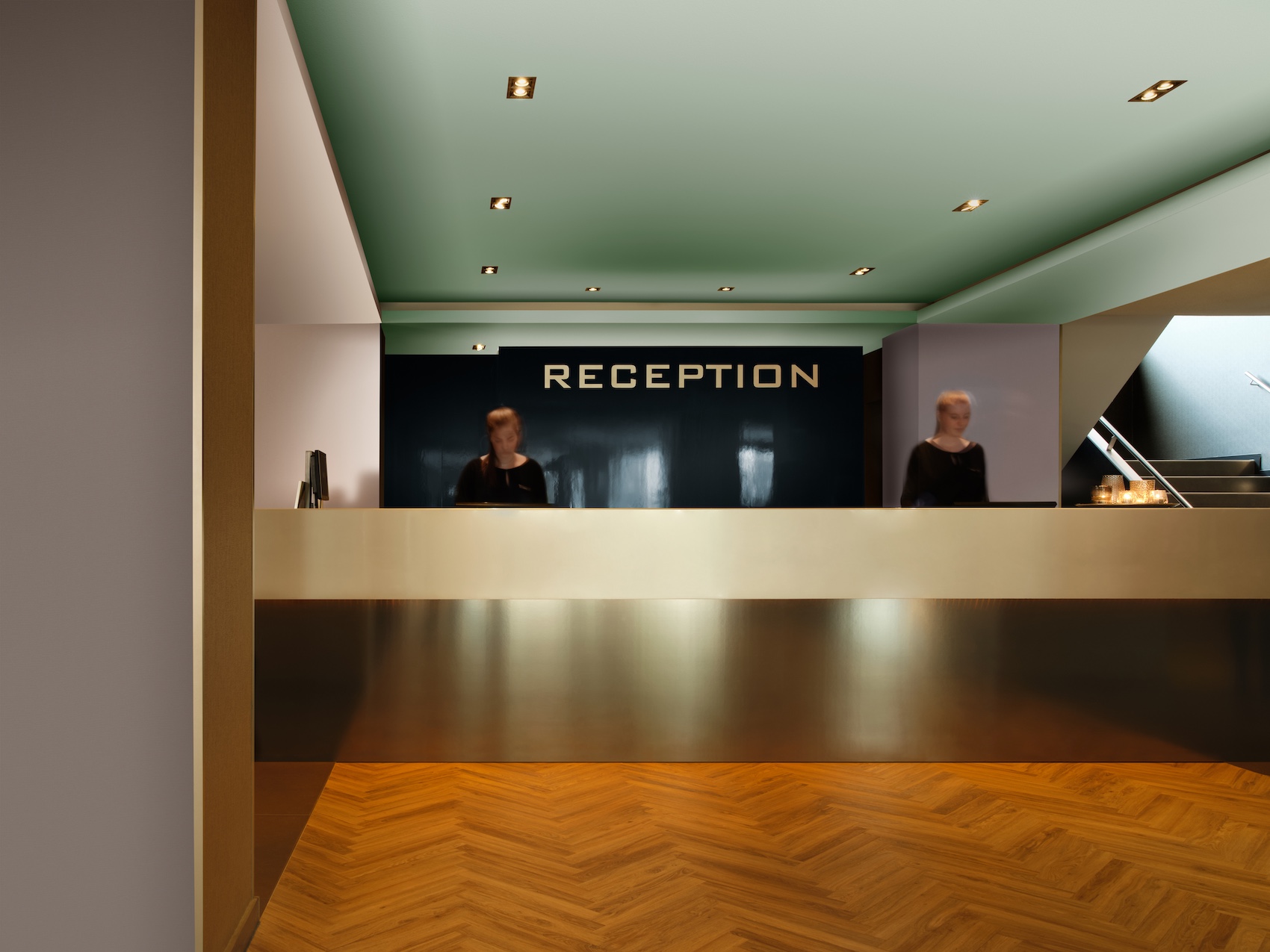
Many hospitality projects involve listed buildings or historic settings. How can architects respect a building’s heritage while introducing contemporary colour schemes and finishes?
Dawn Scott Historic buildings offer an opportunity to celebrate original character while creating spaces that meet modern expectations. Contemporary colour doesn’t have to compete with heritage architecture; instead, it should complement existing features and enhance their significance. Collections such as Dulux Heritage combine historically inspired colours with modern paint technology, allowing designers to achieve authentic, period-inspired schemes alongside the durability and performance needed for today’s hospitality environments. The result is a space that feels timeless rather than themed.
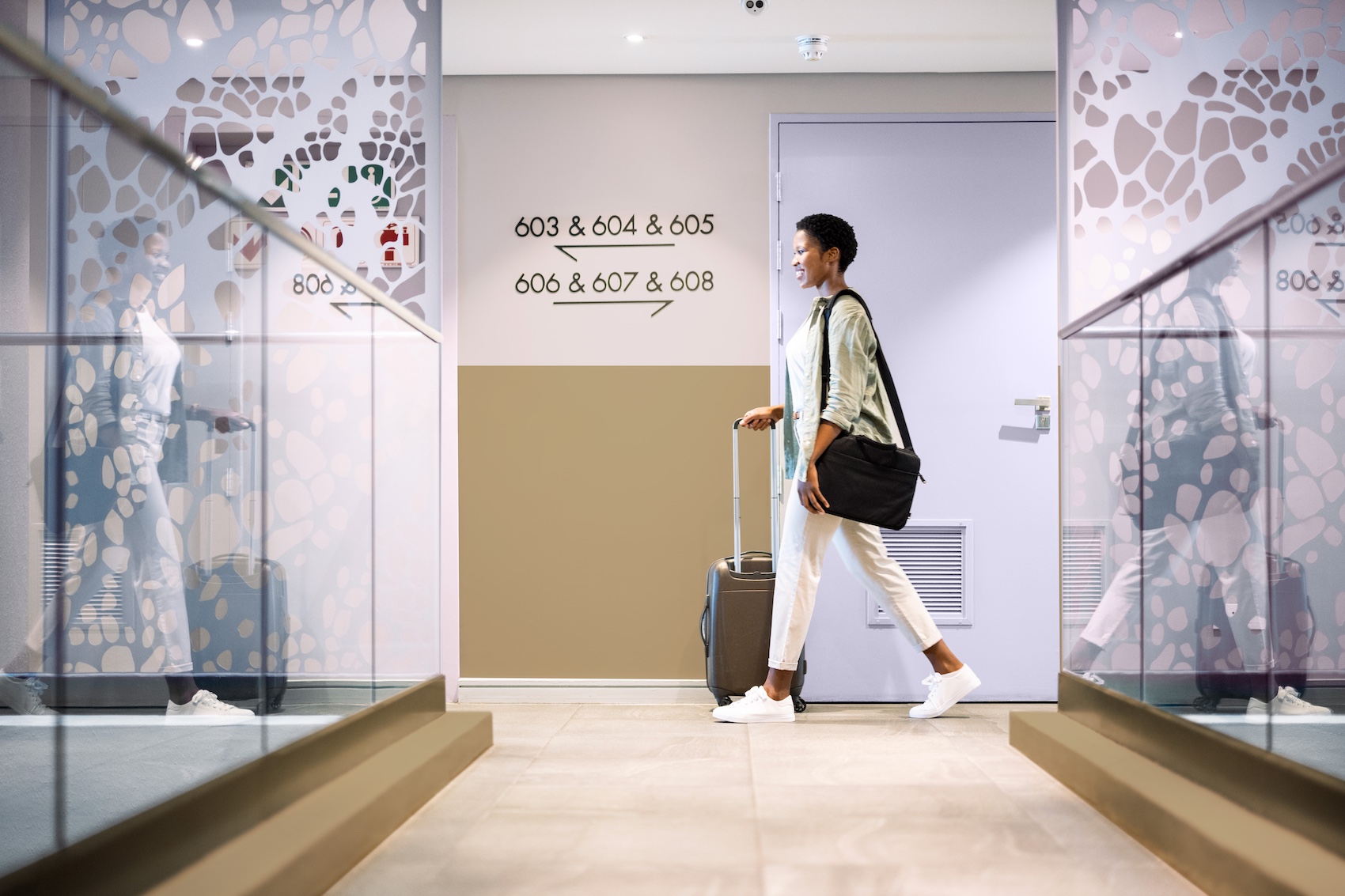
Colour trends in hospitality evolve quickly. How can designers create interiors that feel distinctive and current without becoming dated after only a few years?
Dawn Scott Rather than relying on short-lived trends, designers should build schemes around timeless, versatile palettes that reflect the brand’s long-term identity. Neutral base colours combined with carefully selected feature shades provide flexibility, allowing accessories, furniture and decorative elements to evolve over time without requiring complete redecoration. Considering how colours work together across walls, joinery and feature areas also creates a cohesive scheme that remains relevant, helping hospitality environments feel fresh, distinctive and enduring.
Hotels and restaurants often operate seven days a week, making refurbishment programmes particularly challenging. What specification decisions can help minimise downtime while maintaining high standards of appearance and performance?
Lee Crossland Due to the demanding operational requirements of leisure facilities, minimising the impact of painting and refurbishment works is essential. Choosing water-based products from our 99.9% VOC-free range, such as Dulux Trade Diamond Matt, Dulux Trade Vinyl Matt and Dulux Trade Diamond Eggshell, can help reduce VOC emissions compared with equivalent solvent-based paint systems. They may also produce less noticeable paint odour during application, depending on site conditions. This minimises disruption to customer experience, reduces downtime and area closures, and helps facilities remain operational throughout refurbishment. Specifying durable products can help to extend maintenance cycles and reduce the frequency of repainting, which may lower material consumption and maintenance requirements over the building’s lifetime.
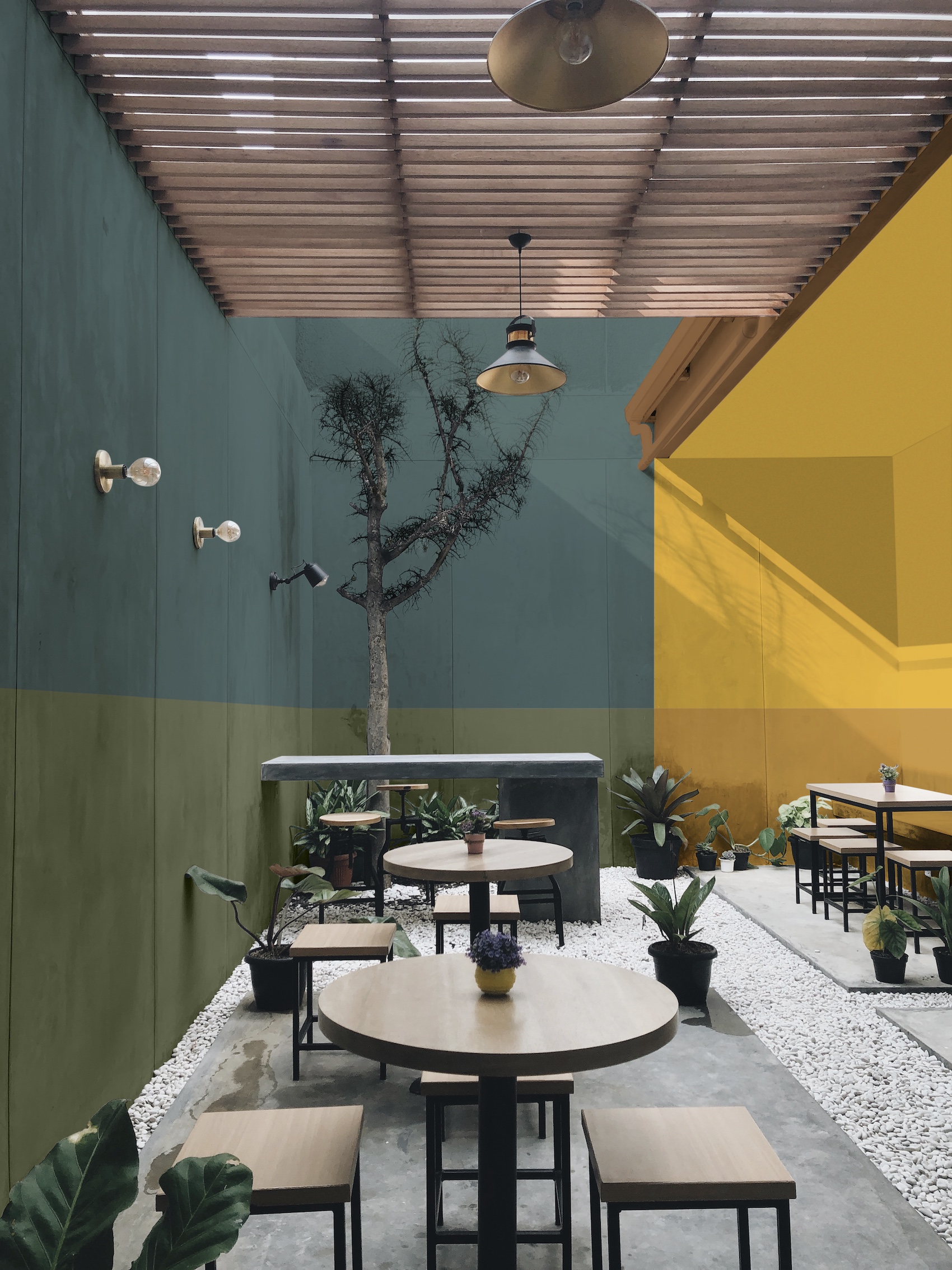
Hospitality interiors are subjected to heavy use. What should architects look for when selecting paint systems for high-traffic areas such as receptions, corridors, bars, restaurants, kitchens and guest bedrooms?
Lee Crossland When specifying coating systems for hospitality environments, it is essential to select products that deliver the appropriate level of durability, performance, and aesthetic finish for the intended application. Each area within a hospitality setting is subject to varying levels of traffic, wear, and maintenance requirements, making product selection a critical component of the overall specification. In addition to the colour and design scheme, specifying the correct products for each location is fundamental to achieving a high-quality finish that continues to perform throughout the building’s lifecycle and reduces maintenance requirements. For example, a highly durable paint like Dulux Trade Scuffshield Matt may be appropriate for walls in busy entranceways, whereas Dulux Trade Durable Kitchen & Bathroom Eggshell would be best for high-moisture areas.
Which Dulux Trade products or coating systems are most commonly specified for hospitality projects, and how do they support durability, maintenance, sustainability and lifecycle value across both interior and exterior applications?
Lee Crossland Our most frequently specified coating systems are selected from our high-performance durable range, including Dulux Trade Diamond Matt, Dulux Trade Diamond Eggshell, Dulux Trade Scuffshield, and Dulux Trade Durable Kitchen & Bathroom Eggshell for wall surfaces, and Dulux Trade Diamond Satinwood for trim and joinery. Each product has been developed to provide specific performance characteristics, enabling the appropriate coating system to be matched to the operational demands of each environment. This ensures optimum durability, stain resistance, scuff resistance, and cleanability, helping interior surfaces maintain their appearance for longer, even in high-traffic areas.
Sustainability is becoming an increasingly important consideration for hotel operators and restaurant brands. How can paint specification contribute to lower environmental impact, healthier interiors and more efficient building operation?
Lee Crossland Paint specification can help to support lower-emission refurbishment projects and create more durable spaces. Water-based products with ultra-low or 99.9% VOC-free formulations can help reduce VOC emissions compared with equivalent solvent-based options. Specifying highly durable, washable coatings can also help to extend maintenance cycles and reduce the frequency of repainting. Over time, this may reduce material consumption, waste, labour requirements, and operational disruption. Considering product durability, maintenance needs, manufacturing information and available lifecycle data as part of the specification process can help project teams make more informed whole-life product choices.
What resources does Dulux Trade provide to support architects working on hospitality projects, from early colour selection through to technical specification, and what is the most common mistake you see when specifying colour for hotels and restaurants?
Dawn Scott Dulux Trade supports architects throughout the specification process with sector guides, curated colour palettes, the Paint Specification Creator, and technical advice that can all be accessed via the Specification Hub. Together, these resources simplify colour selection, product specification and compliance. One of the most common mistakes is choosing colours in isolation, without considering how they perform under different lighting conditions, alongside neighbouring surfaces or as part of the wider guest journey. Considering the complete environment almost always delivers a stronger result.
Contact Details
Click here to download the Dulux Trade Leisure Sector Guide.
Click here to access the Dulux Trade Paint Specification Hub.
For more information about specifying colour and paint on healthcare projects, call 0333 222 7070, email or visit the Dulux Trade website.